







UDSM Steps Up Fight Against GBV in Research, Strengthens Safe and Inclusive Innovation Ecosystem
By Dickens Dominic, CMU
The University of Dar es Salaam (UDSM) has intensified efforts to promote safe, inclusive, and ethical research environments through a high-level training workshop focused on preventing and addressing gender-based violence (GBV) within academic and innovation spaces.
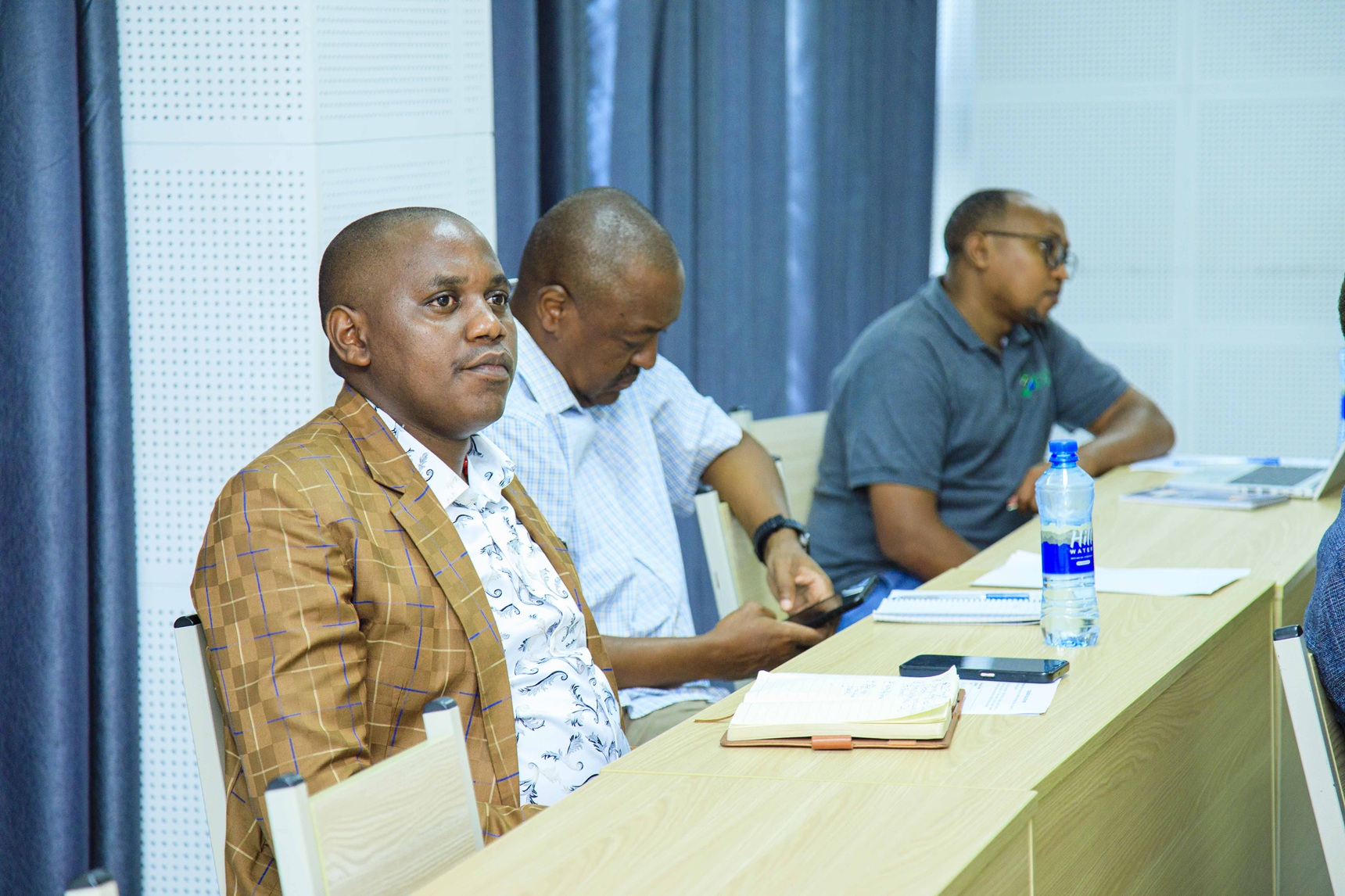
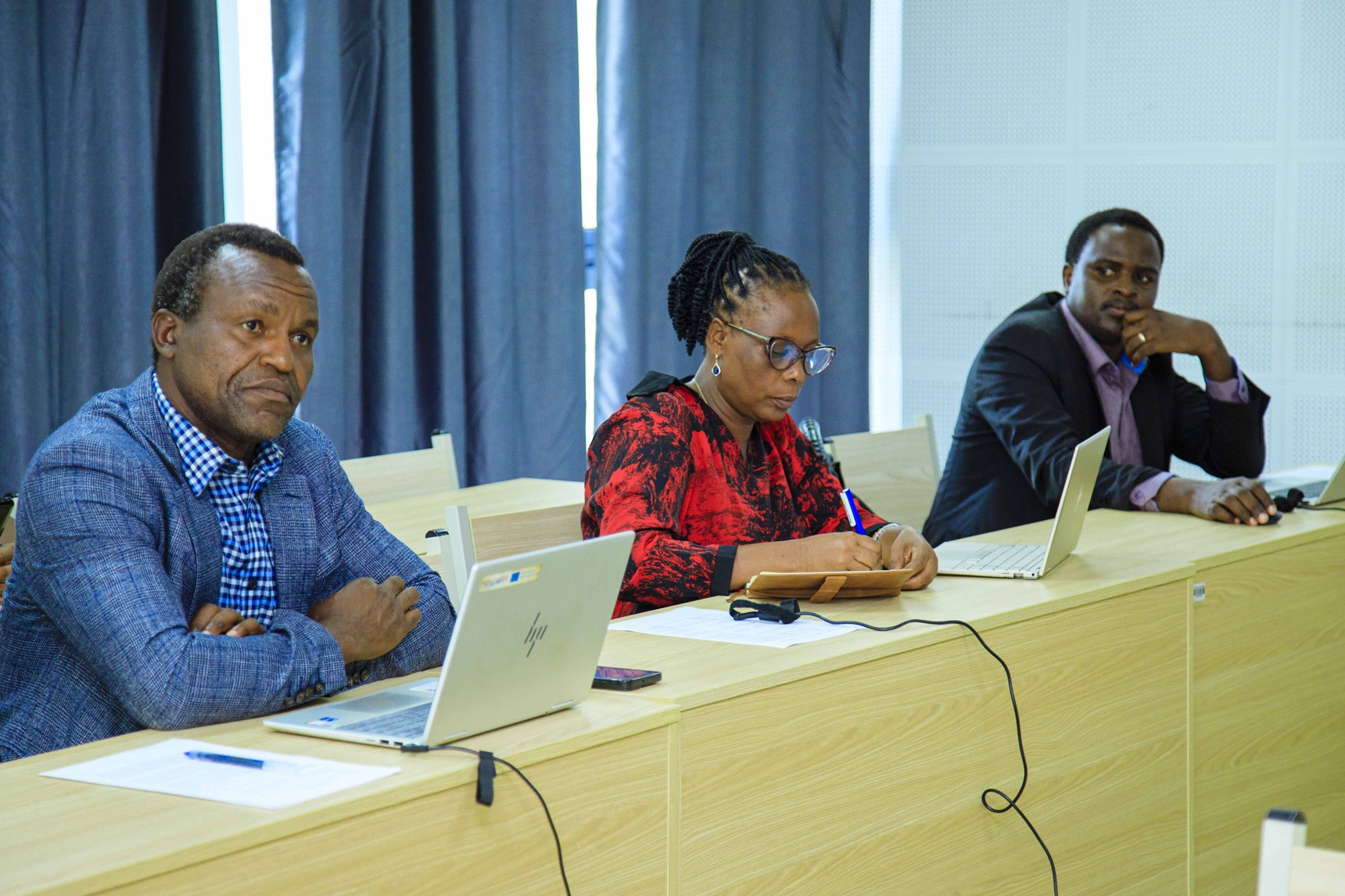
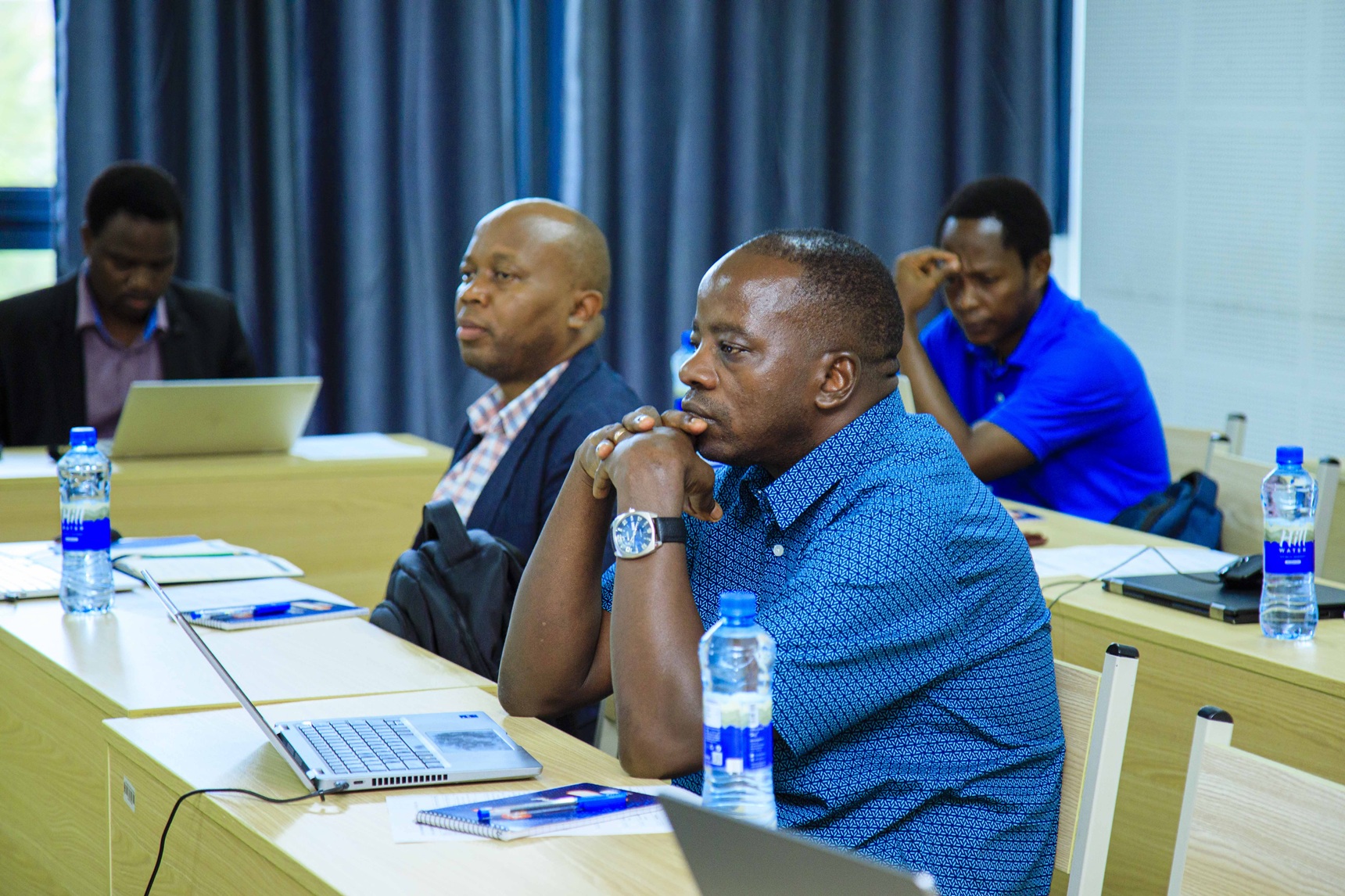
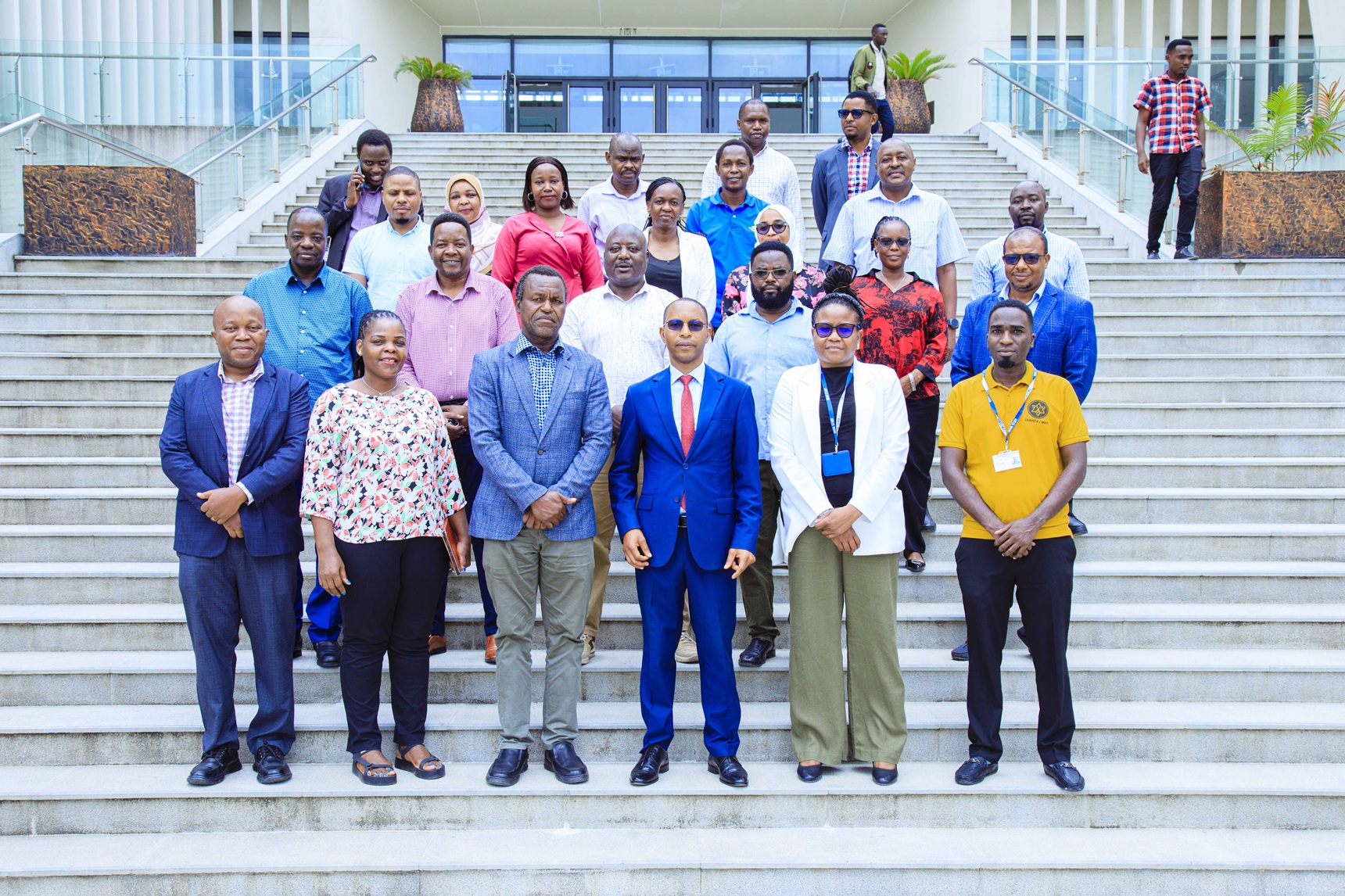
The one-day training, held recently under the Sida-funded Research and Innovation Management Subprogramme, brought together Principal Investigators, PhD candidates, supervisors, and innovation hub staff in a collective push to embed dignity, equity, and accountability at the core of research practice.
The workshop, titled “Preventing and Addressing Gender-Based Violence in Research and Innovation Ecosystems”, signals a growing institutional commitment to ensuring that research excellence goes hand in hand with respect for human rights and professional integrity.
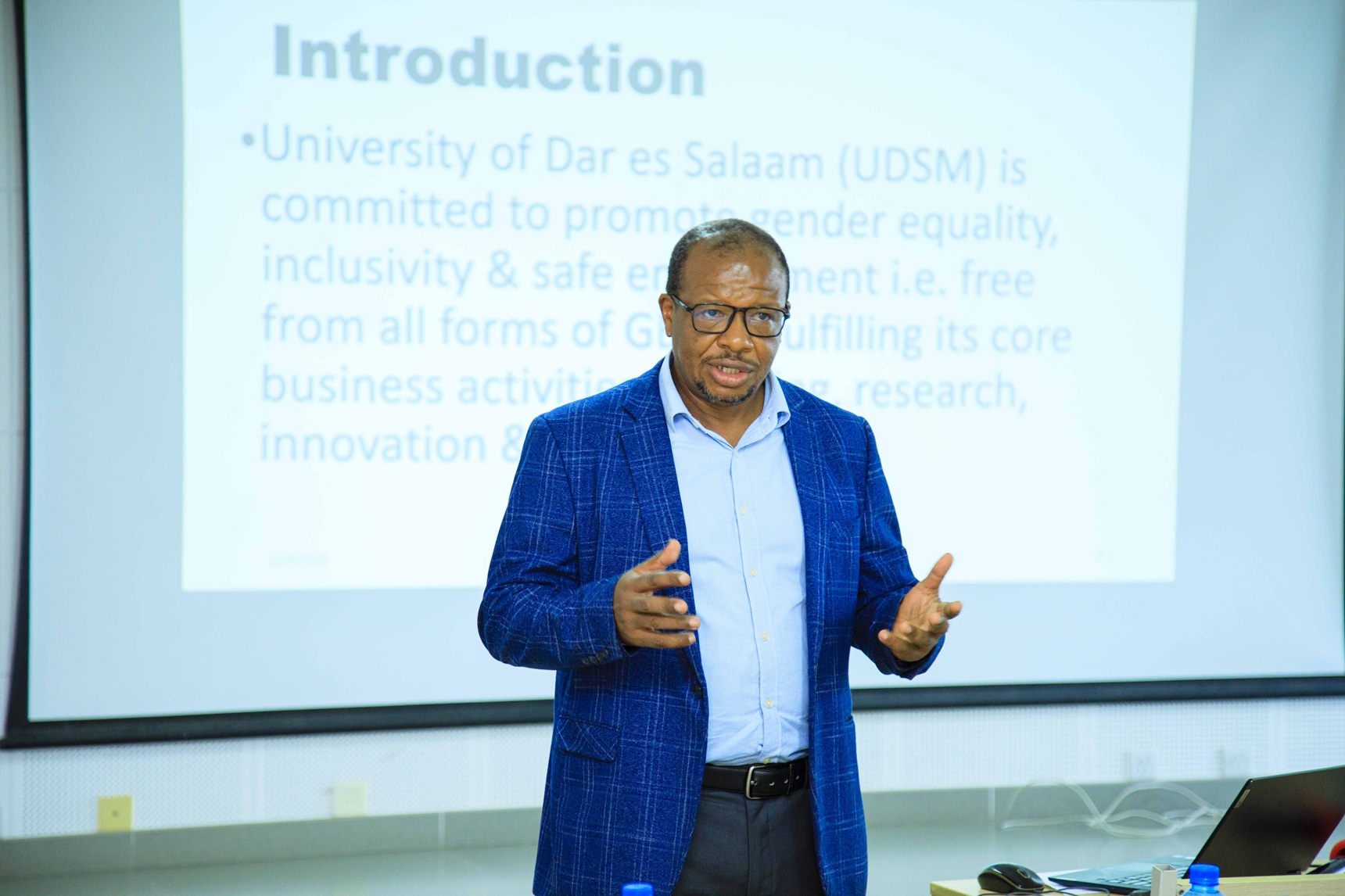
UDSM Deputy Vice Chancellor-Research, Prof. Nelson Boniface, underscored the urgent need to confront GBV as a systemic challenge within academic environments.
“Gender-based violence is not only a social concern; it is a research integrity issue. When it manifests through harassment, discrimination or abuse of power, it undermines creativity, limits participation and weakens the overall quality of research outputs”, he said.
Prof. Boniface noted that unsafe research environments disproportionately affect women and early-career researchers, discouraging their full participation and limiting opportunities for collaboration and innovation. He called for a zero-tolerance culture across the University.
“We must actively build environments where every researcher feels safe, respected and empowered to contribute. Excellence in research cannot be achieved without inclusivity,” he emphasized.
He said that fostering GBV-free research environments is not only about protecting individuals; it is about unlocking the full potential of the academic community. “When people feel safe and respected, they can innovate, collaborate and contribute meaningfully. That is the foundation of true academic excellence”.
From awareness to action
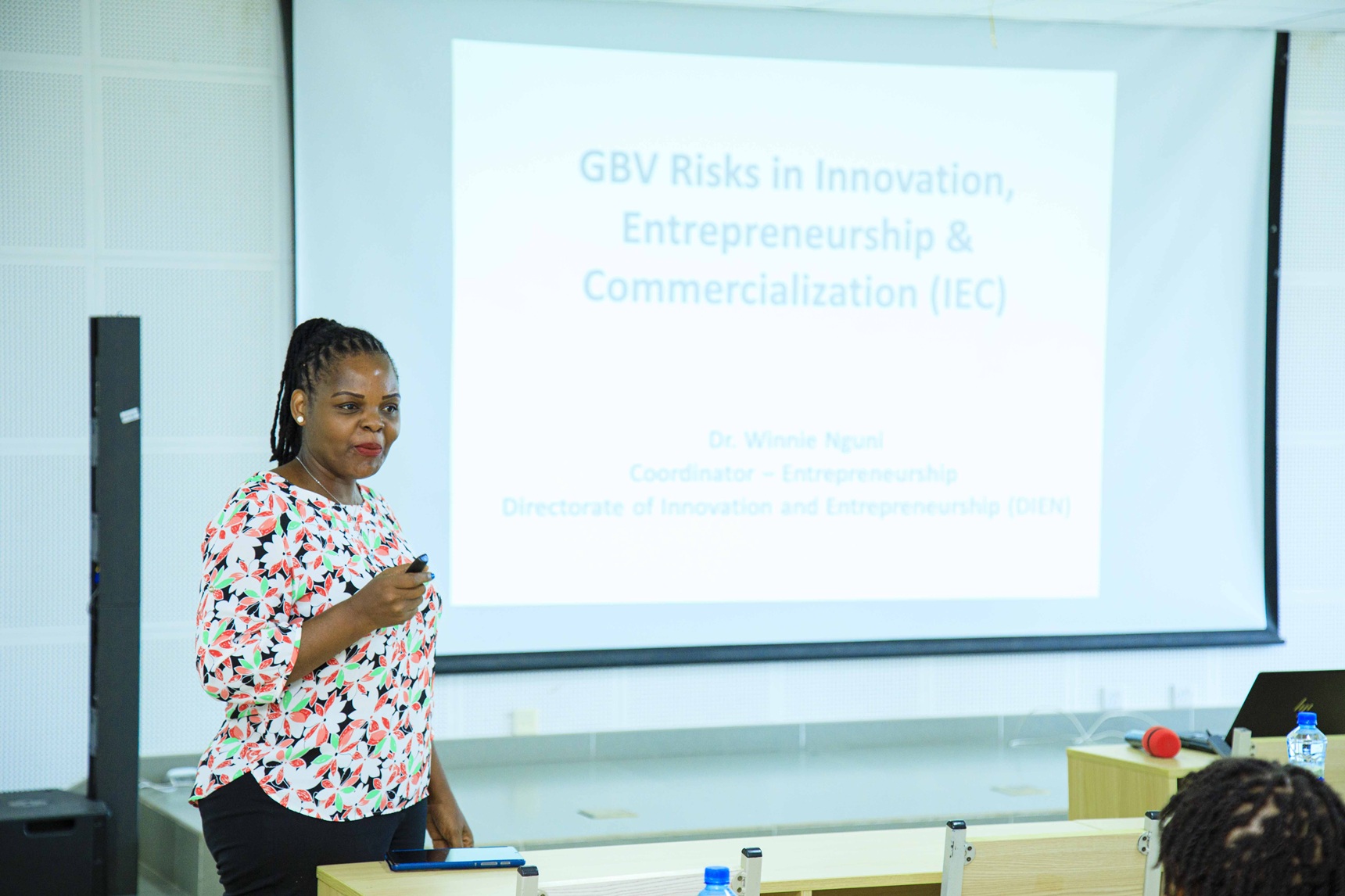
The training featured interactive sessions exploring how GBV manifests across research settings, from laboratories and fieldwork to supervision and innovation hubs. Participants engaged in practical exercises to identify risks, reflect on institutional practices, and develop strategies for prevention and response.
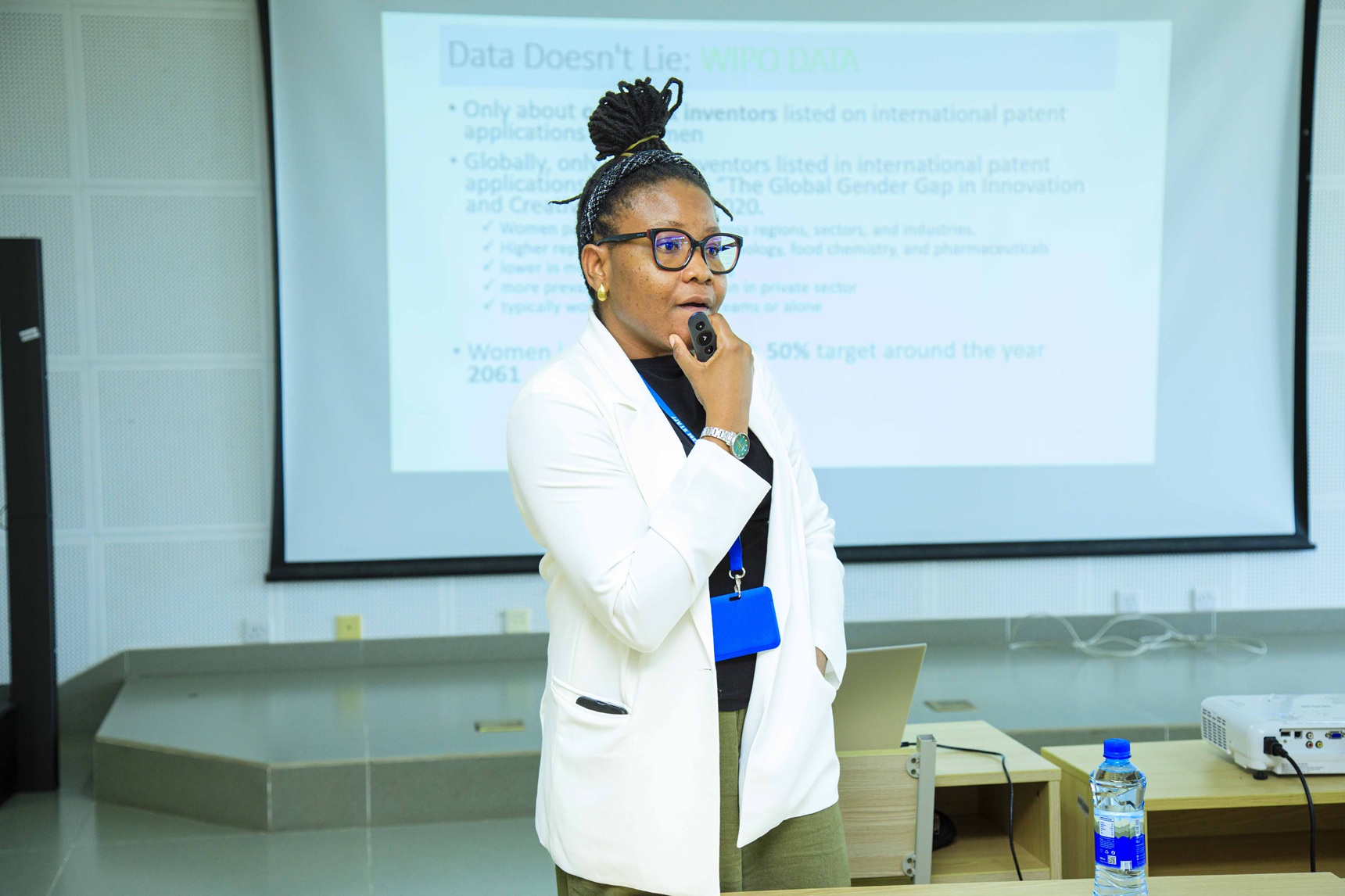
Facilitators highlighted that GBV is deeply rooted in systemic and structural inequalities, requiring coordinated institutional action. They emphasized the importance of integrating a gender-responsive approach throughout the research cycle, including design, implementation, and dissemination.
Participants were also oriented on existing University policies, reporting mechanisms and support systems, with particular emphasis on confidentiality, accountability, and survivor-centred approaches.
The workshop brought together expertise from multiple units, including the Directorate of Research and Publication, the Institute of Gender Studies and the Directorate of Innovation and Entrepreneurship, demonstrating that tackling GBV requires a whole-of-institution approach.
“This is not the responsibility of one office or one programme. Creating GBV-free spaces demands collective commitment, continuous awareness and strong institutional systems”, a facilitator noted during the sessions.
A key outcome of the training was the development of practical action plans by participants, outlining concrete steps to foster safer research environments within their respective departments and projects. These plans reflect a growing shift from awareness to implementation across UDSM’s research ecosystem.
Strengthening global partnerships for safer research
The initiative also underscored the importance of international collaboration in advancing gender equality in higher education. Support from the Swedish International Development Cooperation Agency (Sida) was instrumental in facilitating the training, highlighting the role of global partnerships in addressing complex challenges such as GBV in academia.
In this workshop, participants expressed renewed commitment to applying the knowledge gained and championing ethical research practices.
“This training has challenged us to rethink how we work and how we relate within research spaces. It is a call to action to ensure that our work environments reflect the values we promote in our research”, one participant said.
The training marks a significant milestone in UDSM’s broader agenda to strengthen its research and innovation ecosystem. By prioritizing safety, inclusivity and ethical conduct, the University continues to position itself as a leader in advancing responsible and impactful research.