

From Losing Her Sight to Leading Her Class: Jamila’s Remarkable Journey to Graduation
By Mercy Machange, CMU
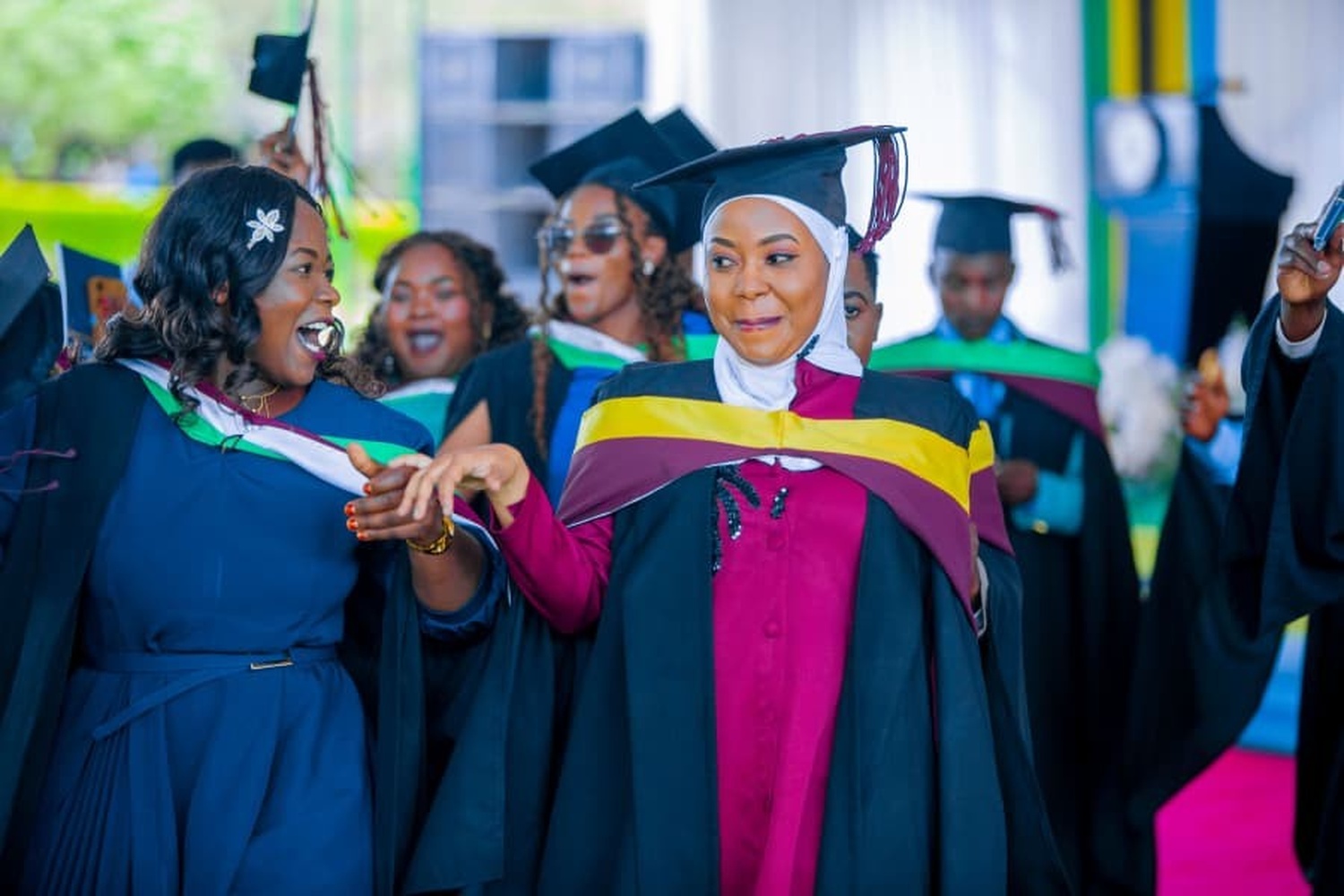
For Jamila Abdallah Nkomwa, wearing a graduation gown on 20 November 2026 was more than a celebration of academic success. It was the culmination of a difficult journey marked by the loss of her eyesight, years away from university, a family’s unwavering hope and a determination to reclaim a future that once seemed uncertain.
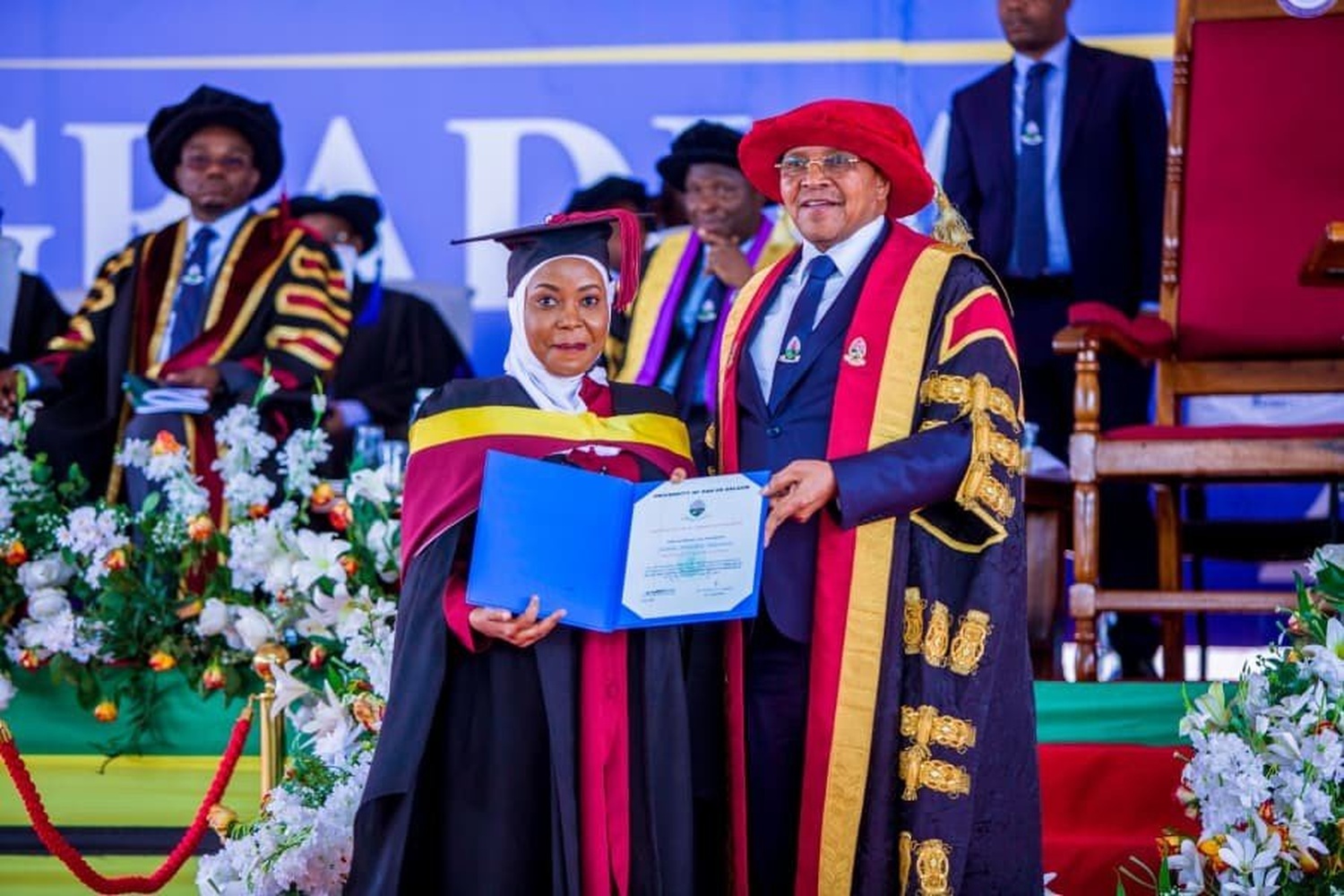
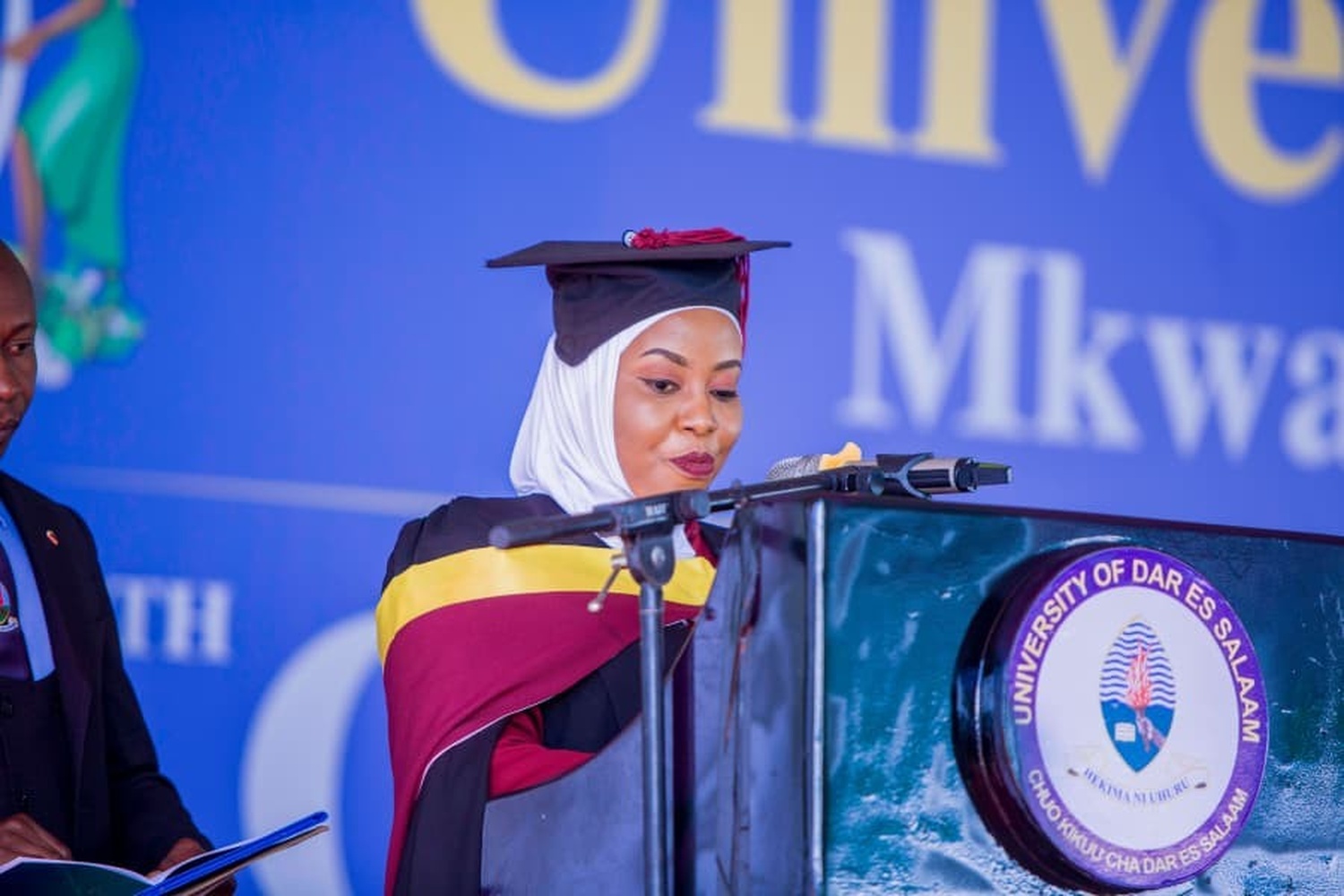
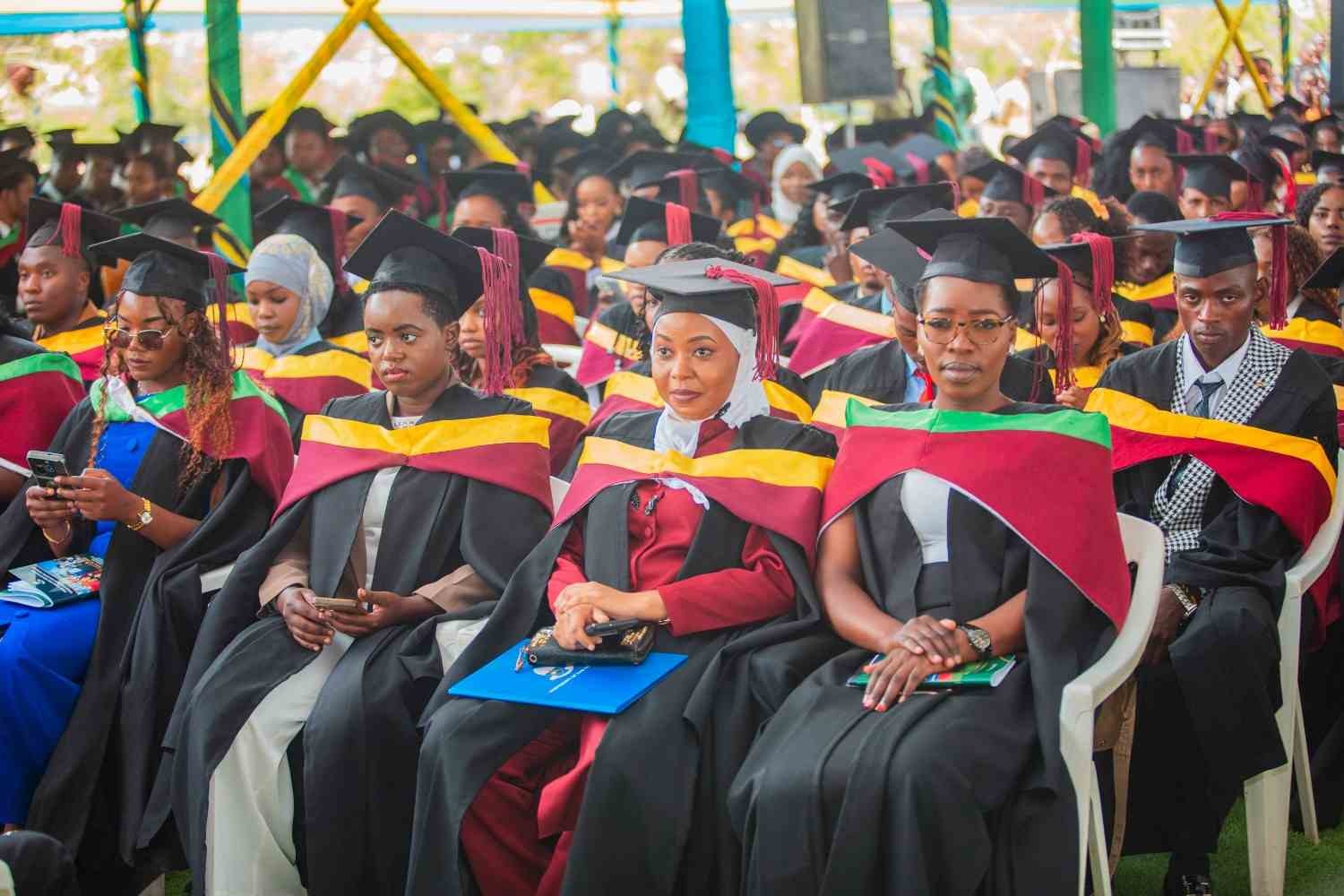
At the 18th Graduation Ceremony of the Mkwawa University College of Education (MUCE), a constituent college of the University of Dar es Salaam (UDSM), Jamila graduated with a Bachelor of Education in Science. She was also recognised among the five best students of her graduating cohort and given the honour of delivering a speech on behalf of her fellow graduates.
Her achievement was particularly remarkable because, after losing her eyesight in 2017, she had spent approximately five years away from university, uncertain whether she would ever return to the classroom.
Jamila joined MUCE in 2016 to pursue a Bachelor of Education in Science. She successfully completed her second year, but her academic journey took an unexpected turn in 2017 when she developed serious eye complications during her teaching practice, eventually losing her sight.
The sudden change disrupted not only her education but also her independence and everyday life.
“It wasn't easy because, before losing my eyesight, I was used to being independent and doing everything by myself. After losing it, I had to depend on my family,” she recalled.
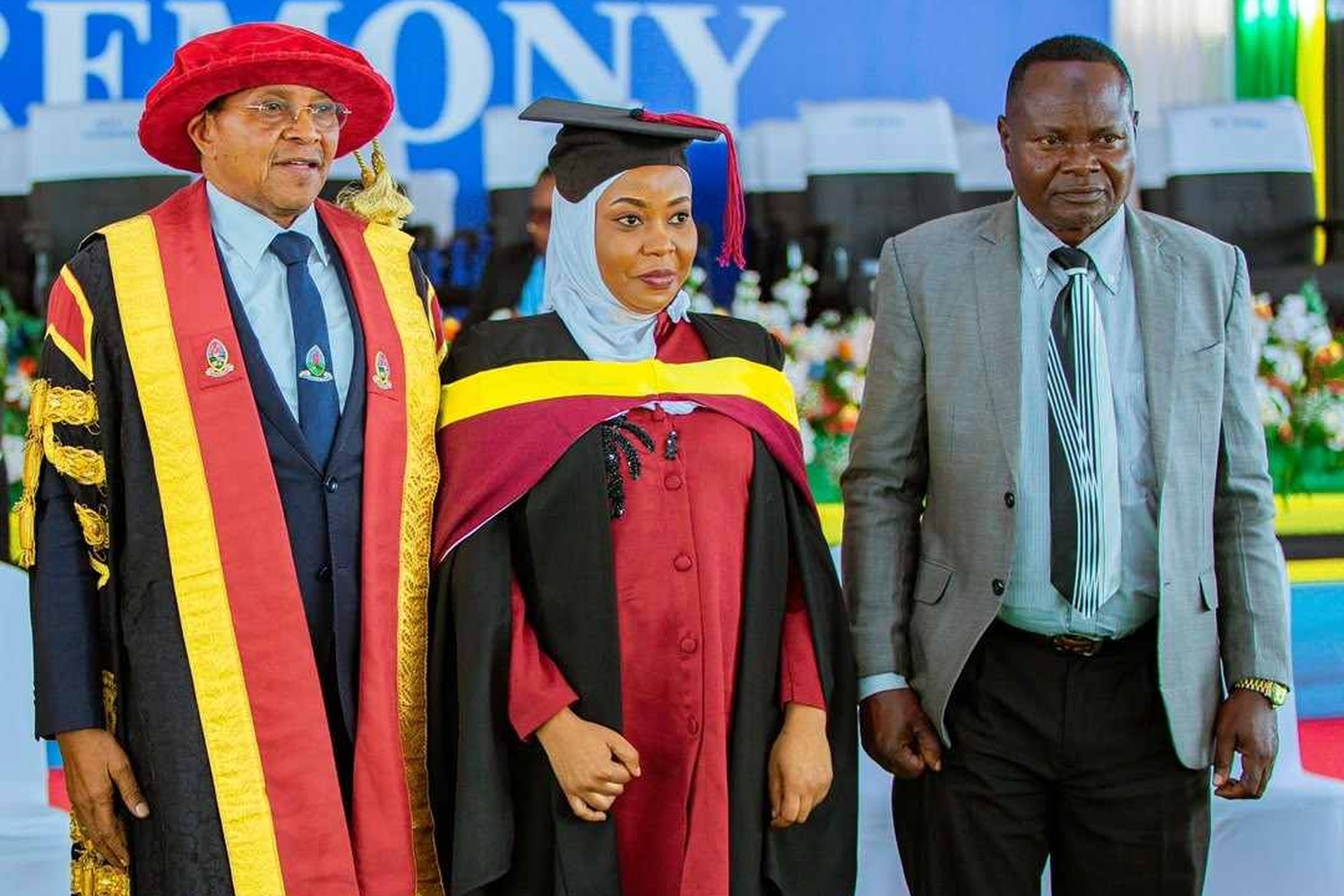
For her parents, the experience was equally painful. Her father, Abdala Mkomwa, described how the family moved between hospitals in search of treatment, initially visiting hospitals in Babati, Manyara Region, before Jamila was referred to Muhimbili National Hospital in Dar es Salaam.
The family also explored alternative treatment, holding on to the hope that their daughter would regain her sight and return to her studies.
“We struggled, taking her to different hospitals and even trying alternative treatment to ensure she recovered. We started in Babati and were later referred to Muhimbili, but we were eventually told that Jamila could not regain her eyesight,” her father recalled.
The news was devastating for the family, which had hoped to see her resume her education. Nevertheless, their support remained an important part of her journey as Jamila gradually adjusted to her new circumstances.
Finding the courage to begin again
For years, returning to university appeared increasingly difficult. However, a turning point came in 2022 when Jamila attended activities marking International White Cane Day. Meeting and learning about people with visual impairments who were pursuing education, working and participating actively in society helped restore her confidence.
She began to see that losing her eyesight did not necessarily mean losing her ambitions.
Determined to return, she spent eight months learning Braille before resuming her studies at MUCE in 2023, six years after her education had been interrupted.
Returning to university was not without anxiety. She had to adjust to new ways of learning, navigating the campus and participating in academic activities. However, the support she received from MUCE, its lecturers, specialised personnel and fellow students helped her regain confidence.
She particularly appreciated the College's willingness to accommodate her needs and provide an environment in which she could pursue her studies alongside other students.
“I was afraid, but I am grateful that Mkwawa University College of Education (MUCE) welcomed me warmly and gave me tremendous support. The College enabled me to study just like other students without disabilities and helped me realise that my disability was not a burden at all,” she said.
The College's contribution went beyond admission. Through its academic staff, specialised support services, assistive learning resources and the Special Needs Education Unit, MUCE provided an enabling environment for her continued academic participation.
Its support structures include specialised assistance for students with disabilities, including those with visual impairments, while trained personnel provide Braille transcription and assistive technology support.
Fellow students also played an important role, helping Jamila with academic activities and movement around the College. Their cooperation and willingness to support her made university life more manageable and reinforced her sense of belonging.
For Jamila, these efforts demonstrated that disability need not become a barrier to academic achievement when institutions, educators and fellow students work together to create inclusive learning opportunities.
A family’s joy and an institution’s investment rewarded
The determination that brought Jamila back to university ultimately produced an achievement that became one of the memorable highlights of MUCE's 18th Graduation Ceremony.
Beyond completing her degree, she emerged among the five best graduates and addressed her fellow graduands, turning a personal story of overcoming adversity into a message of hope for others.
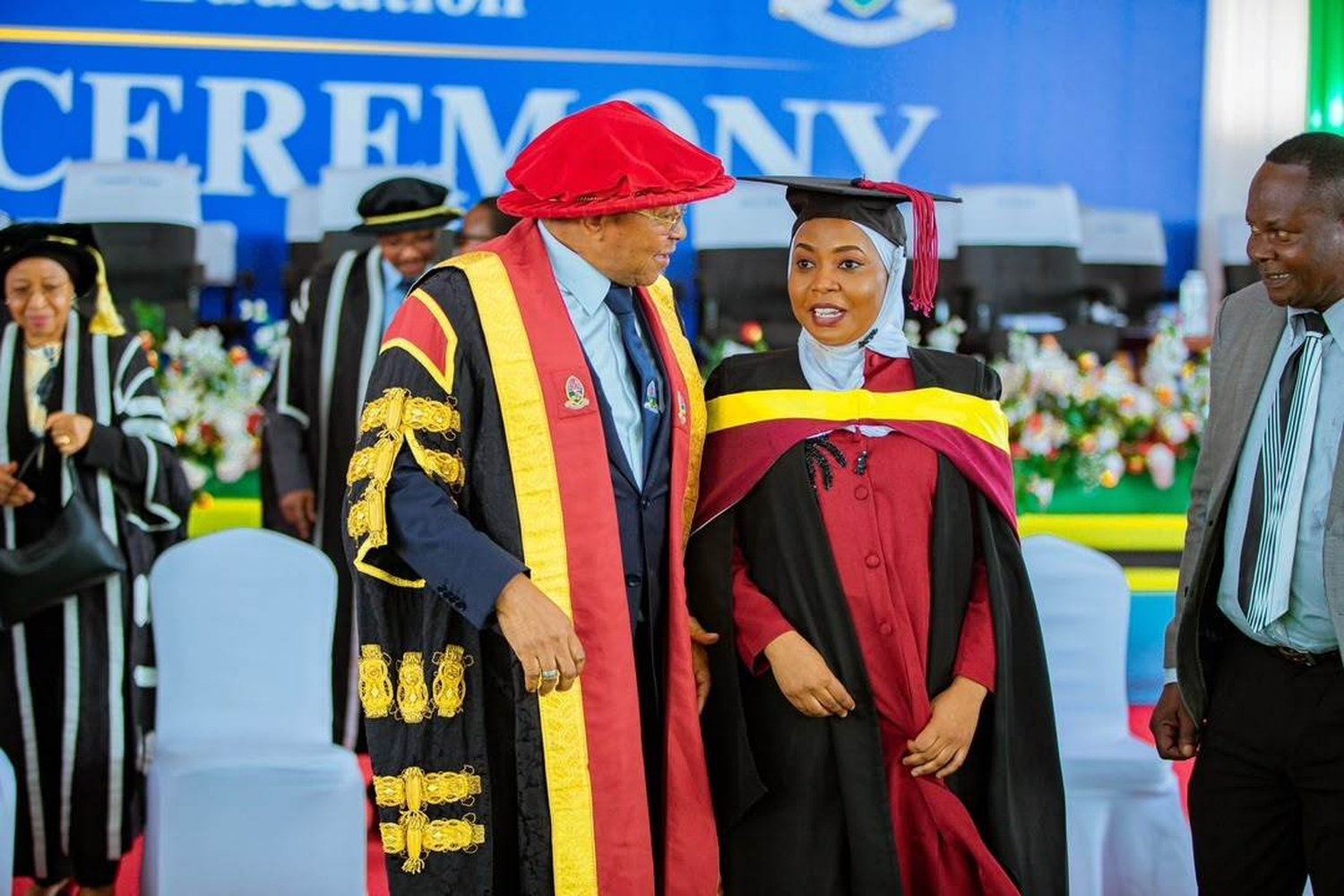
Her journey also attracted the attention of the Chancellor of the University of Dar es Salaam and former President of the United Republic of Tanzania, Dr. Jakaya Mrisho Kikwete, who congratulated her and offered her an opportunity for postgraduate studies through a scholarship, alongside a commitment to employment at the University.
He encouraged other graduates to draw inspiration from her determination, emphasising that where there is a will, there is a way.
For her parents, the announcement brought overwhelming joy after years of uncertainty and sacrifice.
Jamila's father said the opportunity had renewed the family's hope, describing the moment as an extraordinary source of happiness after the difficult years they had experienced.
The opportunity also gives Jamila a chance to turn her personal experience into professional knowledge that could benefit other learners, particularly those living with disabilities.
Beyond the graduation gown
For MUCE and its parent institution, UDSM, Jamila's achievement reflects the value of investing in inclusive higher education, where individual determination is complemented by institutional commitment, qualified academic staff, specialised expertise and appropriate learning resources.
It also demonstrates the importance of providing opportunities for students with disabilities to participate fully in university education and compete academically on equal terms.
For Jamila, however, the graduation gown represents something even more personal: a dream interrupted but never abandoned, a family that refused to give up hope and an institution that helped her find her way back.
As she prepares to pursue postgraduate studies and take up the promised professional opportunity, her journey carries a powerful message: losing one's sight does not mean losing one's vision for the future.