Vice President Hails UDSM for Delivering Quality Lindi Campus as Kikwete Calls for Roads, Staff Housing
By Special Correspondent, CMU
The Vice President Hon. Deogratius John Ndejembi has commended the University of Dar es Salaam (UDSM) for the impressive implementation of its Lindi Campus project, saying the quality of the buildings demonstrates prudent utilisation of public resources and exceptional value for money, as construction of the first phase reaches 98 per cent completion.
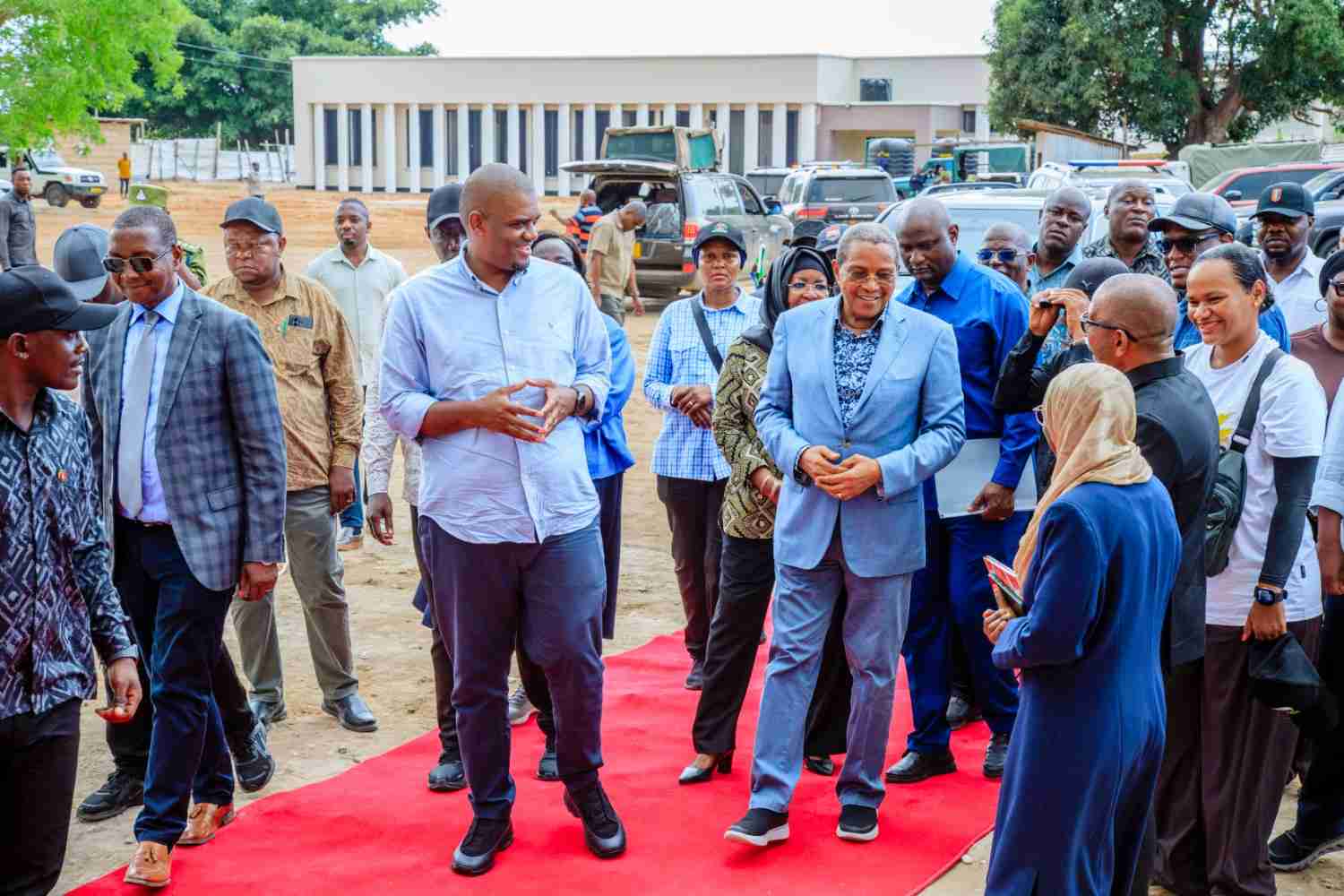
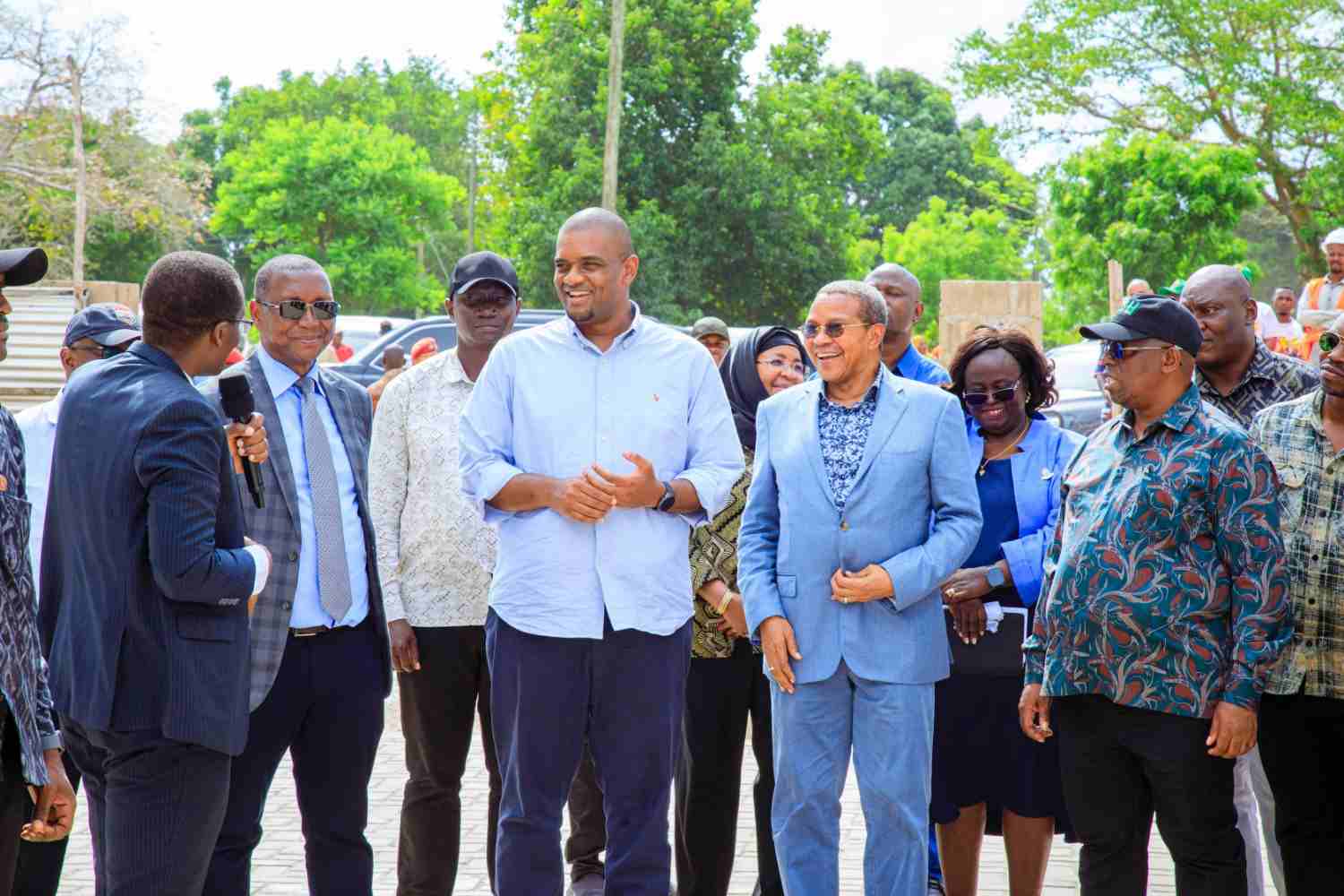
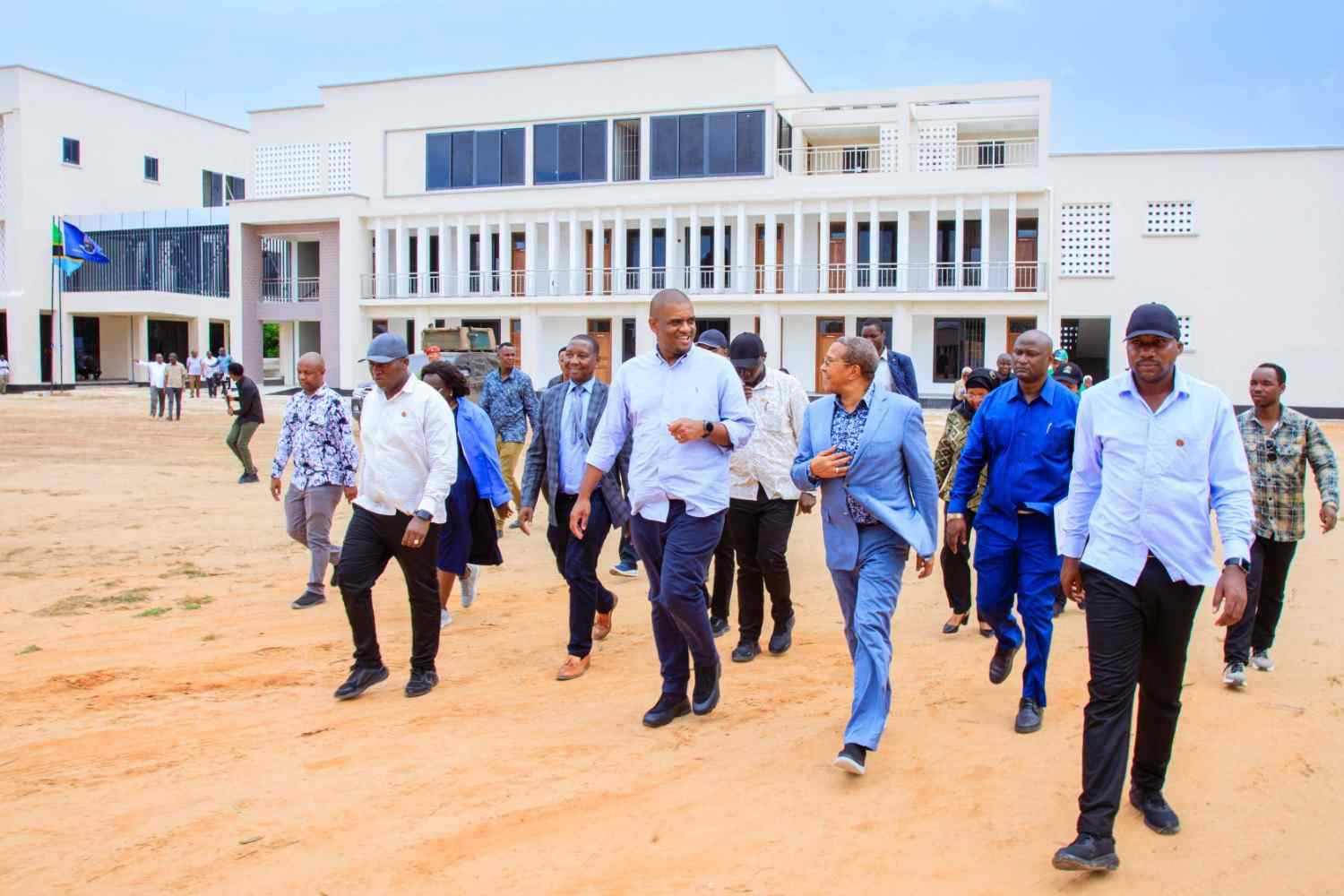
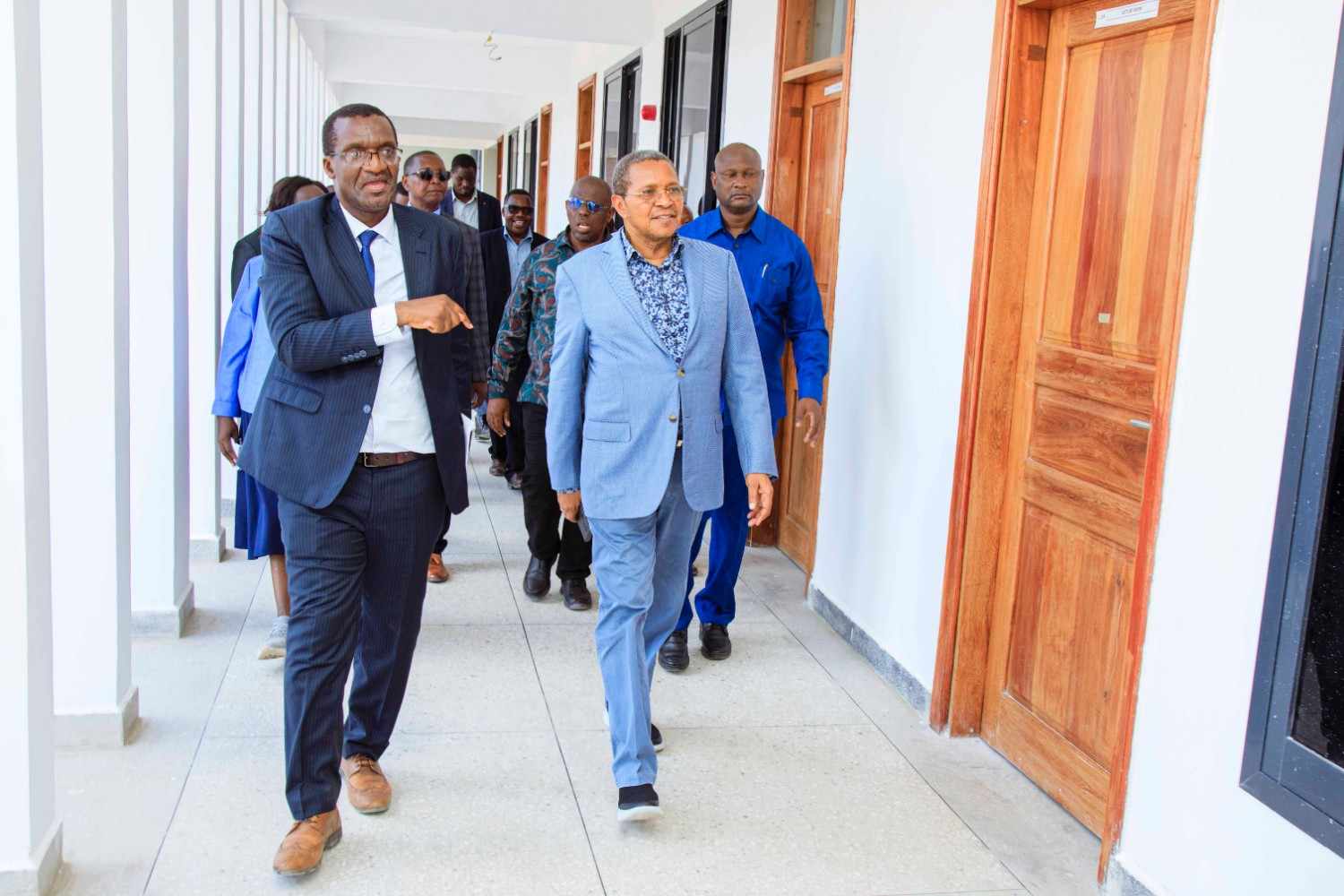
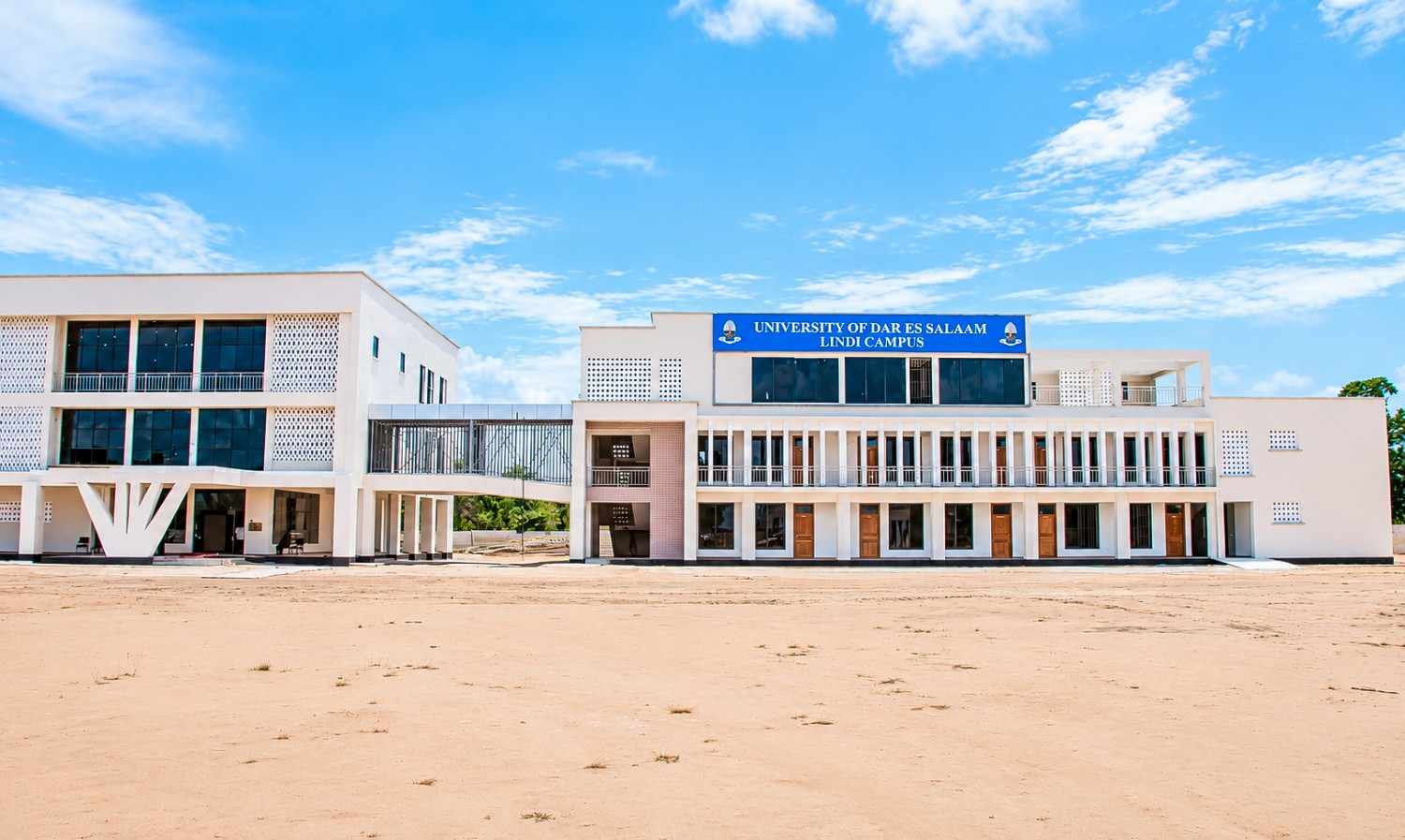
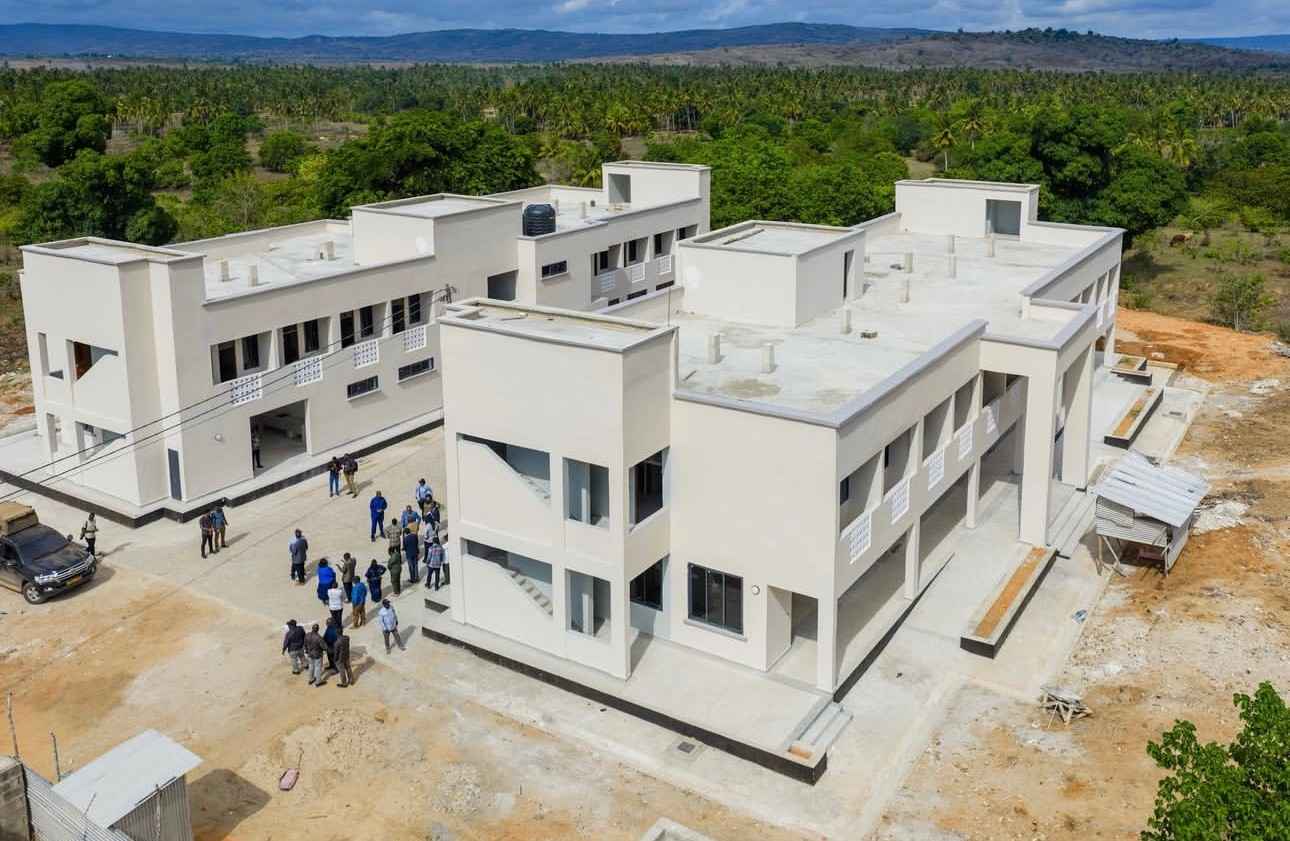
Impressed by the quality of the infrastructure during an inspection visit to the campus at Ngongo in Lindi Municipality, the Vice President said the TSh 14 billion investment had been translated into tangible results, urging other public institutions to learn from UDSM's approach to implementing major development projects.
“I am very impressed with how the University has implemented this project. When you look at these buildings, you can clearly see how the TSh 14 billion has been well spent. Indeed, there is value for money here. I encourage other institutions to come and learn from UDSM how to implement projects of this nature. I congratulate the University of Dar es Salaam for this achievement,” said the Vice President.
His remarks recognised the university's project management and supervision, as well as the quality of the infrastructure delivered through the Government-supported Higher Education for Economic Transformation (HEET) Programme.
The Vice President also directed the Ministry of Education, Science and Technology to consider giving the Lindi Campus priority in the second phase of HEET, particularly in the construction of residential houses for academic staff and other university employees to strengthen the institution's operational capacity.
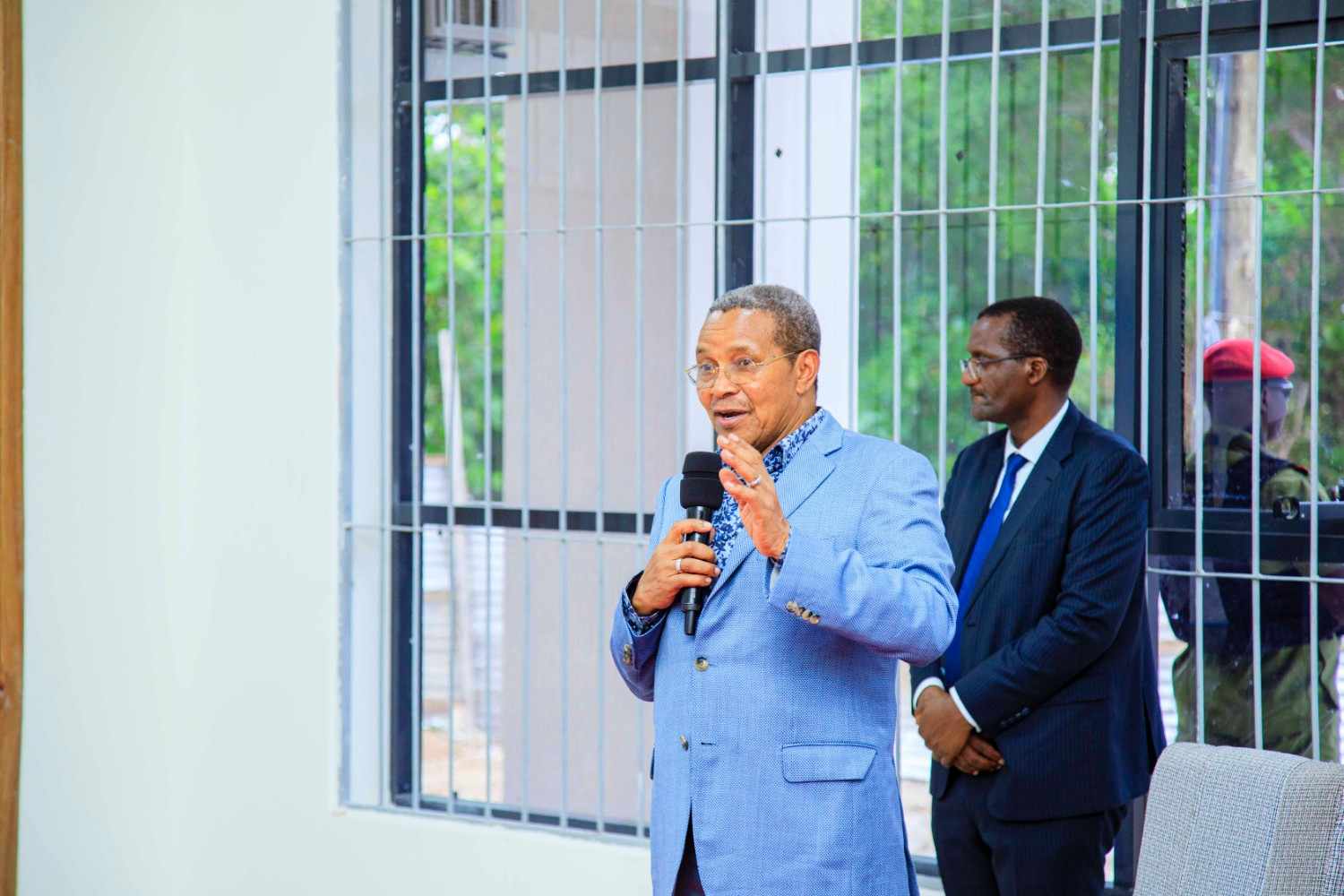
UDSM Chancellor and former President of the United Republic of Tanzania, Dr. Jakaya Mrisho Kikwete, welcomed the progress made but emphasised that completing the academic buildings must go hand in hand with addressing the remaining supporting infrastructure, particularly access roads and staff housing.
On the road infrastructure, Dr Kikwete stressed the importance of ensuring that the campus is properly connected and accessible, noting that the Government was committed to addressing the outstanding needs.
“The construction of the campus is an important achievement, but we must also ensure that the supporting infrastructure is completed. The road is particularly important, and the Government is committed to addressing this need. We must also look at the houses for our staff so that those working here have a conducive environment,” Dr Kikwete said.
His remarks highlighted the importance of developing the campus as a complete university community, with the necessary facilities to support teaching, learning, research and staff welfare.
The Vice President was received by Dr Kikwete, Minister for Education, Science and Technology, Prof. Adolf Mkenda, UDSM Deputy Vice Chancellor-Academic), Prof. Rose Upor, and the university's HEET Deputy Coordinator, Prof. Liberato Venant Haule.
98 per cent completion
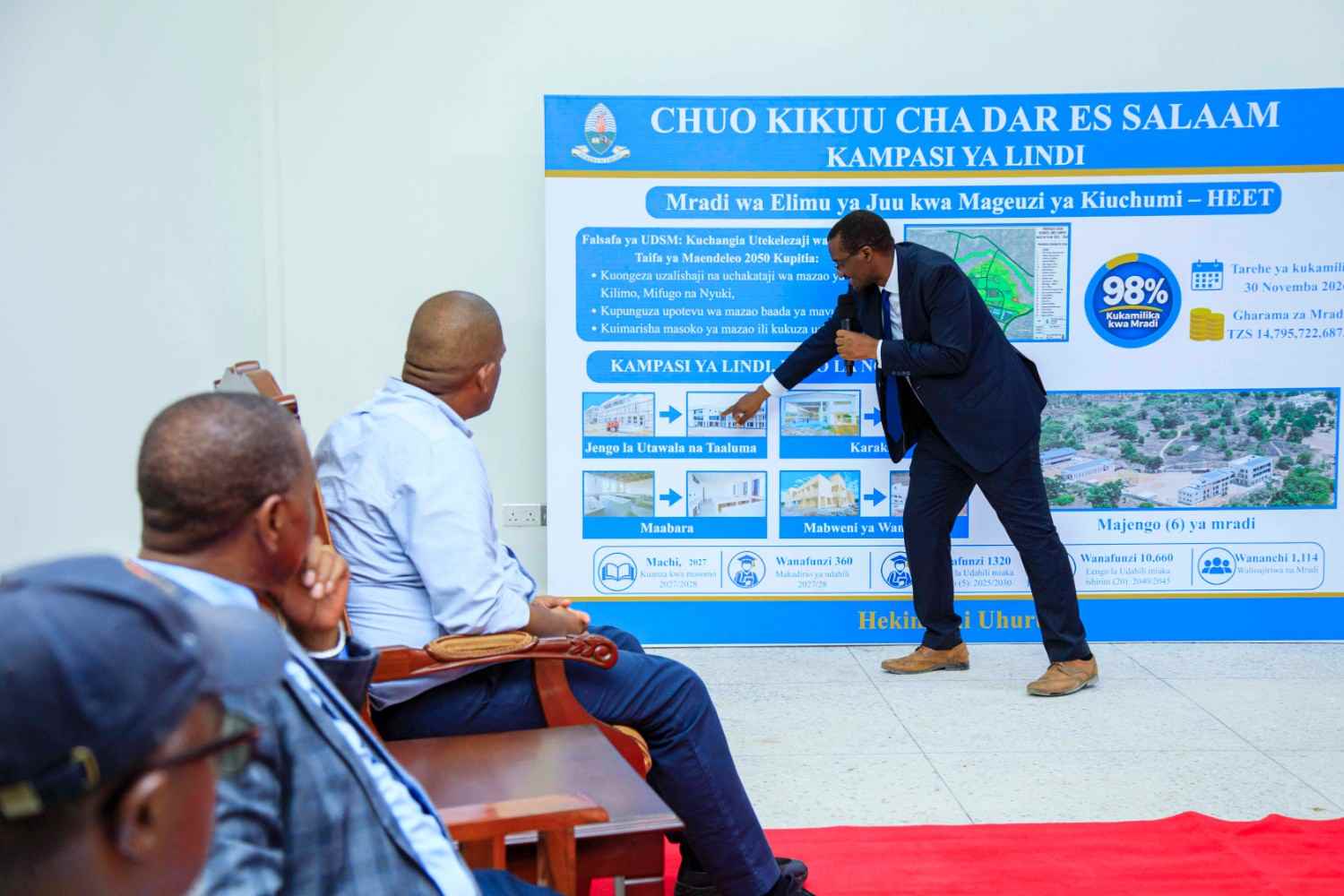
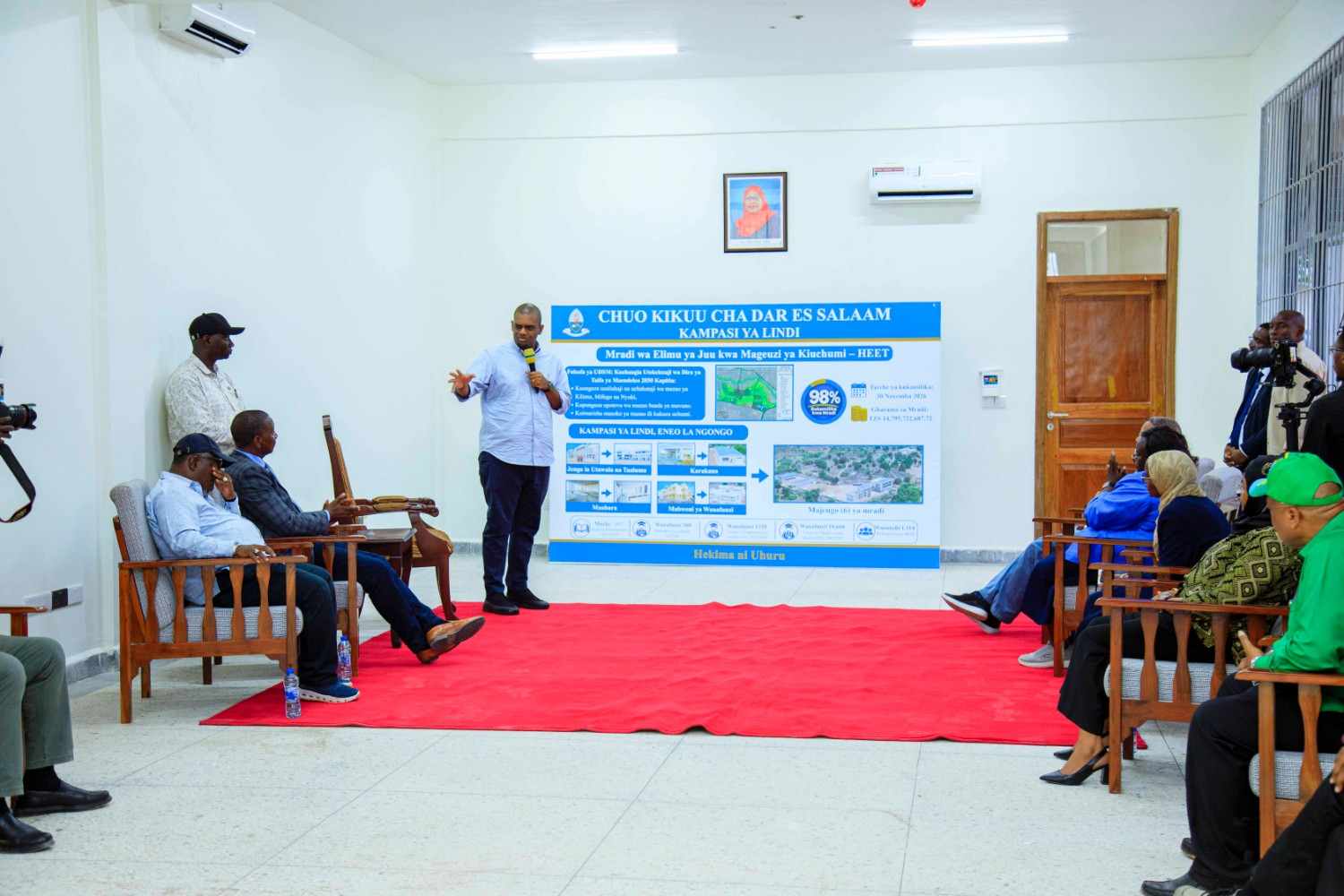
Presenting the project implementation report, Prof. Haule said the first phase had reached 98 per cent completion, with the contractor expected to hand over the buildings before November 30, 2026, following an extension granted to complete the remaining works.
“Completing the campus will bring significant value not only to the University but also to the surrounding community,” Prof. Haule said, highlighting the wider benefits expected from the investment.
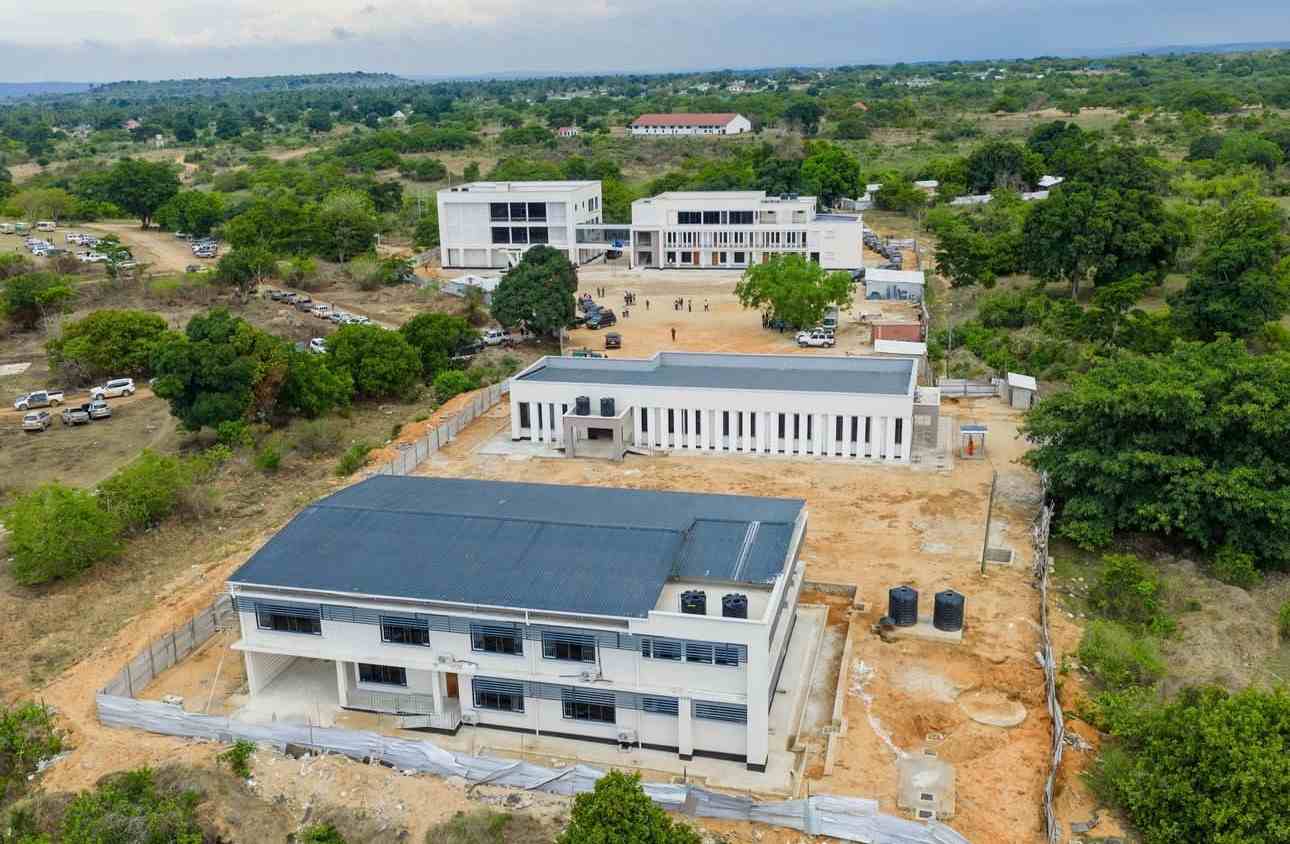
He explained that the project involves the construction of six buildings at Ngongo in Lindi Municipality and three additional buildings at the university's research centre in Ruangwa District, at a total cost of TSh 14,795,722,687.72.
The works are being undertaken by M/s Shandong Hi-Speed Dejian Group Ltd, with Geometry Consultants Limited serving as the supervising consultant.
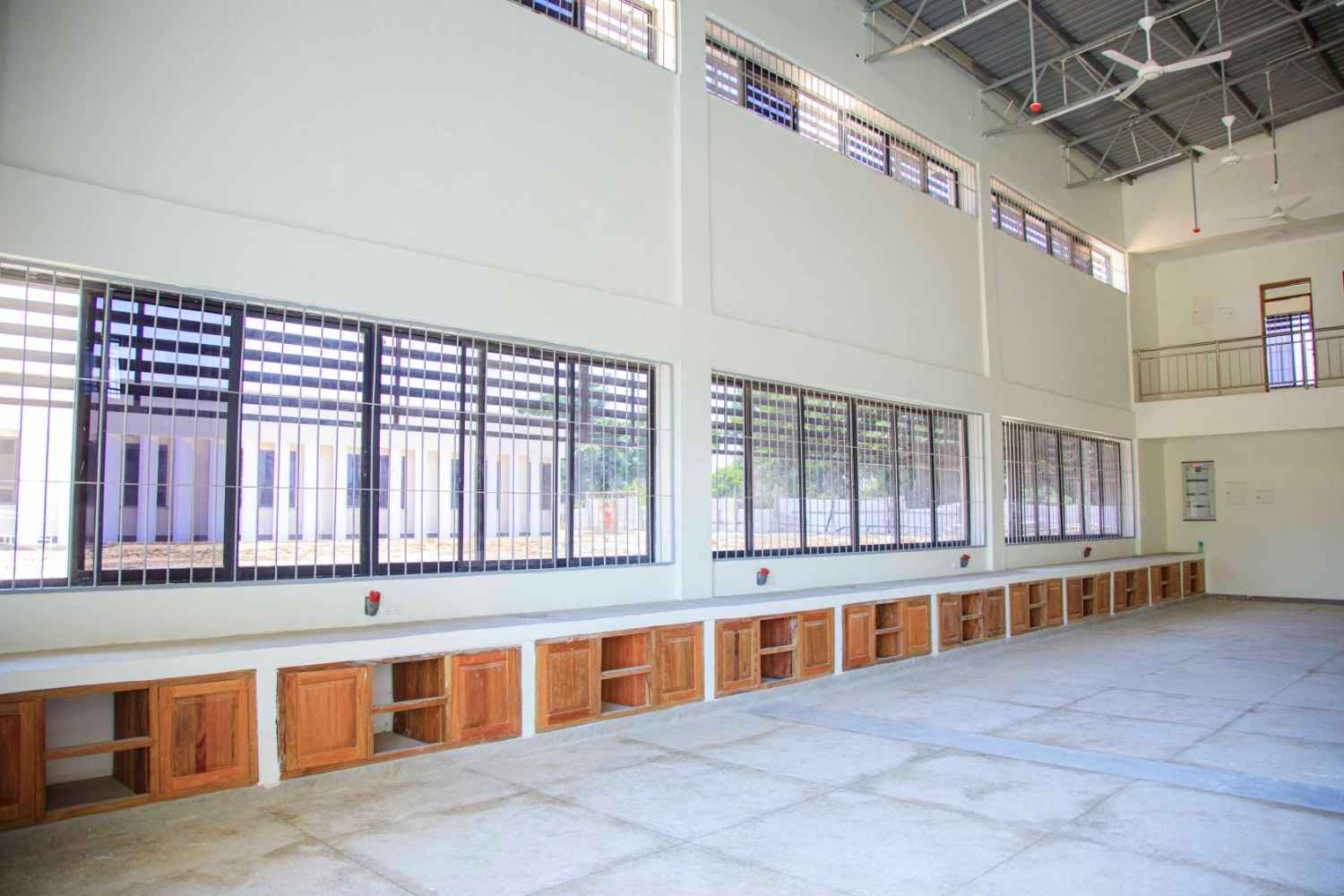
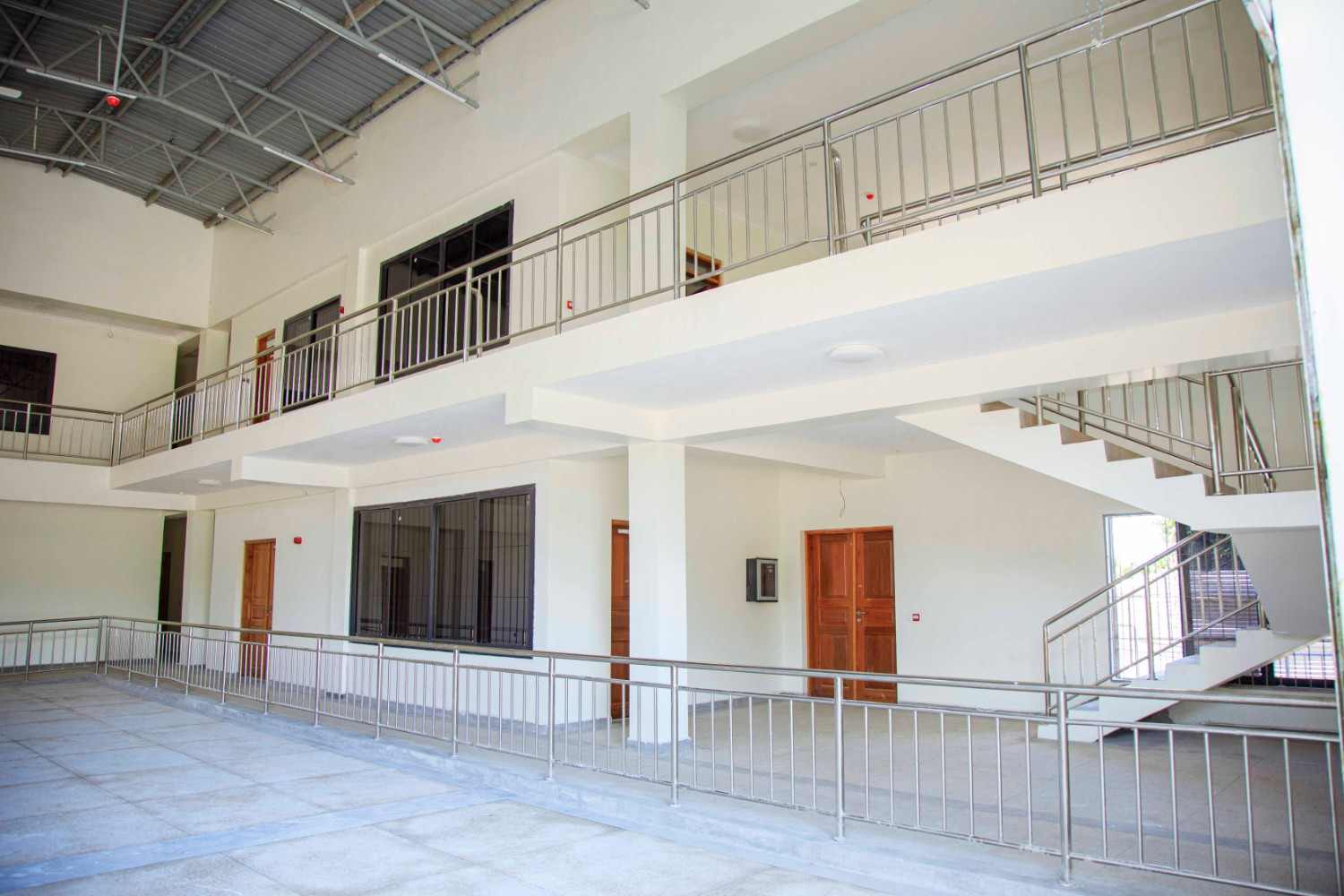
At Ngongo, the facilities comprise an administration and academic building housing staff offices and five lecture rooms with a combined capacity of 390 students, a library, a workshop accommodating 30 students, three laboratories with capacity for 125 students and two student hostels providing accommodation for 200 students.
At the Ruangwa Research Centre, the project includes facilities designed to accommodate 50 students, comprising a hostel, classroom and dining hall.
The buildings are expected to provide a modern learning and research environment, enabling UDSM to expand its academic programmes while strengthening practical training and research in agriculture, livestock production and related fields.
Completing the supporting infrastructure
While the main construction works are nearing completion, the university is also addressing the infrastructure required to ensure the campus operates effectively.
According to Prof. Haule's report, the campus has already been connected to water and electricity services, while construction of a 400-metre section of the access road is under way under the supervision of the Tanzania Rural and Urban Roads Agency (TARURA). The existing road stretch is approximately 2,200 metres.
The road infrastructure is particularly important in ensuring convenient movement to and from the campus, facilitating access to academic facilities and improving the working environment for staff and students.
Staff housing is equally important in establishing a sustainable university community, particularly as the campus prepares to receive its first students and recruit personnel to support its academic and administrative functions.
Preparations for the use of the buildings are also progressing. Furniture, including beds, chairs, cabinets and tables, has already been installed. Equipment for the Crop Science laboratories arrived in Dar es Salaam on November 9, 2026, with the supplier completing port clearance procedures before transporting it to the campus. Agricultural Engineering equipment is expected to arrive in Dar es Salaam on November 28, 2026.
Expanding higher education opportunities in southern Tanzania
Beyond the infrastructure investment, the Lindi Campus is expected to significantly expand access to specialised higher education while addressing the demand for skilled human resources in agriculture, livestock production, food technology and related sectors.
The campus has been recognised by the Tanzania Commission for Universities (TCU), with four academic programmes already accredited in preparation for the commencement of teaching.
These are Bachelor of Science in Crop Science and Technology, Bachelor of Science in Bee Science and Technology, Diploma in Animal Health and Production, and Diploma in Crop Production Technology and Management.
The academic activities will be organised through five departments covering Crop Science and Beekeeping Technology; Agricultural Engineering and Technology; Food Science and Technology; Natural Resource Economics, Agriculture and Business; and Veterinary Medicine and Animal Science.
At the initial stage, the university plans to enrol 360 students beginning in March 2027, with the first intake focusing on the two bachelor's degree programmes in Crop Science and Technology and Bee Science and Technology.
Two additional programmes, Bachelor of Science in Practical Animal Science and Technology and Diploma in Beekeeping Value Addition Technologies, are scheduled for introduction in the following academic year, creating additional capacity for 120 students.
UDSM's longer-term plan is to expand the campus to accommodate 1,320 students by the 2029/2030 academic year.
The programmes are strategically designed to strengthen the contribution of higher education to agricultural transformation by equipping graduates with the scientific knowledge, practical competencies and technological skills needed to improve production, processing and value addition.
The campus will also provide opportunities for research, innovation and professional advisory services to farmers, livestock keepers, entrepreneurs and other stakeholders. Through stronger collaboration with agricultural and livestock research institutions, UDSM expects to promote the application of scientific knowledge to address production challenges and improve agricultural productivity.
For the southern regions of Lindi, Mtwara and Ruvuma, the establishment of the campus is particularly significant as it brings specialised higher education opportunities closer to young people while creating a stronger link between universities and the region's productive sectors.
Creating employment and stimulating the local economy
The economic benefits of the project are already being felt by surrounding communities through employment and business opportunities generated during construction. A total of 1,114 Tanzanians, including 87 women, have secured employment through the project. Local businesses and individuals have also benefited from opportunities to supply construction materials and provide services, including food to workers.
Once fully operational, the campus is expected to stimulate further economic activities through demand for accommodation, transport, food, financial services and other goods and services required by students, university employees and visitors.
It will also contribute to the development of skilled human resources for agriculture and related industries, strengthen research partnerships and provide technical expertise to support agricultural enterprises in the southern regions and beyond.
The Lindi Campus is one of UDSM's strategic investments under the HEET Programme, implemented with support from the Government of Tanzania through financing from the World Bank. The programme seeks to transform higher education institutions and strengthen their contribution to economic growth and national development.
The campus represents more than geographical expansion. It is an investment in people, knowledge, agricultural innovation and regional economic development, bringing higher education closer to communities while positioning the university to contribute more directly to Tanzania's agricultural transformation and long-term development ambitions.