


Broken Does Not Always Mean Beyond Repair: How UDSM Saved More Than TZS 20 Million
By Hamida Mhando, CMU
A faulty electronic device can easily look like a replacement waiting to happen. But at the University of Dar es Salaam (UDSM), technicians are proving that what appears to be a dead machine may simply need the right diagnosis—and the right hands.
That approach has saved the University more than TZS 20 million, as technicians at the College of Information and Communication Technologies (CoICT) repair faulty electronic devices instead of automatically replacing them.
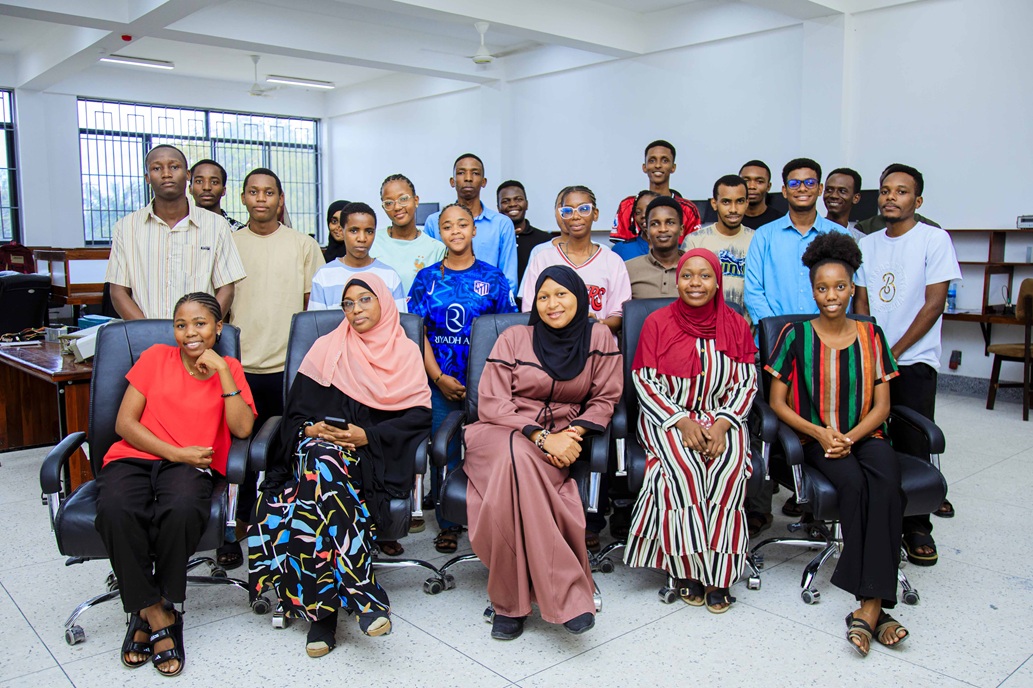
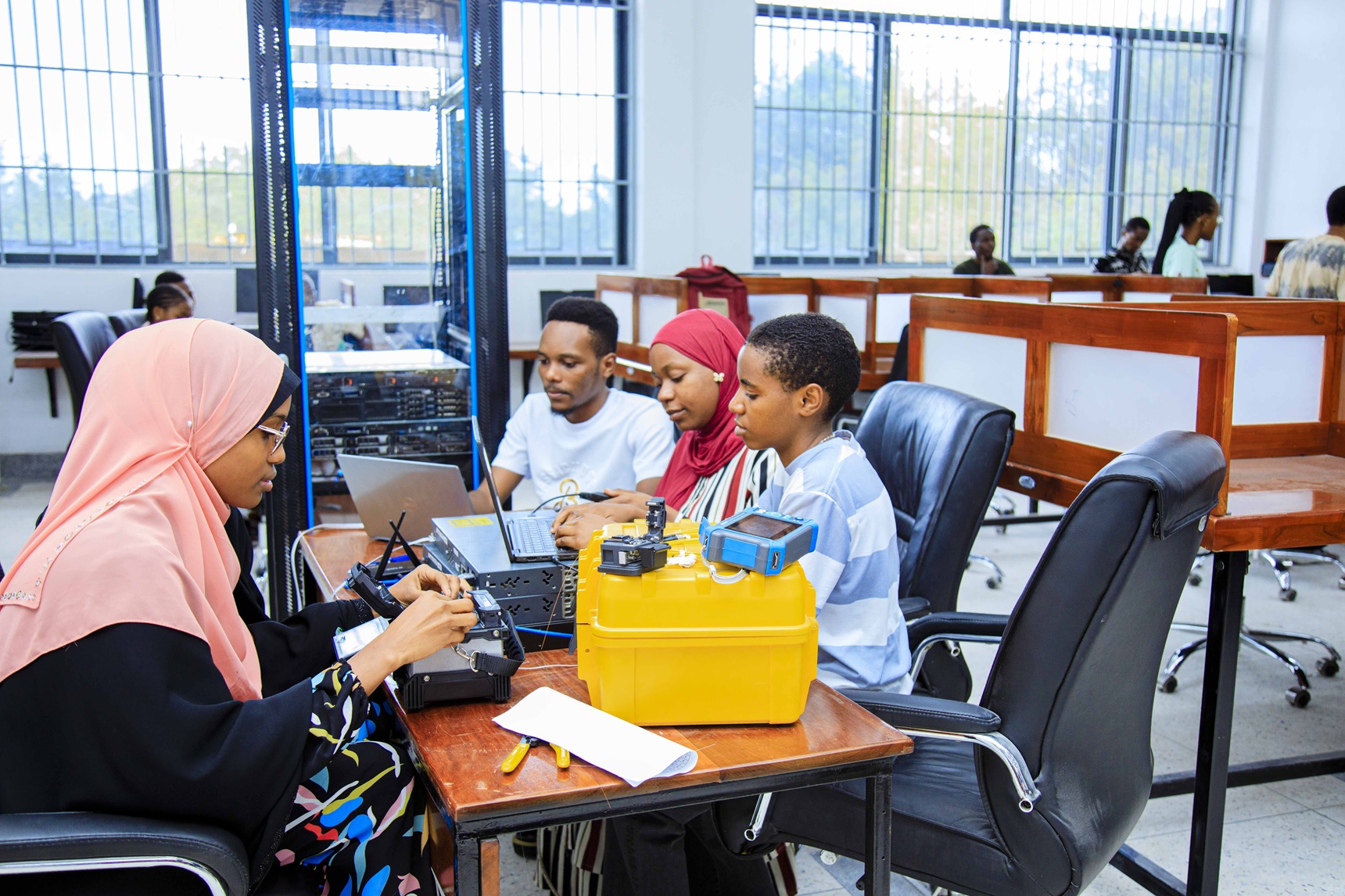
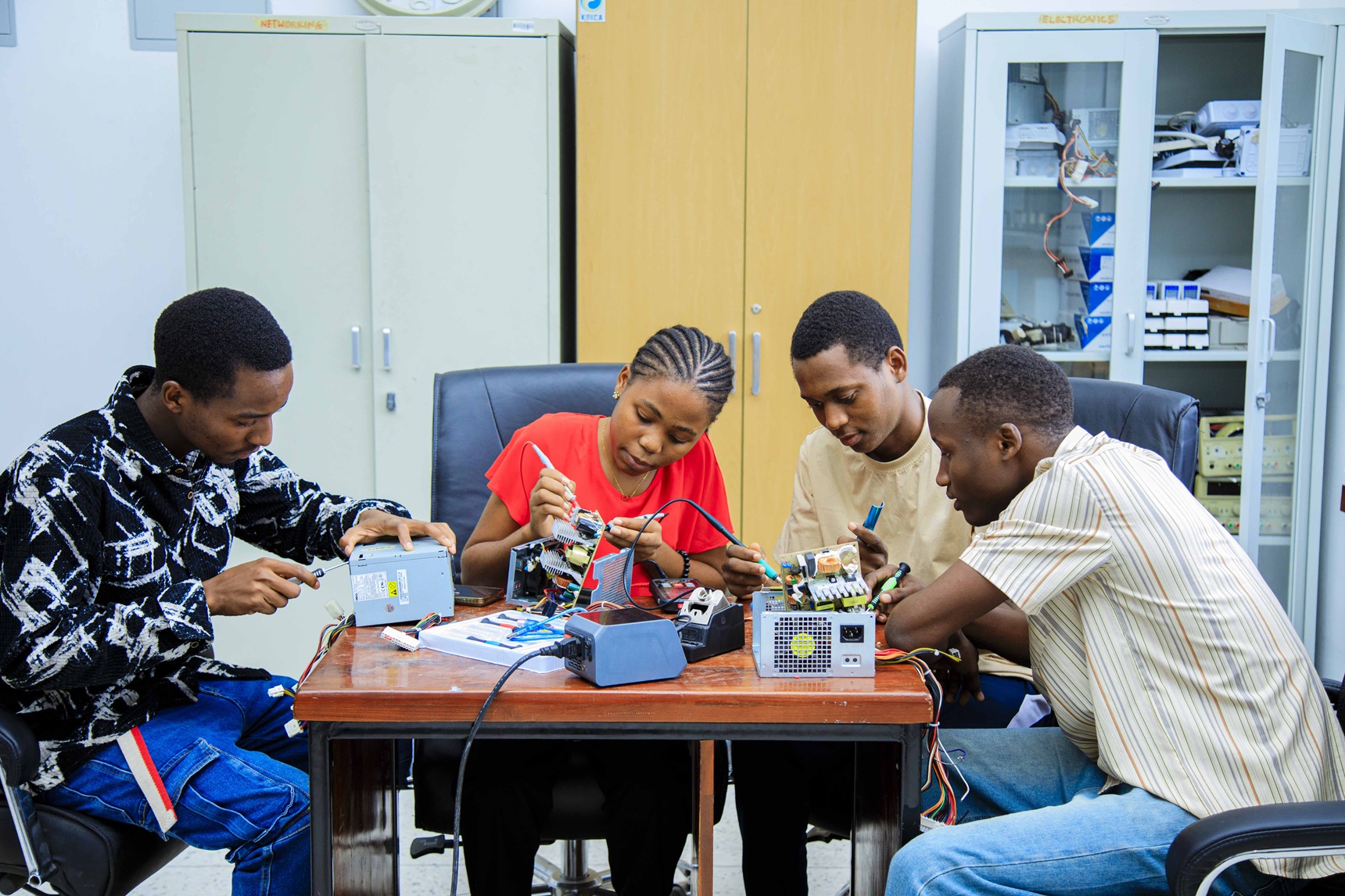
The figure was revealed by CoICT Principal Prof. Baraka J. Maiseli during a practical session at the CoICT Campus, where technicians demonstrated how damaged equipment is tested, diagnosed and repaired before a decision is made to replace it.
“Through this work, the University has saved more than TZS 20 million that could have been spent on replacing equipment. When a fault is correctly identified, a device can often be repaired and continue supporting University activities”, Prof. Maiseli said.
The saving points to a broader opportunity: making better use of equipment the University already owns while putting its in-house technical expertise to work.
For UDSM, where electronic equipment supports teaching, research, communication and administration, keeping a device in service can mean more than avoiding the cost of a new one. It can also mean less disruption to the people and activities that depend on it.
From “It’s broken” to “Let’s find out why”
The repair process begins with a simple but important question: What exactly is wrong with the device?
That question brings together expertise from three CoICT departments—the Department of Repair and Maintenance, the Department of Cyber Security and Network, and the Department of Research and Development.
Alexander John Marwa said the strength of the approach lies in bringing different technical skills together.
“Repair and Maintenance restores faulty equipment, Cyber Security and Network protects the systems in which that equipment operates, and Research and Development works on solutions to emerging technical problems,” Marwa said. “Bringing the departments together helps us address a problem from diagnosis to safe use.”
It is a distinction that matters. Repairing a device is not necessarily the same as ensuring that it can safely function within the University’s wider digital environment.
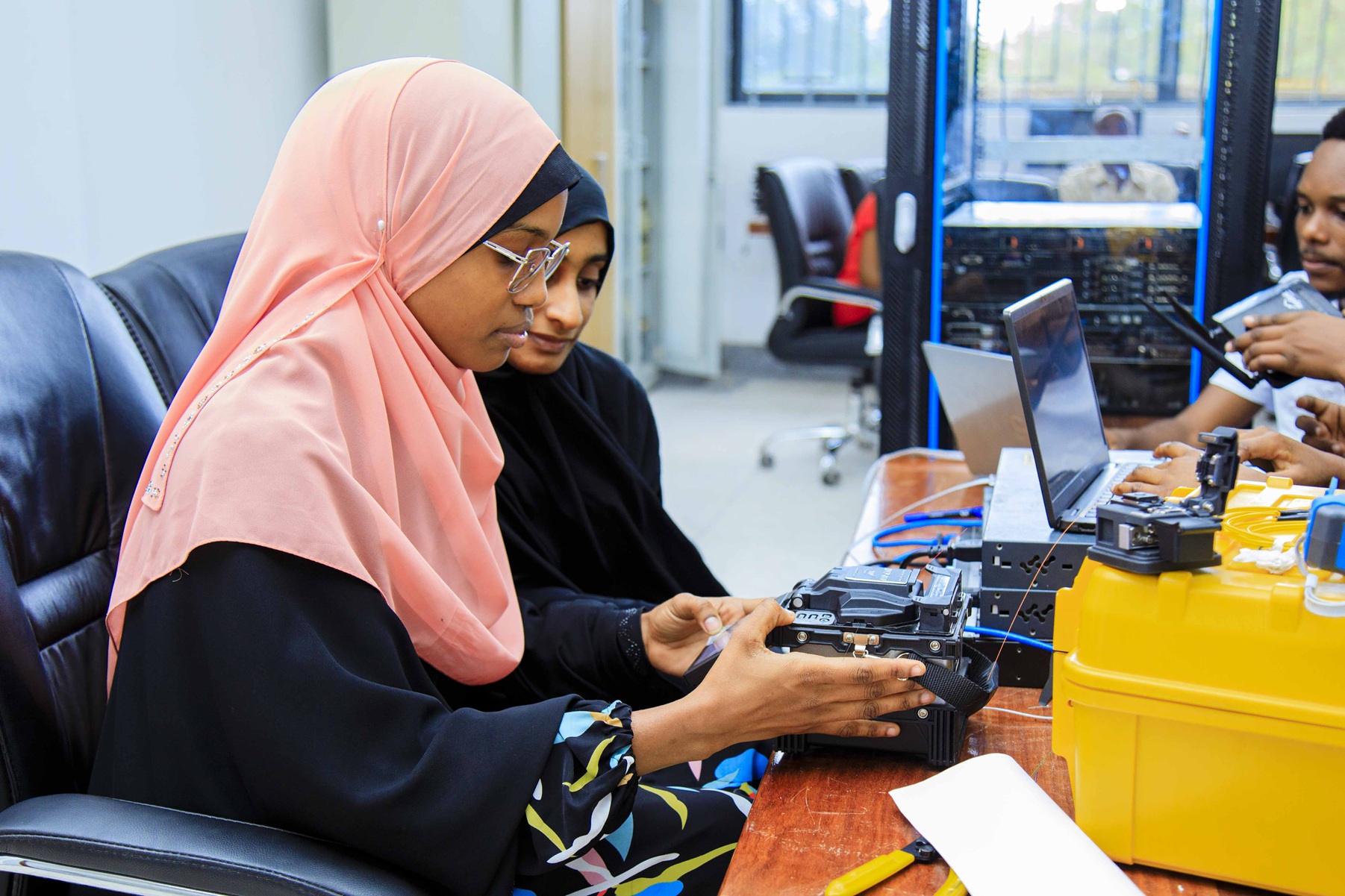
Maximilian Feruzi of the Department of Cyber Security and Network said the department focuses on protecting the networks and information systems that connect and support the University's technology.
“Our responsibility is to make sure the University's networks and information systems remain protected from security threats,” Feruzi said. “A functioning device is useful only when it can connect and operate safely within those systems.”
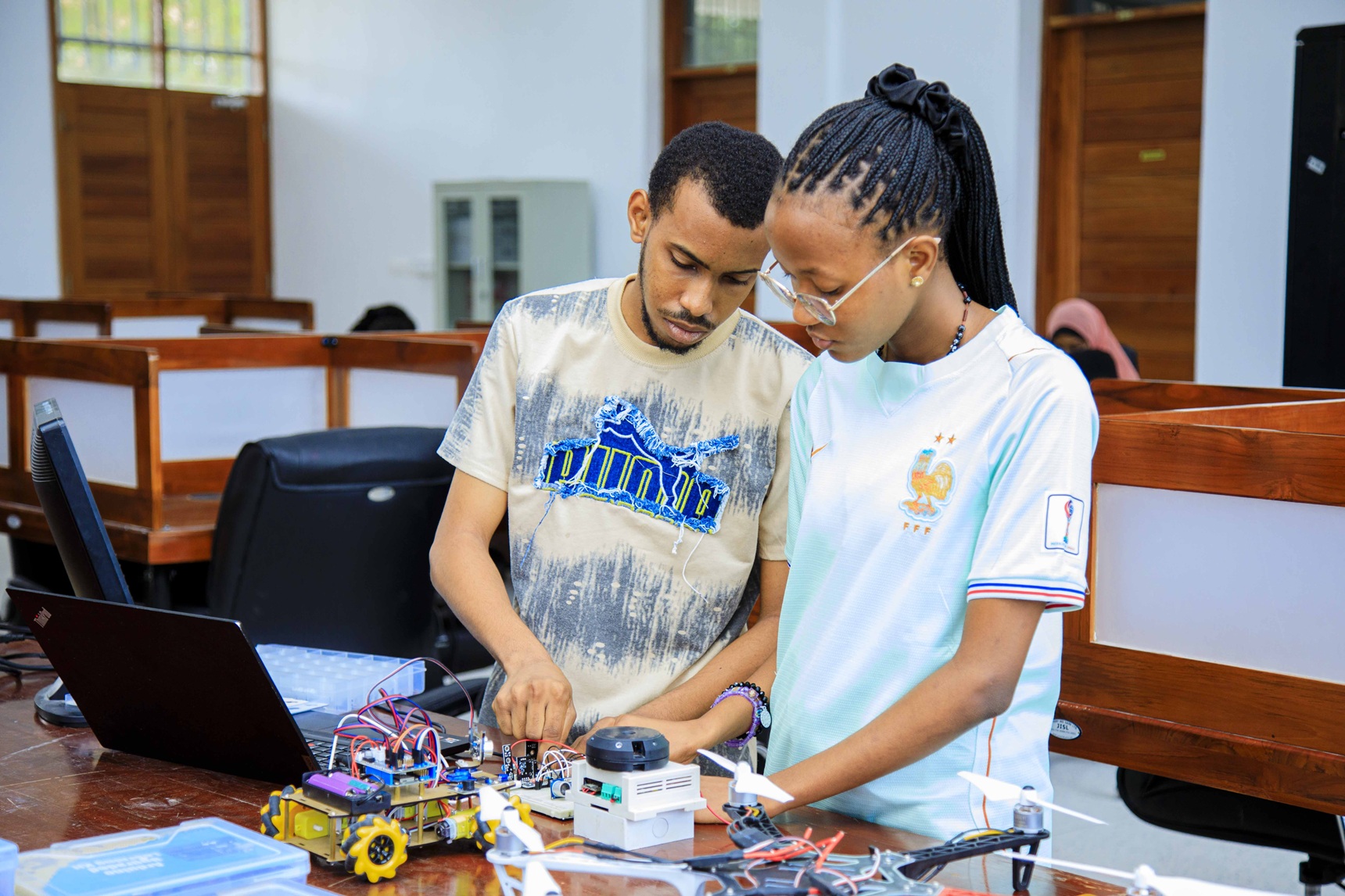
Research and development adds another layer, particularly when technical problems keep recurring.
Ali Suleiman Ali said the department looks at such challenges with an eye to finding solutions that can be applied within the University.
“Research helps us understand recurring problems and improve the way we respond to them,” he said.
The repair does not start with a screwdriver
At the Department of Repair and Maintenance, equipment passes through a series of specialised units before technicians decide what needs to be done.
Rachel Mafuru of the Testing Unit said technicians begin by establishing how the equipment is behaving and documenting the problem.
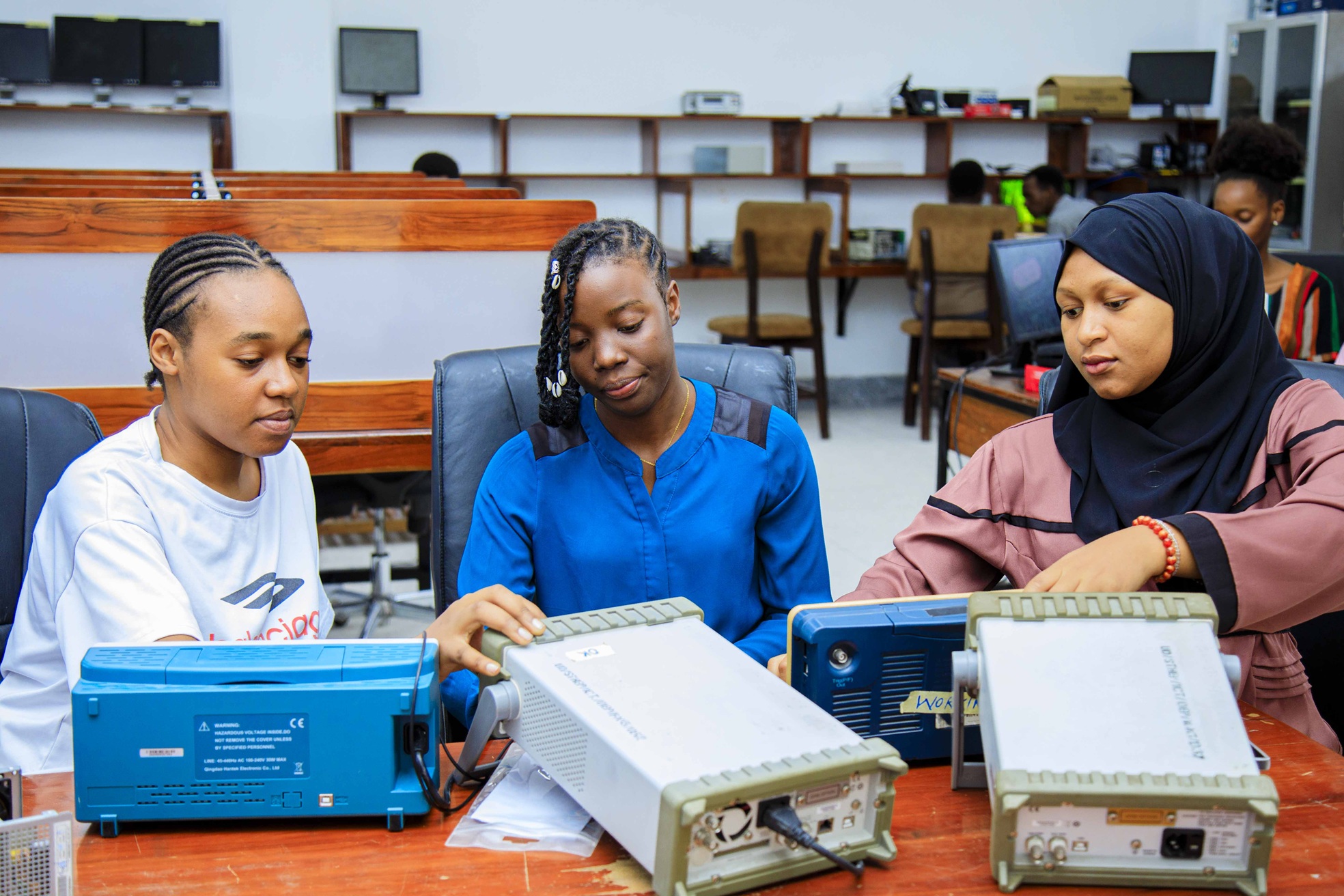
“Testing gives us the first clear picture of the problem,” she said. “We check the device, record how it responds and decide whether it needs more detailed diagnosis.”
That leads to the Troubleshooting and Diagnosis Unit, where technicians determine the source of the problem and whether it is related to hardware or software.
Norbert John Sawe said getting the diagnosis right is critical because replacing a component unnecessarily can waste resources.
“We identify the affected area before any repair is attempted,” Sawe said. “A correct diagnosis prevents us from changing parts that are still working and guides us towards the right solution.”
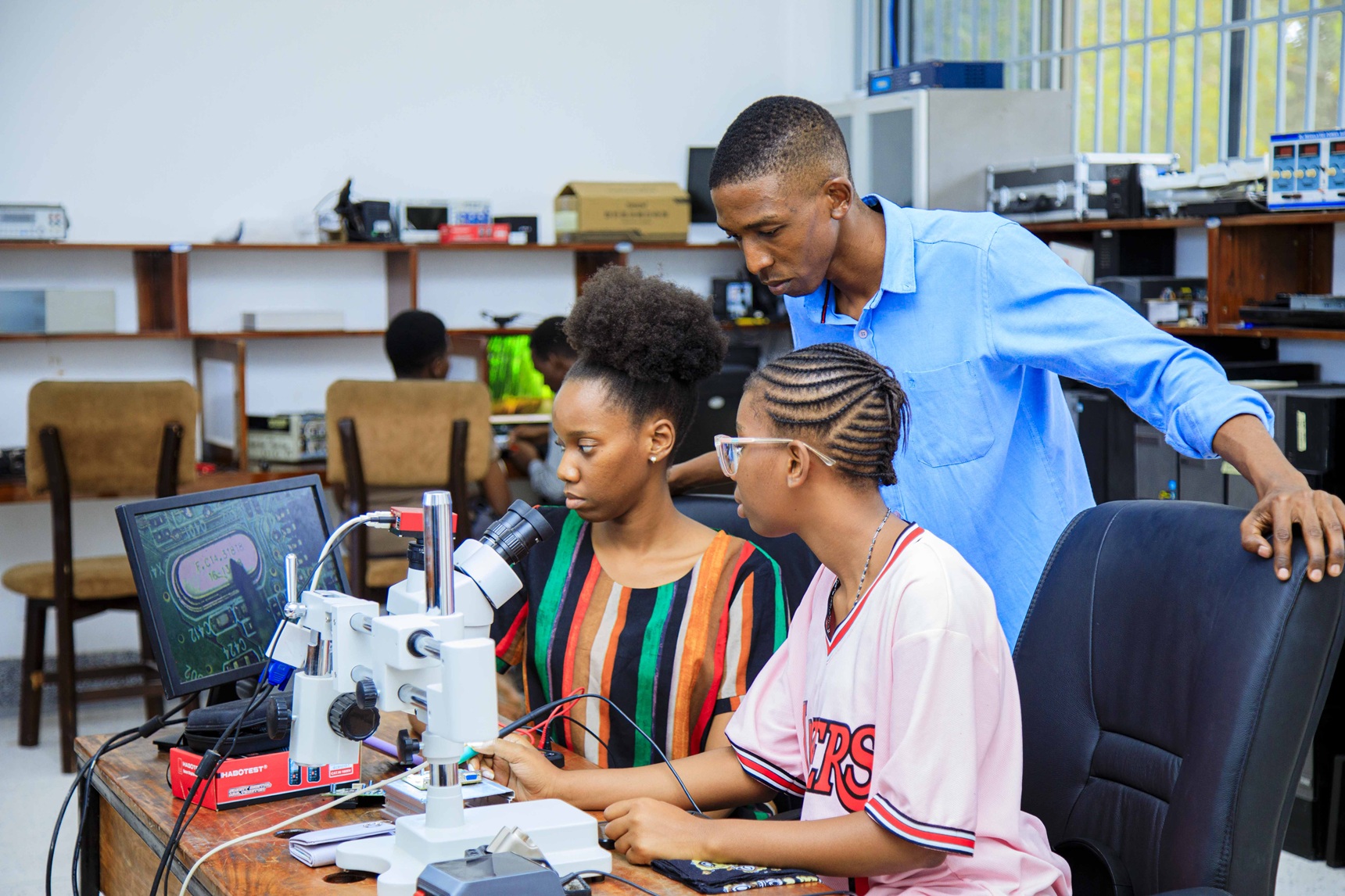
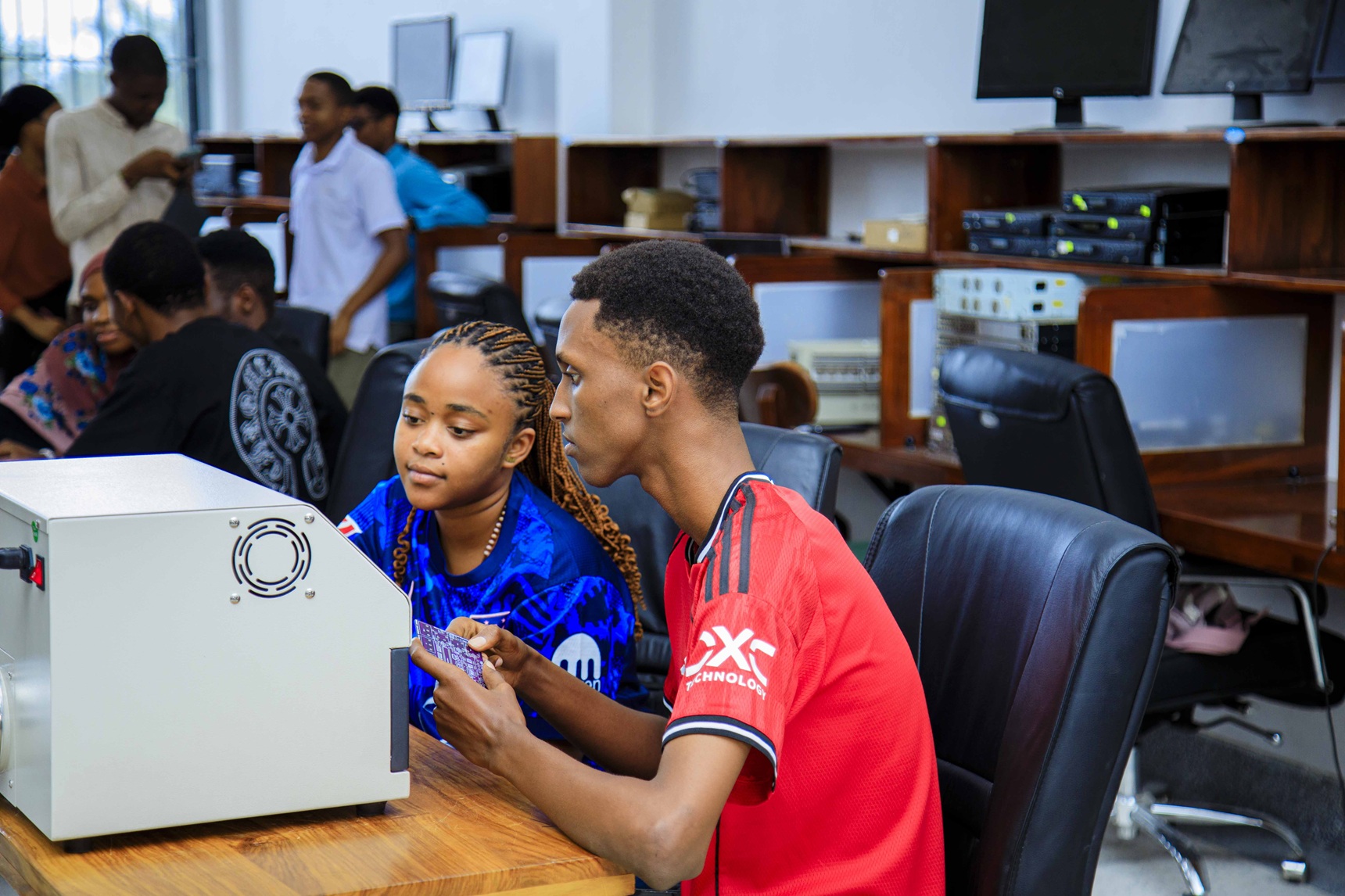
At the Microscopic Unit, Clara Masanja examines small components and faults that may not be visible to the naked eye. At the Oven Unit, Davis Emmanuel works with controlled heat at specified temperatures when affected components require that treatment.
And before a repair can be trusted, there is another basic question: Is the device getting the power it needs?
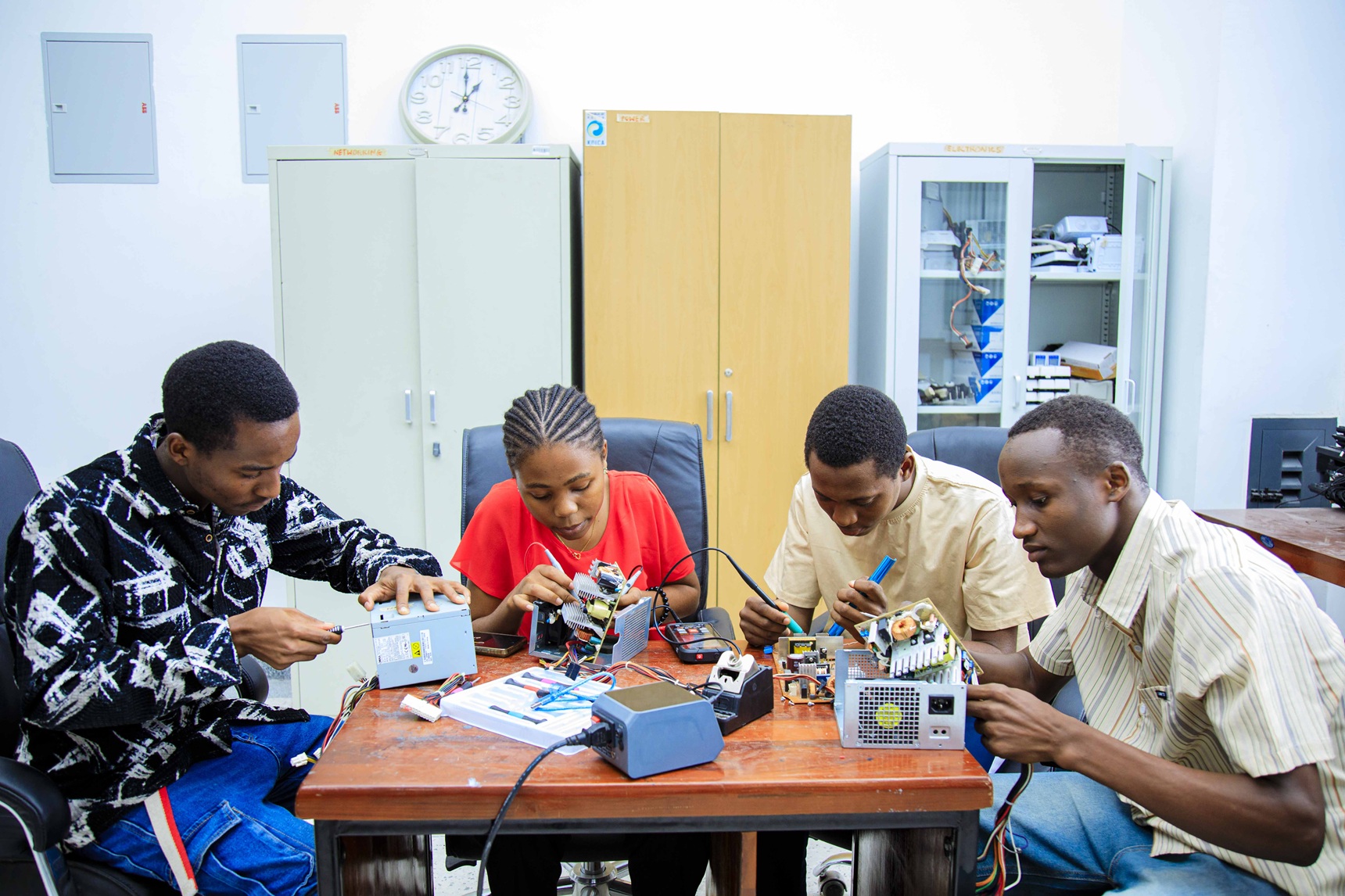
At the Power Supply Unit, Easter Masunga and her colleagues measure components to establish whether they are receiving and delivering the required power.
“Power checks help us see where the flow has stopped or where a component is not receiving what it needs,” Masunga said. “That information supports the final repair decision.”
A saving that goes beyond TZS 20 million
The significance of the repair programme is not simply the amount saved.
Every device successfully returned to service represents an opportunity to extend the useful life of an existing University asset, reduce unnecessary replacement and keep equipment available to the staff and students who depend on it.
For users, the lesson from the practical session was equally straightforward: a device that stops working should not automatically be considered finished.
One participant said the demonstration offered a different way of looking at faulty equipment.
“It showed us that a damaged device should be assessed before we conclude that it is no longer useful,” the participant said. “If it can be repaired, the University saves money and the equipment goes back to the people who need it.”
For Prof. Maiseli, the experience demonstrates why technical capacity within the University matters.
“These skills solve real problems within the University,” he said. “By diagnosing faults carefully and working across specialist units, we protect the University's investment and keep essential equipment available for its work.”
The message from CoICT is therefore bigger than repairing a broken device. Sometimes, the most cost-effective replacement is no replacement at all—just the expertise to find out what went wrong and the skills to put it right.