
Beyond Stereotypes: Male Students’ Day Calls for Responsible, Resilient Men to Drive Gender Balance
By Renancy Remmy, CMU
The University of Dar es Salaam has renewed the national conversation on gender equality, calling for stronger, more responsible male participation in advancing inclusive development during this year’s Male Students’ Day.
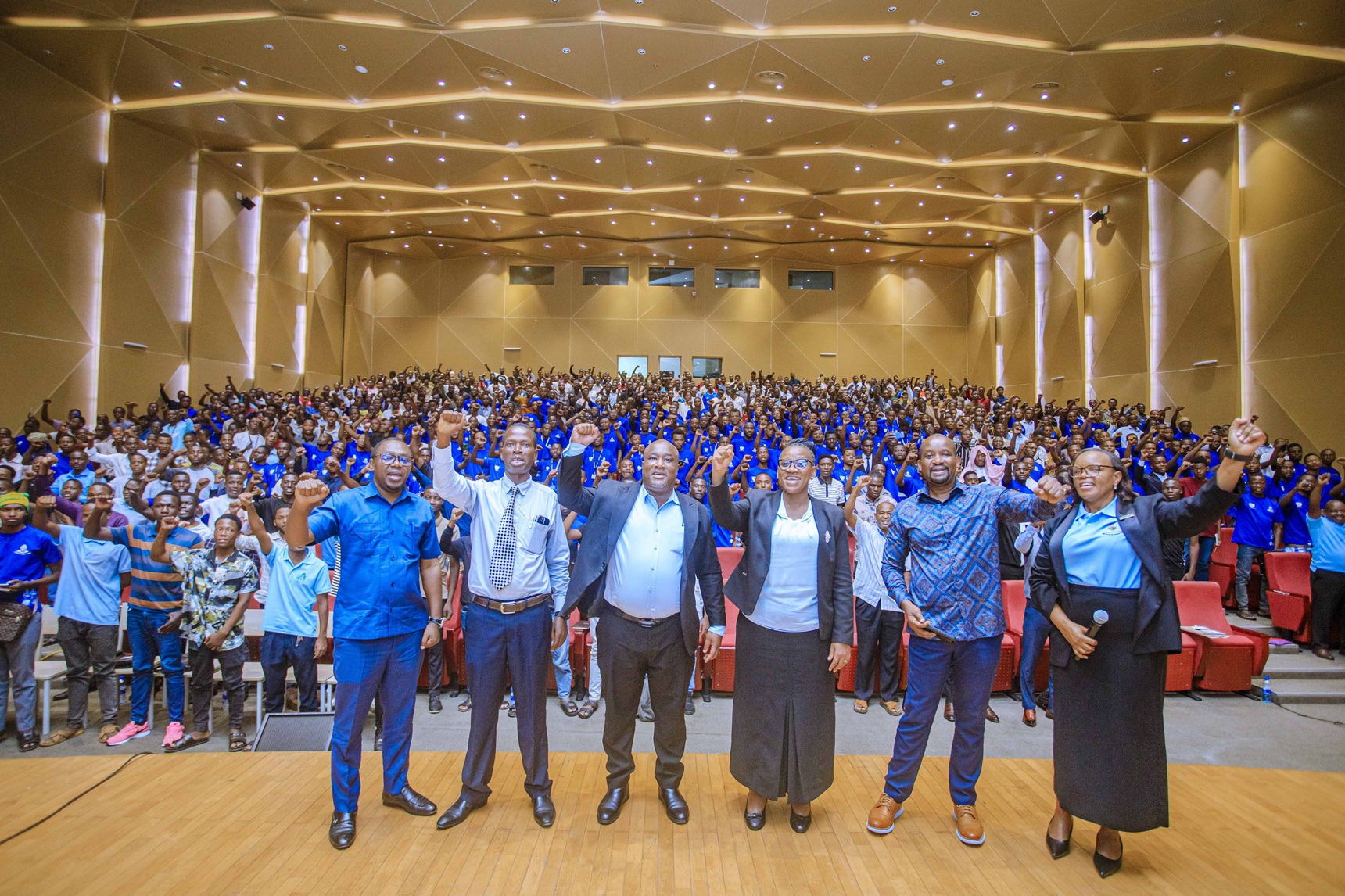
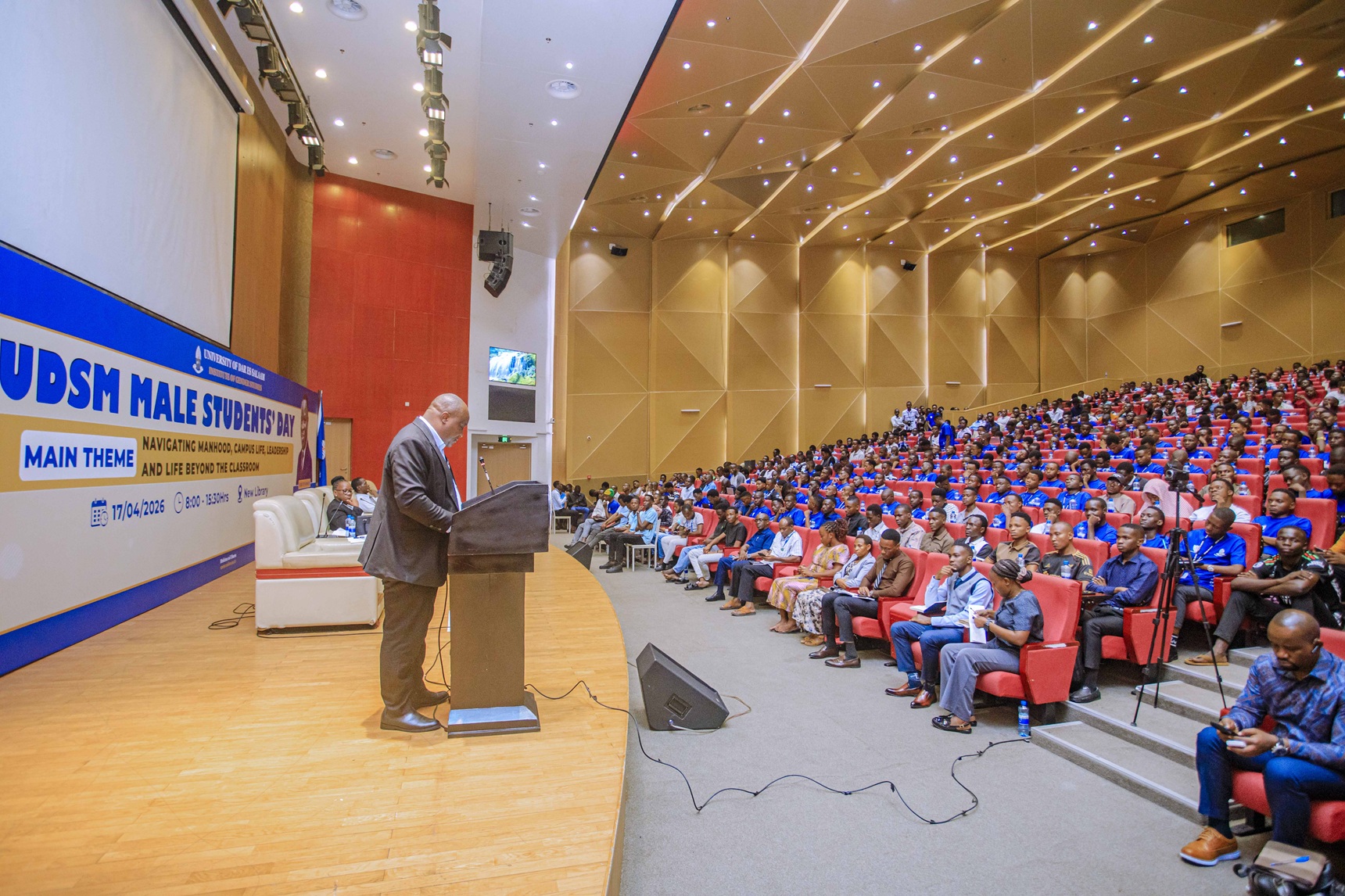
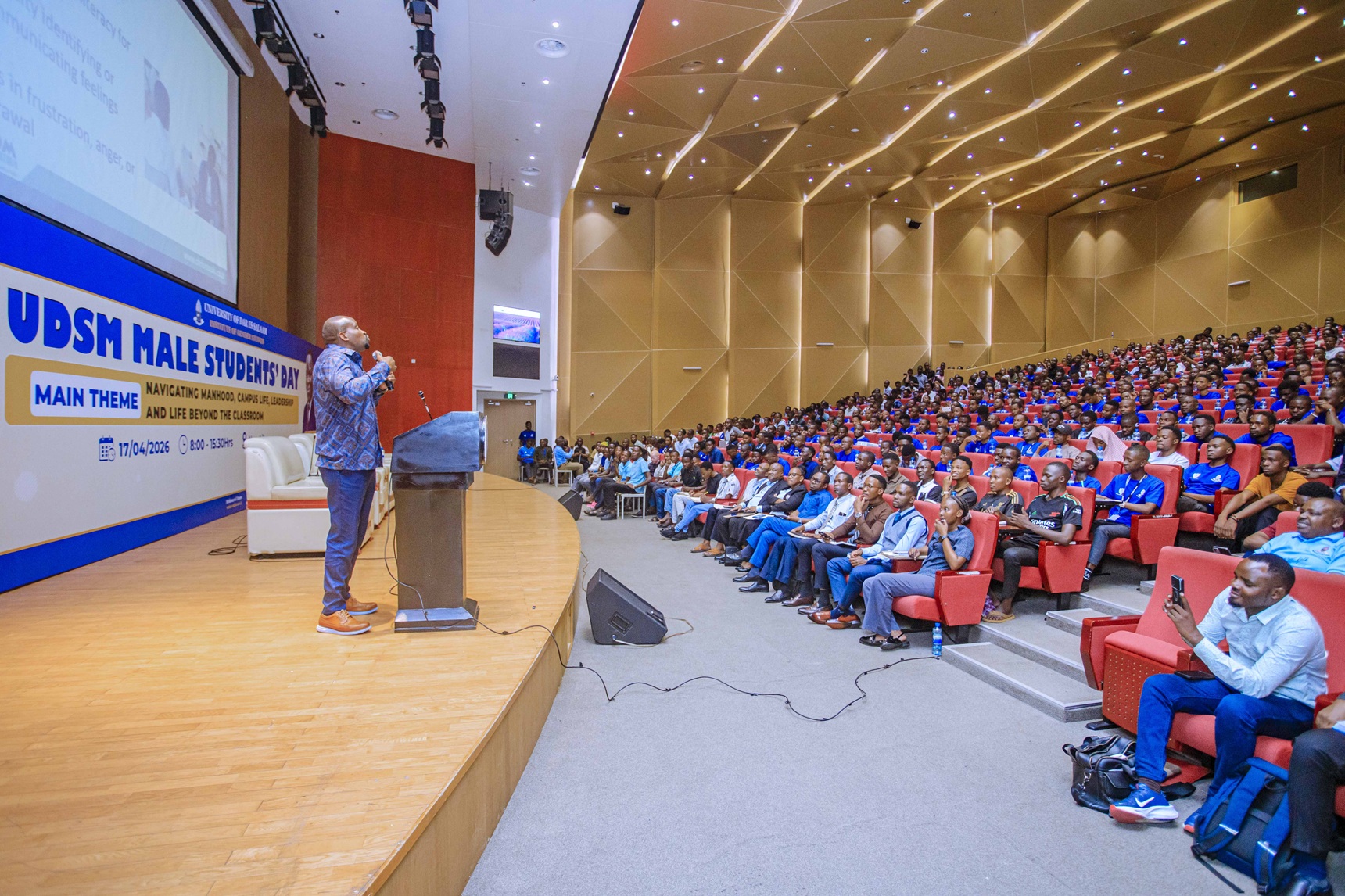
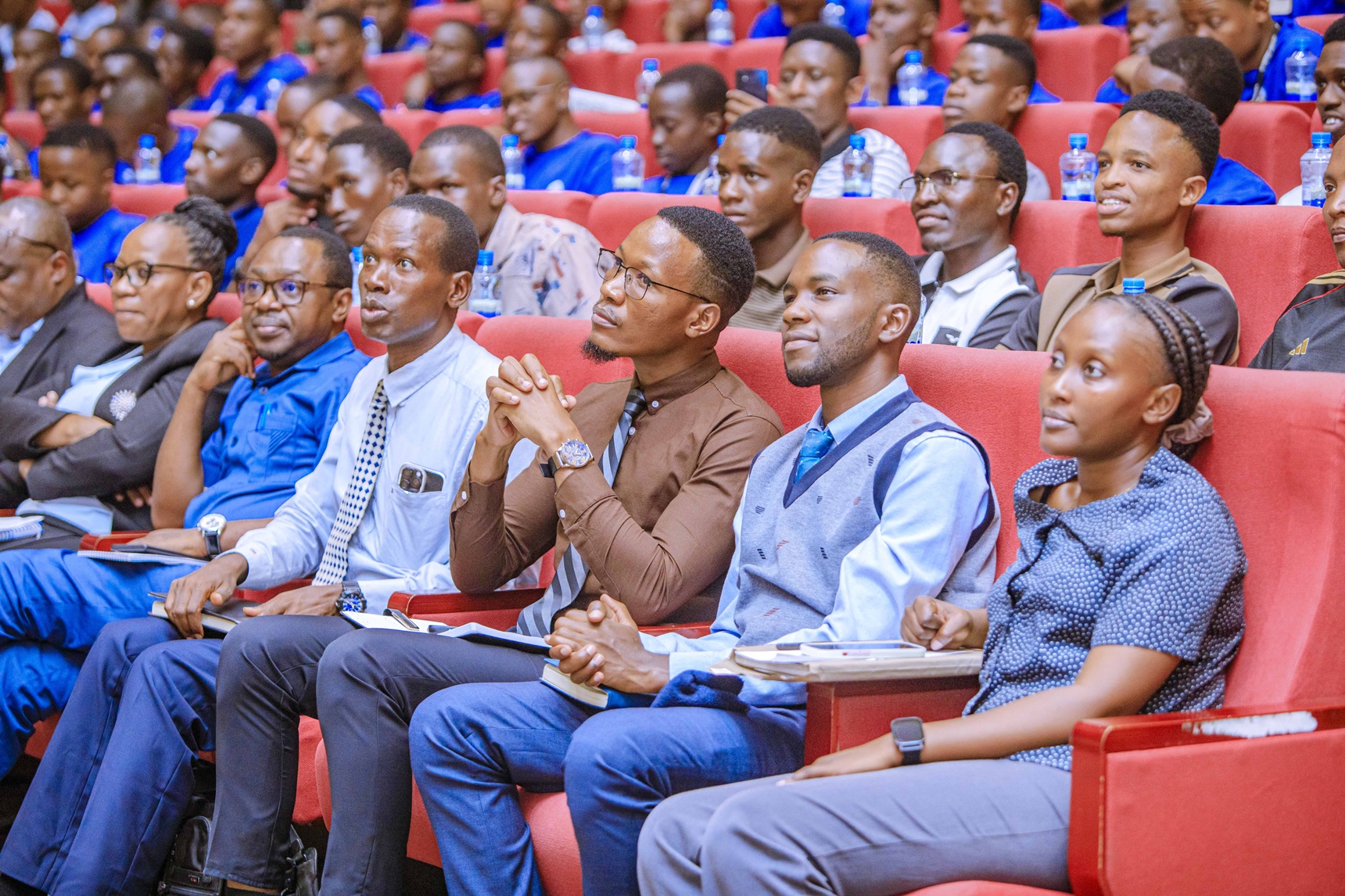
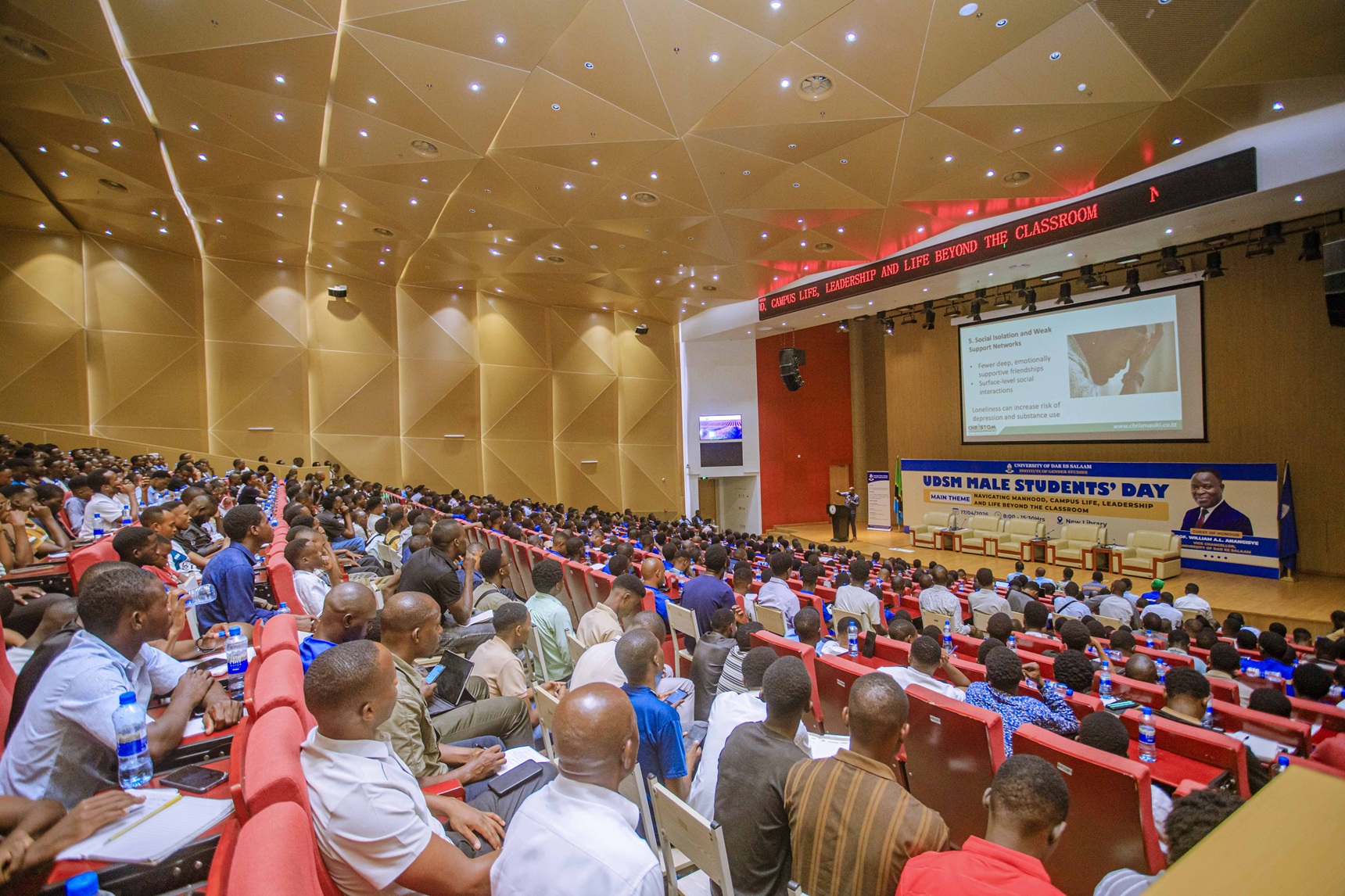
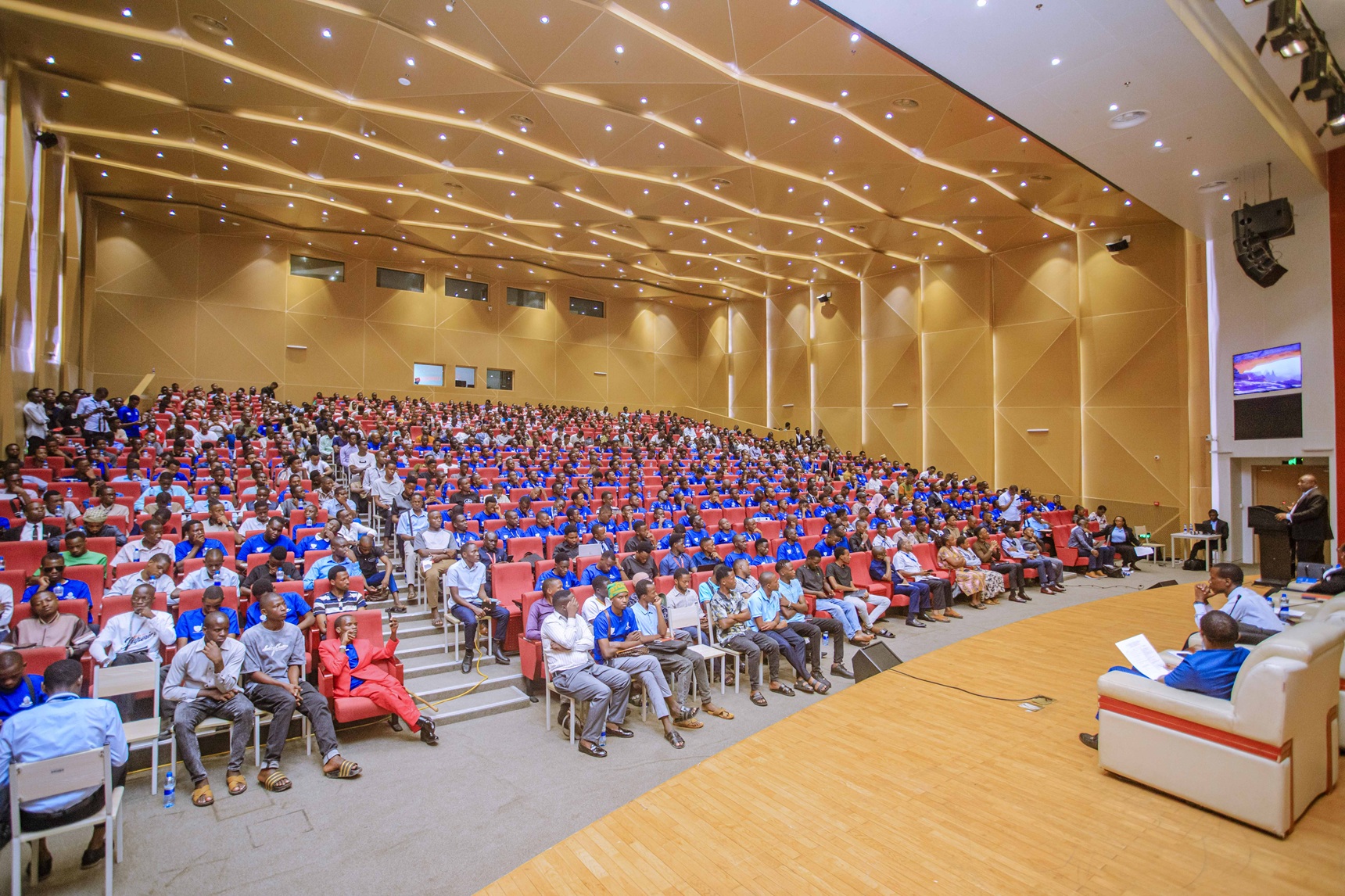
Held on 17 April 2026 at the University Library, the high-level forum brought together students, academics, and practitioners under the theme “Navigating the Journey of Manhood, University Life, Leadership, and Life After University,” with a clear message: sustainable development requires empowered men working alongside women.
Representing the Vice Chancellor, Prof. Baraka Maiseli, the Principal of the College of Information and Communication Technologies highlighted emerging challenges facing male students, including declining academic motivation, limited mentorship, and lack of direction in navigating modern societal expectations.
He stressed that while efforts to empower women remain critical, there is an equally urgent need to equip men with the skills and mindset required to thrive.
“Empowering men does not compete with empowering women; it complements it,” he emphasized, aligning the initiative with UDSM’s Vision 2061, which prioritizes inclusive development.
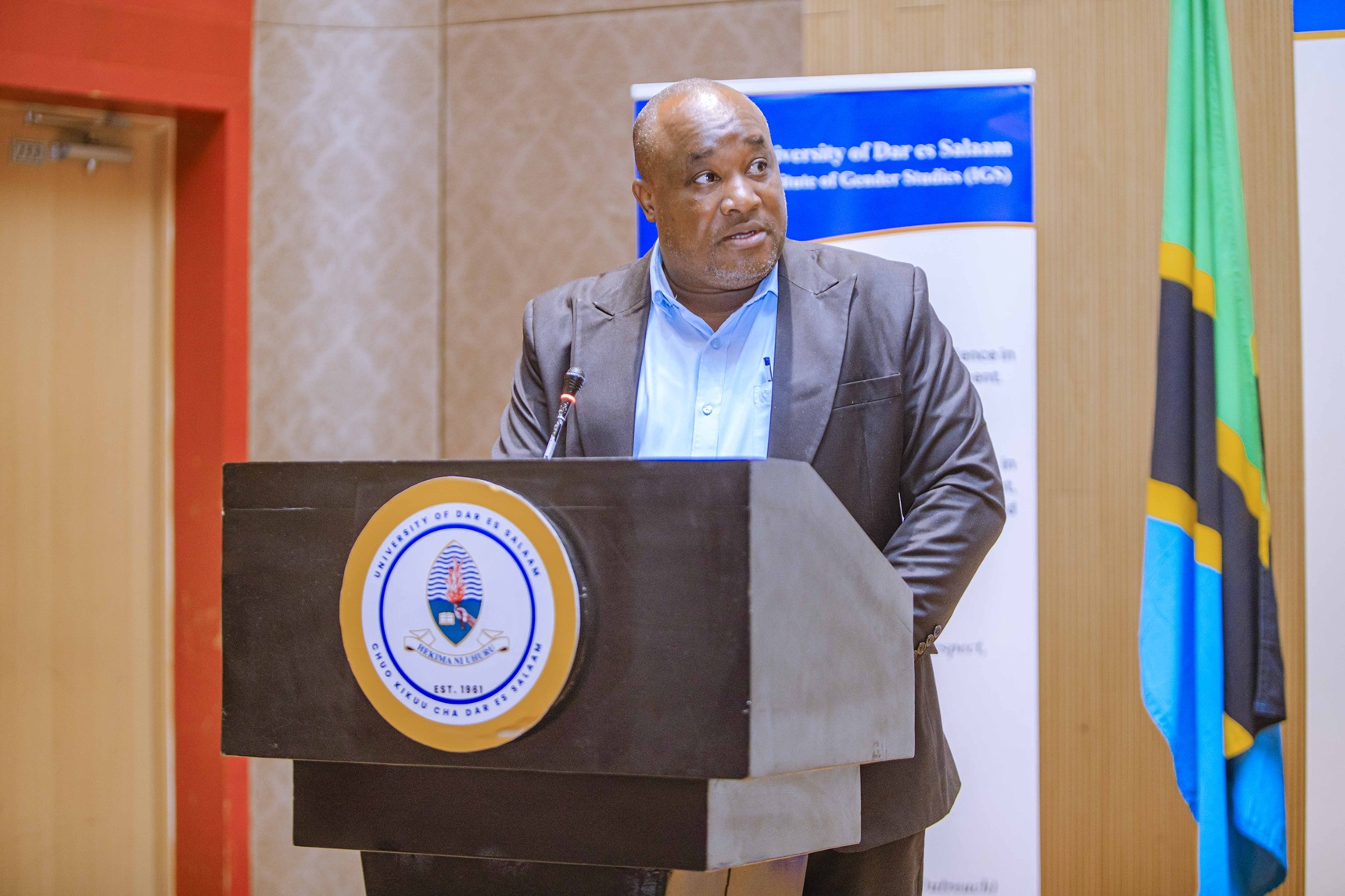
Prof. Sara Kisanga, Director of the Institute of Gender Studies, challenged conventional approaches to gender discourse, emphasizing that equality cannot be achieved by focusing on one group alone.
“Anything done by a man affects the world at large,” she noted, underscoring the responsibility men carry in shaping families, institutions, and the nation.
She urged young men to rethink harmful stereotypes around masculinity, particularly those that discourage emotional openness and self-awareness. “Being a real man is not about being silent and suffering; it is about understanding your weaknesses and ensuring they do not limit your potential”.
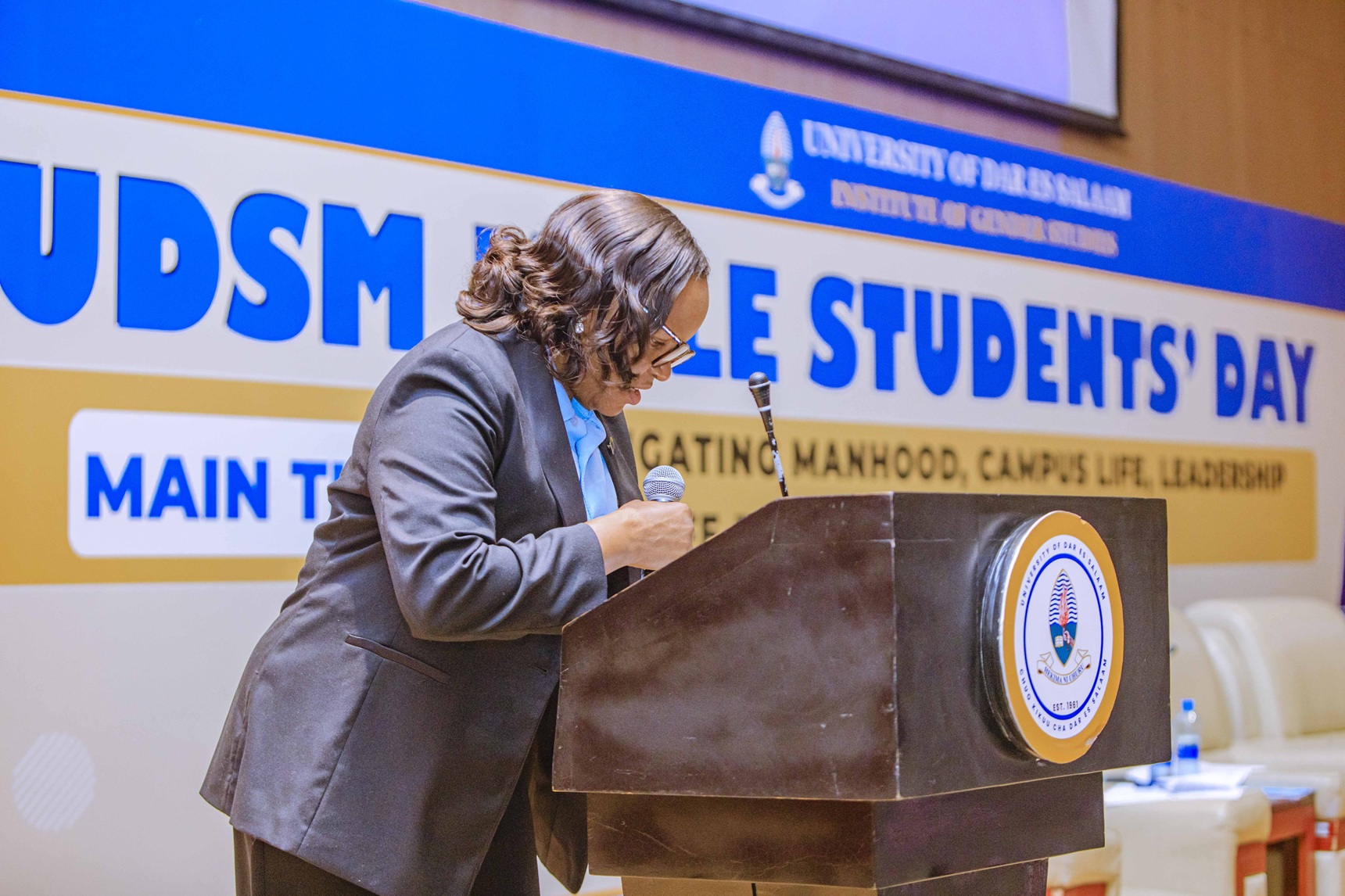
The conversation took a deeply personal turn as the Director of Student Services, Dr. Paulina Mabuga, addressed issues of mental health and emotional well-being among male students. She encouraged them to seek support without fear of stigma.
“Men are human beings too; they need someone to talk to,” she said, urging students to utilize university counselling services as a pathway to resilience and growth.
‘Real Talk for Real Men’
Keynote speakers reinforced the event’s “Real Talk for Real Men” approach, confronting the realities facing young men today. Dr. Chis Mauki, Senior Lecturer from the Department of Educational Psychology and Curriculum Studies, School of Education (SoED).highlighted the silent mental health crisis among men, noting that societal pressure often discourages them from seeking help.
“A man with good mental health has the ability to identify opportunities,” he said, adding that emotional well-being is central to academic success, leadership, and personal development.
He encouraged students to build strong social networks, embrace self-awareness, and adopt a positive outlook, emphasizing that seeking help is a sign of strength, not weakness. “Take care of yourself emotionally, physically, and socially; this is not weakness, it is strength,” he advised.
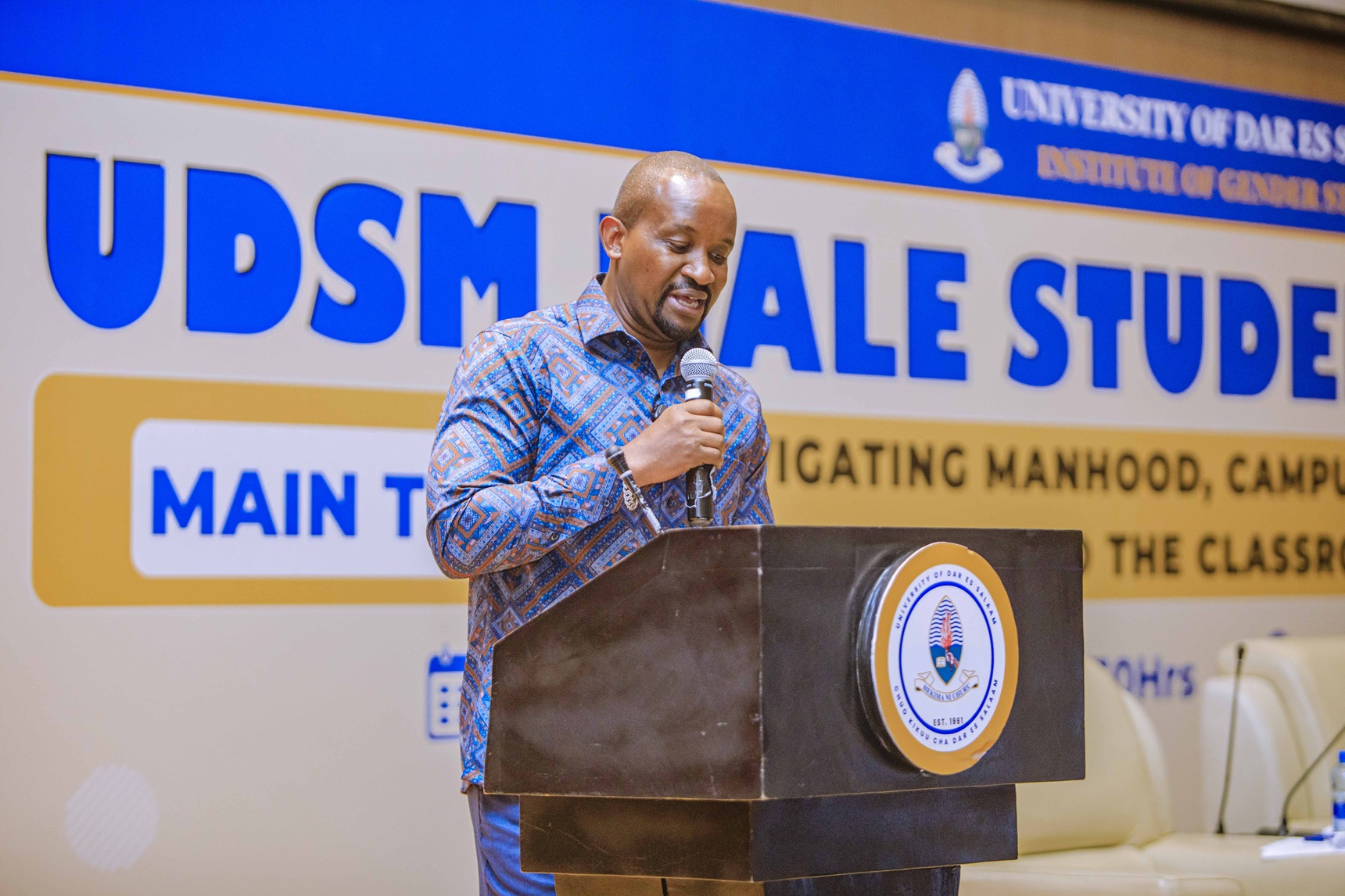
Adding a leadership and accountability dimension, Mr. Deo Sukambi, Chief Executive Officer of Wezesha Jamii Organization, described manhood as a balance between power and responsibility.
“Manhood is the power to protect and the power to provide,” he said, stressing that discipline, consistency, and accountability are essential in building confidence and identity.
He urged students to take ownership of their actions and decisions, noting that initiative and responsibility are key drivers of personal growth and leadership effectiveness.
The role of health in personal development
From a scientific perspective, Prof. Chacha Werema from the Department of Zoology and Wildlife Conservation, College of Natural and Applied Sciences (CoNAS) brought attention to the often-overlooked role of health in personal development, linking sleep to memory, decision-making, and overall performance.
He emphasized that neglecting basic health needs can undermine potential and limit success. “Find yourself, be responsible, and take care of yourself; this is very important,” he said.
Across all sessions, a unifying message emerged: redefining masculinity is essential for achieving true gender balance. Speakers emphasized that modern manhood must be grounded in responsibility, emotional intelligence, discipline, and respect – values that contribute to a just and progressive society.
The event raised a strong call for young men to take ownership of their future, support one another, and actively contribute to national development while promoting gender equality and rejecting gender-based violence.
By placing men at the centre of the gender discourse, UDSM’s Male Students’ Day reinforced a critical insight: building an inclusive society requires investing equally in the growth, well-being, and leadership of both men and women.