

UDSM Innovations Showcase Sustainable Solutions in Energy, Mining and Aquaculture
By Selemani Nambimbi, CMU
The University of Dar es Salaam (UDSM) continues its 11th Research and Innovation Week under the theme “Harnessing Tanzania’s Mineral Wealth for Renewable Energy, Digital Transformation and Community Security,” students and researchers are showcasing groundbreaking innovations aimed at addressing some of the country’s most pressing challenges.
The annual event has provided a platform for innovators from across the university to present practical solutions that support sustainable development, technological advancement and improved livelihoods for Tanzanians.
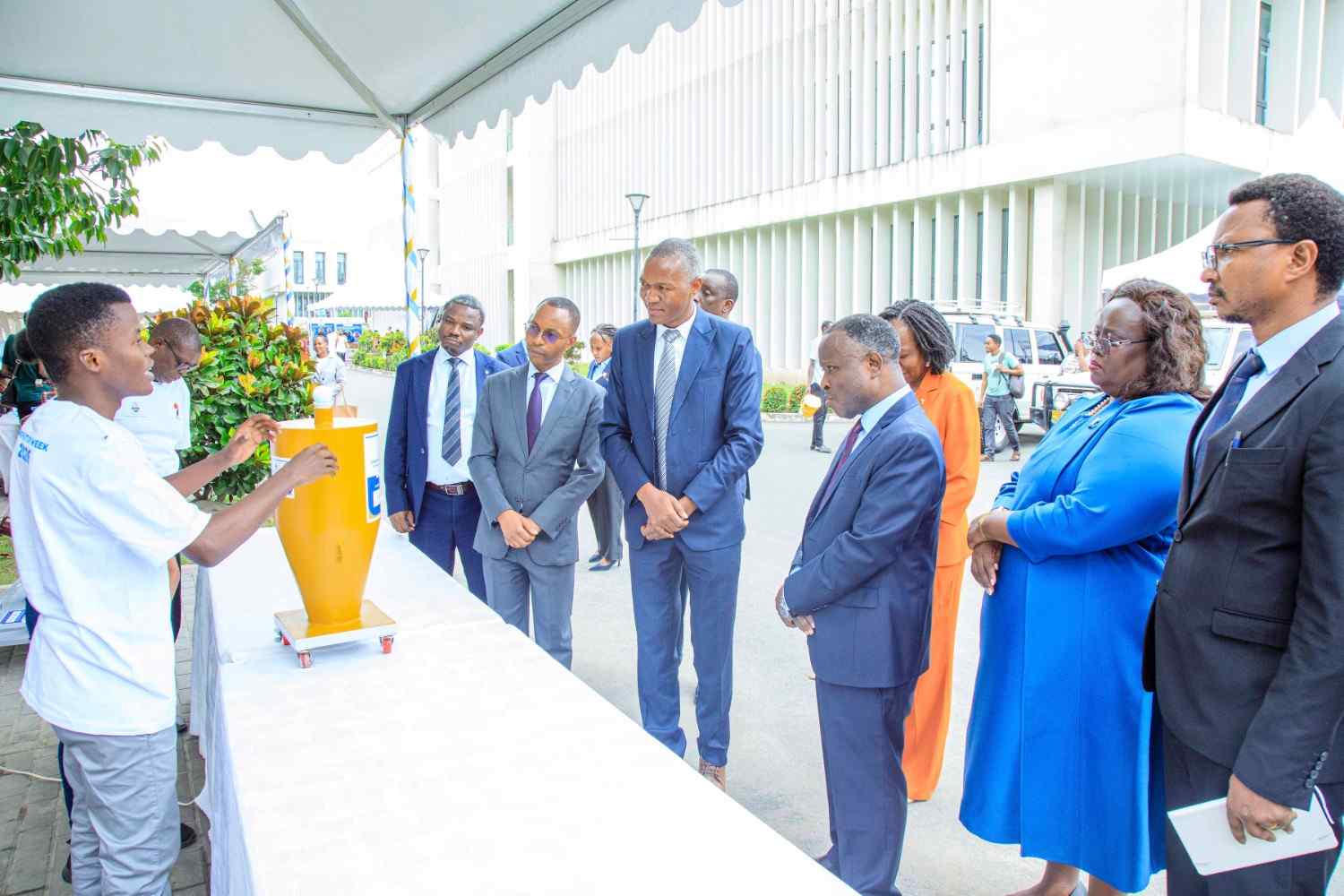
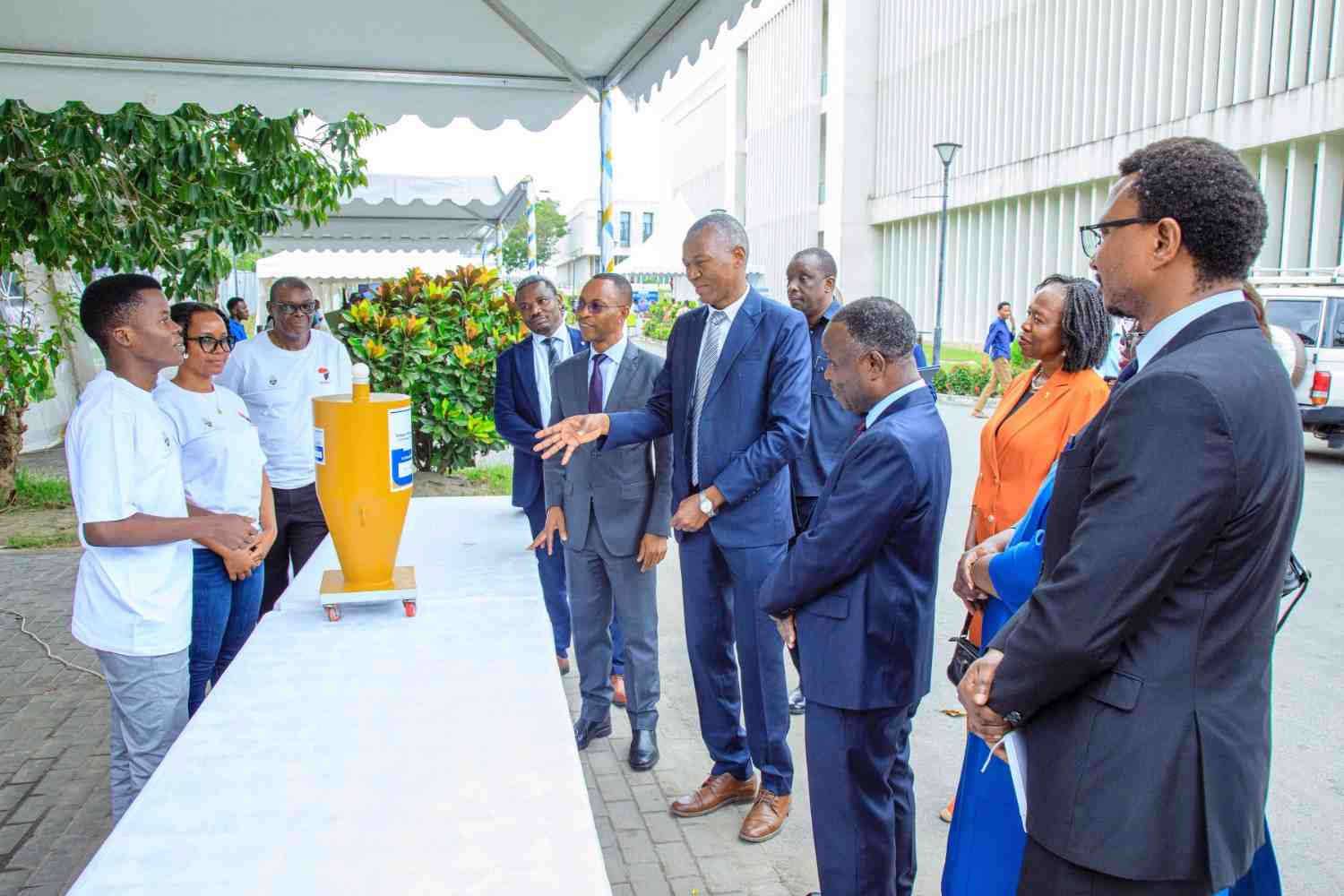
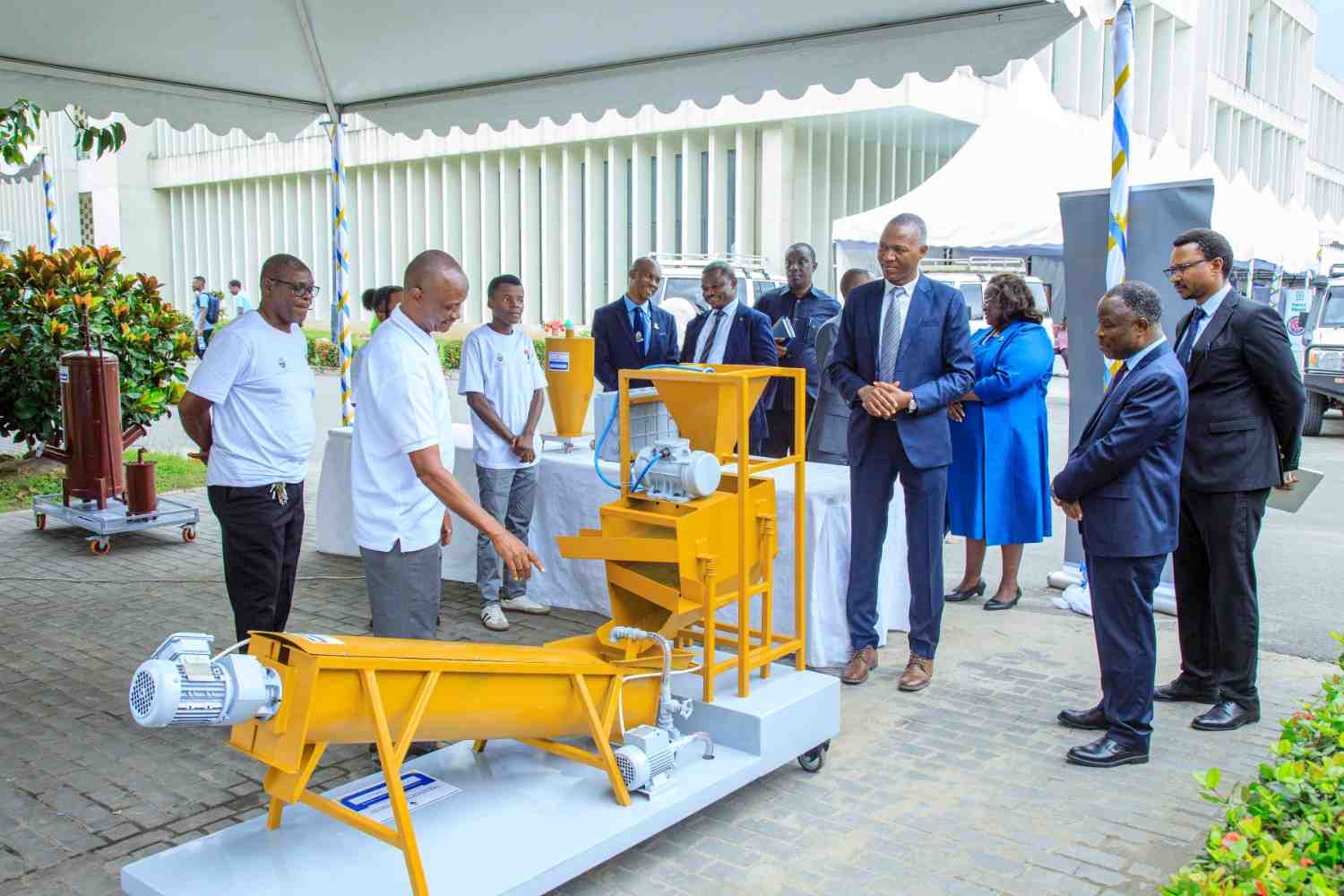
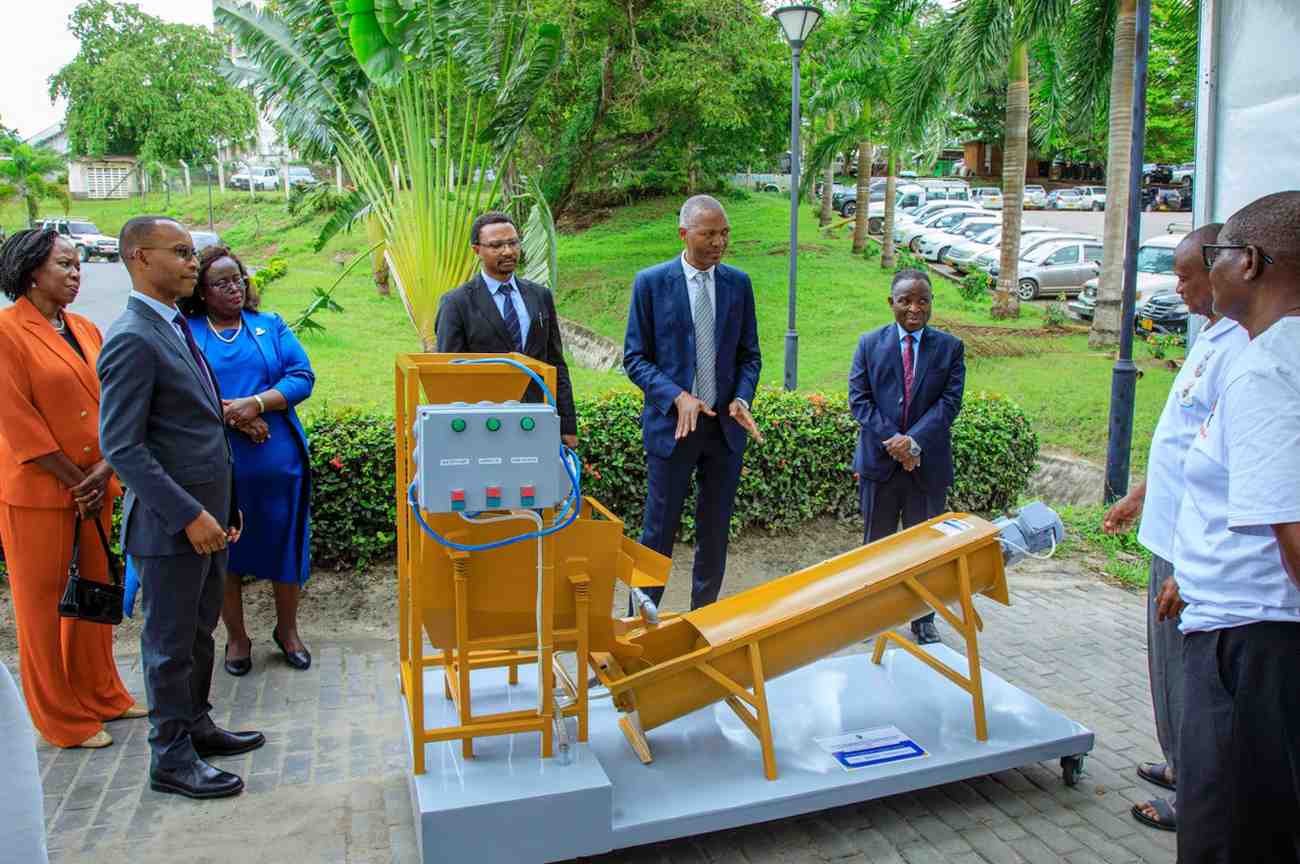
Among the standout exhibitors is the University’s Technology Development and Transfer Centre (TDTC), which unveiled a range of technologies designed to support industrial growth, environmental sustainability and clean energy production.
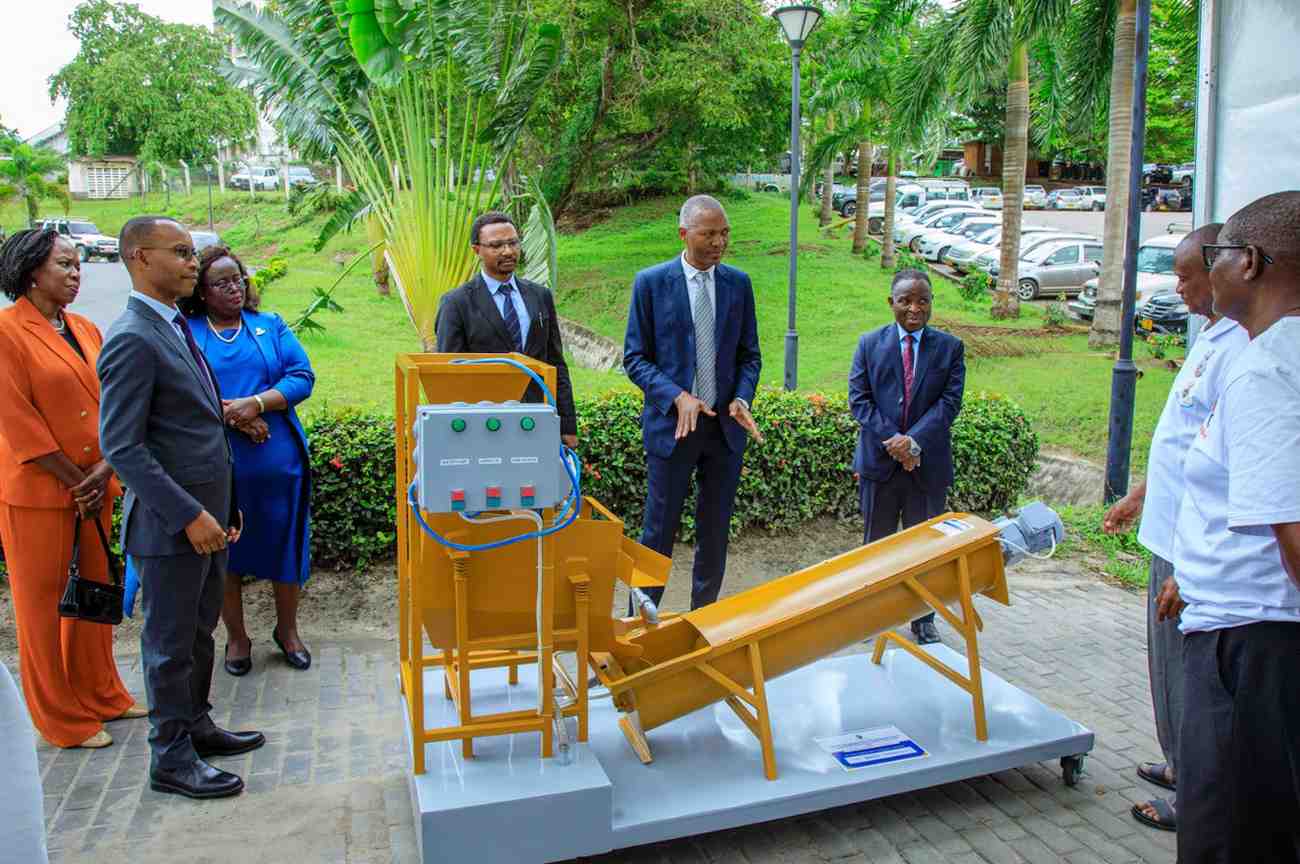
One of the innovations on display is a sand washing machine developed to clean construction sand according to industry standards, helping improve the quality of building materials used in the construction sector.
TDTC also showcased a marine navigation and boundary-marking system fully funded by UDSM. The technology is designed to establish boundaries in lakes and oceans while guiding ships and boats along designated routes. According to the developers, the system is already being used in several locations, including Zanzibar, where it contributes to safer and more efficient water transport.
In line with this year’s focus on renewable energy, the centre presented another innovation that converts organic waste into clean energy. The project utilizes waste collected from major markets such as Mabibo and Kinyerezi, where waste management remains a significant challenge. By transforming market waste into usable energy, the technology offers an environmentally friendly solution that could benefit local communities while reducing pollution.
Meanwhile, second-year Master’s students from the School of Aquatic Sciences and Fisheries Technology (SoAF), Upendo Ulomi and Dickson Kapuna, showcased an innovative aquaculture project that promotes sustainable fish farming through the use of multiple aquatic species within a single pond ecosystem.
The project enables fish farmers to maximize the use of naturally occurring organisms in fish ponds, creating a balanced ecosystem that supports productivity while reducing operational costs. The students explained that the system relies entirely on indigenous species and natural ecological processes, making it both environmentally sustainable and economically beneficial.
According to the researchers, integrating different species within a pond improves resource utilization and creates a self-supporting ecosystem that can enhance fish production while minimizing the need for expensive external inputs.
Participants expressed gratitude to UDSM for providing a platform that connects students and researchers with government officials, policymakers, industry stakeholders and potential investors. They noted that the Research and Innovation Week offers valuable opportunities to gain visibility, receive feedback and secure partnerships that can help transform research findings into practical solutions for society.
As Tanzania continues to pursue sustainable development and technological transformation, innovations showcased during the event demonstrate the critical role that universities can play in developing home-grown solutions to national challenges. The projects presented this year reflect UDSM’s ongoing commitment to advancing research, innovation and entrepreneurship in support of the country’s economic and social development goals.