UDSM Estate Committee Commends Lindi Campus Progress as HEET Investment Takes Shape
By Donald Boneka, CMU
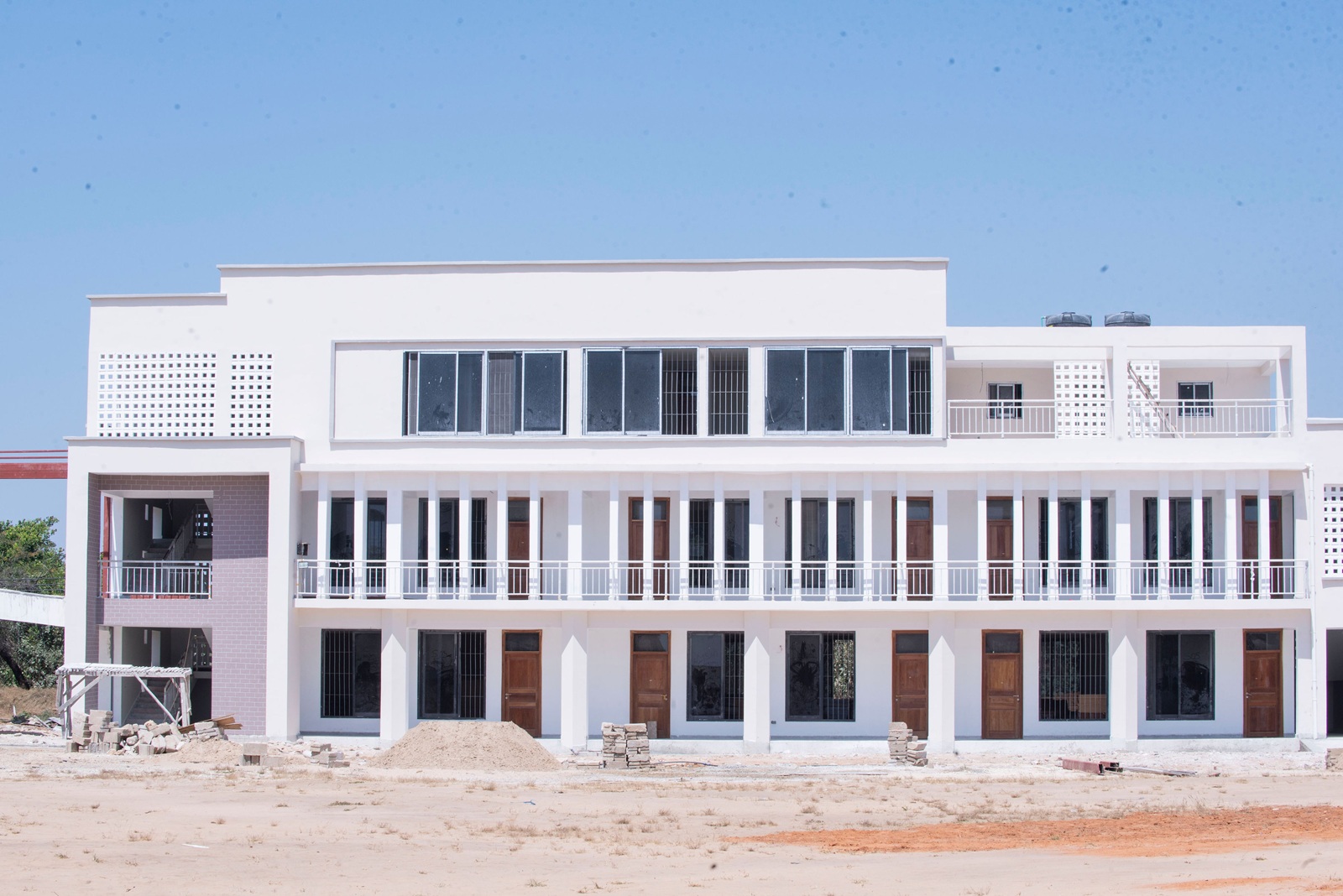
The University of Dar es Salaam (UDSM) Estate Committee has commended progress made in the development of the University’s Lindi campus at Ngongo in Lindi, describing the Higher Education for Economic Transformation (HEET) investment as an important step towards expanding the University’s capacity to serve students, researchers and the wider community.
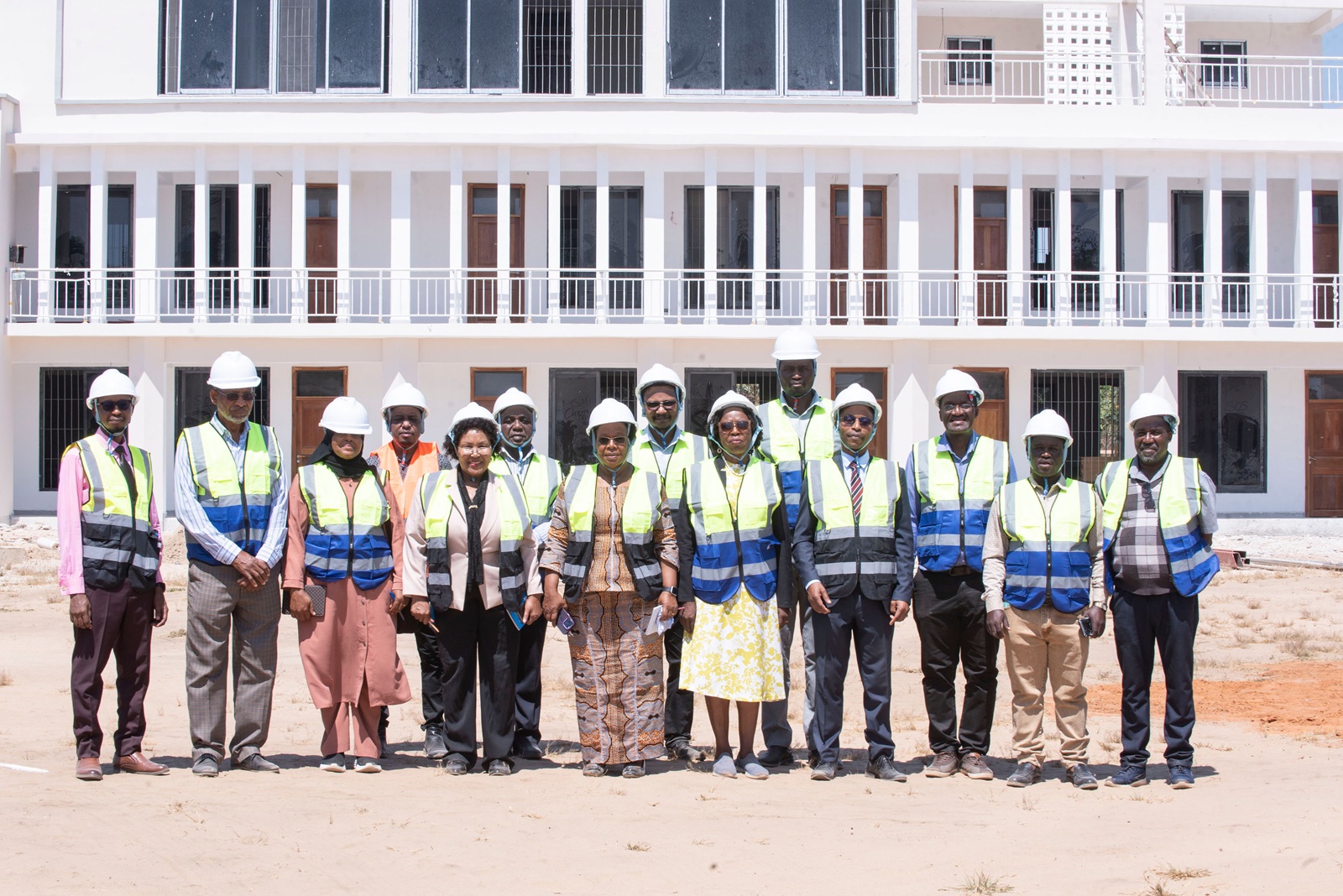
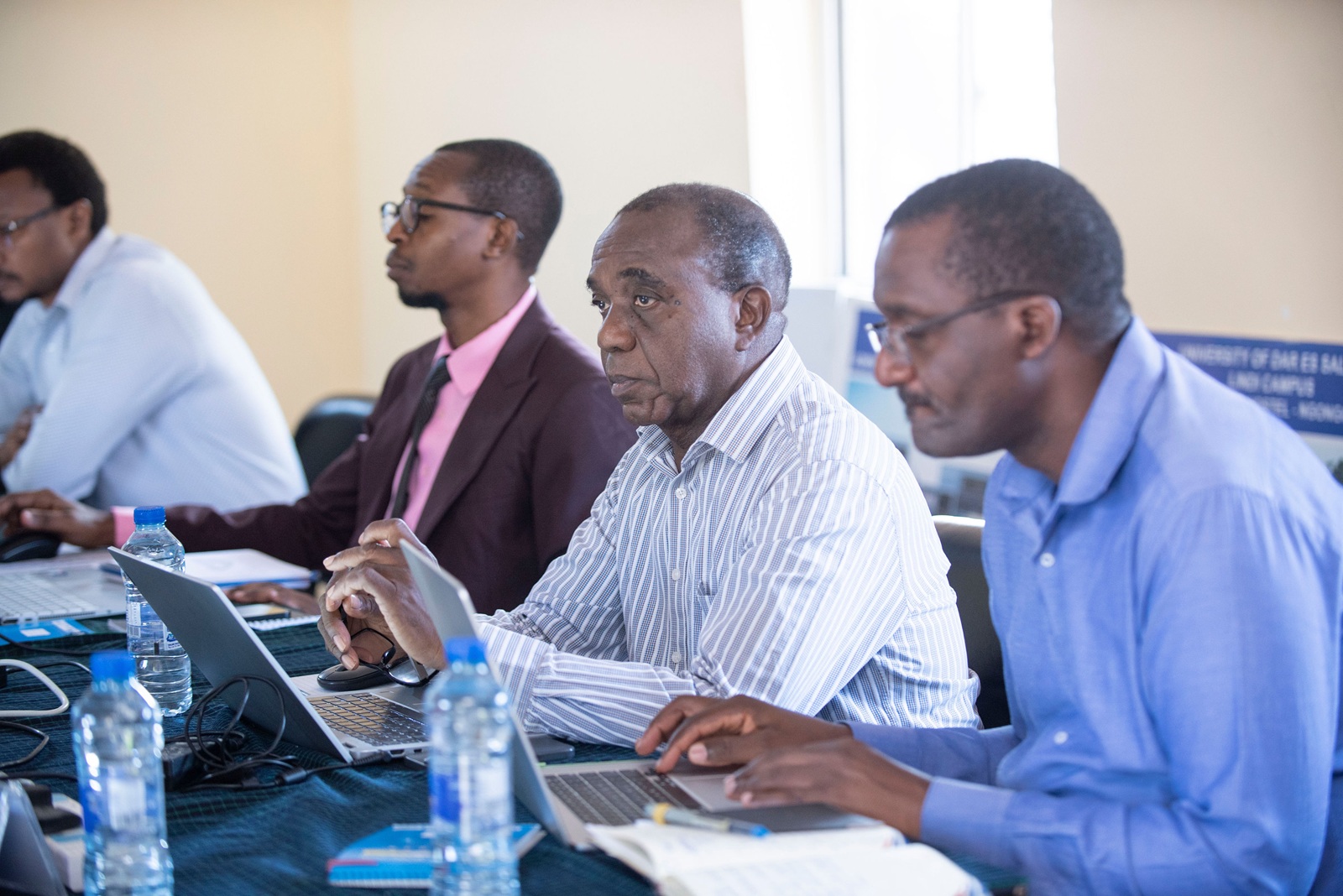
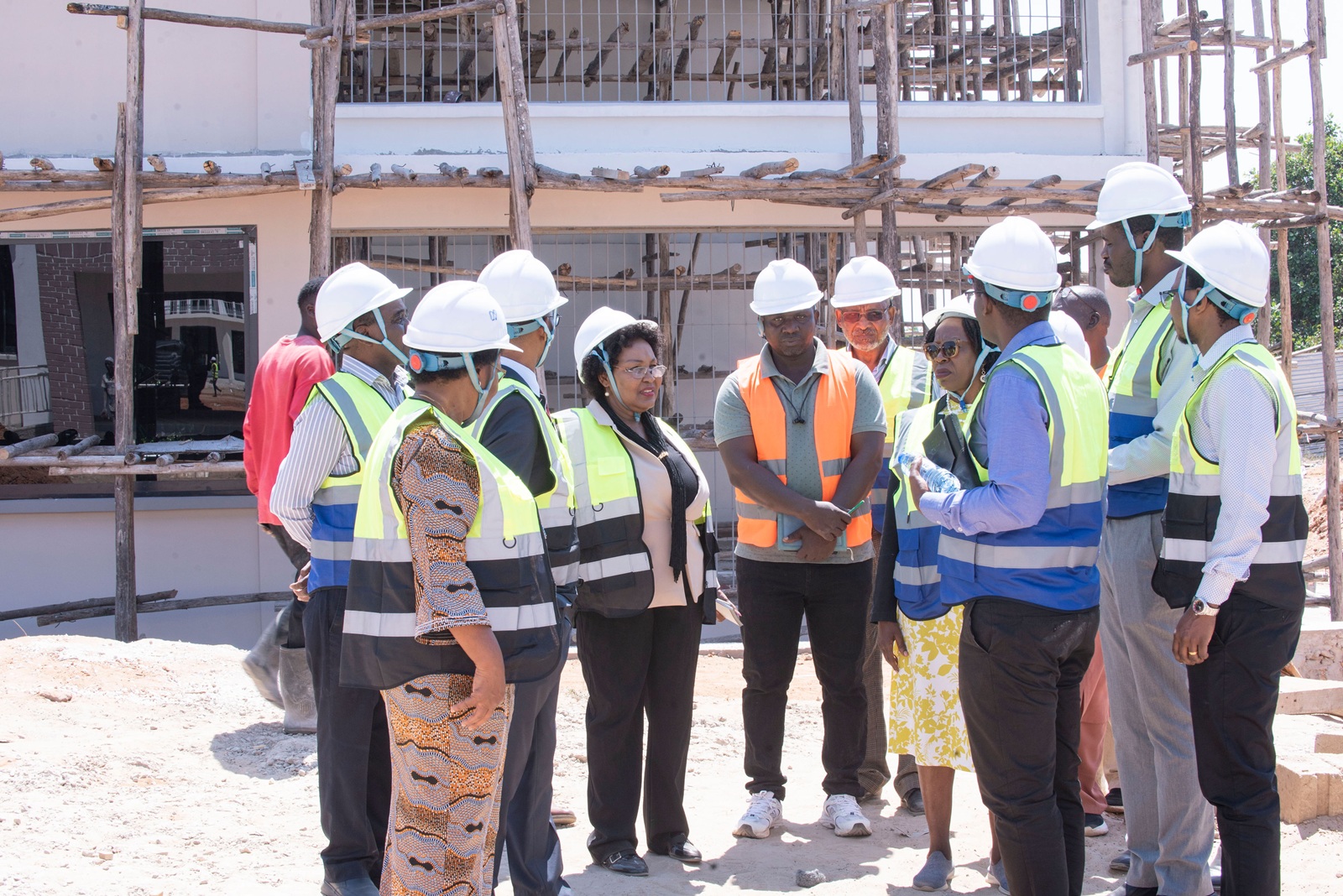
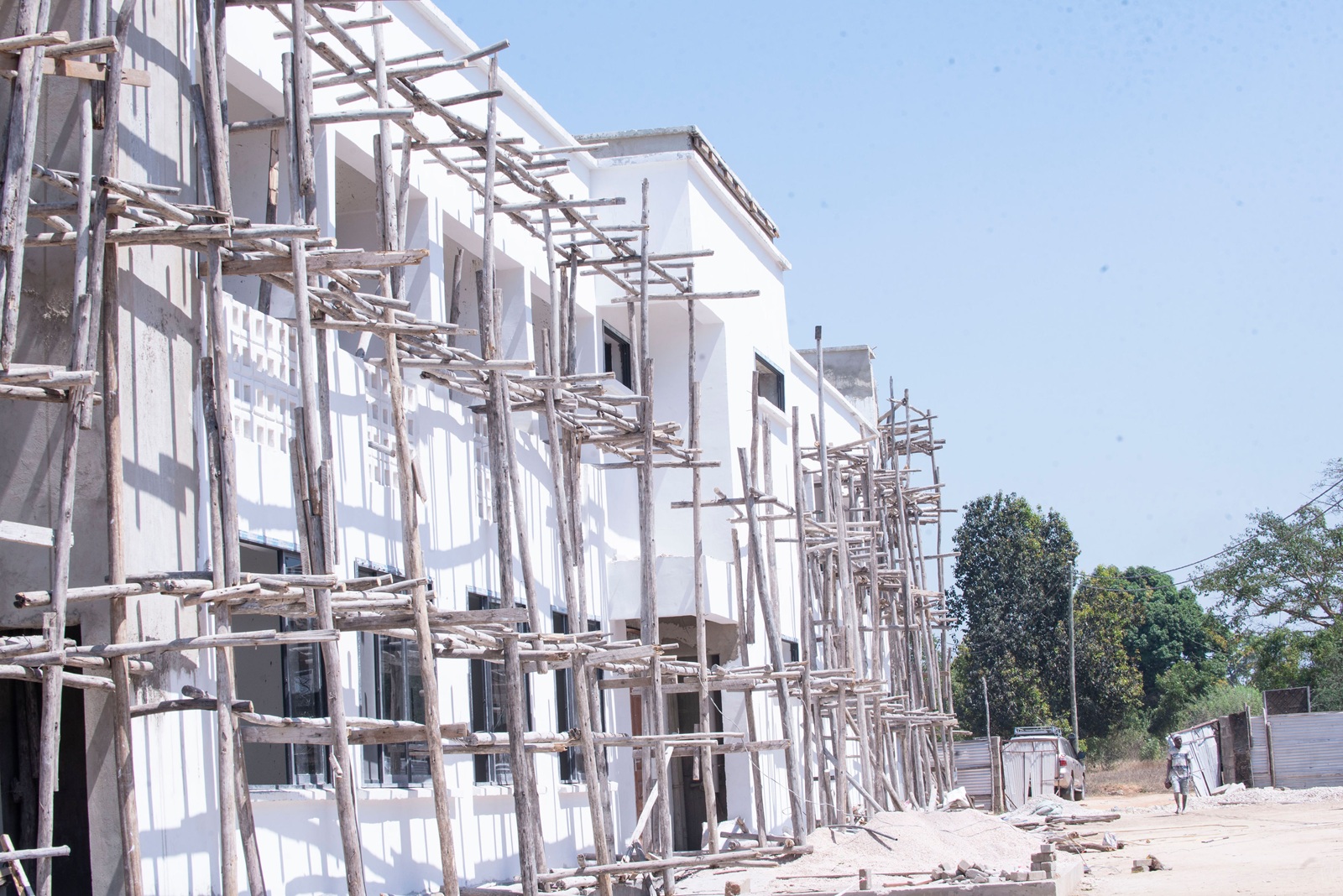
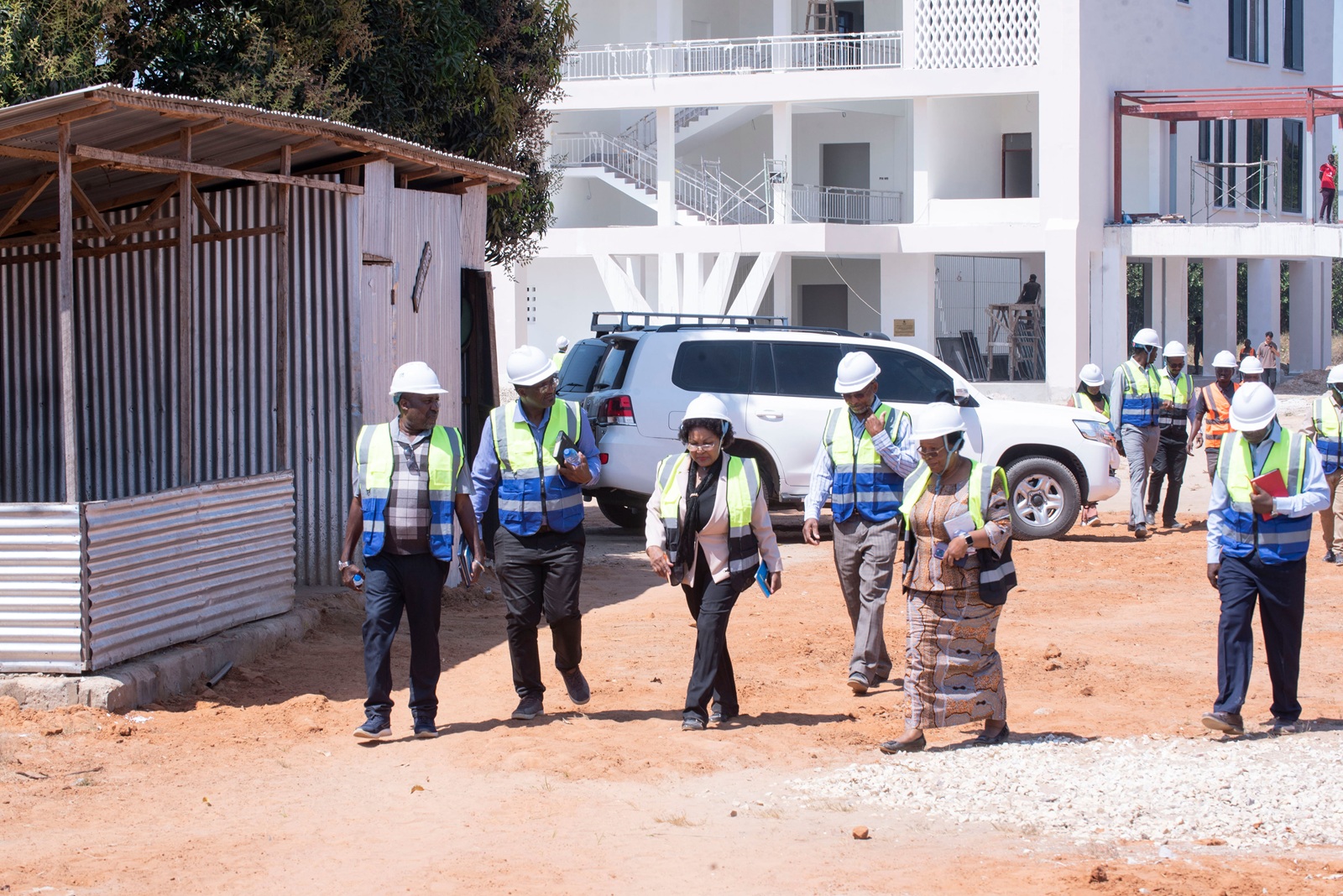
The Committee made the assessment during a site visit to Ngongo, where it inspected ongoing works, reviewed the remaining requirements for the campus to become fully operational and discussed measures to ensure that the infrastructure is effectively managed and put to productive use.
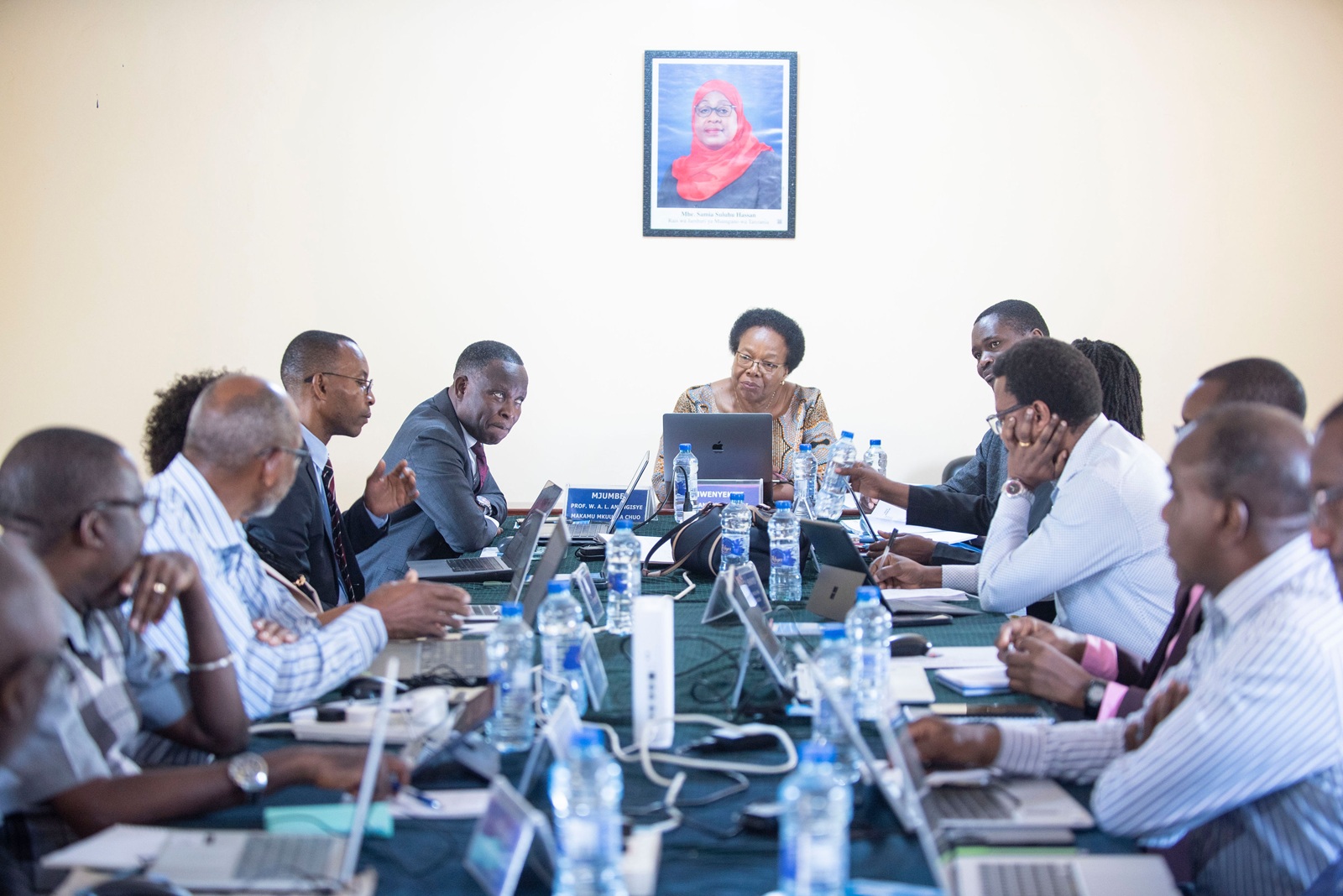
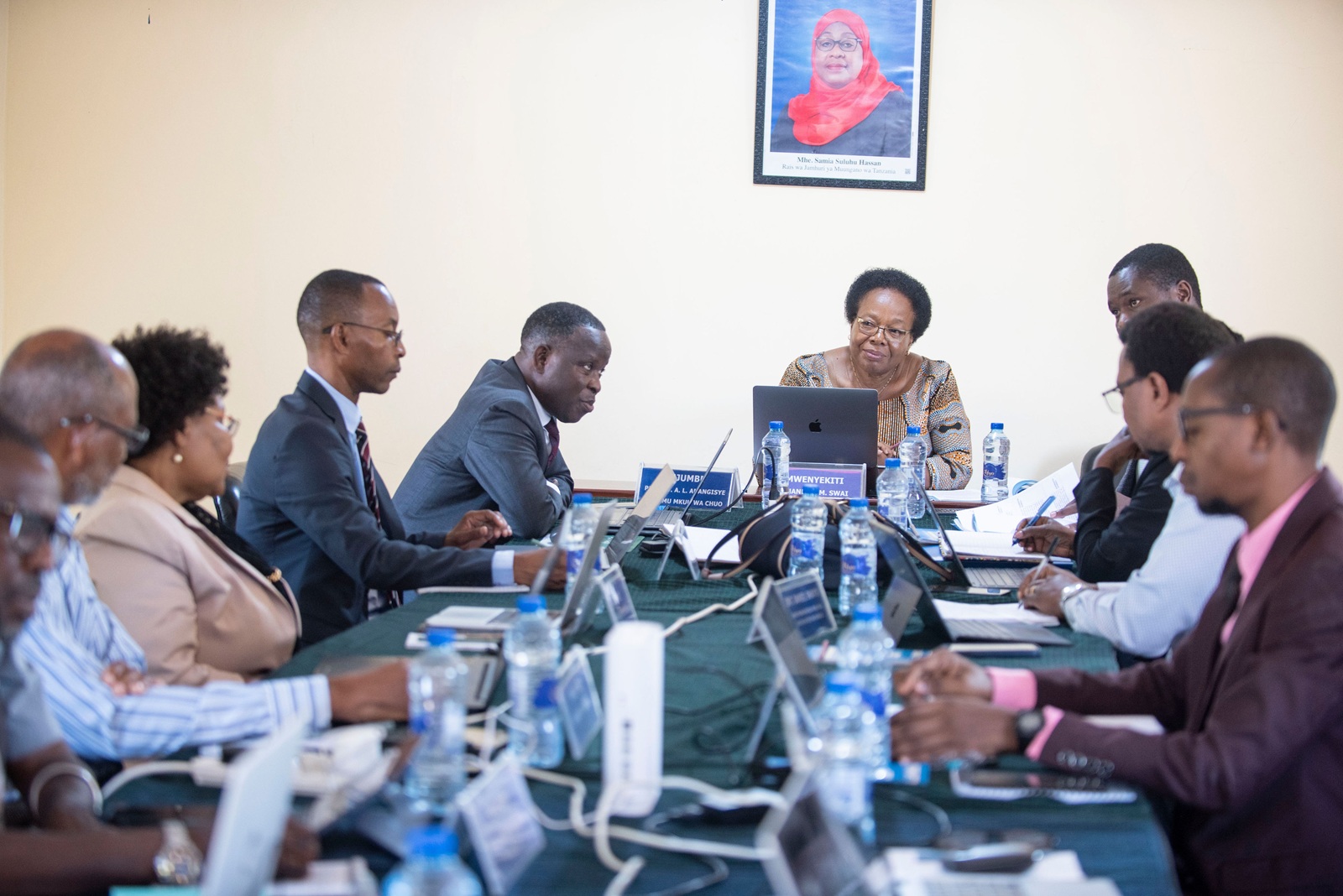
Led by the Committee Chairperson, Engineer Mary Swai, the visit brought together members of the Estate Committee, including the Secretary of the Committee and Acting Director of Estates Services, Engineer Dr. Daudi S. Augustino.
The team assessed the progress of construction and identified outstanding issues requiring attention to facilitate completion and operationalisation of the campus.
The visit highlighted the broader value of the HEET investment, which is aimed at strengthening higher education infrastructure and capacity. At Ngongo, the emerging campus is expected to provide additional space and opportunities for teaching, research, innovation and community engagement, extending the University’s contribution to development in Lindi and beyond.
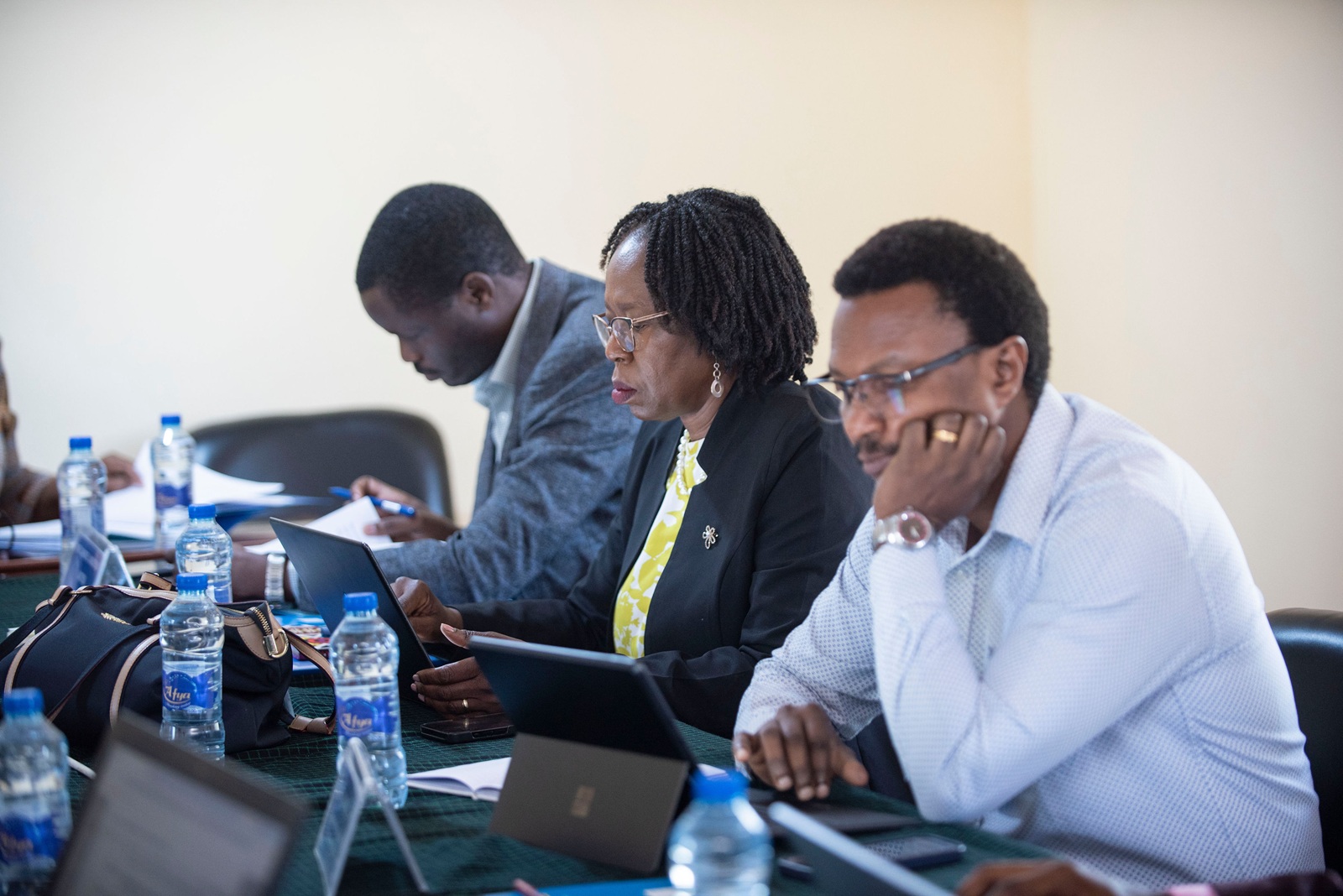
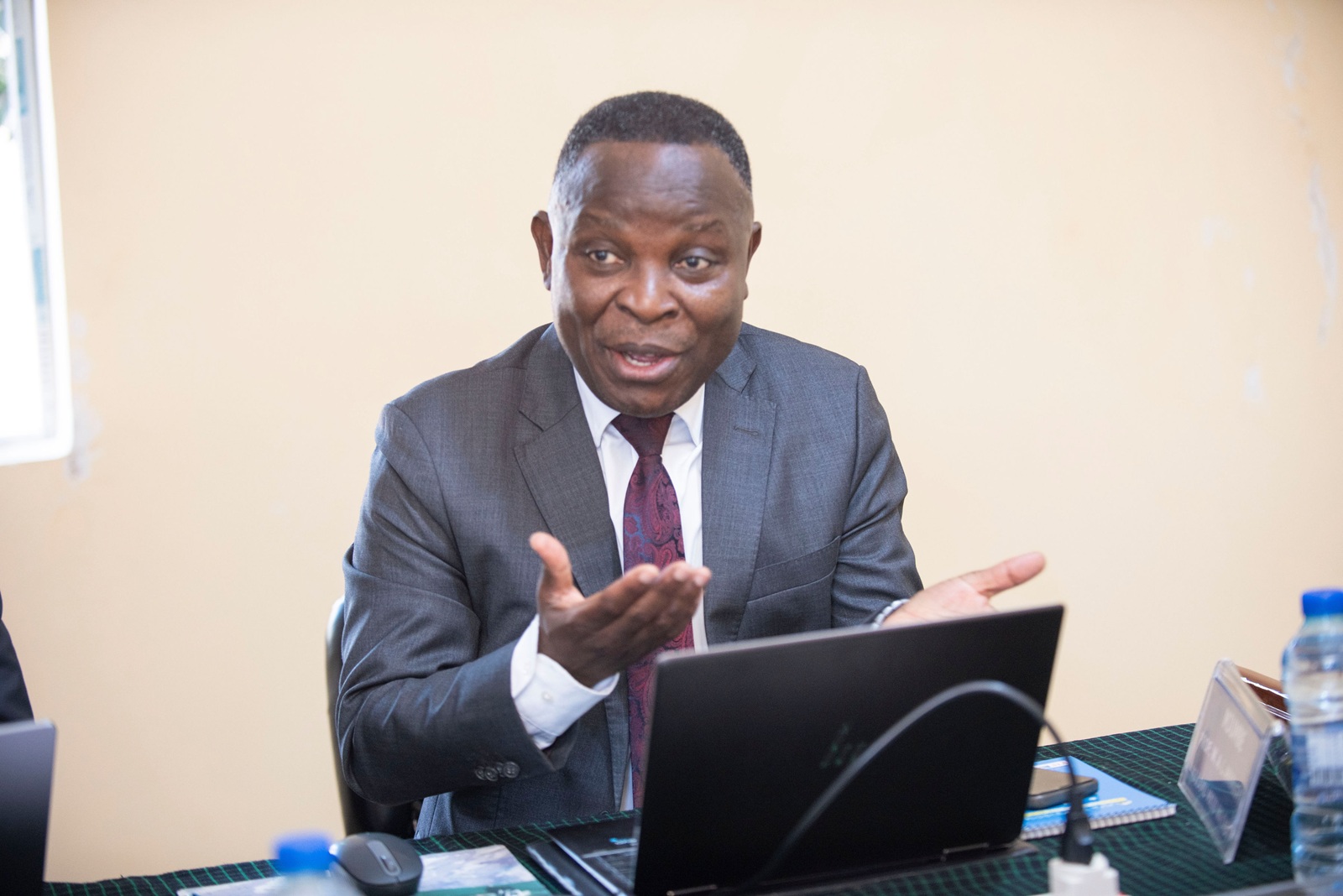
University of Dar es Salaam Vice Chancellor, Prof. William A. L. Anangisye, who participated in the deliberations as a member of the Committee, shared recommendations on measures that could accelerate completion and ensure that the infrastructure achieves its intended academic and institutional objectives.
Deputy Vice Chancellor–Planning, Finance and Administration, Prof. Bernadeta Killian, also contributed to the discussions, emphasising the importance of responsible management, maintenance and utilisation of University infrastructure.
She noted that institutional investments must be managed strategically to ensure they deliver sustained value to the University and its stakeholders.
The Acting Director of Planning, Development and Investment, Dr. Zuberi Omari, provided additional recommendations on infrastructure development and management, including measures to address outstanding challenges and strengthen the long-term utilisation of the campus.
Operationalising Lindi Campus
Speaking during the visit, Deputy Coordinator of the Higher Education for Economic Transformation Project, Prof. Liberato Haule, underscored the significance of completing and operationalising the Lindi campus.
“Completing the campus will bring significant value not only to the University but also to the surrounding community,” Prof. Haule said, stressing that the infrastructure should ultimately strengthen UDSM’s academic, research and development mandate.
Prof. Haule further called for coordinated action among stakeholders to address the remaining challenges and ensure that the investment translates into tangible benefits.
“What is important now is to ensure that the investment is translated into actual benefits through effective and productive use of the infrastructure,” he said.
The Committee subsequently made recommendations aimed at addressing issues identified during the inspection, facilitating completion of outstanding works and strengthening oversight, ownership, maintenance and utilisation of University assets.
The Lindi campus represents a significant addition to UDSM’s infrastructure portfolio and an opportunity to expand access to academic and research activities.
Once fully operational, the facility is expected to strengthen the University’s capacity to support teaching, research and innovation while deepening its engagement with communities and development priorities in Lindi and Tanzania more broadly.
The visit reaffirmed UDSM’s commitment to ensuring that HEET investments are not only successfully completed but also transformed into functional and sustainable assets that generate lasting benefits for students, staff, researchers and society.