


Rising Fast, Aiming Higher: Prof. Nelson Boniface Unveils UDSM’s Rapid Climb in Global Rankings
By Dotto Kuhenga, CMU
The University of Dar es Salaam (UDSM) is emerging as one of the fastest-growing research universities globally, with its academic leadership now calling for a decisive shift from rapid expansion to strategic excellence in global rankings.
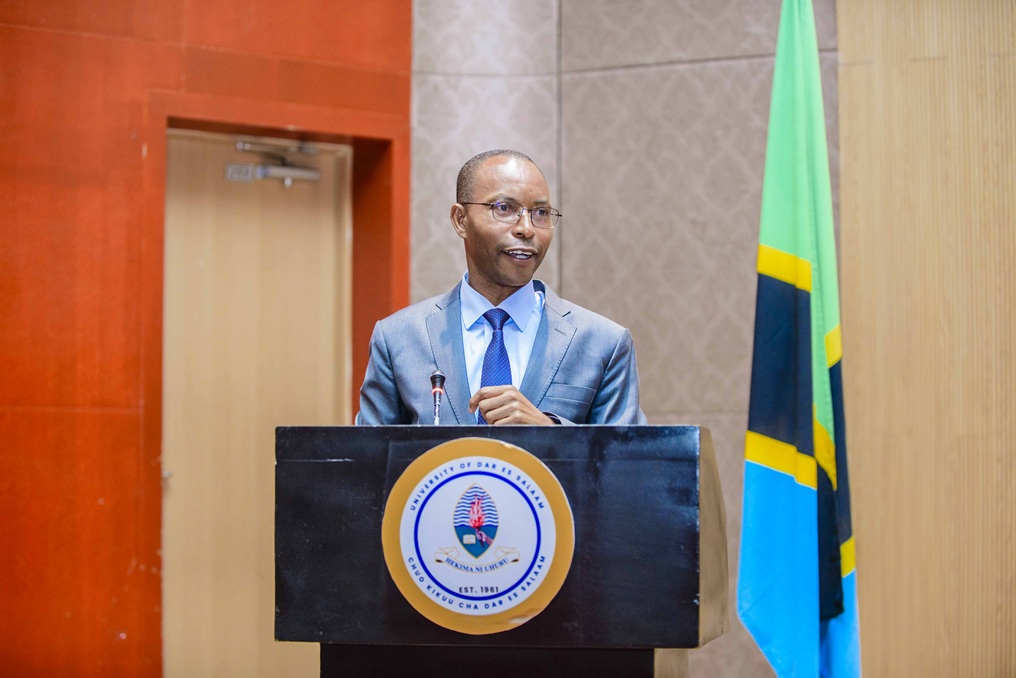
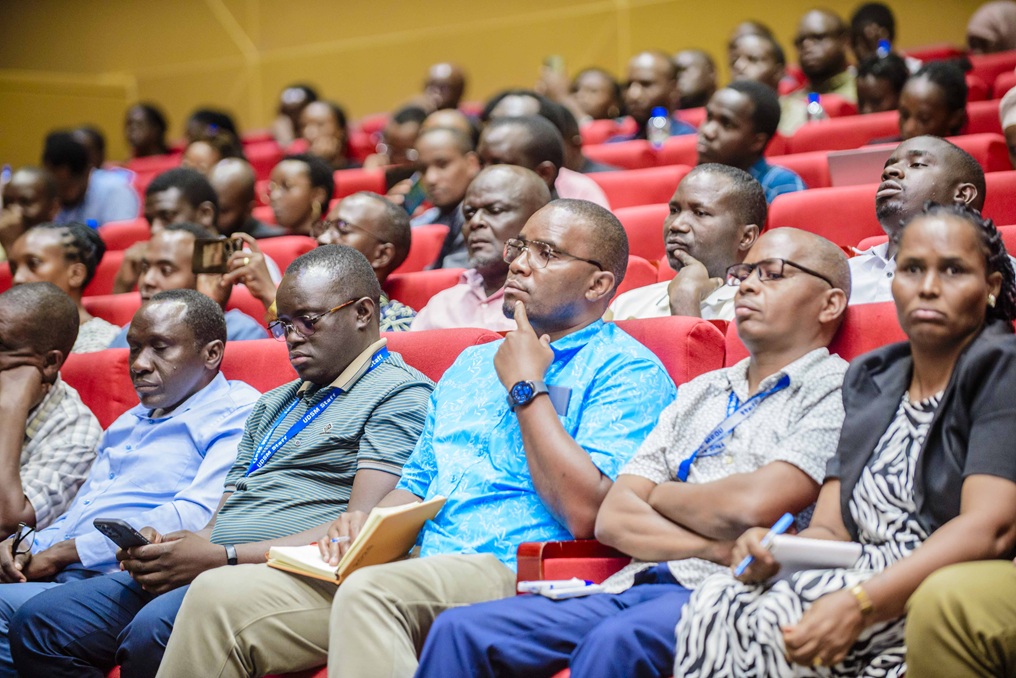
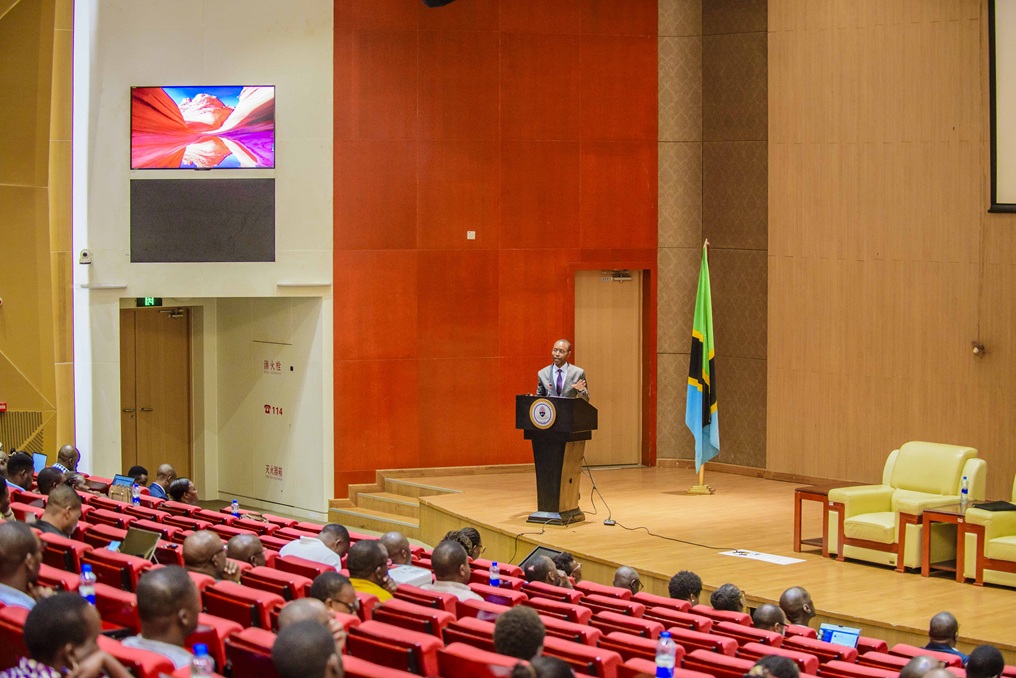
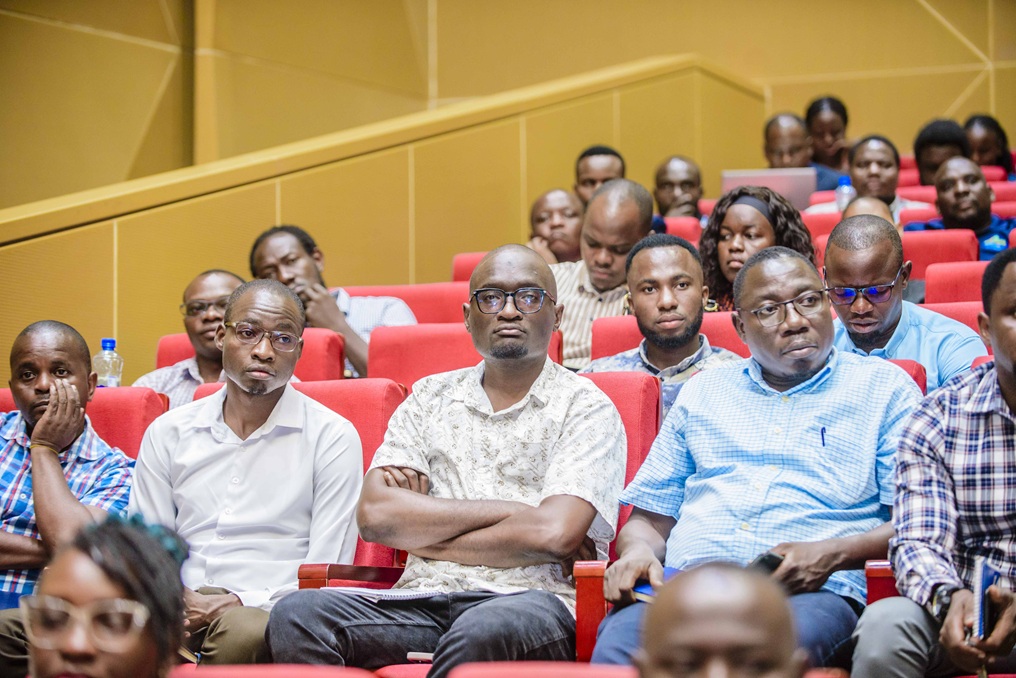
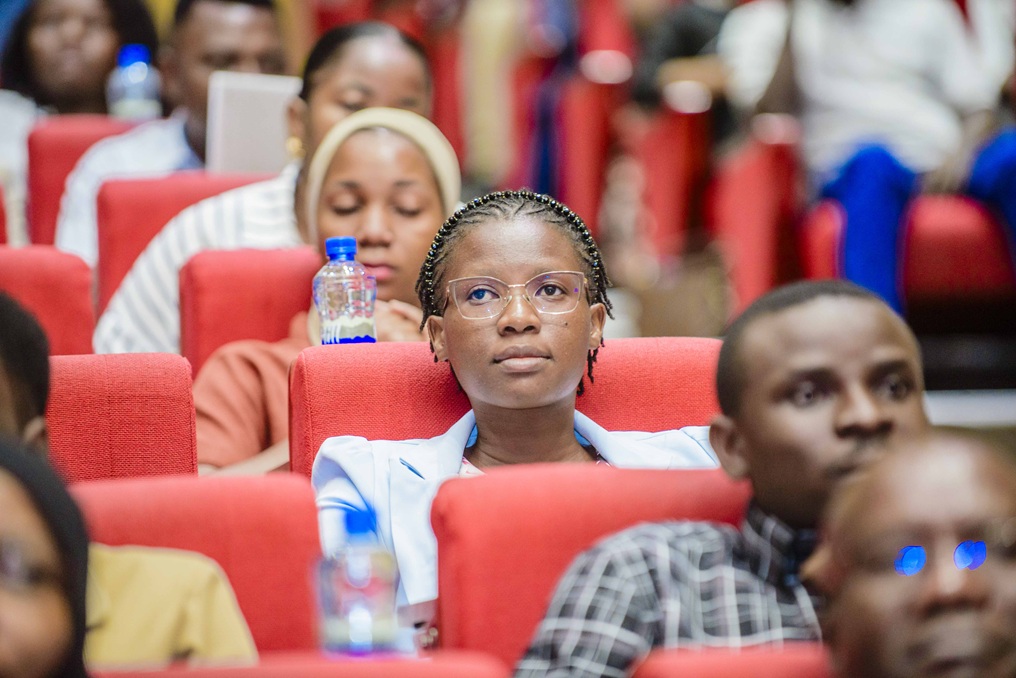
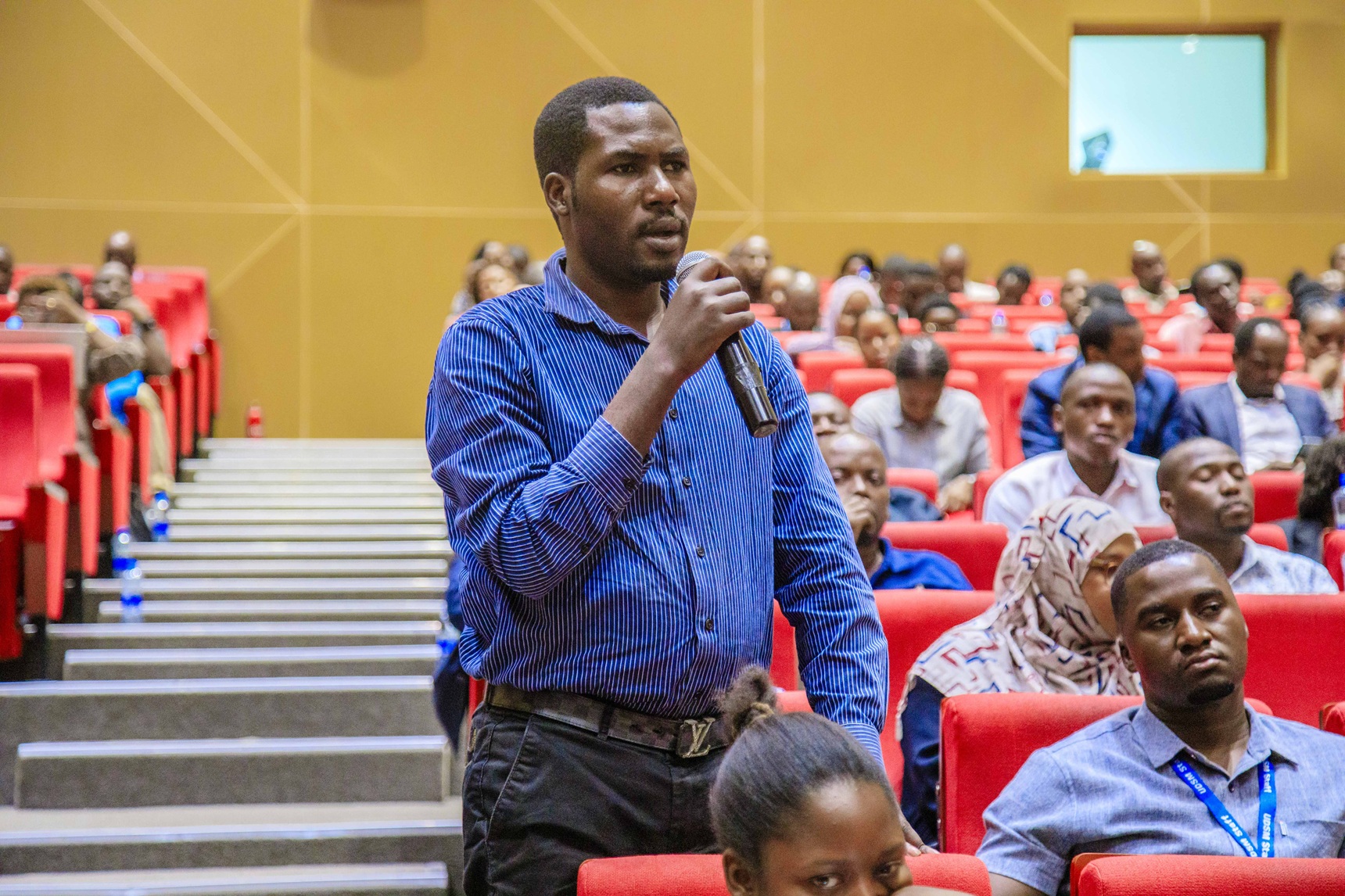
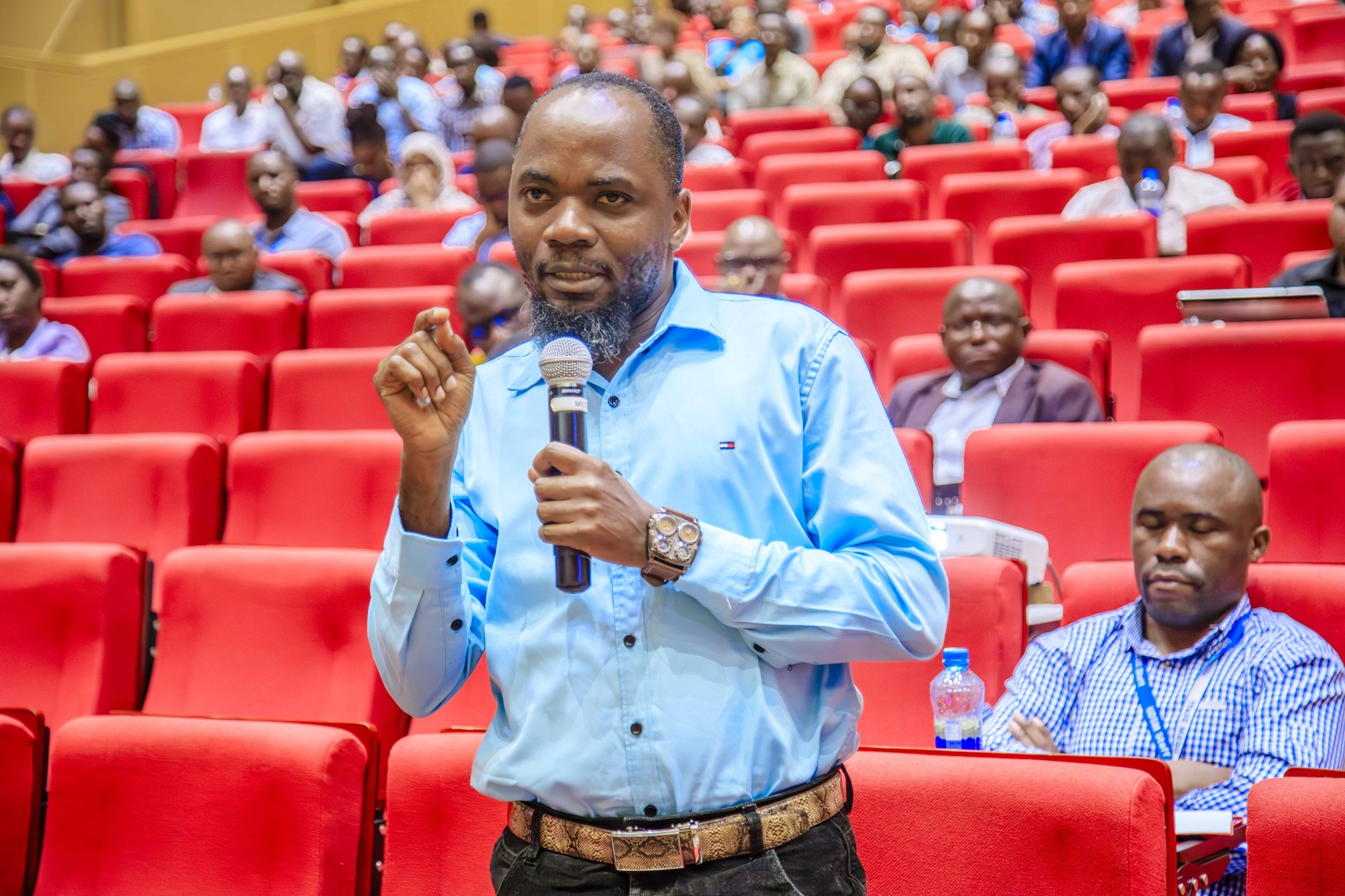
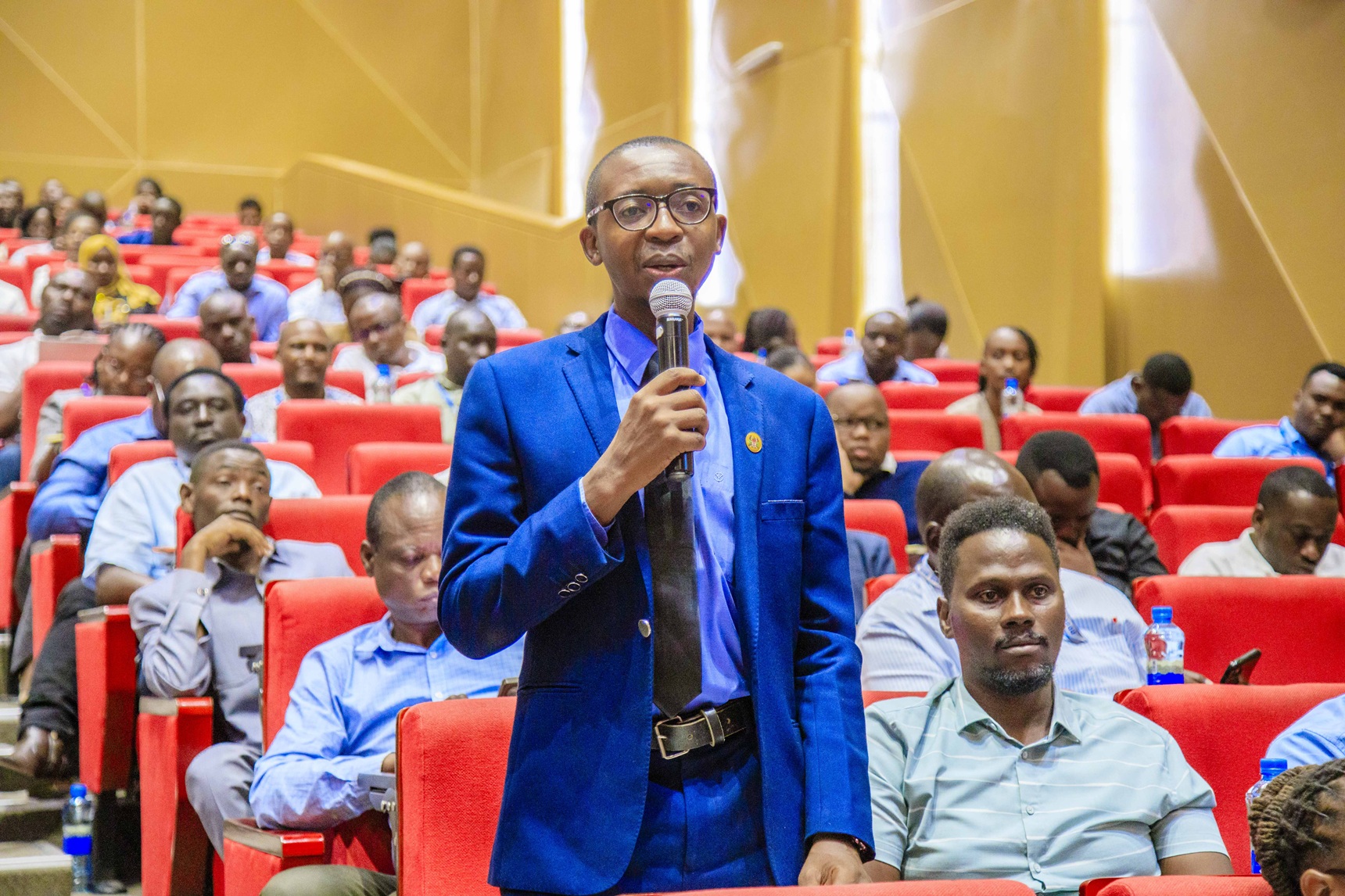
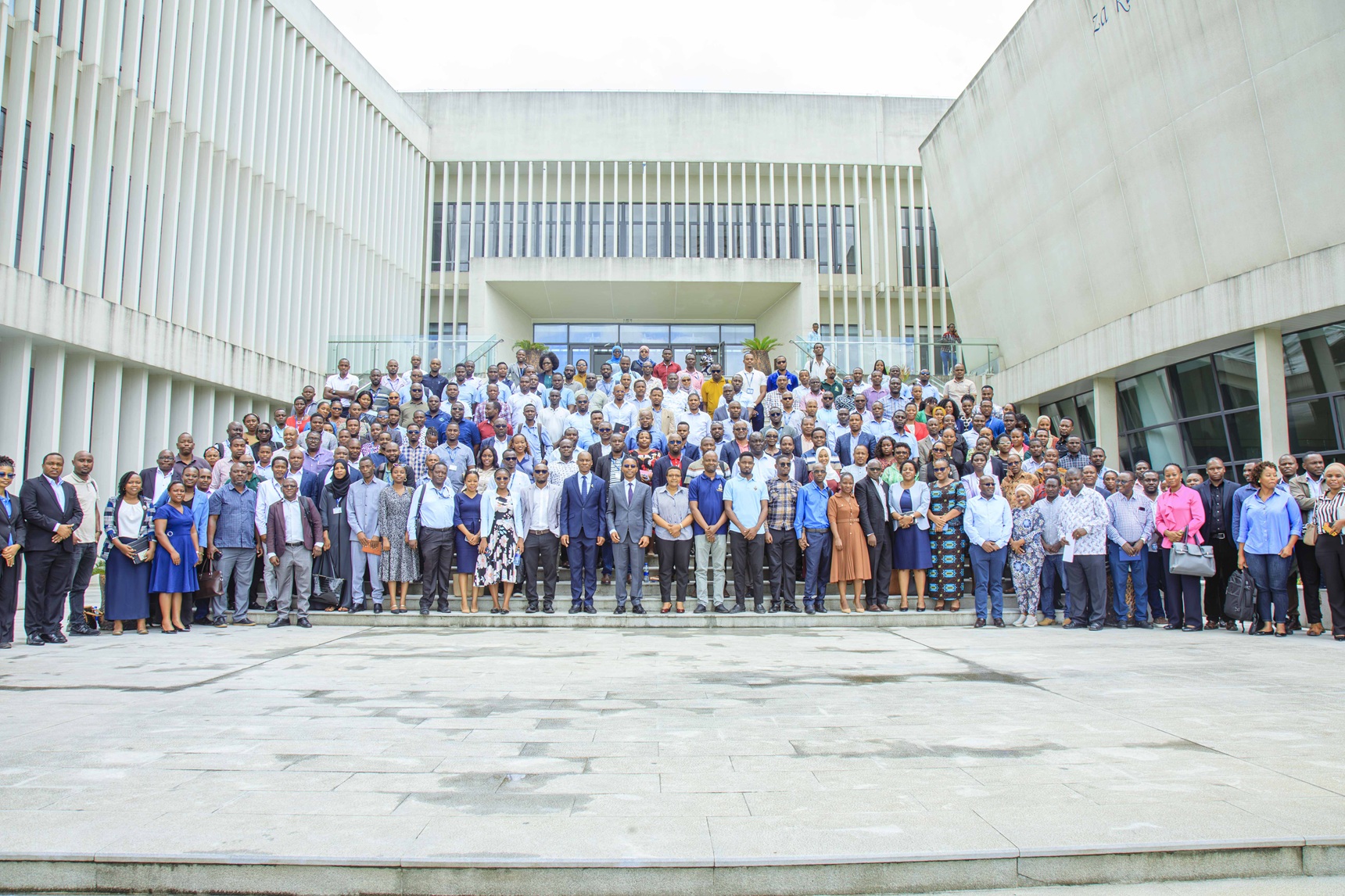
Presenting a comprehensive overview of the University’s standing in the global academic landscape, UDSM Deputy Vice Chancellor-Research Prof. Nelson Boniface recently delivered a high-level briefing to academic staff – professors, senior lecturers, lecturers, assistant lecturers, and tutorial assistants – underscoring both the remarkable progress achieved and the urgent priorities ahead.
“We are no longer at the stage of asking whether we are growing, we are growing fast. The real question now is: how do we convert this growth into global visibility, impact, and competitiveness?” Prof. Boniface said.
At the core of Prof. Boniface’s presentation was a striking revelation: UDSM’s research output has been expanding at a pace that places it among the fastest-growing universities worldwide.
Between 2019 and 2025, the University’s indexed publications grew from 361 to 882, an increase of 144.3 percent, translating into an annual growth rate of 16.1 percent.
To put this into perspective, global scientific output typically grows at around 4 percent annually, while top elite universities expand at between 5 and 8 percent.
“This trajectory places UDSM in the category of rapidly rising research universities globally. But growth alone is not enough; we must now scale strategically and publish where it matters most”, Prof. Boniface noted.
Position in Global Rankings: Progress with Perspective
Despite this impressive growth, Prof. Boniface explained that UDSM remains in the 1500+ band globally in the Times Higher Education (THE) World University Rankings, an indication that while progress is evident, structural challenges remain.
However, the University is already demonstrating strong performance in specific disciplines. In the 2026 rankings, UDSM secured positions in five subject areas, including Arts and Humanities (601–800), Life Sciences (801–1000), and Social Sciences (1001+).
“These subject-level rankings are not small achievements. They show that we already have pockets of excellence, strong research clusters that can anchor our rise”, he emphasized.
Regionally, UDSM ranked 21st in Sub-Saharan Africa in the inaugural QS regional rankings – an important benchmark in measuring competitiveness across the continent.
Prof. Boniface attributed the University’s progress to a significant expansion in its academic workforce, particularly PhD holders. Between 2023 and 2026, the number of research-capable staff rose from 803 to 1,000, an increase of 24.5 percent.
At the same time, total academic staff grew to over 2,000, strengthening the University’s capacity for teaching and research.
“Our expanding PhD base is already translating into increased publication output. This is the engine of our growth, and we must sustain and direct it strategically”, he said.
Yet he cautioned that gaps remain, particularly in key disciplines such as Medical and Health Sciences and Computer Science, where staff numbers and publication volumes fall below global ranking thresholds.
A major concern highlighted in the presentation was that several academic units are just below the thresholds required for global ranking inclusion, often due to relatively small publication gaps.
In some fields, only a modest increase in output could make a significant difference. For example, Business and Economics requires just 12 additional publications to meet the global threshold, while Engineering needs 65 more.
“This is not an impossible task. With coordinated effort, we can cross these thresholds within a short period and significantly improve our global standing”, Prof. Boniface stressed.
He also raised concerns about missed opportunities for visibility, noting that some researchers publish without properly affiliating their work to UDSM, thereby weakening the institution’s global profile.
“Every publication must carry the UDSM name. Visibility is not automatic – it is built deliberately,” he emphasized.
Strategic Shift: Targeting World-Class Status
Looking ahead, Prof. Boniface outlined a clear roadmap for transforming UDSM into a globally competitive institution in line with its Vision 2061. He emphasized the need to expand PhD-level academic staff in critical disciplines, increase high-impact publications in internationally indexed journals, and deepen international research collaboration.
He also called for the establishment of strong research centres of excellence and more deliberate efforts to tap into global research funding opportunities.
At the same time, he stressed the importance of strengthening research integrity, particularly in the ethical use of emerging technologies such as artificial intelligence in academic publishing.
In a direct appeal to academic staff, Prof. Boniface urged a shift in mindset: from individual effort to coordinated institutional ambition.
“We must move from isolated research to collaborative, high-impact scholarship. Global rankings are not just numbers, they reflect our contribution to knowledge, to society, and to the world”, he said.
As a forward-looking message, he stressed: “UDSM is not starting from zero. We are rising – and rising fast. What we do now will determine whether we remain visible or become truly influential on the global stage.”
With strong growth momentum, expanding human capital, and a clear strategic direction, UDSM’s journey toward global academic prominence is gaining pace—signaling a new era in Tanzania’s research and innovation landscape.