




From Research Papers to Real-World Solutions: UDSM Pushes for Stronger Intellectual Property Culture
By Renancy Sailo and Tereza Peter, CMU
A research paper may add to academic knowledge, but the real test of an idea can come when it leaves the pages of a journal and begins solving a problem in the real world.
That is the shift the University of Dar es Salaam (UDSM) is seeking to accelerate by strengthening awareness and capacity in intellectual property (IP), research and innovation, with a focus on turning knowledge generated at the University into protected innovations, viable products and solutions that benefit society.
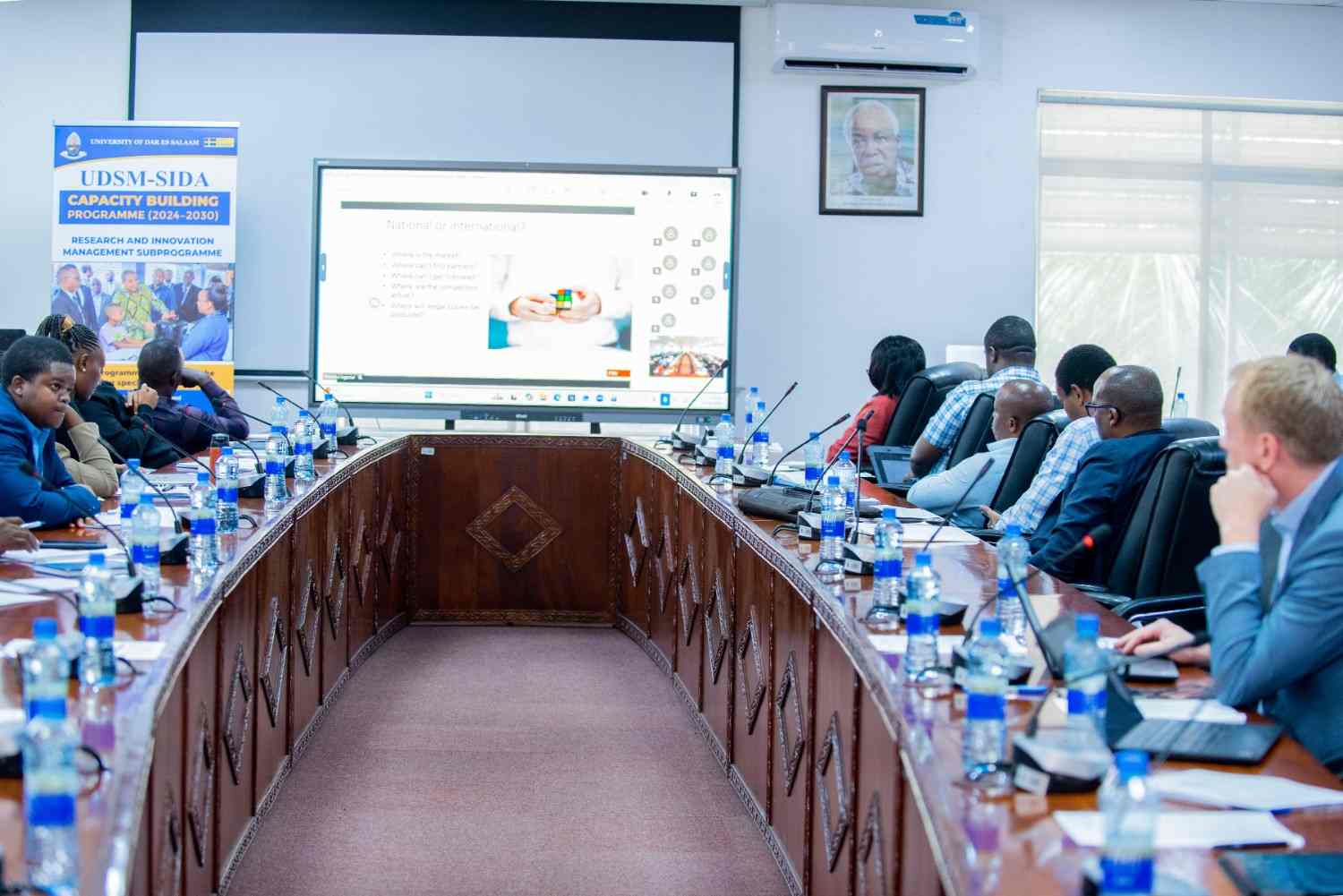
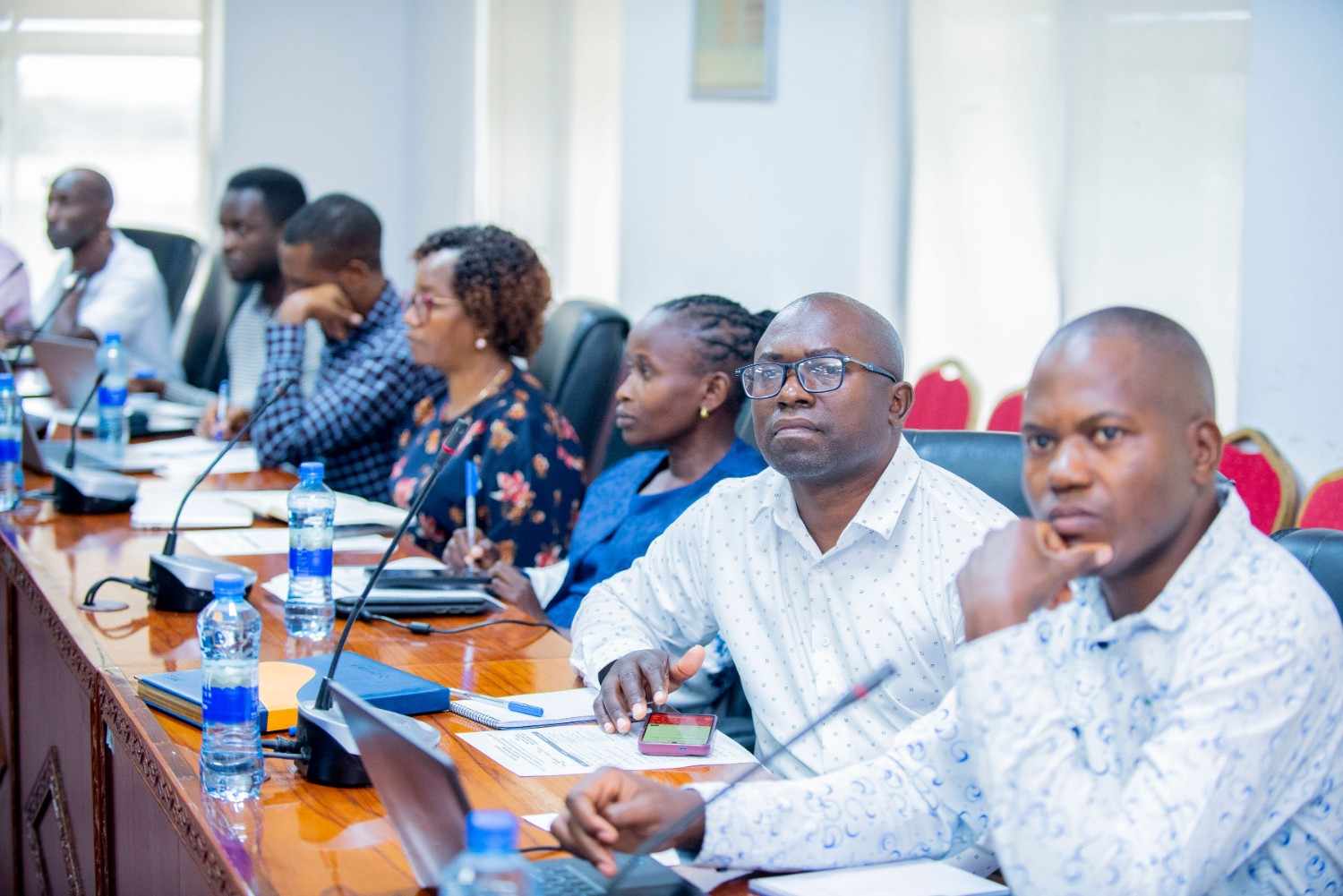
The message came strongly during an awareness-raising meeting on Intellectual Property Rights, Research, Innovation and Societal Impact held at UDSM on 4 September 2026 in Dar es Salaam.
The meeting brought together members of Top Management, researchers, innovation coordinators and experts from the Swedish Intellectual Property Office (PRV), KTH Royal Institute of Technology and the Tanzania Commission for Science and Technology (COSTECH).
The meeting was followed by a technical training session for University Research Coordinators and Innovation and Entrepreneurship Coordinators from different academic units, bringing the discussion from the strategic level to the practical realities of protecting and developing research outputs.
Opening the meeting, UDSM Vice Chancellor Prof. William-Andey Anangisye said the University must increasingly look at research success not only through publications, but also through what research can do for people and the economy.
“Publishing research is important, but we also need to ask ourselves: what happens to that knowledge after it is published? We need to turn more of our research outputs into innovations that solve real problems and create tangible economic and societal value”, Prof. Anangisye said.
He said intellectual property should therefore be viewed as much more than a legal requirement. “Intellectual property is not merely a legal requirement; it is a strategic institutional asset. When properly managed, it can protect our researchers, attract investment and position UDSM as a global hub for translational research.”
For that to happen, Prof. Anangisye said, the University needs an environment in which good ideas can move more easily from laboratories and research projects towards application.
“We need policies, structures and networks that support our researchers and innovators from the moment an idea emerges to the point where it can be developed, protected and, ultimately, brought to the market,” he said.
The changing role of universities
UDSM Deputy Vice Chancellor – Research Prof. Nelson Boniface said the changing role of universities makes this even more important.
“Universities can no longer be places where knowledge is produced and then left in publications or laboratories. We are moving towards the idea of an entrepreneurial university, where research and innovation are translated into solutions that respond to the challenges facing society”, Prof. Boniface said.
He said strengthening intellectual property capacity would help ensure that promising ideas are not lost and that researchers have the knowledge needed to protect and develop their work.
“Strengthening intellectual property capacity is essential to ensuring that innovations emerging from universities are protected, developed and positioned to contribute to society and the economy,” he said.
Prof. Boniface linked the initiative to Tanzania’s broader development ambitions, including Dira 2050 and the Sustainable Development Goals, where research, knowledge, skills and innovation are recognised as important drivers of development.
The technical training gave participants a practical introduction to different forms of intellectual property, including patents, industrial designs, trademarks and copyright, and how each can be used to protect different forms of innovation and creative work.
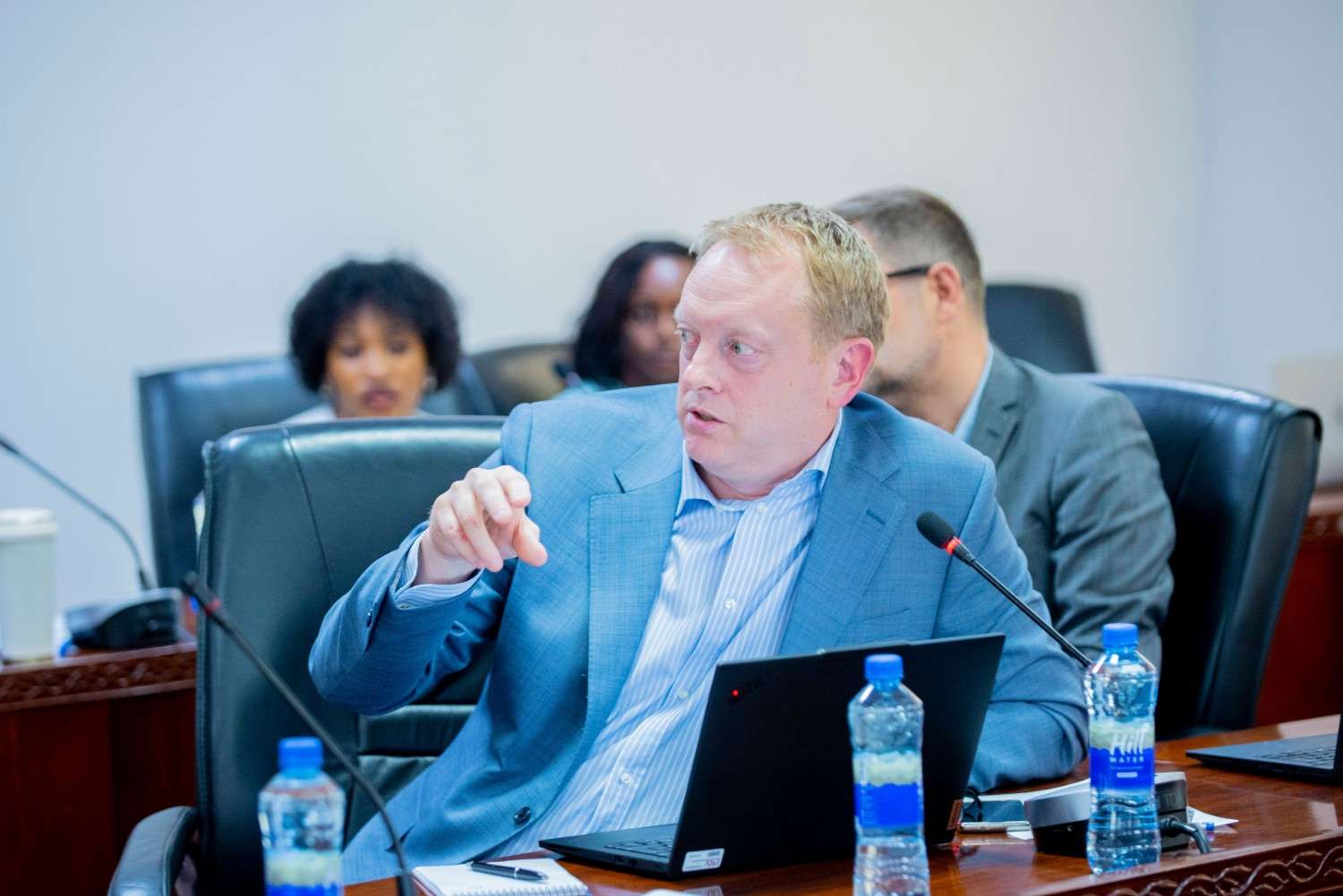
For Mr. Peter Hedin, Senior Advisor from the Swedish Intellectual Property Office (PRV), IP should not be treated as something researchers think about after an innovation has already been developed.
“Intellectual property is part of the innovation journey. It starts with the idea, continues through development and protection, and eventually leads to application”, Mr. Hedin said. “
He encouraged researchers and innovators to think about IP early, saying a better understanding of intellectual property can help them make informed decisions about how their work should be protected and developed. “That early thinking is particularly important when it comes to patents”.
Protect before you disclose
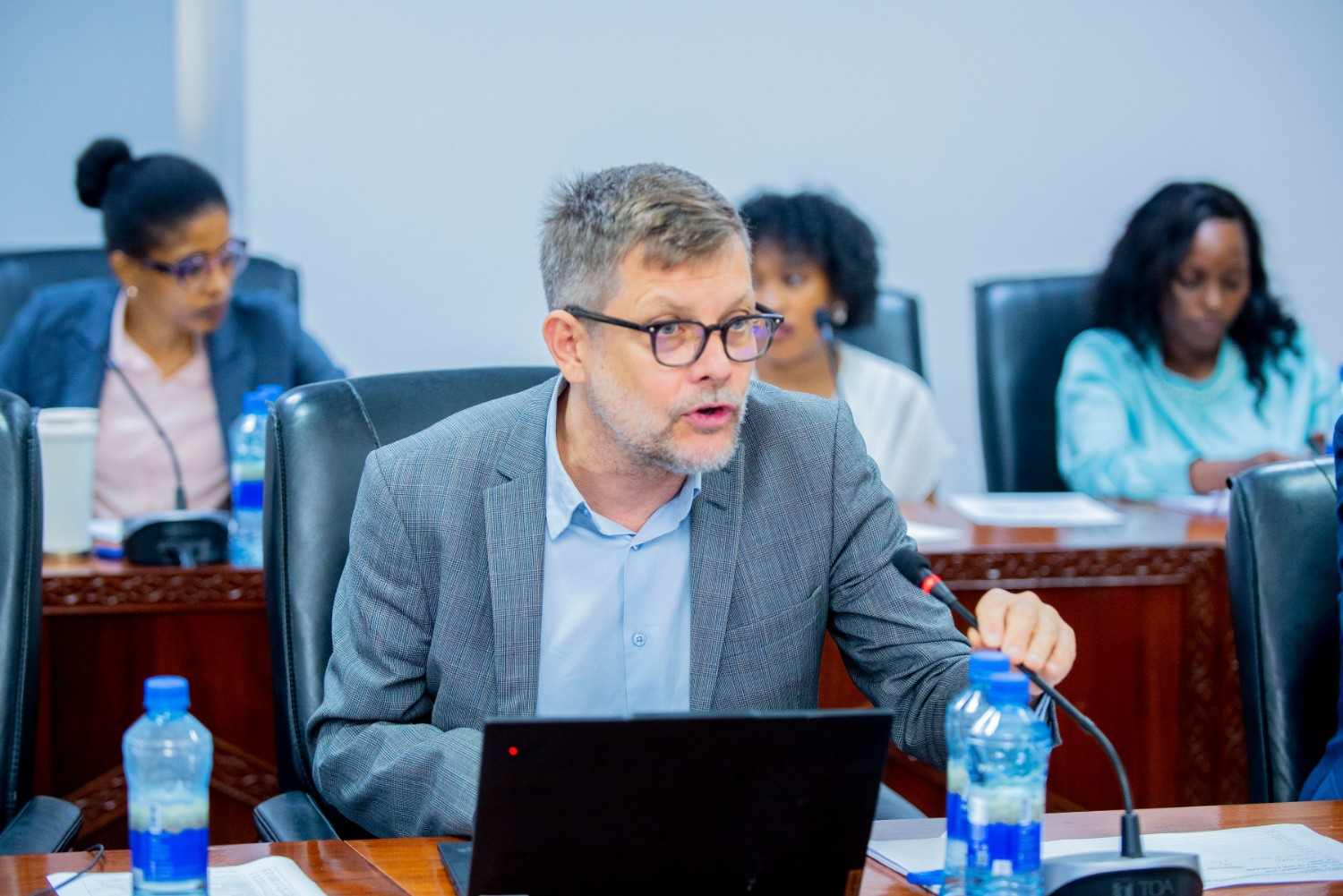
Mr. Patrick Anderson, Patent Expert from PRV, cautioned innovators against publicly disclosing their inventions before considering whether they need patent protection.
“Before you disclose your invention publicly, you need to think about intellectual property protection,” Anderson said, explaining that public disclosure can affect whether an invention qualifies for patent protection in some jurisdictions.
He also reminded participants that not every technical idea automatically qualifies for a patent. “Patentability depends on the requirements of the law in the country where protection is being sought Researchers and innovators need to understand those requirements and choose the right form of protection for their work”.
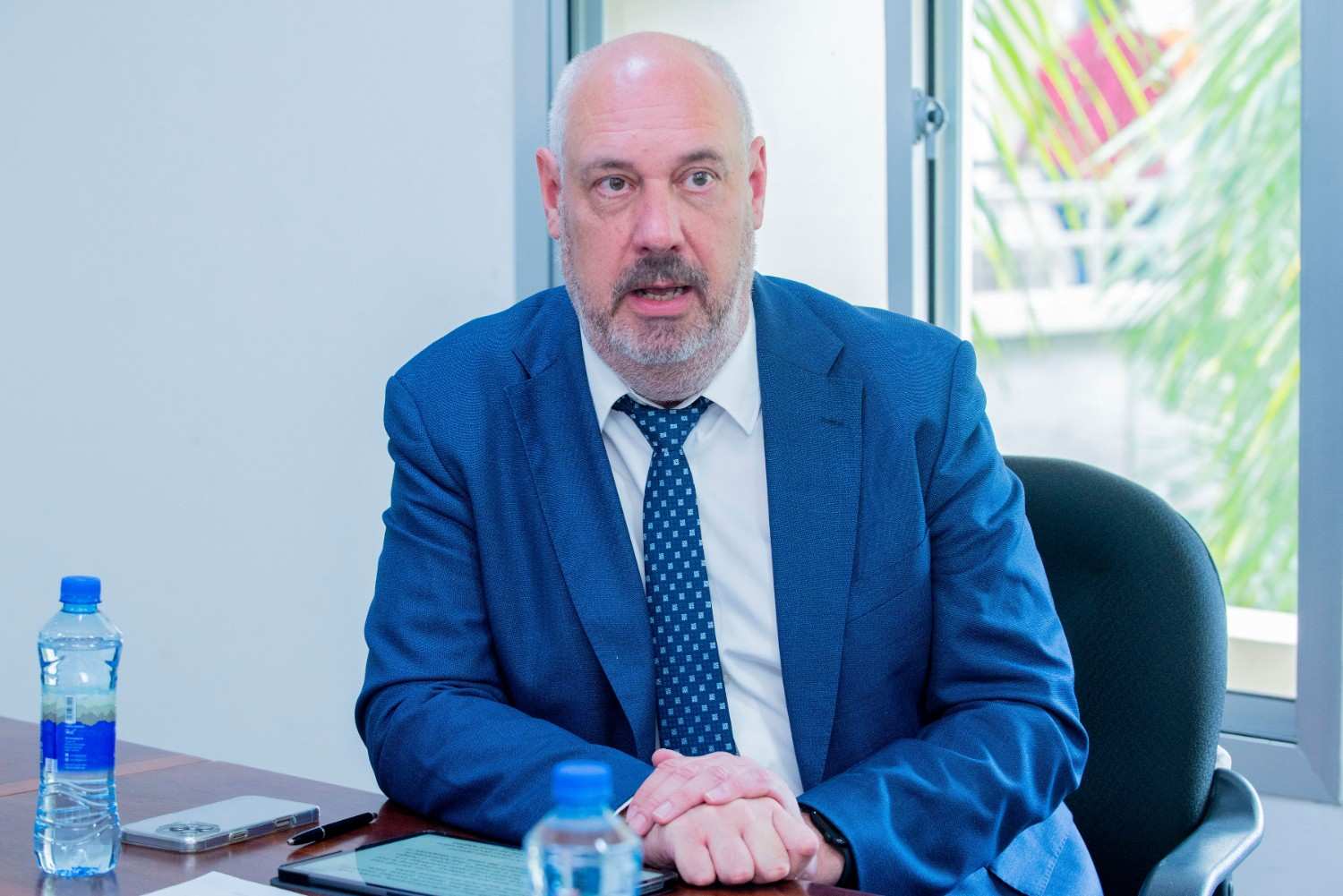
Mr. Ingemar Wistrand, Senior Patent Examiner from PRV, offered another way of looking at the patent system, describing a patent as “a social contract between the inventor and society.”
He explained that while patents give inventors an incentive to develop and disclose new technical solutions, the information contained in patents can ultimately contribute to wider knowledge and societal progress.
In that sense, intellectual property is not simply about ownership. It is also about creating a pathway through which ideas can be recognised, protected, developed and eventually made useful to society.
The training further explored the role of innovation centres, invention spaces, youth engagement and institutional leadership in building a stronger innovation ecosystem. The involvement of PRV, KTH and COSTECH also provided an opportunity for researchers and innovation coordinators to exchange experiences and strengthen collaboration.
The initiative is part of activities marking 60 years of cooperation between Tanzania and Sweden, while also reinforcing UDSM’s growing focus on research, innovation and entrepreneurship.
Ultimately, the ambition is straightforward: research should not end when a paper is published. It should have a chance to become an invention, a product, a business, a policy solution—or something that makes life better for people.
And that is where stronger intellectual property awareness can make the difference: helping good ideas move from the research desk to the real world.