

Global Partnerships Must Leave More Than Projects Behind, AAP Leaders Tell African Universities
By Terezia Peter and Sulea Suleiman, CMU
African universities and their international partners must rethink the meaning of collaboration by ensuring that partnerships leave behind stronger institutions, better-equipped researchers, new knowledge and lasting solutions for communities, higher education leaders have said.
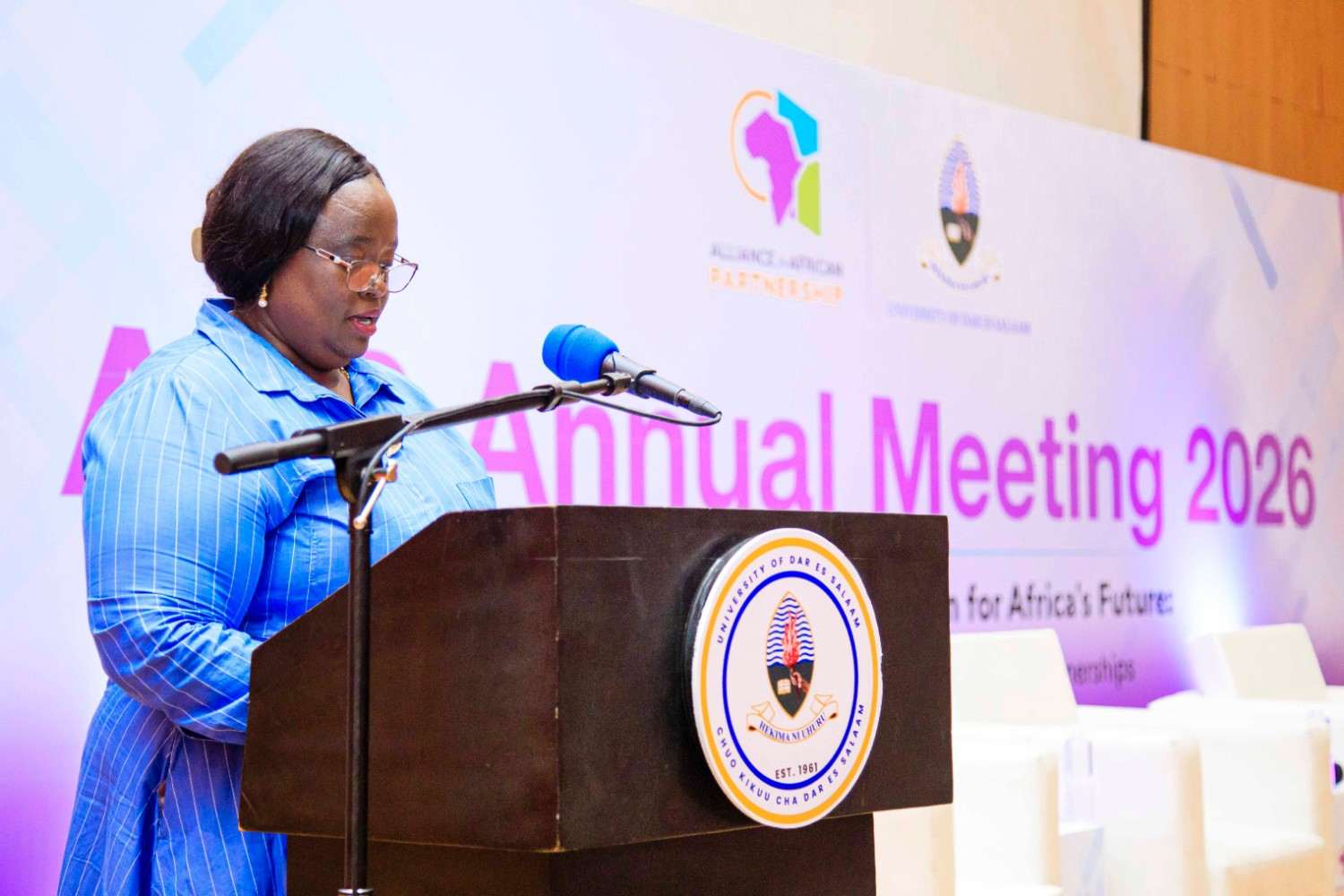
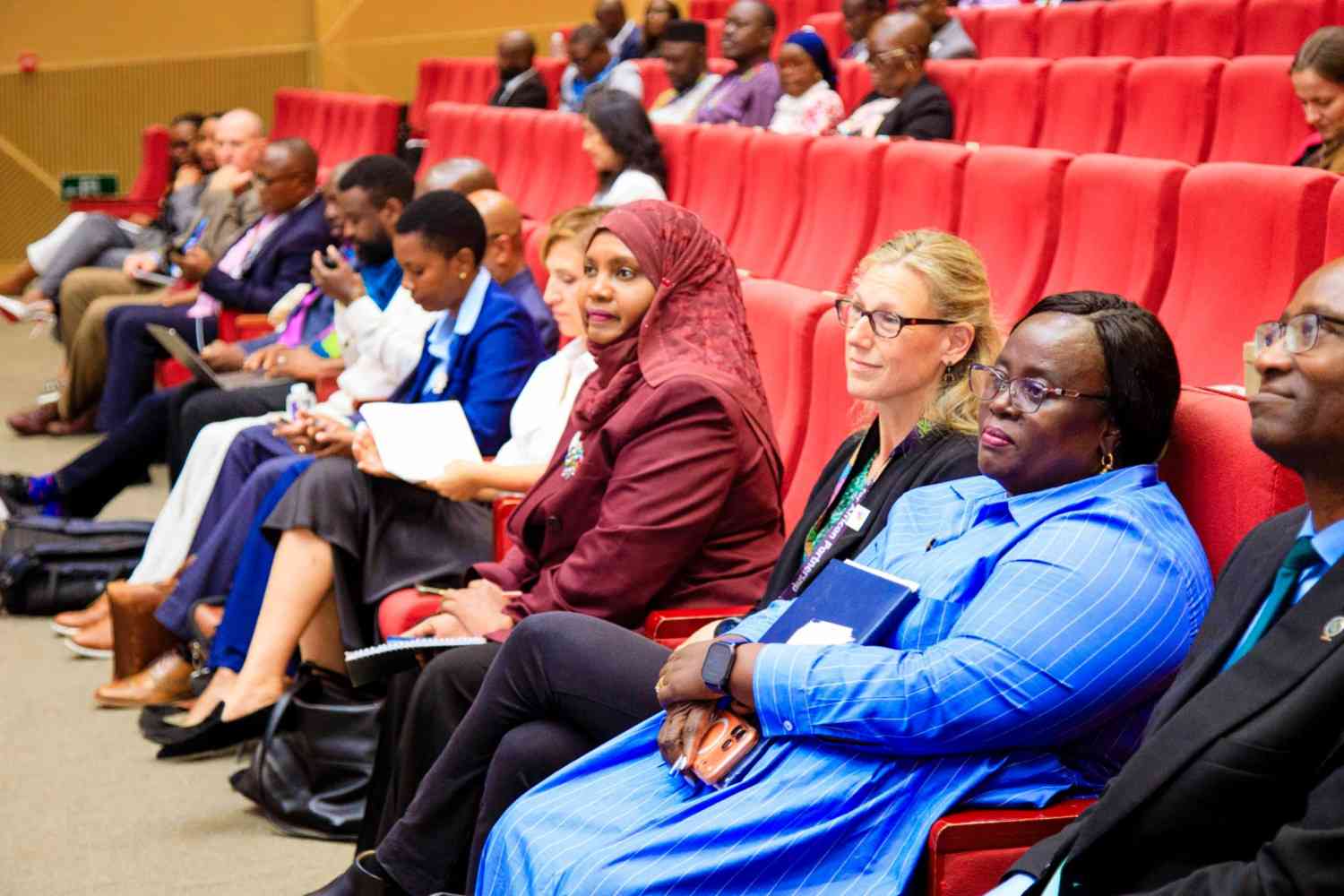
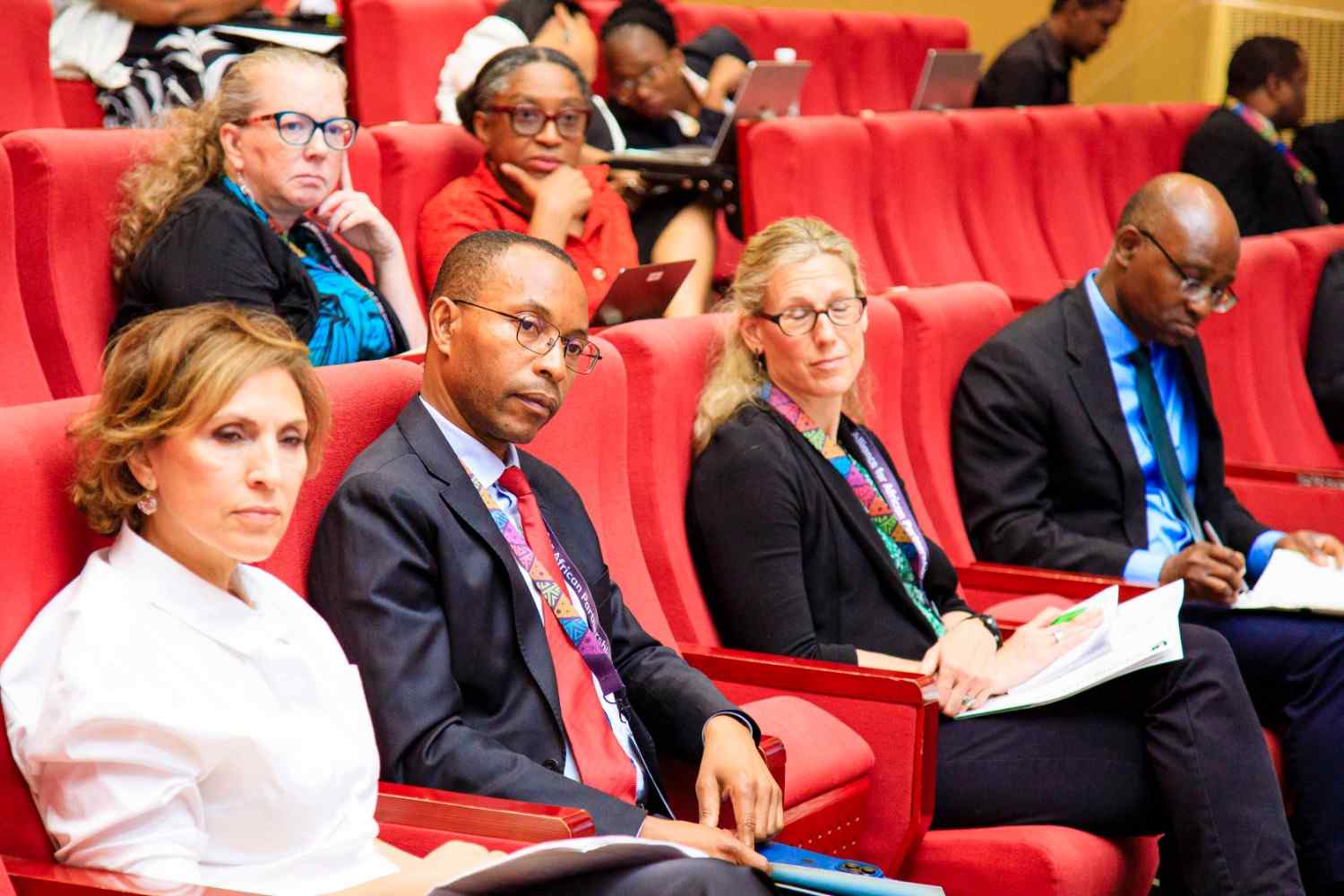
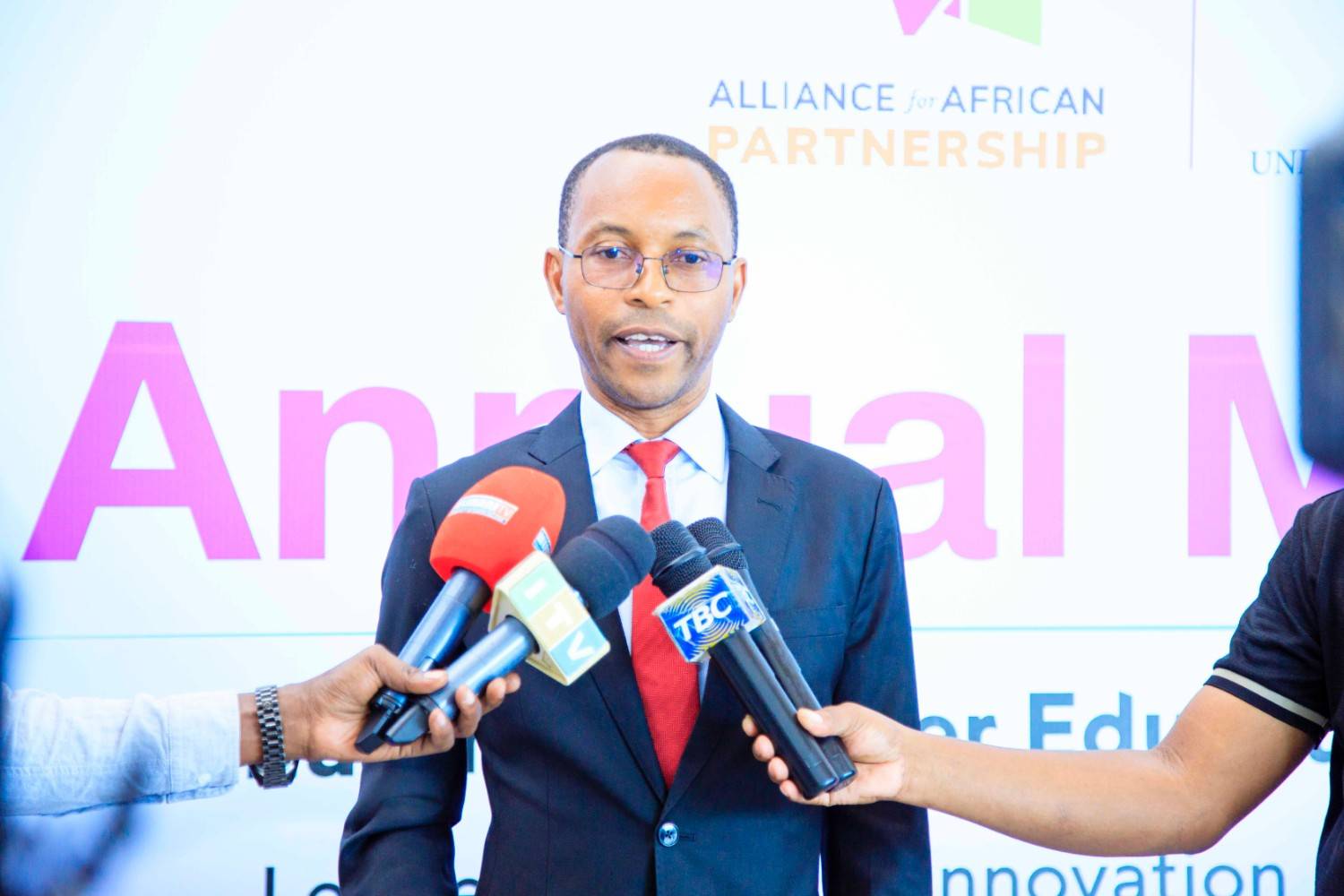
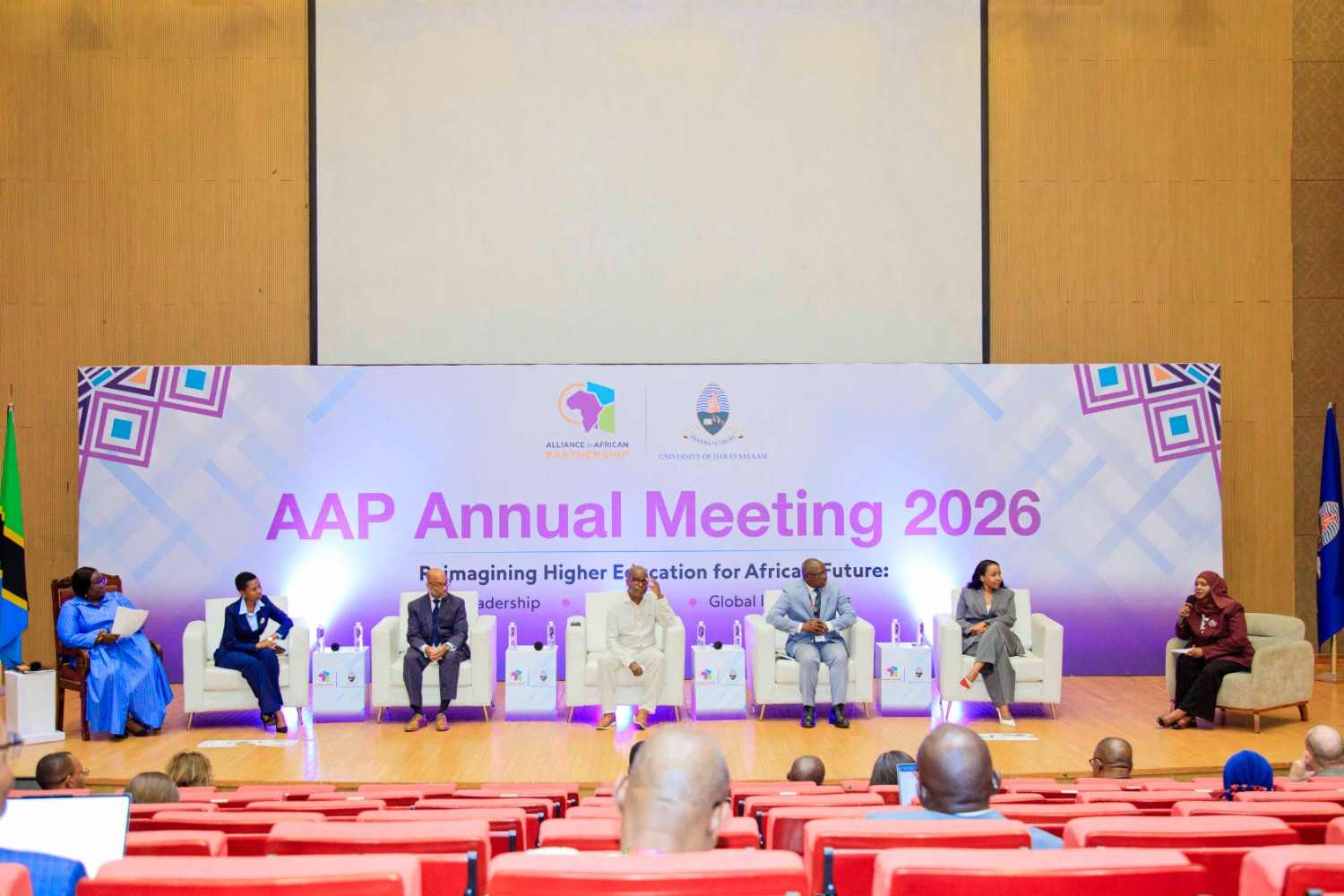
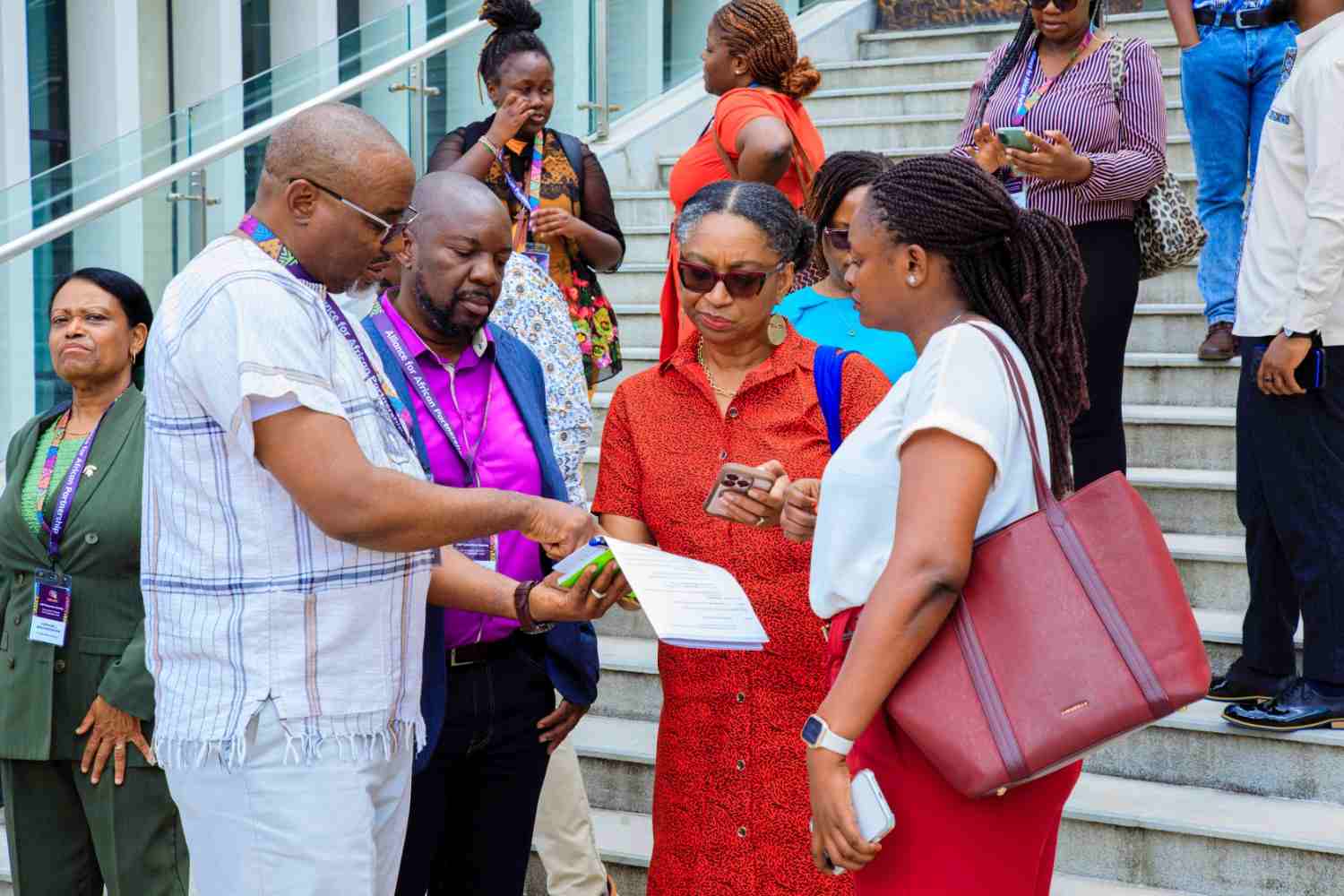
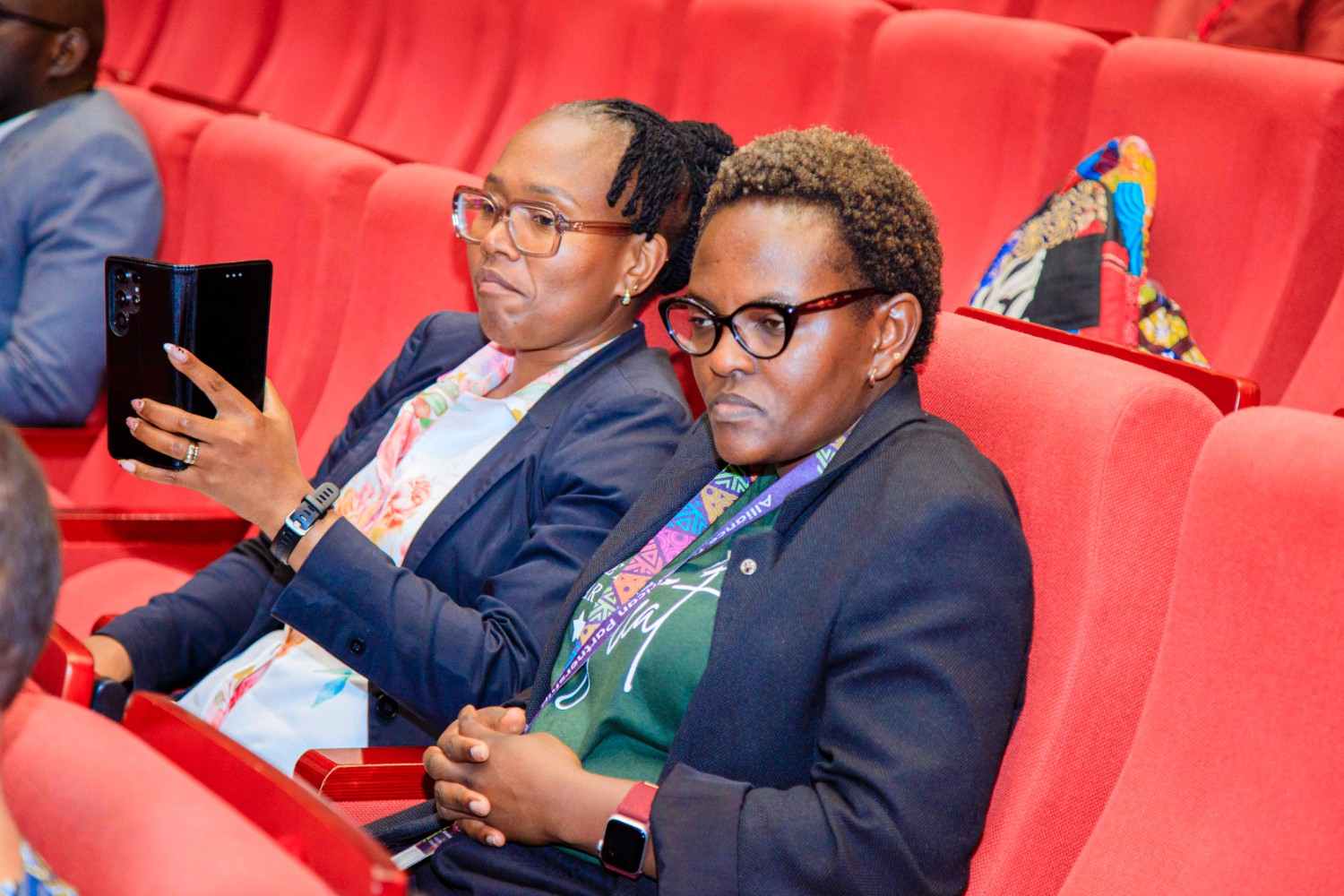
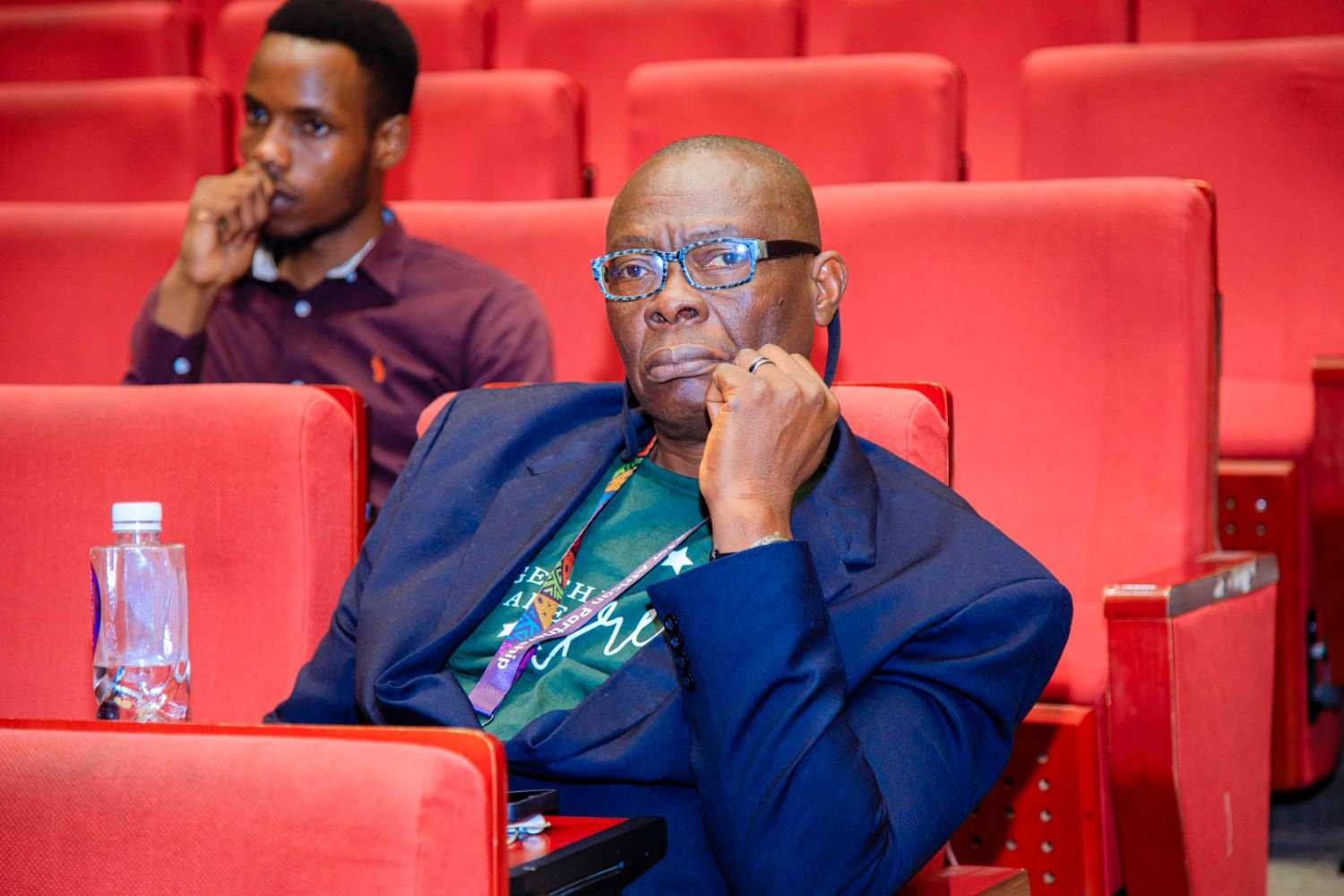
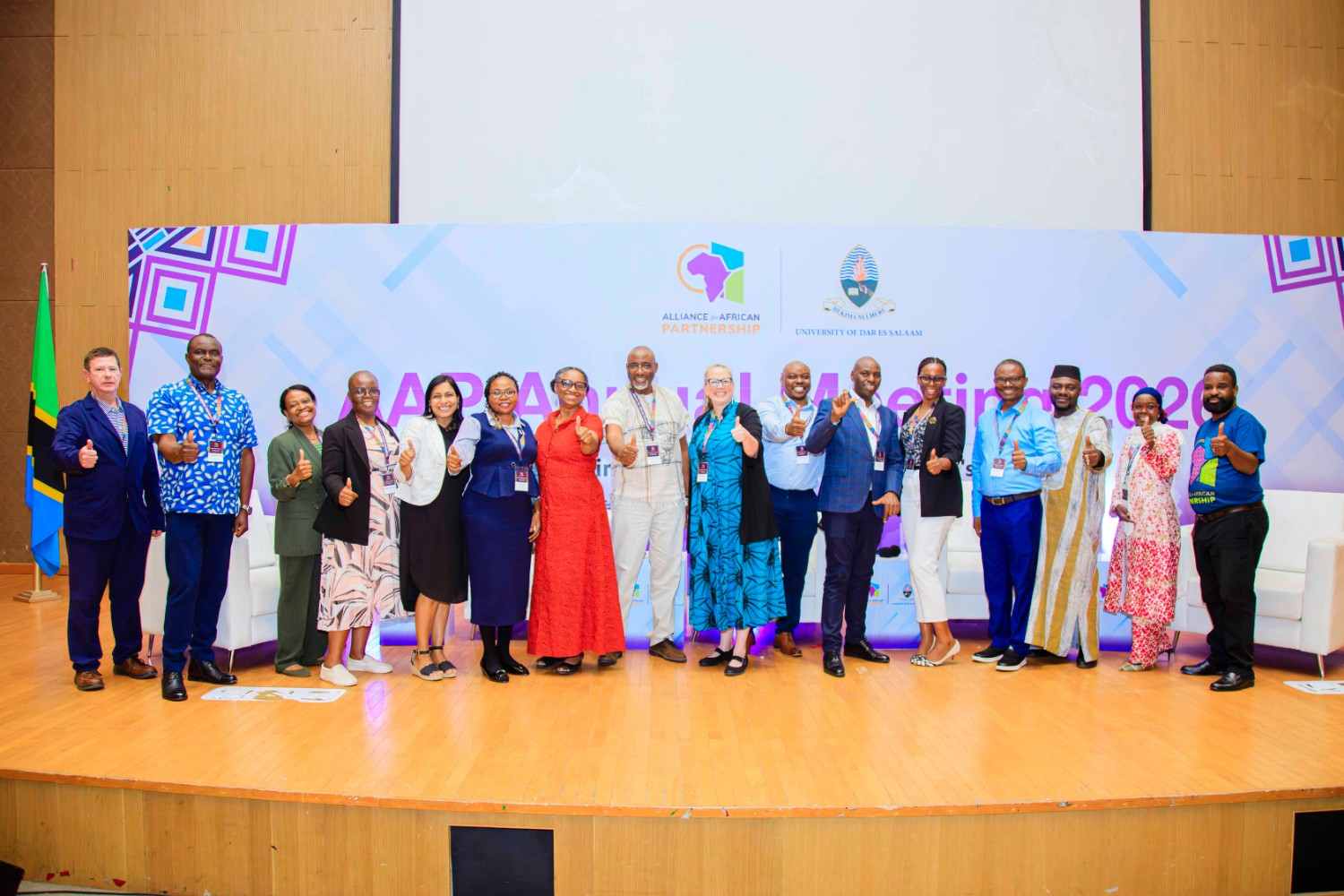
The call was made on 18 September 2026 at the University of Dar es Salaam (UDSM) during the 2026 Annual Meeting of the Alliance for African Partnership (AAP), which brought together university leaders, scholars, policymakers, innovators, industry representatives, development partners and young researchers from Africa and beyond.
Held under the theme “Reimagining Higher Education for Africa’s Future: Leadership, Innovation, and Global Partnerships,” the gathering placed the future of global academic collaboration at the centre of discussions, challenging institutions to move beyond partnerships defined mainly by funding, projects or formal agreements.
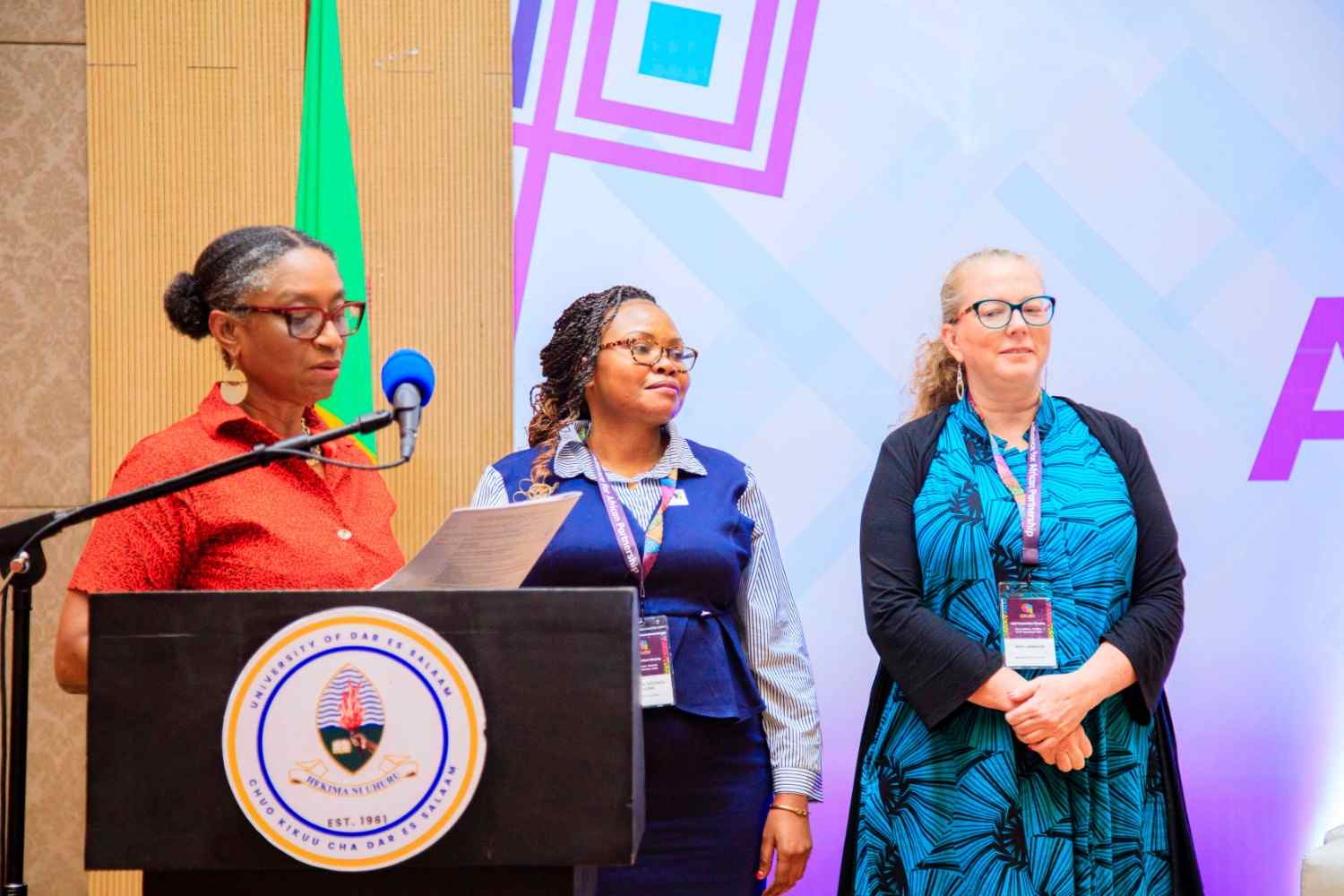
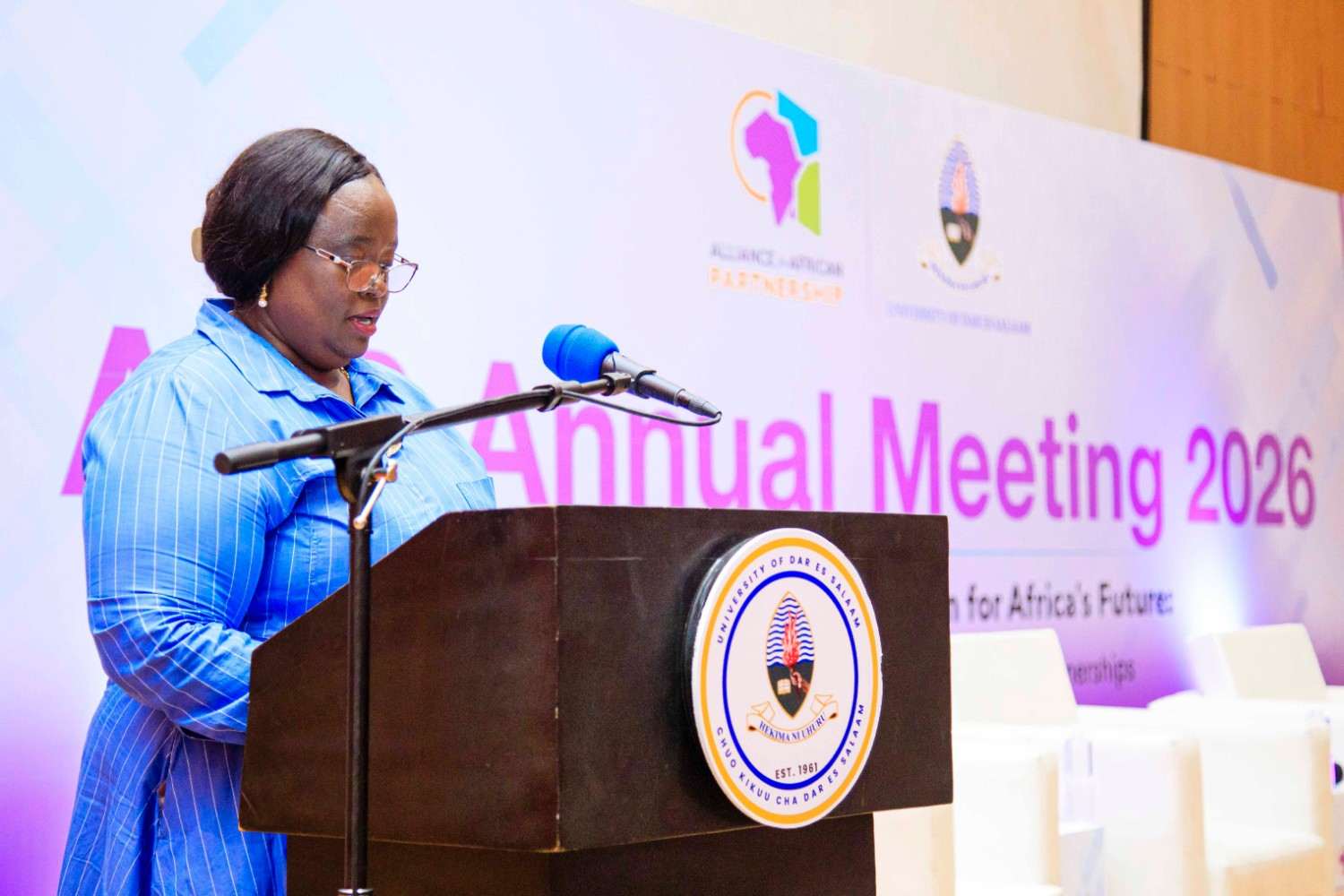
UDSM Vice-Chancellor Prof. William A. L. Anangisye, represented by Deputy Vice Chancellor-Academic, Prof. Rose Upor said African universities must take a more active role in shaping the continent’s higher education future, including setting research priorities, developing relevant academic programmes and creating solutions that respond to local realities.
He said international collaboration should strengthen, rather than overshadow, African institutional leadership.
“Partnerships must be built on mutual respect, shared responsibility and shared benefit,” Prof. Anangisye said, stressing that meaningful partnerships are those in which both sides contribute, learn and create something that neither could achieve alone.
The emphasis on mutuality reflects a broader question confronting universities across the continent: when an international project ends, what remains?
Prof. Anangisye urged institutions and their partners to measure collaboration by its lasting contribution to higher education rather than by activities completed during the life of a project.
“When a project ends, what remains?” he asked, pointing to stronger researchers, new academic programmes, improved research infrastructure, new technologies, stronger institutions, graduates with new capabilities and solutions that continue to serve communities as indicators of lasting value.
“These are the measures that ultimately give partnerships meaning,” he said.
Africa is a partner, not just a recipient
UDSM Deputy Vice-Chancellor–Research Prof. Nelson Boniface similarly challenged the conventional perception of global partnerships as primarily mechanisms through which African universities access funding, expertise or technology from outside the continent.
“Africa has knowledge. African universities have expertise,” Professor Boniface said, emphasising the need for partnerships through which knowledge moves in multiple directions.
He said African researchers bring valuable understanding of local contexts and have developed solutions in environments that often demand creativity, resilience and innovation.
“We should therefore approach global partnerships not simply as opportunities to access resources, but as opportunities to exchange knowledge, build capacity together and generate new knowledge together,” he said.
For African institutions, the approach places greater emphasis on co-creation rather than knowledge transfer alone—with universities expected to contribute expertise, shape research agendas and participate actively in determining the questions and solutions that matter to their societies.
The AAP model provides a practical platform for such engagement, bringing together 12 institutions across 10 African countries, anchored by Michigan State University. The diversity of institutions and national contexts provides opportunities for participants to learn from different experiences while working around shared challenges.
Investing in people, not just projects
The sustainability question also brought the next generation of African scholars into sharper focus.
Prof. Anangisye said students and early-career researchers should not be regarded simply as beneficiaries of university systems, but as future researchers, academics, entrepreneurs, policymakers and leaders.
“If we want to reimagine Africa's future, we must invest in their capacity today,” he said.
He called for stronger graduate education, collaborative doctoral training, cross-border research, interdisciplinary work, greater exposure to industry and entrepreneurship, modern research infrastructure and access to digital technologies.
He also highlighted the importance of creating environments where young Africans can ask difficult questions and develop bold solutions.
One initiative highlighted in this context was the REIMAGINE Graduate Education Project, supported by the Andrew Carnegie Foundation through the AAP framework. The project seeks to strengthen graduate education through collaborative doctoral education, interdisciplinary research, cross-border supervision, AI readiness and innovation ecosystems.
The focus on graduate education reflects a fundamental principle of sustainable partnership: the most enduring legacy of collaboration may be the people and institutional capabilities it develops.
Prof. Boniface urged participants to use the gathering not simply to exchange ideas, but to establish relationships that could develop into concrete collaborations after participants return to their institutions.
“Meet a researcher from another university. Identify a possible doctoral collaboration. Discuss a joint research proposal. Explore an opportunity with industry. Engage with a young innovator,” he urged.
He said the success of such gatherings should ultimately be measured by what happens after participants leave.
“A successful meeting should not be measured only by the quality of the discussions held in this room, but also by the collaborations that continue after we leave this room,” Prof. Boniface said.
Prof. Anangisye reinforced the same idea, urging participants to turn conversations into concrete outcomes.
“Let us not leave with only good conversations. Let us leave with ideas that become projects. Let projects become partnerships. Let partnerships become institutions. And let institutions generate knowledge and innovations that improve people's lives,” he said.
The discussions ultimately pointed towards a broader understanding of what global partnership should accomplish in African higher education.
Rather than judging collaboration only by the number of projects launched, workshops conducted or agreements signed, the emphasis was placed on whether partnerships strengthen the capacity of African universities to generate knowledge, develop people, solve problems and contribute to society long after individual initiatives have ended.
Prof. Anangisye said the future of African higher education would be shaped not only inside lecture rooms, but also by the partnerships universities build, the research questions they pursue, the innovations they support and the young people they prepare.
“The future of Africa's higher education will not be determined only by what happens inside university lecture rooms,” he said.
His vision is of universities that are globally connected but firmly responsive to African realities; institutions that generate knowledge but also translate it into impact; and universities that embrace technology while remaining grounded in human values.
For the AAP community, the challenge emerging from Dar es Salaam is therefore not simply to build more international partnerships, but to build partnerships that grow people, strengthen institutions, generate knowledge together and leave lasting value in the societies they are designed to serve.