

UDSM Strengthens Industry–Academia Linkages through New Adjunct Staff Framework
By Jackson Isdory, CMU
The University of Dar es Salaam (UDSM) has launched a landmark strategic initiative aimed at enhancing the relevance, responsiveness, and competitiveness of its academic programmes through the introduction of a comprehensive Adjunct Staff Framework designed to deepen collaboration between academia and industry.
The initiative reflects the University’s commitment to aligning teaching, research, and innovation with the evolving demands of the labour market, ensuring that graduates acquire practical competencies, applied knowledge, and market-ready skills.
By institutionalising the engagement of experienced professionals from industry, public service, and international academia, the framework strengthens academic delivery across UDSM’s Colleges, Schools, and Institutes while enriching student learning and mentorship.
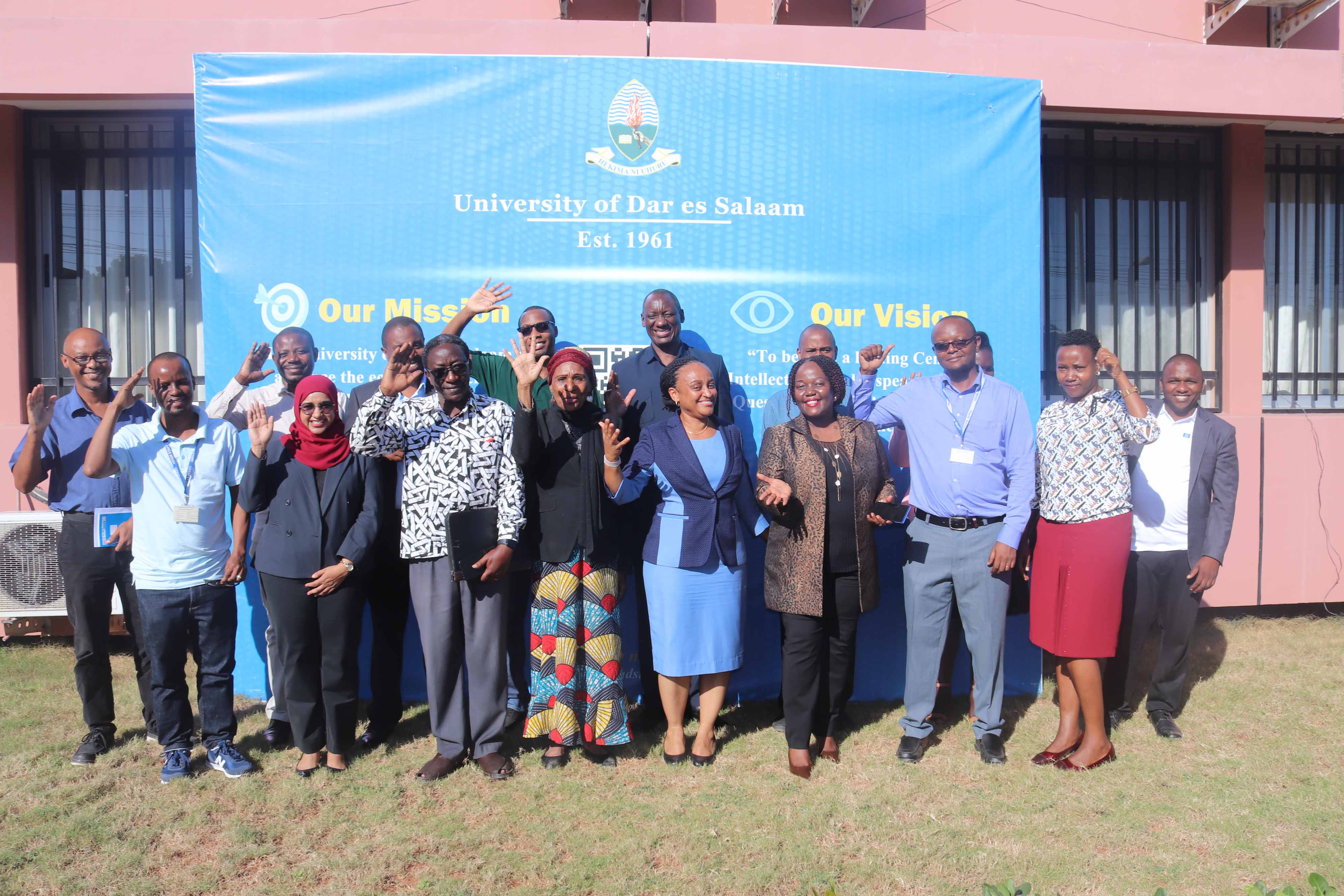
Through the Adjunct Staff Framework, UDSM has formally engaged 15 distinguished professionals drawn from leading institutions across Tanzania, Zanzibar, and abroad.
The experts, ranging from corporate executives and senior policymakers to internationally recognised scholars, will contribute to teaching, research supervision, curriculum enrichment, and student mentorship, bringing contemporary practices and real-world perspectives into the classroom.
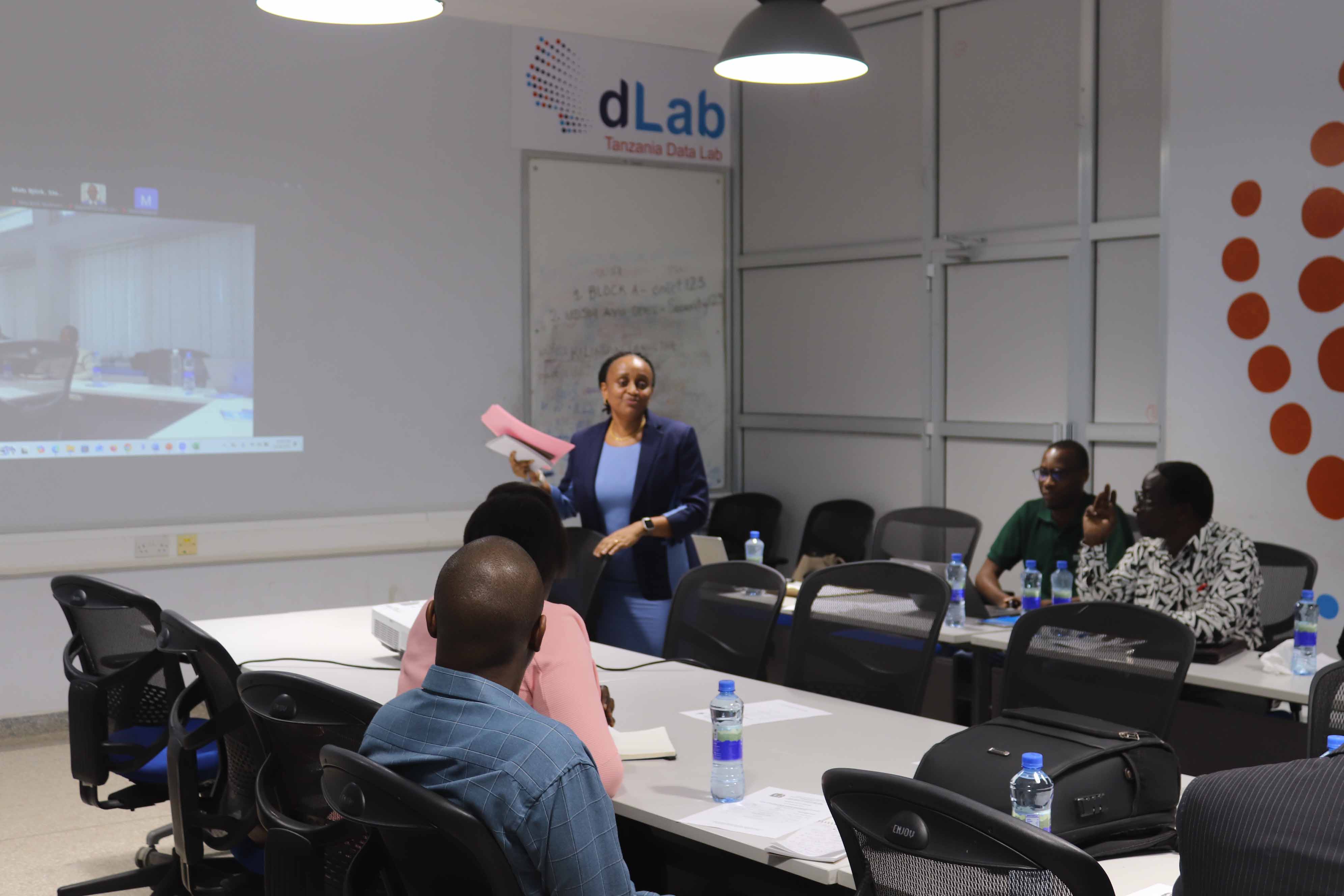
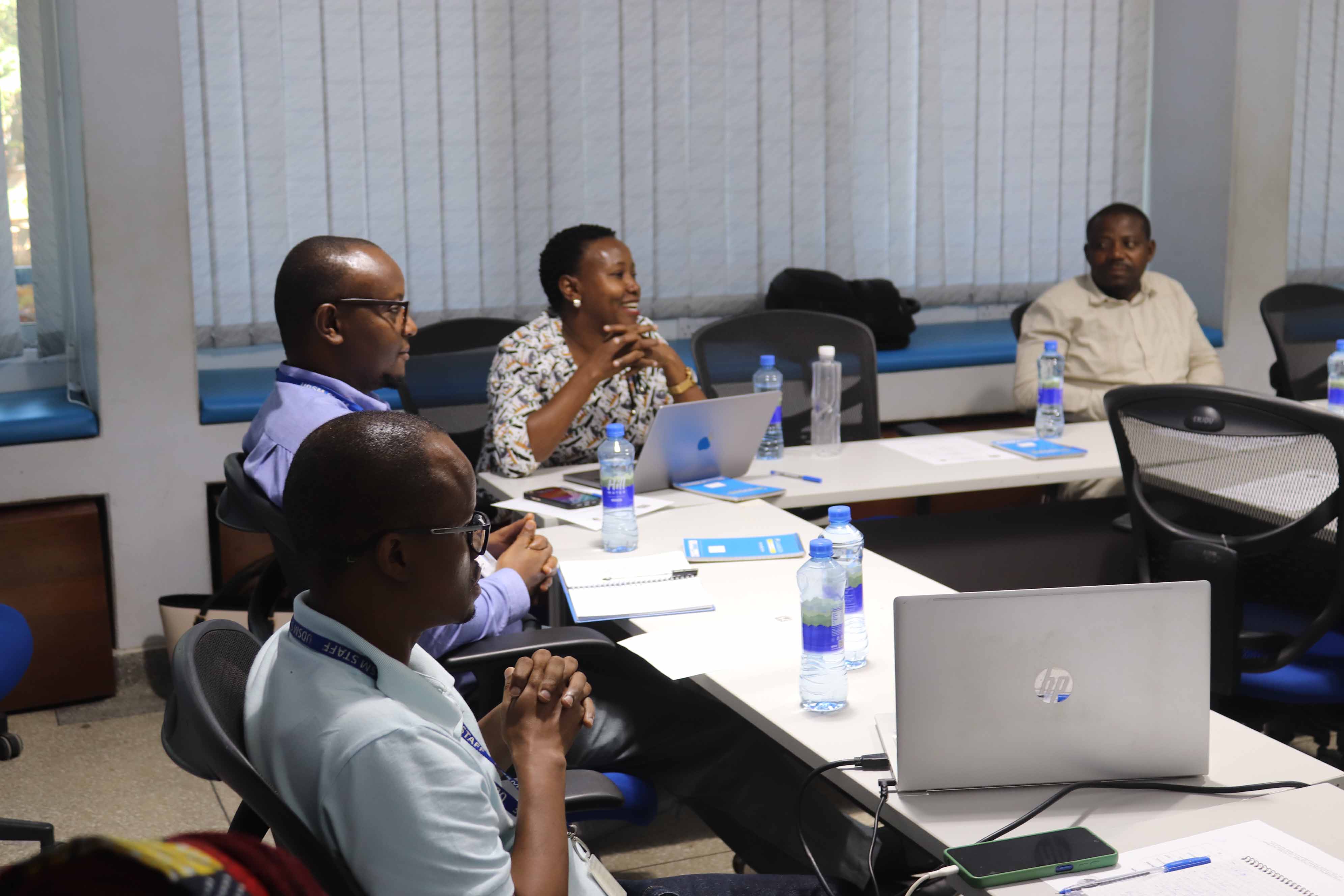
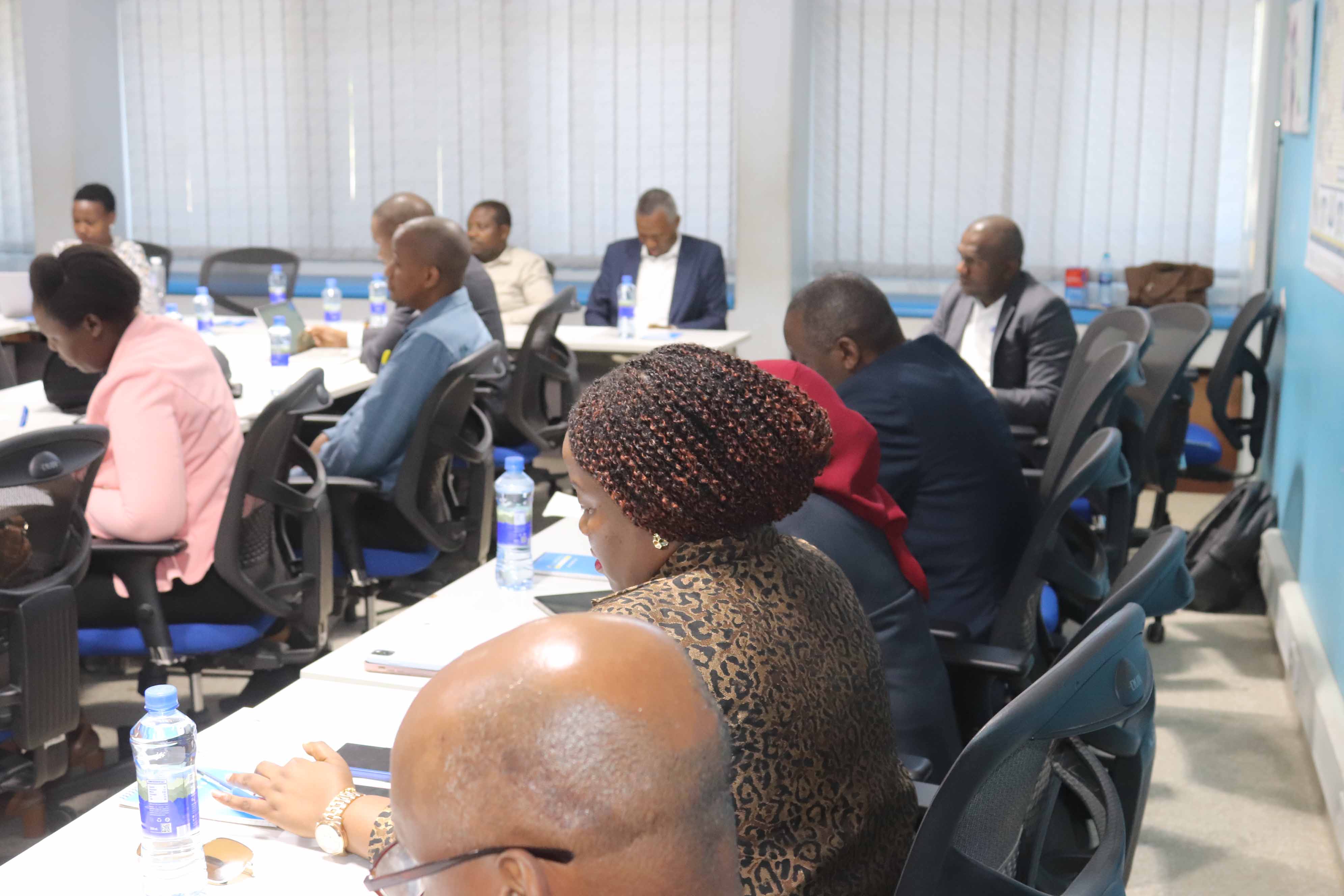
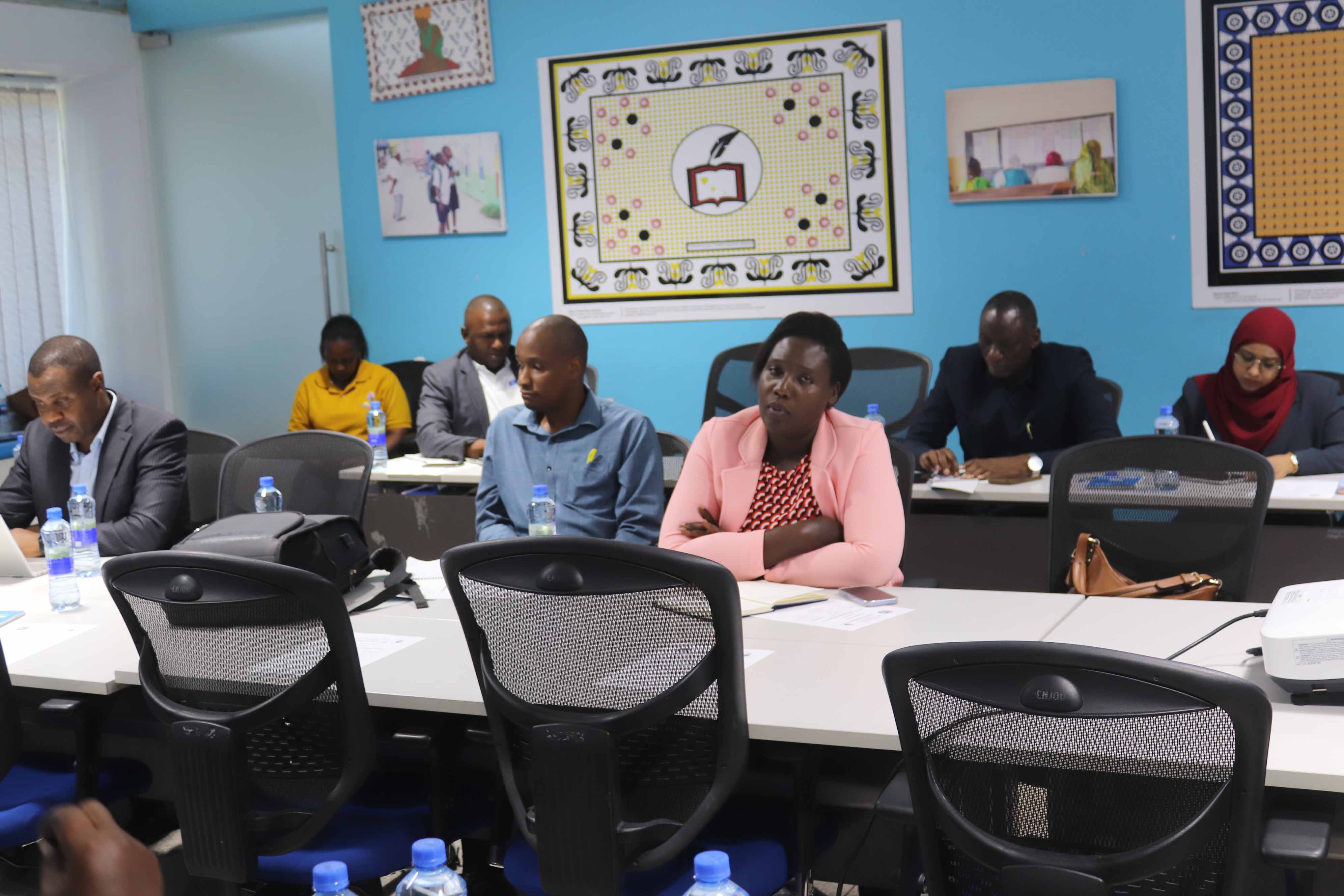
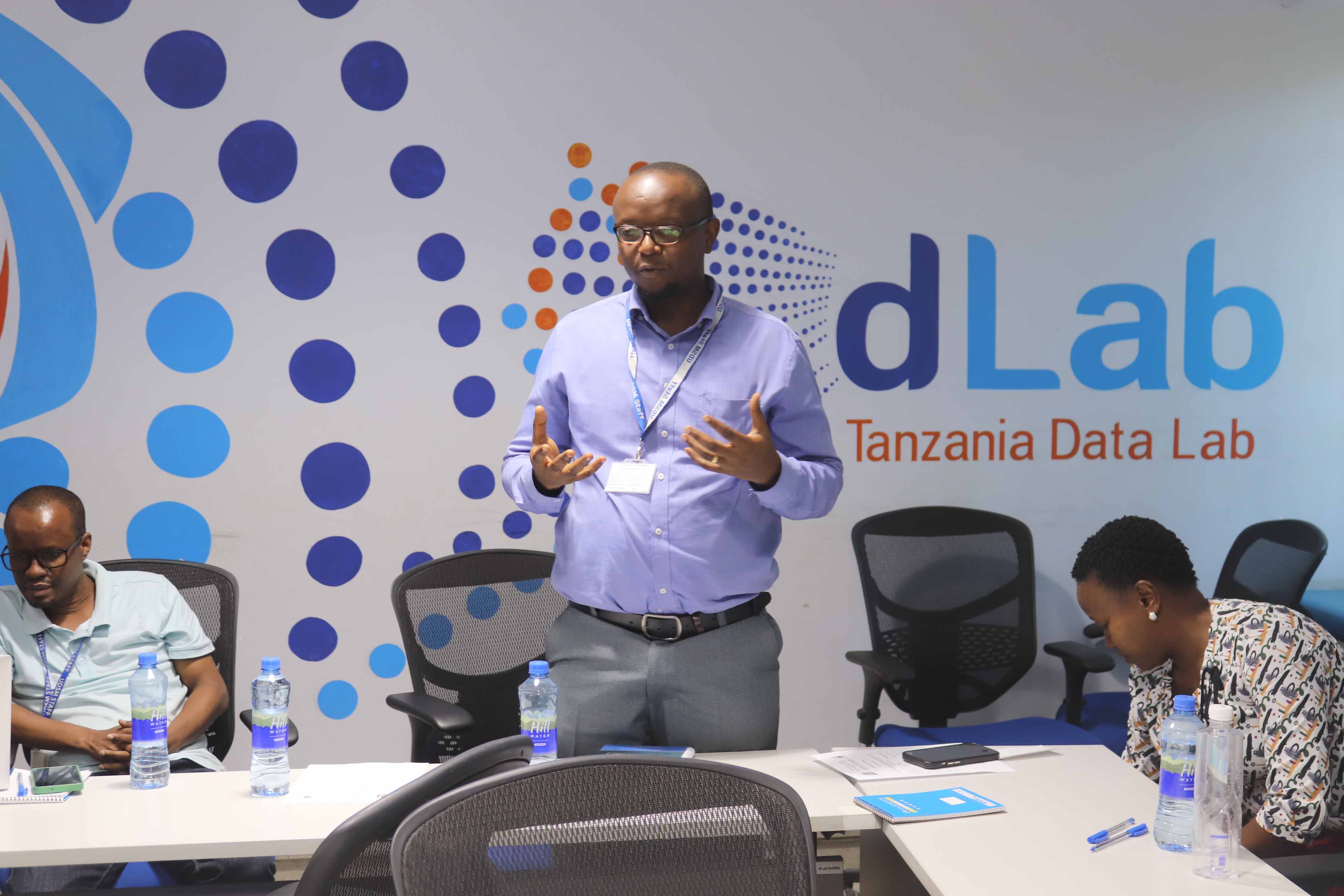
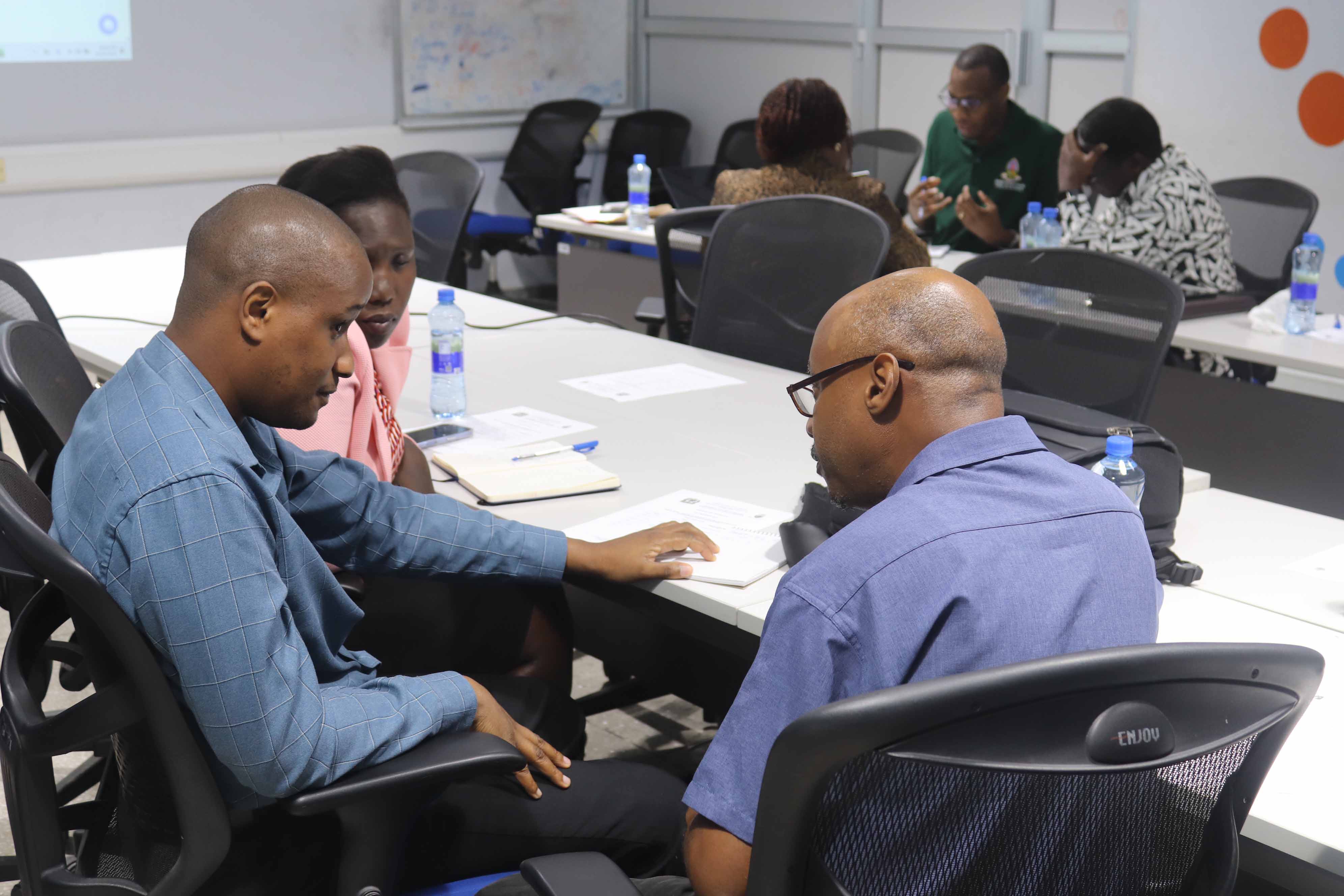
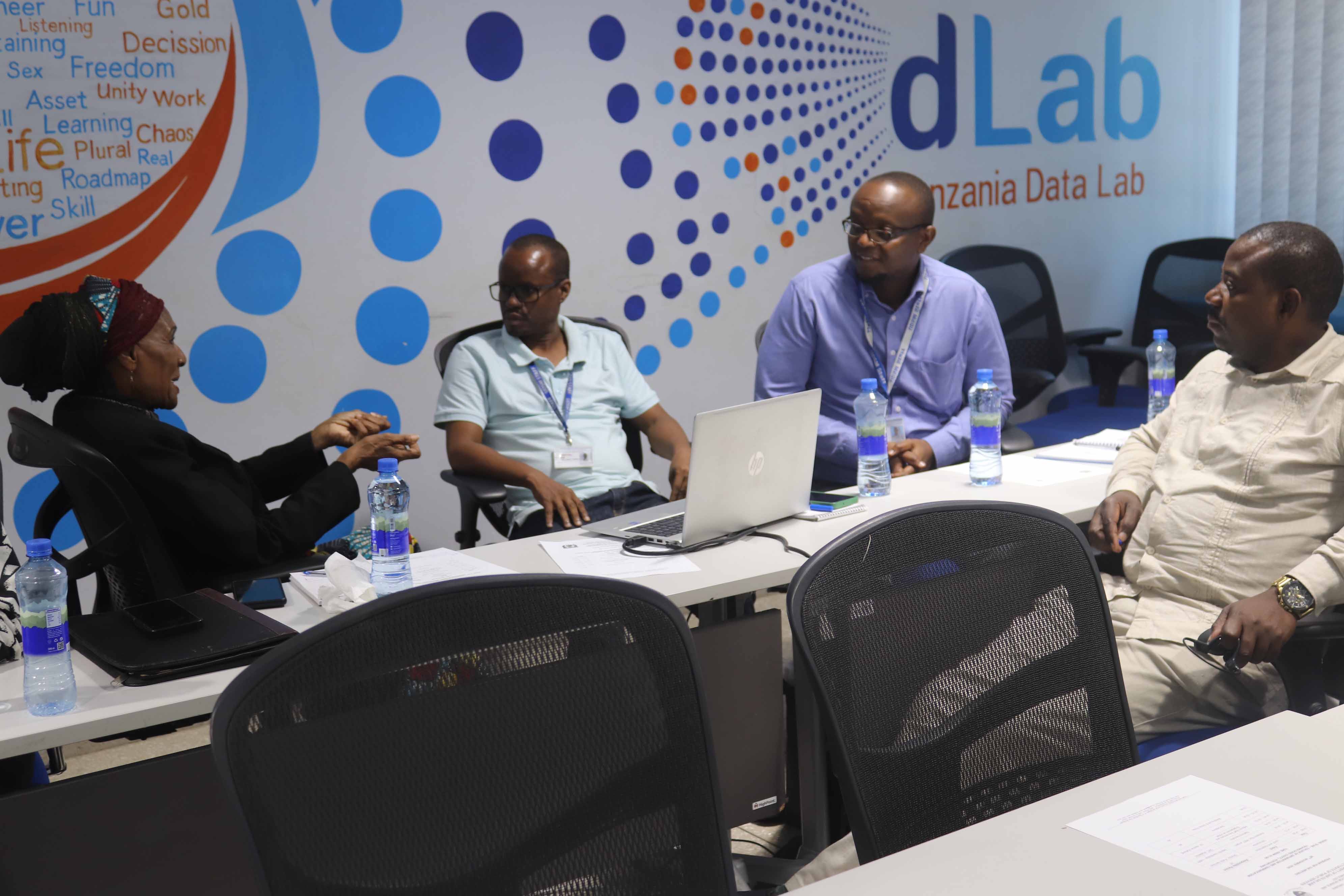
Speaking during the Adjunct Staff Awareness Meeting recently, the Vice Chancellor, Prof. William A. L. Anangisye, described the initiative as a strategic investment in the University’s academic future.
“Engaging adjunct staff is a deliberate and strategic investment in strengthening our academic enterprise. Through their expertise and industry grounding, we are enhancing the quality of teaching, research, and student support services”, said Prof. Anangisye.
He added that the programme reflects the university’s commitment to producing graduates who are innovative, solution-oriented, and fully aligned with the expectations of today’s labour market.
Bridging theory and practice across disciplines
Among the professionals joining the University is Ms. Azmina Yusuf Hemed of CRDB Bank PLC, who will teach at the University of Dar es Salaam Business School (UDBS). She underscored the importance of industry practitioners contributing to higher education.
“This engagement goes beyond teaching; it is about shaping the next generation of business leaders. Many of us are motivated by a sense of responsibility to give back. The value we bring is grounded in practical experience, and we are honoured to share that knowledge with future professionals”, Ms. Hemed noted.
From Zanzibar, Dr. Emmanuel Andrew Sweke of the Deep Sea Fishing Authority, appointed to teach at the Institute of Marine Sciences (IMS), highlighted the importance of integrating industry expertise into specialised disciplines.
“The blue economy is expanding rapidly, and students must be prepared to operate confidently in this dynamic sector. Bringing industry expertise directly into the classroom exposes students to emerging technologies, regulatory frameworks, and real operational challenges within the marine and fisheries sectors”, said Dr. Swebe.
Student perspectives and institutional commitment
Student leadership welcomed the initiative as a timely response to the growing demand for experiential learning. The Vice President of the Dar es Salaam University Students Organisation (DARUSO), Ms. Joyce Julius Semkuyu, expressed optimism about the programme’s impact.
“Our generation is eager for hands-on skills and mentorship from professionals who have navigated the career paths we aspire to follow. The Adjunct Staff Programme provides a unique opportunity for students to learn directly from experts who understand industry realities”, she said.
From the University’s management perspective, Dr. Eva Shayo, UDSM’s Industry Linkage Liaison Officer, emphasized that the framework aligns closely with national priorities, institutional strategies, and findings from the 2022 UDSM Tracer Study.
“This programme strengthens our institutional responsiveness and capacity. It allows us to integrate practical perspectives into teaching, enrich research collaborations, and systematically support students’ transition into employment,” Dr. Shayo explained.
She added that, by leveraging the expertise of seasoned practitioners, the University is building an academic environment that is modern, competitive, and globally connected.
Institutionalising sustainable partnerships
The Adjunct Staff Guidelines provide clear principles, roles, and responsibilities for implementation. Appointed as Adjunct Professors, Adjunct Associate Professors, Adjunct Instructors, or Clinical Adjuncts.
These professionals will complement existing faculty through teaching, clinical supervision, mentorship, research collaboration, and student development initiatives. In some cases, appointments will be on a pro bono basis, reflecting a civic and professional commitment to national capacity building.
The initiative directly responds to national higher education reforms and labour market insights, ensuring that diverse local and international expertise is systematically integrated into academic delivery. With the inclusion of professionals from Tanzania and beyond, students can expect enhanced mentorship, stronger practical training, and expanded career exposure.
Through this forward-looking Adjunct Staff Framework, UDSM reaffirms its position as a leading academic institution committed to innovation, relevance, and the development of a globally competitive yet locally responsive workforce.