
Parliamentary Committee Commends UDSM’s HEET Project as Landmark ICT Complex Nears Completion
By Zamda George, CMU
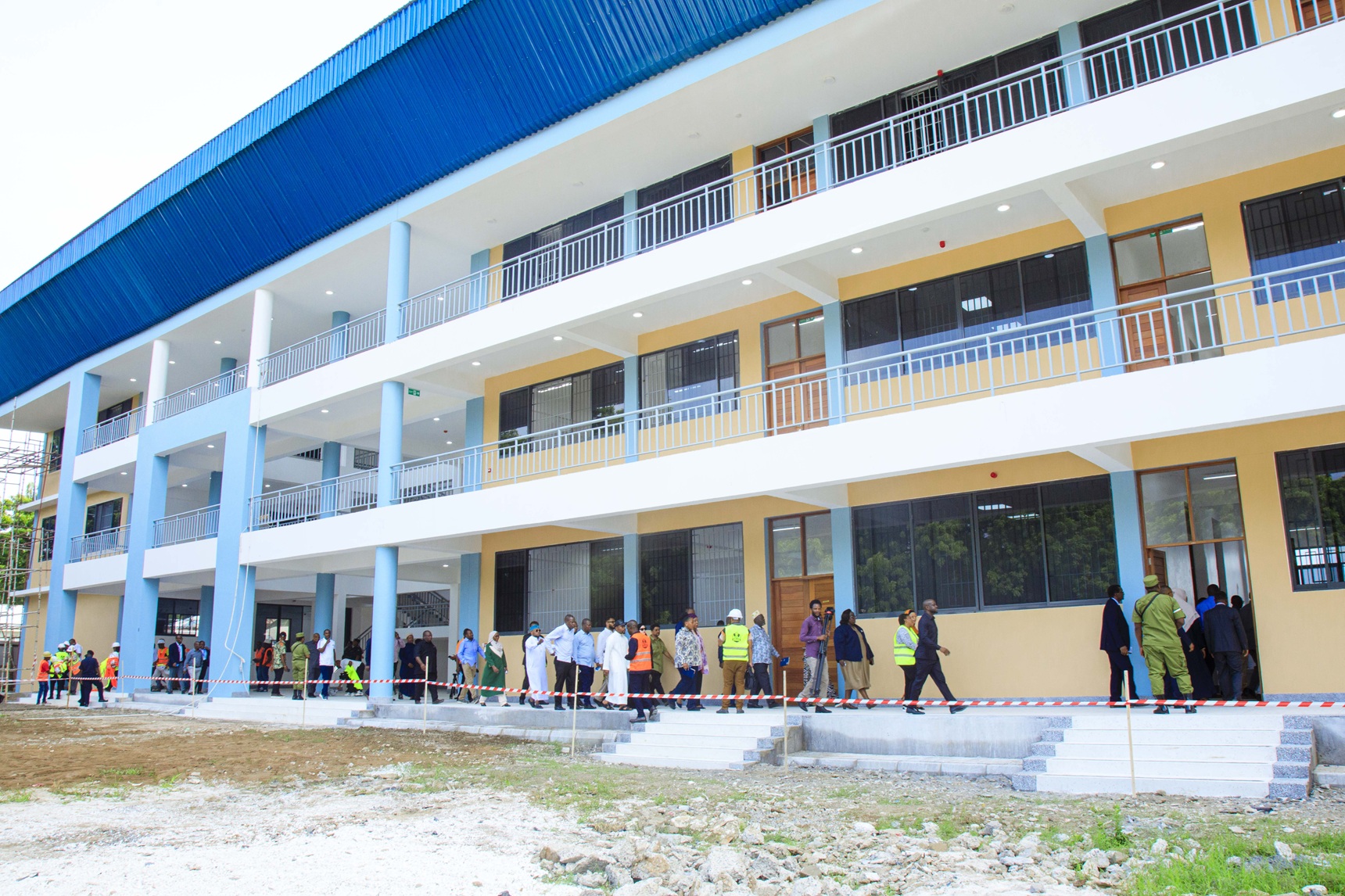
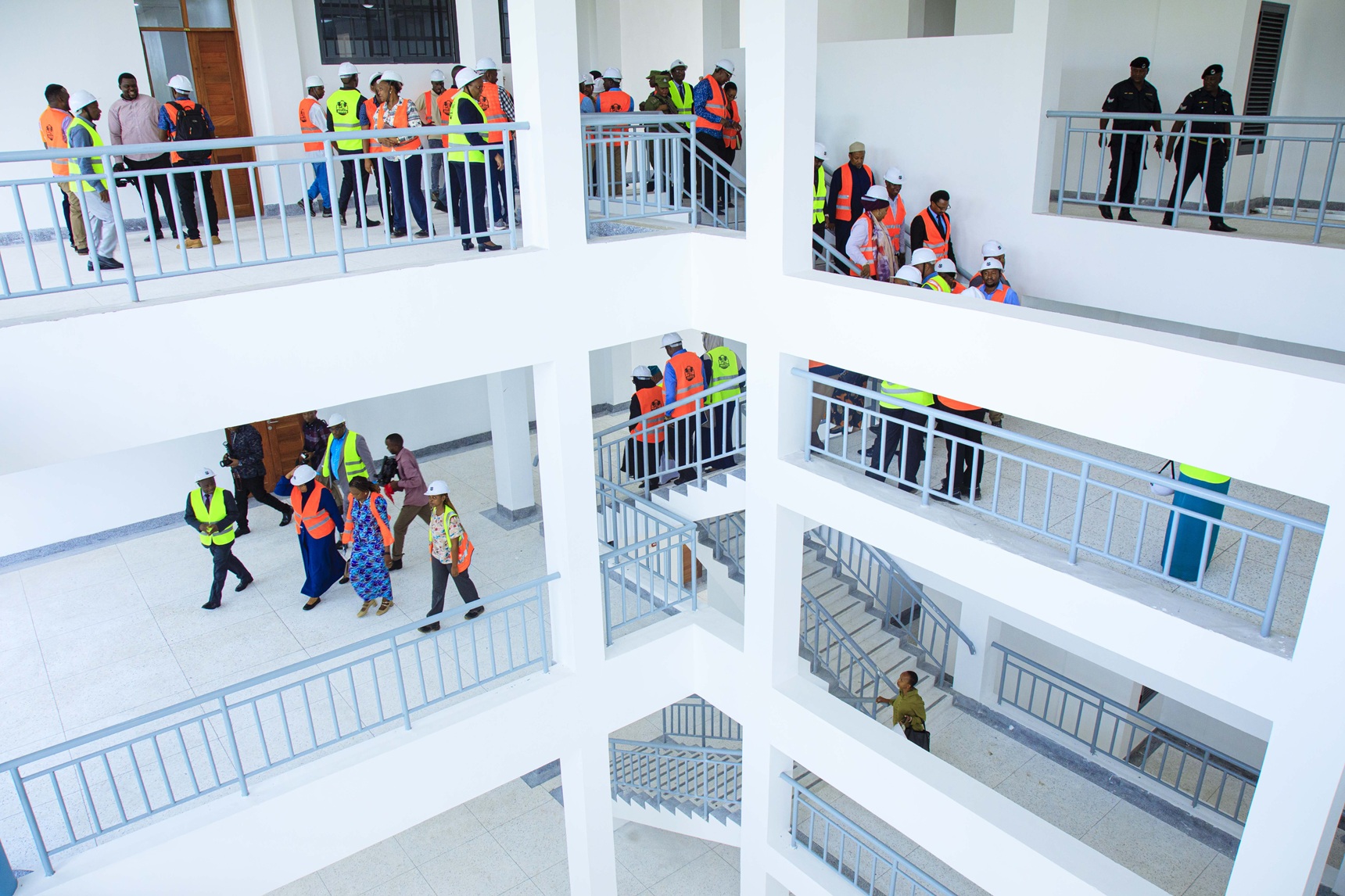
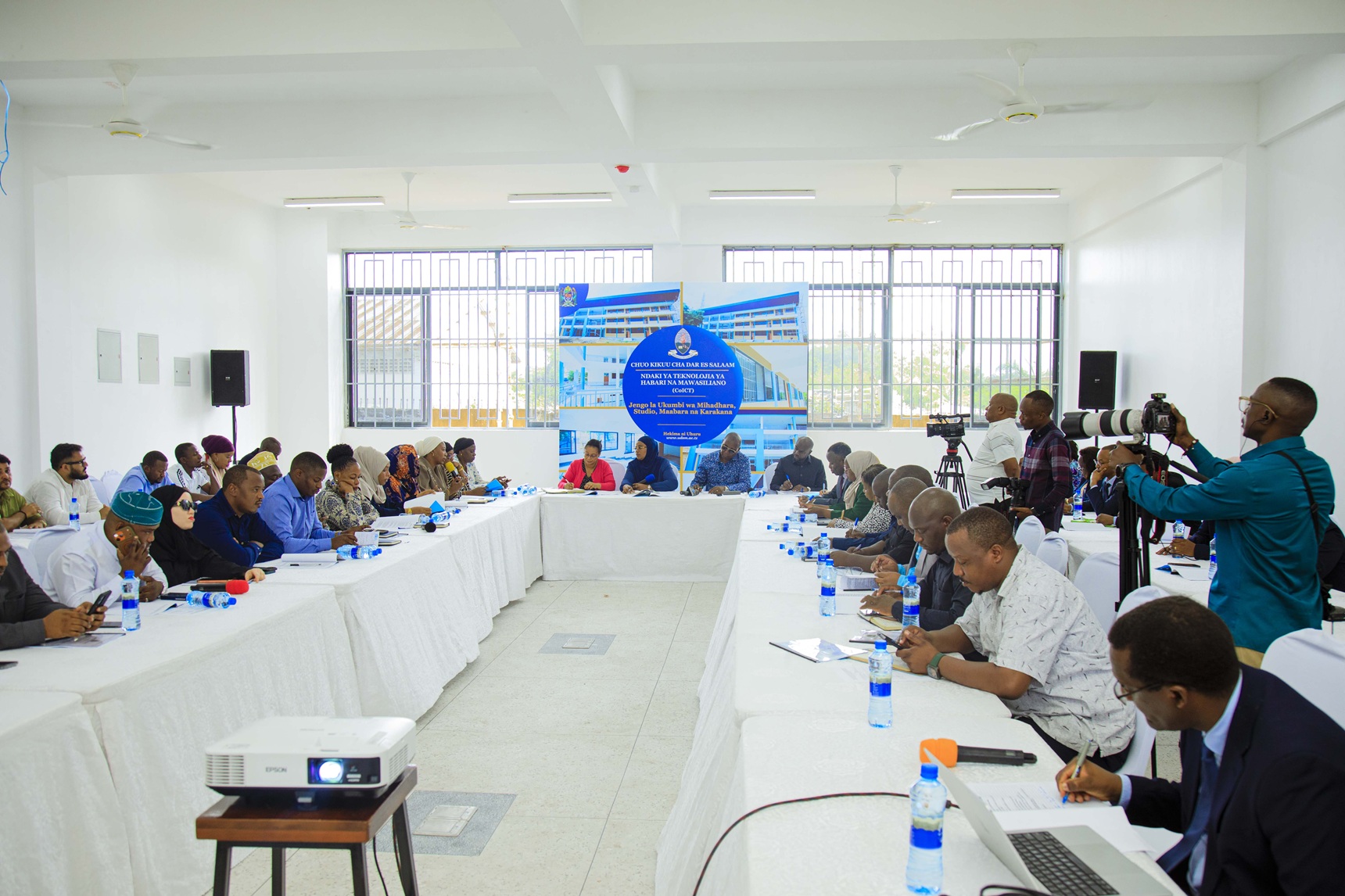
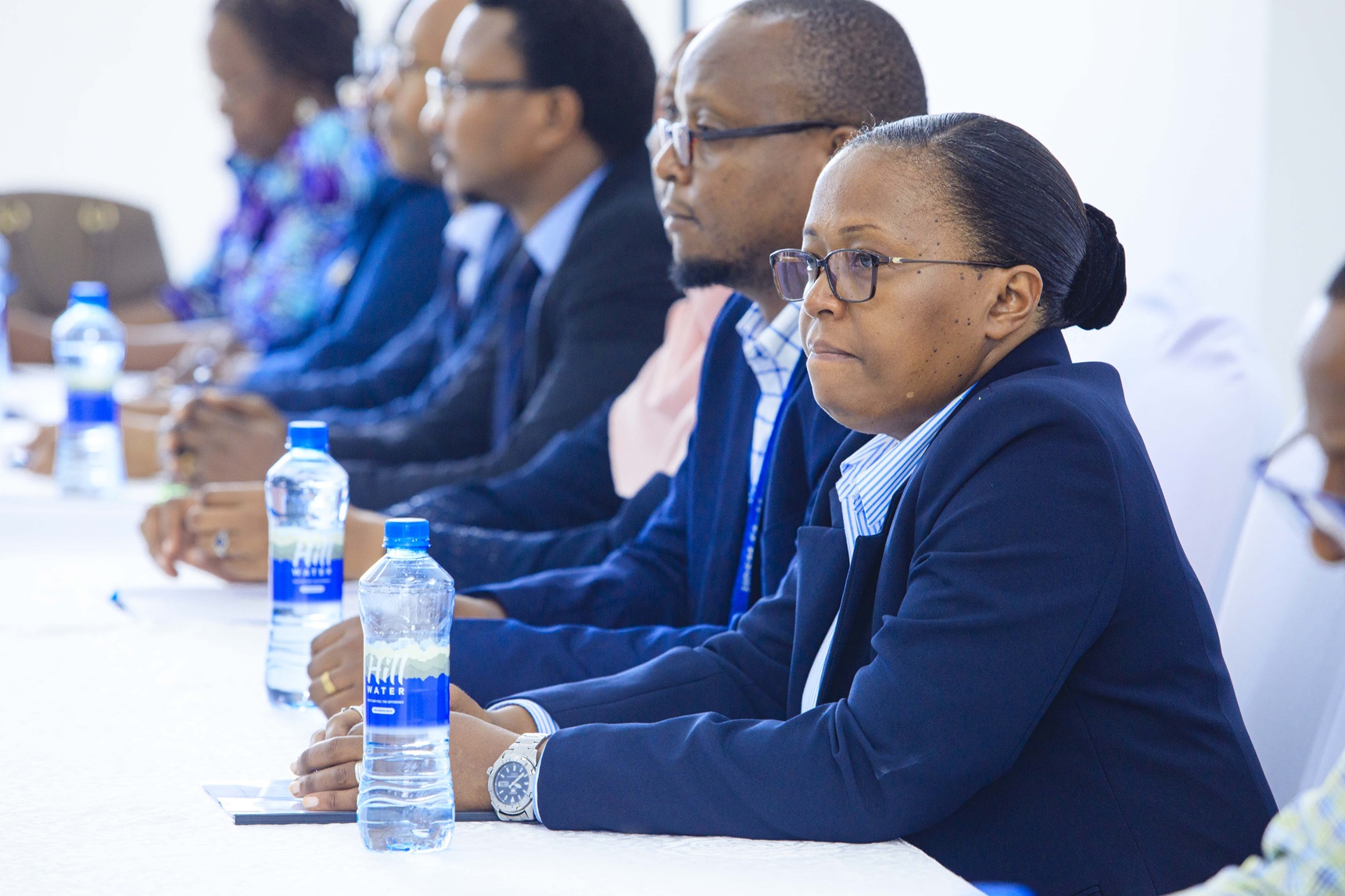
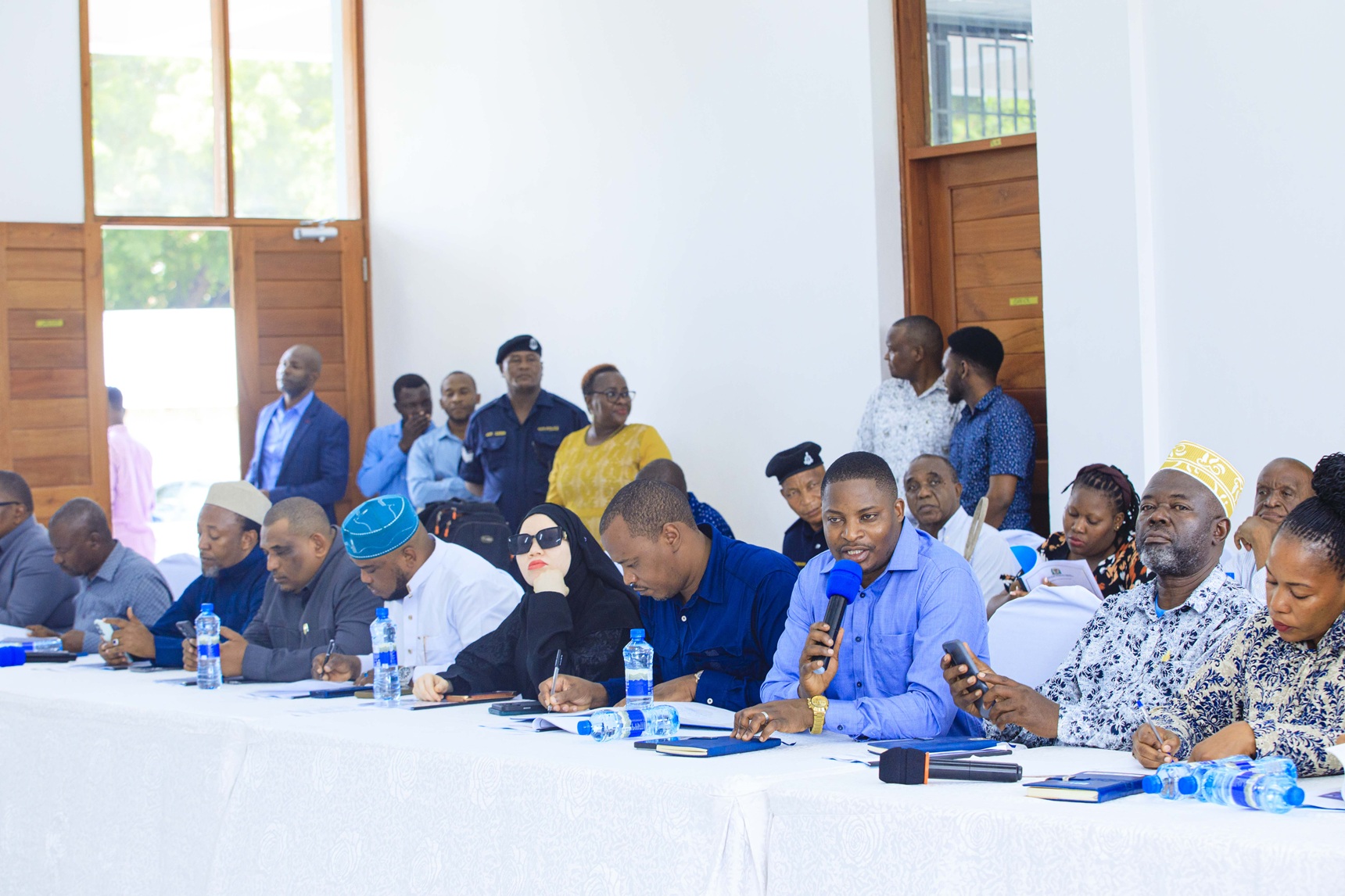
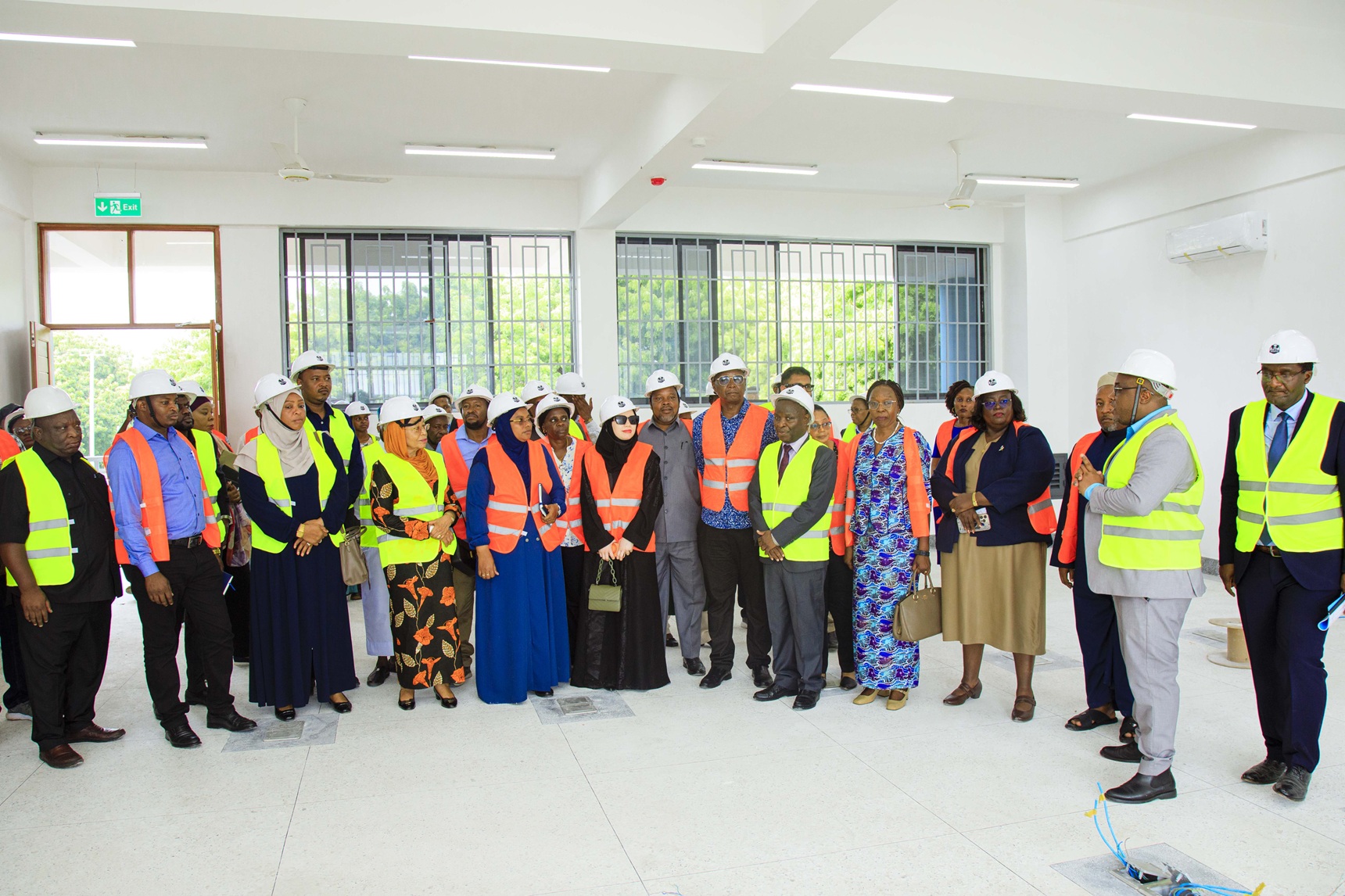
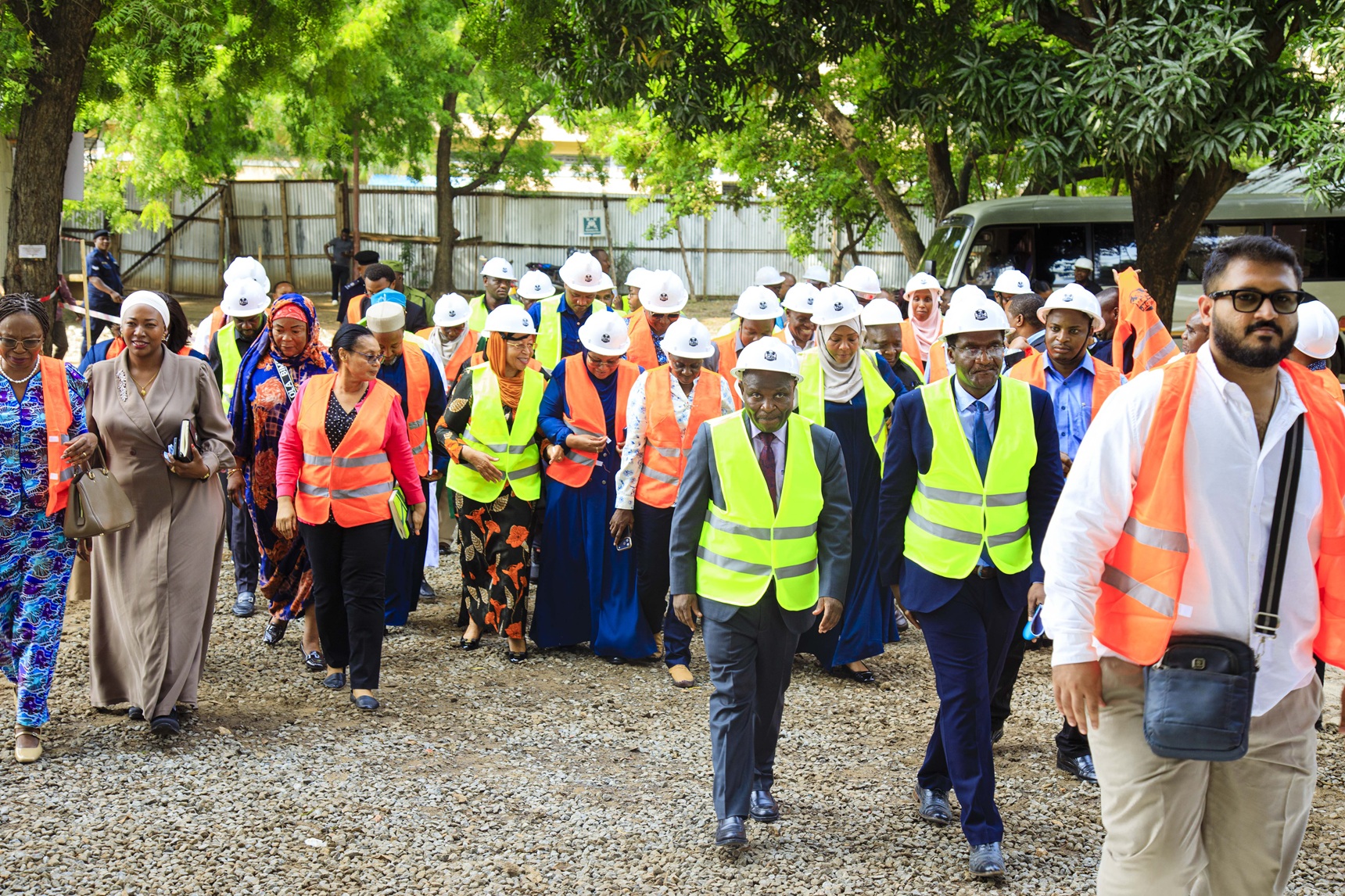
The University of Dar es Salaam (UDSM) has earned strong commendation from the Parliamentary Standing Committee on Education, Culture and Sports following an inspection visit that reviewed the progress of the modern ICT Complex currently under construction at the University’s College of Information and Communication Technologies (CoICT).
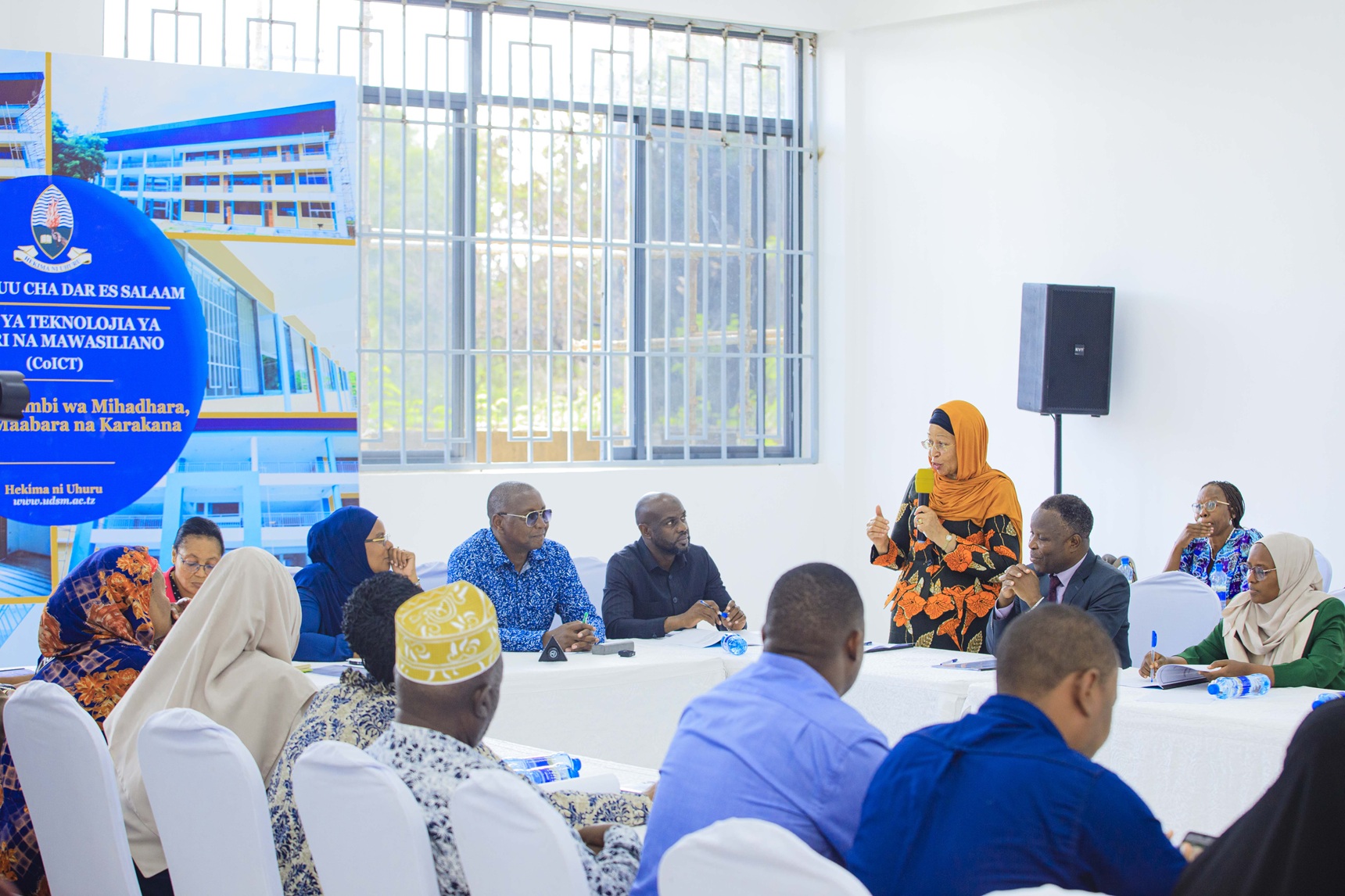
During the visit on 16 March 2026, the committee expressed satisfaction with the pace and quality of the project, describing it as one of the few development initiatives inspected by the committee that is progressing smoothly and without significant implementation challenges.
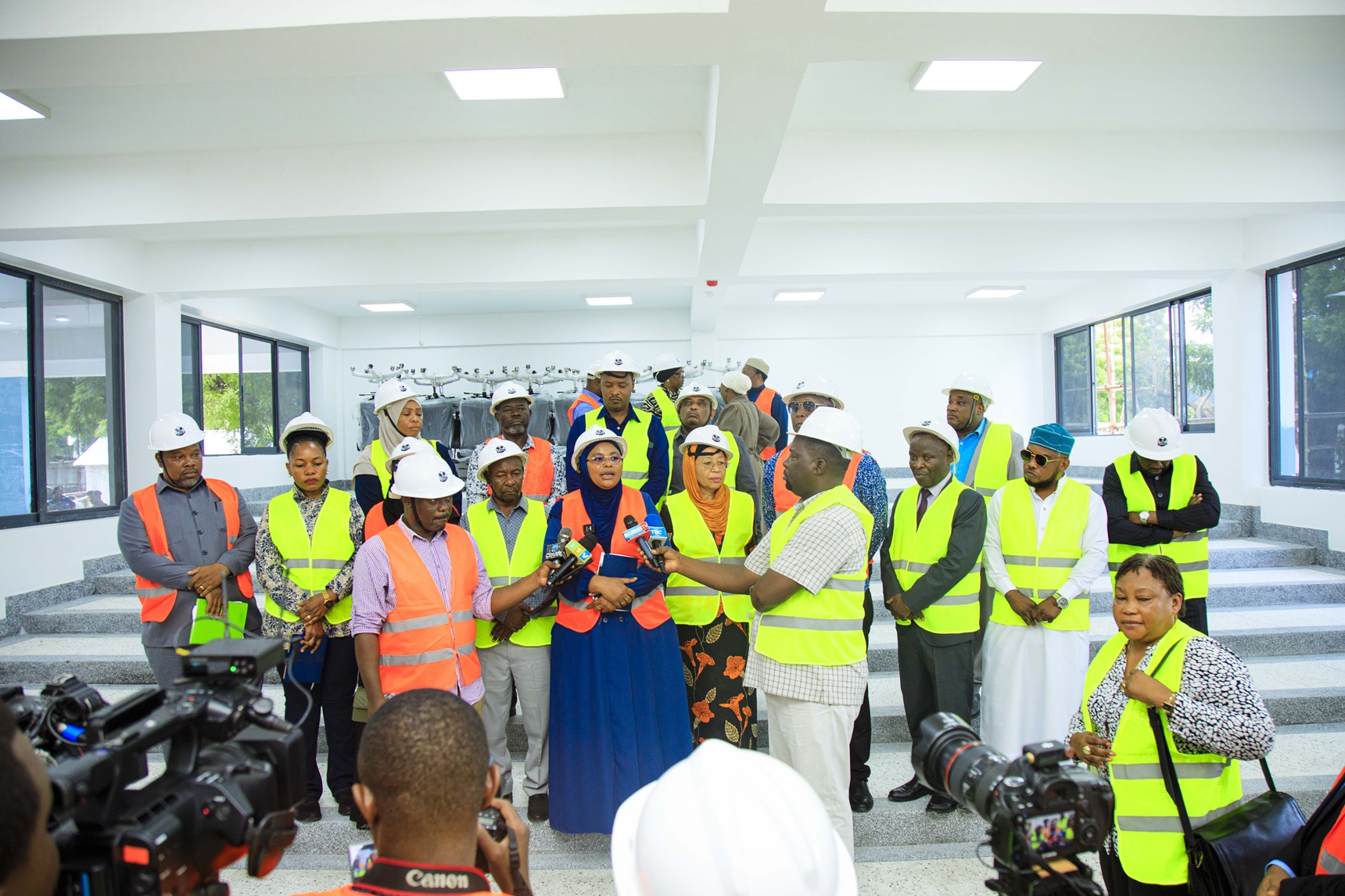
Speaking during the inspection, the Chairperson of the committee, Hon. Husna Shekiboko (MP) said the delegation was impressed by the efficiency and professionalism with which the project is being implemented.
“In many of the projects we inspect, we often encounter various implementation challenges. However, this particular project is progressing very well and has not required any extension of time for the contractor”, she said.
She added: “It is possible that this success is partly because the project is being coordinated and supervised by academic experts. We commend both the Ministry of Education, Science and Technology and the University of Dar es Salaam for the excellent management of this project”.
Following the committee’s remarks, the Minister for Education, Science and Technology, Prof. Adolf Mkenda, emphasized that the government is making deliberate investments to ensure that the country keeps pace with global technological advancement, particularly in the rapidly evolving field of Artificial Intelligence (AI).
“The Government continues to take deliberate steps to ensure that Tanzania keeps pace with global technological developments, especially in emerging areas such as Artificial Intelligence”, Prof. Mkenda said.
He explained that alongside the development of modern learning infrastructure such as the ICT Complex at UDSM, the government has also launched initiatives aimed at building national expertise in advanced technologies.
“We have already sent 16 graduates to South Africa to pursue studies in Artificial Intelligence and data science, and another 34 students will soon travel to Ireland for similar training”, he noted.
Prof. Mkenda added that while emerging technologies present significant opportunities for economic transformation, society must also prepare for the possible challenges they may bring.
“While these technologies present enormous opportunities for development, it is equally important for society to understand early on the potential challenges, including possible changes in employment patterns as digital systems become more widely used”, he said.
National hub of excellence in higher education, research, and innovation
During the visit, the Vice Chancellor, Prof. William A. L. Anangisye, welcomed the parliamentary delegation and provided an overview of the university’s history, achievements, and future direction as a national hub of excellence in higher education, research, and innovation.
He also reiterated the university’s commitment to strengthening gender equality and inclusion while expanding research and innovation that contribute to national development.
Providing an update on implementation, the Deputy HEET Project Coordinator at UDSM, Prof. Liberato Haule, presented a progress report on the infrastructure development, noting that the project aims to significantly enhance the university’s capacity to deliver advanced training in information and communication technologies.
His presentation was complemented by the HEET Project Coordinator at UDSM and Deputy Vice Chancellor for Planning, Finance and Administration, Prof. Bernadeta Killian, who explained that the investment forms part of a broader strategy to strengthen the quality of higher education and prepare graduates with skills relevant to both current and future labour markets.
The new ICT Complex will include a 140-seat lecture theatre, two workshops accommodating 30 students each, and two laboratories serving up to 96 students. The facility will also feature a studio, a small conference hall, and 20 offices to accommodate 43 staff members.
Increasing the university’s annual student intake capacity
Upon completion, the complex is expected to increase the university’s annual student intake capacity by 351 additional students, while also enabling the introduction of new academic programmes in emerging digital technologies and digital innovation.
Meanwhile, the Chairperson of the UDSM University Council, Hon. Ambassador Mwanaidi Maajar, thanked the parliamentary committee, the Ministry of Education, Science and Technology Tanzania, and the Government of the United Republic of Tanzania for their continued support in advancing higher education development.
As part of the broader national initiative to strengthen higher education, UDSM has received USD 49.5 million under the Higher Education for Economic Transformation Project (HEET) to support strategic investments in academic infrastructure, capacity building, and institutional development.
The implementation of the project at the university has progressed with remarkably positive results, with several infrastructure components nearing completion and significantly enhancing the institution’s ability to deliver high-quality education, research, and innovation in fields critical to Tanzania’s digital and economic transformation.