


UDSM Strengthens Skills-Driven Education through Global University Futures Network
By Jackson Isdory, CMU
The University of Dar es Salaam (UDSM) has reaffirmed its commitment to shaping future-oriented higher education by advancing competence-based learning models designed to equip graduates with practical skills aligned with labour market demands.
This commitment was reinforced through the University’s participation in the University Futures Network (UFN) Education Workshop on Competence-Based Education (CBE) and the UFN Annual Meeting, held from 2–6 March 2026 at Arusha Technical College in Arusha, Tanzania.
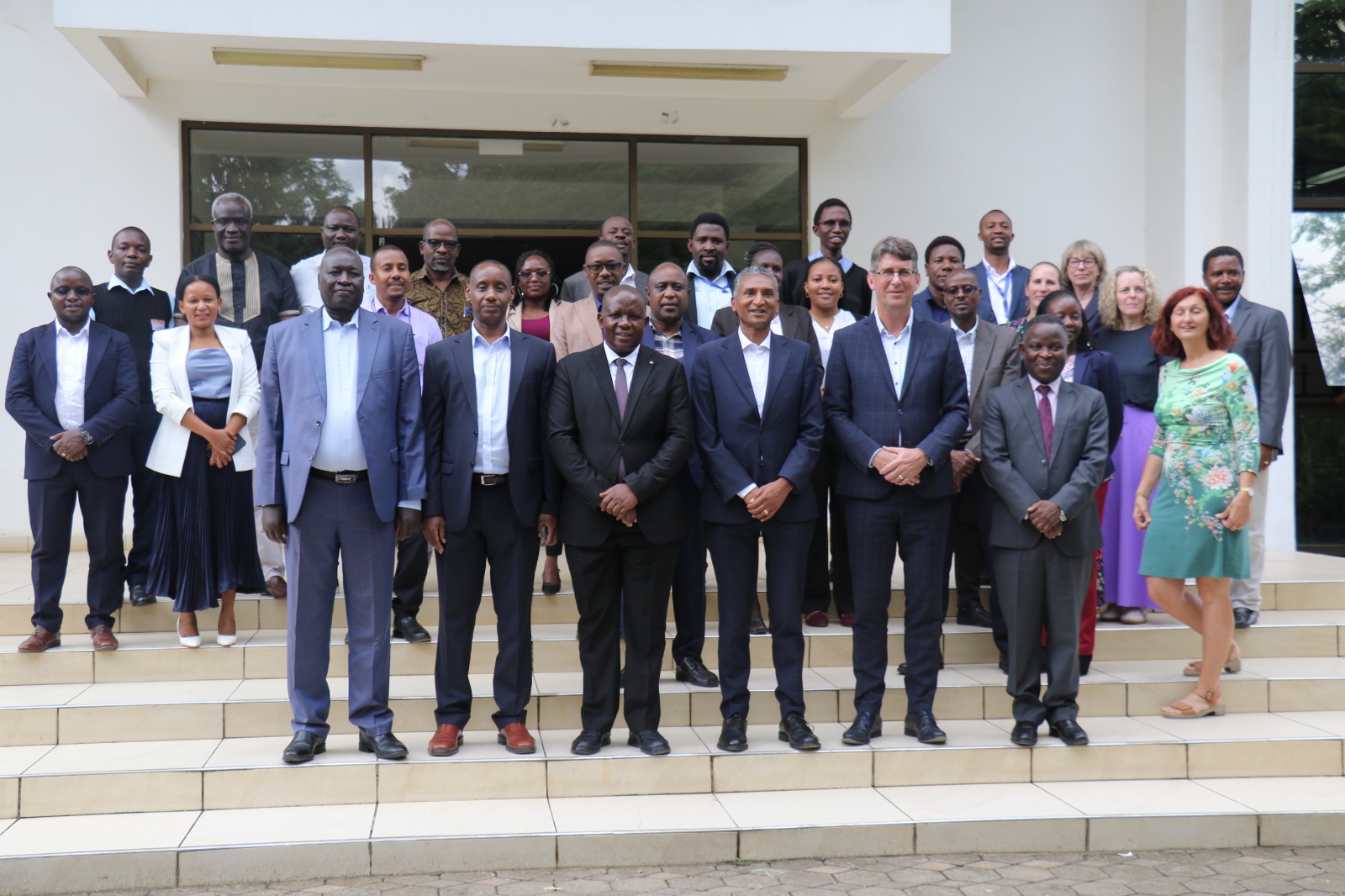
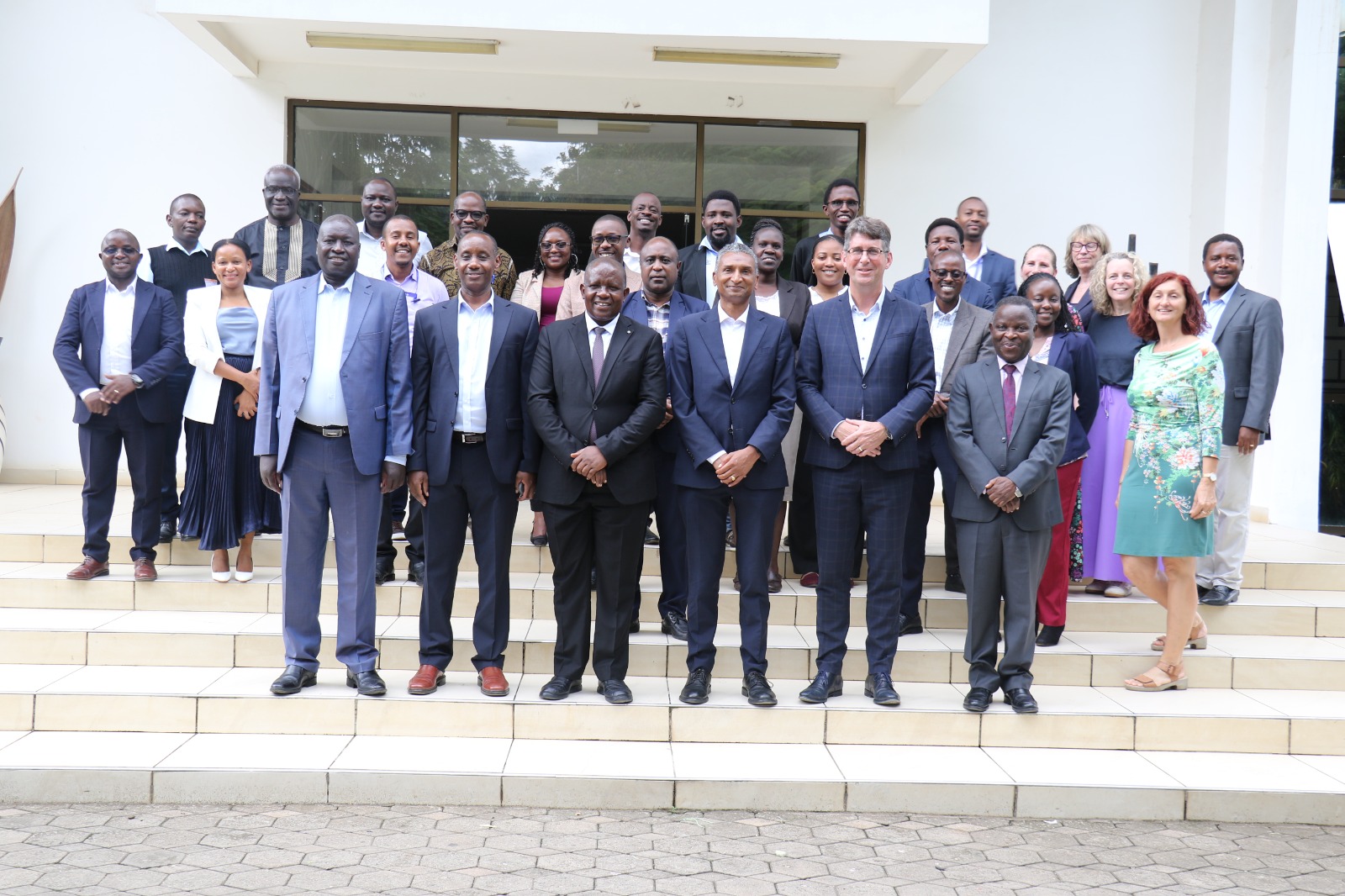
The high-level engagements convened university leaders, policymakers, and academic experts from institutions across Africa and Europe, including Dr. Dick Pouwels, Chairman of the Executive Board of Hanze University of Applied Sciences; Dr. Vincent Ogutu, Vice Chancellor of Strathmore University, Kenya; Prof. Thomas Cheruiyot, Vice Chancellor of University of Eldoret, Kenya; Prof. Aaron Mushengyezi, Vice Chancellor of Uganda Christian University, Uganda; Prof. Musa Chacha, Rector of Arusha Technical College; and Prof. William Anangisye, Vice Chancellor of the University of Dar es Salaam.
The workshop focused on strengthening competence-based education systems that prepare graduates with industry-relevant skills capable of responding to evolving labour market needs and global socio-economic challenges.
UDSM was represented by a delegation led by Vice Chancellor Prof. William A. L. Anangisye, accompanied by university officials Dr. Sarah Paul Ayeng’o, Dr. Victor Wilson, Dr. David Koloseni, and Dr. Geradius Deogratias Kikumi.
The delegation participated in a week-long technical programme that examined curriculum innovation, emerging pedagogical approaches, new assessment models including the integration of artificial intelligence, and strategies for strengthening university-industry collaboration.
Aligning higher education with national development priorities
Speaking during the meeting, Prof. Anangisye emphasized the importance of aligning higher education with national development priorities and labour market realities.
“UDSM remains firmly committed to supporting Tanzania’s development agenda by producing graduates who possess not only academic knowledge but also the practical competences required by industry and society,” he said.
He added: “Our engagement in the University Futures Network strengthens our institutional capacity to reform curricula, expand industry collaboration, and ensure that our graduates are well prepared to address labour market challenges and contribute meaningfully to national development.”
The UFN Annual Meeting also convened Vice Chancellors from partner universities to deliberate on the long-term governance structure of the network, collaborative initiatives for 2026–2027, and joint strategies for strengthening competence-based education across Africa and Europe.
For UDSM, participation in the network represents an important step in advancing its internationalization agenda while contributing to global conversations on the future of higher education.
From the European partnership perspective, Dr. Dick Pouwels, Chairman of the Executive Board of Hanze University of Applied Sciences, underscored the value of sustained international academic collaboration.
“The University Futures Network connects European and African institutions around shared educational challenges,” he noted.
He added: “Through collaboration in competence-based education, we are contributing to the development of graduates capable of thriving in an increasingly complex and globalized labour market.”
Sharing experiences and exploring innovative approaches
Similarly, Dr. Linda Maat, Director of the Hanze East Africa Hub, highlighted the importance of knowledge exchange among partner institutions.
“The workshop provided a valuable platform for universities to share experiences and explore innovative approaches to curriculum design. Such collaboration ensures that higher education systems remain responsive to societal and industry needs”, she explained.
Host institution leader Prof. Musa Chacha, Rector of Arusha Technical College, emphasized that regional collaboration among universities is critical for transforming higher education systems and supporting economic development, particularly in emerging sectors such as renewable energy.
Reflecting on the academic outcomes of the workshop, Dr. Geradius Deogratias Kikumi, Coordinator of Undergraduate Studies at UDSM, observed that competence-based education offers a critical pathway for bridging the gap between academic training and labour market expectations.
“The transition to competence-based education requires strong institutional policies, continuous staff development, and active engagement with industry stakeholders. Insights from this workshop will significantly inform ongoing curriculum reforms at UDSM”, he said.
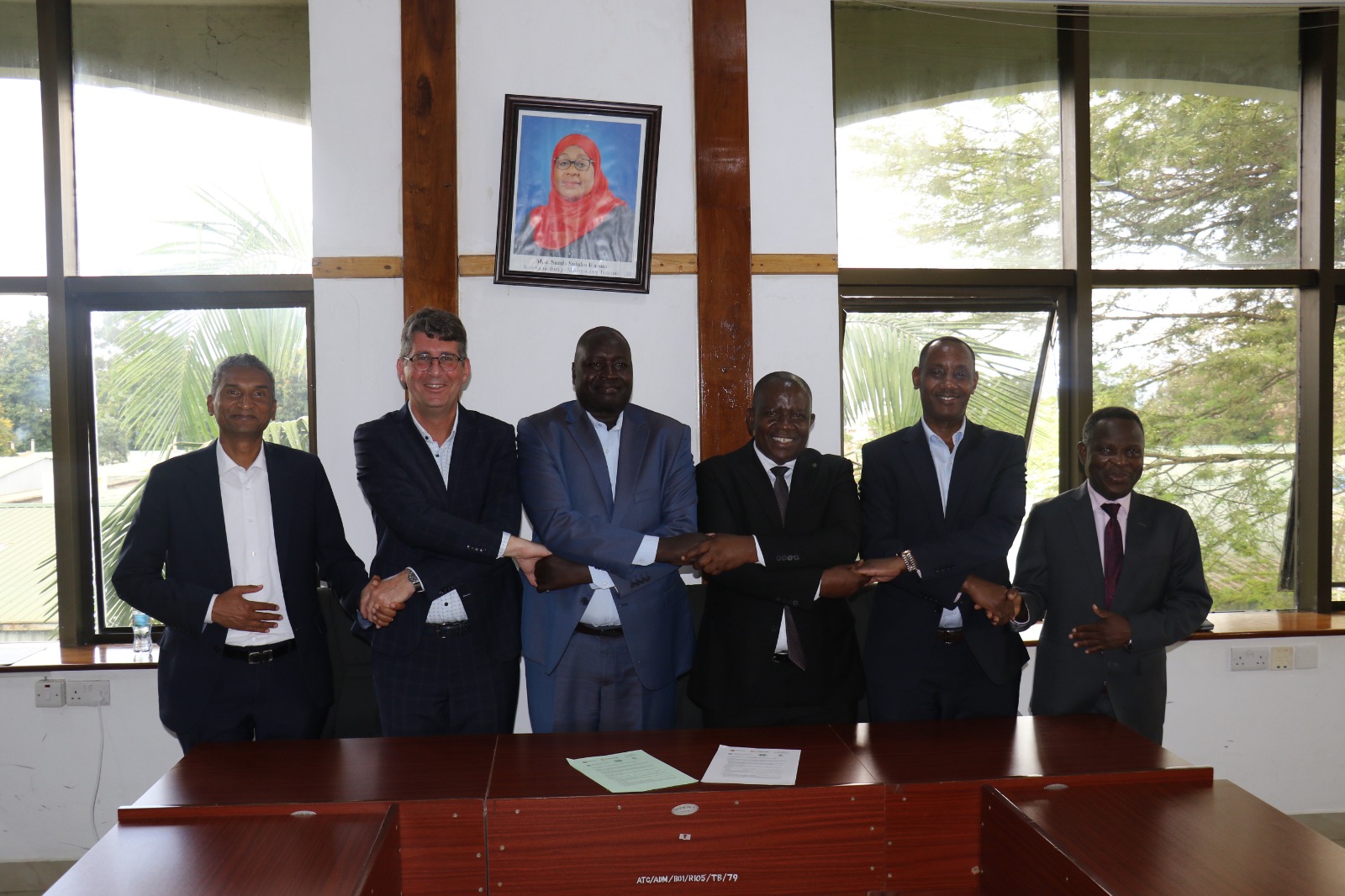
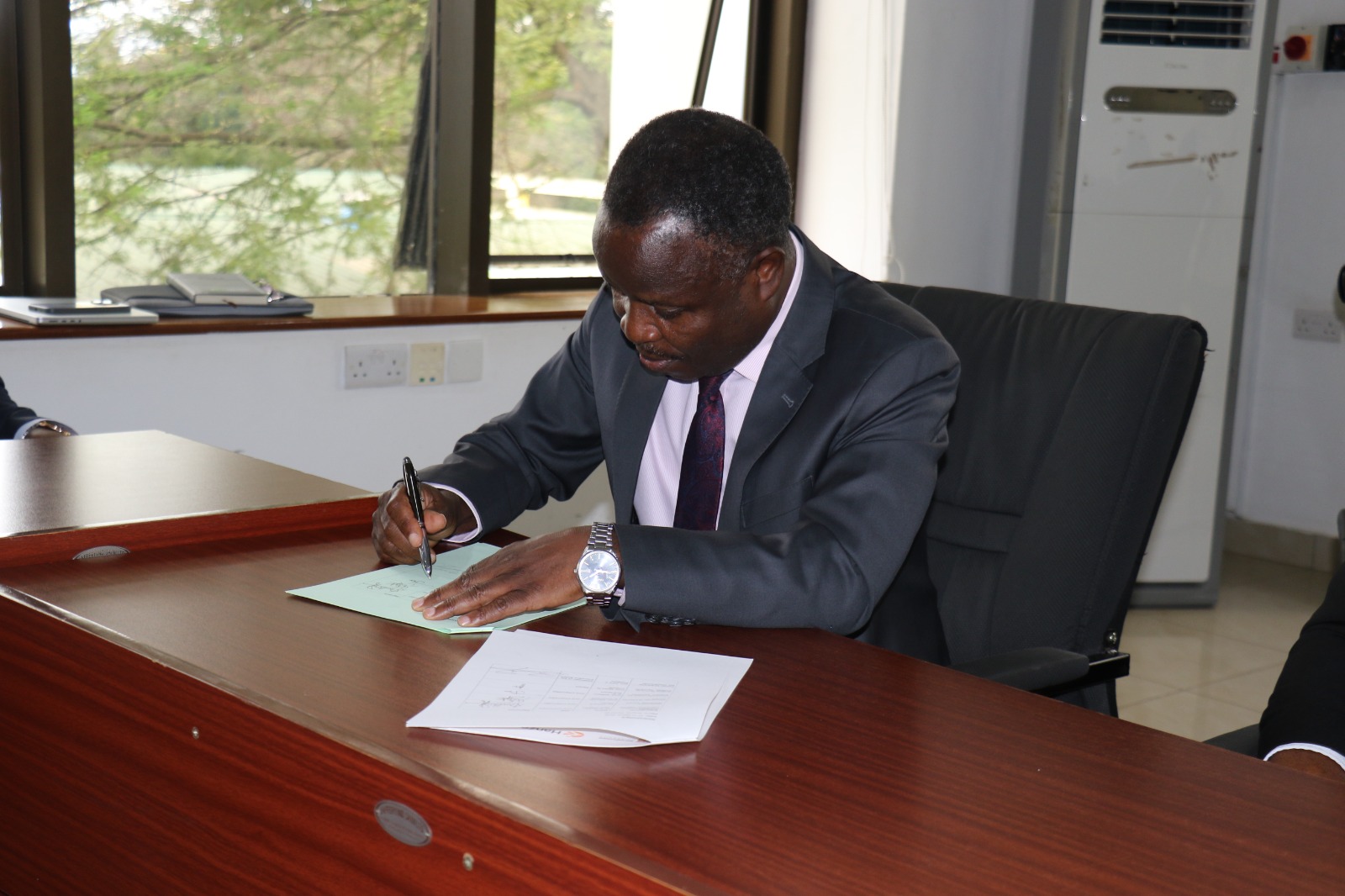
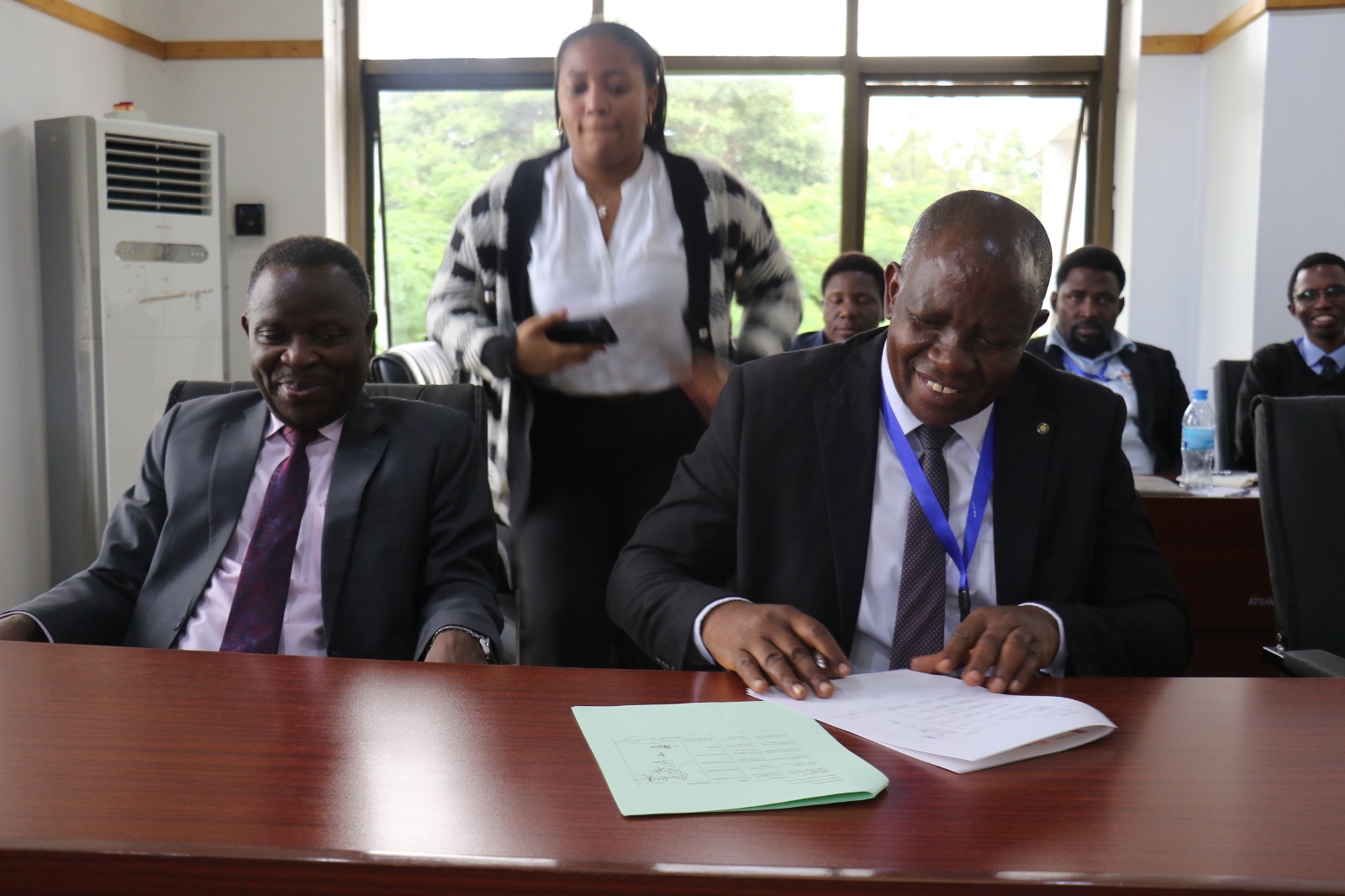
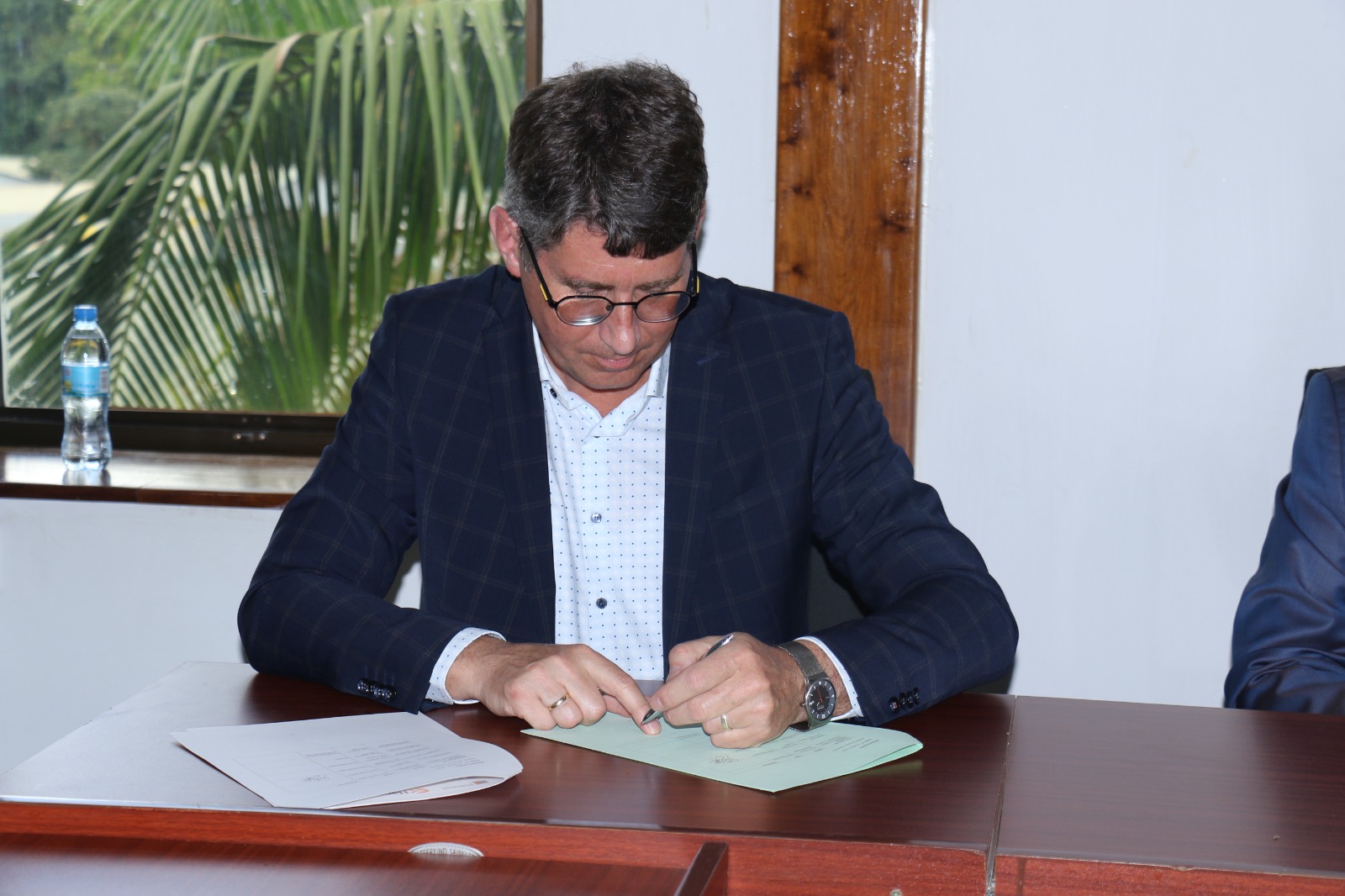
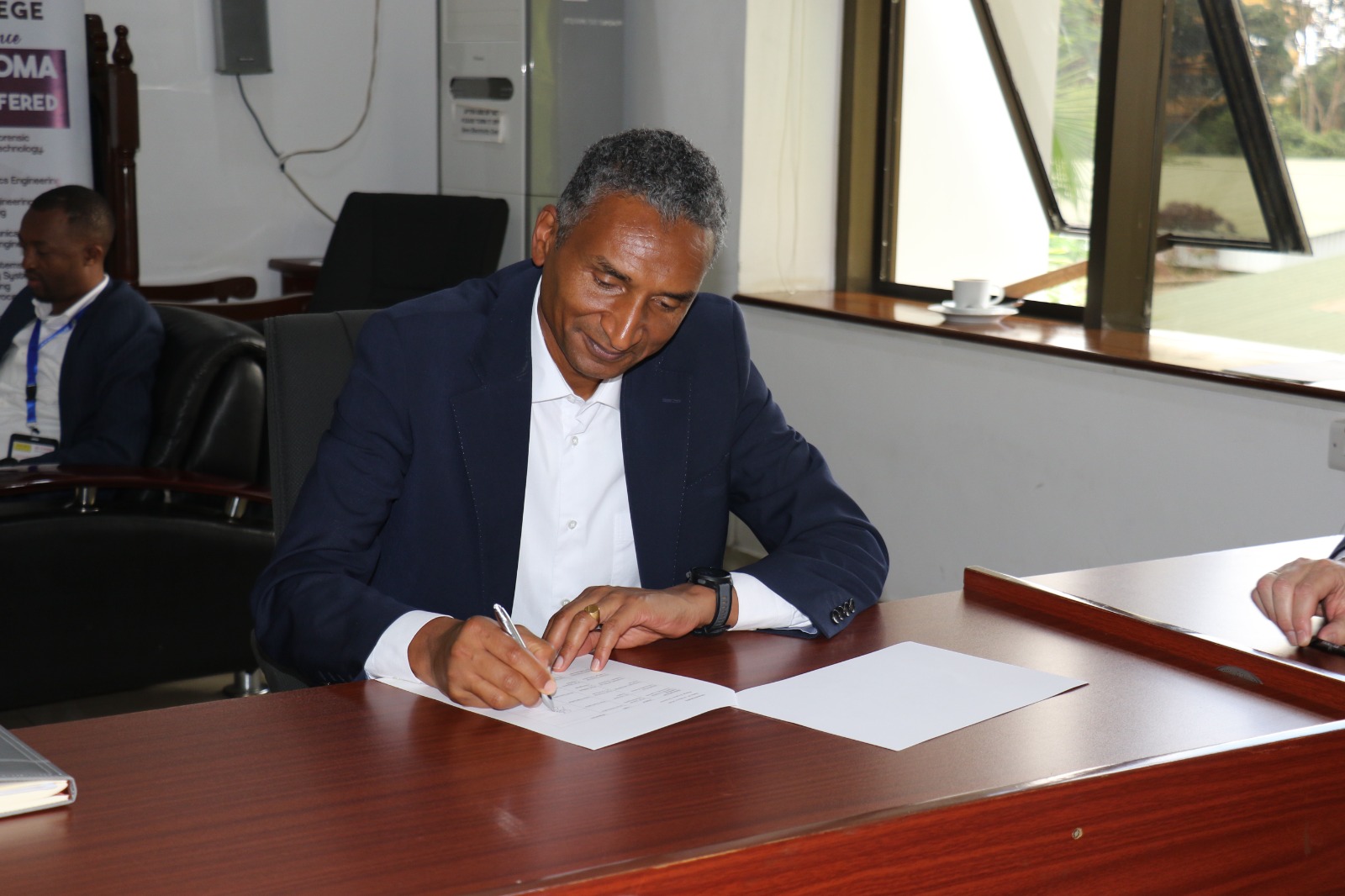
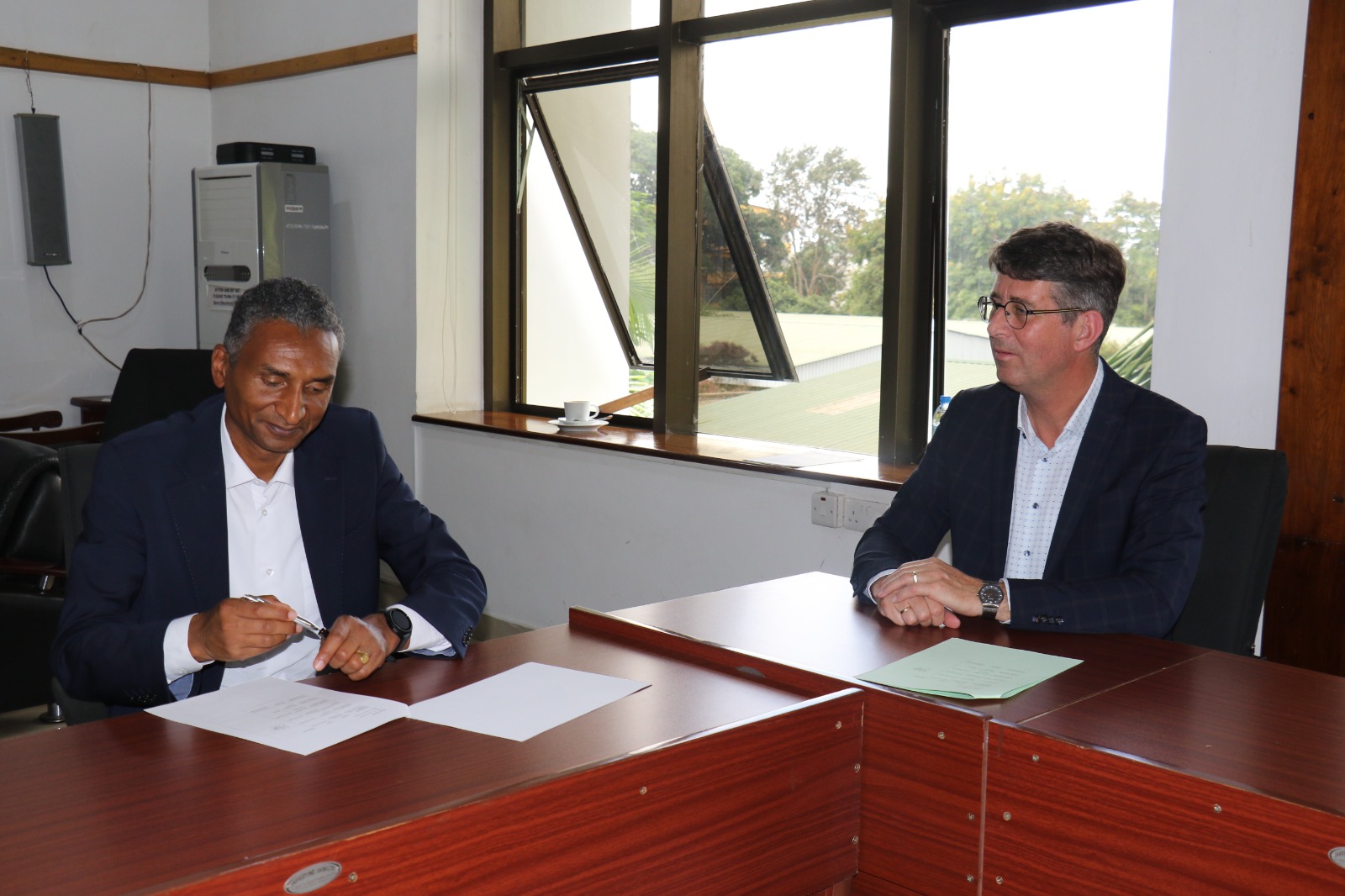
In this meeting, Vice Chancellors from the participating universities signed a Memorandum of Understanding formalizing the University Futures Network consortium and committing their institutions to deeper collaboration in teaching, research, and academic mobility.
The partnership between UDSM and Hanze University of Applied Sciences continues to grow through several cooperation frameworks, including the Erasmus+ Programme of the European Union, which supports joint academic initiatives, staff exchanges, and collaborative research.
Through its active engagement in the University Futures Network, UDSM continues to position itself as a regional leader in higher education transformation, contributing to Tanzania’s efforts to develop a highly skilled workforce capable of driving innovation, addressing labour market challenges, and advancing sustainable national development.