

UDSM Scientists Unveil Homegrown Road Technology Set to Transform Africa’s Infrastructure
By Jackson Isdory, CMU
Researchers from the University of Dar es Salaam have unveiled a locally developed innovation that could significantly reshape road construction in Tanzania and across Africa, positioning the country at the forefront of sustainable infrastructure technology.
Developed under the University’s Department of Chemistry, the breakthrough introduces two advanced construction technologies—Duracem and Duracem-1A—designed to lower road construction costs, improve durability, and strengthen climate resilience while supporting environmentally responsible infrastructure development.
The innovation marks a major step in Tanzania’s transition toward a knowledge-driven economy, demonstrating how university research can generate practical solutions to national and regional development challenges.
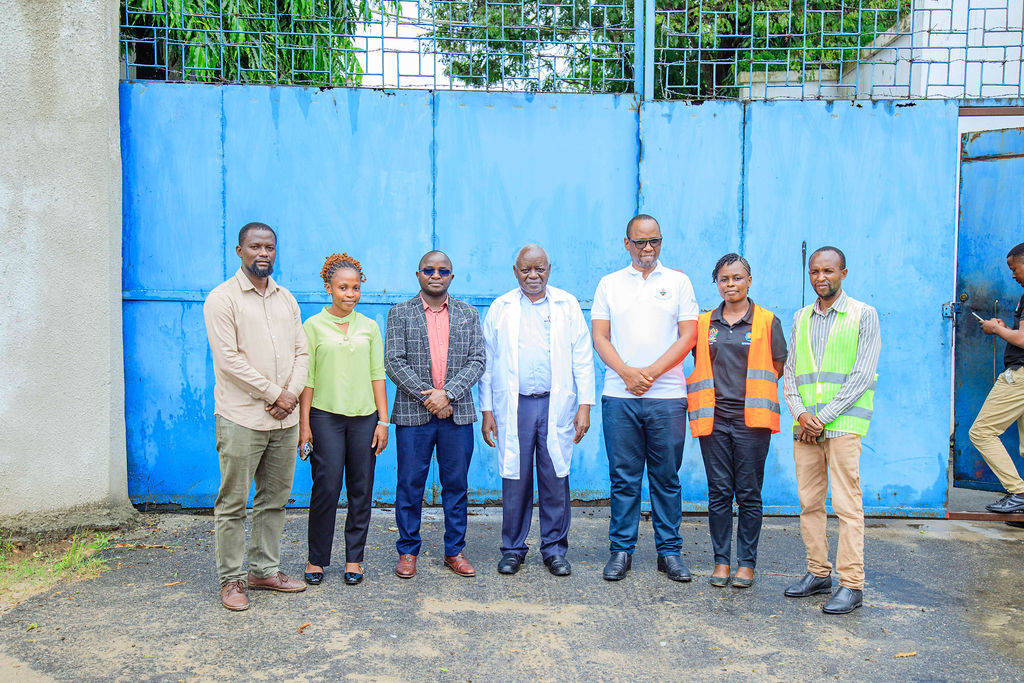
The multidisciplinary research team was led by Dr. Makungu M. Madirisha in collaboration with Dr. Geradius D. Kikumi and Dr. Regina P. Mtei, with support from emerging scientists Evalina Samba and Moses Kaijage.
Together, the team developed technologies aimed at addressing persistent challenges facing road networks across many African countries, including high maintenance costs, moisture damage, material degradation, and the growing impact of climate change.
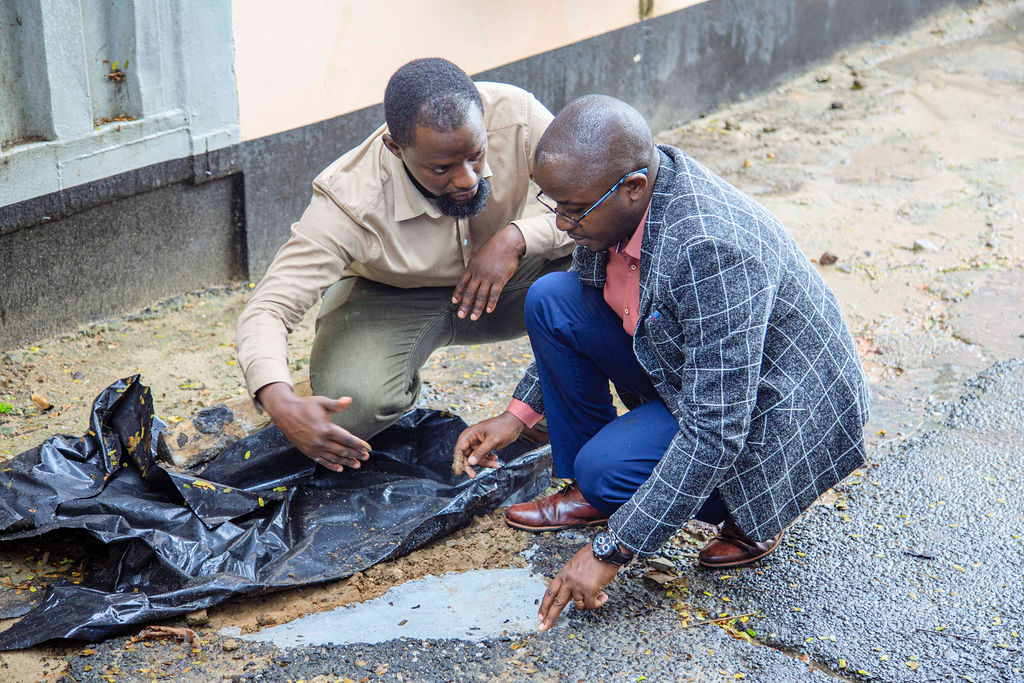
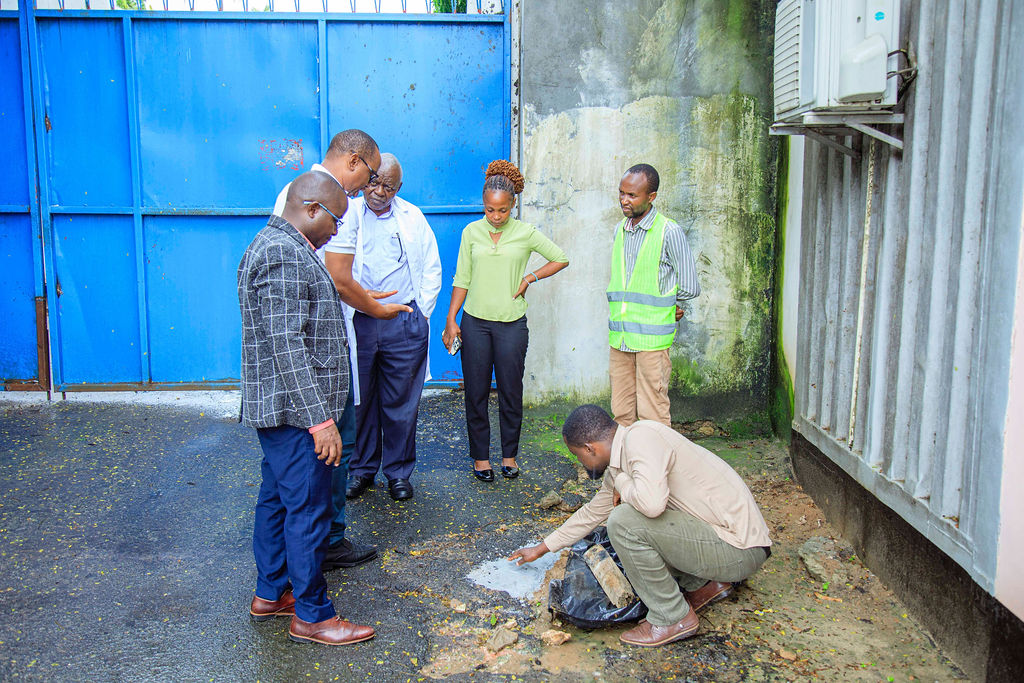
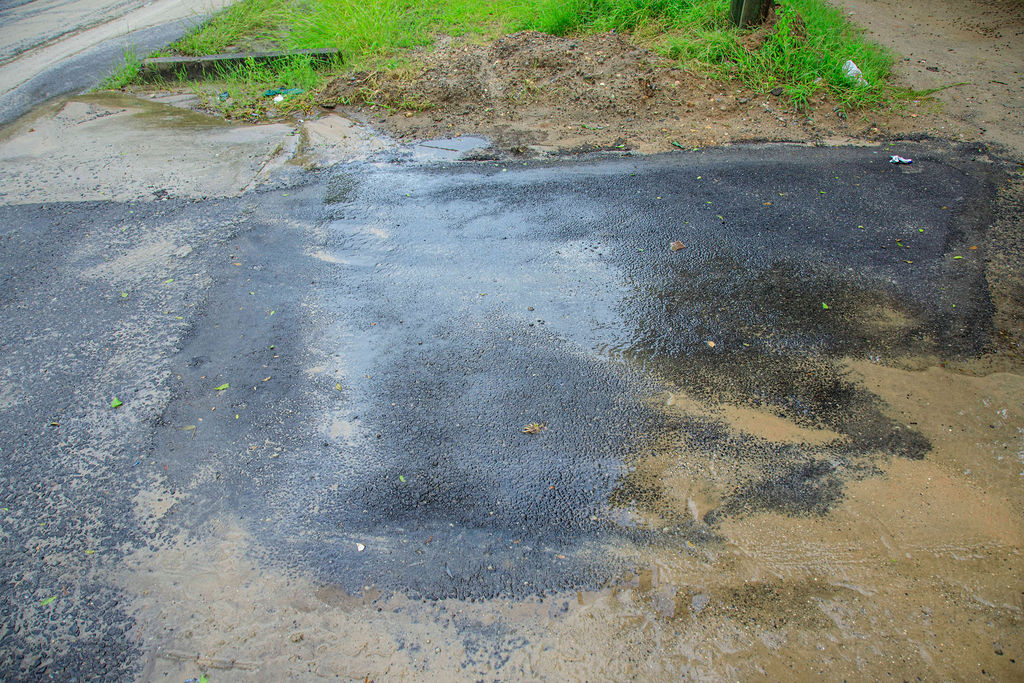
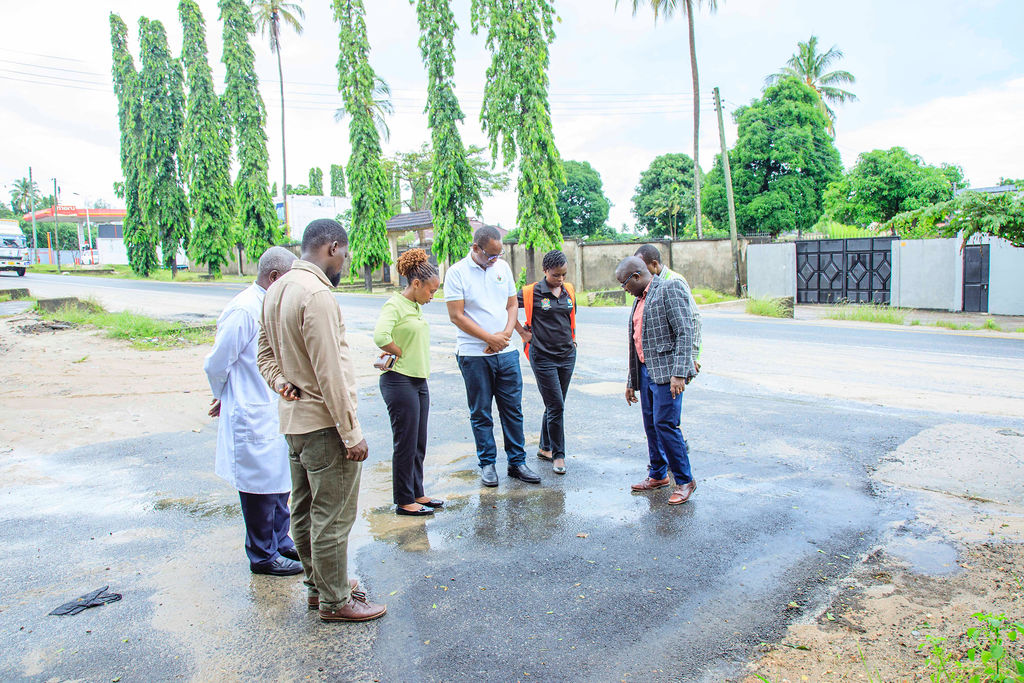
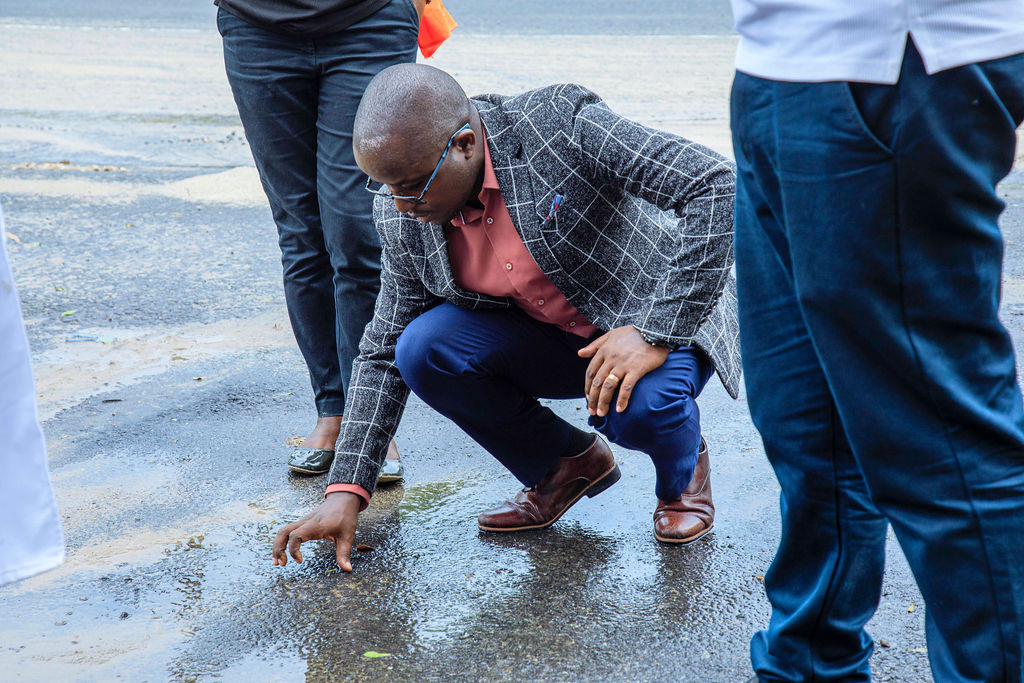
Speaking on the project’s progress, Dr. Madirisha said the research has now moved beyond laboratory testing into real-world application.
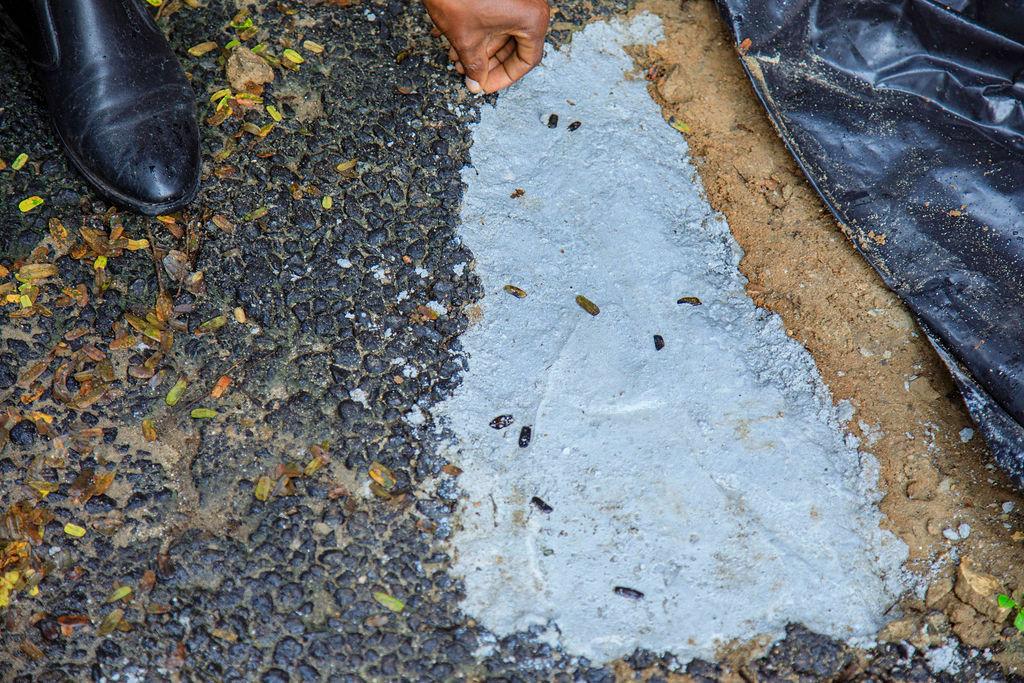
“We are now transitioning from laboratory validation into practical field deployment. What has been achieved is the use of these materials under actual operating conditions, which is an important step toward performance verification, optimisation, and future large-scale adoption”, he said.
Tailored for African conditions
Dr. Kikumi said the technologies were specifically engineered to respond to the realities of African infrastructure systems, where roads often face severe environmental stress.
“Duracem and Duracem-1A are designed to address key challenges such as high maintenance costs, water ingress, salinity, and rapid deterioration caused by harsh weather conditions,” he explained.
He added: “These technologies provide a cost-effective and durable solution suited to local environments, with stronger resistance to moisture damage, saline exposure, and climate-induced wear.”
His remarks highlighted the growing importance of context-specific engineering solutions developed within Africa rather than relying solely on imported technologies.
From a technical perspective, Dr. Mtei said the innovation represents a successful translation of scientific research into practical infrastructure solutions.
“This work demonstrates a clear shift from laboratory science to real-world engineering application. The technologies improve the structural strength and durability of both concrete and asphalt systems, while aligning with modern sustainability and environmental standards”, she said.
According to the research team, Duracem is positioned as an alternative material for concrete road construction and road base layers, offering lower energy demand and reduced lifecycle costs.
Duracem-1A, meanwhile, enhances cold mix asphalt by improving cohesion, water resistance, and long-term performance—critical features for roads exposed to changing climatic conditions.
Young scientists driving national innovation
Emerging researchers Evalina Samba and Moses Kaijage said their participation in the project demonstrates the growing ability of young Tanzanian scientists to contribute directly to national priorities.
“Our involvement in this innovation shows that locally developed research can move beyond theory into practical solutions. It reflects the power of academic science to create measurable economic and social value”, they said.
Their contribution also underscores UDSM’s role in nurturing the next generation of innovators capable of solving real-world problems.
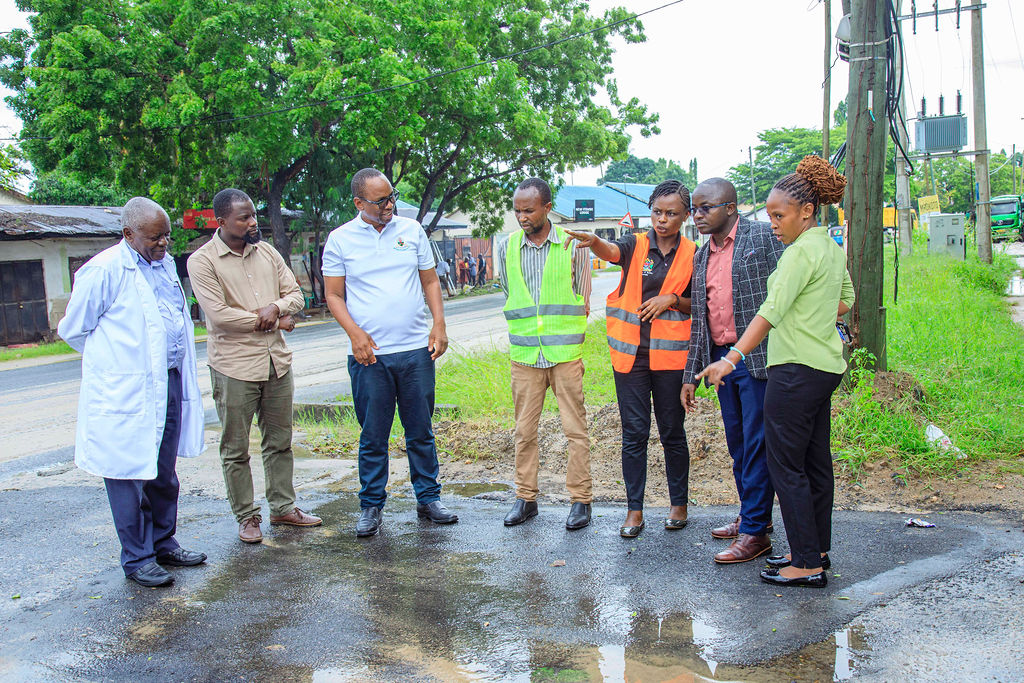
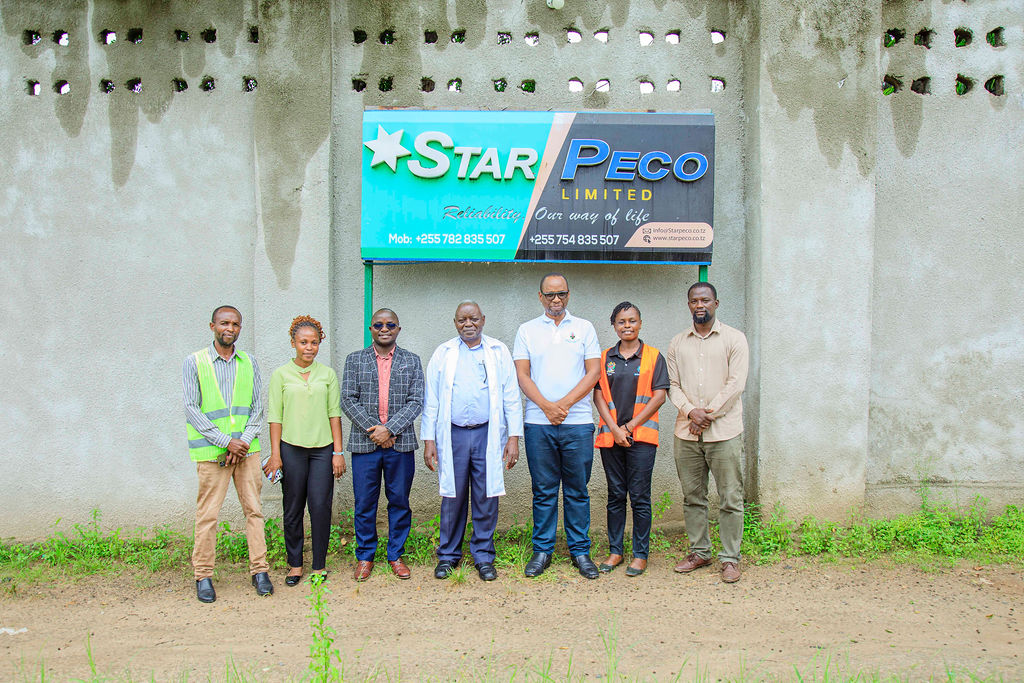
The project has advanced into field deployment through collaboration with Starpeco Company Limited, creating a strong example of how partnerships between universities and industry can accelerate innovation uptake.
The collaboration enables practical performance testing while building pathways for future commercialisation and market adoption.
Analysts note that such partnerships are essential in transforming research outputs into scalable technologies that contribute directly to economic growth.
Positioning Tanzania as a regional leader
Beyond the laboratory and construction sector, the innovation is being viewed as an important milestone in strengthening Tanzania’s broader innovation ecosystem by linking research institutions, private industry, and development priorities.
With strategic investment and scaling, the technologies could help position Tanzania as a regional hub for sustainable infrastructure solutions.
The breakthrough also reinforces a wider national lesson: long-term investment in science, technology, and research is not optional—it is essential for economic resilience, modern infrastructure, and global competitiveness.
As many African countries seek smarter, more durable, and cost-effective infrastructure systems, the University of Dar es Salaam’s latest innovation offers a compelling homegrown answer.
By turning scientific knowledge into roads that last longer, cost less, and perform better, UDSM researchers are not only building infrastructure—they are helping pave the future of African development.