



UDSM Leads National Push for AI, Statistics and Data-Driven Innovation
By Selemani Nambimbi, CMU
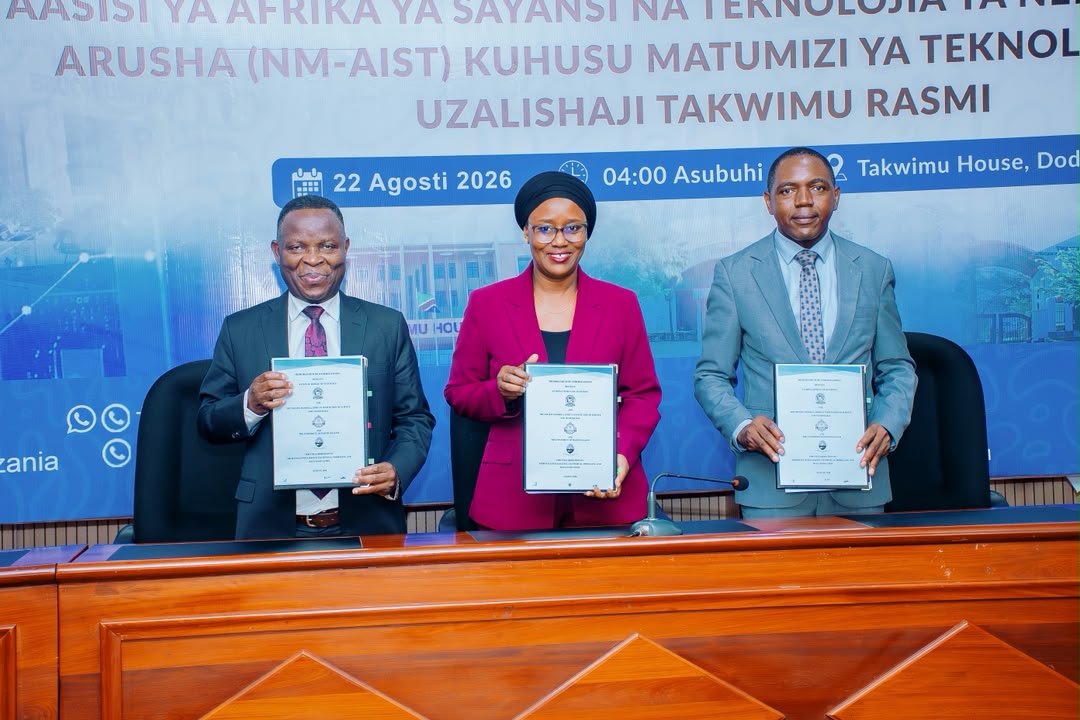
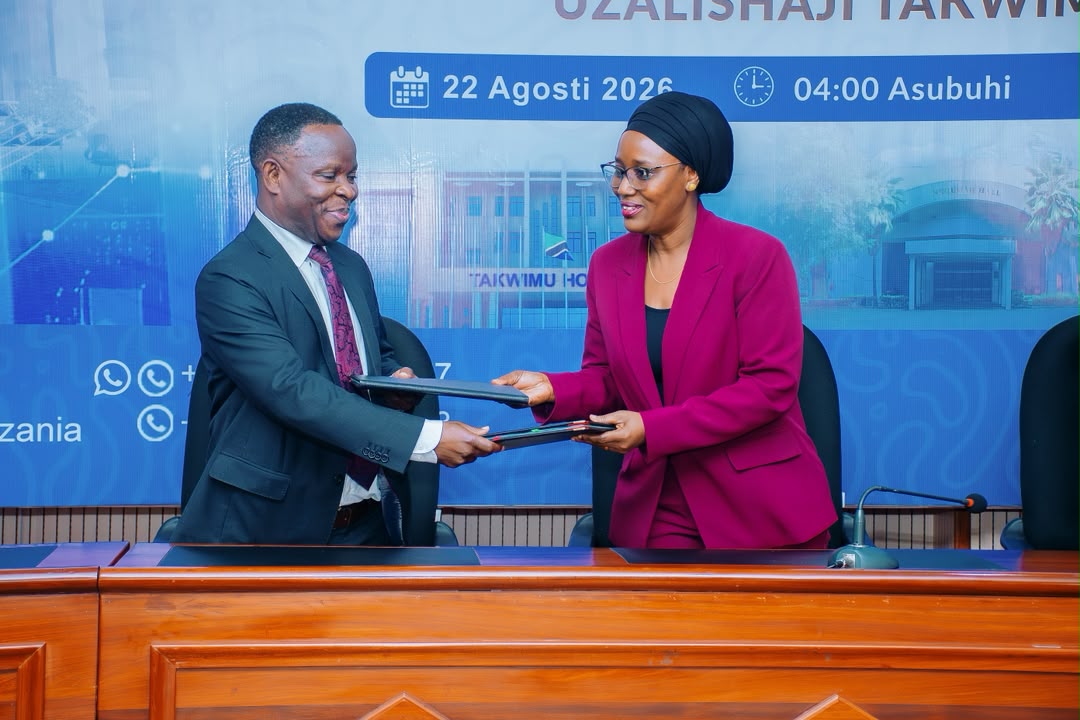
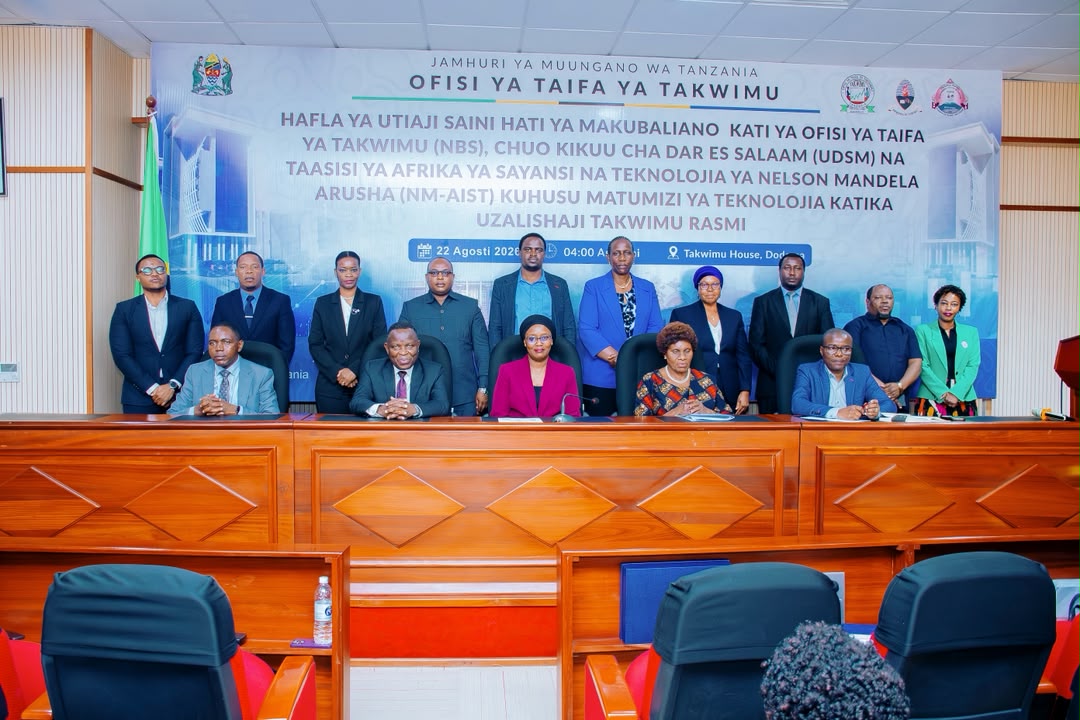
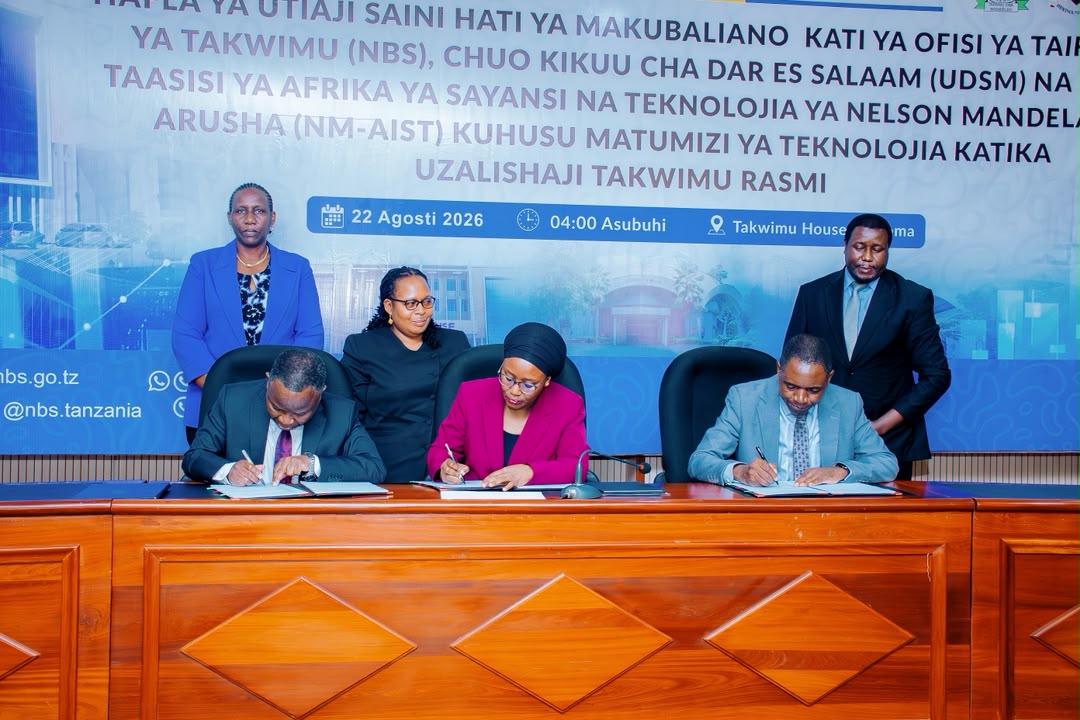
The University of Dar es Salaam (UDSM) has strengthened its position at the forefront of Artificial Intelligence (AI), statistical modelling and data-driven innovation after entering into a five-year Memorandum of Understanding (MoU) with the National Bureau of Statistics (NBS) and the Nelson Mandela African Institution of Science and Technology (NM-AIST).
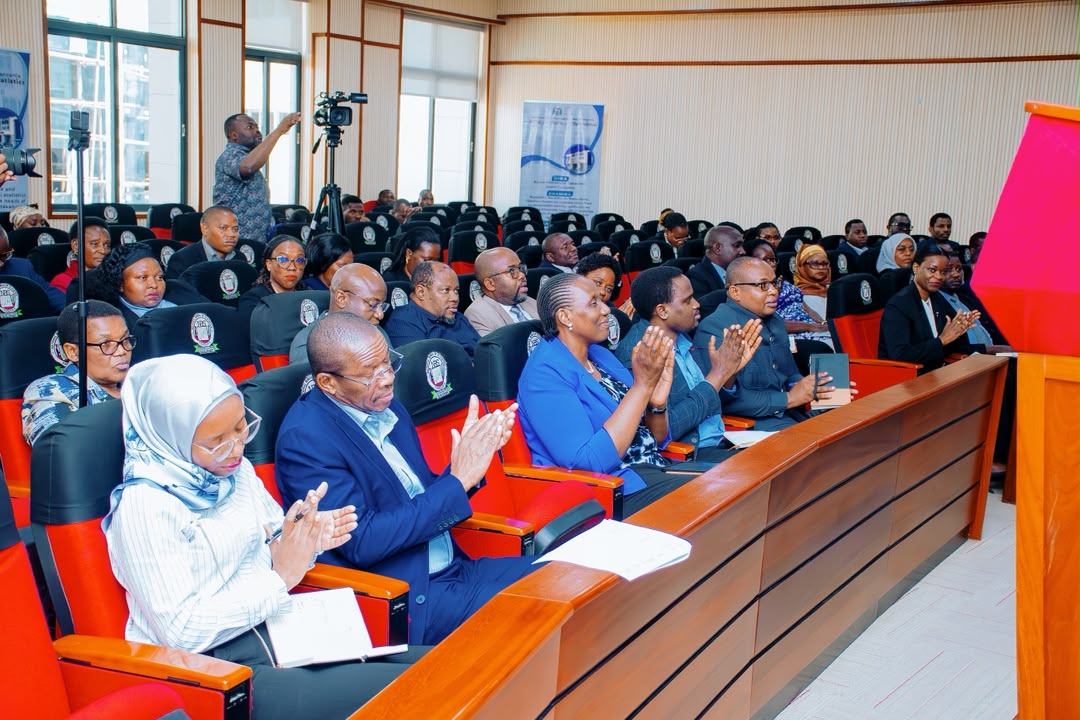
Signed on August 22, 2026, at the NBS Headquarters in Dodoma, the partnership seeks to harness the complementary expertise of the three institutions to advance joint research, innovation, capacity building, training and technology-driven solutions to Tanzania’s development challenges.
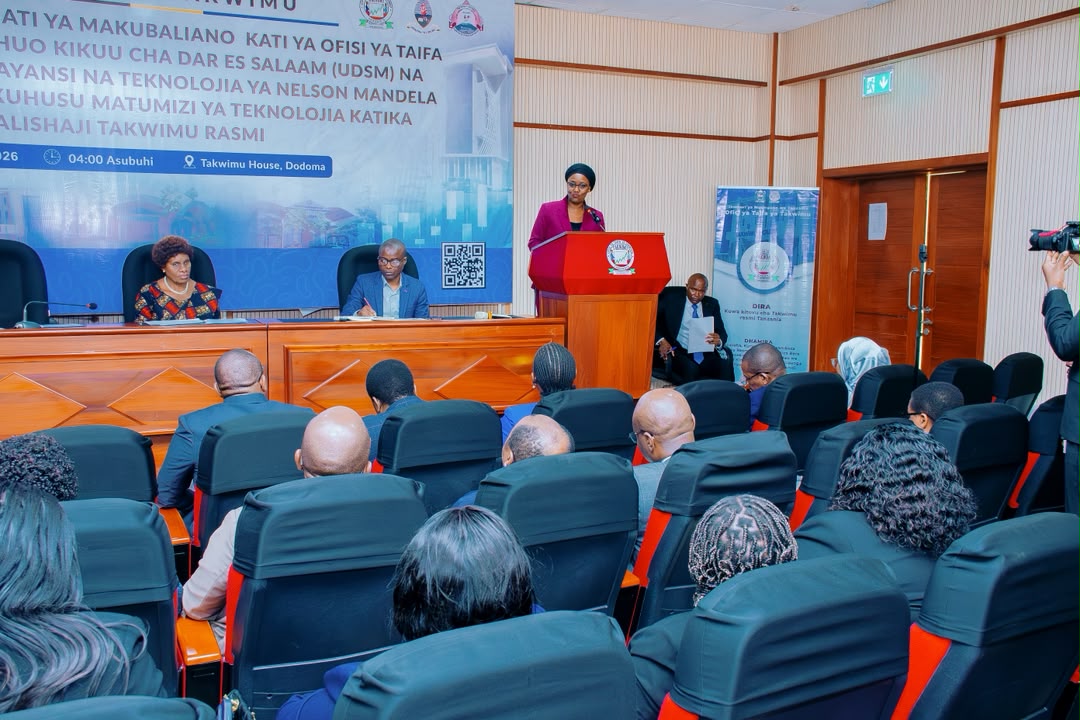
Speaking at the signing ceremony, UDSM Vice Chancellor, Prof. William A. L. Anangisye, described the agreement as a significant step towards connecting academic expertise with official statistics, technological innovation and practical solutions to national challenges.
“This MoU represents an important milestone in strengthening collaboration in Artificial Intelligence, Statistical Modelling and Data Innovation. It provides a strong foundation for advancing research, innovation, capacity building and national transformation through the effective use of data and technology”, Prof. Anangisye said.
He said UDSM, through its College of Social Sciences and Department of Statistics, brings extensive expertise in statistical modelling, data analysis, quantitative research, geographical information systems and social sciences—areas that will underpin joint research, postgraduate supervision, professional training and innovation.
Prof. Anangisye, however, challenged the three institutions to ensure that the agreement translates into tangible programmes and measurable results rather than remaining a formal commitment on paper.
“The success of this MoU will depend not only on the agreement signed today but on the actions that follow,” he said, urging the partners to establish clear programmes of work, identify priority research areas and ensure that research findings are translated into practical solutions.
He added that the partnership is aligned with Tanzania’s Dira 2050 and UDSM Vision 2061, particularly their emphasis on human capital development, science, technology, innovation and knowledge-driven transformation.
Technological advancement shaping official statistics production
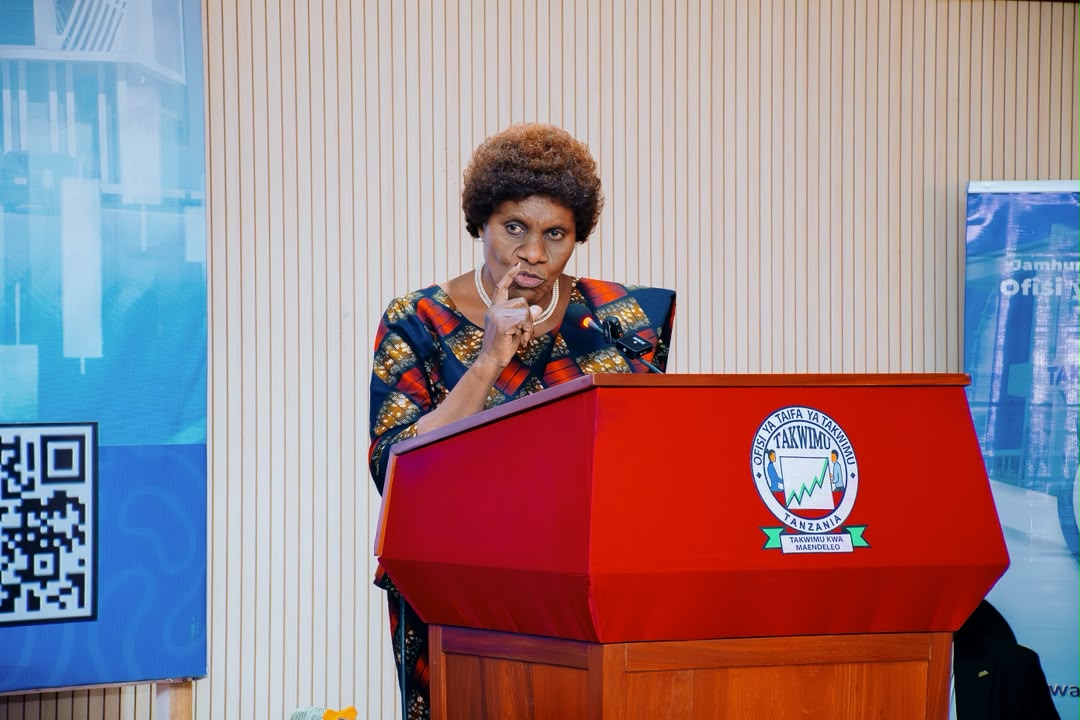
For NBS, Board Chairperson Anne Semamba Makinda said the partnership comes at a critical time when technological advancement is increasingly shaping how official statistics are produced and used to address societal challenges.
“This MoU is a major answer to our challenge at NBS: ensuring that technology can respond to the problems facing citizens today,” Makinda said.
NBS Government Statistician, Dr. Amina Msengwa, said the collaboration will enable the Bureau to adopt and strengthen the use of modern methodologies in statistical production while enhancing the technological capacity of its staff through specialised training delivered in partnership with UDSM and NM-AIST.
NM-AIST Vice Chancellor, Prof. Maulilio John Kipanyula, stressed the central role of reliable evidence in shaping national policies and development decisions, saying major decisions must be grounded in credible data and scientific knowledge.
“Important and major decisions in the country cannot be based on feelings or assumptions; instead, they require official statistics supported by scientific evidence,” Prof. Kipanyula said.
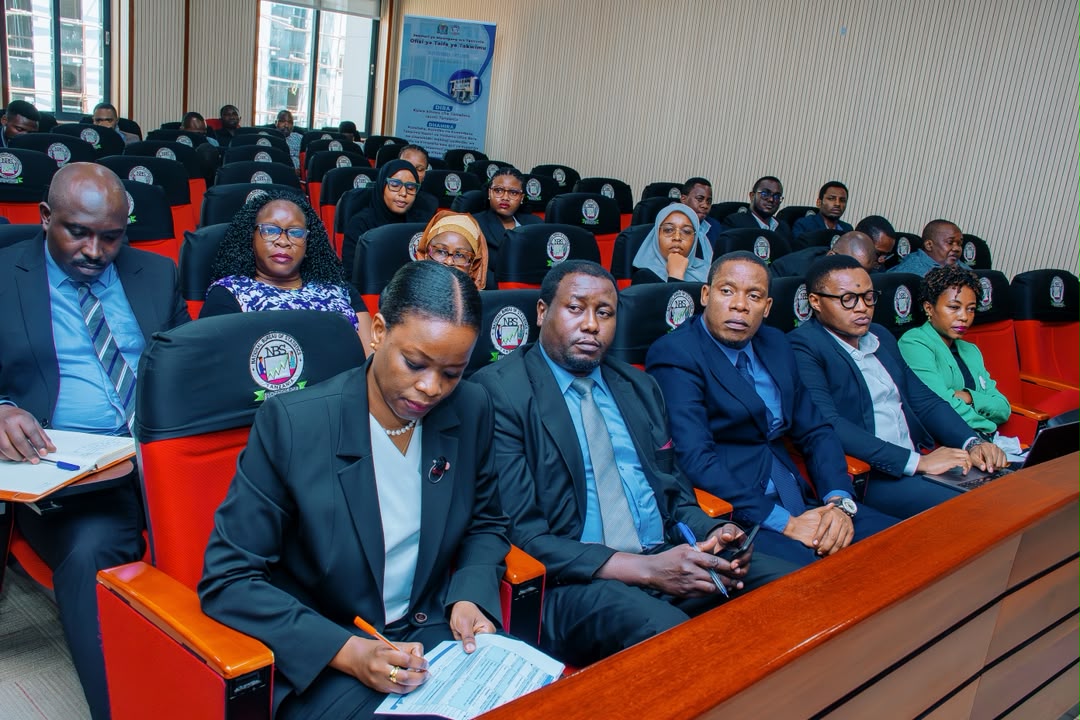
Under the agreement, the three institutions will collaborate in areas including joint lectures, conferences, hackathons, AI bootcamps and research projects. The initiatives are expected to bring together academics, statisticians, researchers, students and technology experts to develop innovative, data-driven solutions to Tanzania’s development needs.
The partnership positions UDSM to further deepen its contribution to national transformation by connecting its research and academic expertise with Tanzania’s official statistical system and emerging technologies, while creating new opportunities for innovation, skills development and evidence-based decision-making.