


Scholars Challenge Africa to Turn Gen Z's Creativity into Economic Opportunities
By Selemani Nambimbi, CMU
From digital activism and social media influence to entrepreneurship and the struggle for decent employment, Generation Z is increasingly shaping conversations about Africa's future. Yet, despite their growing connectivity, creativity and ambitions, millions of young people continue to face unequal opportunities and economic challenges.
How, then, can Africa translate the energy, ideas and aspirations of this generation into meaningful economic opportunities, improved livelihoods and lasting social transformation?
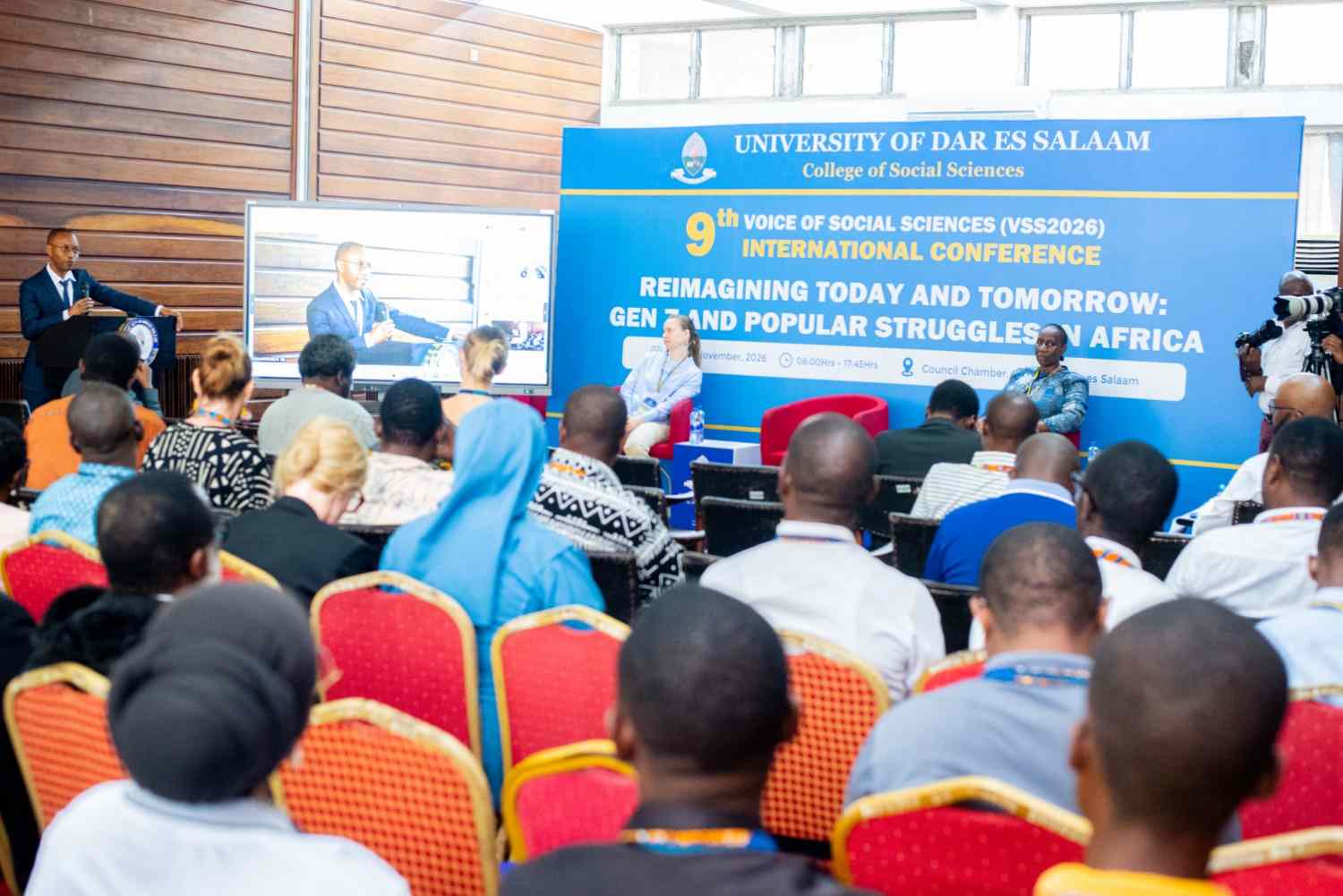
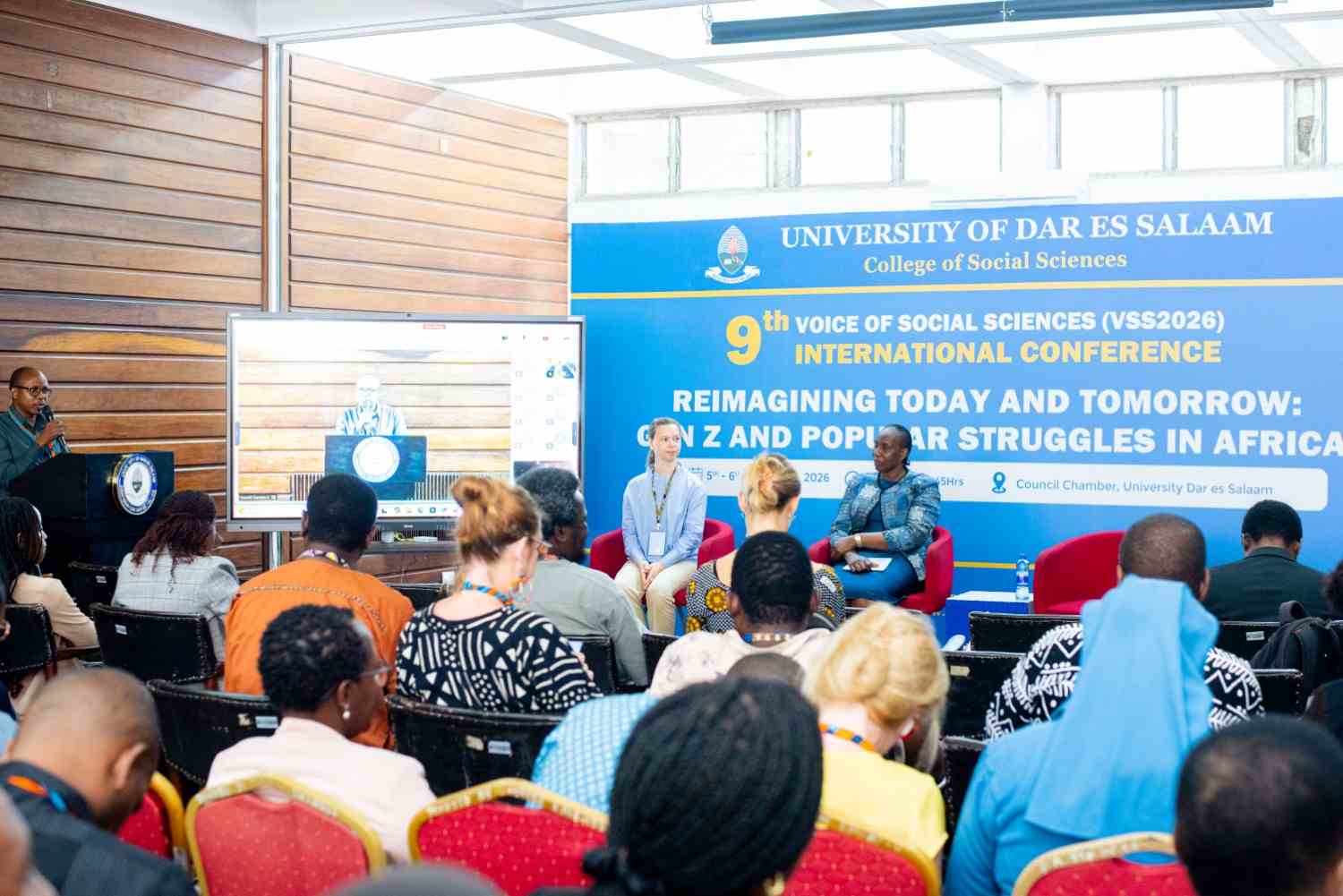
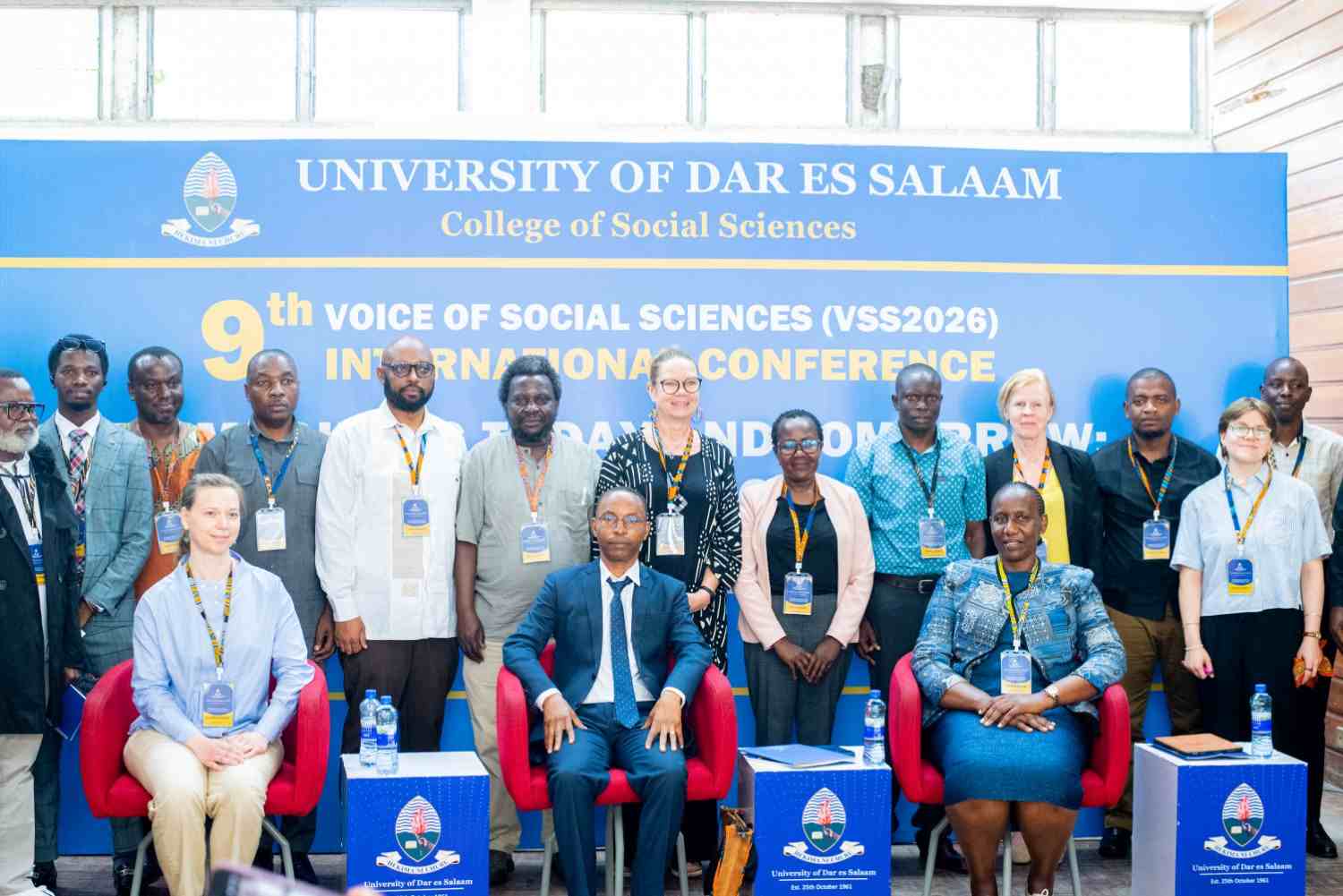
This question is at the heart of the Voice of Social Sciences International Conference, taking place at the University of Dar es Salaam's (UDSM) Mwalimu Julius K. Nyerere Campus from 5 to 6 November 2026.
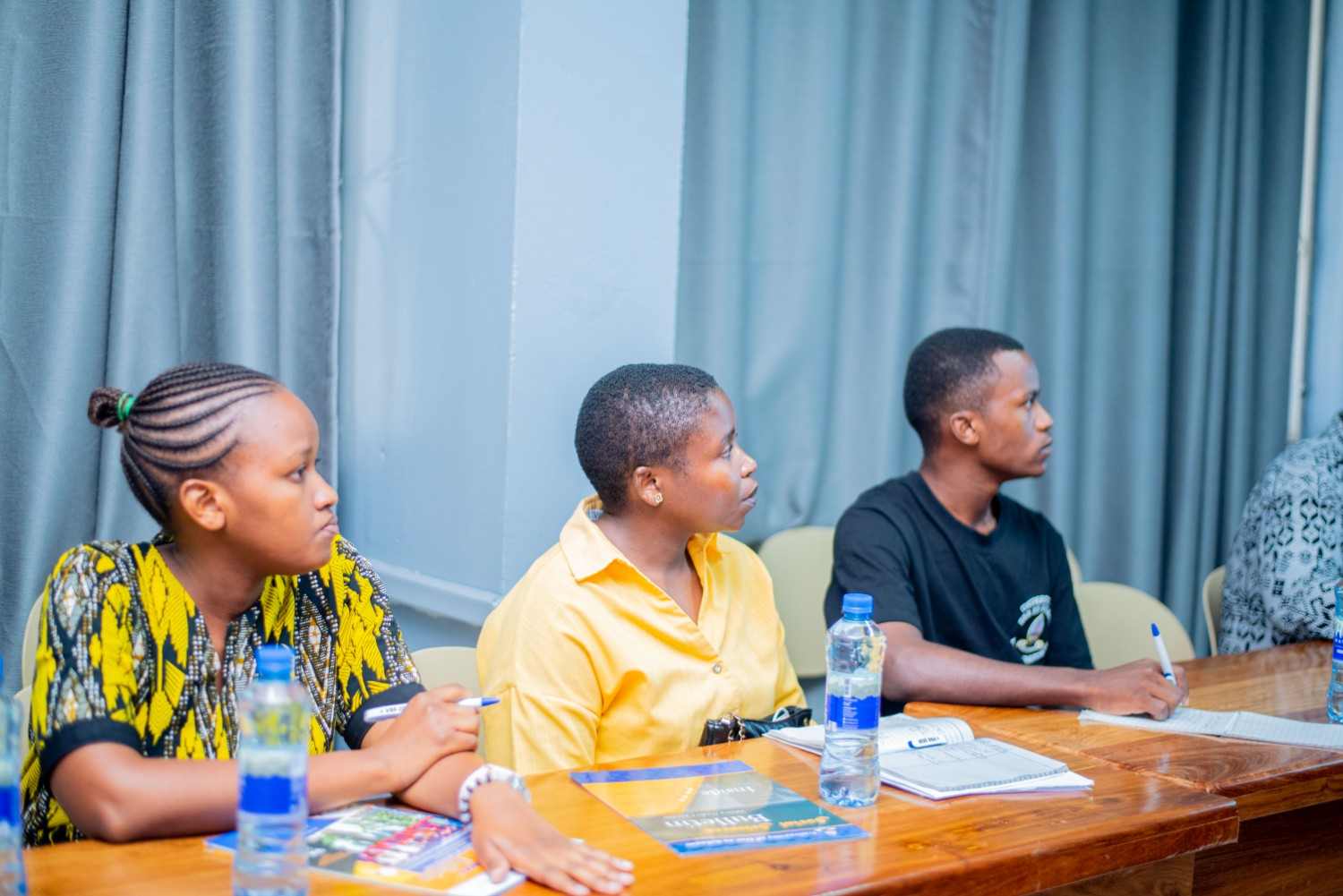
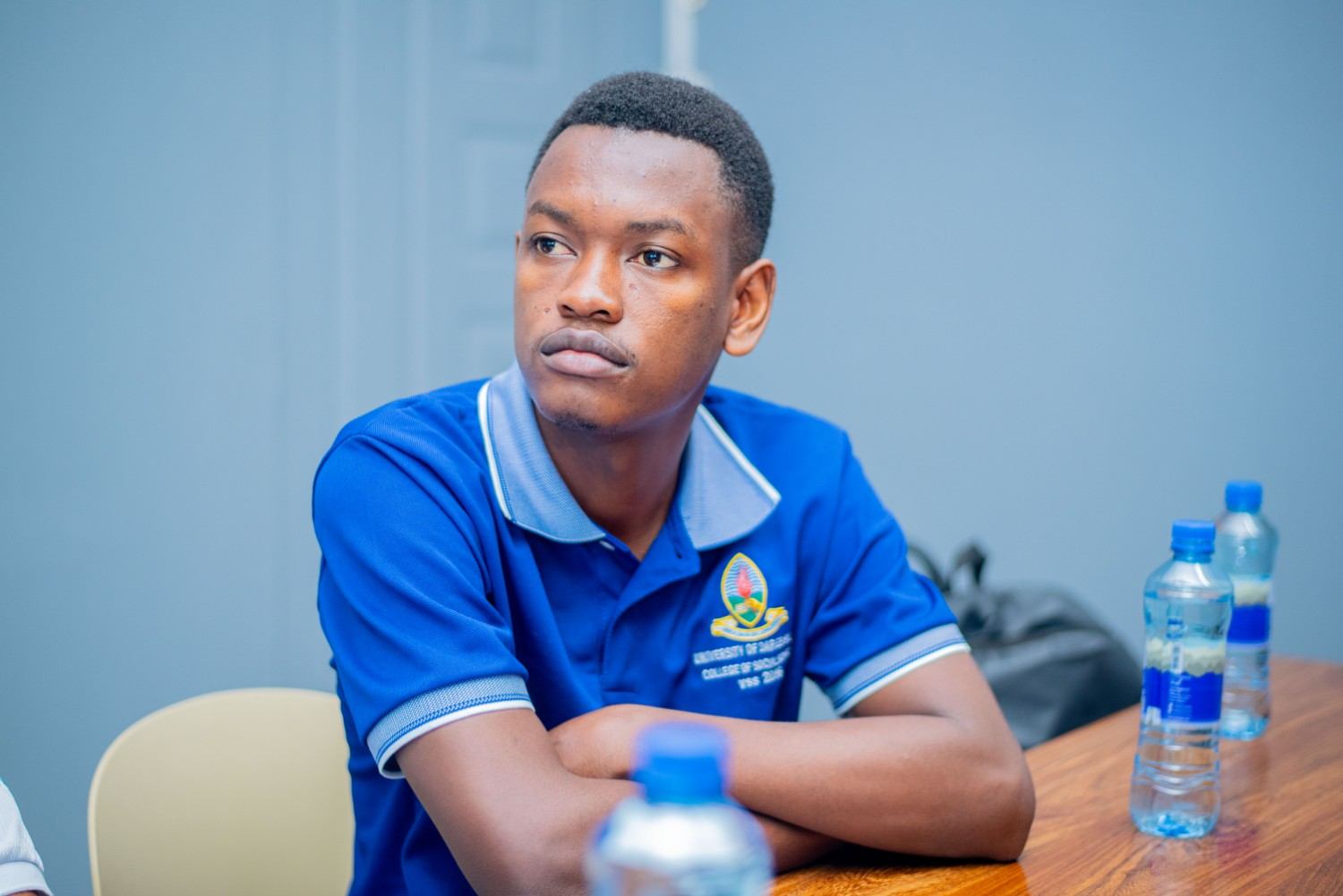
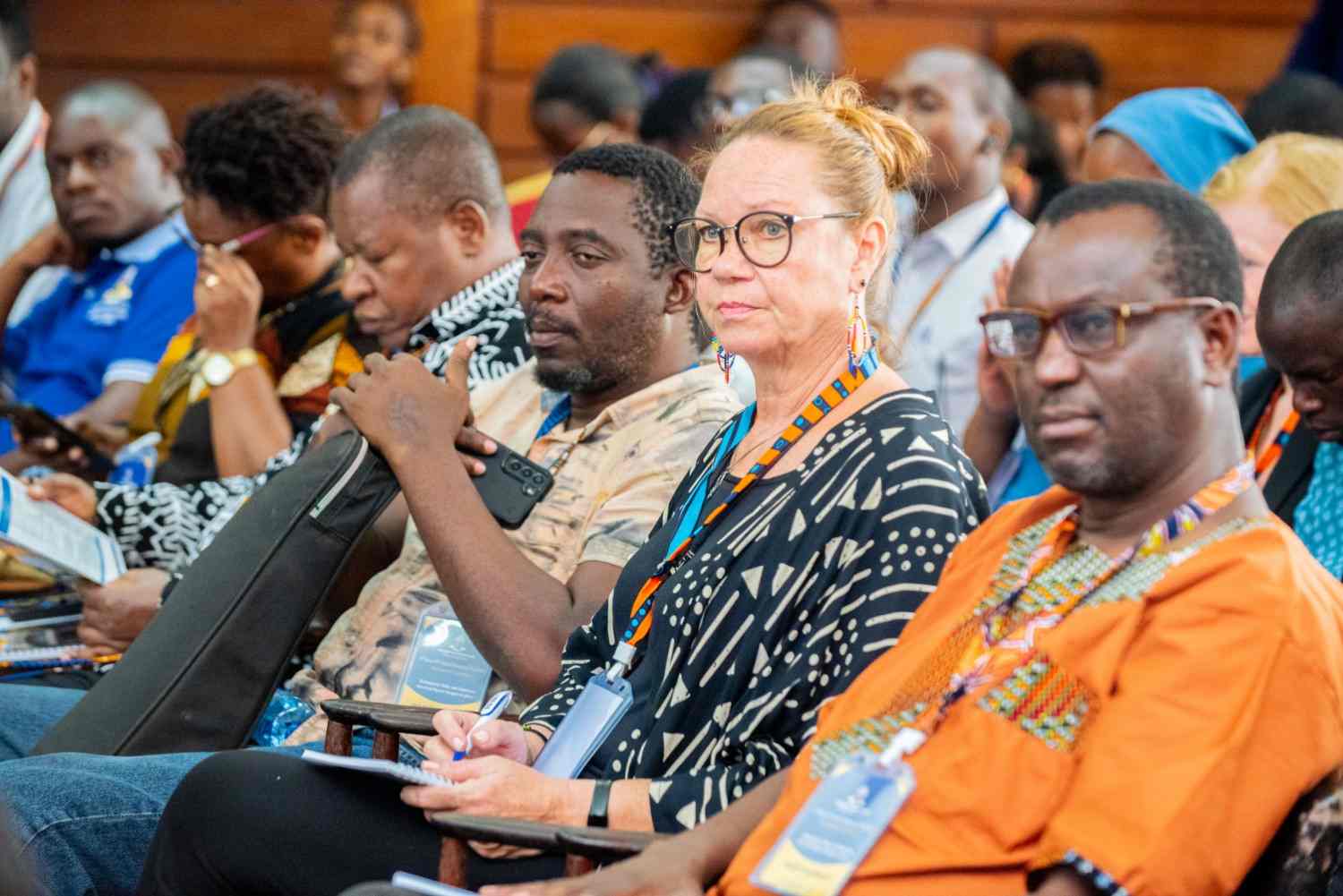
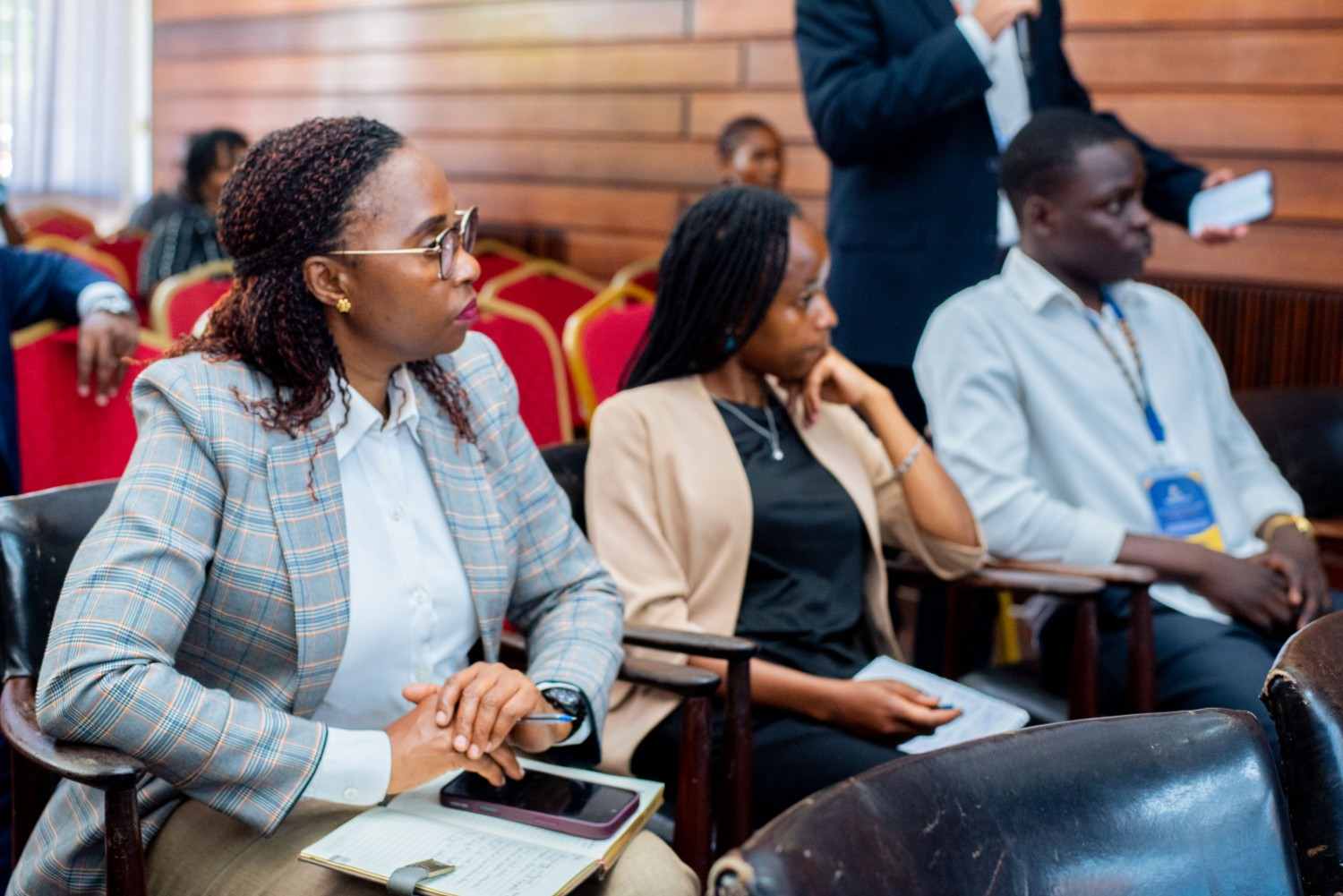
The conference brings together researchers, academics and other stakeholders to examine the changing realities of young people and their role in shaping Africa's social and economic future.
One of the key perspectives emerging from the discussions is that although social media and digital technologies are connecting young people across geographical boundaries, they do not necessarily share equal experiences, resources or opportunities.
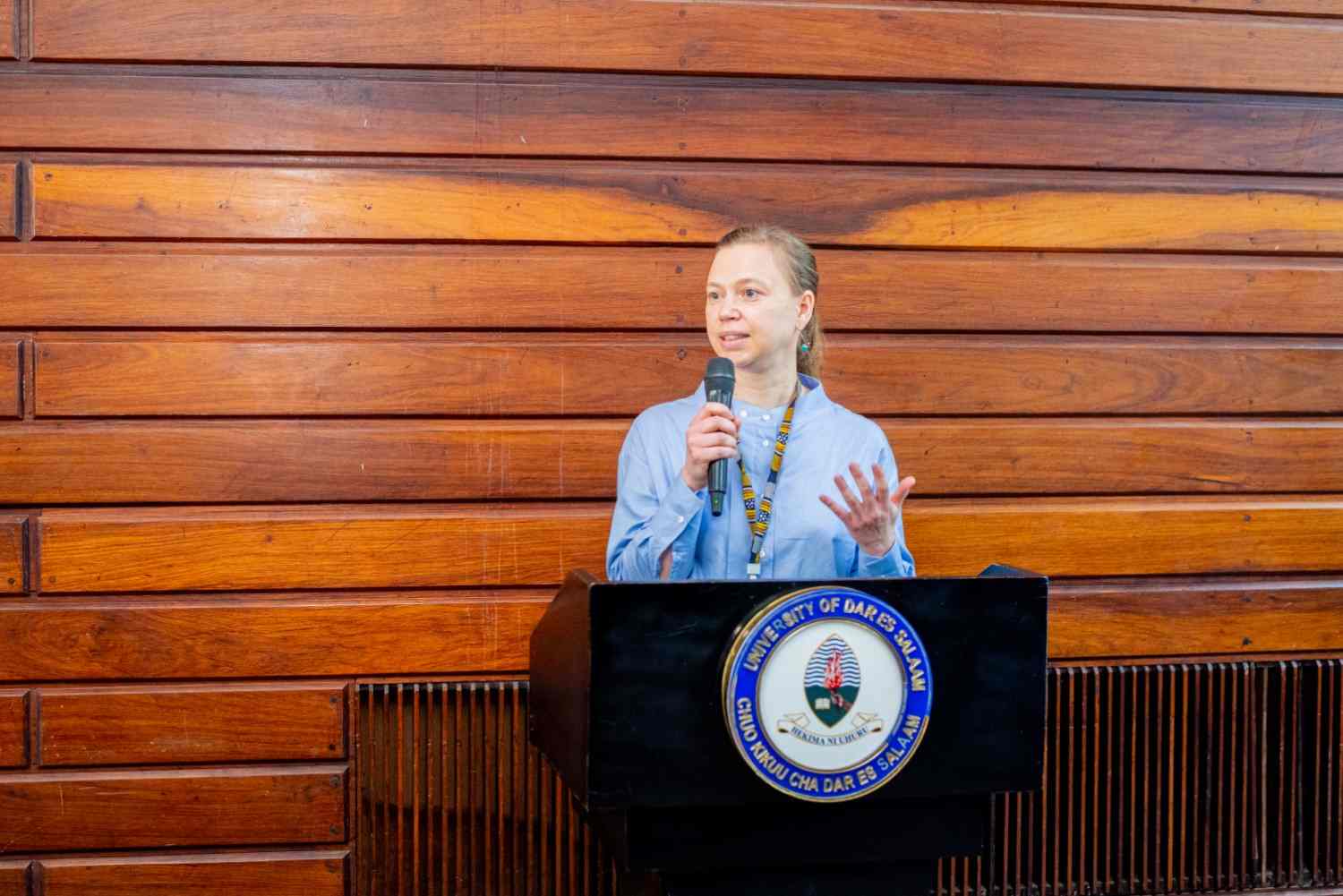
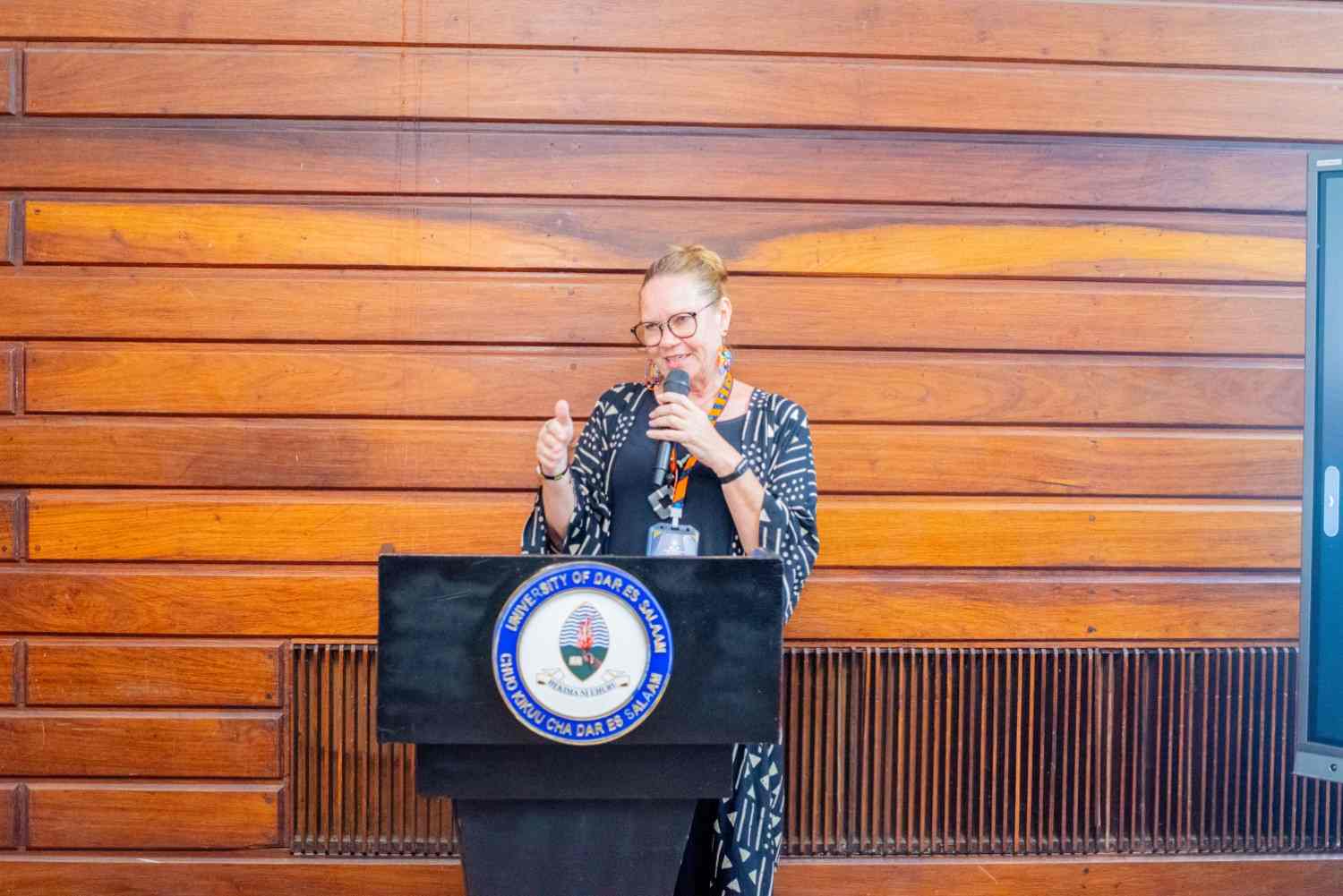
Presenting her research titled “Global Gen Z? Youth, Social Media and Transnational Solidarity,” Prof. Mette Fog Olwig of Roskilde University, Denmark, examined how digital platforms shape young people's identities, relationships and engagement with issues beyond their national borders.
She explained that social media enables young people to exchange ideas, build networks and develop a sense of belonging to a wider global generation. However, she cautioned against viewing Generation Z as a homogeneous group, noting that geographical location and differences in social and economic circumstances continue to shape their everyday experiences.
“Although social media connects young people across national borders, it does not mean they experience the same realities or have equal opportunities. Building global solidarity requires us to recognise the different local experiences and inequalities that shape young people's lives,” Prof. Olwig said.
She further observed that young people are often portrayed in contrasting ways: as vulnerable groups requiring protection, as energetic and innovative agents of change, or as potential sources of disruption. Such representations influence how societies understand Generation Z and formulate responses to their needs and aspirations.
Her presentation underscored the importance of building global youth solidarity without overlooking local inequalities and the different circumstances that determine young people's access to opportunities.
Universities must connect research with youth challenges
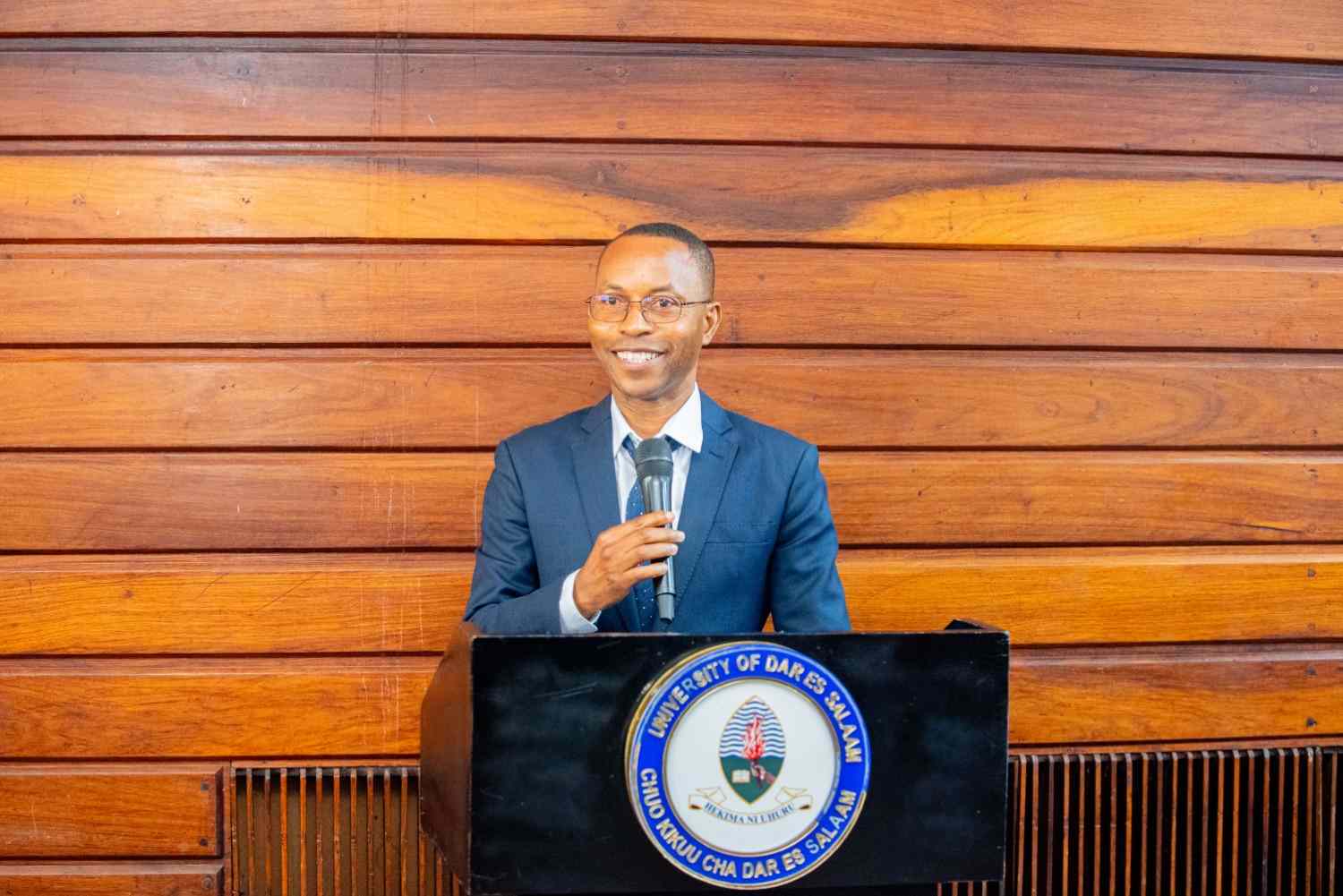
The Deputy Vice-Chancellor for Research, Prof. Nelson Boniface, emphasised that universities have a responsibility to investigate challenges facing young people and ensure that research findings contribute to public understanding and practical solutions.
He stressed that academic institutions must go beyond producing knowledge within university walls by communicating research findings to society and stimulating discussions that can inform responses to youth challenges, particularly economic empowerment.
“Universities around the world have a responsibility to conduct research on the challenges facing young people and to communicate these issues to society. Over these two days, we will discuss how we can help young people achieve economic empowerment,” Prof. Boniface said.
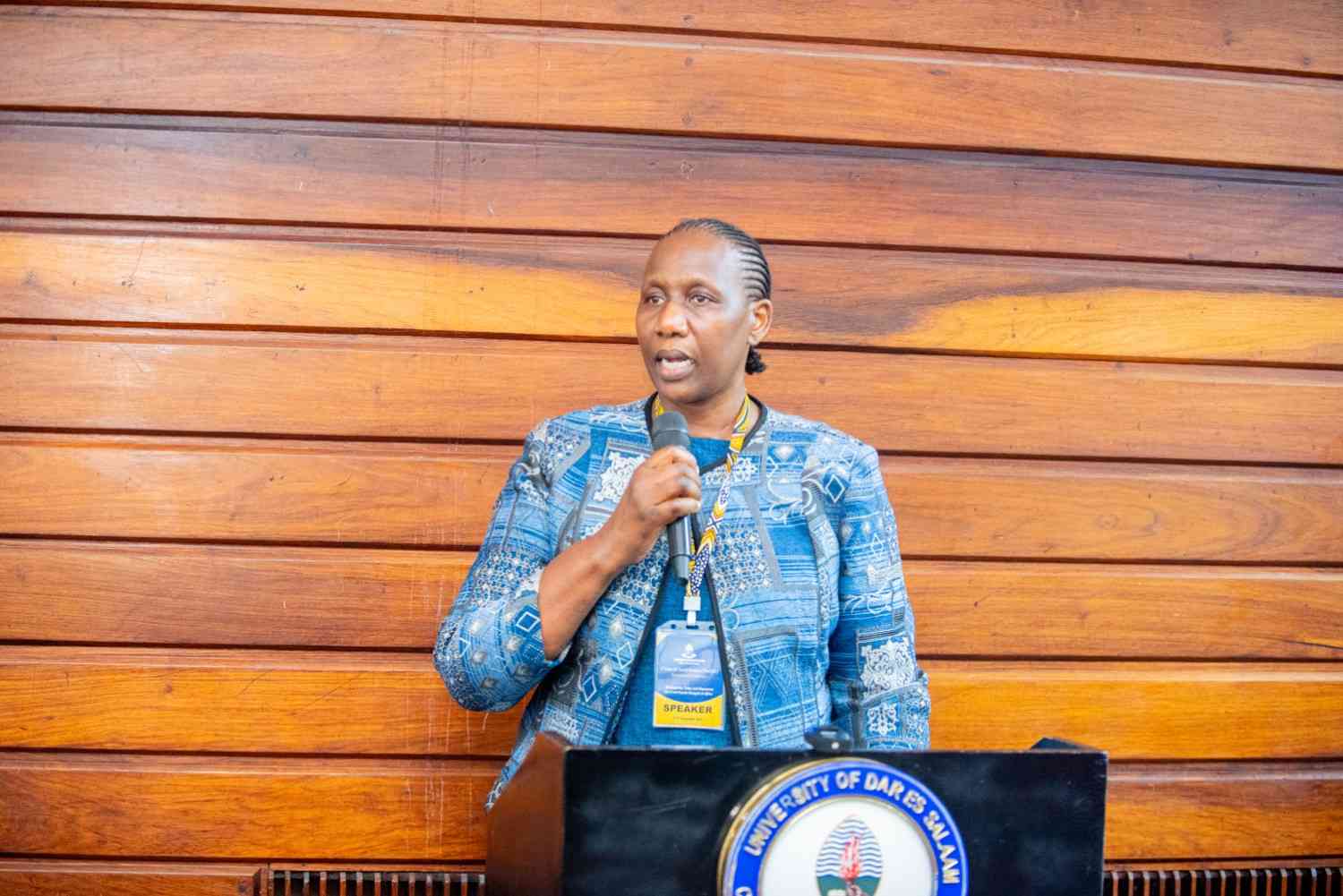
For the Principal of the College of Social Sciences (CoSS), Prof. Christine Noe, addressing the realities of Generation Z also requires understanding how scientific and technological developments, alongside climate change, are transforming young people's economic opportunities and livelihoods.
She emphasised that society must consider not only how these changes affect young people but also how institutions, governments and policymakers can guide them through the transformations while ensuring access to essential services and opportunities.
“More importantly, how does society move with and guide young people through these changes? And, from a policy perspective, how do we ensure that young people receive the services they deserve?” Prof. Noe said.
Turning youth aspirations into opportunities
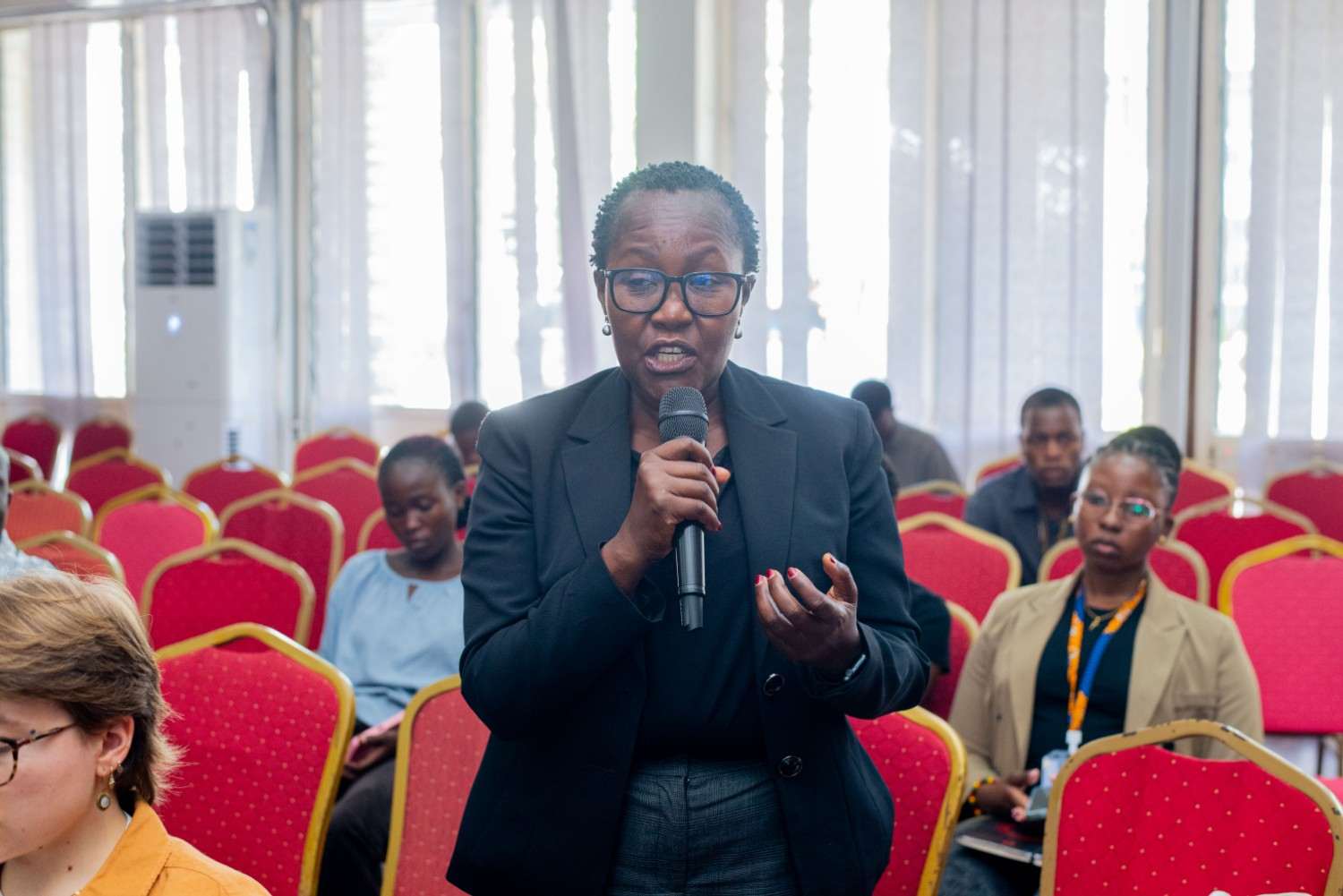
Held under the theme “Reimagining Today and Tomorrow: Gen Z and Popular Struggles in Africa,” the conference explores issues shaping the experiences and future of young people, including digital activism, social media, youth employment, entrepreneurship, democratic governance and accountability.
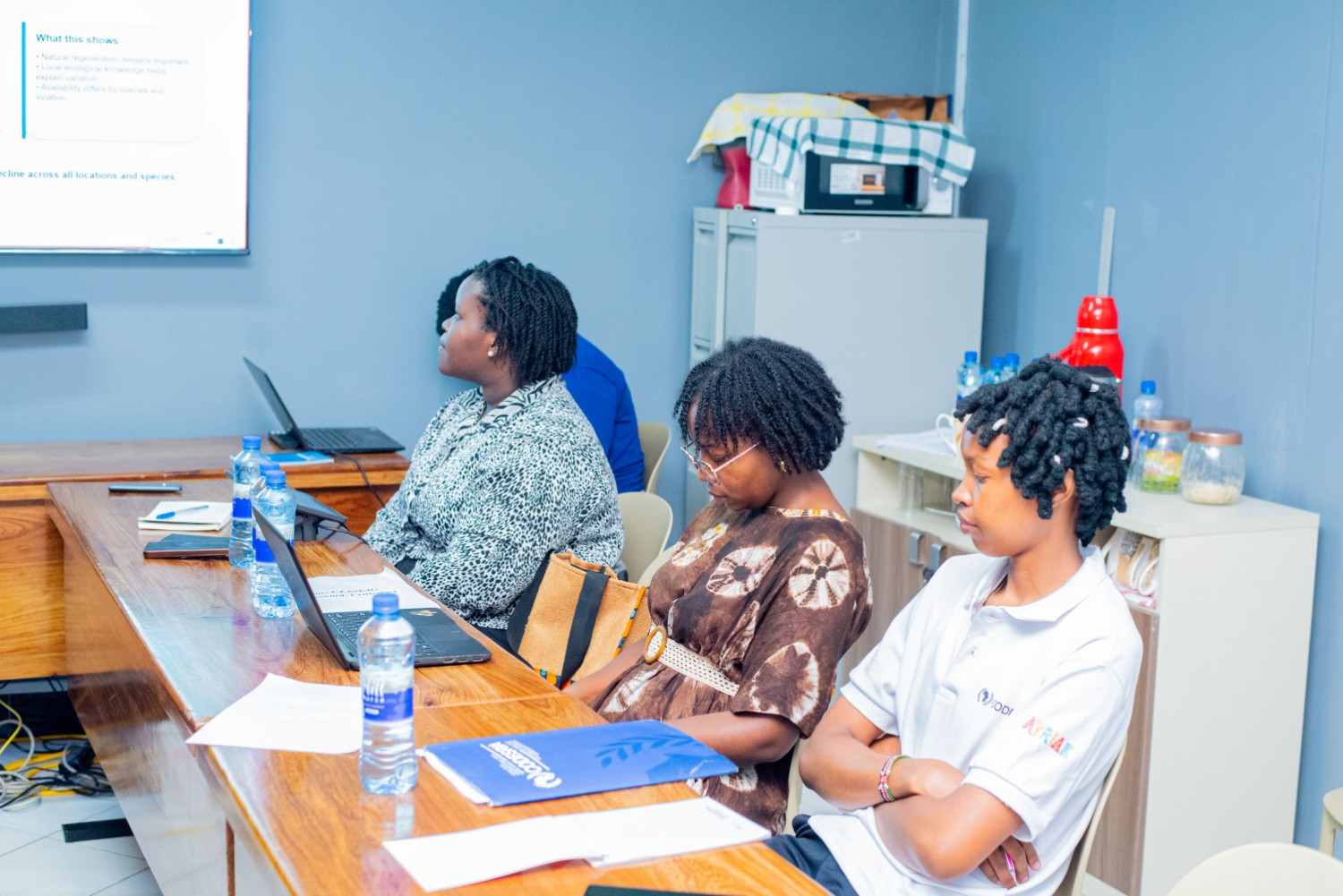
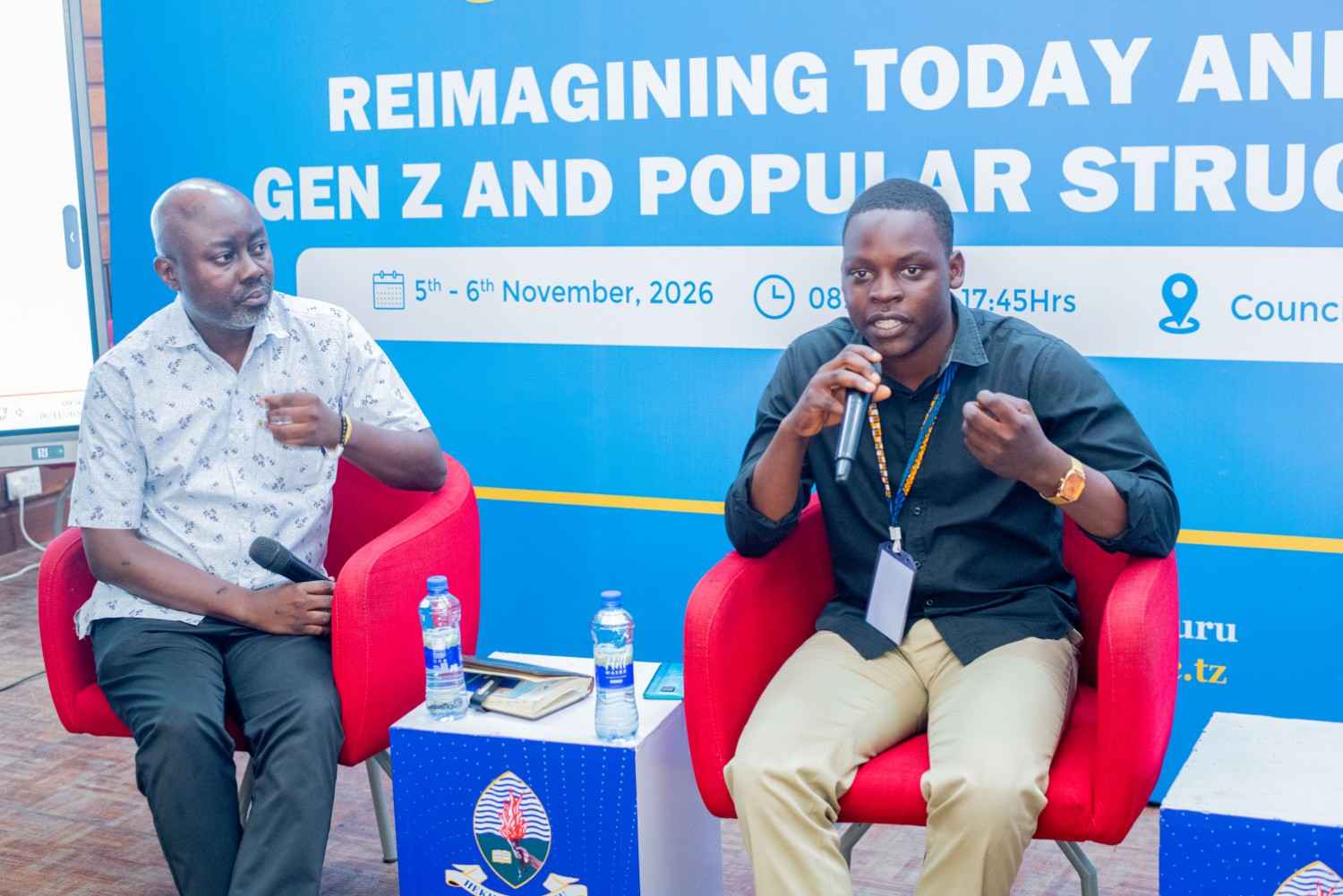
Researchers from Tanzania and other countries are presenting their findings and exchanging perspectives on the relationship between young people, technology, economic opportunities and social transformation.
The discussions highlight the need to understand young people's experiences in their different social and economic contexts, while ensuring that research informs policies and interventions capable of expanding opportunities and improving livelihoods.
For UDSM, the conference reinforces the University's role as a centre of research, knowledge exchange and public engagement, connecting academic inquiry with the challenges confronting society.
Ultimately, empowering Generation Z requires more than recognising their creativity, digital influence and ambitions. It calls for deliberate efforts by governments, institutions and society to address inequalities, expand access to opportunities and create an environment in which young people can translate their talents and aspirations into productive livelihoods and meaningful contributions to development.