



Data, AI and Risk Intelligence Take Centre Stage as UDSM Hosts National Actuarial Symposium
By Renancy Remmy, CMU
The University of Dar es Salaam has called for stronger investment in digital innovation, reliable data systems, and actuarial expertise as Tanzania works to build a resilient financial sector capable of responding to emerging economic risks and future uncertainties.
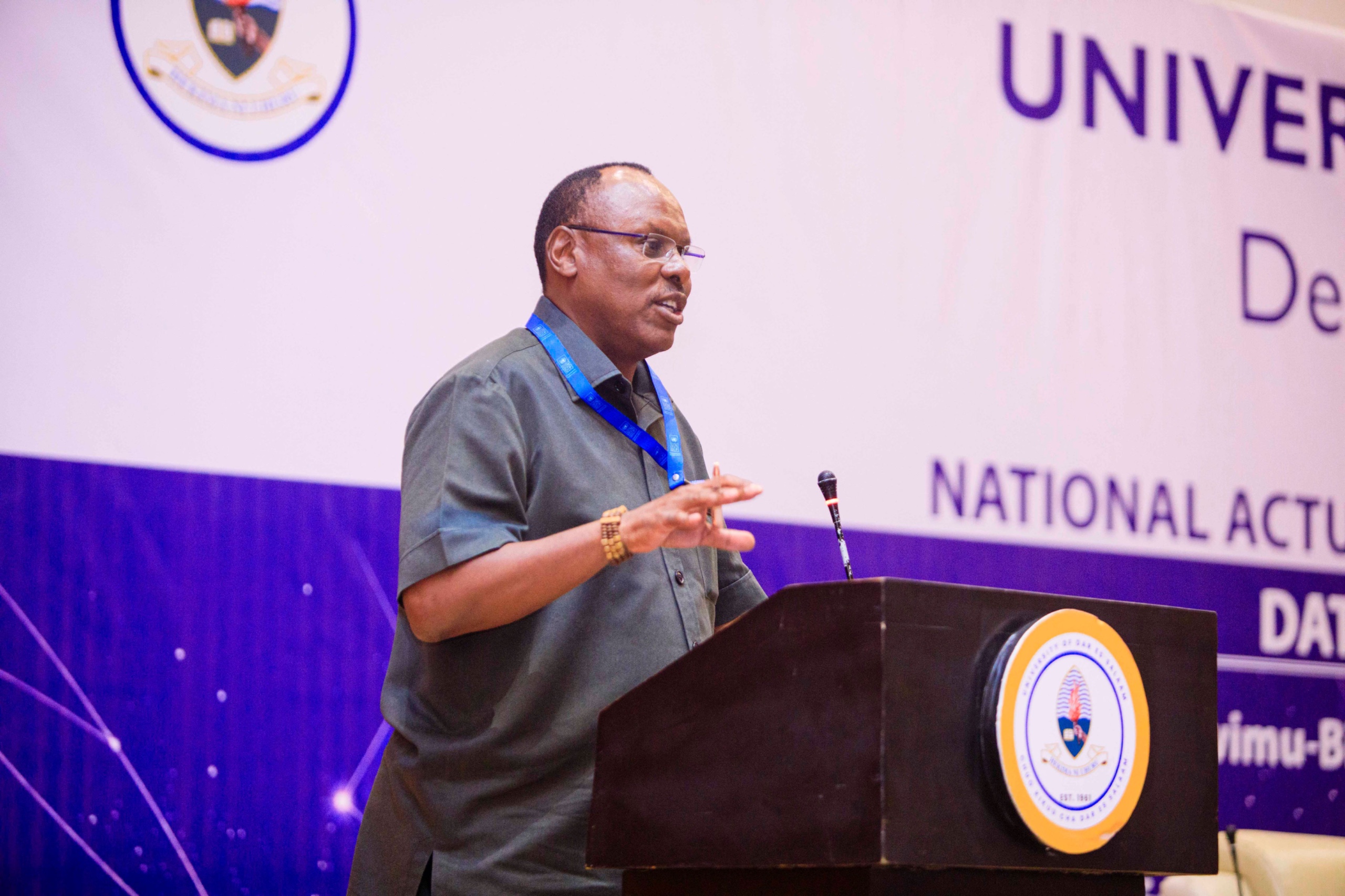
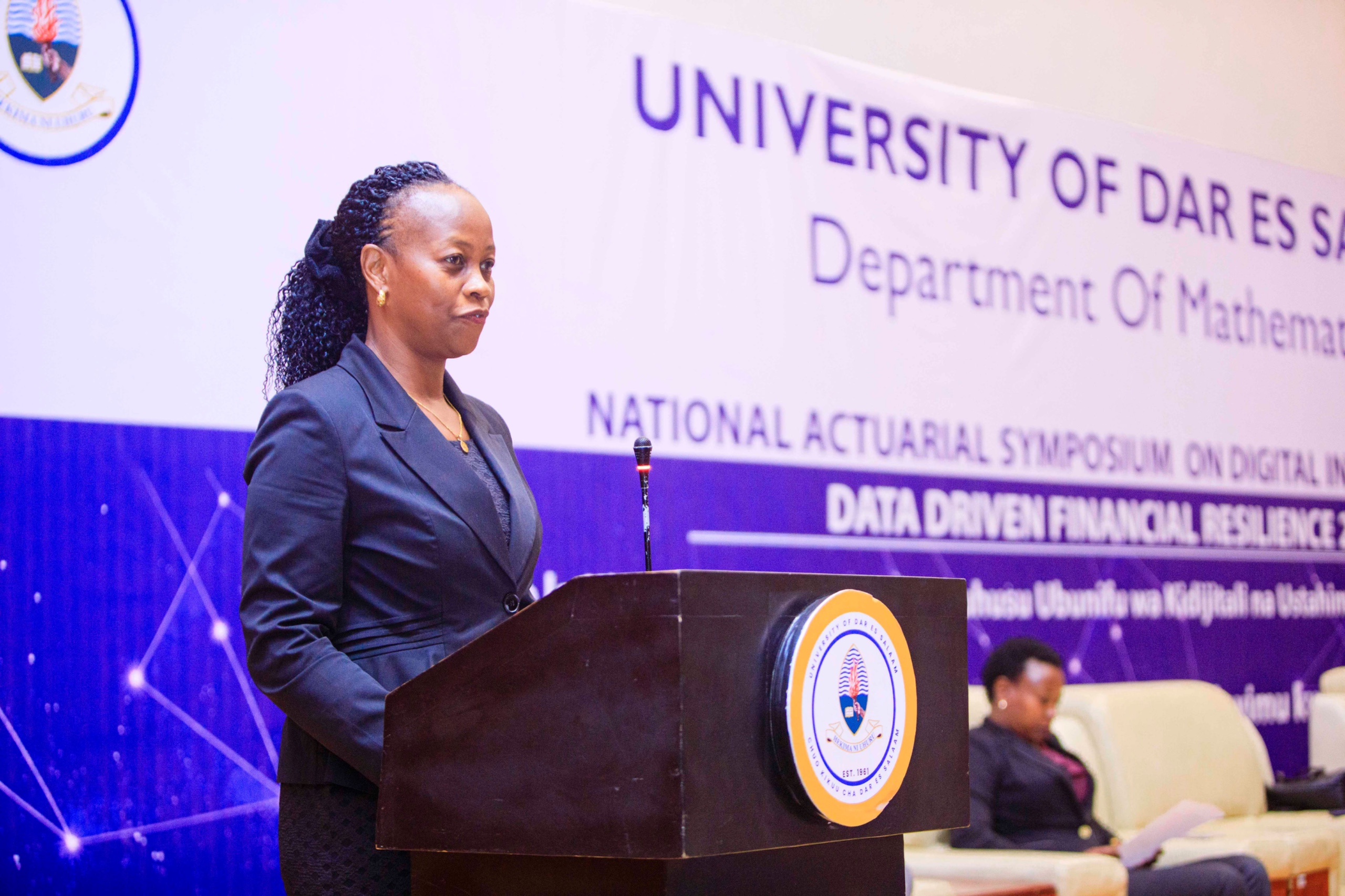
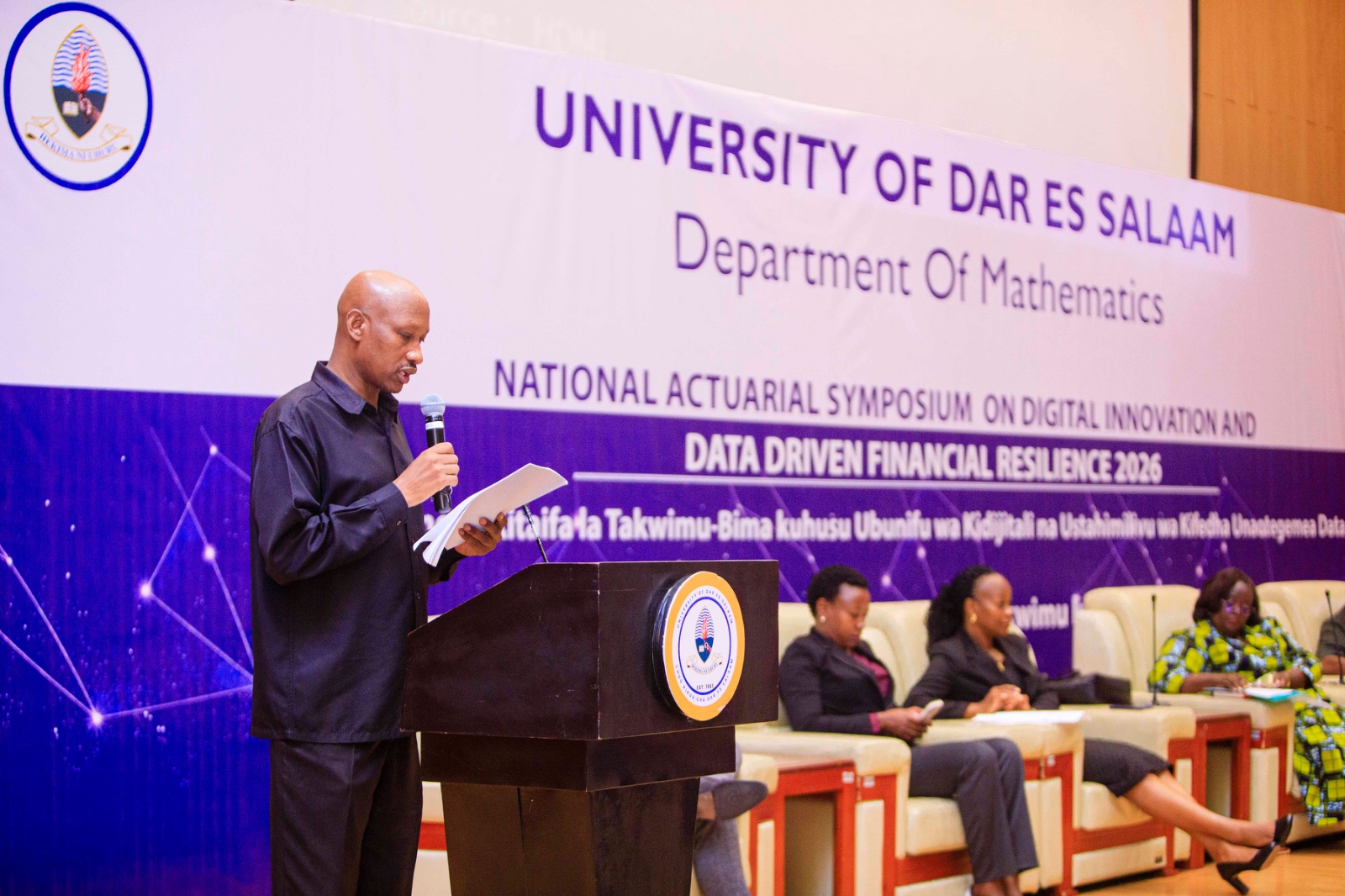
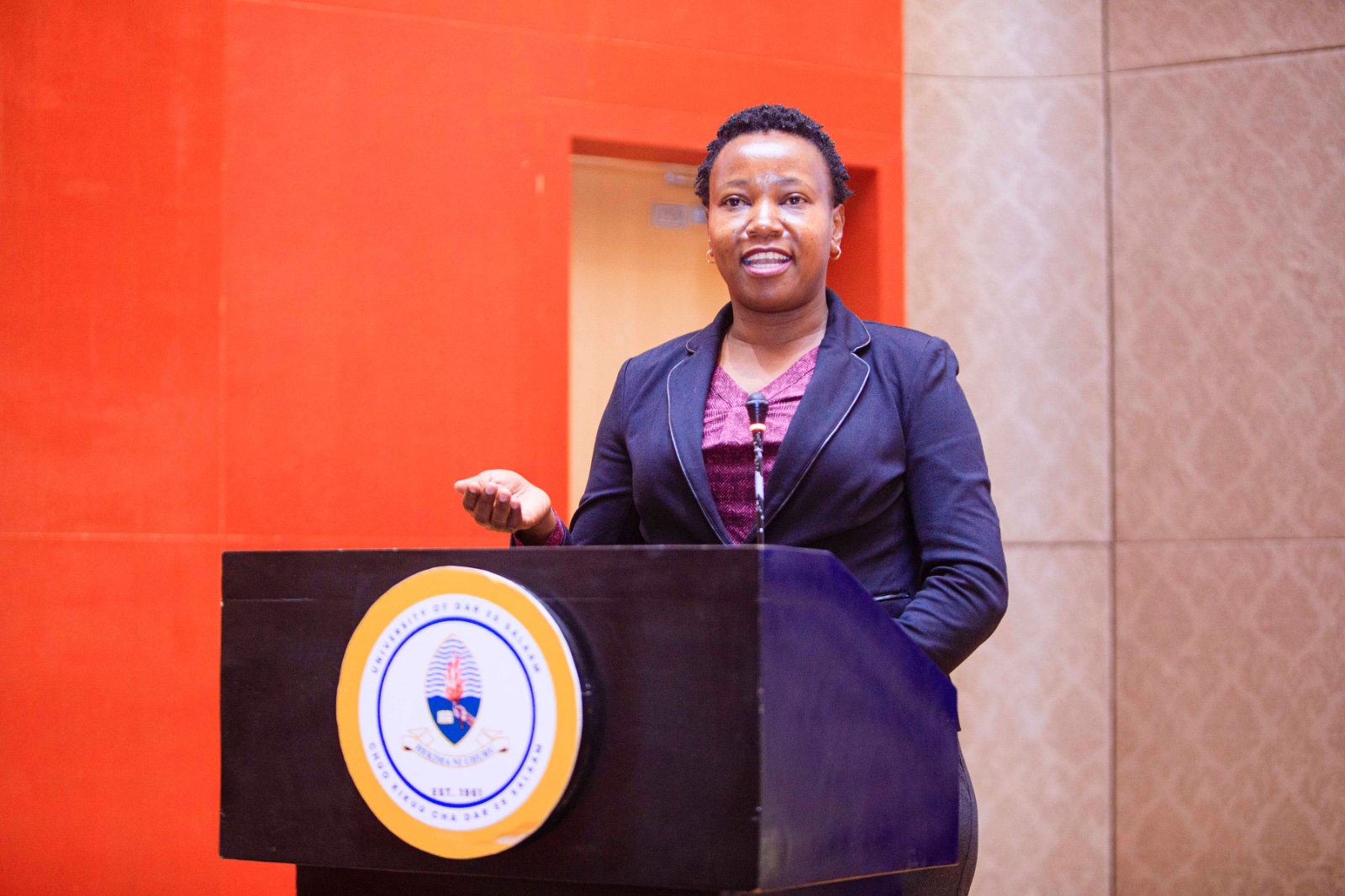
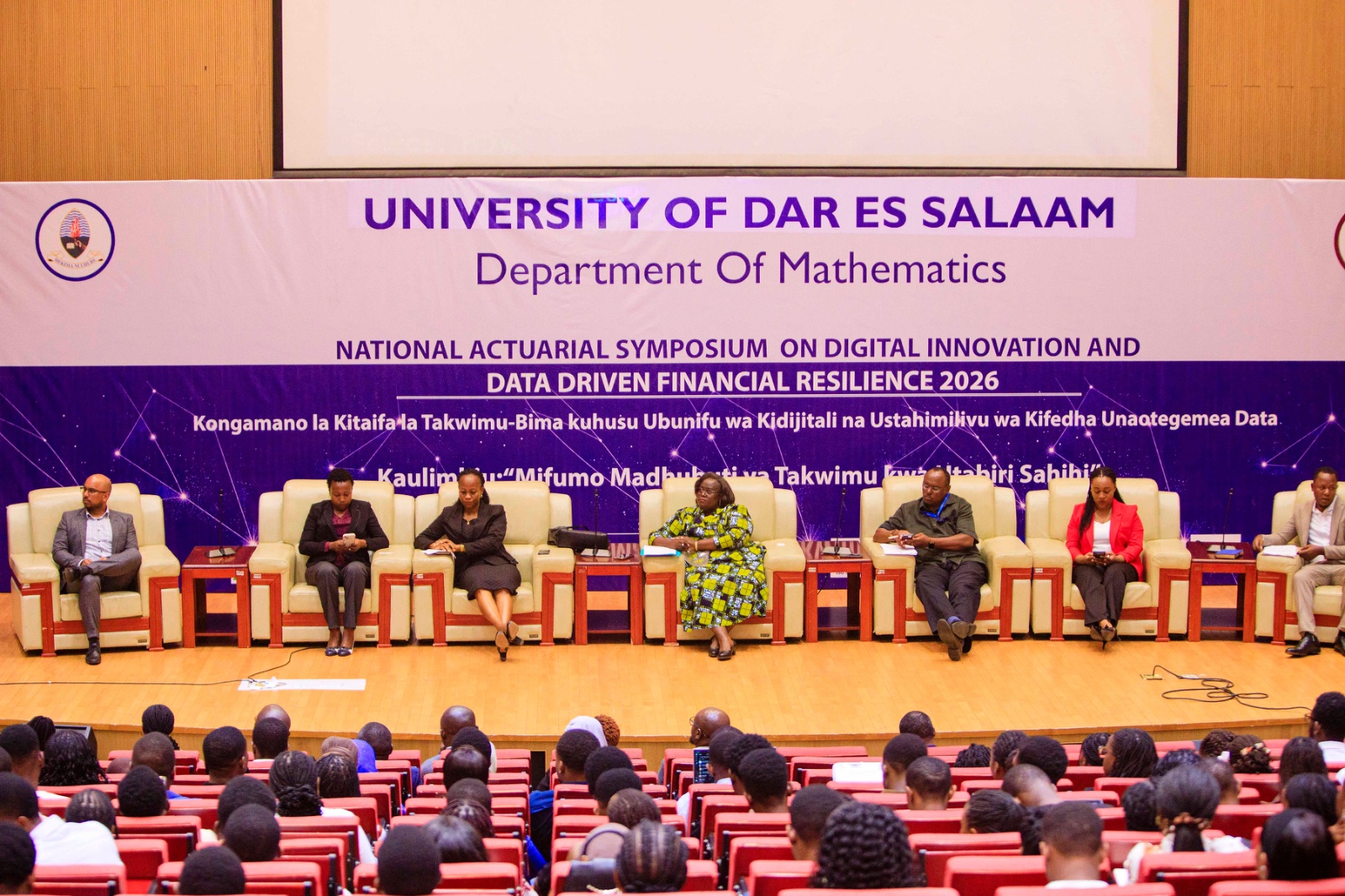
The call was made by Deputy Vice Chancellor – Academic, Prof. Rose A. Upor, while officiating the 2026 National Actuarial Symposium held at the University’s New Library Auditorium under the theme “Digital Innovation and Data-Driven Financial Resilience.”
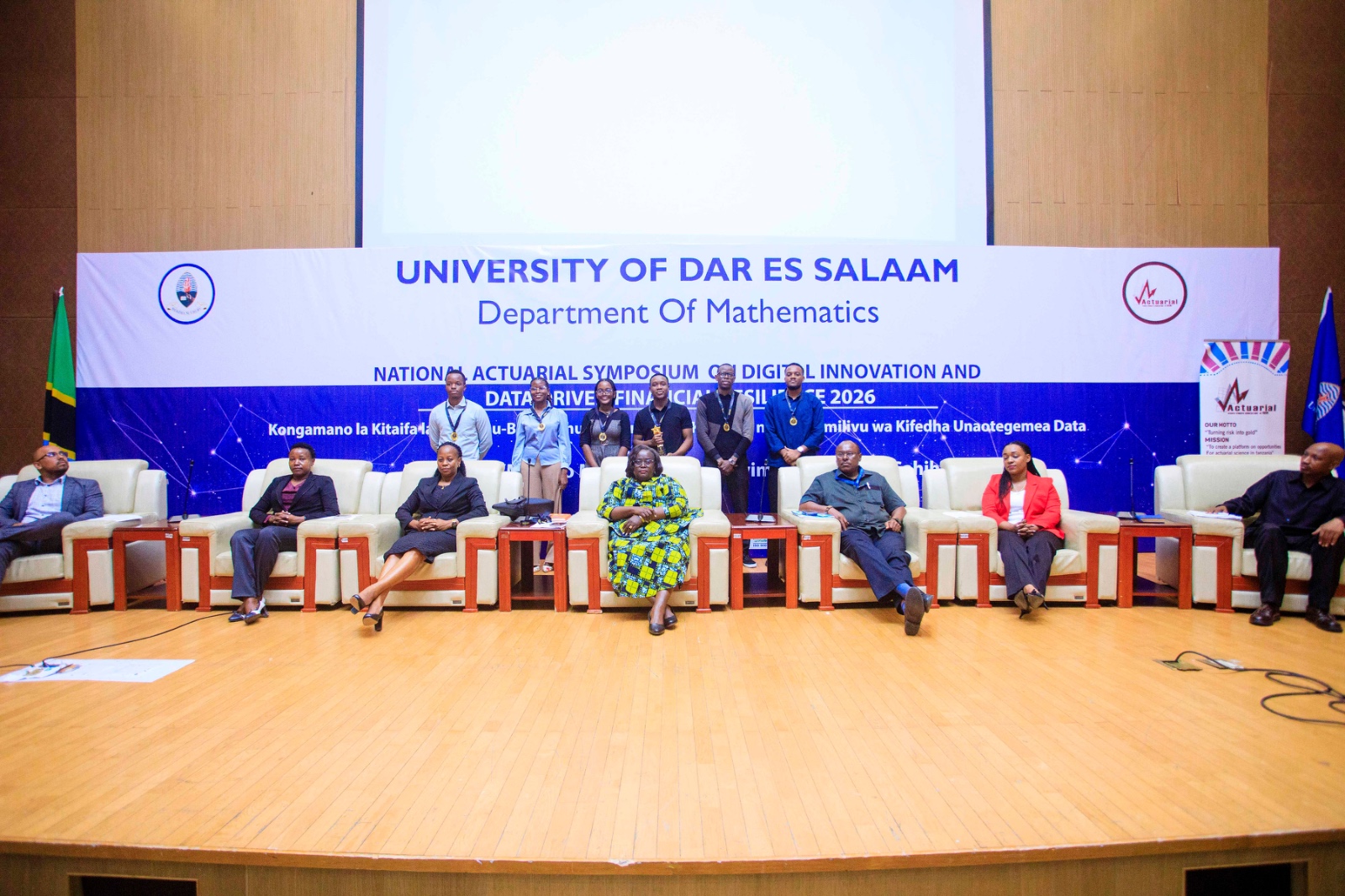
The high-level forum brought together government officials, regulators, development partners, scholars, industry leaders, and students to examine how technology, data, and actuarial science can strengthen Tanzania’s financial systems and long-term economic stability.
Prof. Upor said the symposium was timely as Tanzania advances sustainable development goals that require strong institutions, evidence-based planning, and effective management of financial risks.
She noted that actuarial science remains one of the most strategic professions in modern economies, providing practical solutions in insurance, pensions, healthcare financing, investment planning, and risk forecasting.
“Actuaries play a key role in helping institutions forecast uncertainty, manage liabilities, and make informed long-term decisions,” she said.
According to her, countries that invest in actuarial capacity are better positioned to protect citizens, strengthen financial systems, and respond effectively to shocks such as climate change, disease outbreaks, and economic instability.
Tanzania needs more actuarial talent
Prof. Upor said Tanzania’s expanding economy and rapidly growing financial sector require a larger pool of skilled actuarial professionals to support national priorities, including social protection systems, pension fund sustainability, and financial inclusion.
She stressed that actuarial expertise will become increasingly critical as the country modernises public finance systems and broadens access to insurance and retirement security.
Turning to digital transformation, Prof. Upor said emerging technologies such as Artificial Intelligence, machine learning, blockchain, and big data analytics are redefining actuarial practice across the world.
She explained that modern actuarial work increasingly depends on real-time information systems capable of generating faster, more accurate, and predictive insights for decision-makers.
“Tanzania stands to benefit greatly from the growth of mobile connectivity, digital payments, and financial technology services. These developments can support affordable and inclusive financial products that reach underserved communities”, she said.
She added that data must now be treated as a strategic national asset capable of improving planning, predicting risks, and strengthening resilience in both public and private institutions.
However, she cautioned that data governance must be guided by privacy, security, and ethical standards in order to maintain public trust.
Prof. Upor also highlighted the responsibility of universities in preparing future professionals for a rapidly changing labour market.
She urged higher learning institutions to continuously review academic programmes so they include data science, fintech, artificial intelligence, and advanced analytics.
She further called for stronger collaboration between universities and industry to ensure students graduate with practical, market-ready skills.
She added that, students should embrace innovation, interdisciplinary learning, and continuous self-development to remain globally competitive.
Collaboration key to sector growth
Earlier, Dr. Marco Mpimbo said the symposium demonstrates the growing importance of cooperation between universities, industry, and development institutions.
He noted that the platform creates opportunities for exchanging ideas, sharing experiences, and building partnerships that can strengthen actuarial education in Tanzania.
Dr. Mpimbo also commended participation from Ardhi University, University of Dodoma, and Institute of Finance Management, saying such engagement broadens professional networks and expands learning opportunities for students.
Deputy Resident Representative of the United Nations Development Programme, John Rutere, urged students to think beyond formal employment and embrace entrepreneurship as a pathway to innovation and wealth creation.
He said many successful enterprises began as student ideas later transformed into practical solutions for society.
“Young people should use their academic knowledge to solve challenges facing industries, communities, and public institutions,” he said.
Mr. Rutere reaffirmed UNDP’s commitment to supporting universities through mentorship, innovation programmes, workshops, and initiatives aimed at strengthening data capacity among students and young professionals.
Industry linkages and practical learning
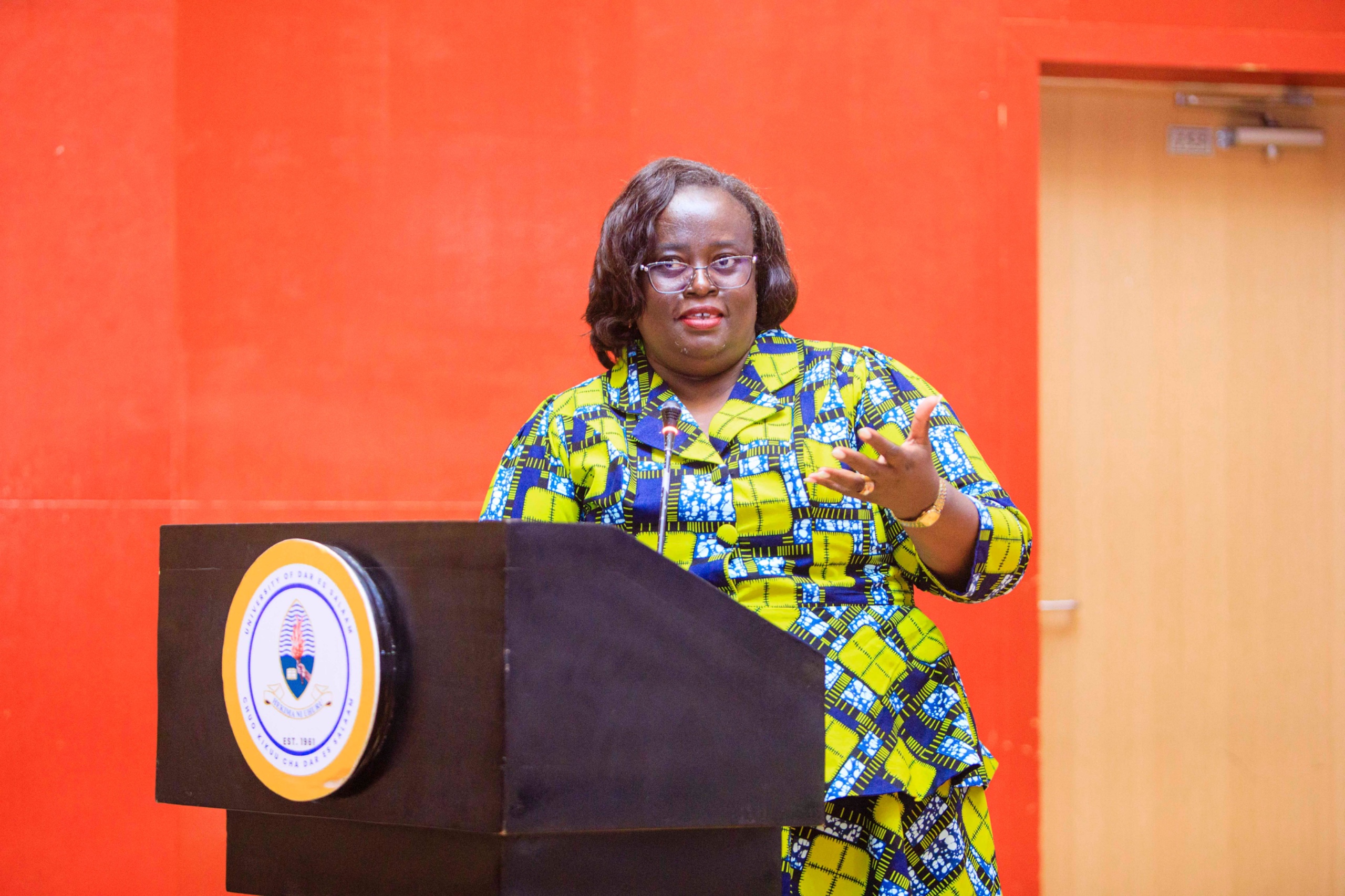
Also speaking, Dr. Eva Shayo from the Directorate of Public Service stressed the need for closer partnerships between universities and the private sector.
She said industries should present real challenges that can be solved through research, innovation, and student engagement.
Such collaboration, she noted, creates opportunities for internships, consultancy, applied research, and career growth.
She also encouraged students to build strong professional networks during their studies, noting that relationships developed at university can open doors to employment, mentorship, and entrepreneurship.
The Coordinator of the UDSM Actuarial Research Team, Dr. Agnella Nemuo Mandia, described the symposium as an important knowledge platform linking actuarial science, technology, and finance at a time when institutions increasingly rely on data for decision-making.
She said strong data ecosystems are essential for predictive modelling, financial resilience, and sustainable risk management across sectors.
With data now central to decision-making and AI reshaping financial systems, the symposium reinforced one message clearly: Tanzania’s future resilience will depend not only on capital—but on talent, analytics, and smart risk management.