
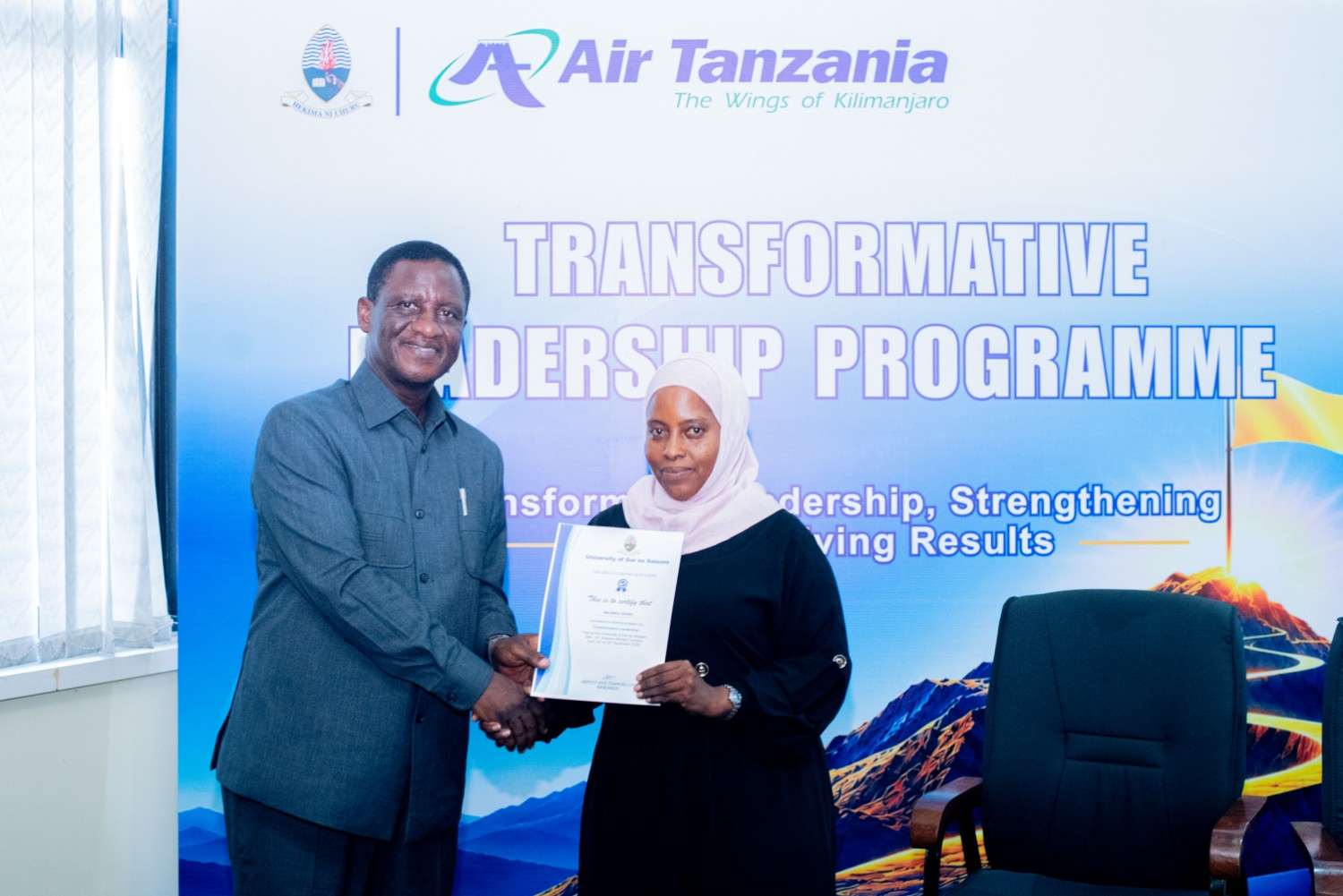
UDSM Equips ATCL Leaders with Strategic Skills to Drive Institutional Transformation
By Erca Kisoli, CMU
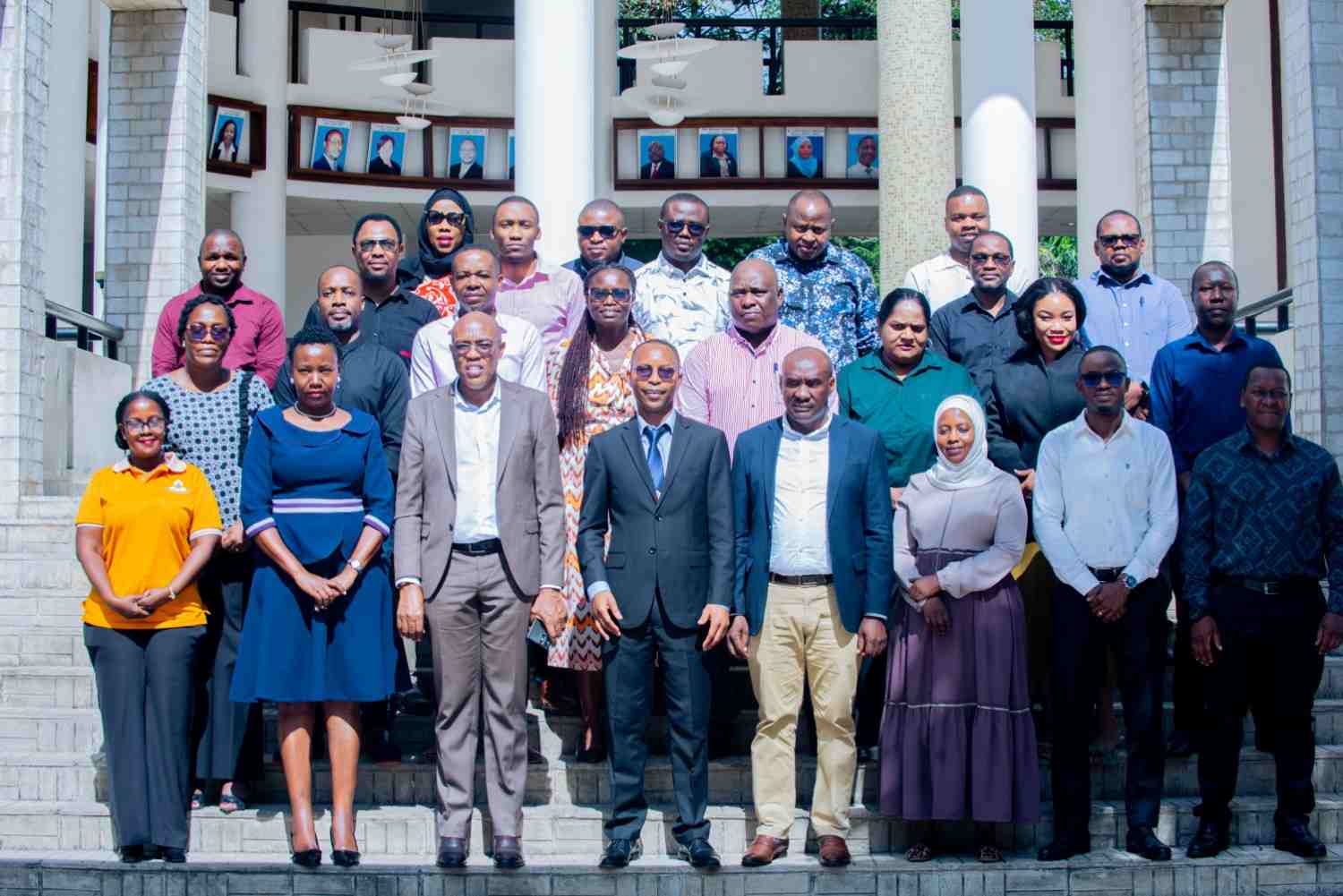
The University of Dar es Salaam (UDSM) has strengthened the leadership and management capacity of Tanzania Air Company (ATCL) managers and supervisors through a strategic leadership training programme aimed at equipping them with the skills to address institutional challenges, improve performance and drive organisational transformation.
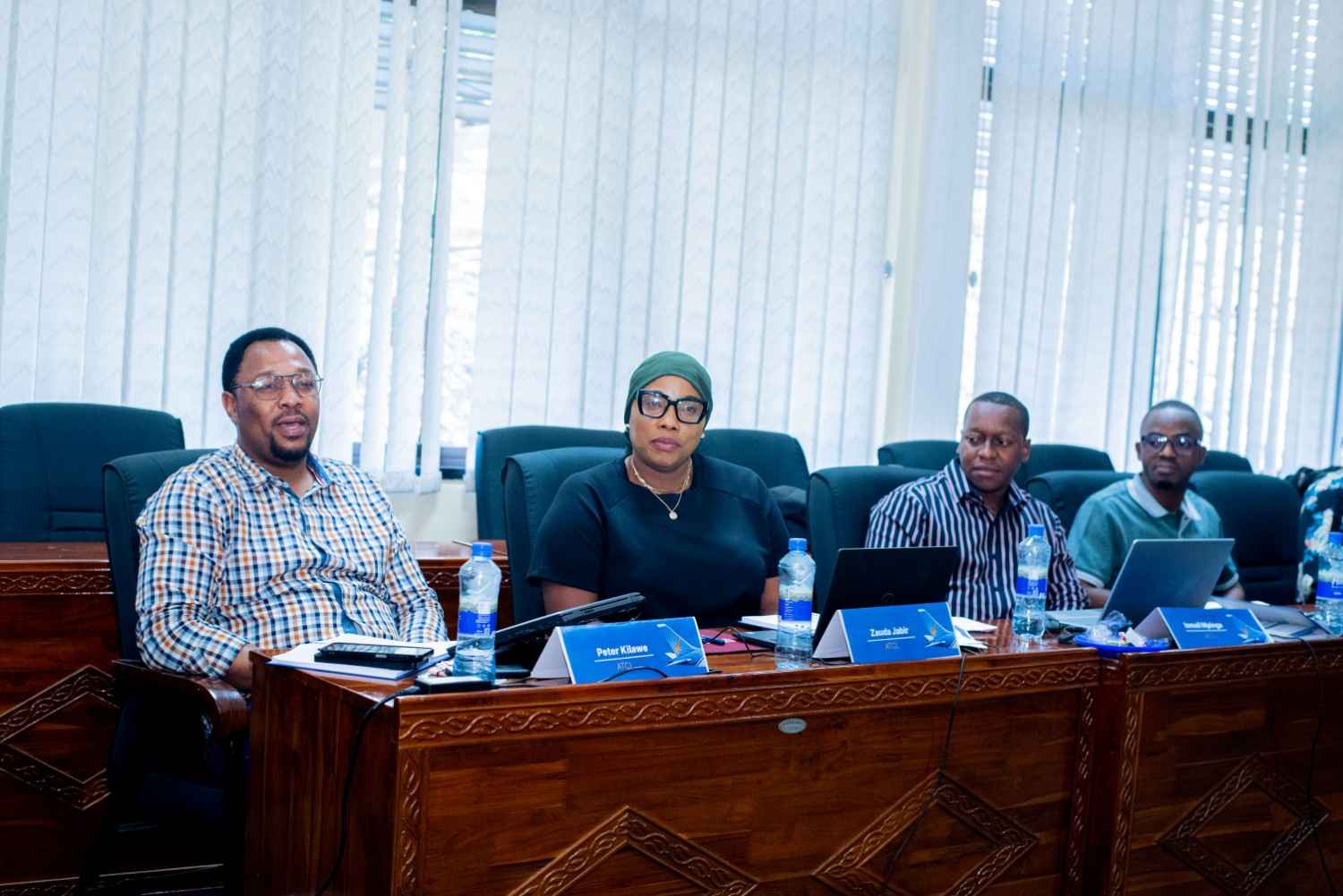
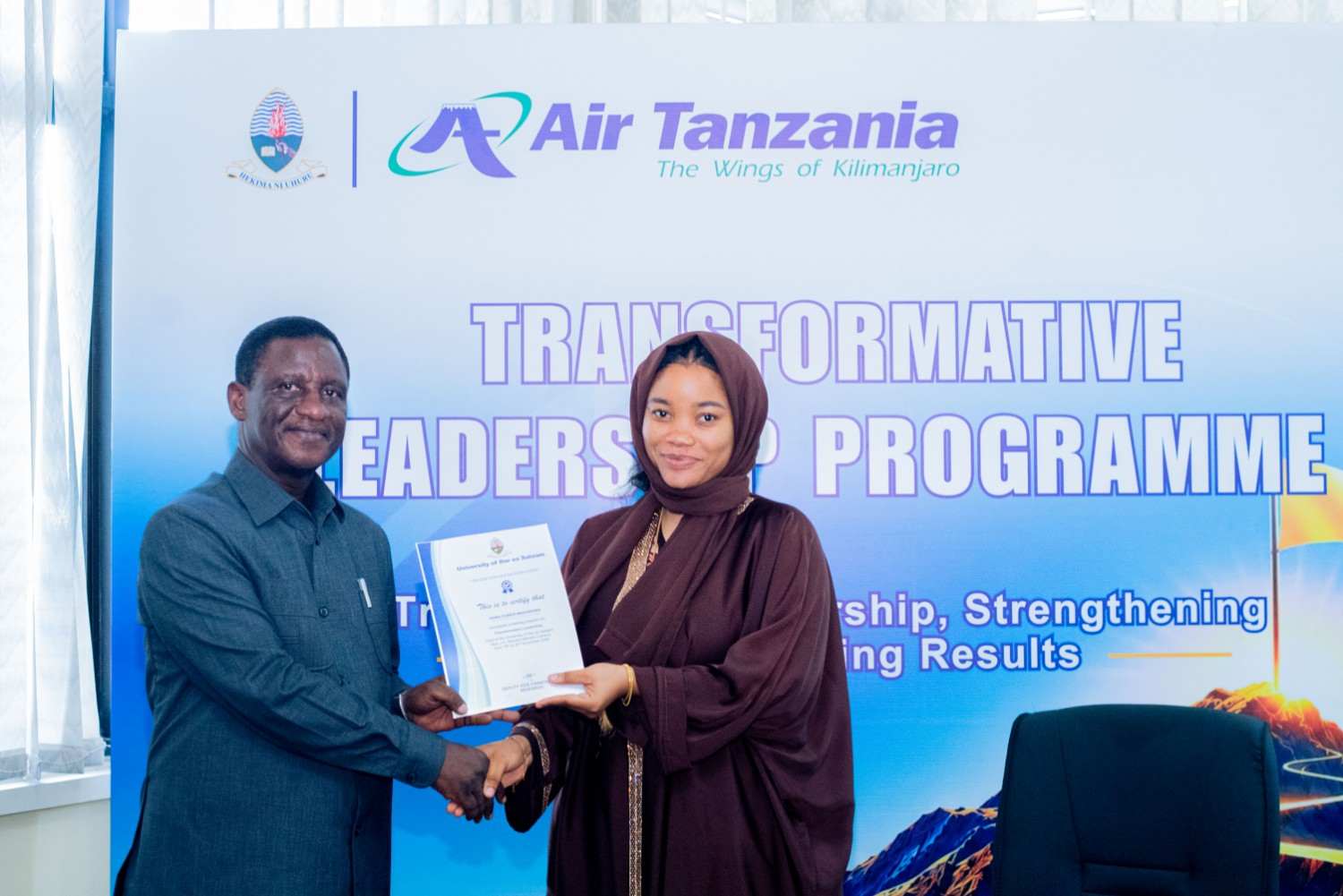
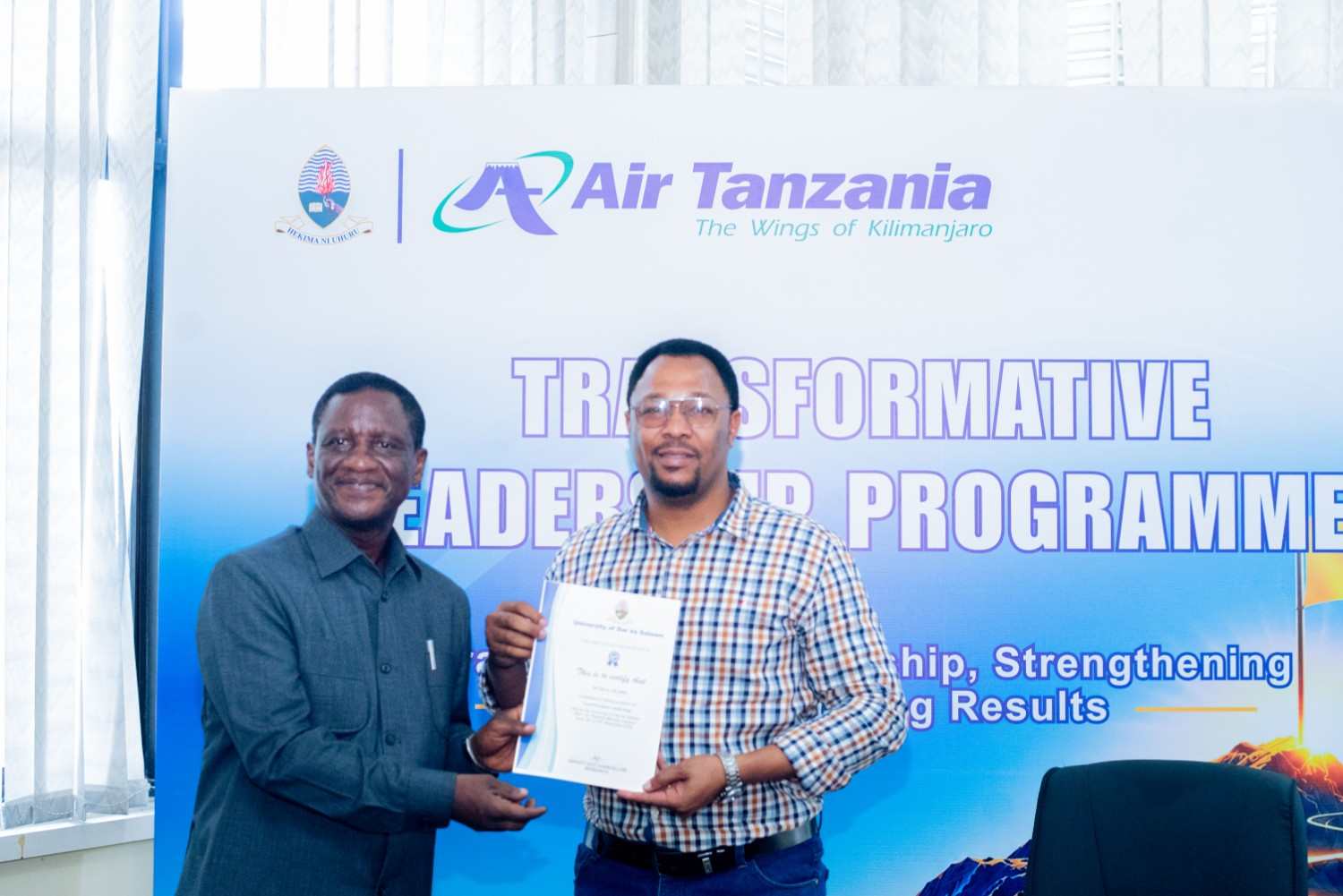
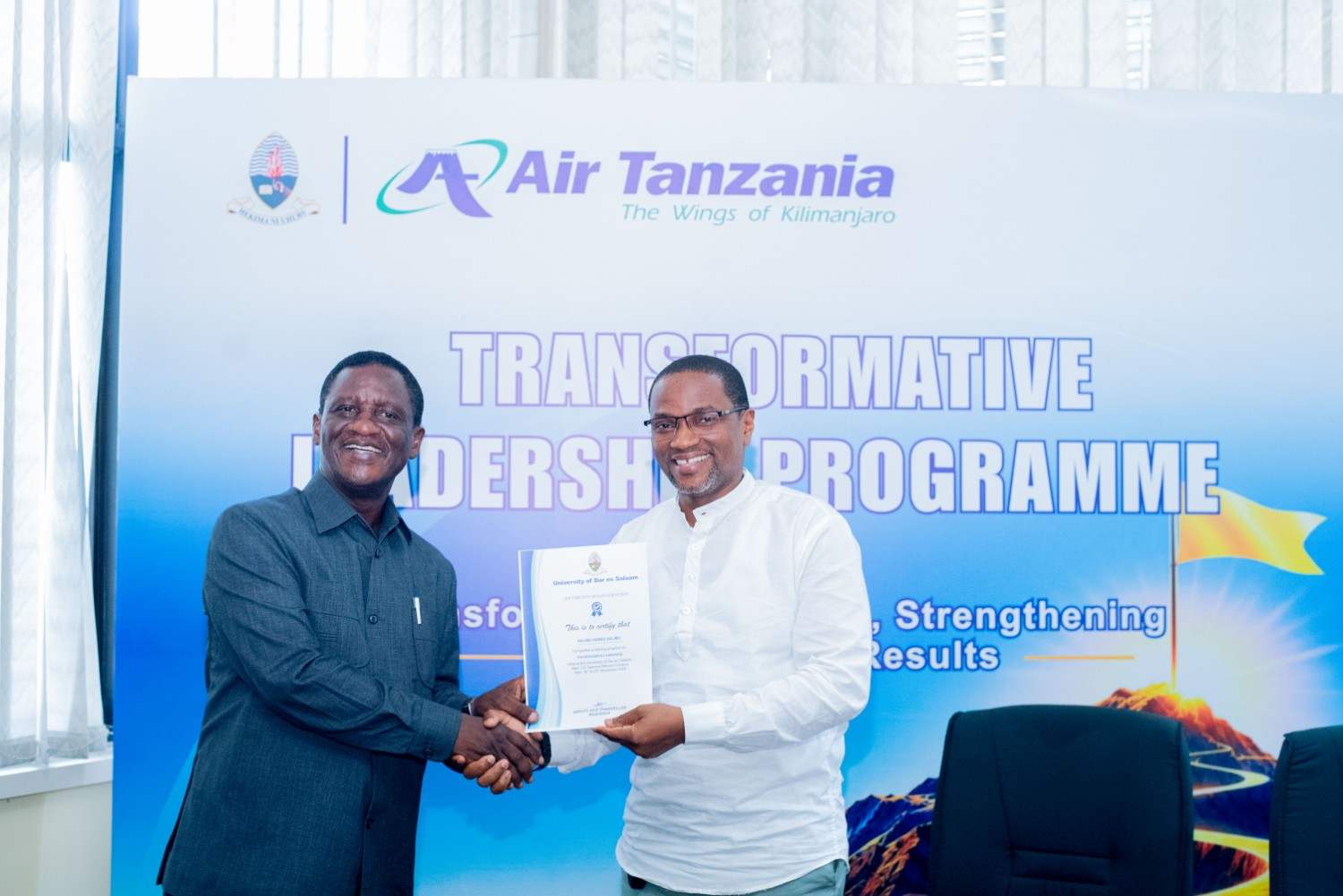
The three-day programme, held from November 18 to 20, 2026, brought together the second cohort of ATCL managers and supervisors, including managers and station supervisors from various locations within and outside Tanzania.
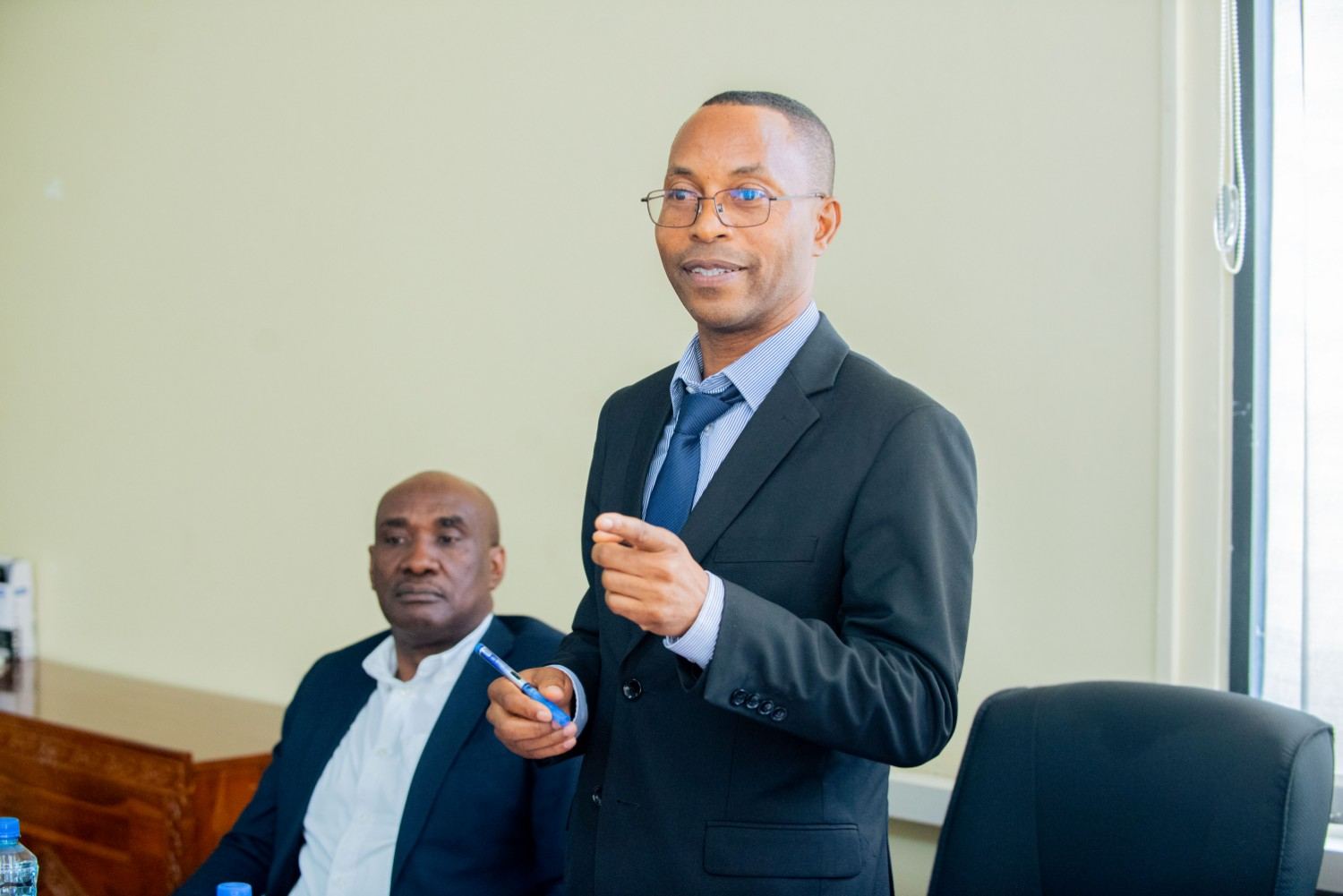
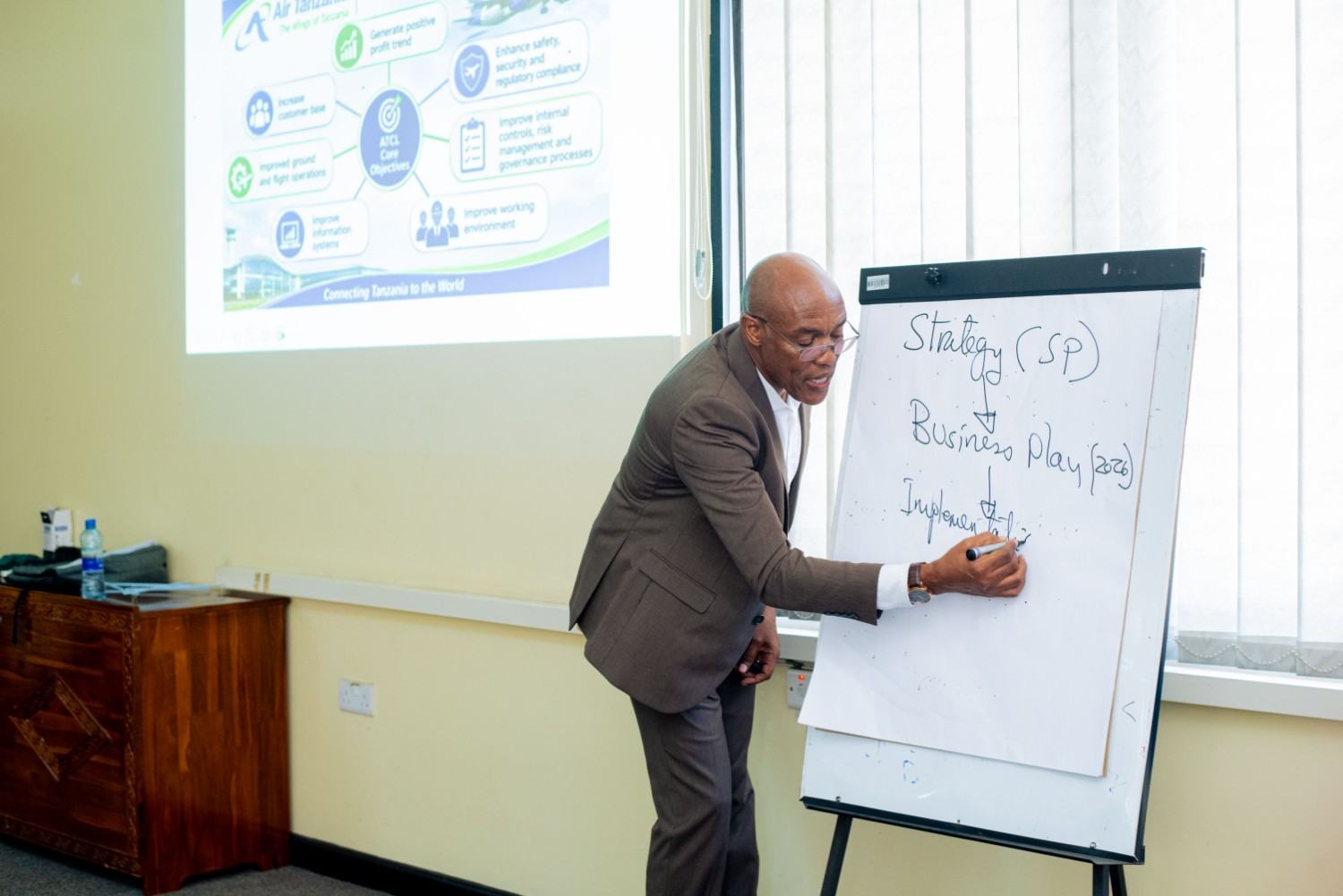
Speaking during the training, Prof. Goodluck Urasa of the University of Dar es Salaam Business School (UDBS), who was among the facilitators, challenged participants to move beyond routine administrative responsibilities and embrace strategic thinking, critical analysis and innovative problem-solving.
He said effective leaders should be able to assess their working environments, identify emerging challenges and develop practical solutions that enable their institutions to achieve their strategic objectives.
“As you advance in your profession and rise through the leadership ranks, you are increasingly expected to become a centre of thinking and problem-solving. A leader should not simply complain about challenges but should analyse them and identify the best ways to address them,” said Prof. Urasa.
He emphasised that leadership was not about personally undertaking every task but about providing direction, building effective teams, establishing efficient systems and empowering employees to deliver results.
“A leader’s responsibility is to ensure that work is accomplished effectively through sound systems and the people they lead. It is therefore important to build the capacity of others, listen to them, provide feedback and support them in achieving the expected results,” he said.
Prof. Urasa further observed that the aviation industry operates in a demanding environment that requires leaders to make informed and timely decisions while considering critical factors such as safety, customer expectations, competition and technological changes.
UDSM deepens Academia-Industry collaboration
Officially opening the training, UDSM Deputy Vice Chancellor for Research, Prof. Nelson Boniface, underscored the importance of partnerships between universities, government institutions and the private sector in connecting academic knowledge with practical industry needs.
He said collaboration enables universities to translate their research, expertise and knowledge into practical solutions that address institutional and sector-specific challenges.
“Collaboration between universities and different sectors is important because it enables us to connect academic knowledge with the actual needs of those sectors. Through such partnerships, higher learning institutions continue to remain relevant to society,” said Prof. Boniface.
He also highlighted the importance of the micro-credentials framework, which creates opportunities to recognise and value knowledge, experience and competencies acquired through workplace practice and short-term professional training.
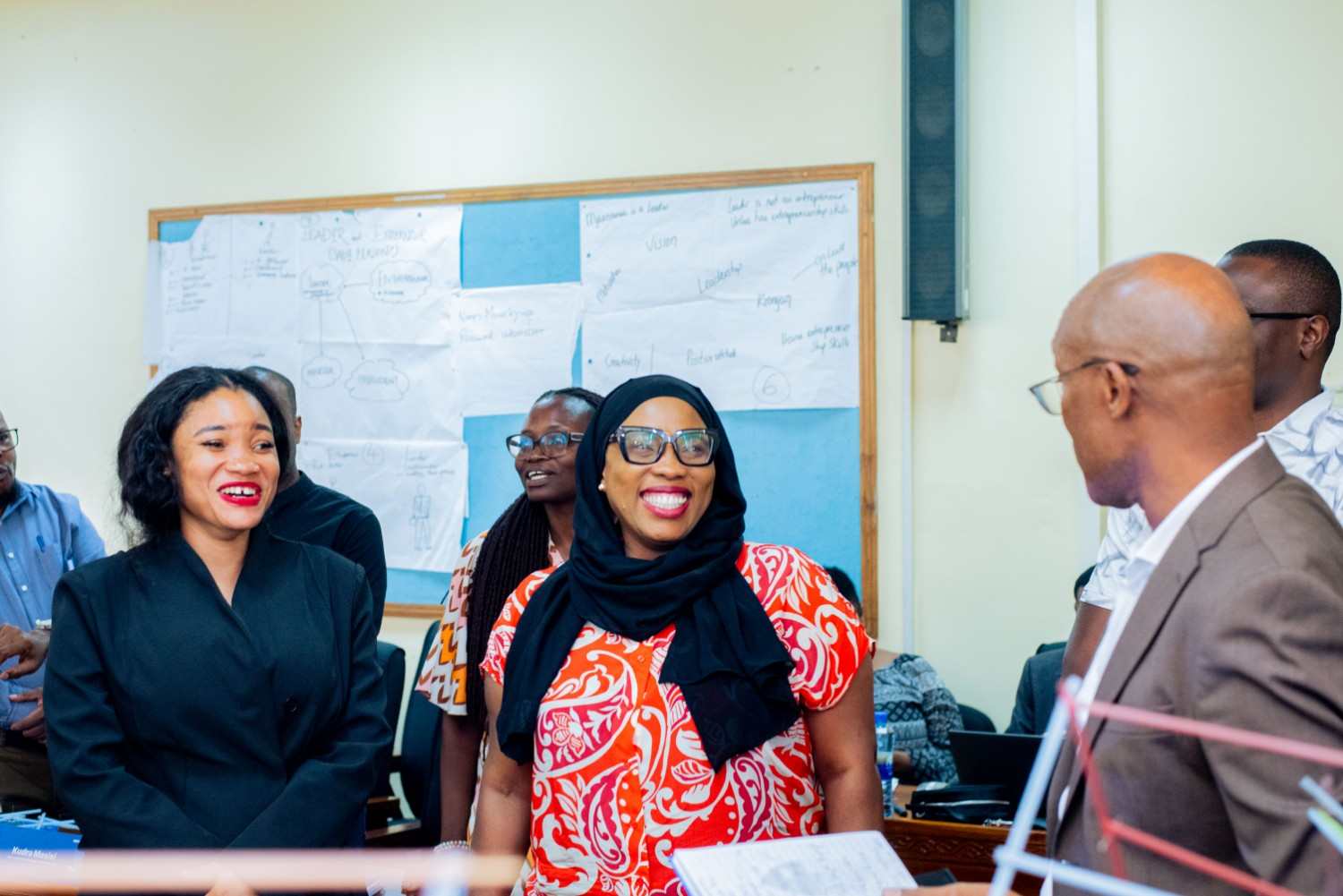
Prof. Boniface urged participants to actively engage in the sessions and apply the knowledge gained to improve their leadership and professional performance.
He further encouraged them to include the training in their curricula vitae (CVs), noting that the competencies acquired would contribute to their professional development and career progression.
ATCL reaffirms confidence in UDSM partnership
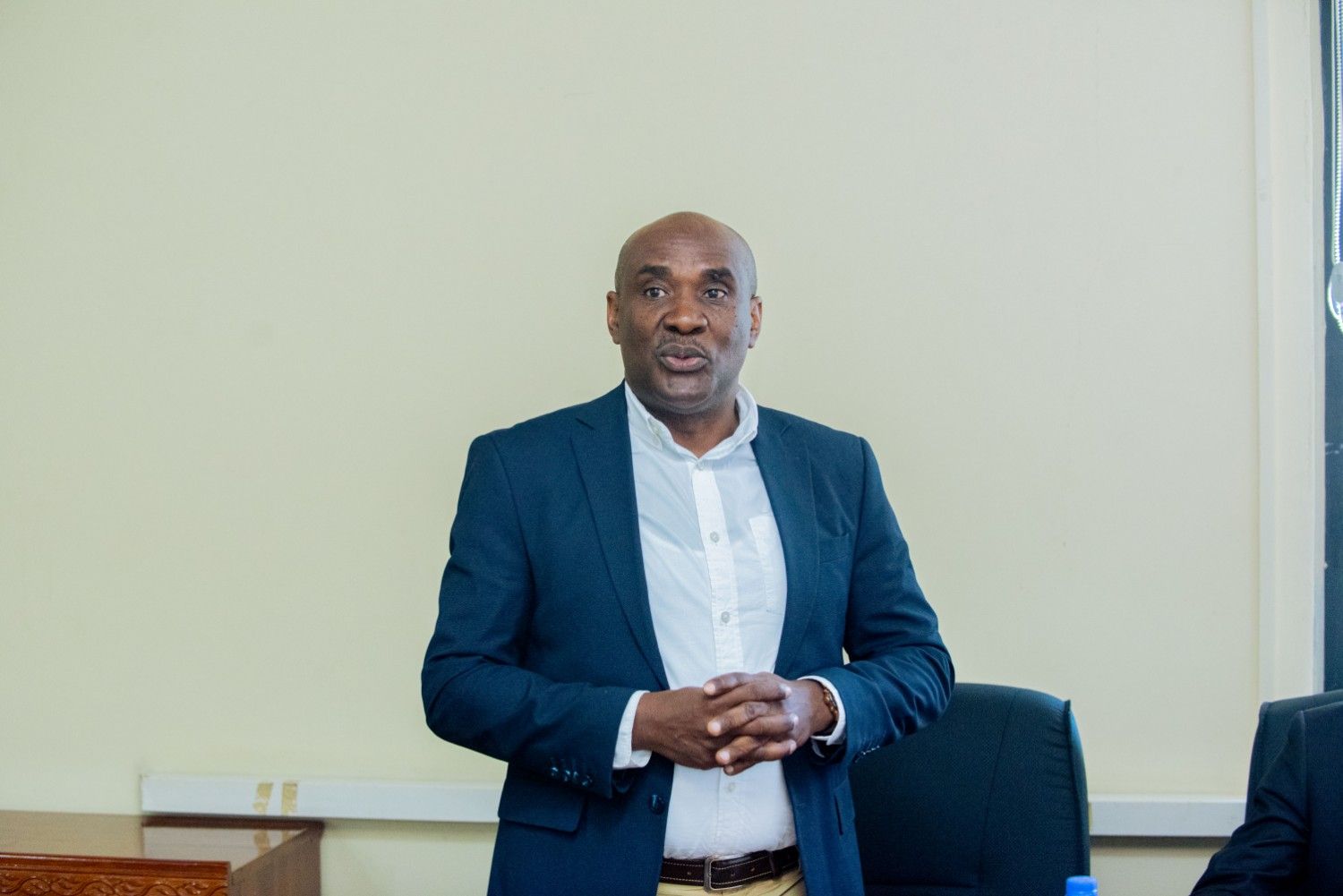
Meanwhile, Eng. Simon Mussa, Head of the Estate Management Section at ATCL, expressed confidence in UDSM's academic expertise and capacity to deliver professional training that responds to the company's leadership and management needs.
He said the partnership reflects ATCL's recognition of the importance of continuously developing its workforce, particularly leaders responsible for implementing organisational changes and improving service delivery.
“We have confidence in the University of Dar es Salaam and believe that it has the knowledge and expertise needed to help us develop the capacity of our leaders. This training is an important part of ensuring that institutional transformation goes hand in hand with the growth and development of the leaders responsible for driving it,” said Eng. Mussa.
He noted that ATCL's transformation journey requires leaders who are willing to learn, collaborate and share experiences while finding practical ways to address workplace challenges.
Eng. Mussa also encouraged participants to remain open to new ideas, actively contribute to discussions and make full use of the opportunity to learn from the facilitators and fellow participants.
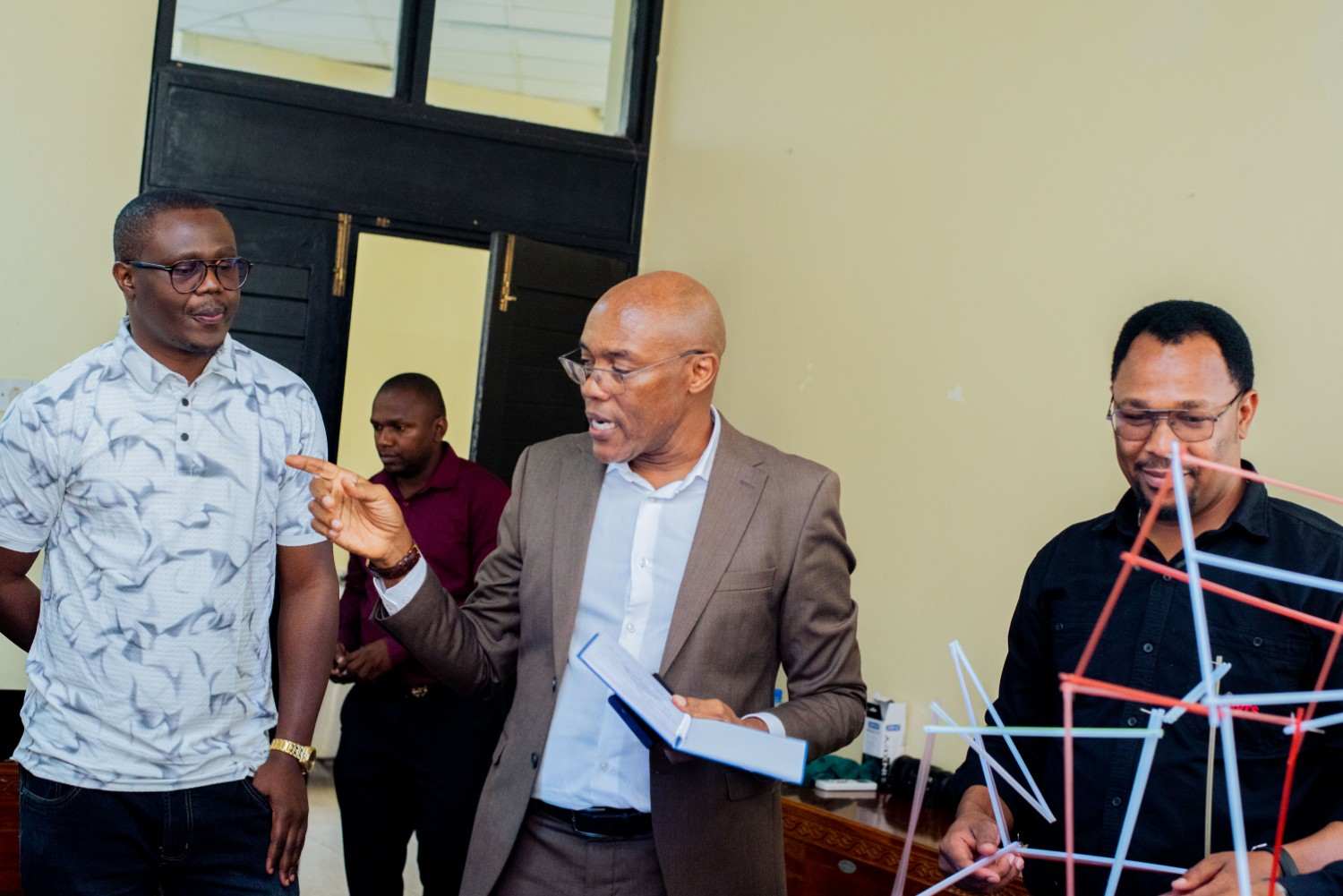
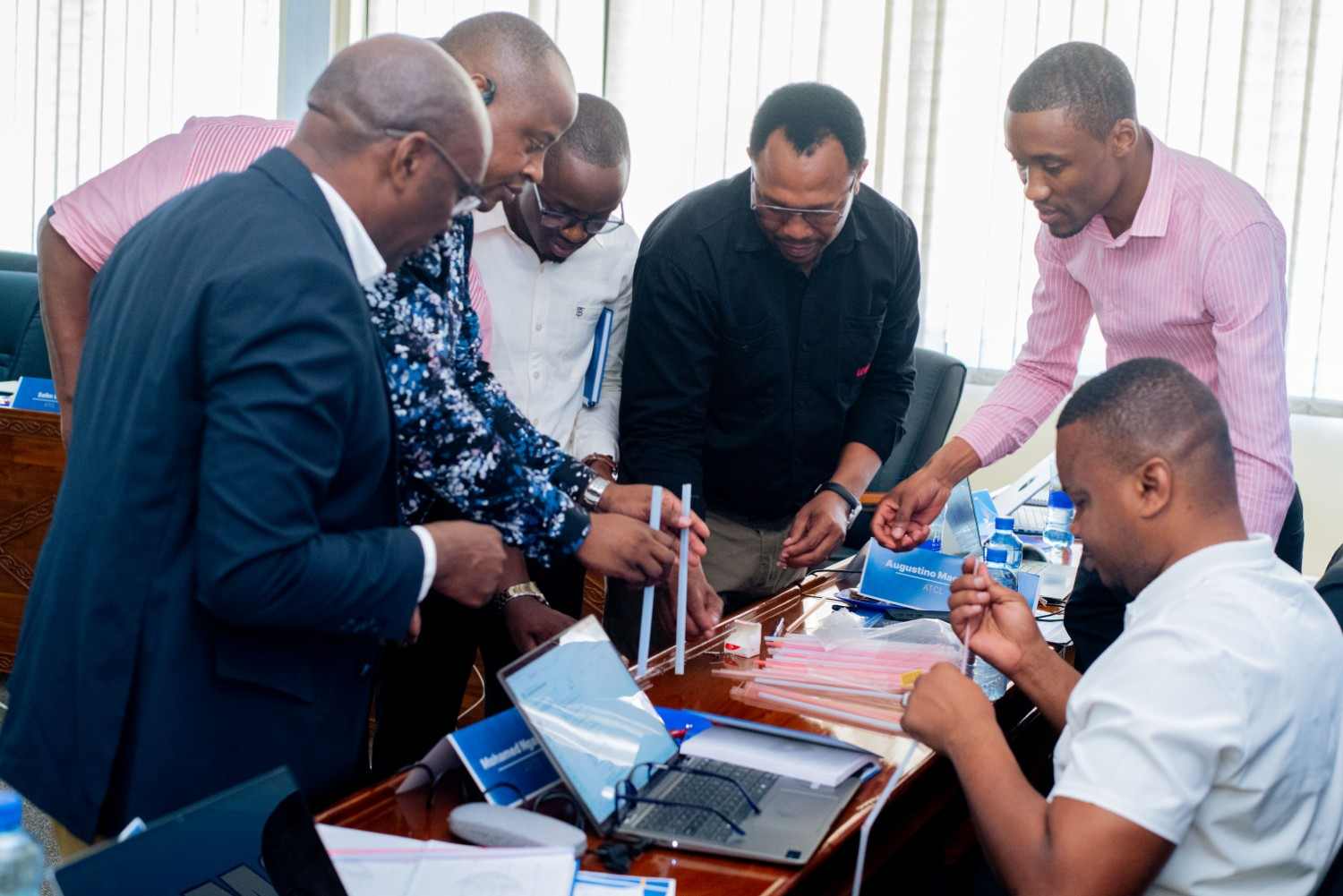
The three-day programme focused on strengthening competencies in strategic leadership, plan implementation, people management, accountability, communication, negotiation and change management. It also incorporates practical discussions, case studies and experience-sharing sessions tailored to ATCL's working environment.
Through the training, UDSM continues to demonstrate how its academic expertise and professional resources can support organisations in developing leadership capacity, strengthening institutional performance and addressing emerging challenges across different sectors of the economy.
The partnership also reinforces the University's commitment to linking higher education with industry needs through professional development, knowledge exchange and practical capacity-building initiatives.