
UDSM Calls on Alumni and Partners to Join Efforts to Make Higher Education More Inclusive
By Selemani Nambimbi, CMU
For students with disabilities, access to university is only the first step. Accessible learning facilities, appropriate digital services and sustained support are equally important in enabling them to participate fully and succeed.
This was a central concern at the University of Dar es Salaam (UDSM) as alumni and university leaders called for stronger partnerships to advance inclusive higher education.
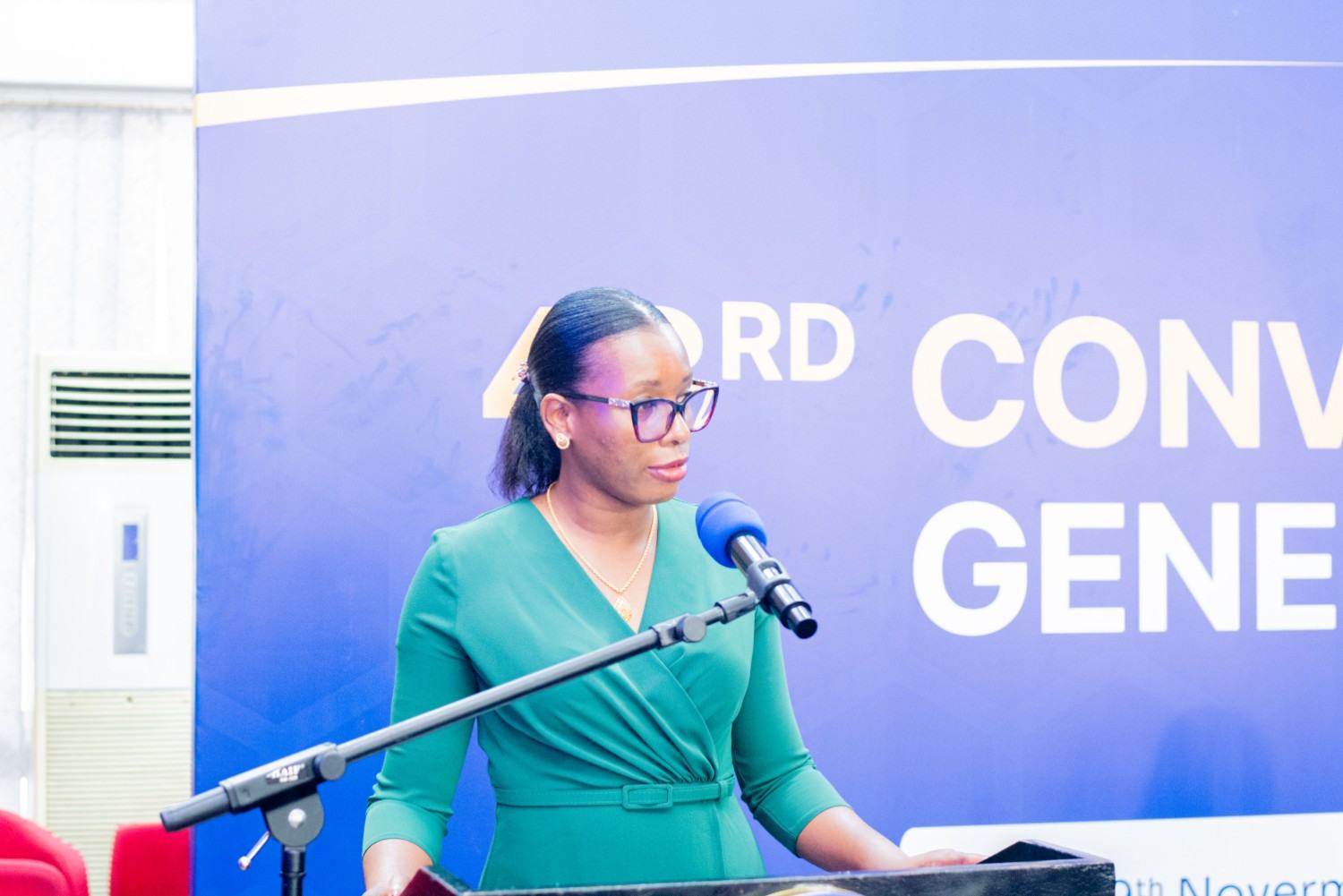
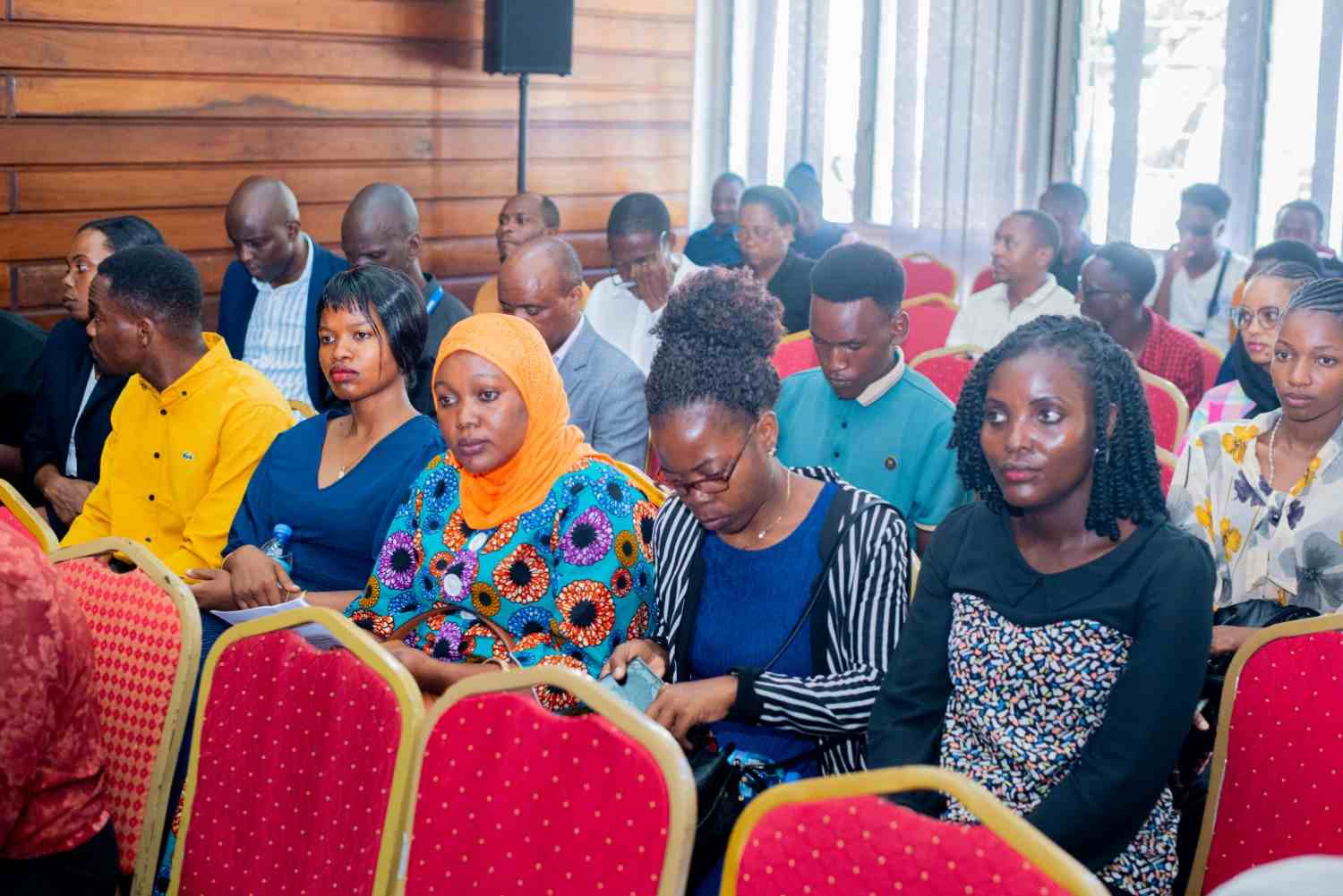
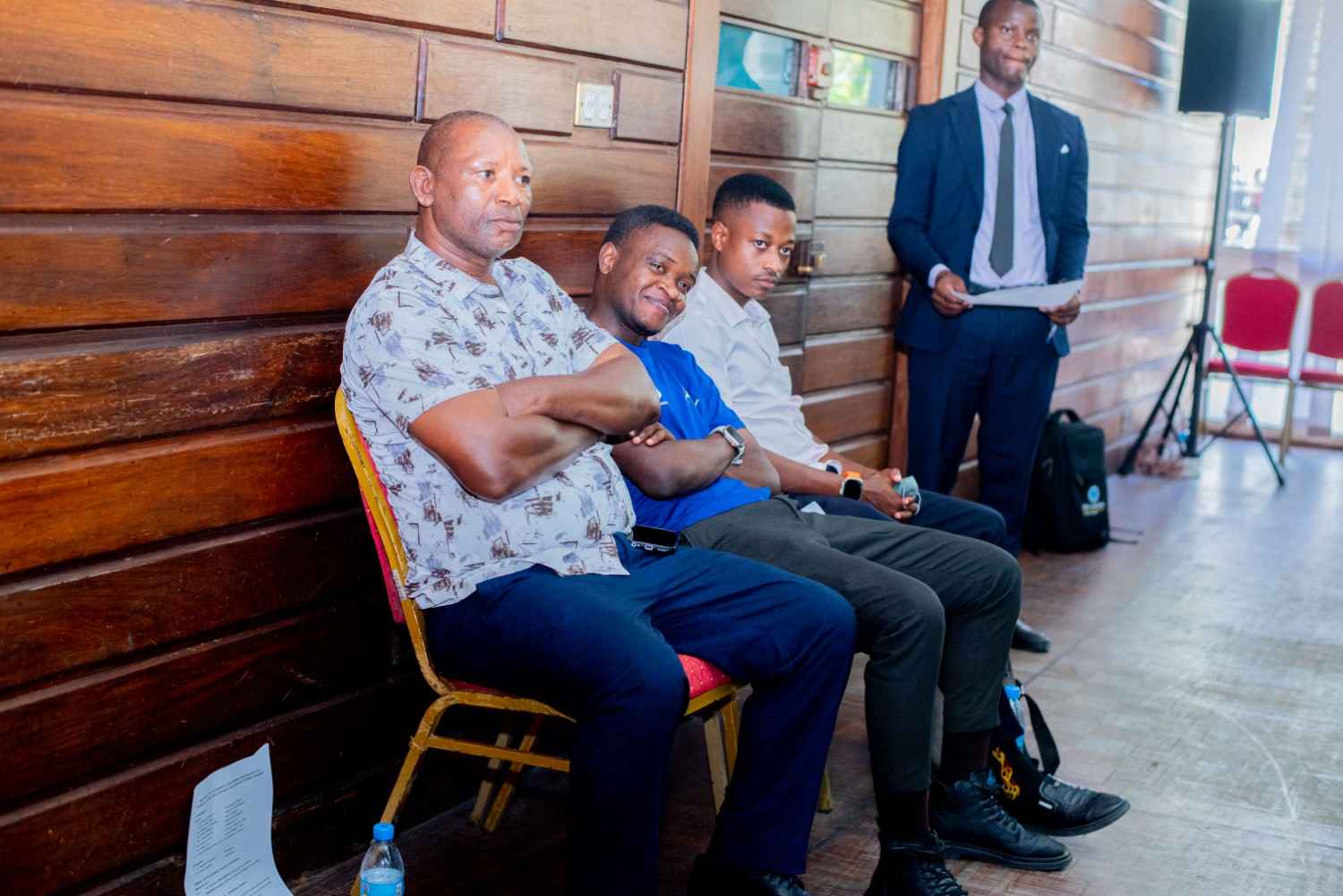
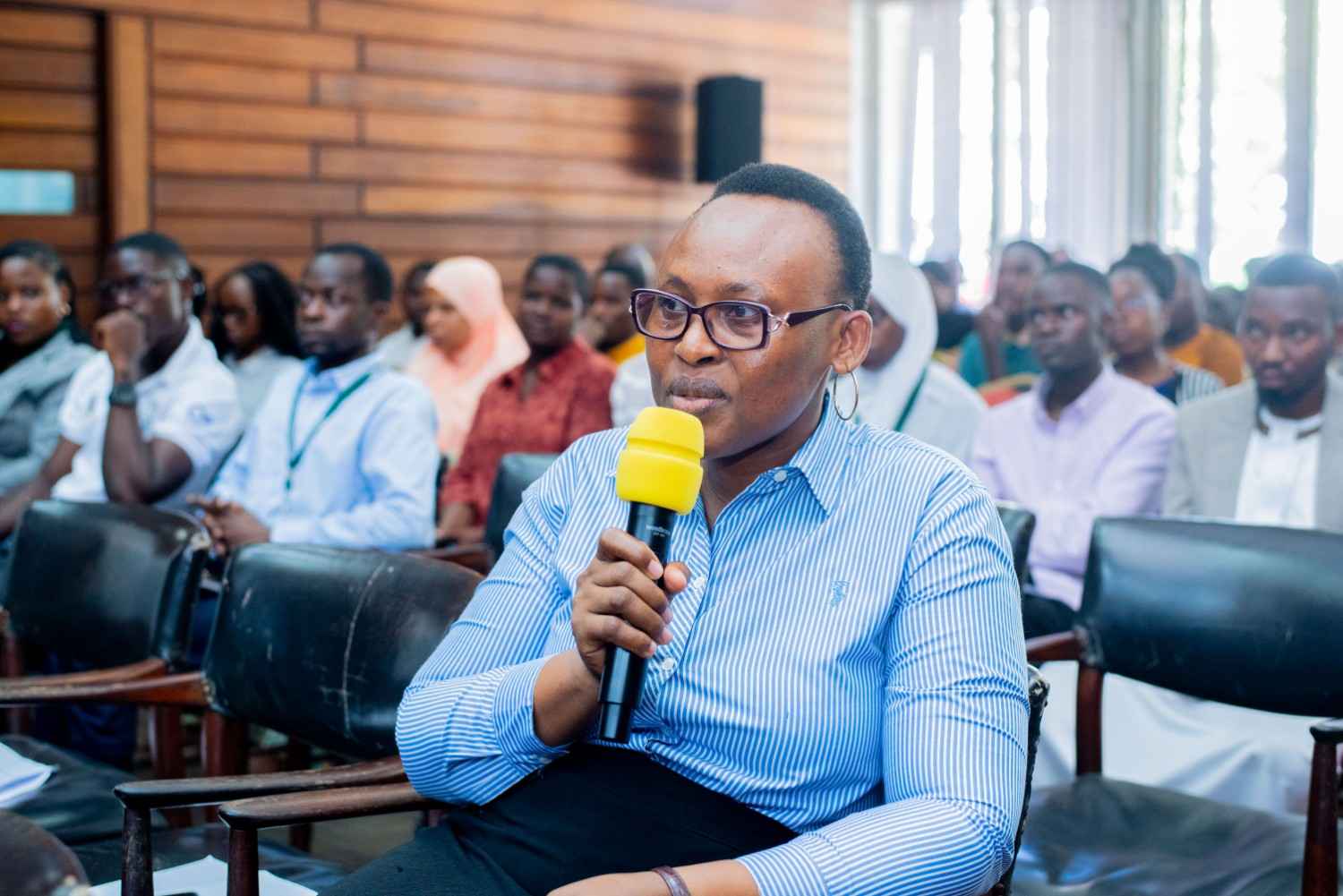
The call emerged during the 43rd UDSM Convocation Annual General Meeting (AGM), which placed the welfare of students with special needs, gender representation and alumni engagement among issues requiring continued attention and collective action.
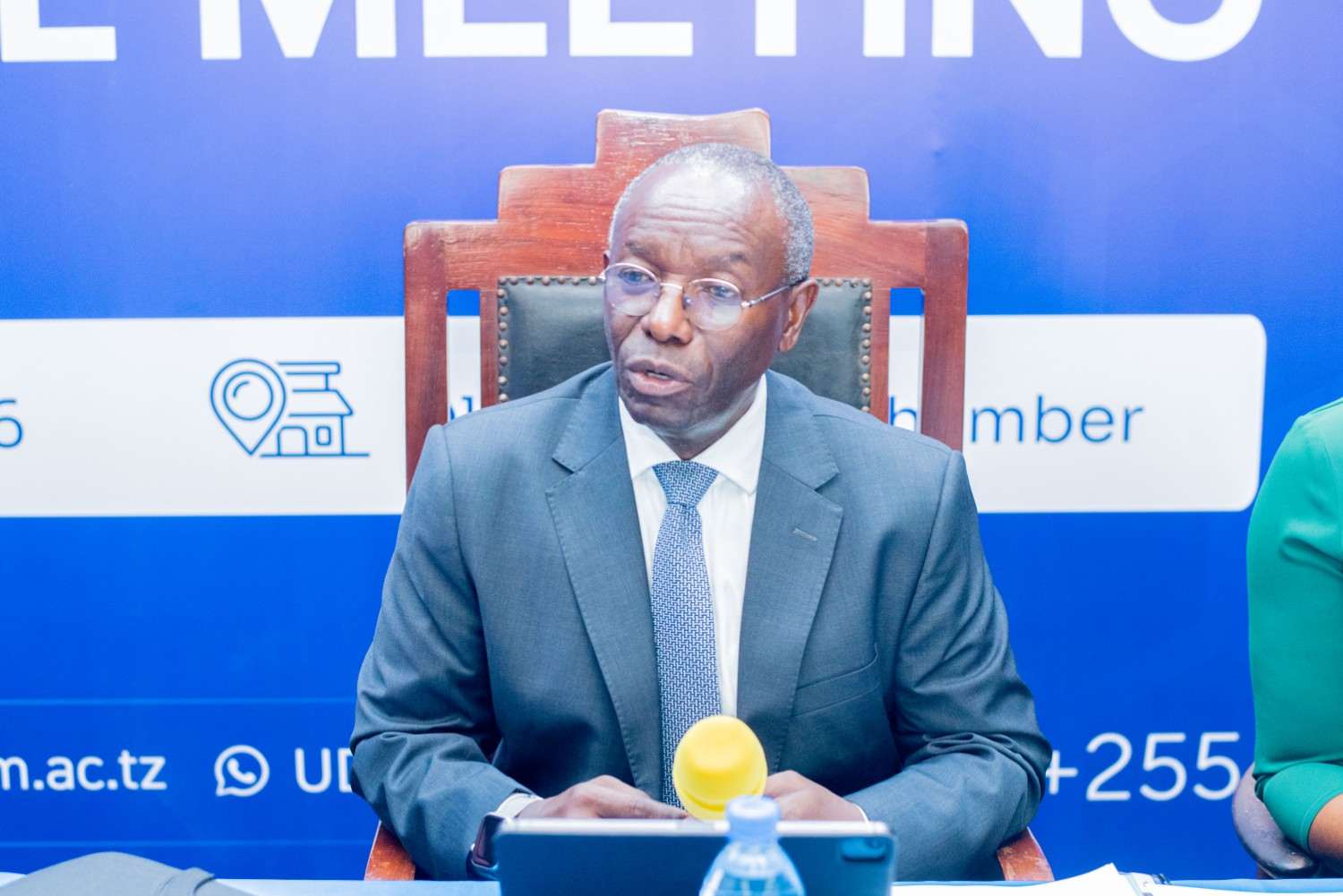
The President of the UDSM Convocation, Ambassador Tuvako Manongi, emphasised the importance of building stronger collaboration among alumni and the University, urging graduates to move beyond maintaining their association with the institution and contribute more actively to its development.
He underscored the value of alumni working together, sharing expertise, mobilising resources and supporting initiatives that address the University's priorities.
Ambassador Manongi also highlighted progress in gender representation, noting that female students now outnumber male students at UDSM. He described the development as an important milestone in ensuring that university enrolment reflects the composition of the wider Tanzanian population.
“To see that, for the first time, we have a university in Tanzania that has an enrolment of more female students is significant. That needs to be the trajectory because population numbers show that females outnumber males nationally. We cannot have a university that does not reflect the constituent parts of our national community,” he said.
On support for students with disabilities, the Deputy Vice Chancellor – Administration, Prof. Bernadetha Killian, said UDSM currently has 179 students with special needs, with enrolment increasing partly because the University has facilities that are relatively better equipped to accommodate students with disabilities.
She explained that some students initially admitted to other higher education institutions are advised to consider transferring to UDSM because of the support facilities available at the University.
“One thing we are going through is the fact that the number is increasing. We cannot celebrate the increasing number of students with special needs, but that is the reality. The University of Dar es Salaam has been at the centre of higher education in the country and is relatively well equipped to accommodate students with disabilities,” Prof. Killian said.
However, she acknowledged that more work is needed, particularly to improve digital facilities and address infrastructure gaps that may limit students' full participation in teaching, learning and other university activities. Her remarks highlighted the need to ensure that growing access is matched by improvements in the learning environment and support services.
Corporate partnerships for expanding opportunities
The meeting also drew attention to the role of corporate partnerships in expanding opportunities for students with special needs. NMB Bank was among the partners supporting the University's marathon initiative aimed at raising support for this group of students.
Speaking on behalf of the bank, Donatus Richard said its participation was consistent with the objectives of the NMB Nuru Yangu programme, which supports the education of children with special needs and other Tanzanian children.
“At NMB Bank, we have a programme called NMB Nuru Yangu, which supports some children with special needs and other Tanzanian children by contributing towards their education. When we reached this stage of the marathon, whose objective is to support children with special needs, we felt we should not be left behind. That is why we are here today,” he said.
The discussions reinforced the importance of sustained cooperation between the University, its alumni, corporate partners and other stakeholders in addressing the needs of students with disabilities. They also pointed to practical priorities, including improving accessible infrastructure, strengthening digital learning facilities and mobilising more support for inclusive education.
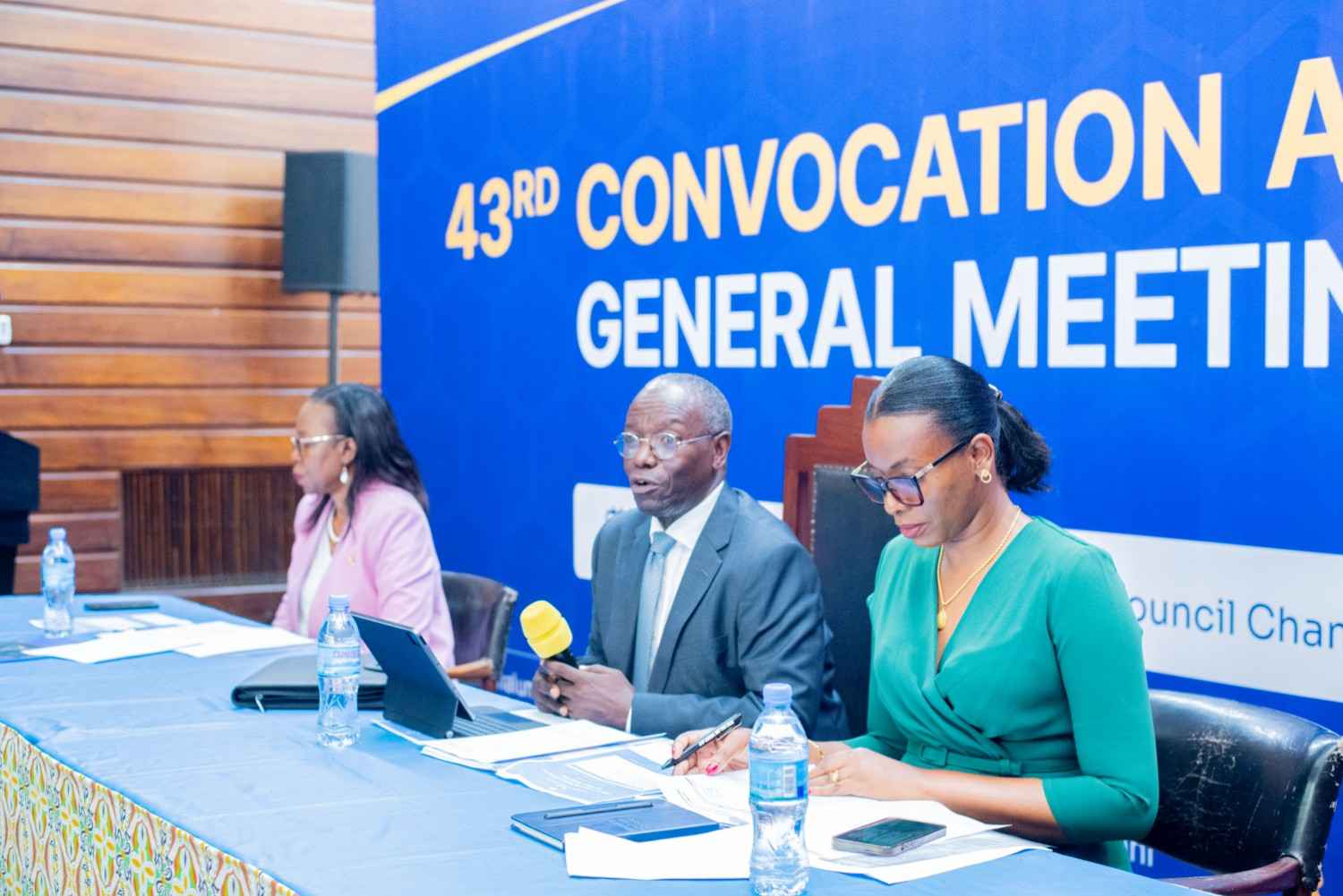
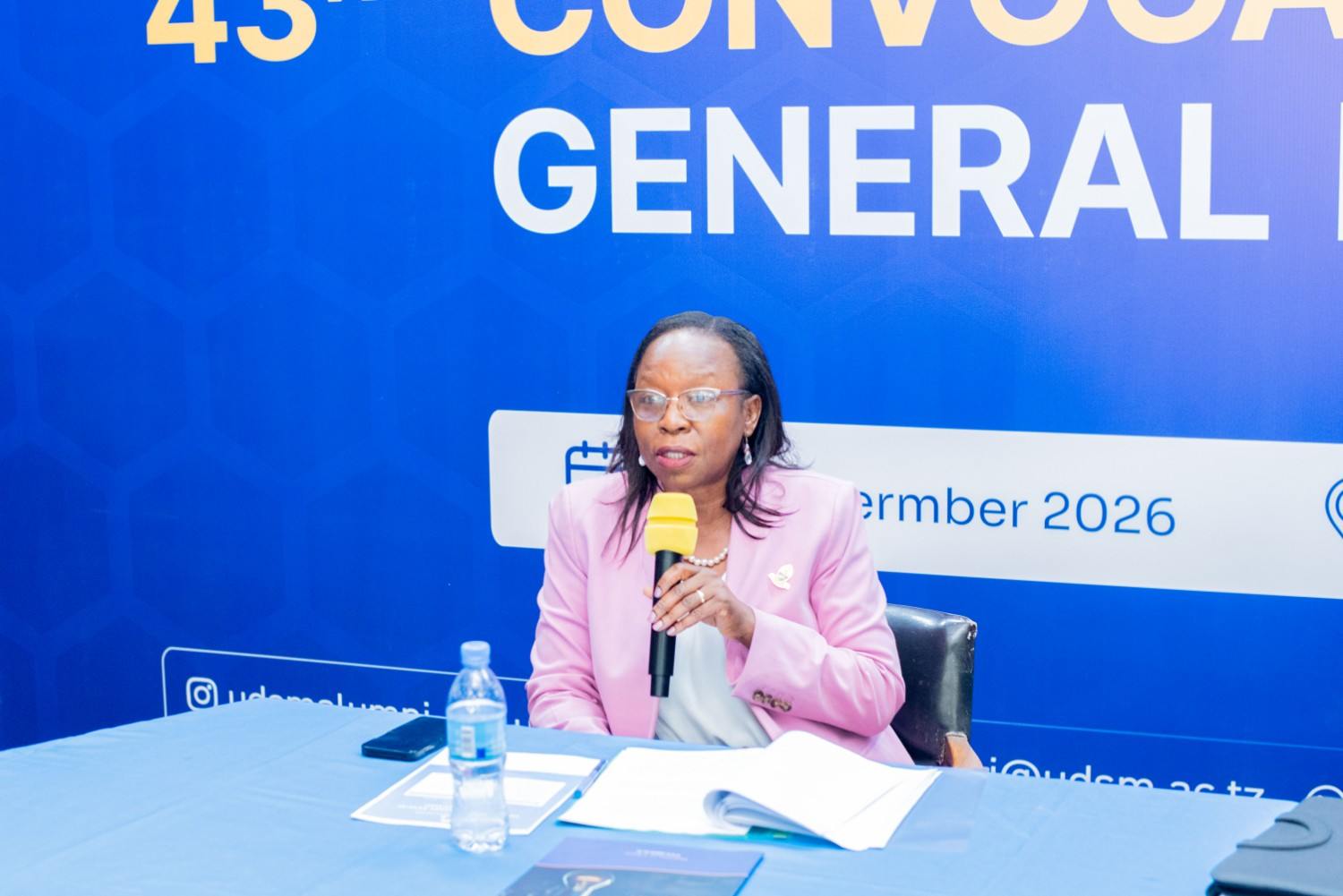
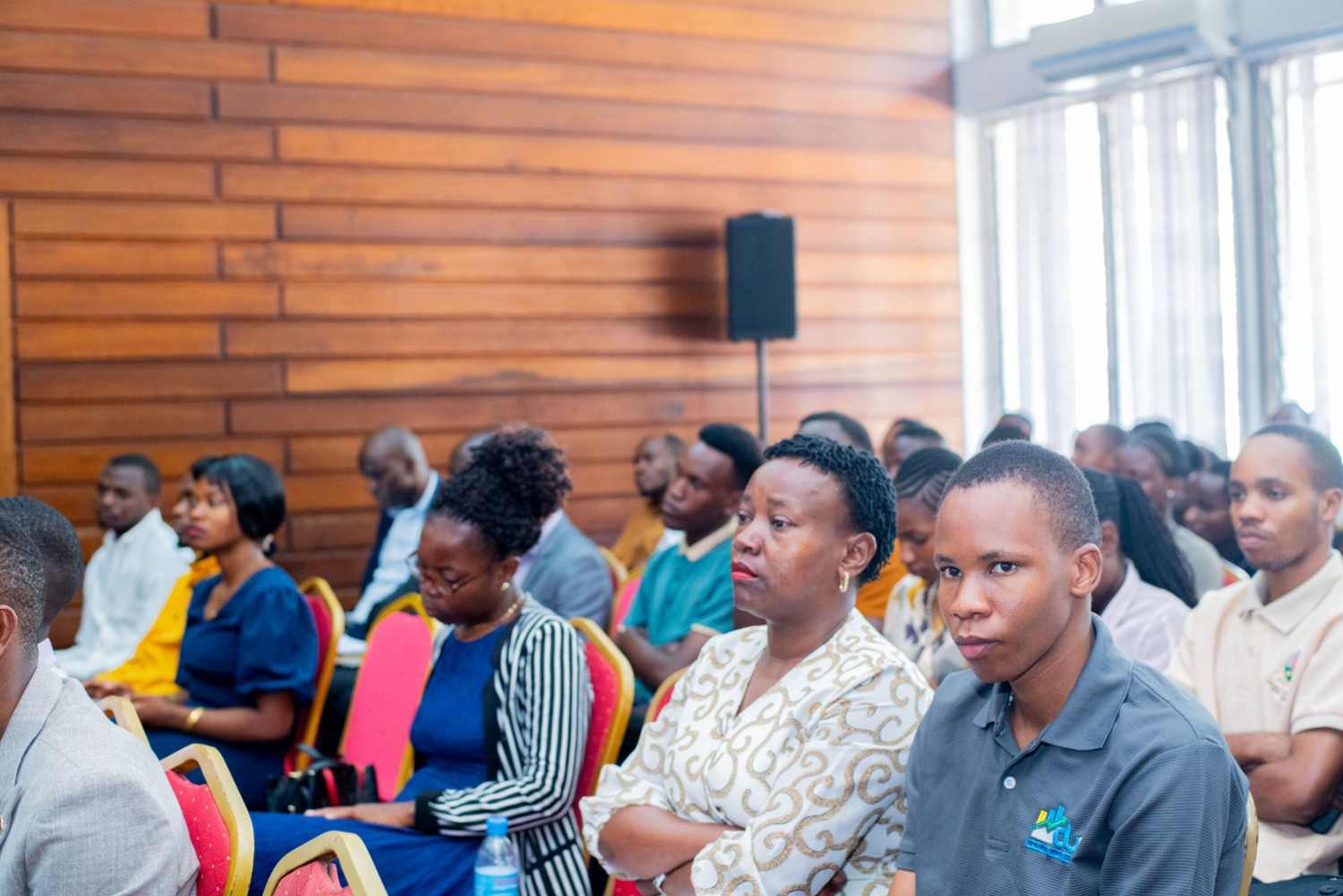
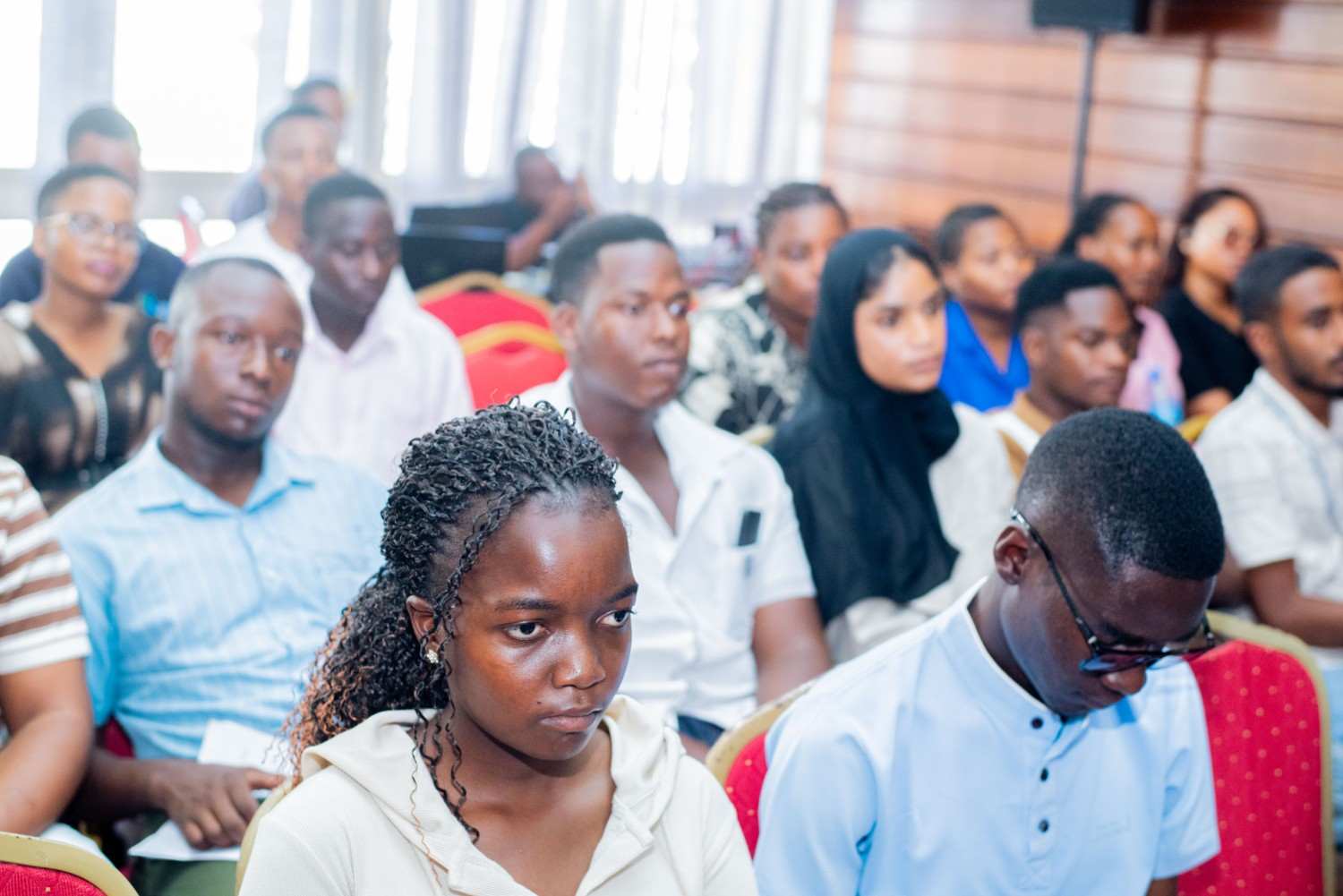
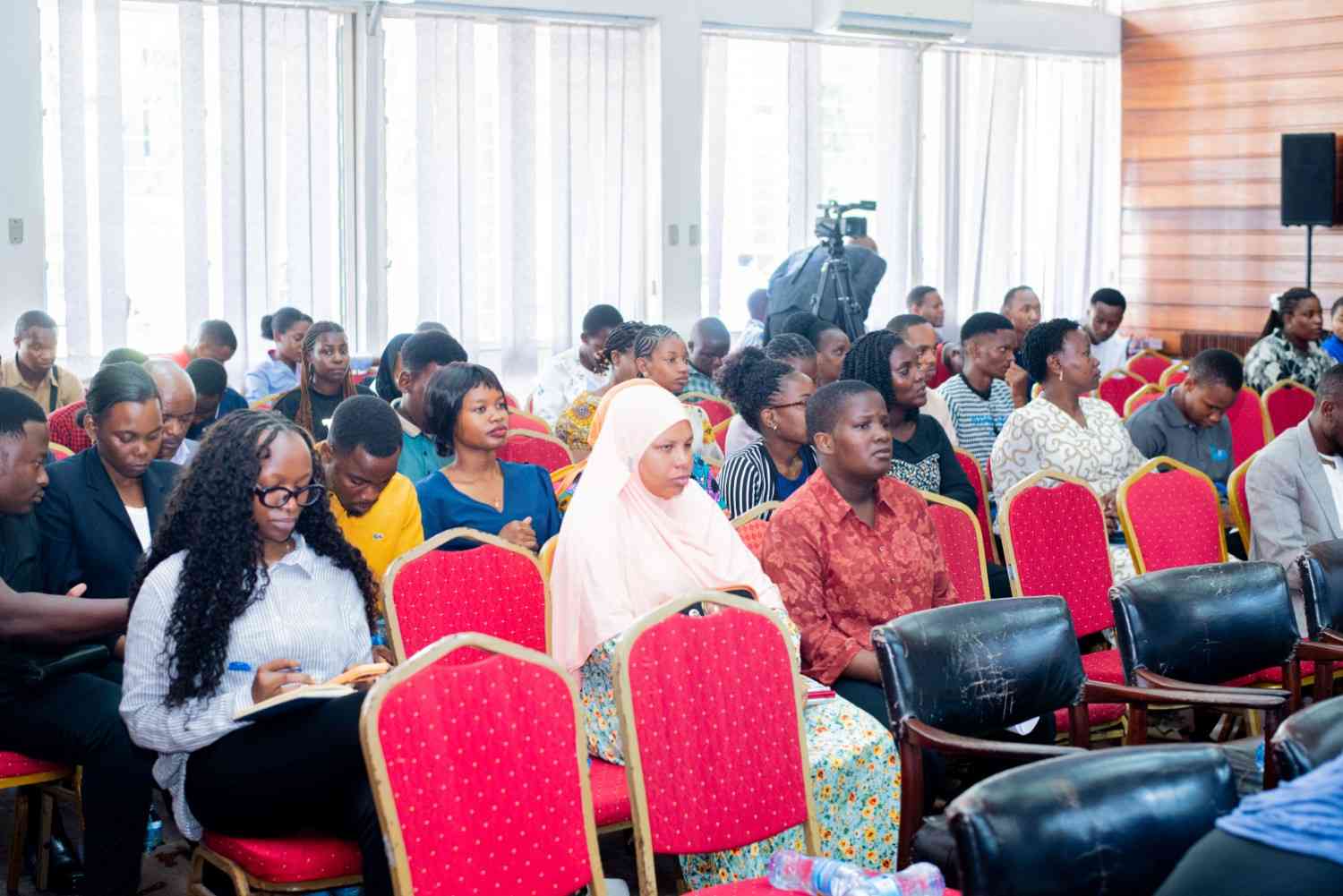
The AGM, which was guided by Ambassador Manongi, Prof. Killian and the Director of Internationalisation, Convocation and Advancement (DICA), Dr. Augustina Alexander, brought together Convocation members through both physical and online participation, providing a platform for alumni to reconnect and engage with issues affecting the University's development.
As UDSM continues to widen access to higher education, the discussions underscored a broader responsibility: ensuring that students are not only admitted to university but also have the facilities, services and support they need to learn, participate and succeed.