


HEET Project Puts UDSM Graduates Closer to Jobs as Digital Learning and Research Advance
By Donald Boneka, CMU
With more students gaining workplace experience, academic programmes aligning more closely with employers’ needs, and digital learning expanding across the University, the Higher Education for Economic Transformation (HEET) Project is translating investment in higher education into practical opportunities for students and staff at the University of Dar es Salaam (UDSM).
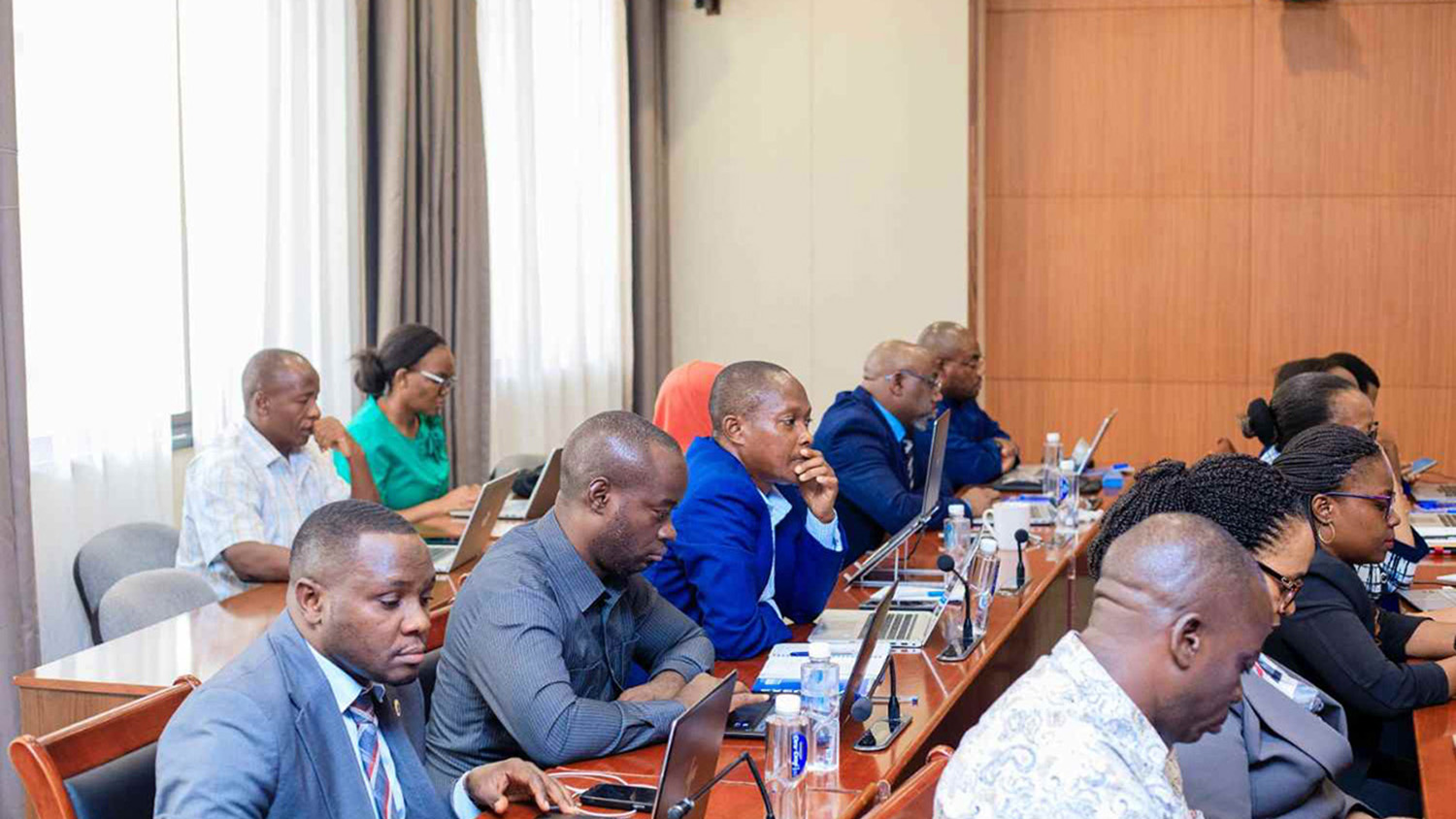
A review of implementation progress for July–September 2026 shows that industry attachments have exceeded targets, digital learning facilities have expanded, and investments in research systems and campus infrastructure are approaching completion as the project moves towards its extended closing date of 31 January 2027.
Funded by the World Bank through the Government of Tanzania, the project is supporting improvements in teaching, learning, research, infrastructure and the relevance of university education to the labour market.
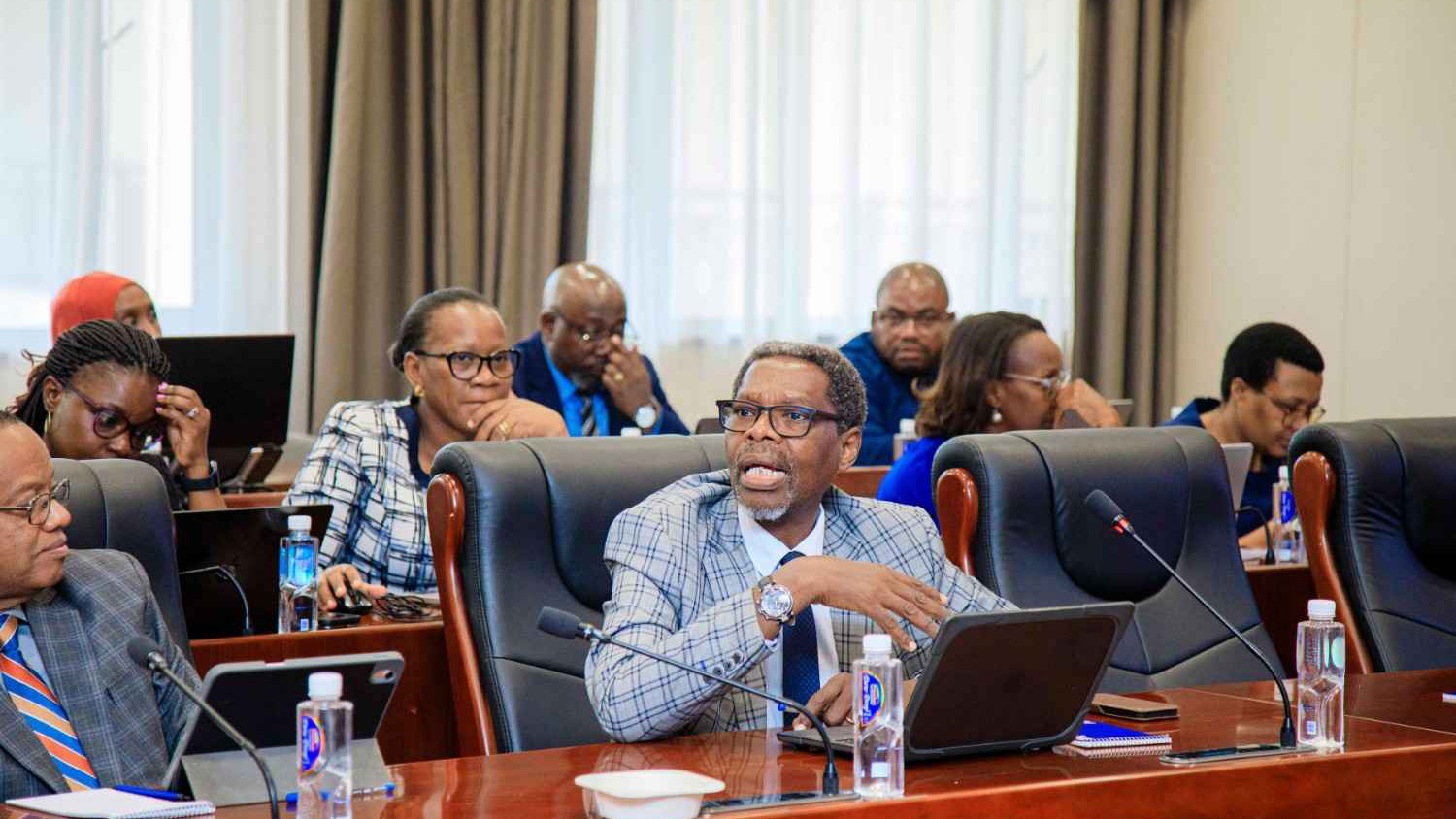
Opening the review meeting, UDSM Deputy Vice Chancellor–Research, Prof. Nelson Boniface, emphasised that the project’s impact should be measured by the improvements students experience and the opportunities available to graduates.
“The success of the HEET Project should be reflected in how effectively we improve the learning environment, strengthen academic programmes and connect graduates with labour-market demands,” he said, calling for continued coordination and effective implementation across the University.
By September 2026, 10,060 students and faculty members had participated in industry attachments, surpassing the target of 6,731. The total comprised 10,015 students and 45 faculty members, giving participants opportunities to connect academic knowledge with workplace experience.
The University has also secured Senate approval for 494 reviewed academic programmes—168 undergraduate and 326 postgraduate—with 217 accredited or ratified by the Tanzania Commission for Universities (TCU).
To strengthen the link between education and employment, UDSM consulted 3,000 employers and received 11,310 responses through graduate tracer studies.
The University also established six Industry Advisory Committees and secured 24 agreements, memoranda of understanding and letters of intent to deepen collaboration with industry.
These partnerships are already opening pathways into the workplace. Sandvik Tanzania announced 60 graduate internship opportunities involving UDSM and three other higher education institutions, with four UDSM Mechanical Engineering graduates reported to have been recruited through the initiative.
The Tanzania Electric Supply Company Limited (TANESCO), meanwhile, supported five female engineers to pursue postgraduate studies—three at the College of Engineering and Technology and two at the College of Information and Communication Technologies.
The initiatives demonstrate how closer collaboration between universities and employers can help graduates gain relevant skills and improve their readiness for professional careers.
Digital learning expands access and teaching capacity
UDSM is also using digital technology to broaden learning opportunities and strengthen teaching. By September 2026, implementation across the project’s five digitisation investment areas had reached 94 per cent.
The University’s Moodle learning management system had recorded more than 35,000 student registrations and 675 instructor registrations, while the Senate had approved 99 online and blended learning programmes.
Staff training has accompanied these investments. A total of 130 staff members received training in ICT-supported innovative pedagogy, exceeding the target of 50. Another 87 were trained in artificial intelligence for teaching and research, while 356 academic staff and 18 ICT support officers received online and blended learning training across 17 University units.
Prof. Kwame Salum Ibwe, HEET-UDSM Specialist on Digitalisation Development, highlighted the importance of translating technology investments into better educational experiences.
“Digital transformation is not simply about introducing technology into classrooms; it is about creating more flexible and accessible learning opportunities while strengthening the capacity of academic staff,” he said.
The project has also equipped 56 learning spaces with multimedia teaching facilities, exceeding the target of 41. The facilities can accommodate approximately 8,000 students at a time.
Digital infrastructure supporting research and university operations has also advanced. UDSM’s core network provides a 40 Gbps backbone, with recorded availability of 99.815 per cent, serving 46,668 students and staff.
The applied research and innovation component had reached 99 per cent progress. The University’s Online Journal Systems platform had processed 1,814 manuscripts, while its Project Management System had been developed and implementation of the Single Sign-On system had reached 98 per cent.
Infrastructure works near completion as digital systems advance
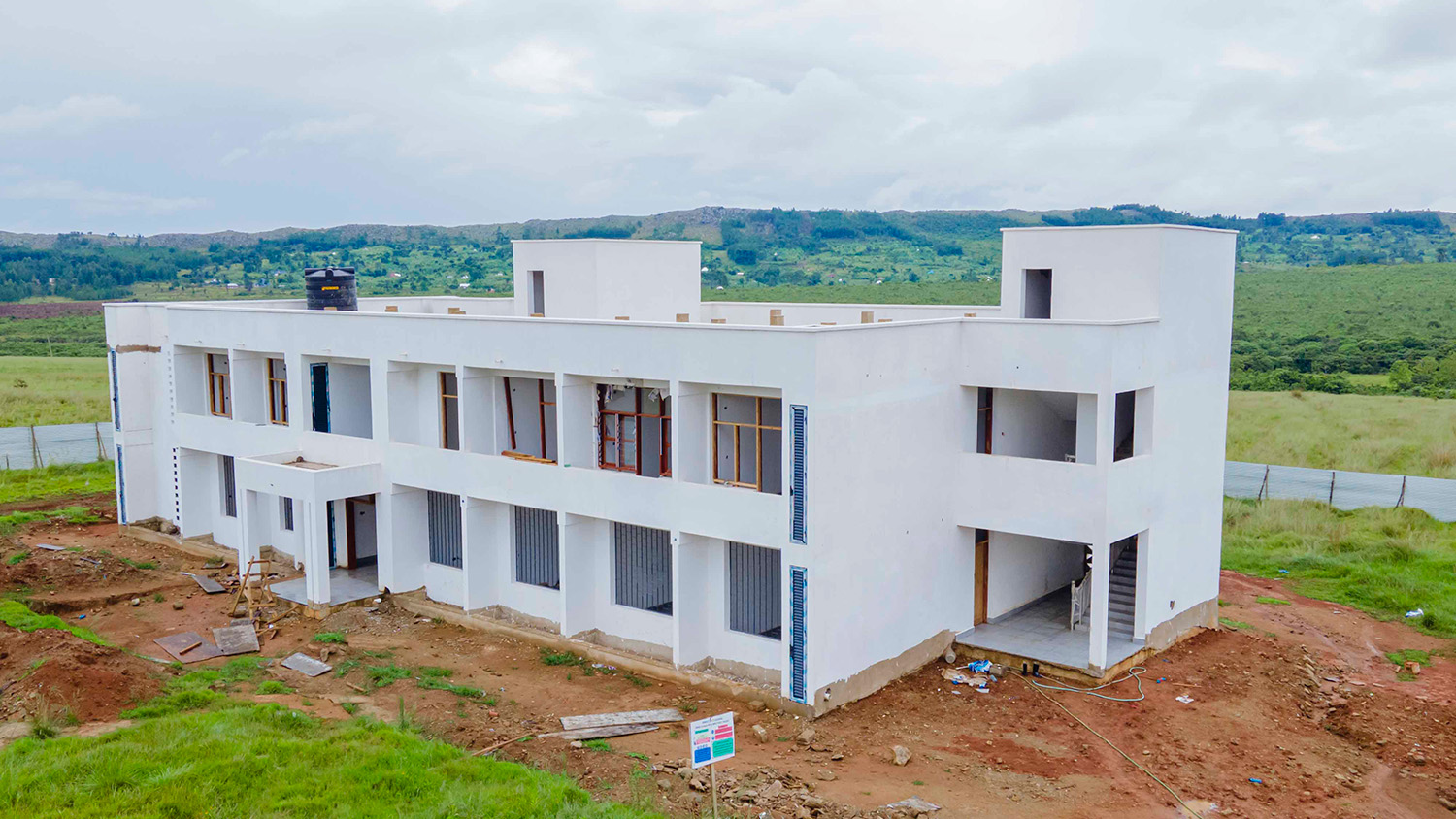
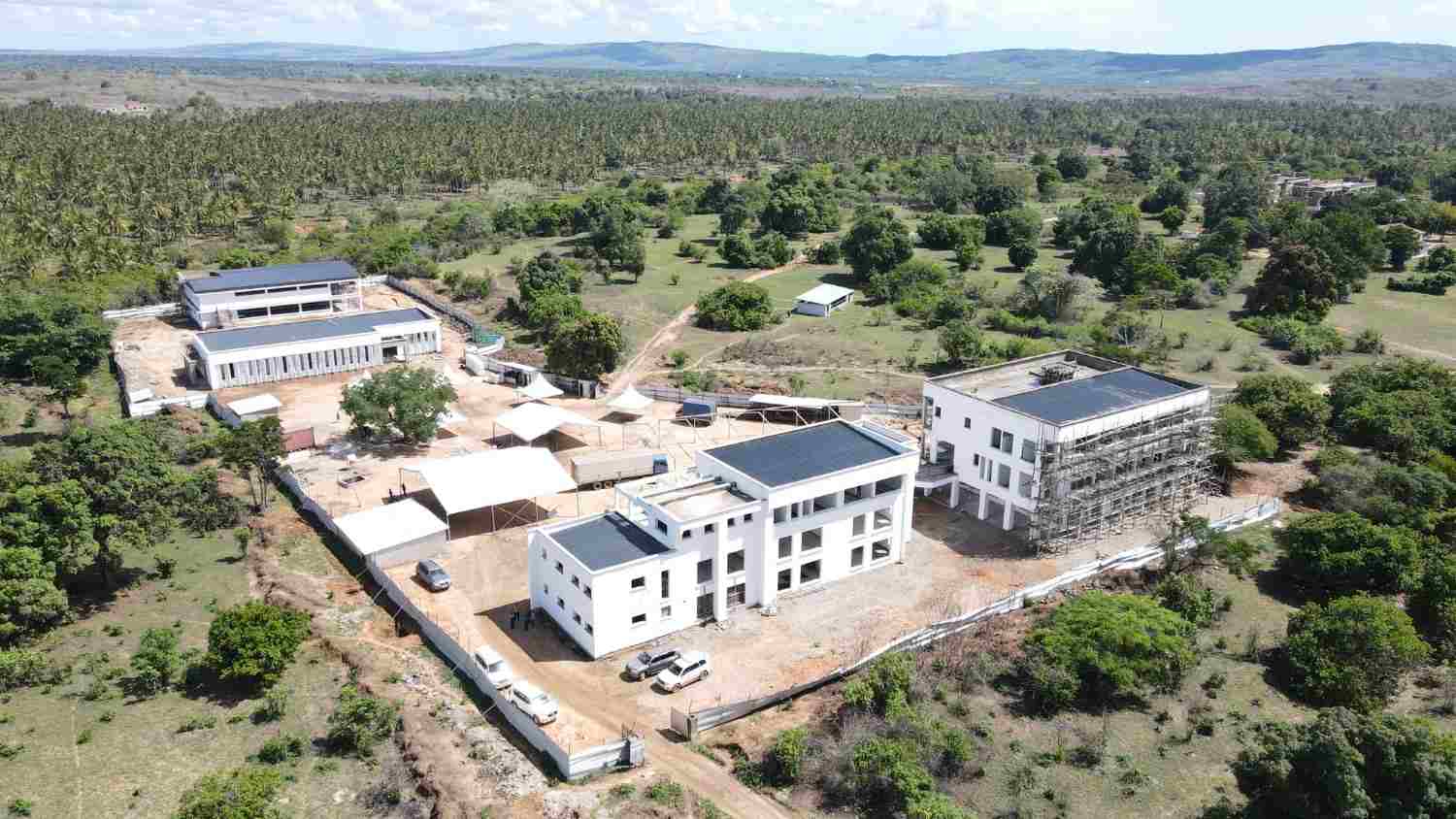
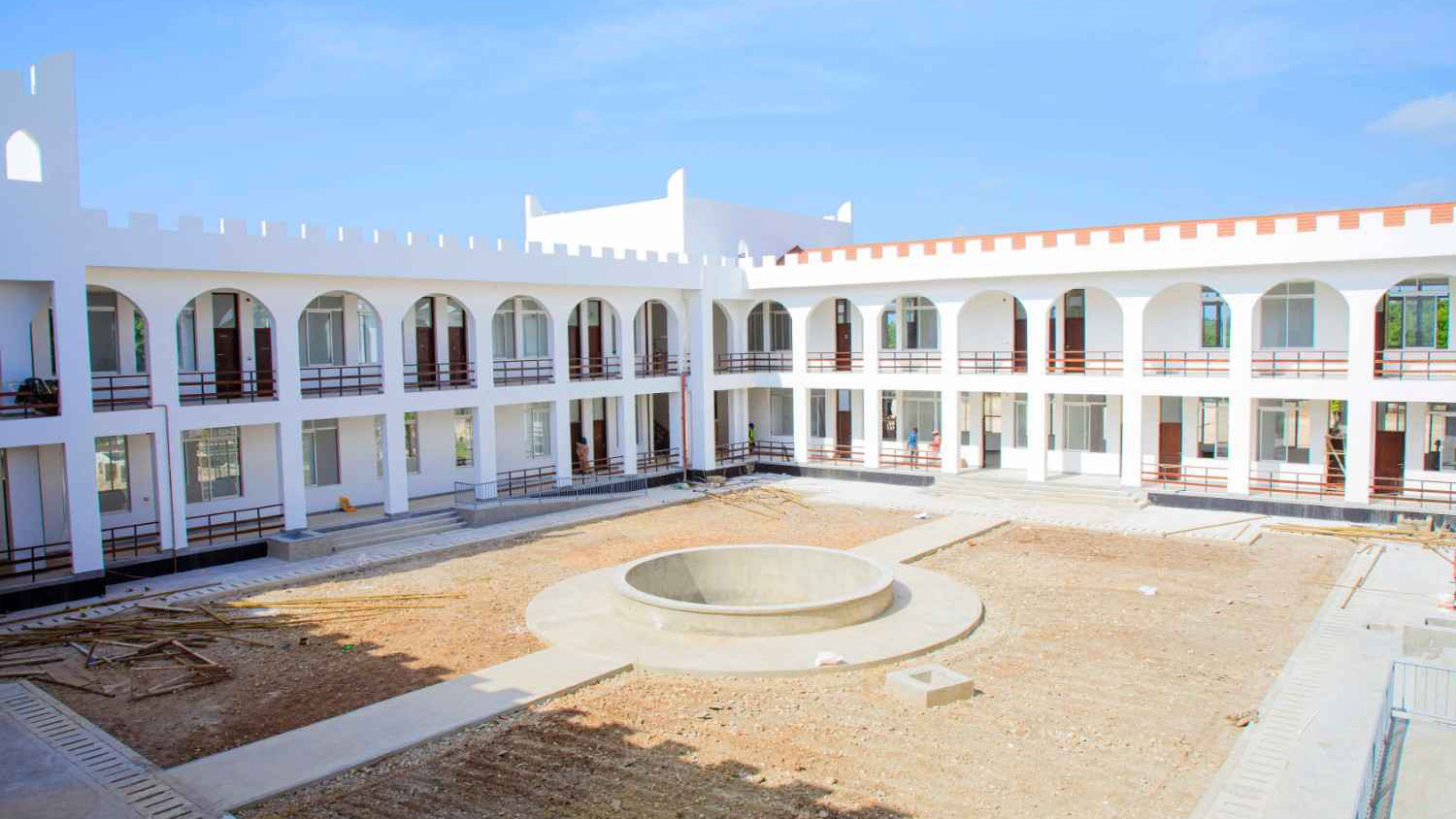
Physical infrastructure is also progressing, with four civil-works lots practically completed or handed over. Construction at the Lindi and Kagera campuses had each reached 96 per cent physical progress.
Meanwhile, structured cabling, network equipment, fibre works, and security and monitoring systems had each reached 90 per cent progress, while power and cooling works stood at 60 per cent.
Staff development remains part of the project’s contribution to institutional capacity. Twenty-two staff members enrolled through the full-scholarship arrangement, with nine master’s and two PhD beneficiaries having completed their studies, alongside additional PhD completions supported through partial funding.
The project’s implementation period has been extended to 31 January 2027 to allow completion of outstanding activities, including selected infrastructure and equipment installations, commissioning of digital systems, and follow-up on programme accreditation requirements.
As the project approaches its extended closing date, the focus is on completing outstanding work and ensuring that investments deliver lasting value.
From workplace exposure and industry partnerships to digital learning, research systems and campus facilities, the progress reported reflects UDSM’s continuing efforts to prepare graduates for employment and strengthen the contribution of higher education to Tanzania’s development.