


Women Take the Lead as UDSM Graduation Sees Female Graduates Reach 53.4 Per Cent
By Erca Kisoli, CMU
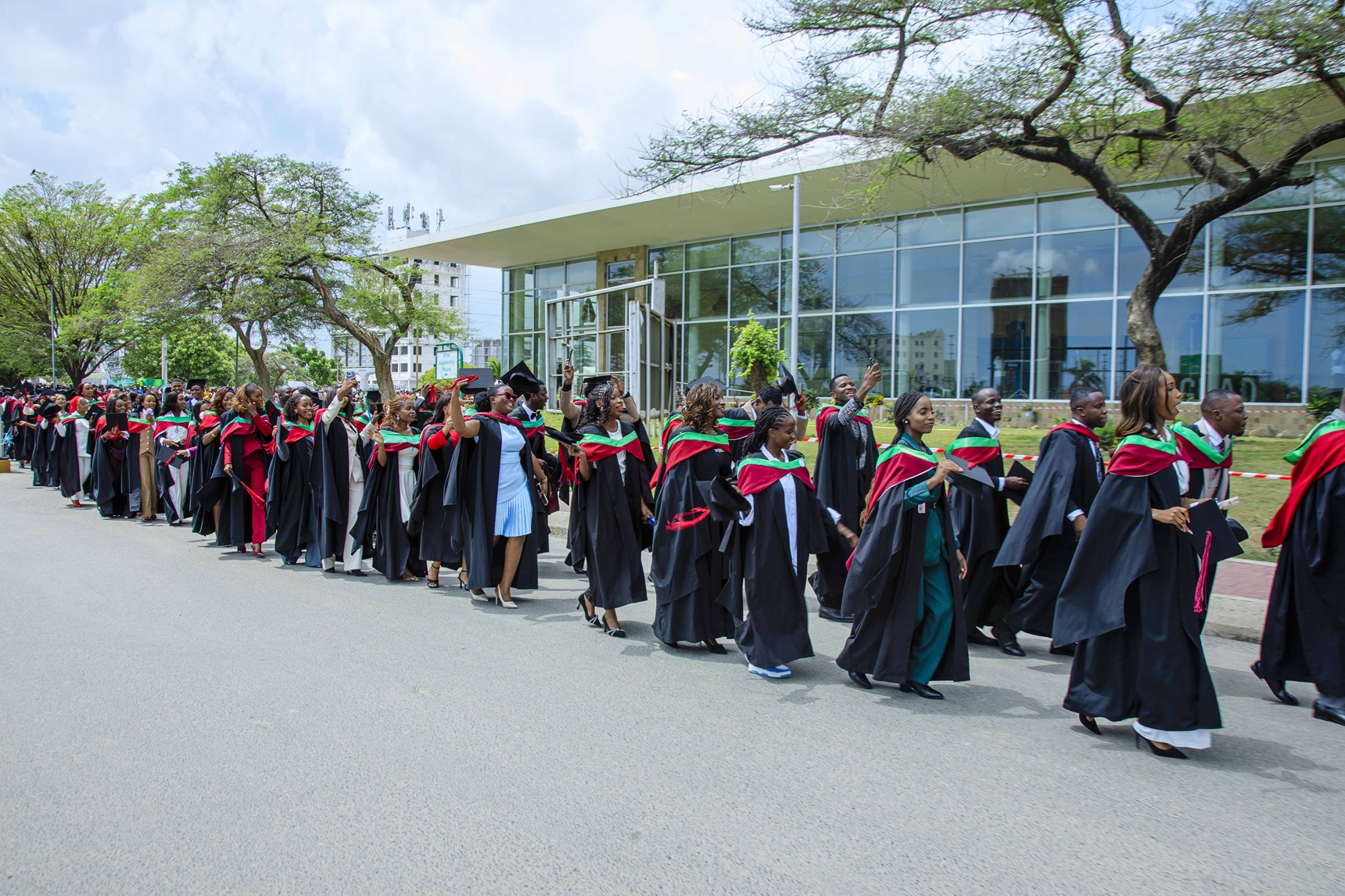
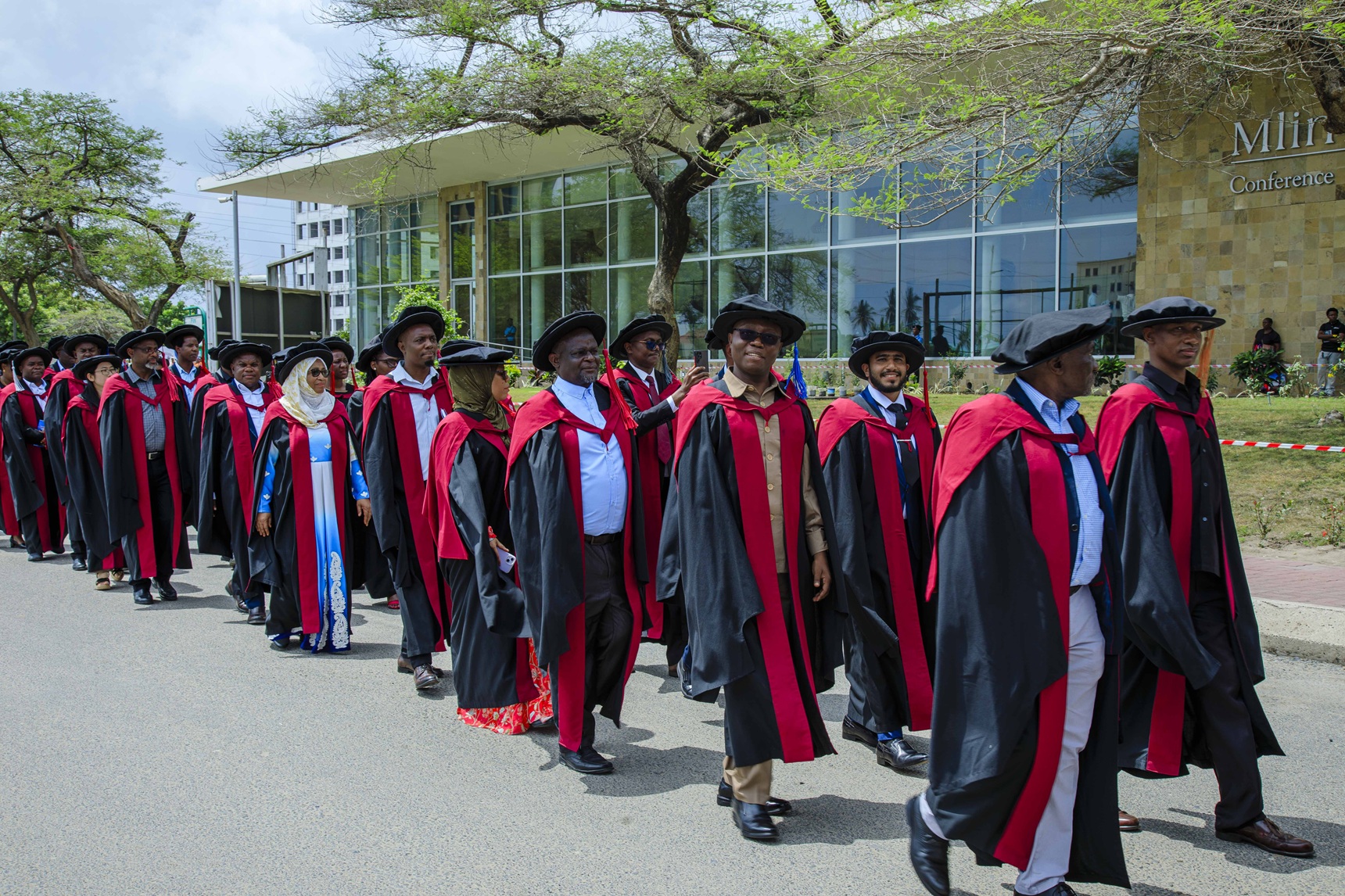
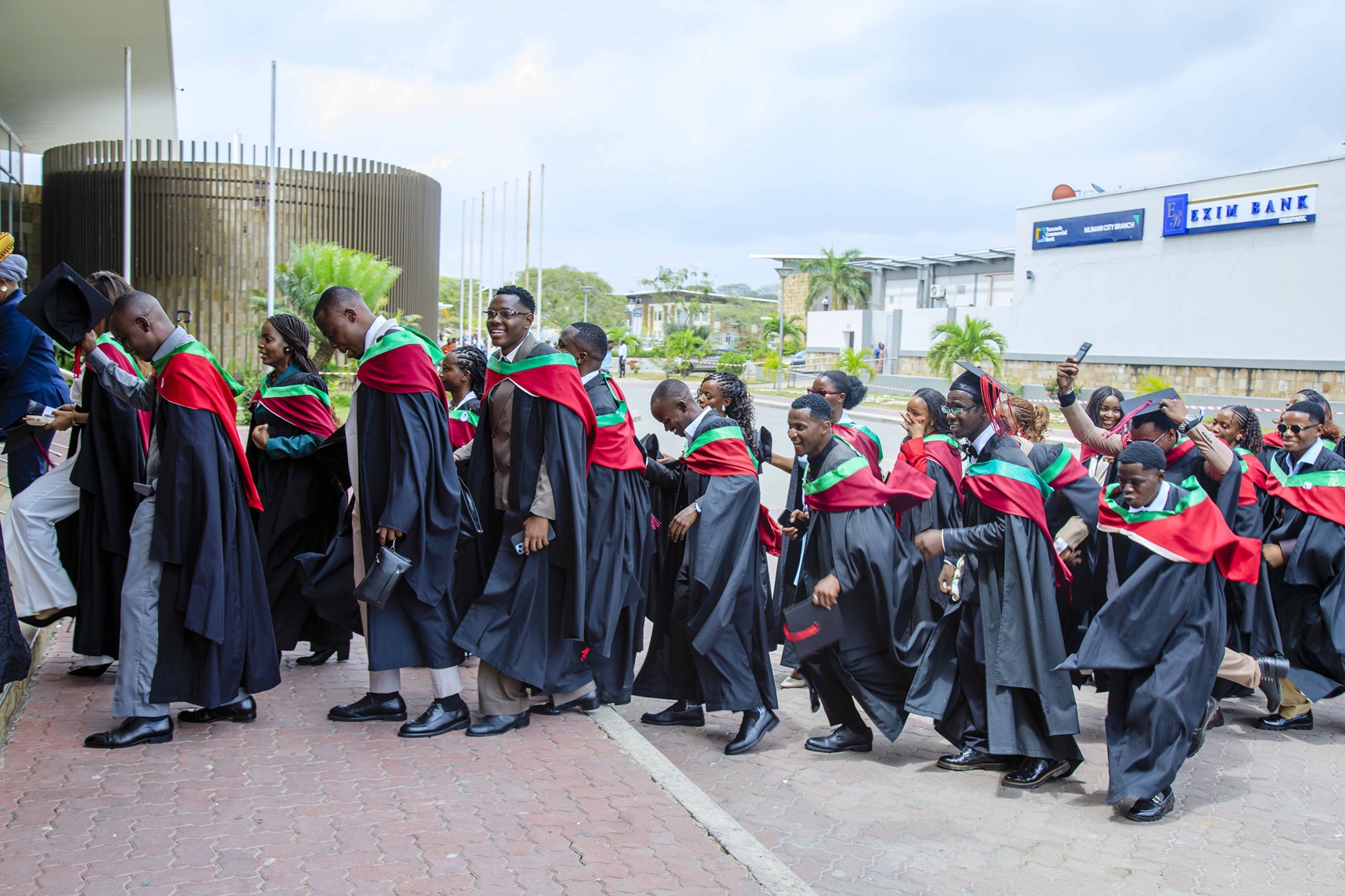
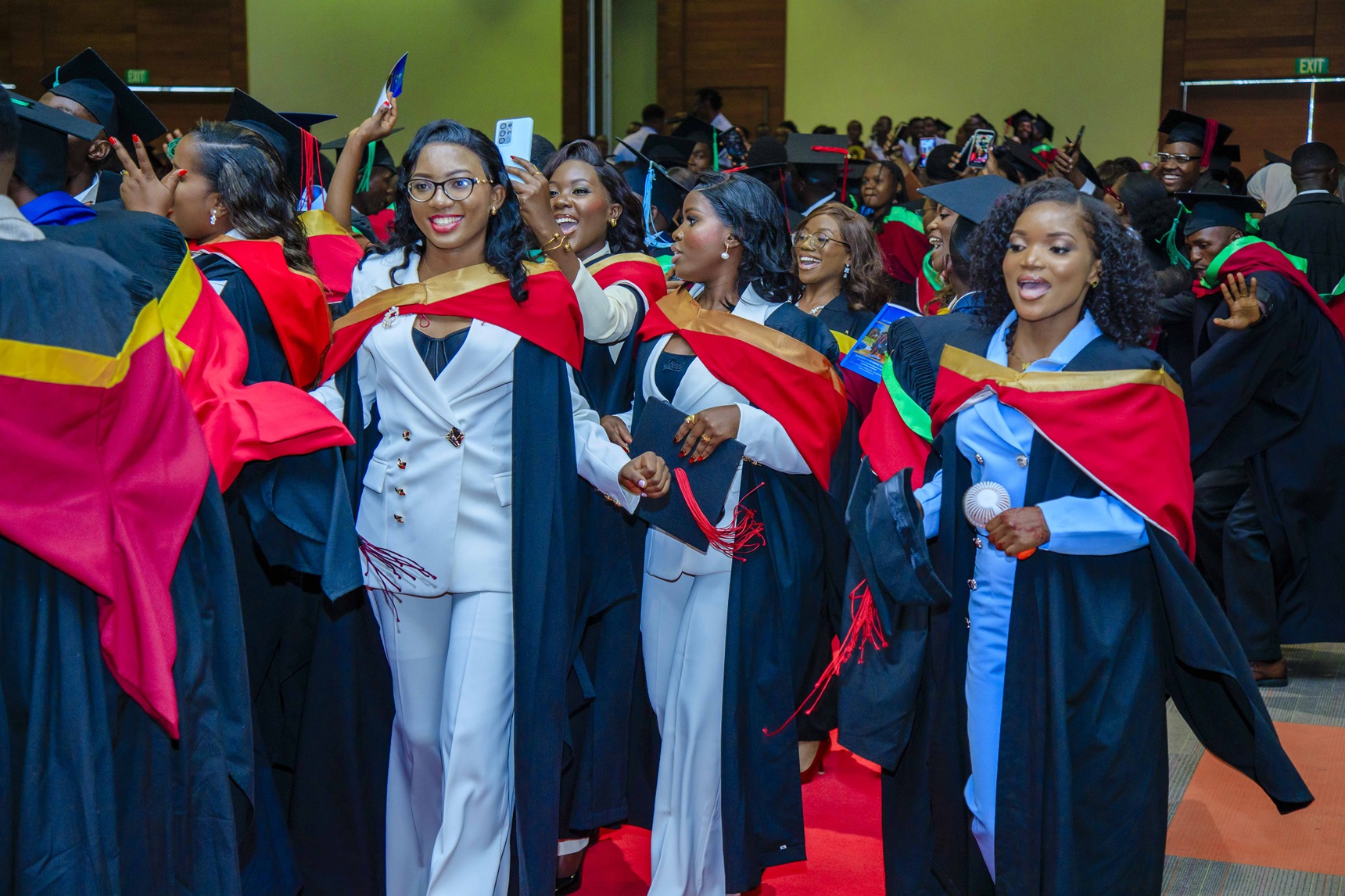
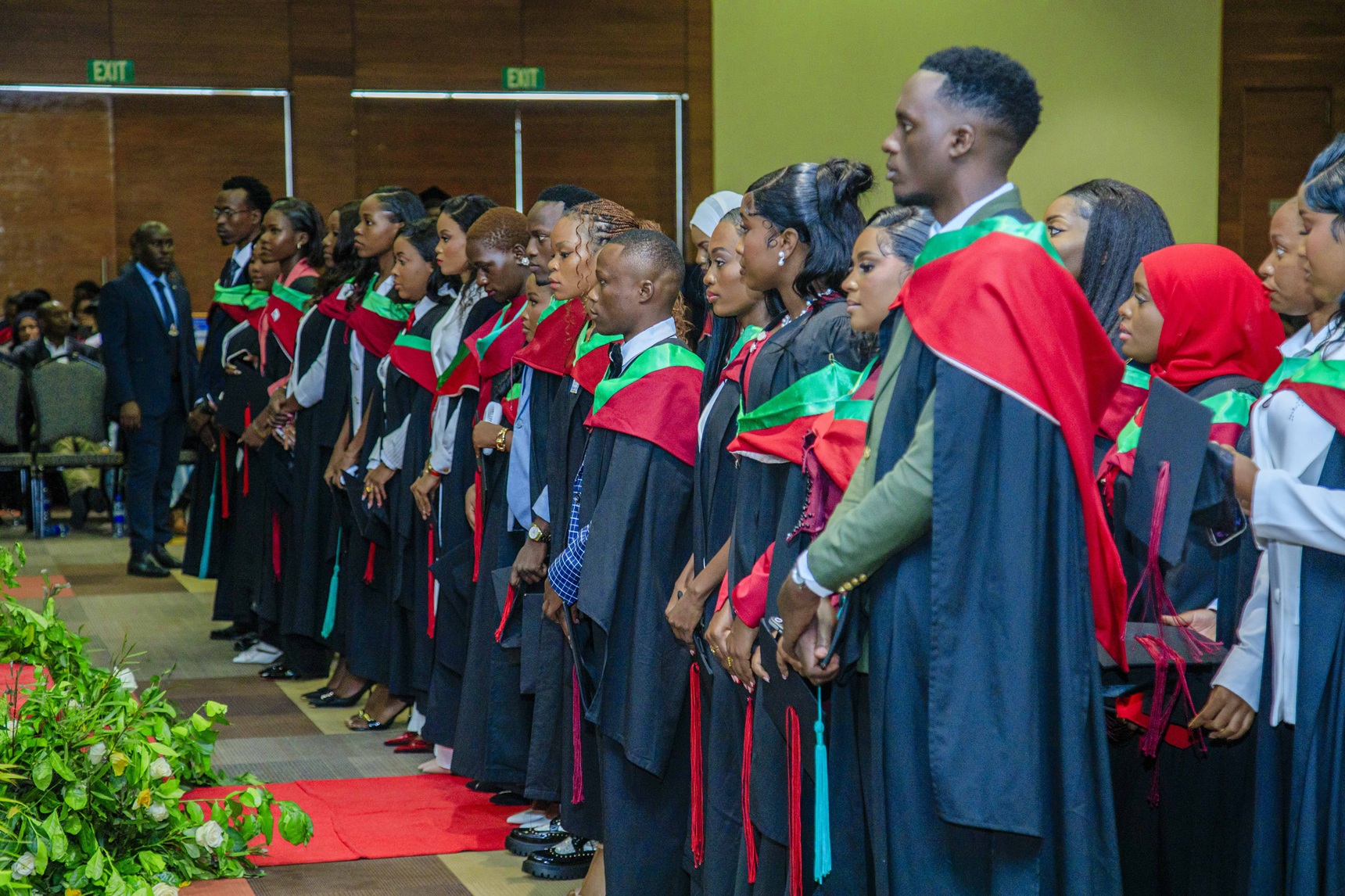
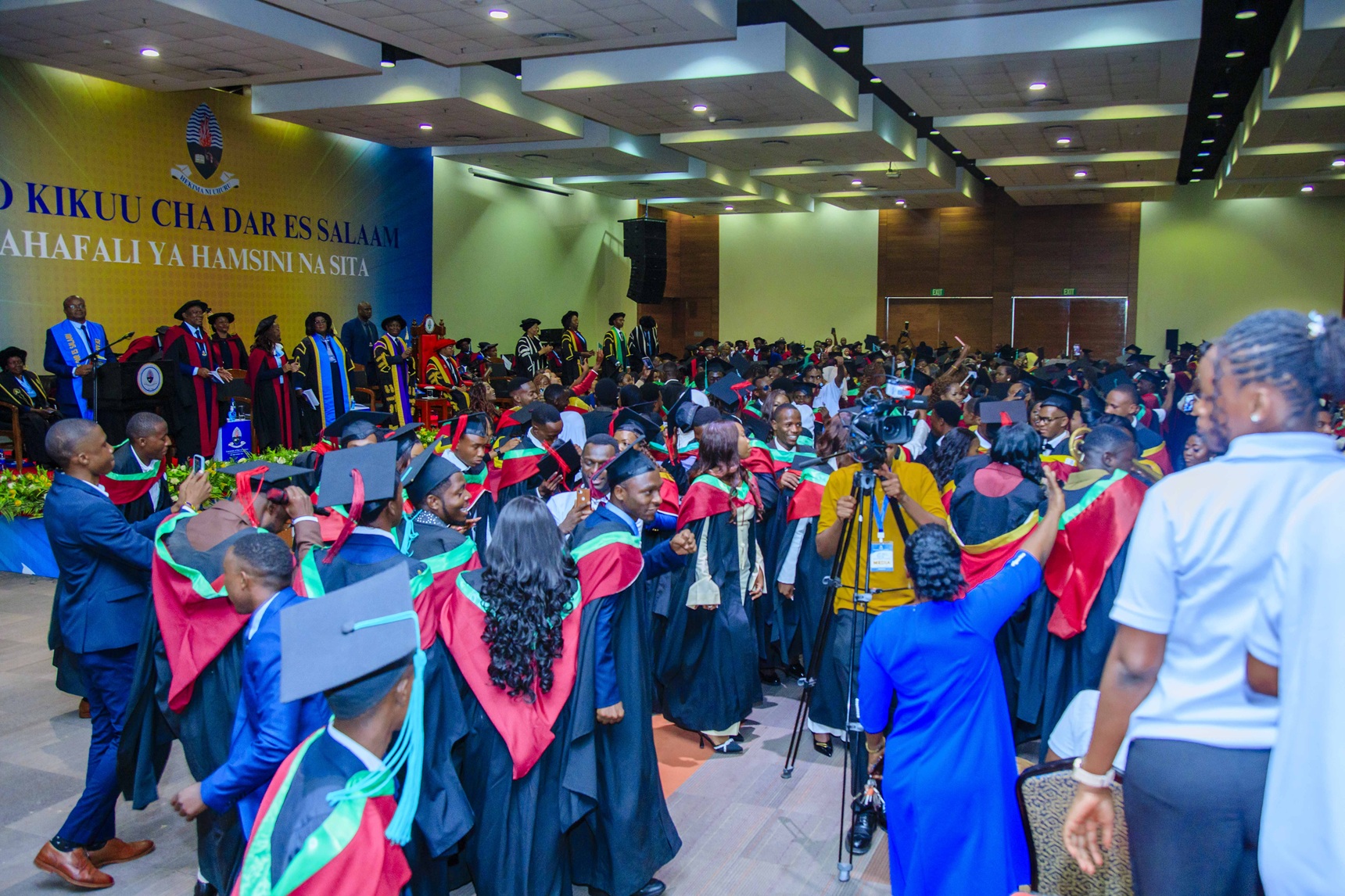
From lecture halls to the graduation stage, women are increasingly making their mark in higher education at the University of Dar es Salaam (UDSM), accounting for more than half of the graduates at the University’s 56th Graduation Ceremony, Second Cluster on13 october, 2026.
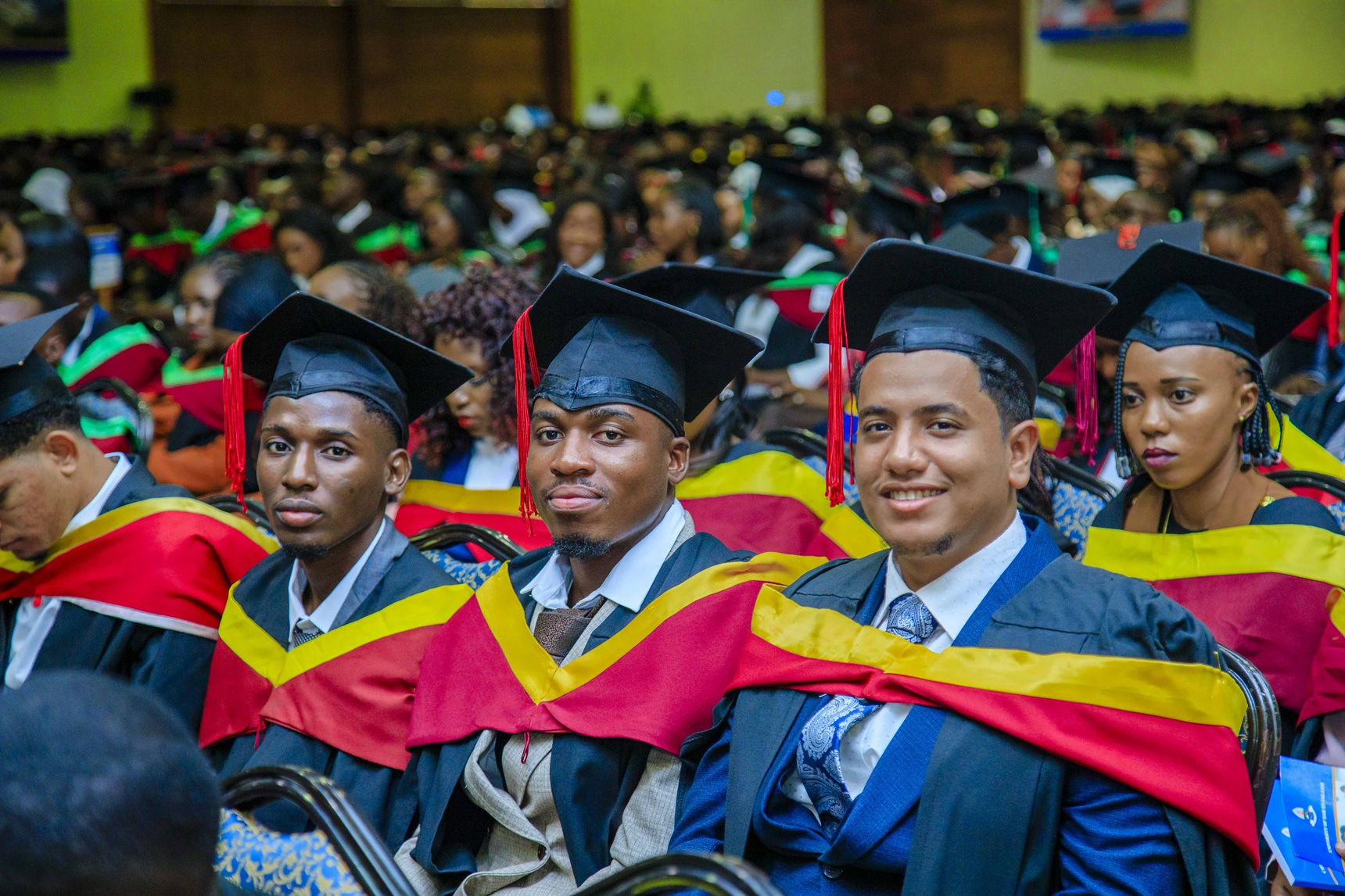
Of the 2,774 graduates who qualified for degrees, diplomas and certificates on October 13, 2026, at Mlimani City Hall in Dar es Salaam, 1,480 were women, representing 53.4 per cent, compared with 1,294 men.
The figures offer a snapshot of women’s growing participation in higher education and reflect a broader shift towards greater female representation in academic and institutional leadership.
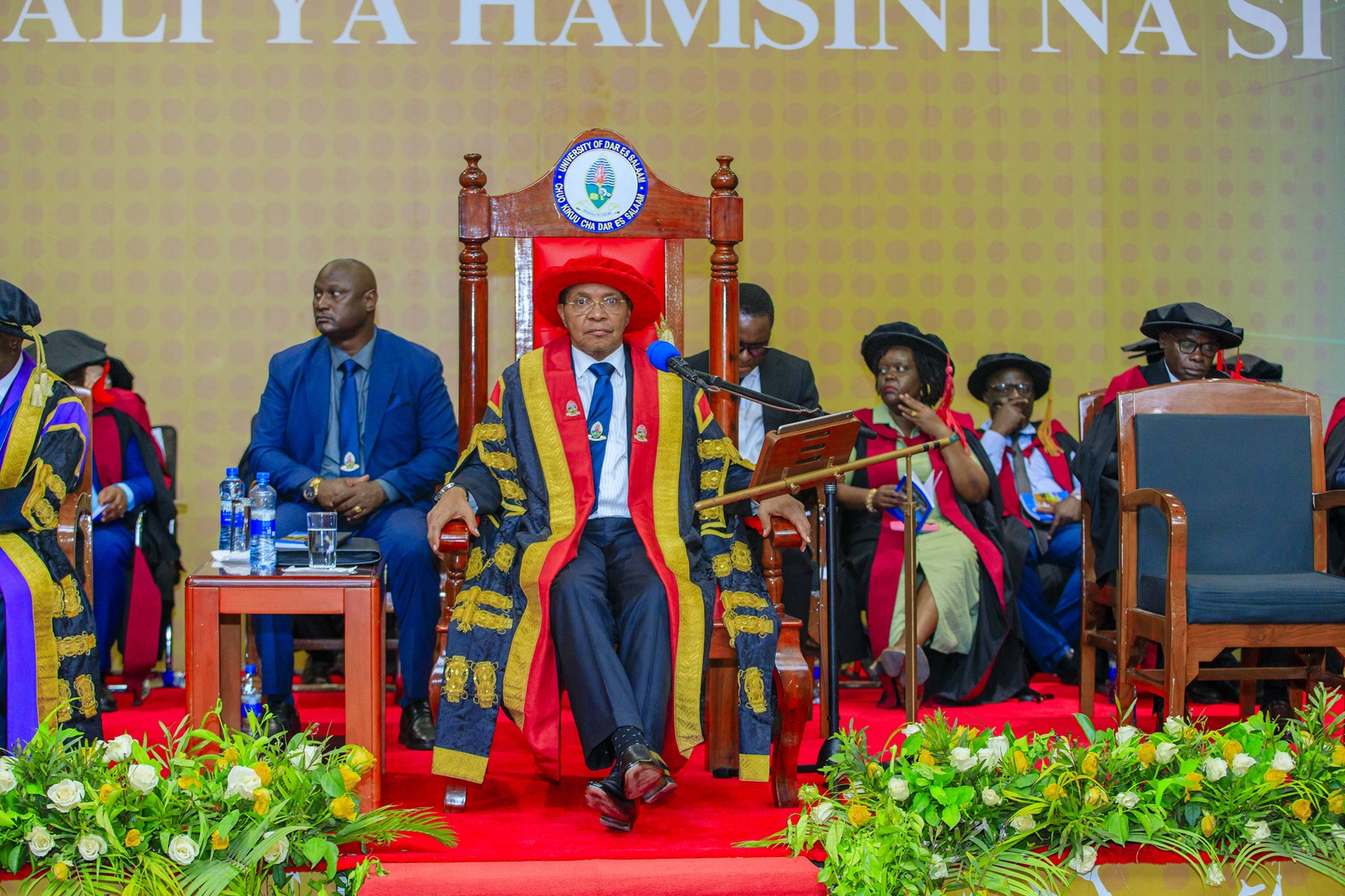
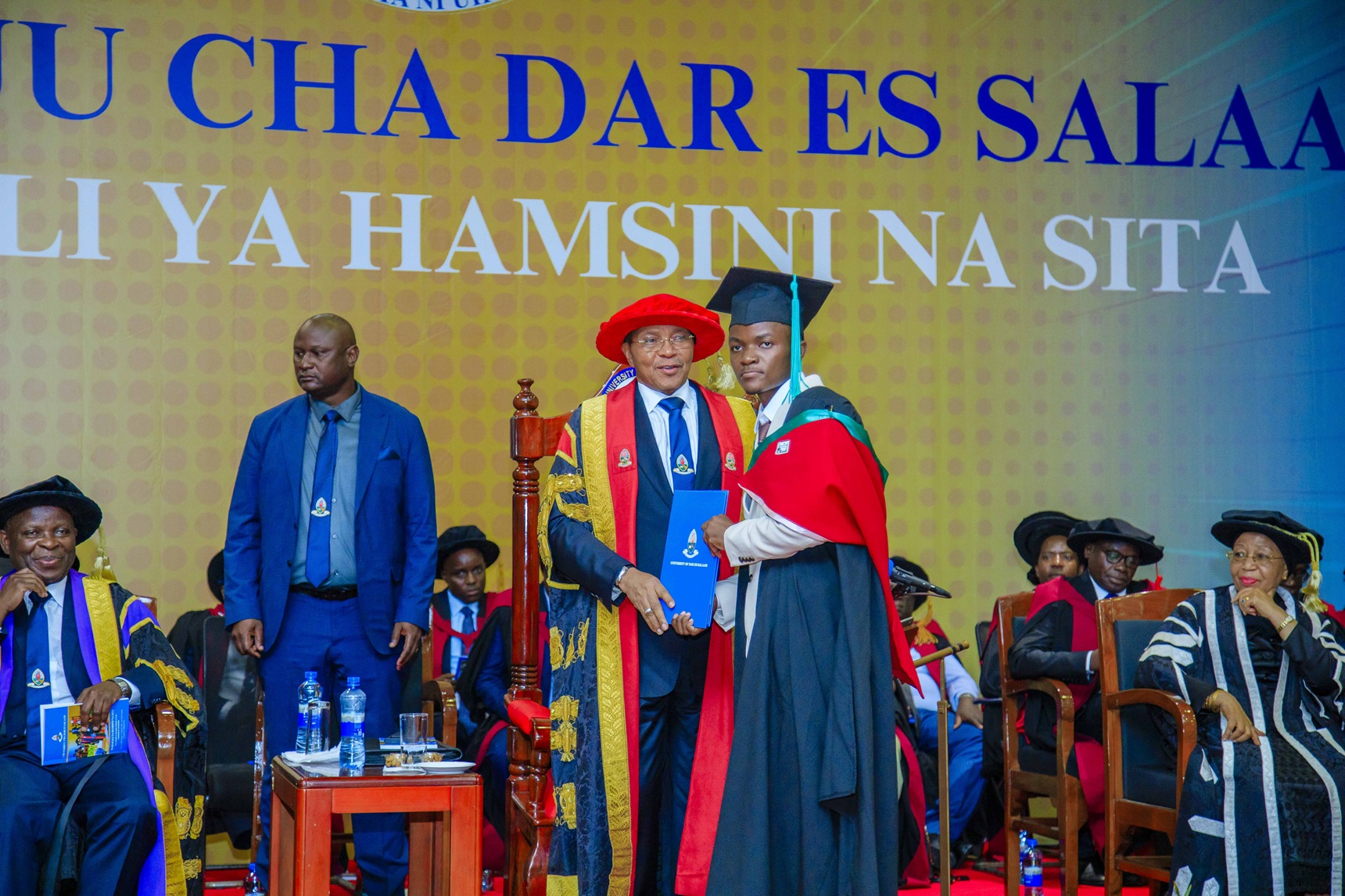
The milestone drew recognition from UDSM Chancellor Dr. Jakaya Mrisho Kikwete, who observed that the conversation around gender inclusion had evolved from closing the gap to recognising women’s growing presence in leadership.
“In previous years, we used to discuss how to reduce the gender gap, but today women are taking the lead. Even on this platform, there are women leaders,” Dr. Kikwete said.
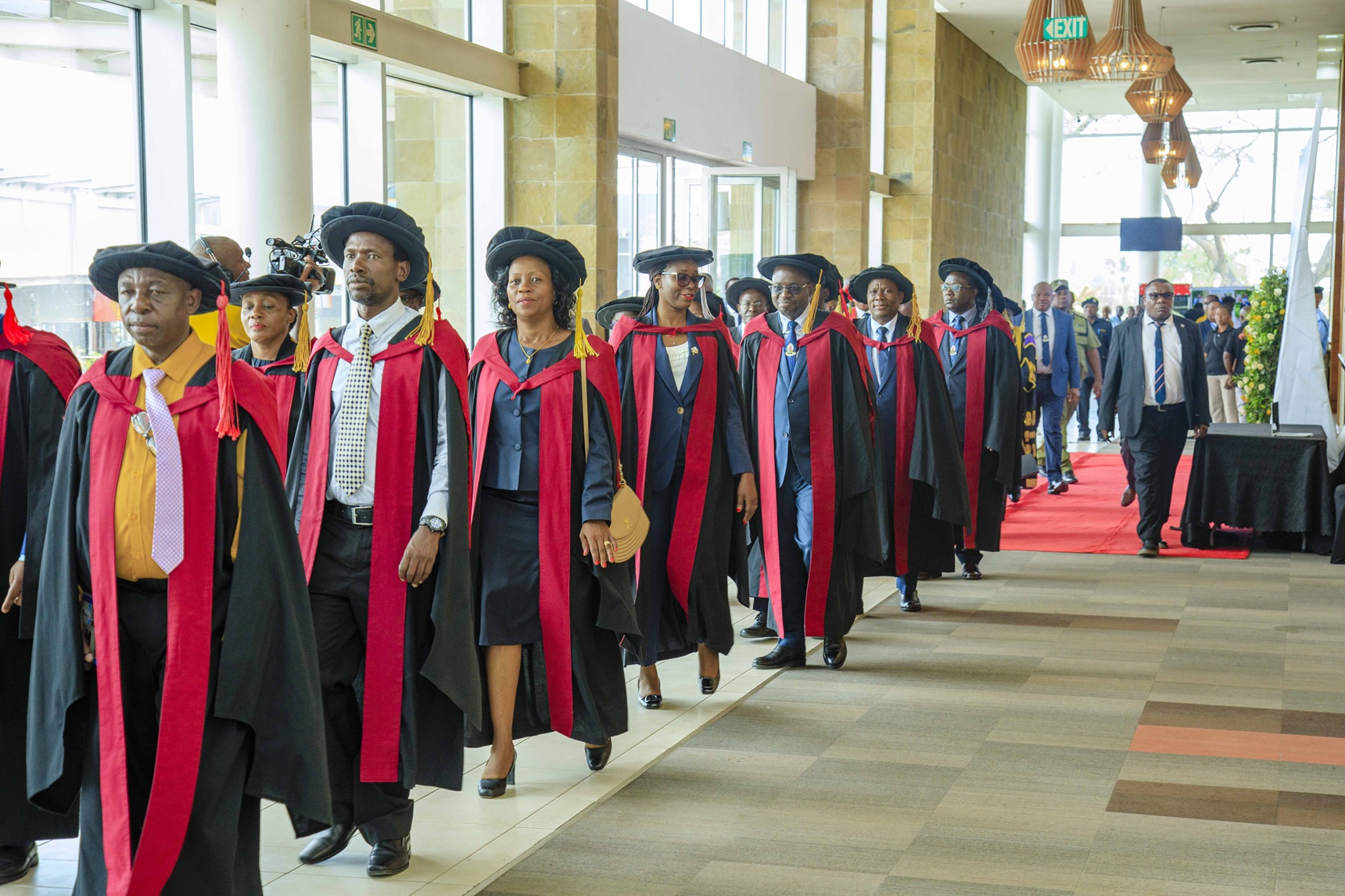
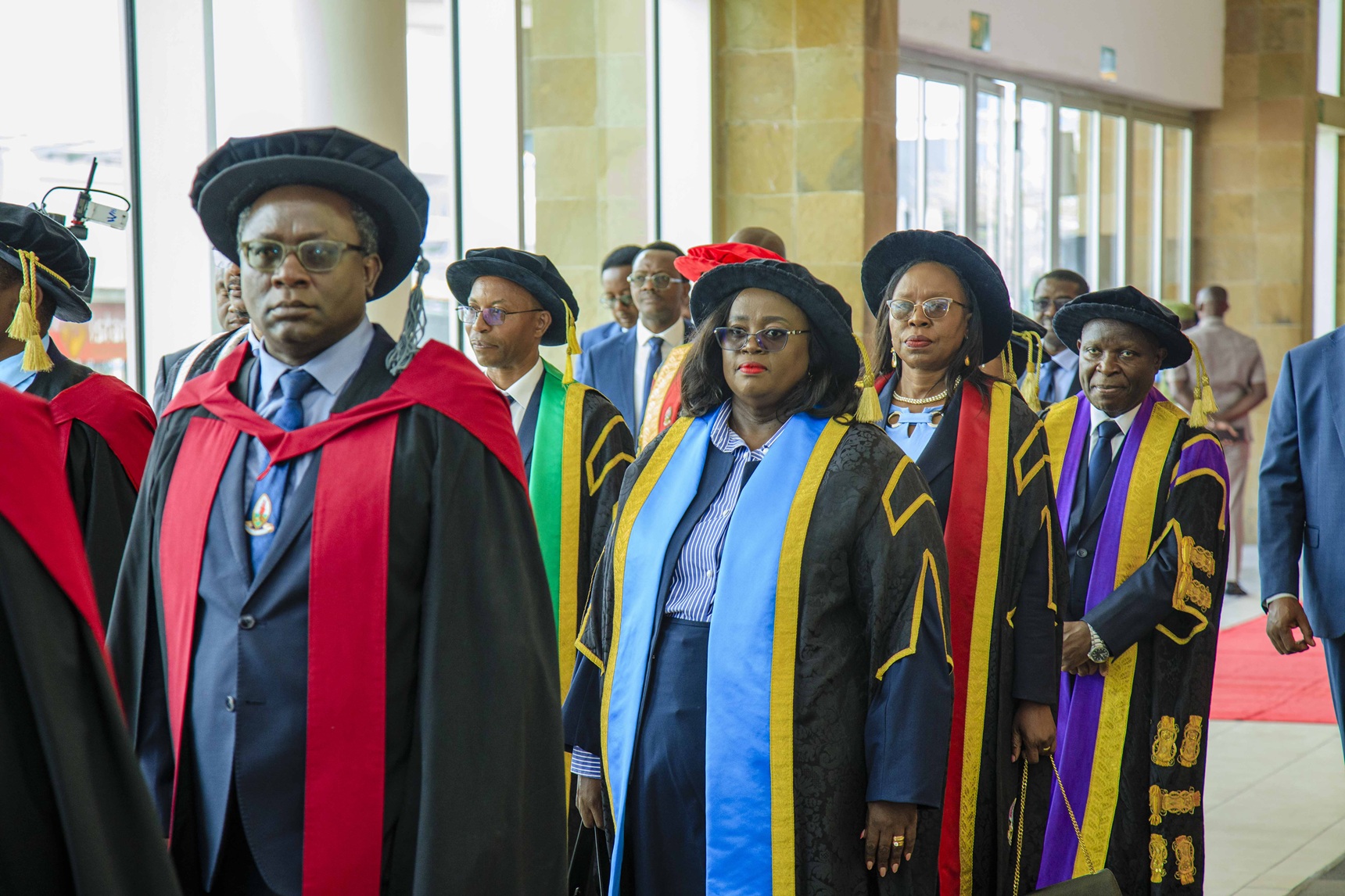
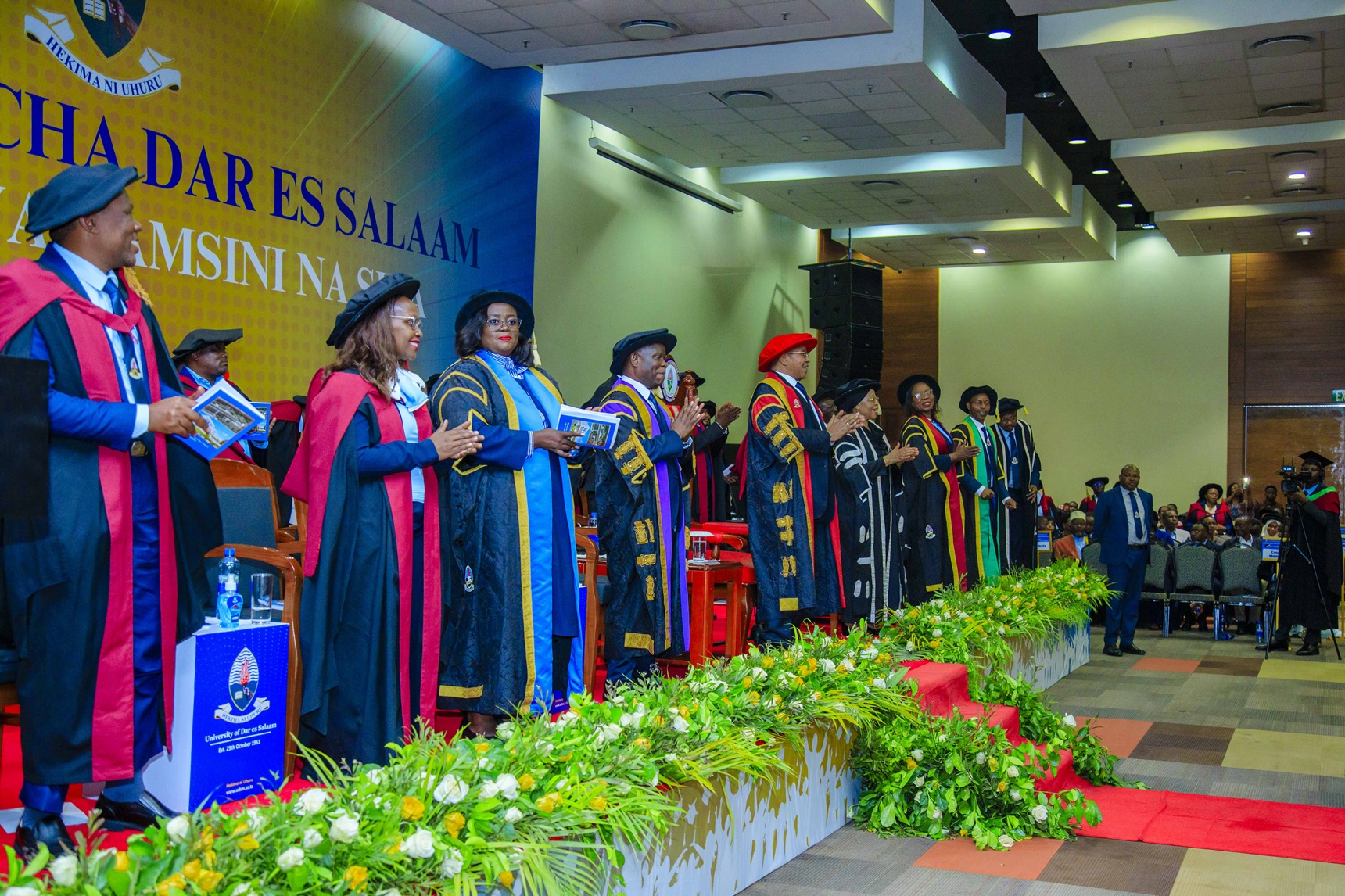
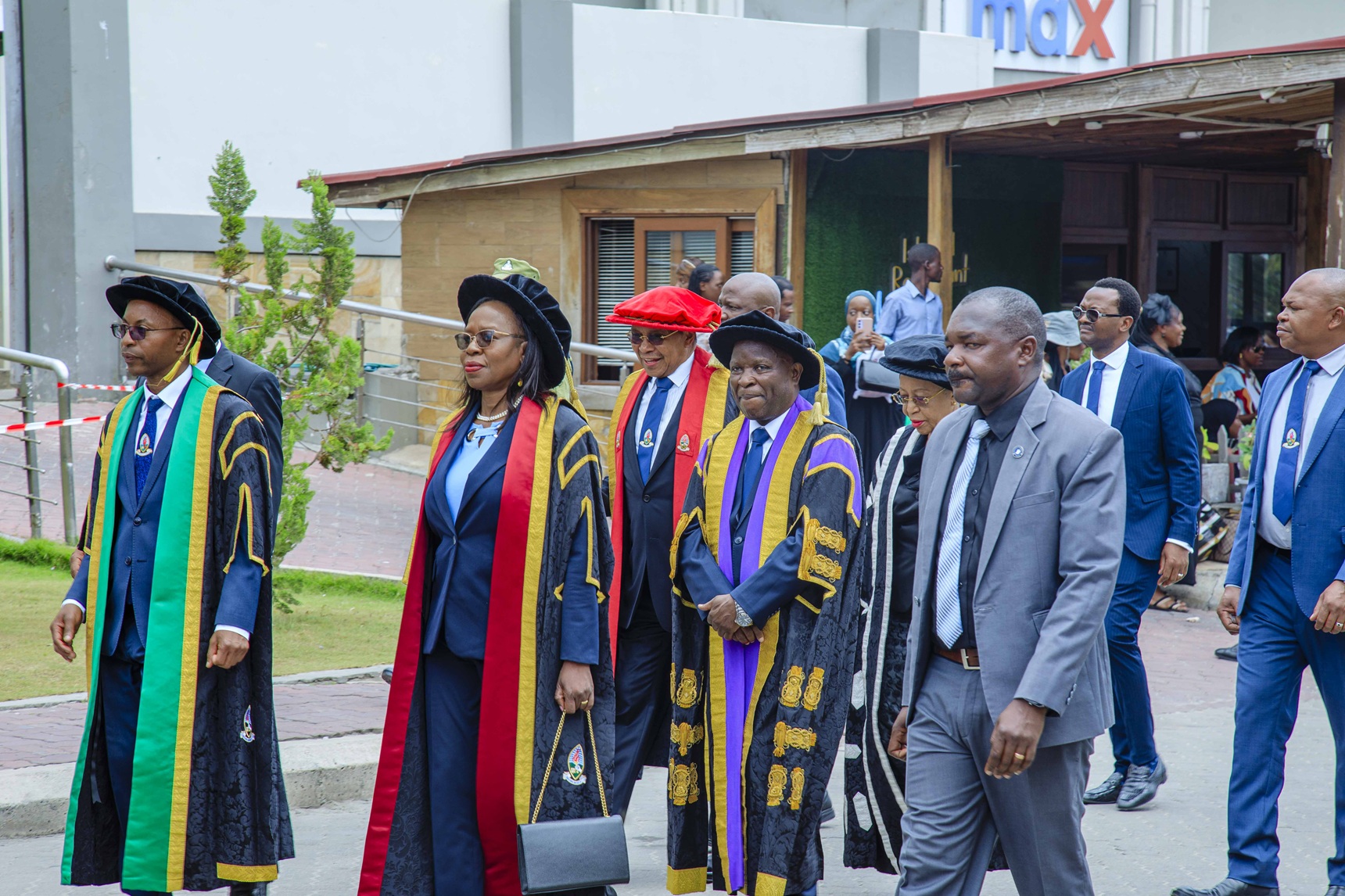
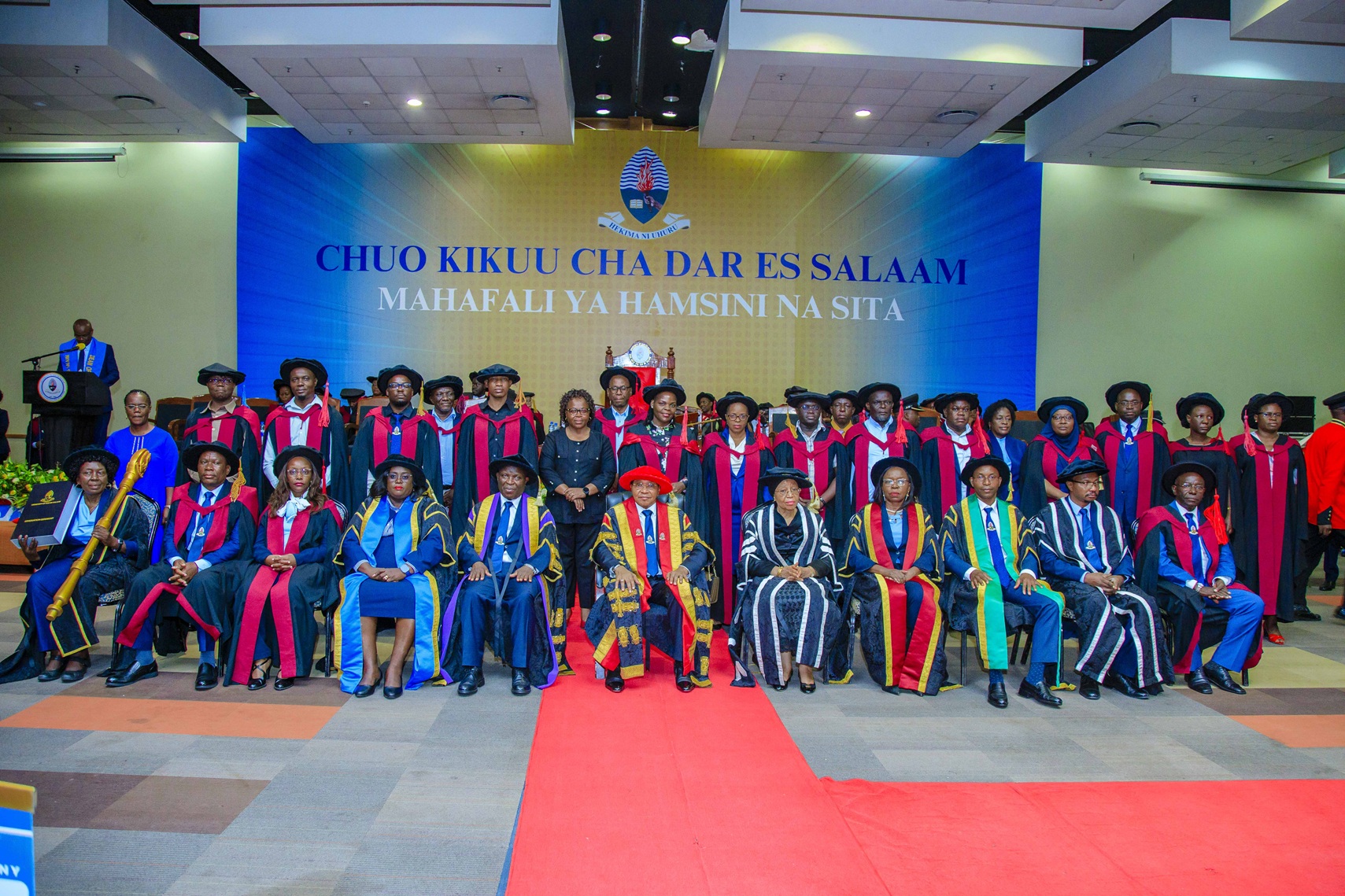
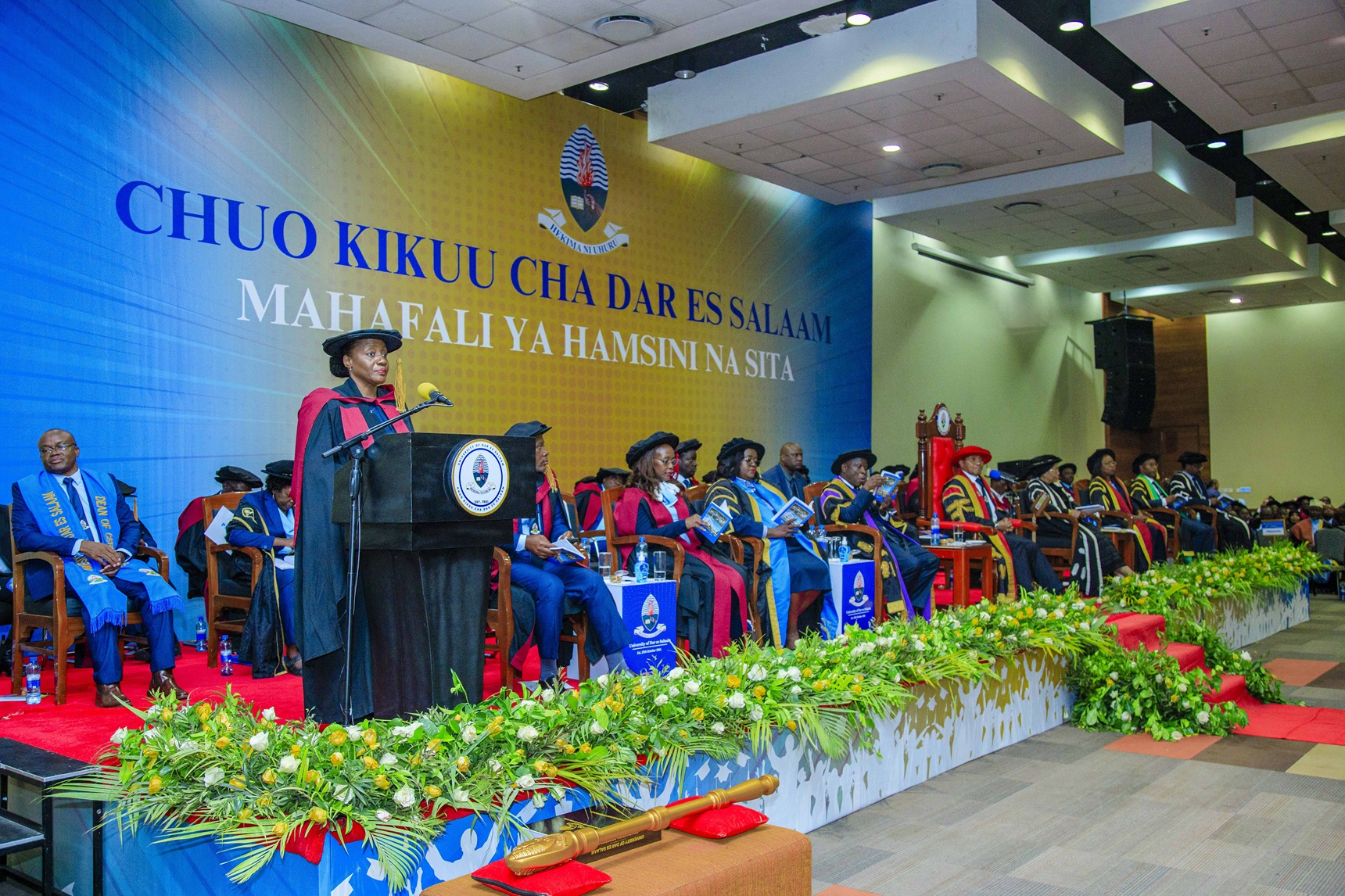
His remarks highlighted a change visible at the ceremony itself, where women’s presence extended beyond the graduating class to senior positions within the University. The figures are a reminder that progress in gender inclusion can be seen not only in who enters higher education, but also in who completes it and takes up leadership responsibilities.
The graduating class comprised 2,690 bachelor’s degree recipients, 40 diploma holders and 44 certificate recipients. Women accounted for the majority of the graduates overall, marking a significant feature of this year’s ceremony.
For UDSM, however, expanding participation must go hand in hand with maintaining academic standards, strengthening research and ensuring that graduates can translate their education into meaningful contributions to society.
UDSM Council Chairperson Ambassador Mwanaidi Sinare Maajar said the University’s future depended on the quality of decisions made today, the responsible use of resources and its ability to respond to changing demands without abandoning its founding values.
“The University has a rich history, but history alone is not enough. Its reputation will be safeguarded by the decisions we make today, the systems we build, discipline in the use of resources, and our ability to adapt without losing its foundations,” Ambassador Maajar said.
She said the Council would continue overseeing the implementation of Tanzania’s Development Vision 2050, UDSM Vision 2061 and the University’s Ten-Year Strategic Plan for 2024–2033. The priorities include sustainable investment, institutional accountability and strengthening revenue generated from the University’s own activities.
Ambassador Maajar also reminded graduates that their qualifications carried obligations beyond personal achievement, urging them to use their knowledge ethically and in the service of society.
“The degrees you receive are not merely proof of completing your studies; they are a responsibility to serve the nation and society with knowledge, integrity and professionalism. As you leave this University, remember that you carry the name of the University of Dar es Salaam. Do not carry it through words alone; uphold it through your actions,” she said.
Turning education into opportunity
UDSM Vice-Chancellor Prof. William A. L. Anangisye highlighted the University’s progress in curriculum development, research, industry partnerships and digital infrastructure, saying these investments were intended to strengthen the quality and relevance of higher education.
As of June 2026, the University had reviewed, developed and secured Senate approval for 494 curricula, against an initial target of 60. Of these, 170 had received accreditation or approval from the Tanzania Commission for Universities (TCU), while 47 programmes had commenced in the 2025/2026 academic year.
In research, Prof. Anangisye said 14 UDSM academics had received national recognition from the Ministry of Education, Science and Technology for publishing in high-impact international journals.
He also pointed to a ten-year partnership with Barrick Tanzania covering training, research, scholarships, practical training and technology transfer in the mining sector.
In the energy sector, collaboration with the Tanzania Petroleum Development Corporation (TPDC) had supported the establishment of a Natural Gas Vehicle Conversion Workshop, representing an investment of TZS 1.52 billion.
Infrastructure development has also progressed under the Higher Education for Economic Transformation (HEET) Project, whose construction works had reached 93 per cent completion by June 2026.
The UDSM Smart Campus infrastructure had reached 90 per cent completion, while the University’s internet capacity had increased to 10 gigabits per second. Approximately 90 per cent of major administrative services were being delivered through digital systems.
These developments, Professor Anangisye noted, form part of the University’s efforts to equip graduates with knowledge and skills relevant to a changing economy.
Addressing the graduates, he urged them not to allow employment challenges to diminish the value of their education. Instead, he encouraged them to explore opportunities in entrepreneurship, agribusiness, the digital economy and research, while using their knowledge to address challenges facing their communities.
A qualification, and a responsibility
The ceremony’s mace bearer, Prof. Agnes Mwakaje, congratulated the graduates on their determination and perseverance, reminding them that graduation marked the beginning of a new stage of learning and responsibility.
“Today is not the end of your learning journey, but the beginning of the real test of life. The degrees you will hold in your hands today are tools for work and keys to opening new doors of opportunity around the world,” Prof. Mwakaje said.
She encouraged graduates to embrace lifelong learning, keep pace with technological developments, including artificial intelligence, and consider innovation and entrepreneurship alongside formal employment. She also urged them to uphold the University’s reputation through integrity, discipline and professionalism.
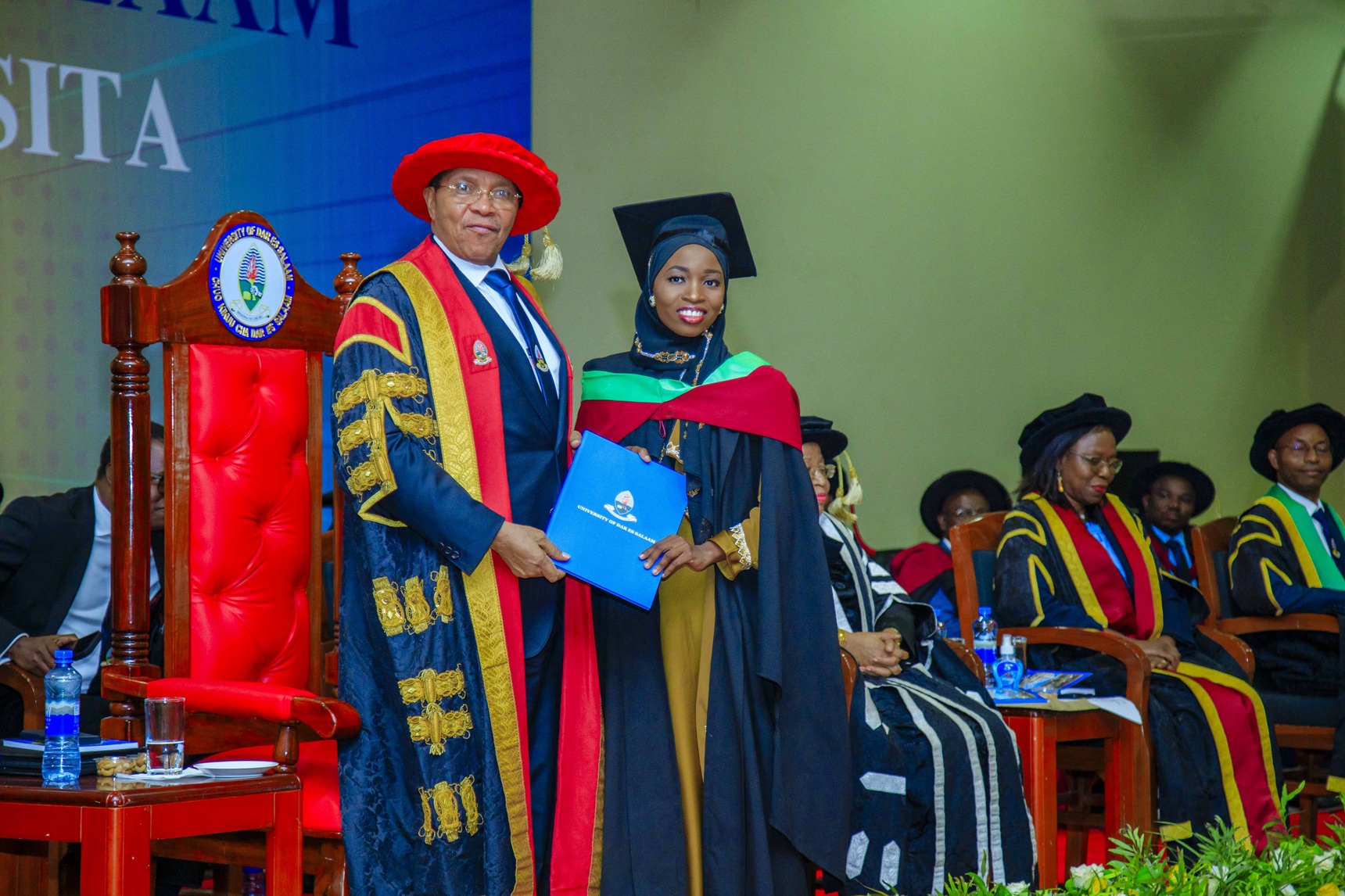
For the 1,480 women among this year’s graduates, the ceremony marked the completion of a demanding academic journey and the beginning of new opportunities to apply their knowledge in workplaces, businesses, research and communities.
Their majority presence among the graduating class also gives the University a reason to continue examining how gains in access and completion can translate into opportunities for women to thrive professionally and contribute to national development.
As UDSM advances its ambitions in teaching, research and innovation, the graduation figures provide a clear measure of women’s participation in this cohort. The next challenge is to ensure that the promise represented by these qualifications is matched by opportunities to lead, innovate and make a difference in society.