


Digital MoU Management to Strengthen Partnerships and Accountability
By Sulea Suleiman Abbas, CMU
The University of Dar es Salaam (UDSM) has stepped up efforts to improve the management of its growing network of institutional partnerships by rolling out a new digital Memorandum of Understanding Management System (MOUMS), designed to make agreements easier to process, track, monitor and preserve.
The system, being implemented through the Directorate of Public Services (DPS), is expected to bring greater efficiency, transparency and accountability to the management of Memoranda of Understanding (MoUs) between UDSM and its local and international partners.
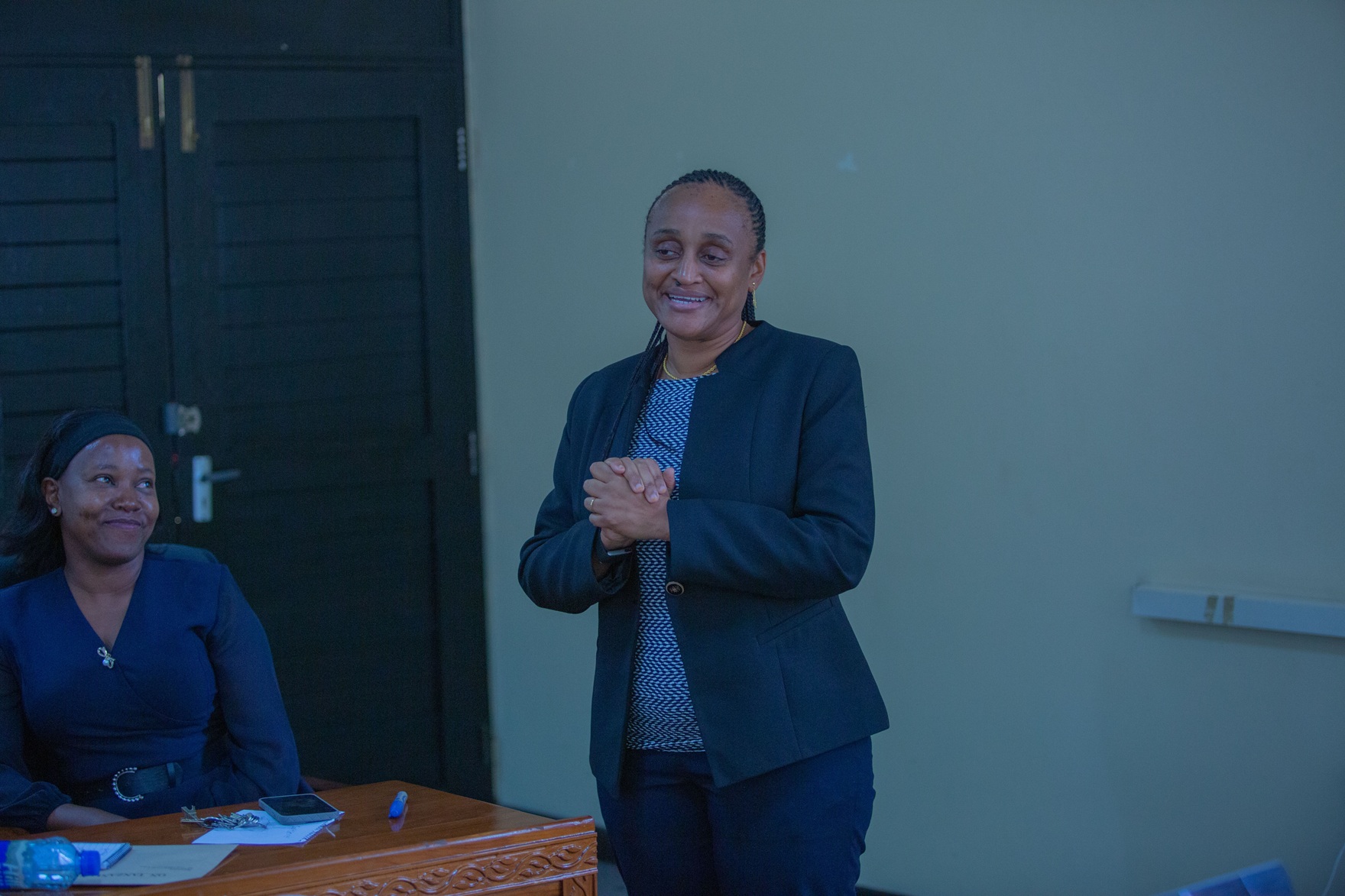
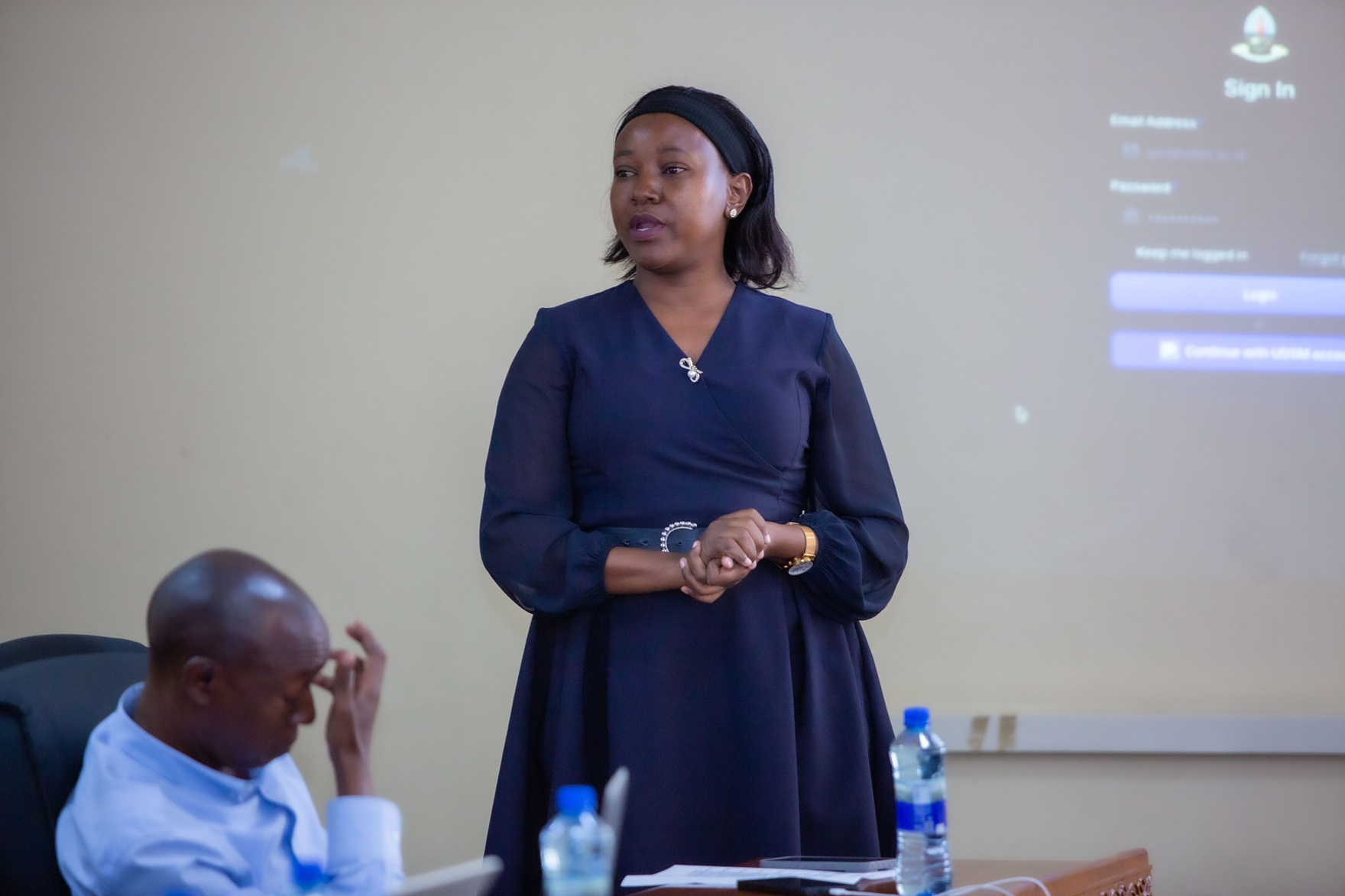
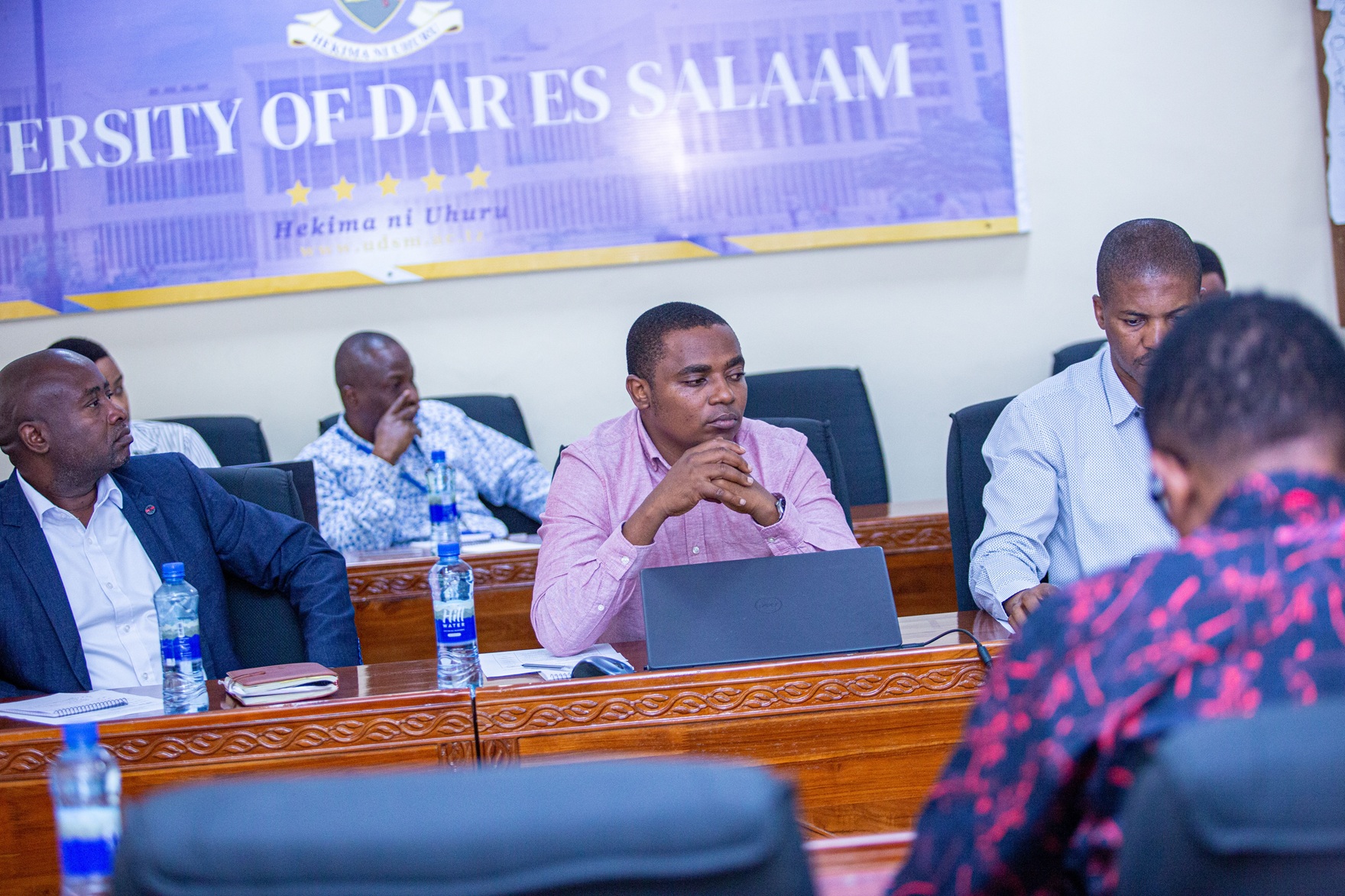
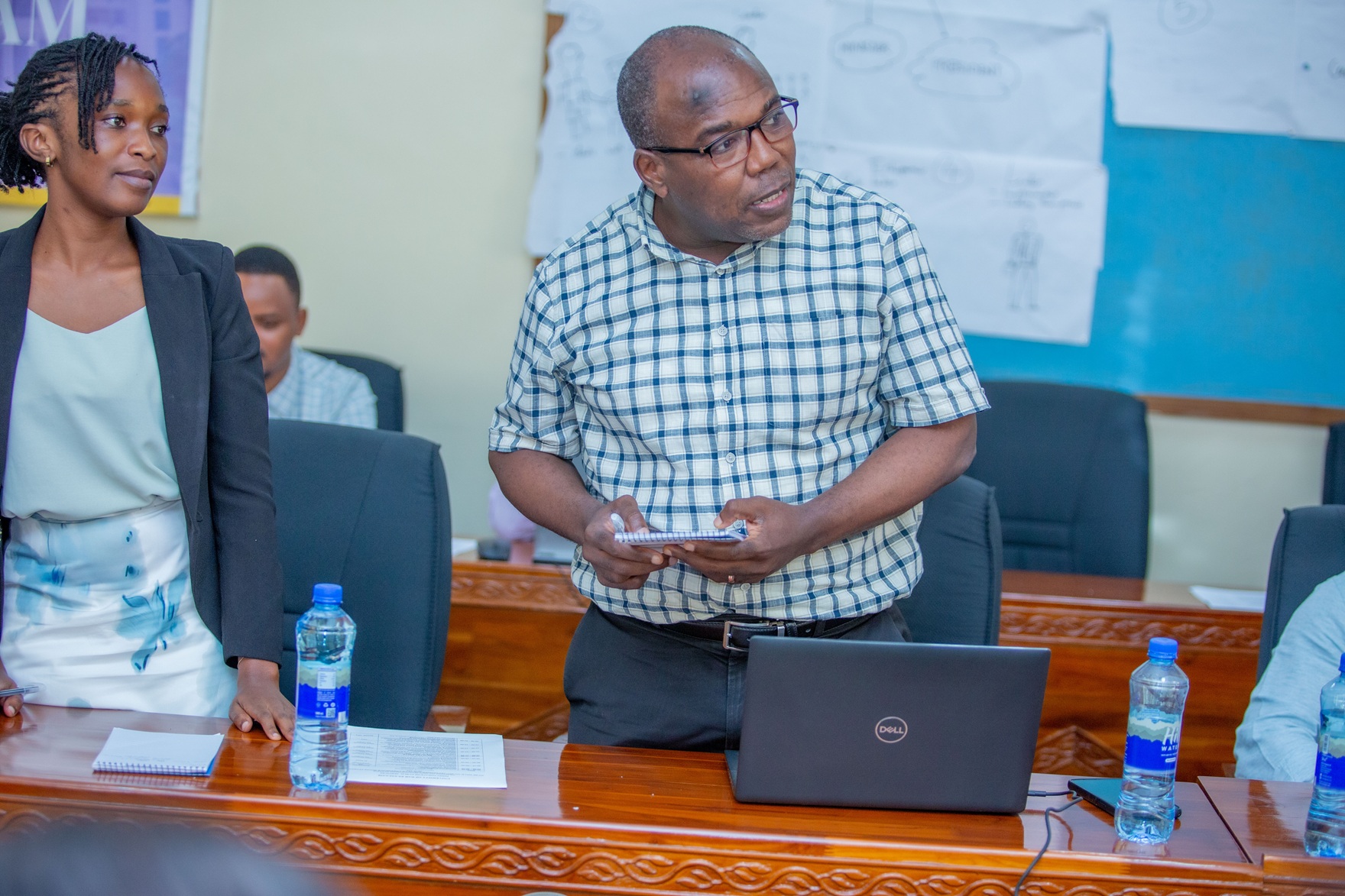
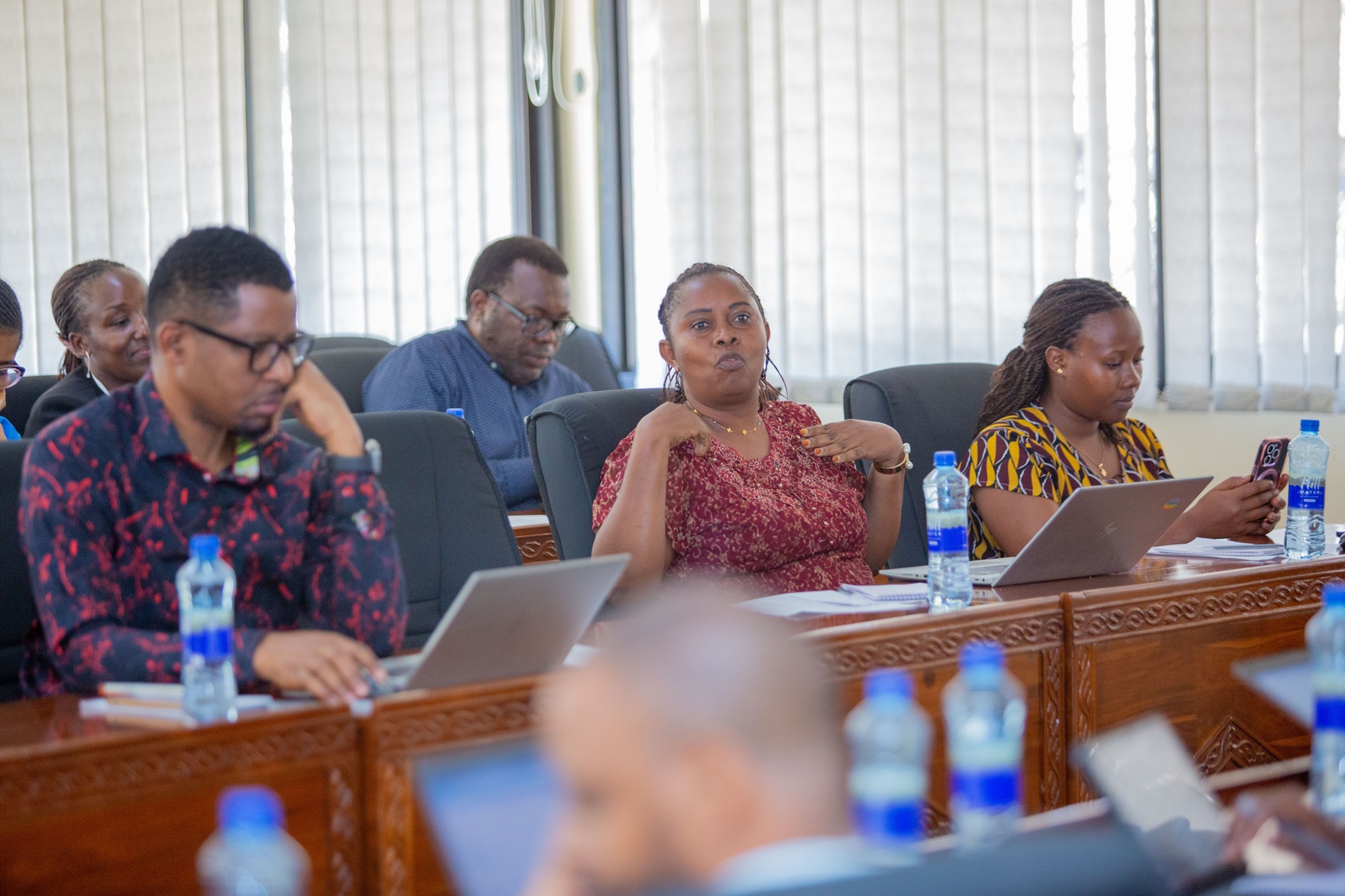
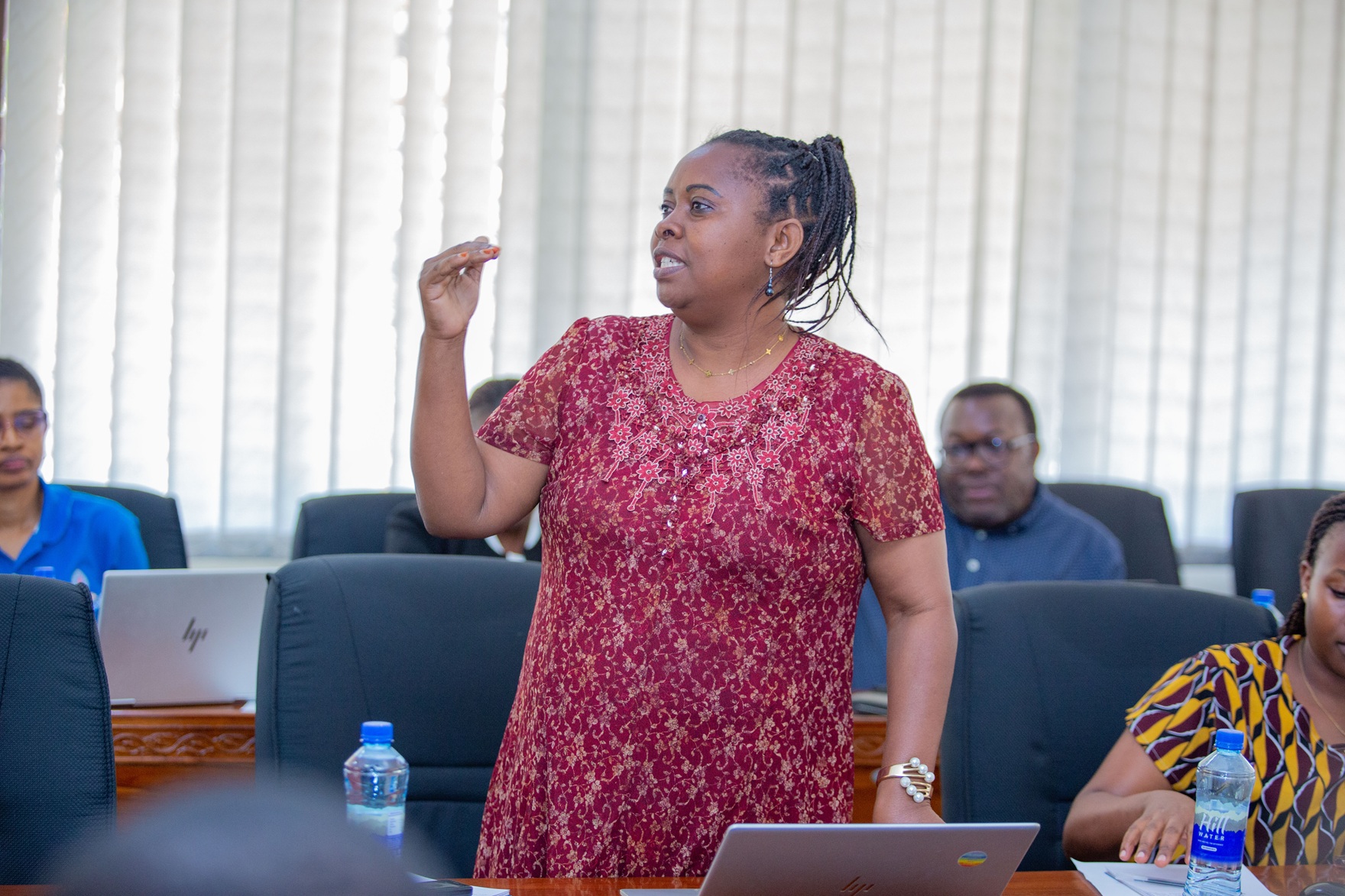
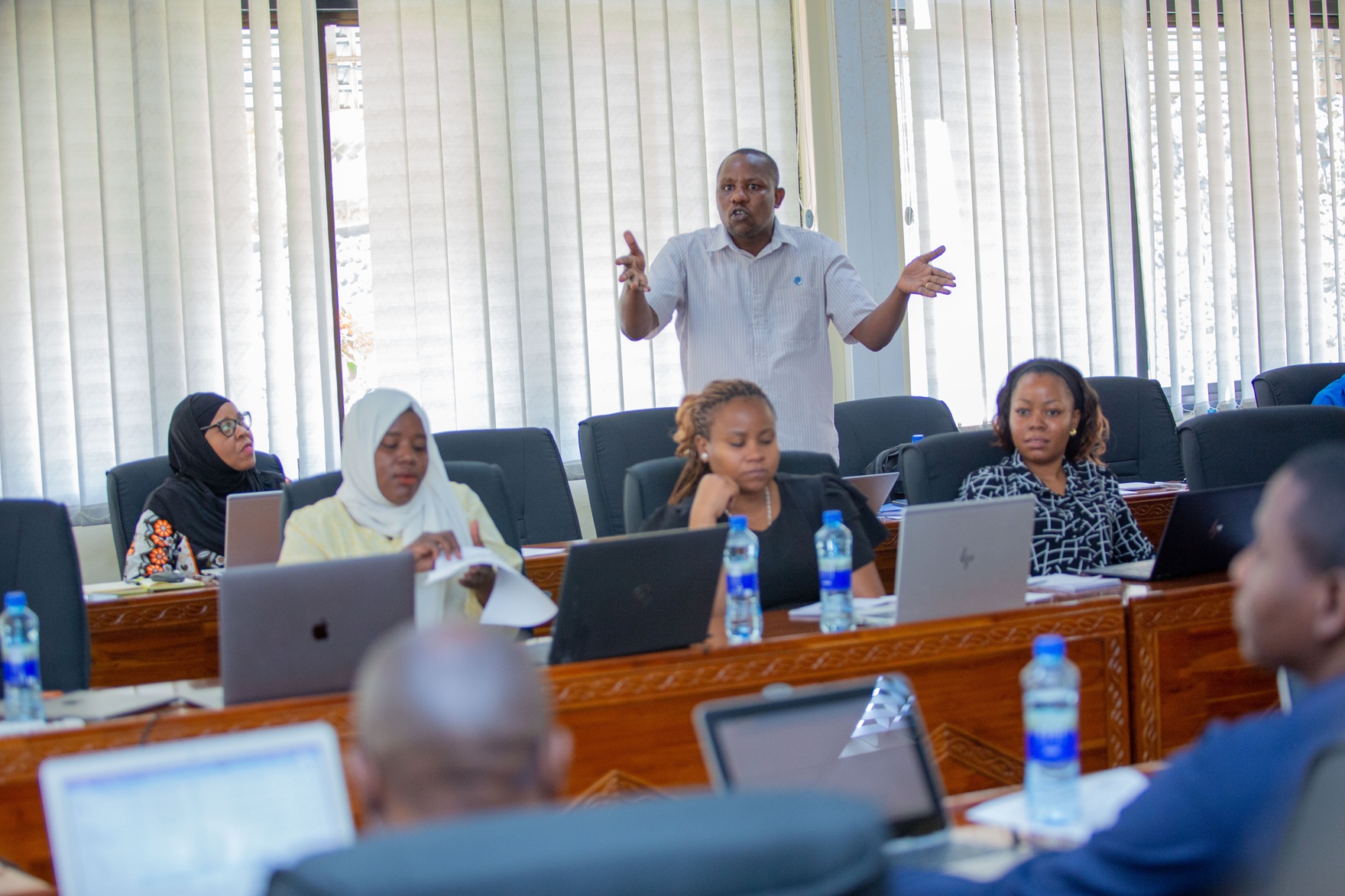
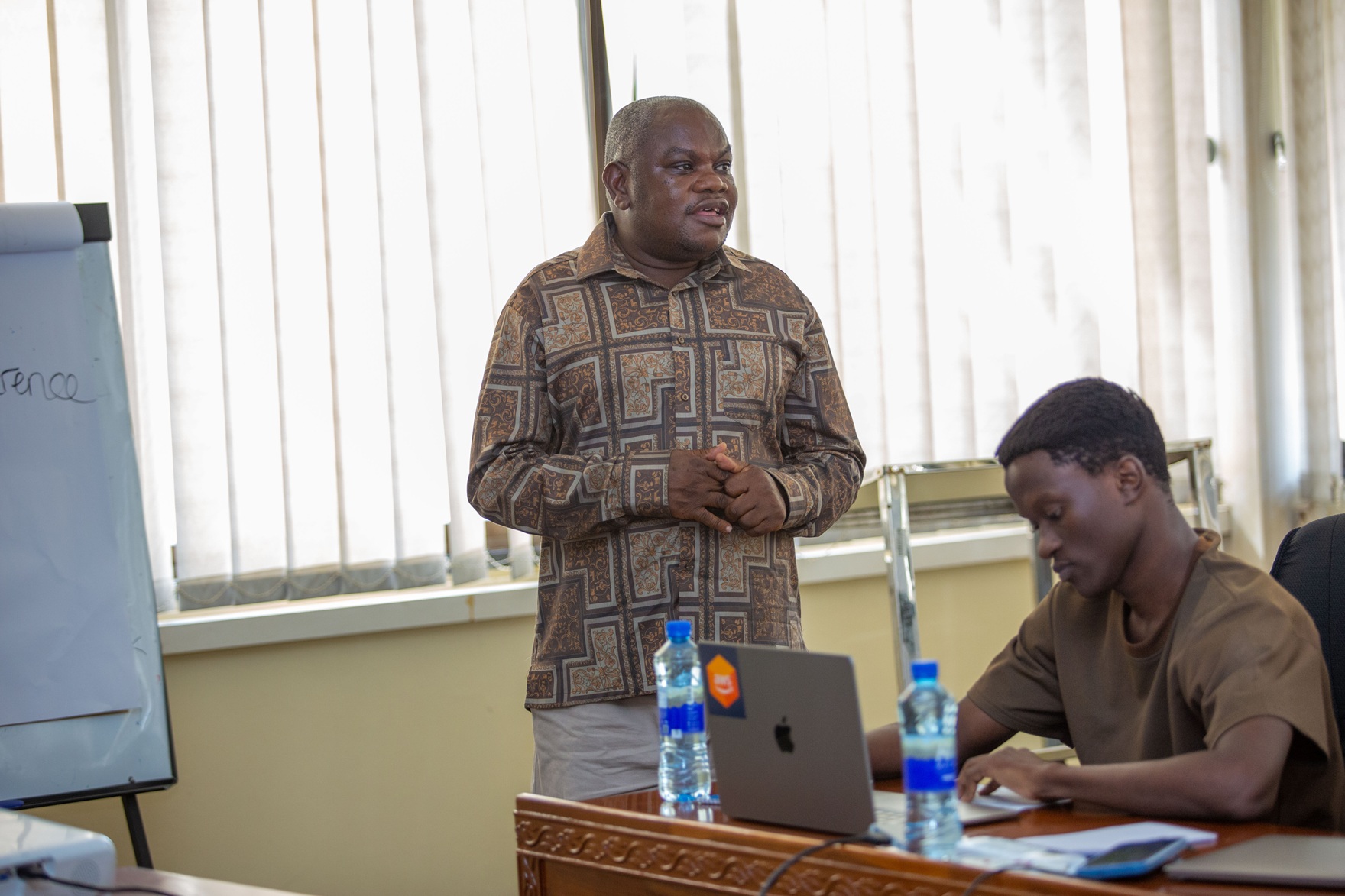
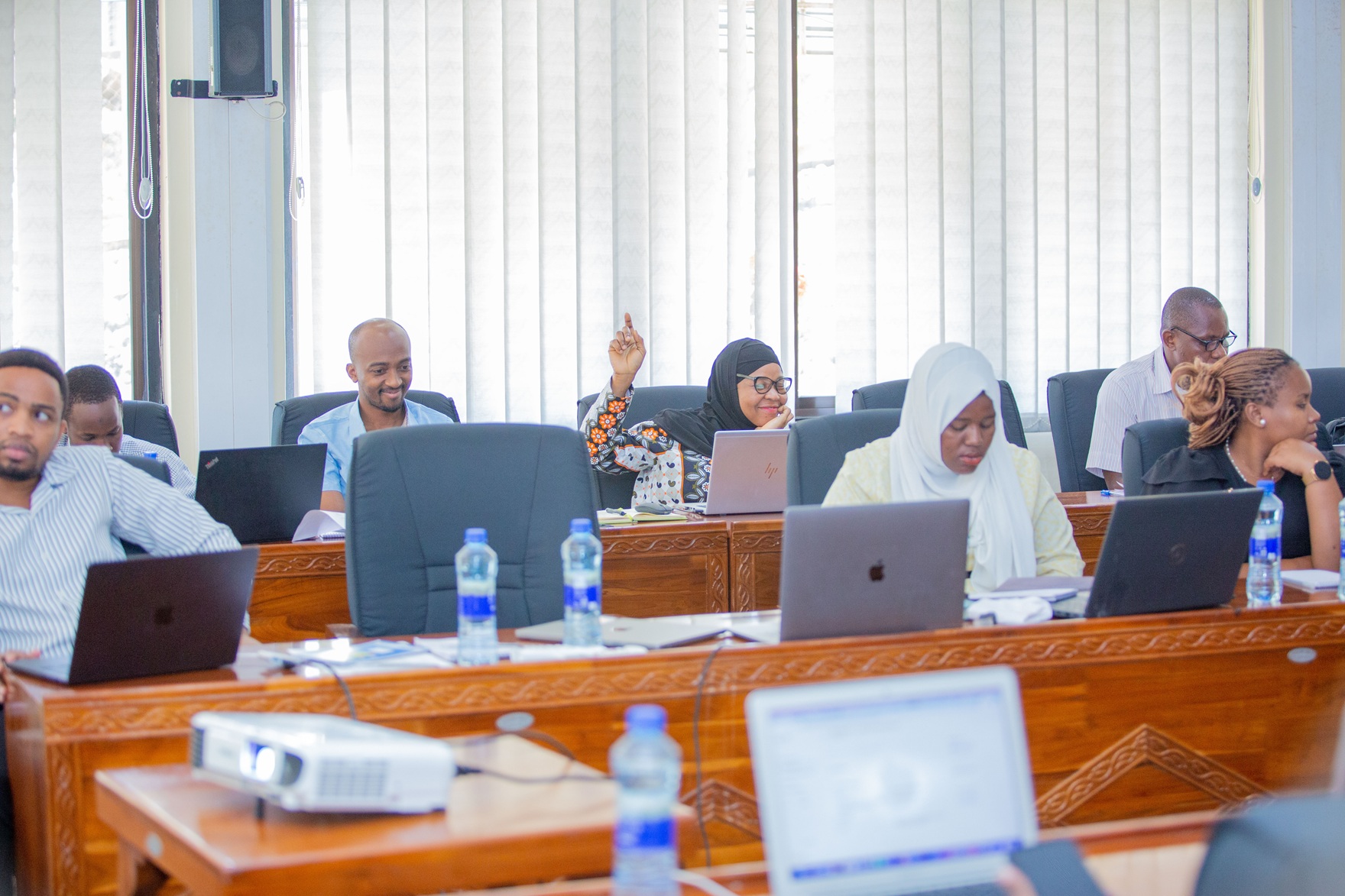
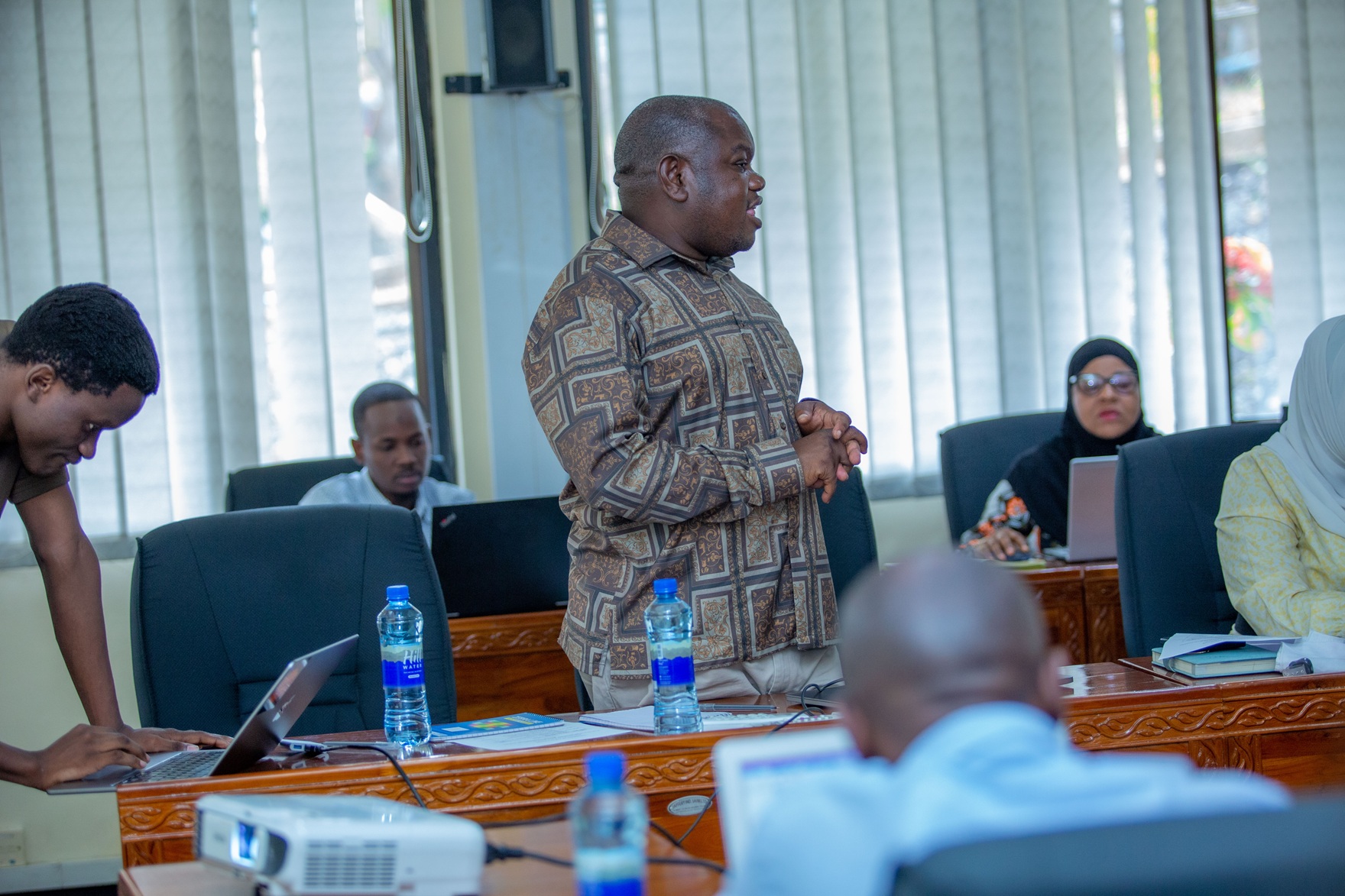
To prepare staff for the new system, UDSM held a specialised training session on September 23, 2026, at the CE Conference Room, bringing together MoU coordinators and representatives from colleges, departments and other University units.
The training provided participants with practical experience in using the system, while also giving them an opportunity to identify technical and operational issues that need to be addressed before its wider deployment.
For an institution whose academic, research, innovation and community engagement activities increasingly depend on partnerships, effective management of MoUs is critical to ensuring that commitments made through such agreements are properly documented, followed up and implemented.
The introduction of MOUMS marks a shift from fragmented, largely manual processes towards a centralised digital platform through which University agreements can be managed throughout their lifecycle.
Under the new system, staff can initiate, draft, submit and track MoUs electronically, allowing authorised users to see the progress of an agreement as it moves through the required stages.
The system is also designed to provide role-based access, ensuring that different users can access and act on documents according to their responsibilities.
Speaking during the training, the session convener, Dr. Juma Lungo, said the new system would address some of the challenges associated with managing institutional agreements through conventional processes.
“Today marks a significant shift from traditional paperwork to a more robust and transparent digital workspace. The true value of this system lies in its ability to eliminate workflow contradictions, provide secure access to relevant stakeholders and enable effective follow-up of pending agreements,” Dr Lungo said.
He said the digital platform would also strengthen the preservation and accessibility of UDSM's legal and institutional records.
Making every stage of an MoU traceable
One of the key features of MOUMS is its ability to track an agreement from the point at which it is initiated to the stage at which it is formally approved and signed.
The digital workflow follows the University's established administrative structure. An MoU begins with the initiating department before moving through the Head of Department, College Dean and relevant offices within the Directorate of Public Services and Legal Office.
This arrangement is intended to make responsibilities clearer and enable authorised users to establish where an agreement is in the approval process at any given time.
The system also distinguishes between different categories of agreements, including local and international MoUs and specific service agreements, while incorporating approved institutional templates.
For staff responsible for coordinating partnerships, this means less uncertainty over the status of agreements and greater visibility of documents requiring action.
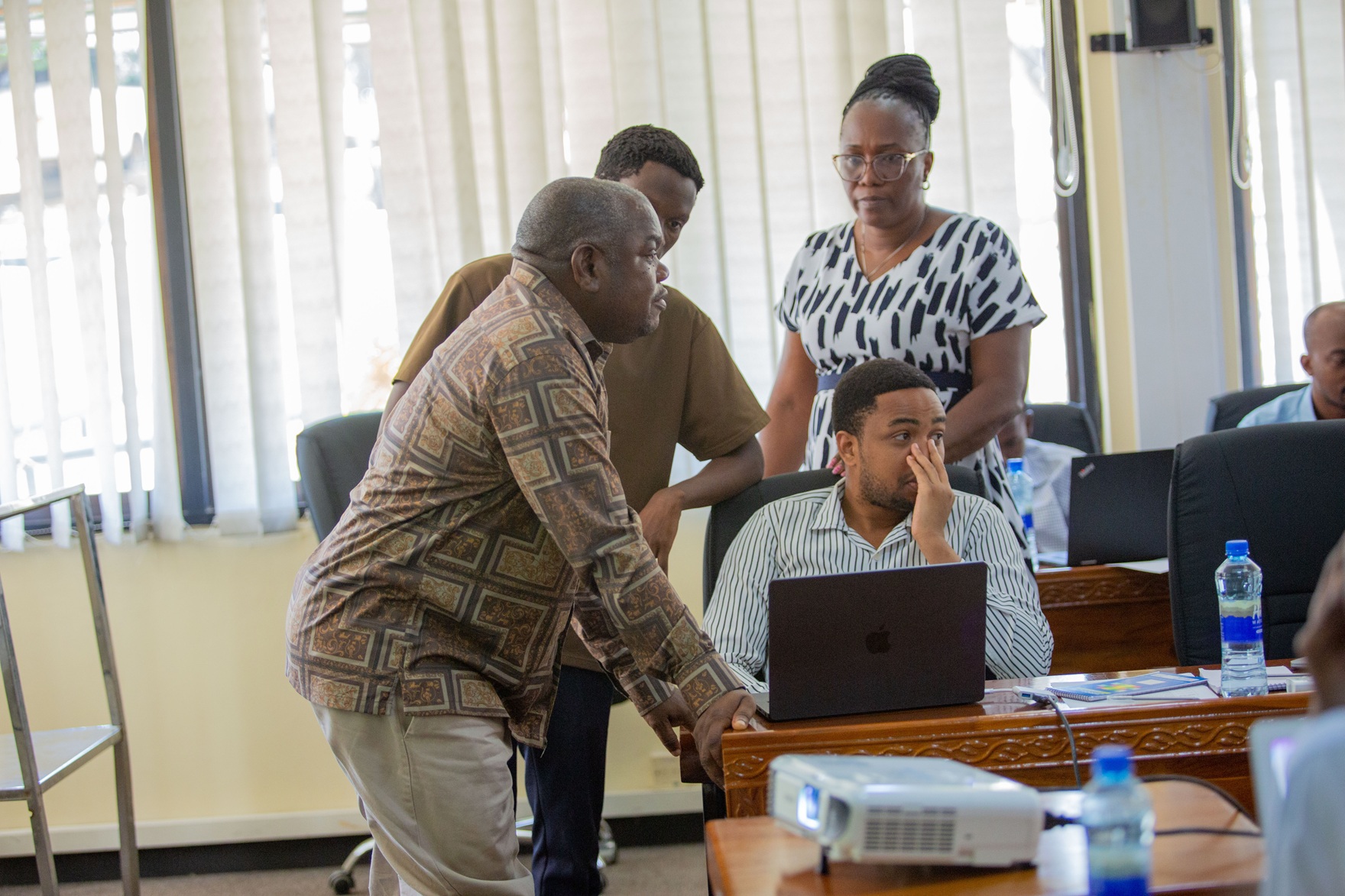
Led by system developer Jason Emanuel, the training combined demonstrations with hands-on practical exercises, enabling participants to work directly with the platform.
Participants were taken through the process of accessing the system using their UDSM email credentials and were guided on how to initiate, prepare, submit and monitor agreements.
The training also served another important purpose: ensuring that the people responsible for managing MoUs understand not only how the system works, but also how their individual responsibilities fit into the University's wider partnership-management process.
Dr. Lungo said this human element would be essential to the success of the digital transformation.
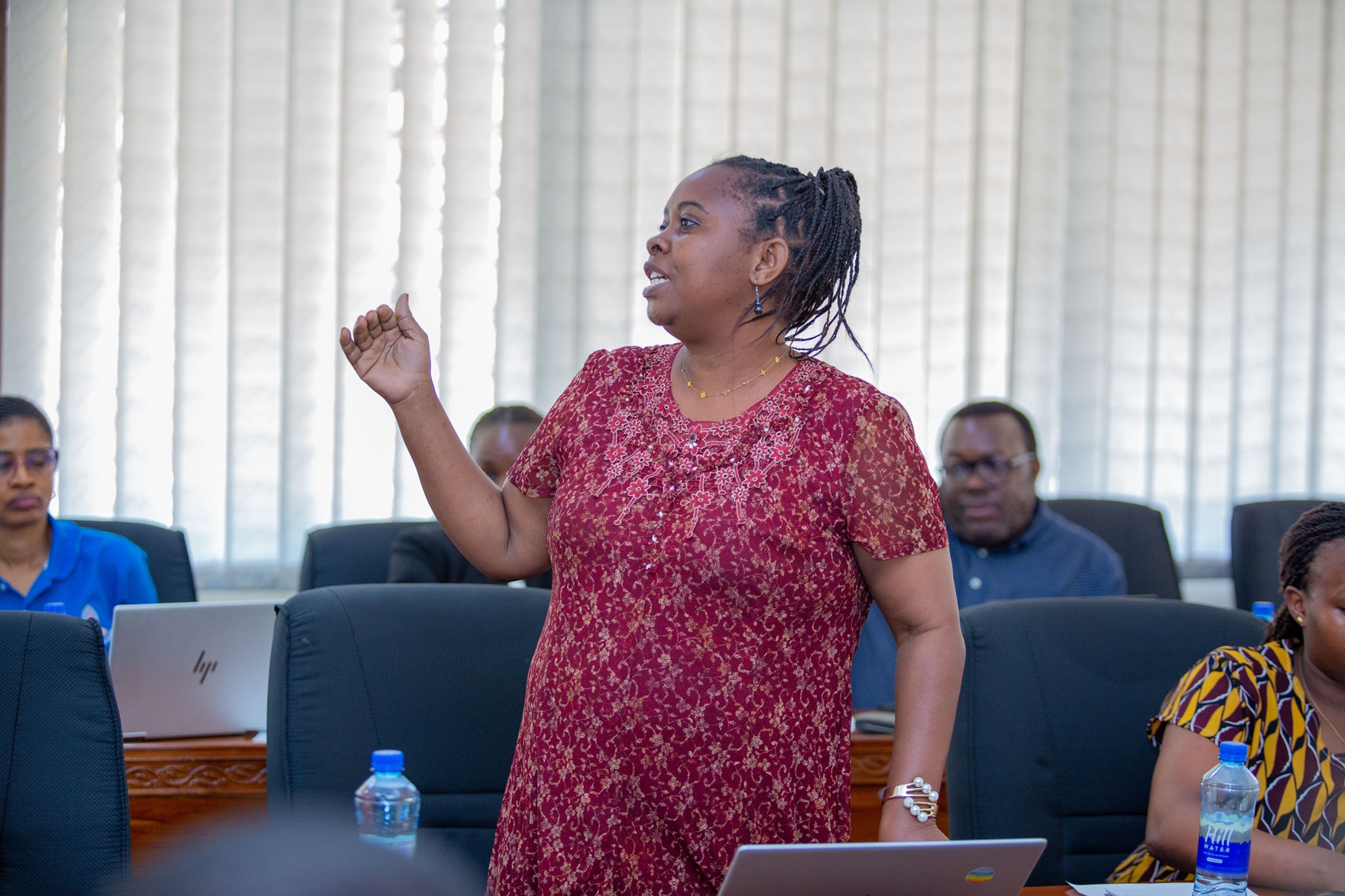
The training also provided an opportunity for coordinators to raise practical concerns and suggest improvements based on the realities of working within different University units.
The interactive sessions revealed several areas requiring further refinement, including the addition of missing sub-units, integration of some University entities and improvements to automatic session management.
Participants also raised issues concerning automated data entry and the system's ability to provide clearer information on the location of an agreement within the approval process.
The developers indicated that such feedback would be incorporated into subsequent system improvements, including enhancements to optional AI-assisted data completion and document-tracking functions.
The approach reflects an important principle in digital transformation: a system must respond to the needs of its users and the institutional processes it is intended to support.
Coordinators key to making the system work
Representing the Directorate of Public Services, Mr. Zawadi George urged MoU coordinators to regard the platform as more than a technological innovation, describing their role as central to ensuring institutional compliance and accountability.
“Your role as MoU coordinators is vital. Ensuring complete and accurate information, uploading the correct documentation and responding to system modification requests in a timely manner is what will make this platform successful,” Mr. George said.
He encouraged coordinators to become champions of the system within their respective units and use it to identify discrepancies, address outstanding agreements and ensure that existing and newly developed MoUs are properly captured in the centralised platform.
The call is particularly significant as UDSM continues to expand its engagement with universities, research institutions, government agencies, industry and other partners in Tanzania and beyond.
Beyond simplifying administrative procedures, MOUMS is expected to strengthen institutional memory by ensuring that partnership agreements are centrally preserved and remain accessible to authorised users even when personnel responsible for them change.
This could help address challenges associated with discontinuity, misplaced documents, duplicated processes and limited visibility of agreements across different units.
The system is therefore positioned not simply as an administrative tool but as part of UDSM's broader digital transformation agenda and its efforts to strengthen accountability in the management of institutional partnerships.
As the University continues to build local and international collaborations in teaching, research, innovation, professional services and community engagement, having a reliable system for managing the agreements that underpin those relationships will be increasingly important.
The rollout of MOUMS marks another step towards making UDSM's partnership management more connected, traceable and efficient—ensuring that from the moment an MoU is initiated to the time it is implemented, its progress and institutional value can be more effectively followed.