

Prof. Bernadeta Killian Urges Women Academics to Break Barriers and Rise to the Top
By Selemani Nambimbi, CMU
The University of Dar es Salaam (UDSM) Deputy Vice Chancellor – Planning, Finance and Administration (DVC-PFA), Prof. Bernadeta Killian, has urged women academics to pursue opportunities beyond the University and build stronger professional profiles to overcome barriers to career advancement and leadership in academia.
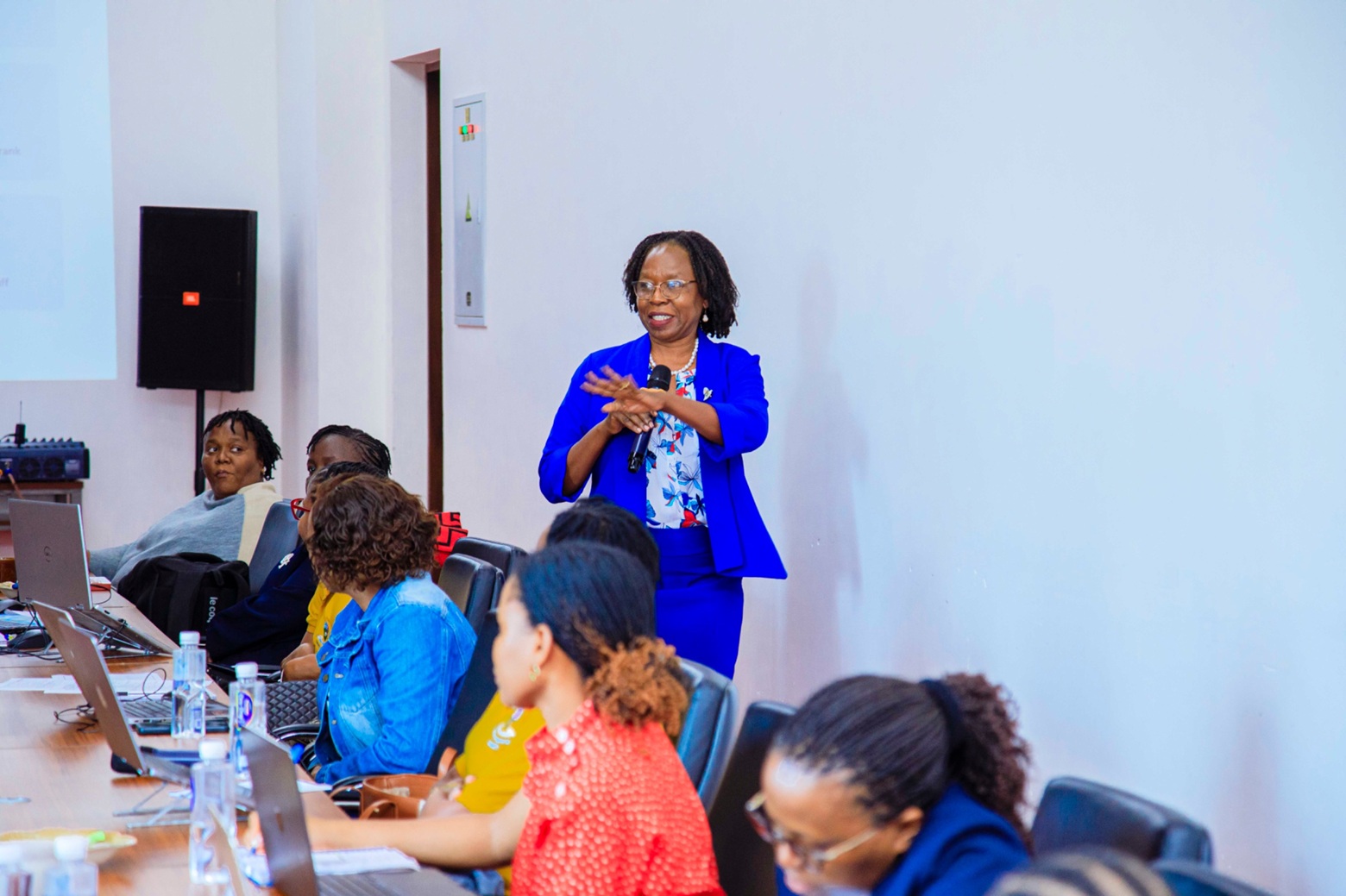
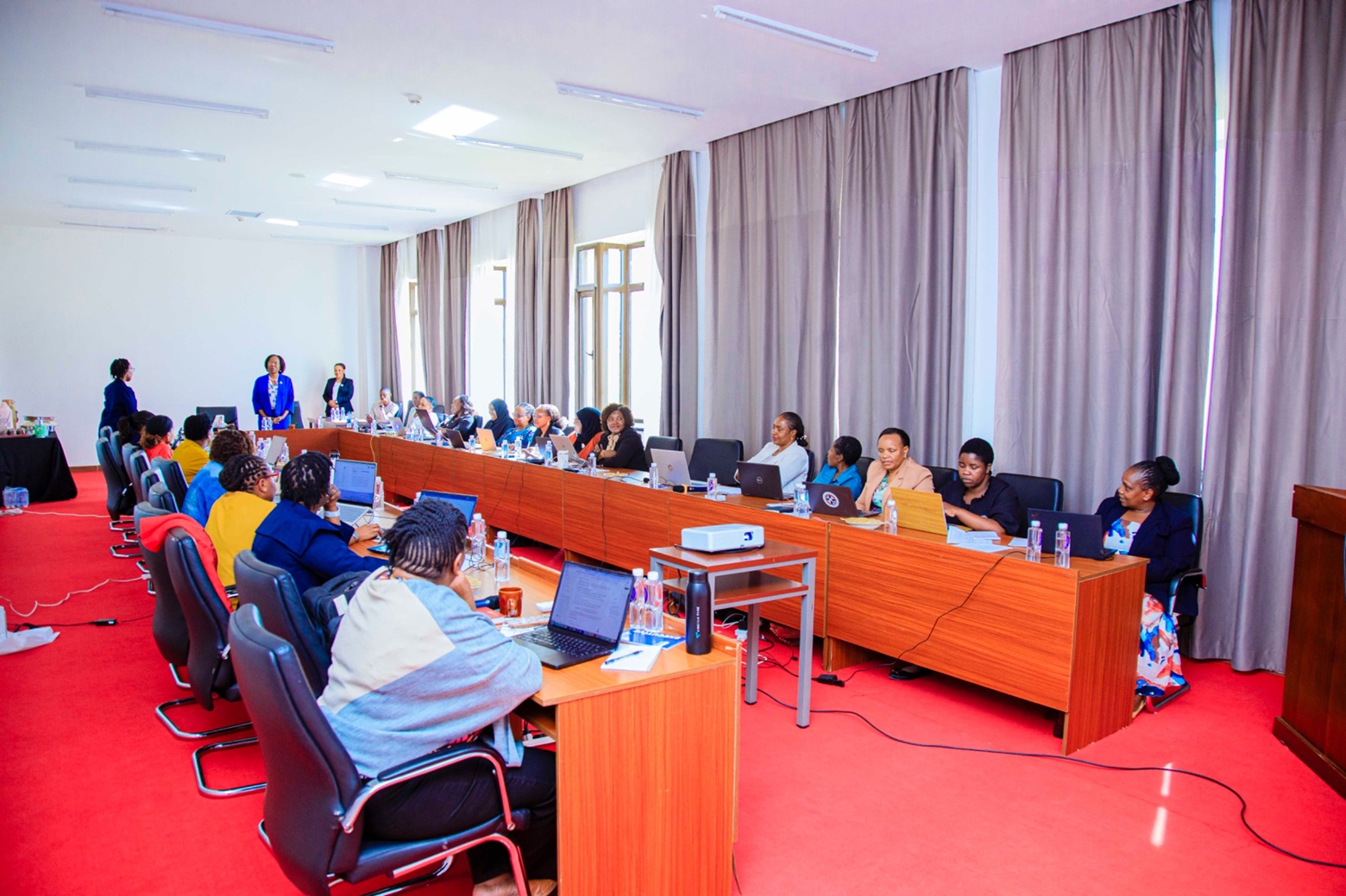
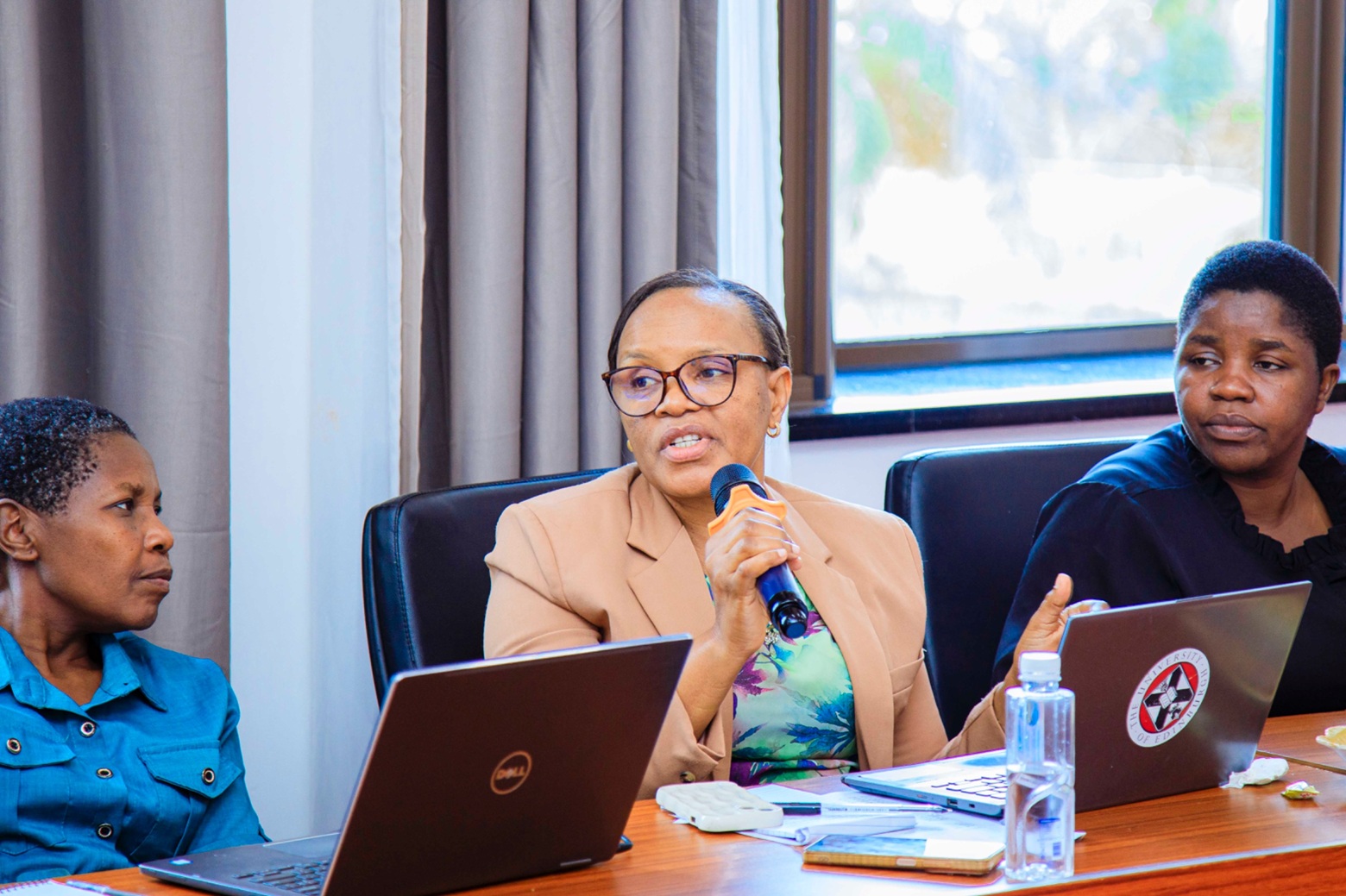
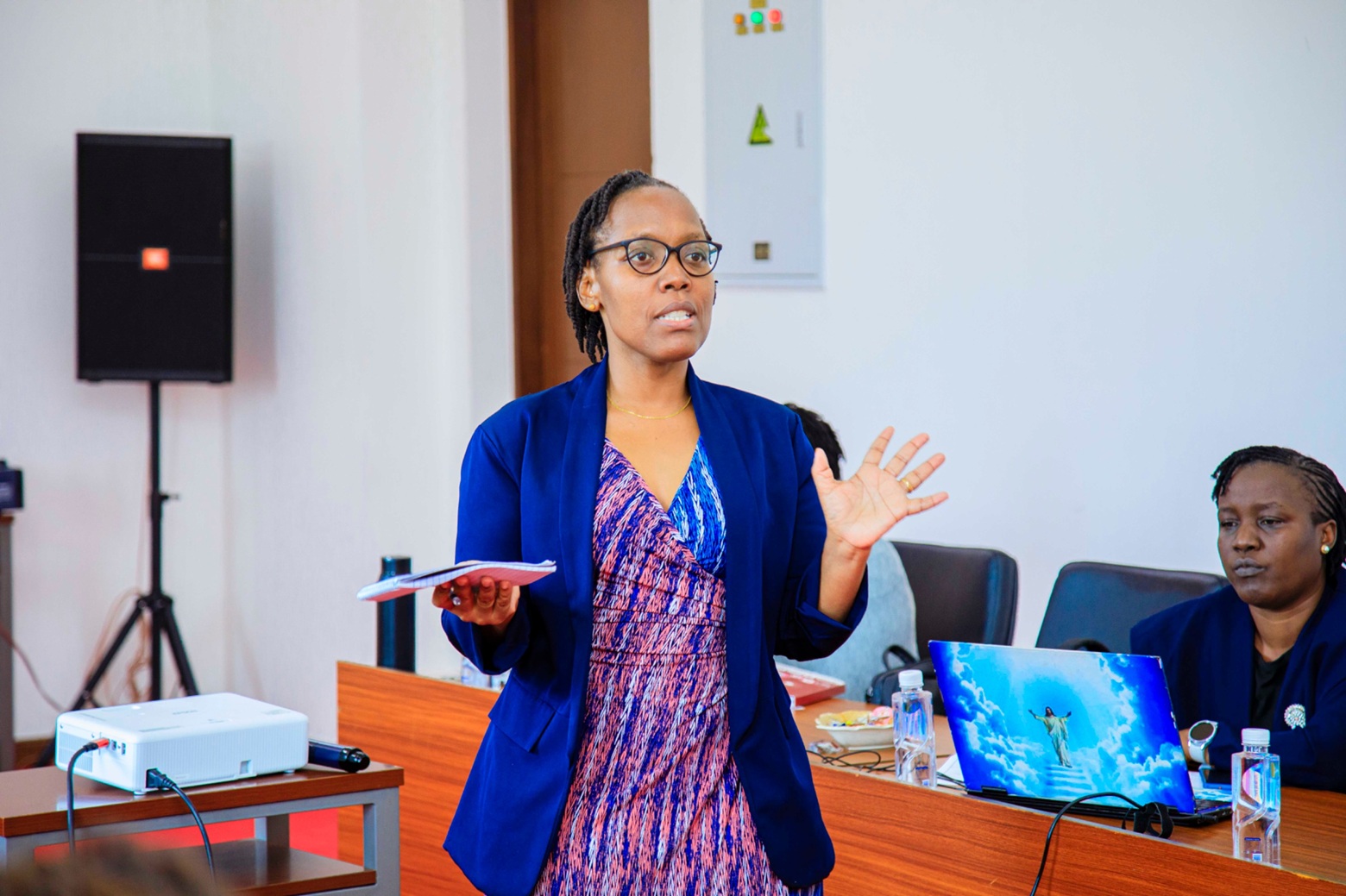
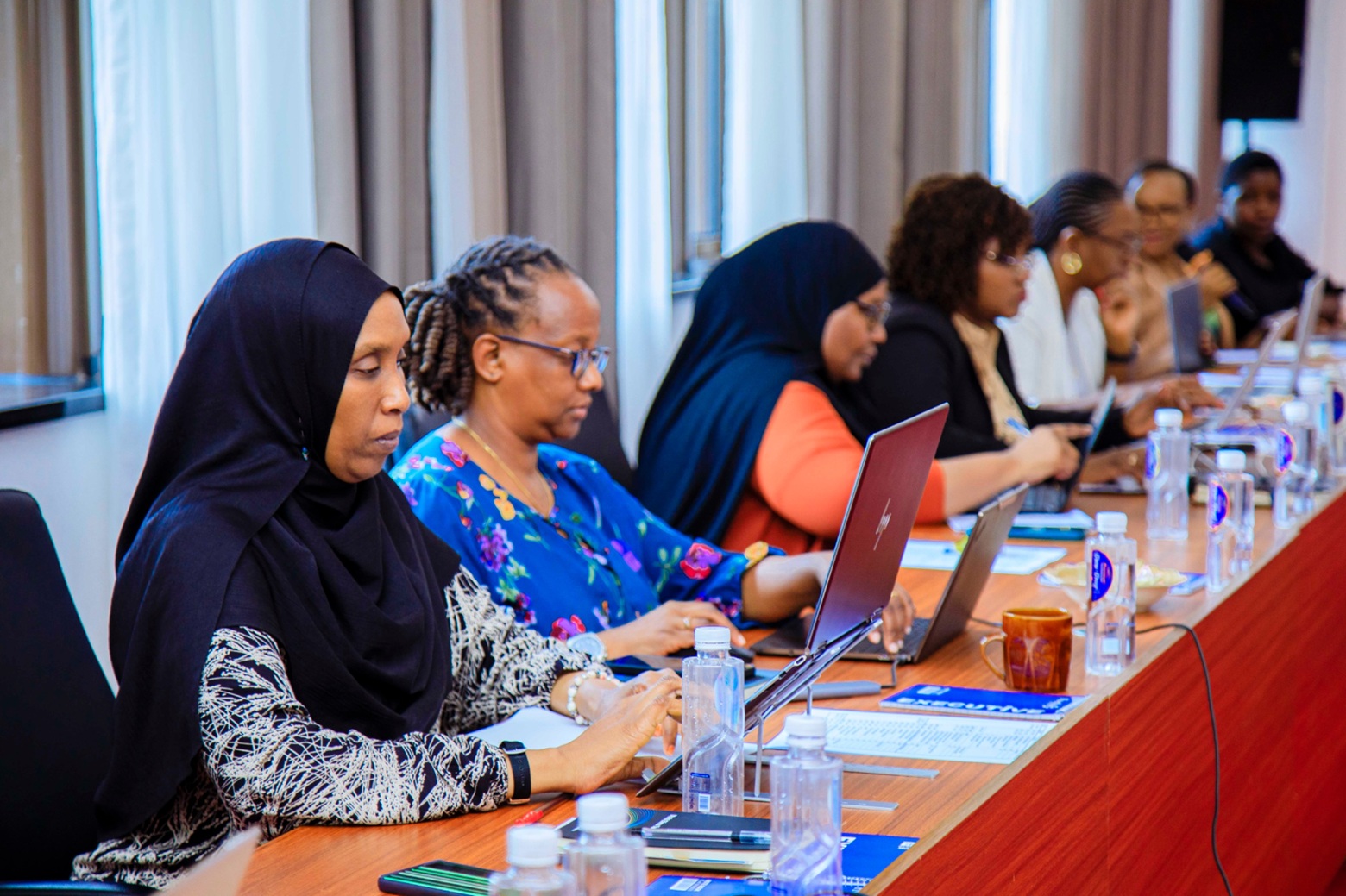
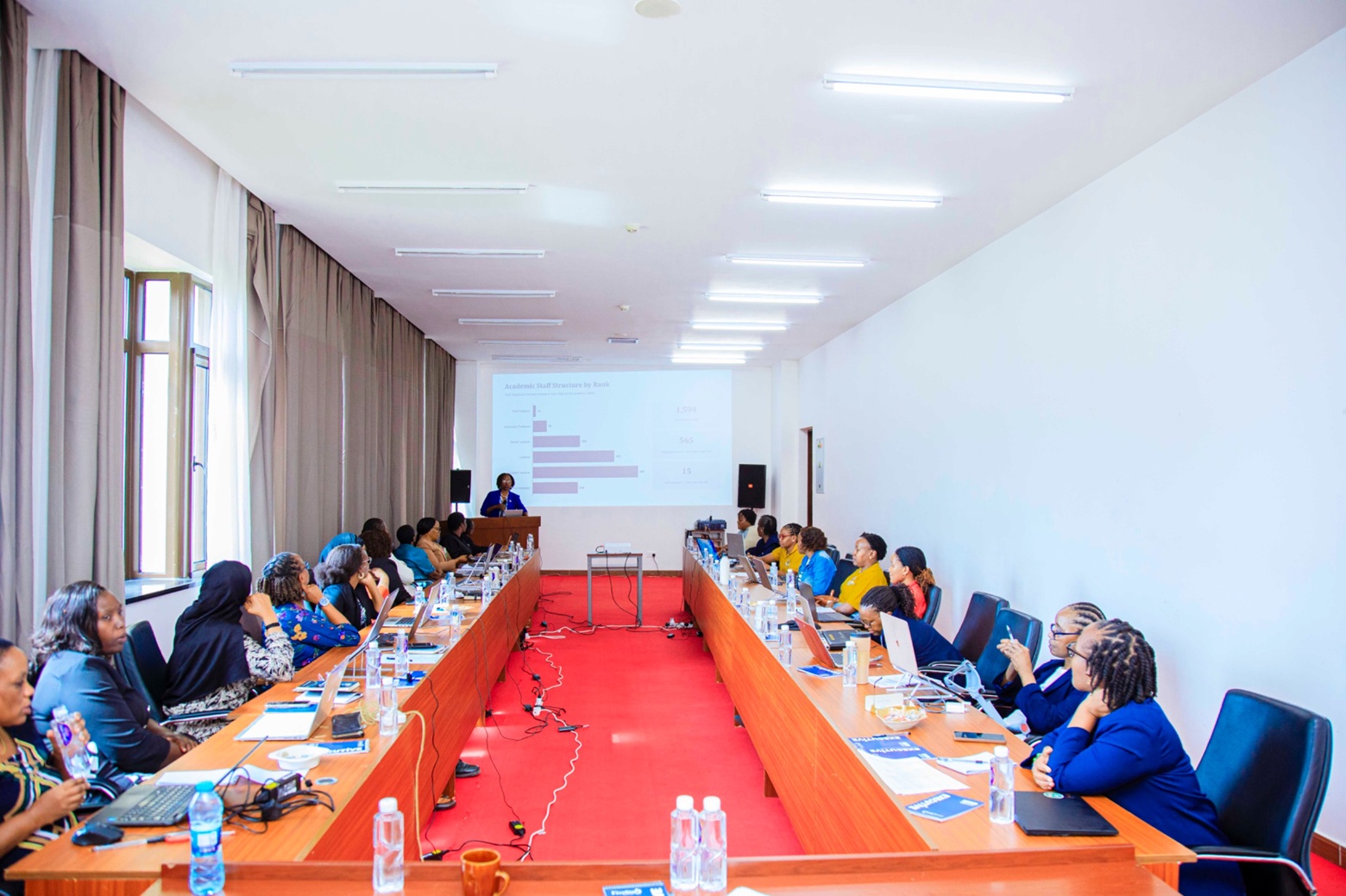
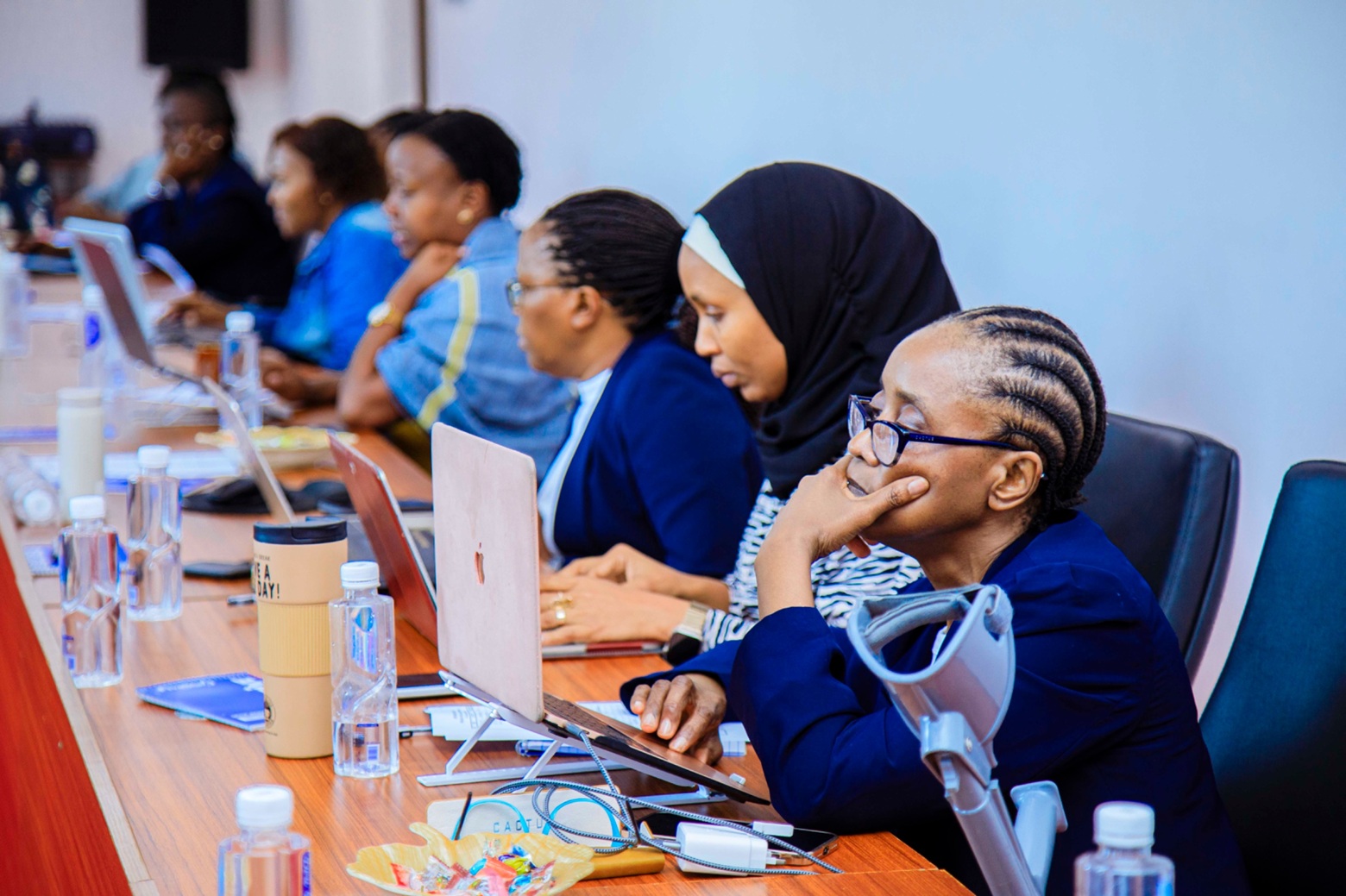
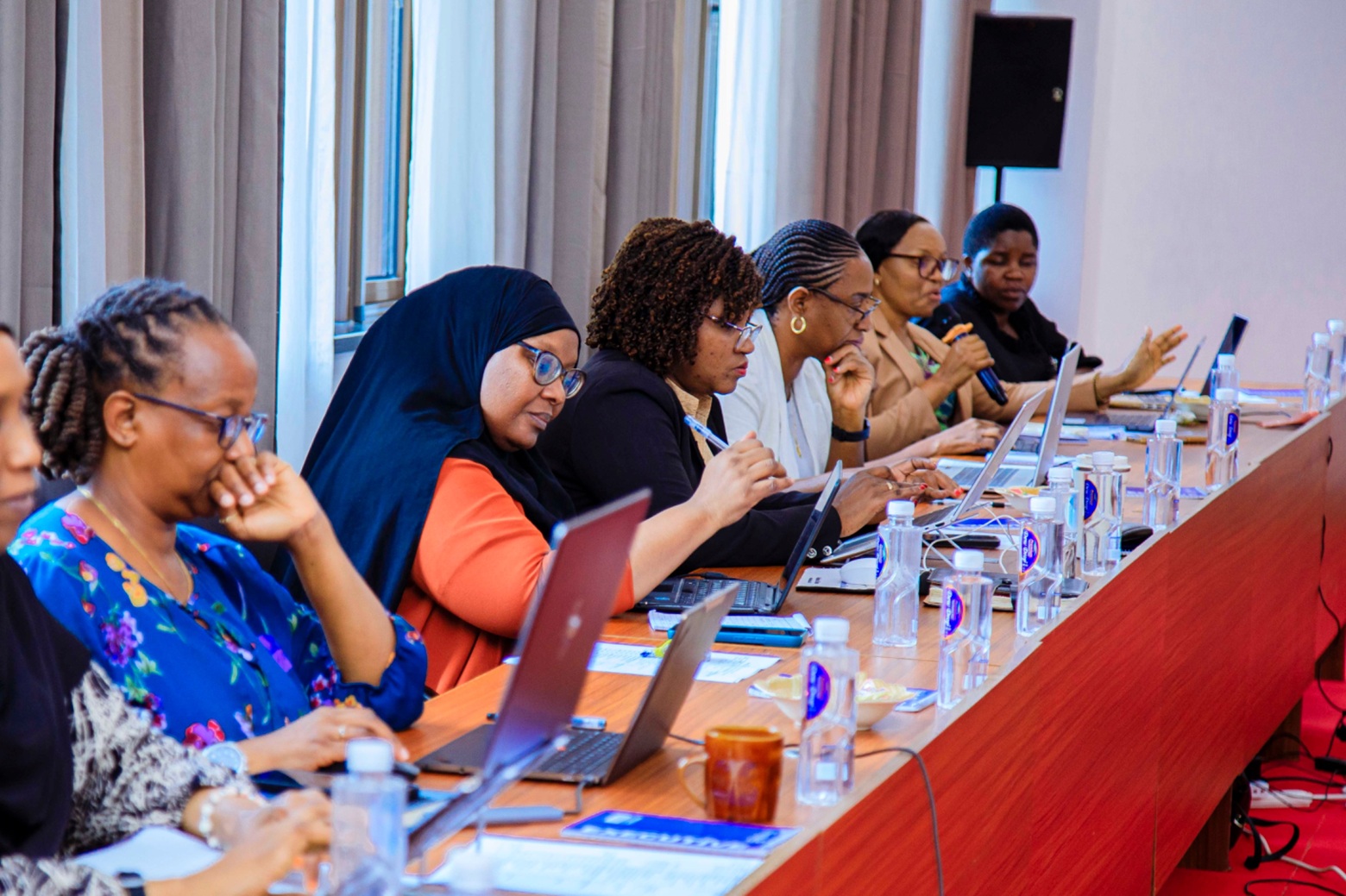
Prof. Killian made the call on 31 August 2026 while speaking on “Breaking the Glass Ceiling in Academia” during the Academic Writing Programme for Female Leaders, being held at Mwalimu Julius Nyerere Leadership School in Kibaha, Coast Region, from 31 August to 4 September 2026.
She said women academics must be proactive in seeking opportunities in research, academic publishing, conferences, professional networks and leadership platforms, both nationally and internationally.
“We should not limit ourselves to opportunities within the University. Female academics need to look beyond UDSM and take up opportunities available in their respective professions because these platforms are important for building experience, visibility and leadership,” Prof. Killian said.
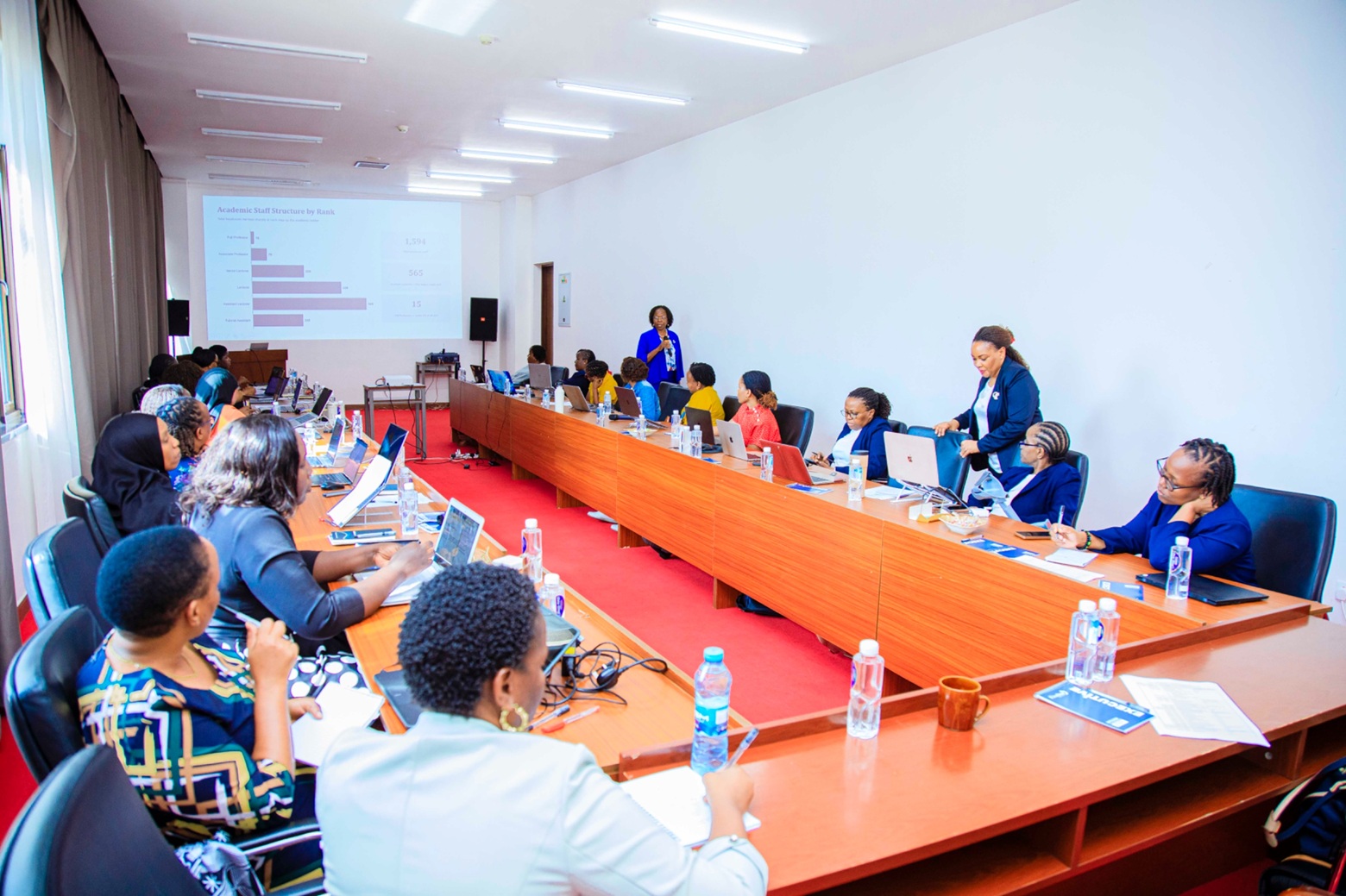
Her call comes amid a significant gender imbalance within UDSM’s academic workforce. Data presented during the programme shows that women account for 484 of the University’s 1,594 academic staff, representing 30.4 per cent, compared with 69.6 per cent men.
The disparity becomes more pronounced at higher academic ranks. Women constitute 34.2 per cent of Assistant Lecturers, but their representation falls to 21.3 per cent among Associate Professors and just 13.3 per cent among Professors.
The situation is particularly striking at the highest academic rank, where only two of UDSM’s 15 Full Professors are women, compared with 13 men.
Prof. Killian said the figures point to the need for deliberate interventions that enable women not only to enter academia but also to progress through academic ranks and assume senior leadership responsibilities.
“The challenge is not simply about bringing more women into academia; we must also create conditions that enable them to advance, become visible and take up leadership positions,” she said.
She noted that the declining proportion of women across academic ranks suggests a structural pipeline challenge involving recruitment, retention, career progression and promotion, rather than a gap occurring at only one stage of an academic career.
Women can perform strongly
However, she pointed to recent leadership-selection data as evidence that women can perform strongly when opportunities are deliberately pursued and made accessible.
In the UDSM 2027/28–2029/30 leadership search, women accounted for 25.5 per cent of the 102 candidates, yet secured 13 of the 33 positions filled, representing 39.4 per cent.
Prof. Killian consequently encouraged female academics to strengthen their academic portfolios, publish widely, build professional networks and position themselves for opportunities that can prepare them for higher responsibilities.
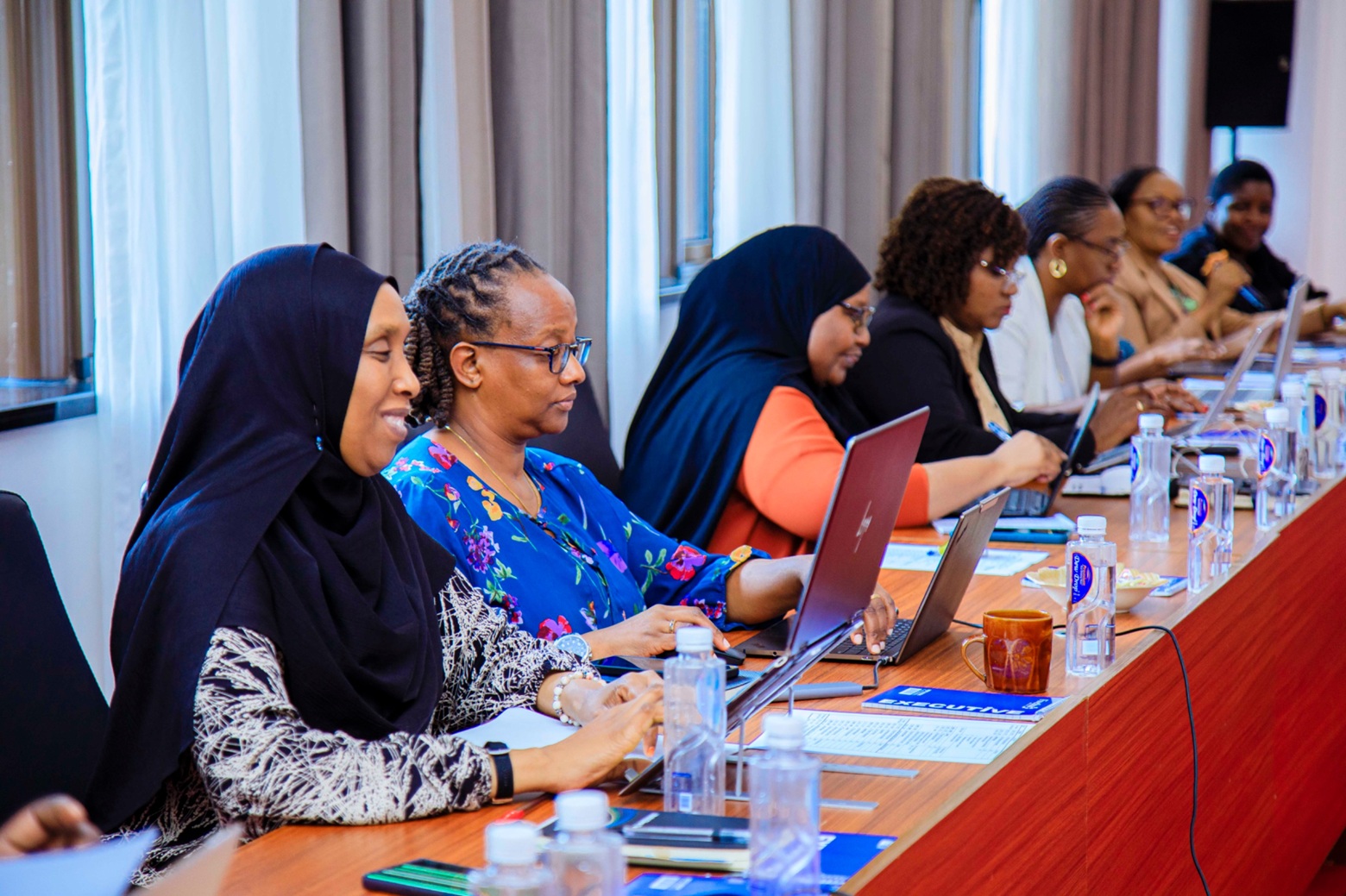
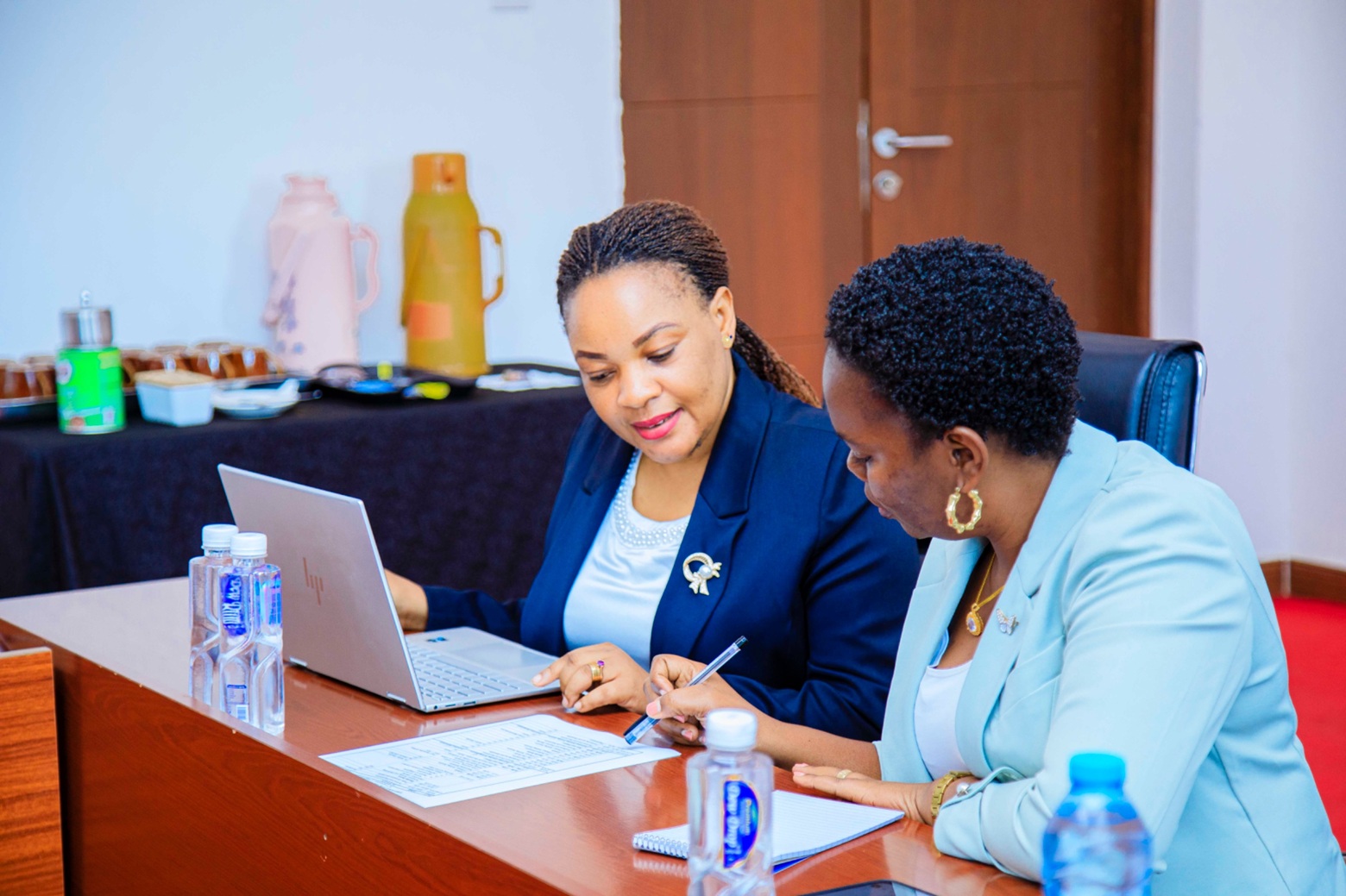
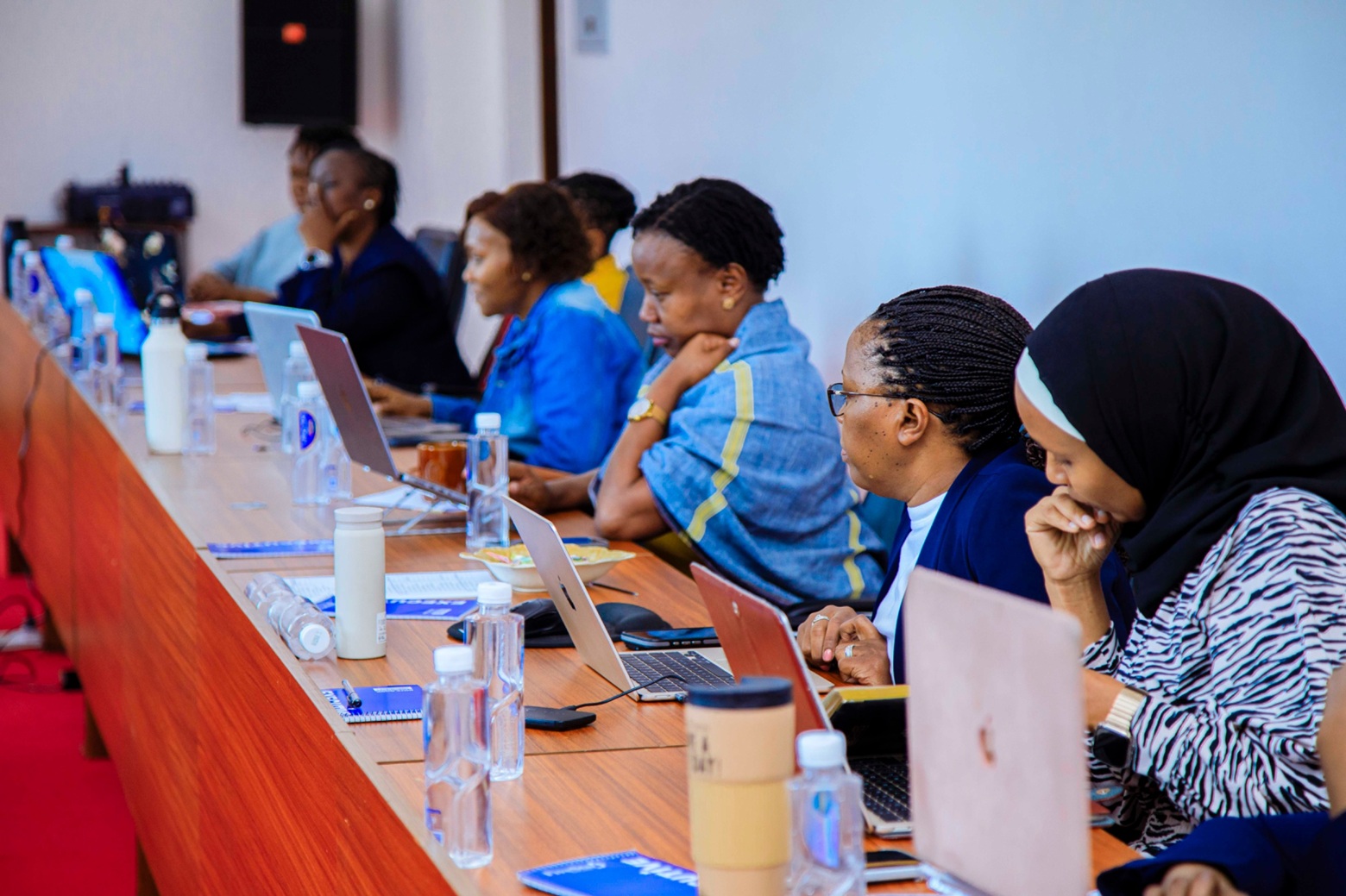
The five-day Academic Writing Programme for Female Leaders is designed to strengthen participants’ academic writing and publishing skills while providing a platform to share experiences, challenges, opportunities and aspirations related to academic careers.
The programme is part of broader efforts to strengthen women’s participation and visibility in academia and leadership.
By equipping female academics with stronger research, writing, publishing and professional skills, UDSM seeks to build a deeper pool of qualified women capable of taking up senior academic and leadership positions within and beyond the University.
The initiative underscores a broader message: breaking the glass ceiling requires not only creating opportunities for women, but also ensuring they are equipped, visible and confident enough to seize them.