


Hundreds of Teachers Take Centre Stage in Tanzania’s Digital Education Transformation
By Renancy Remmy, CMU
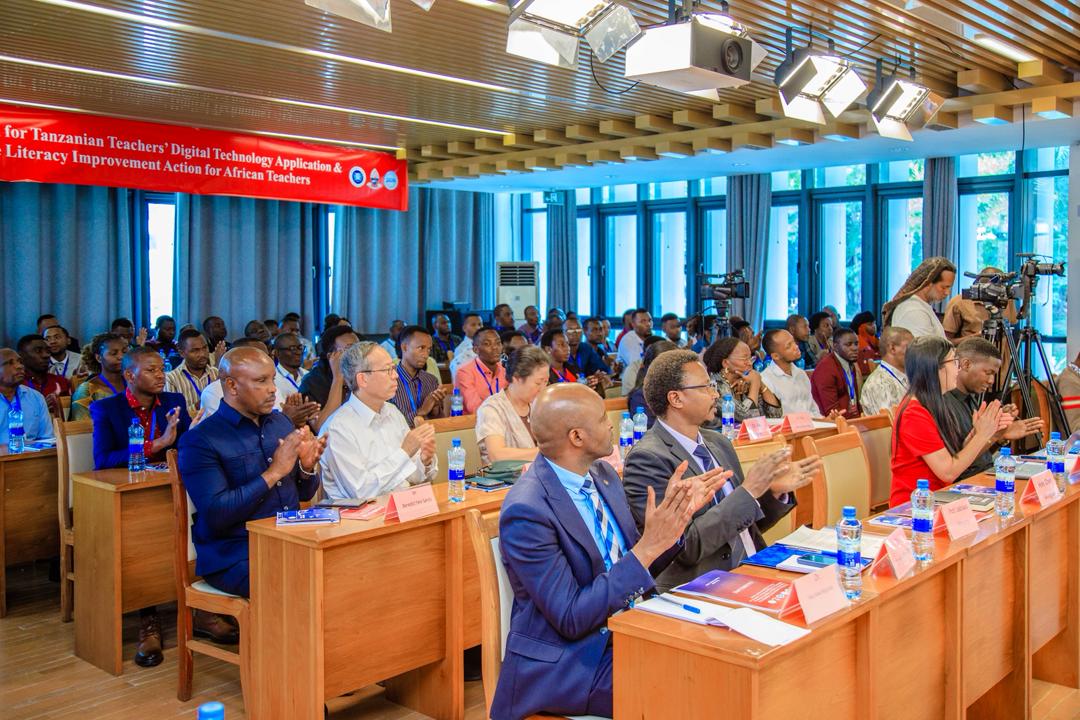
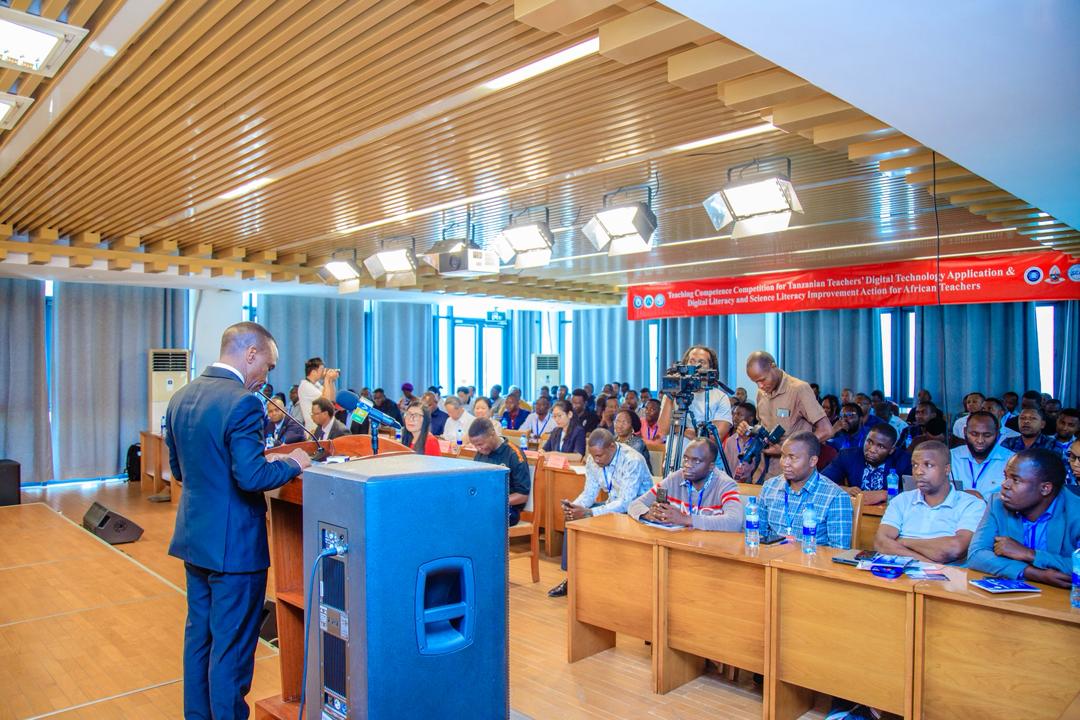
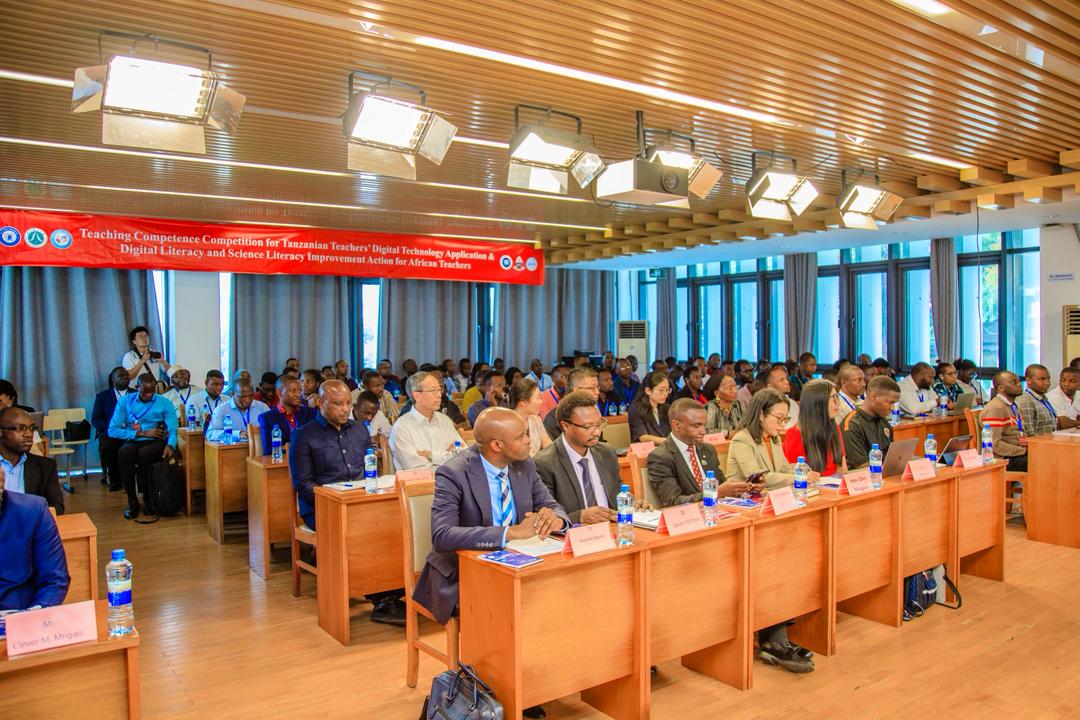
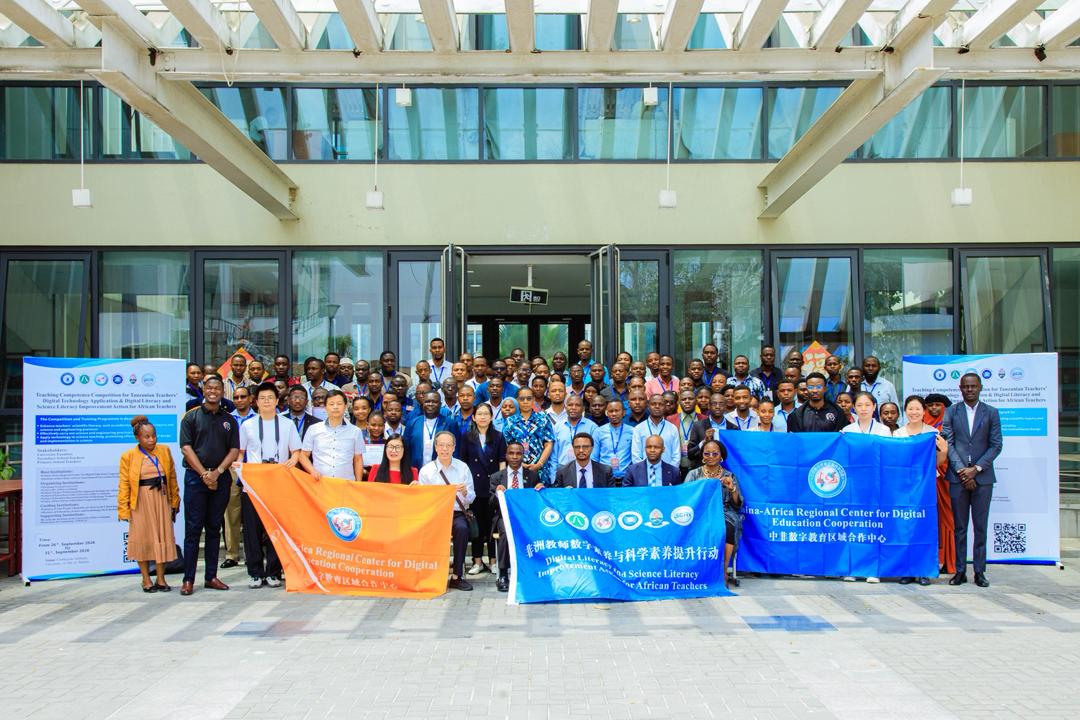
The first Teaching Competence Competition for Tanzanian Teachers’ Digital Technology Application has emerged as a major platform for strengthening teachers’ digital skills and promoting classroom innovation, attracting more than 600 teachers from across the country to showcase how emerging technologies can transform teaching and learning.
The competition also aims to prepare educators to effectively use digital technologies in the classroom. A total of 220 teachers submitted lesson plans and teaching videos, highlighting growing interest in digital tools, including Artificial Intelligence (AI), in education.
Organised by the University of Dar es Salaam (UDSM) and Zhejiang Normal University under the China-Africa Regional Centre for Digital Education Cooperation, the competition brought together teachers and university instructors from across Tanzania.
They demonstrated how digital technologies, including Artificial Intelligence (AI), can be used in lesson planning, classroom teaching and the development of digital learning resources.
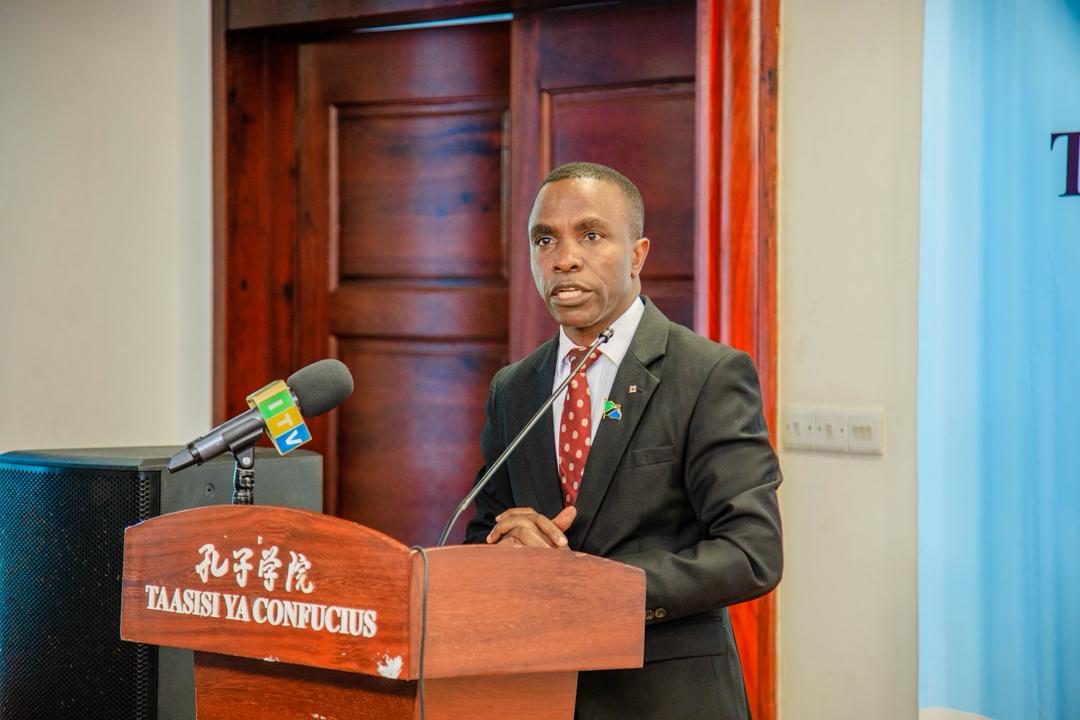
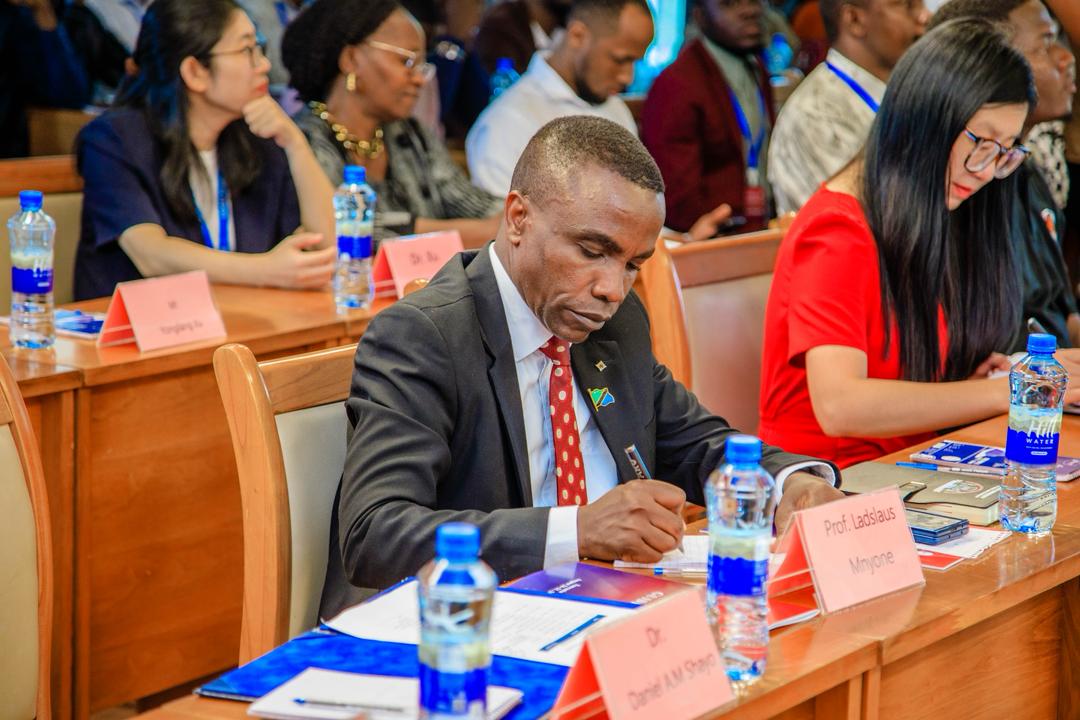
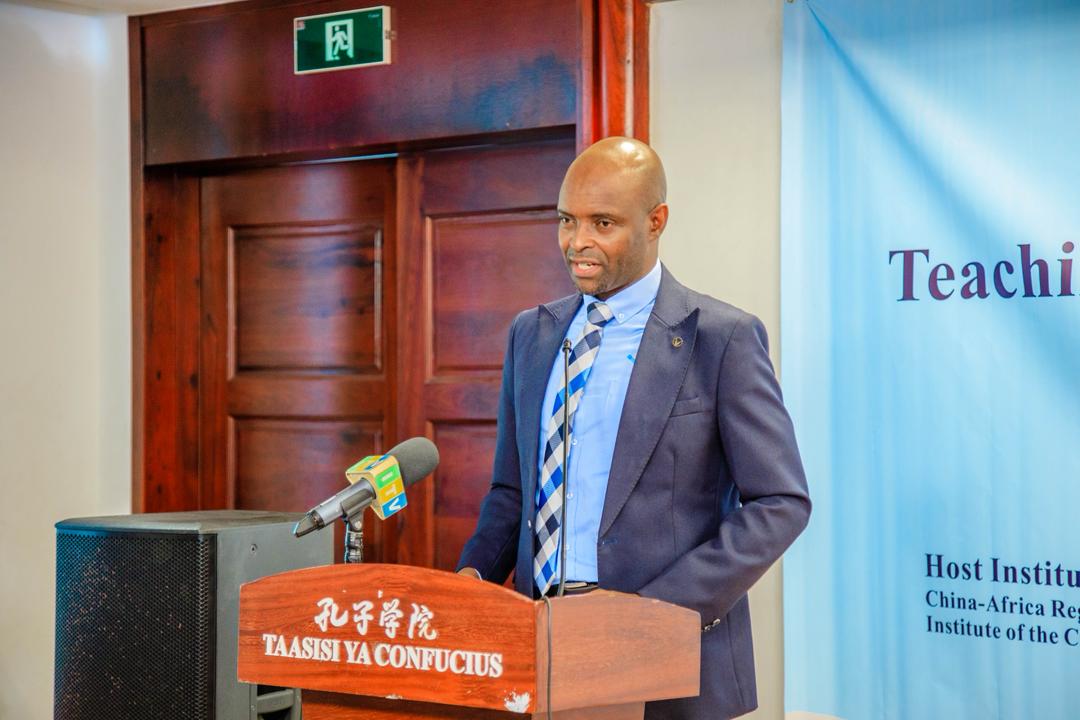
Speaking at the award ceremony held at UDSM on August 28, 2026, the Guest of Honour, Prof. Ladislaus Mnyone, Director of Science, Technology and Innovation in the Ministry of Education, Science and Technology, who represented Permanent Secretary Prof. Caroline Nombo, said the competition was timely as Tanzania advances its long-term development goals under Tanzania Development Vision 2050.
“Achieving the ambition of a skilled, innovative and competitive nation requires an education system capable of producing learners equipped with knowledge, creativity and digital competencies,” Prof. Mnyone said, emphasising that teachers must be at the centre of this transformation and equipped to effectively integrate emerging technologies into teaching and learning.
He said the initiative complements the National Digital Education Strategy (2024/25–2029/30), National AI Guidelines and National ICT Policy of 2023, all of which promote digital skills, responsible use of AI and technology integration in education.
“Digital technology should not be viewed as an optional tool, but as an essential instrument for improving learning outcomes, fostering creativity and preparing Tanzanian learners to thrive in a rapidly changing global knowledge economy,” he said.
Prof. Mnyone commended UDSM and Zhejiang Normal University for demonstrating the value of international academic partnerships in advancing education, science and technology in Tanzania.
UDSM Vice Chancellor Prof. William A.L. Anangisye, represented by Dr. Daniel Shayo, the Acting Secretary to the Council and Chief Corporate Counsel at UDSM, said the initiative reflected the University’s commitment to quality education, digital transformation and international collaboration.
“The initiative is aligned with UDSM Vision 2061 and national priorities under the National Digital Education Strategy, providing teachers with an opportunity to strengthen technology-driven pedagogy and respond to emerging challenges in education,” he said.
From competition to professional growth
The scale of participation underscored the growing interest in digital teaching. More than 600 teachers initially registered, with 220 submitting lesson plans and teaching videos.
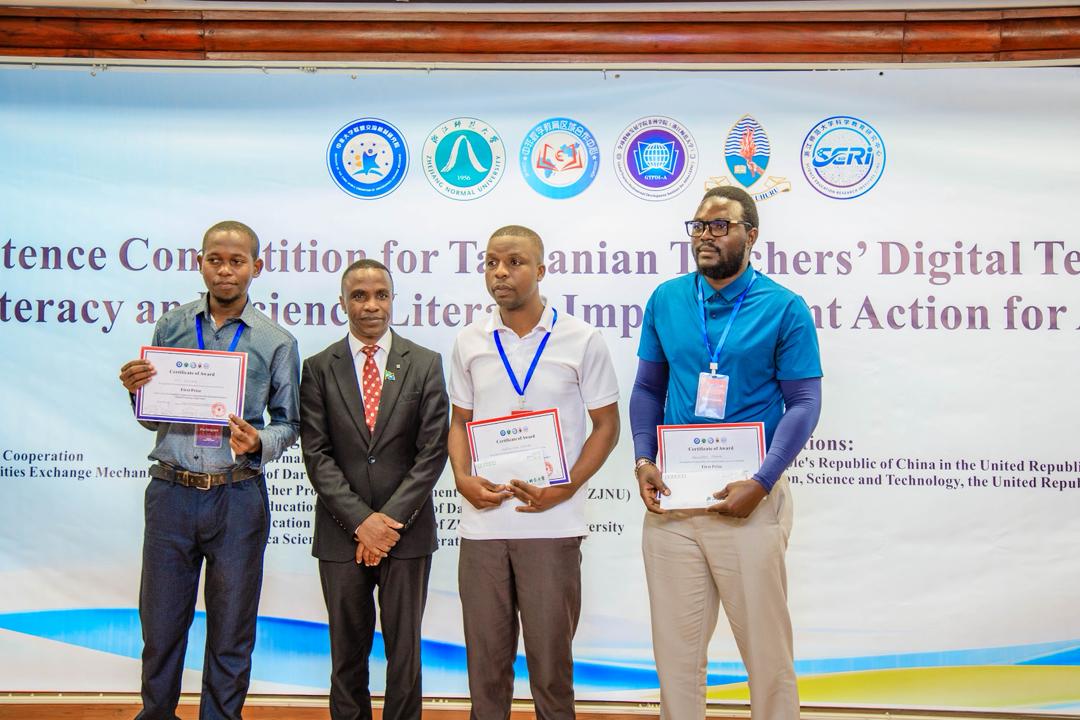
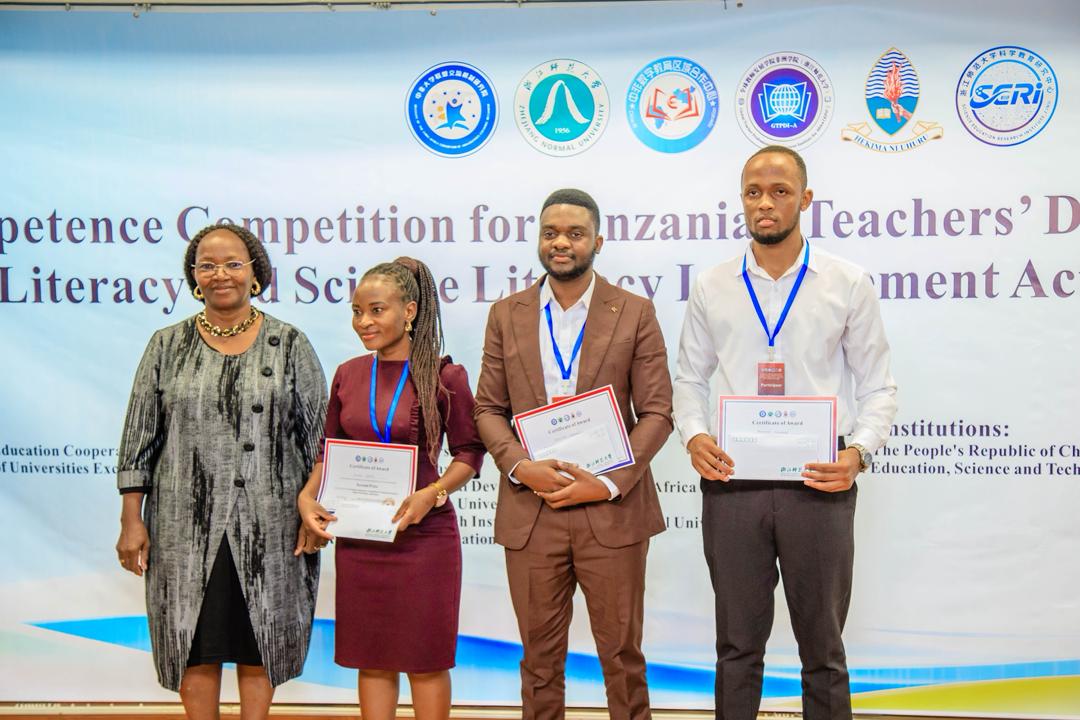
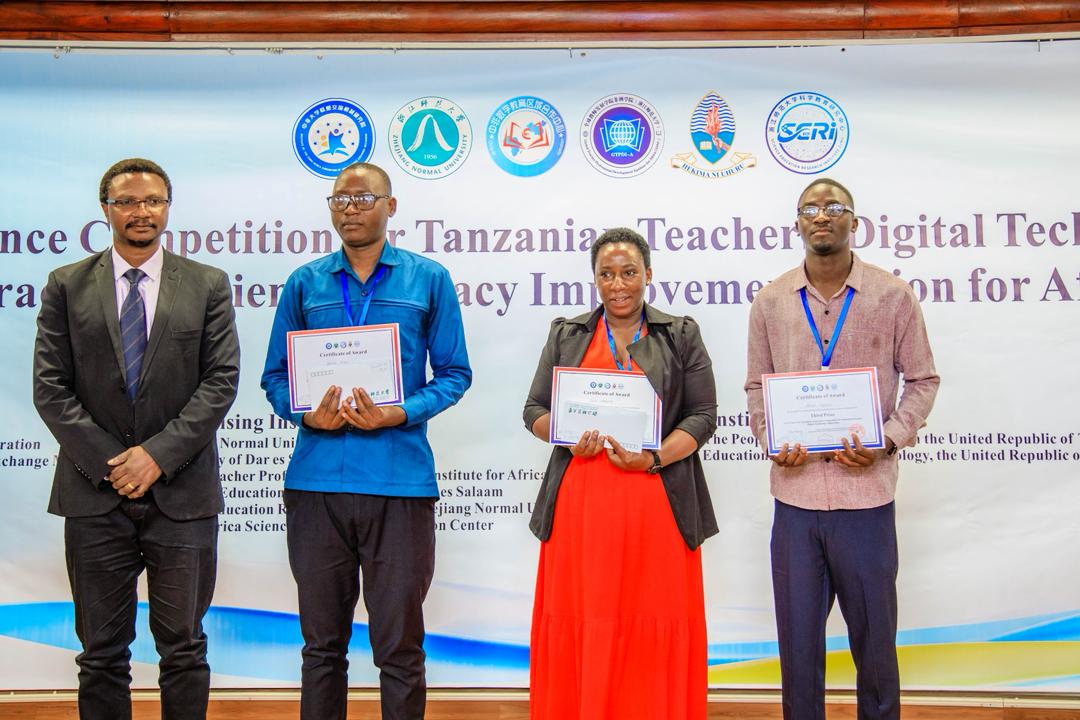
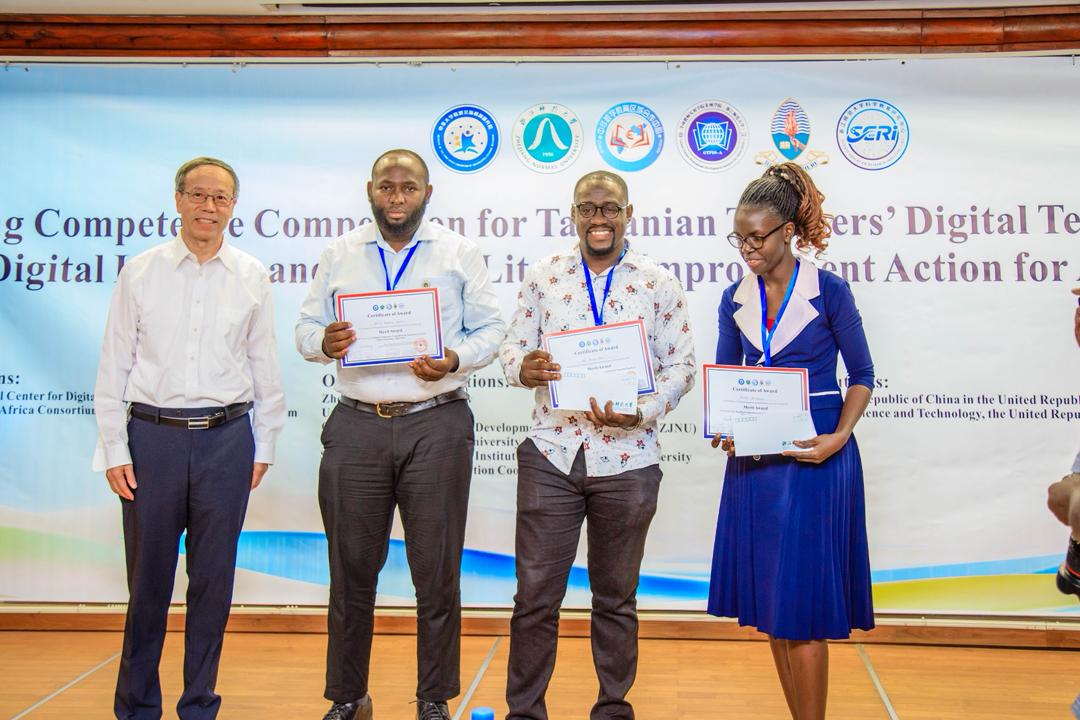
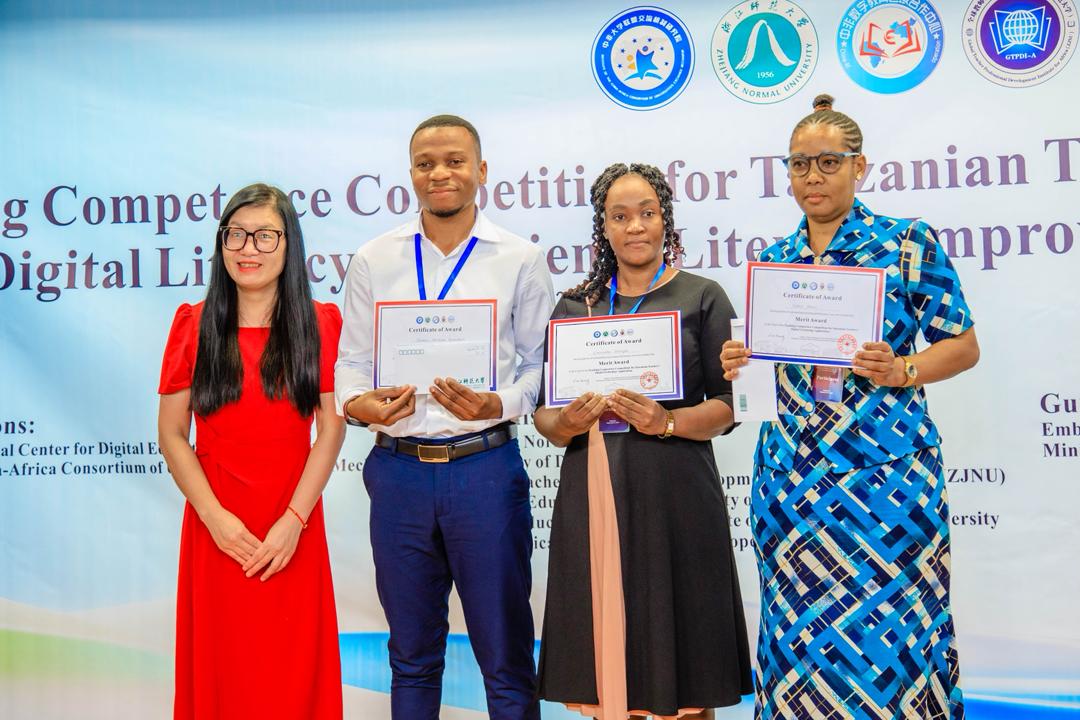
Following assessment by 15 judges from Tanzania and China, 90 teachers advanced to the final stage, where they demonstrated their teaching competencies before the judging panel. The top five winners were selected for recognition, with finalists also set to receive further training, while winners will receive cash prizes and undertake a study tour to China.
Chinese Ambassador to Tanzania, H.E. Chen Mingjian, said the competition reflected the expanding cooperation between Tanzania and China in education, science and digital transformation.
She described digital technology as an important tool for expanding educational opportunities and called for continued cooperation to develop digital education solutions that respond to Tanzania’s specific needs.
Representing the Twiga AI Community, Mr. Emmanuel Nguma, on behalf of the Director, stressed the importance of involving local technology and AI stakeholders in the country’s digital education transformation. The community contributed towards the cash prizes, demonstrating the role of local technology ecosystems in encouraging teachers to embrace innovation.
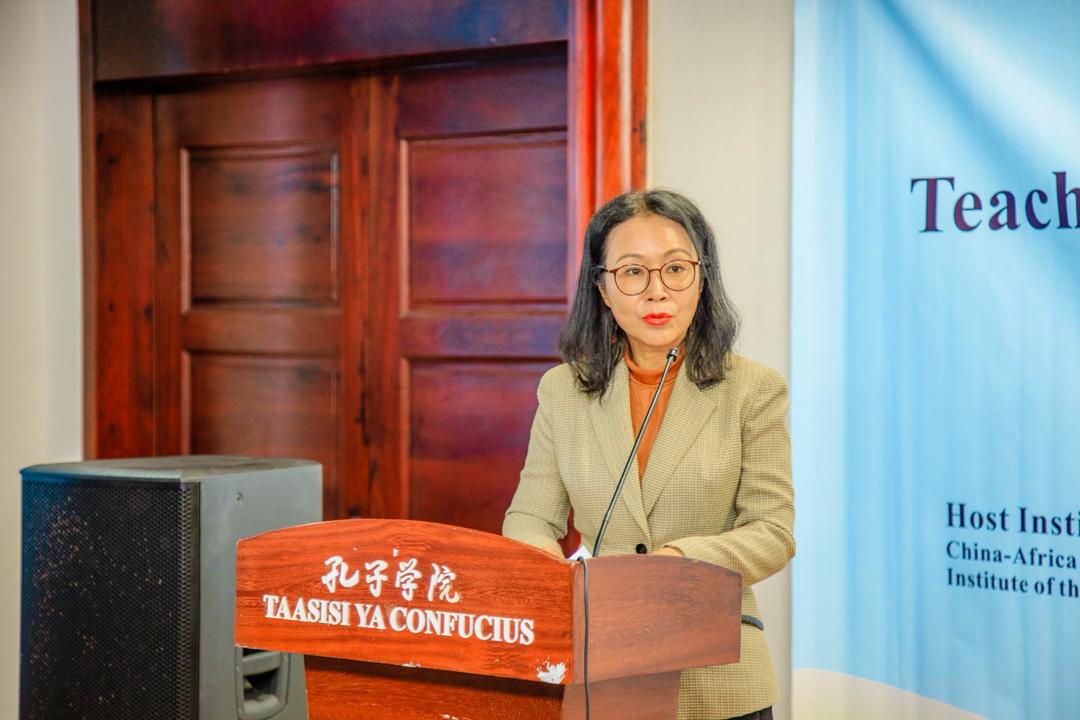
For Prof. Huang Xiao, Dean of the Joint Education Institute of Zhejiang Normal University and the University of Kansas, the competition’s greatest value lay not simply in identifying winners, but in creating opportunities for teachers to learn from one another.
“We use competition to promote learning. We use learning to promote change. And we use change to improve the quality of education,” Prof. Huang said.
She added that the initiative was strengthening Tanzania-China educational cooperation through the exchange of teaching experiences and mutual learning, with the longer-term goal of expanding the pool of digitally skilled teachers and improving students’ access to quality educational resources.
Strengthening teachers’ digital and scientific literacy
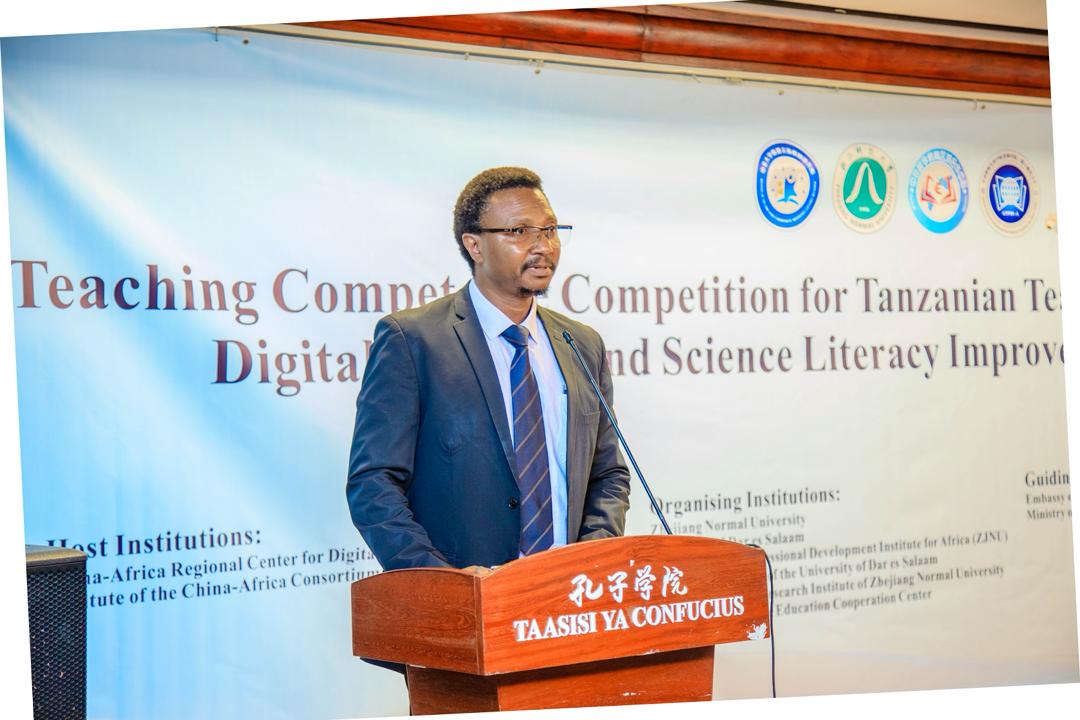
Dr. Nkanileka Loti Mgonda, Dean of the UDSM School of Education, said the competition builds on the work of the China-Africa Regional Centre for Digital Education Cooperation, which seeks to strengthen teachers’ digital and scientific literacy.
He said the competition was deliberately designed around practical classroom application, including digital lesson planning, AI-assisted teaching, digital resource development and innovative teaching practices.
“This is not simply a competition to recognise outstanding teachers. It is about creating a wider pool of educators who can champion the responsible and effective use of emerging technologies in schools and universities,” Dr. Mgonda said.
Ultimately, the initiative goes beyond a contest for recognition. It provides teachers with opportunities for professional development, peer learning and practical experimentation with digital technologies, while strengthening the capacity of educators to respond to a rapidly evolving technological landscape.
It also reinforces the role of UDSM and its partners in supporting Tanzania’s digital education agenda and advancing the development of the skilled, innovative and competitive human capital envisioned under Tanzania Development Vision 2050.