


UDSM Breaks into Africa's Top 10 for Graduate Employability, Ranks 131st Globally in QS 2027
By Selemani Nambimbi, CMU
The University of Dar es Salaam (UDSM) has achieved a major international milestone after emerging among Africa's top 10 universities for graduate employability, ranking among the top three East Africa and 131st globally in the Employment Outcomes indicator of the QS World University Rankings (QS WUR) 2027.
The achievement places UDSM ahead of hundreds of established universities worldwide in graduate employability, with the University scoring 85.3 points in the indicator that measures how effectively institutions prepare graduates for successful careers and the impact they make in the workplace.
The ranking comes from an assessment of more than 8,800 universities worldwide, of which only 1,504 qualified for inclusion in the final QS World University Rankings.
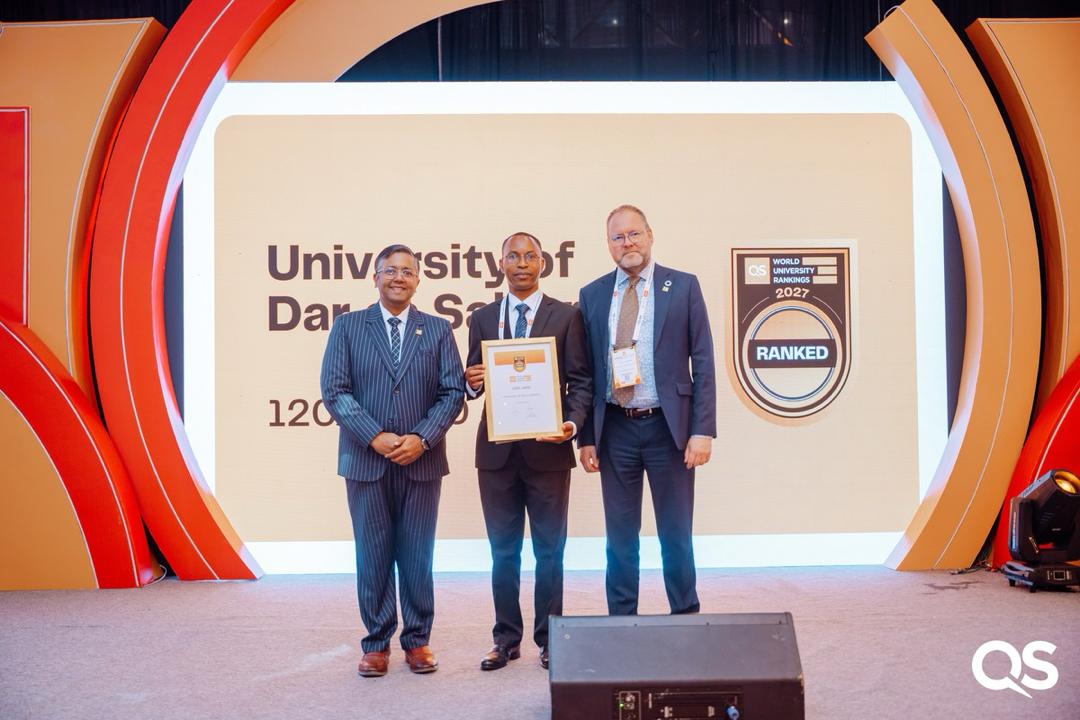
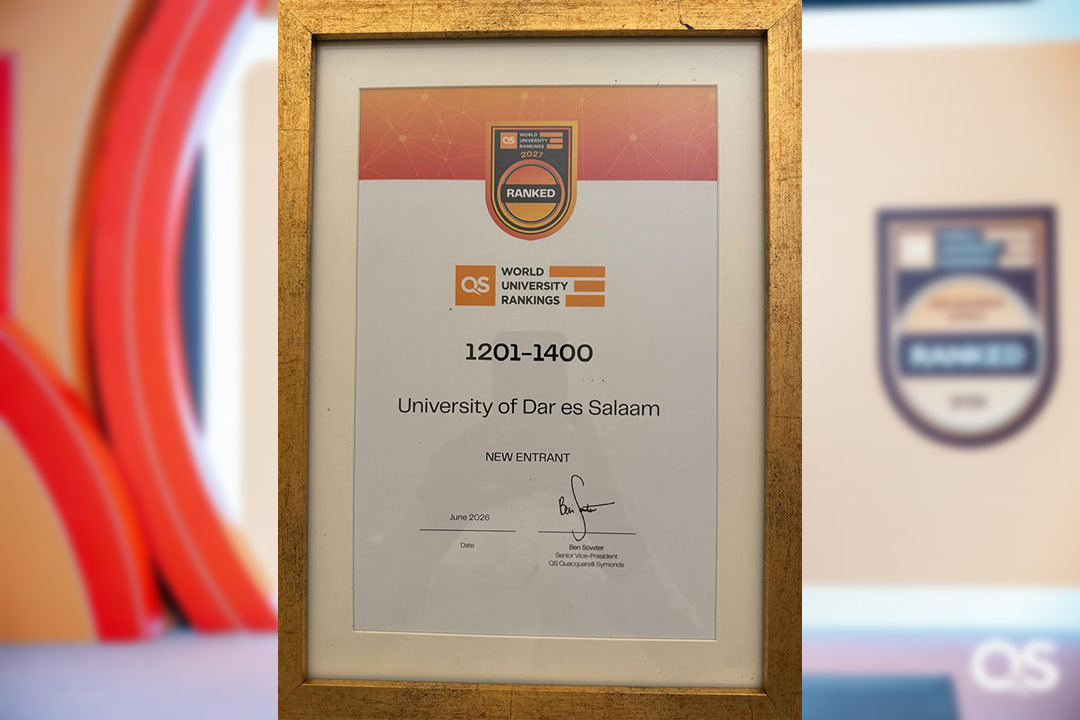
The recognition coincides with another historic achievement for the University, which has made its debut in the overall QS World University Rankings, placing in the 1201–1400 global band and joining a select group of universities recognised internationally for excellence in higher education, research and innovation.
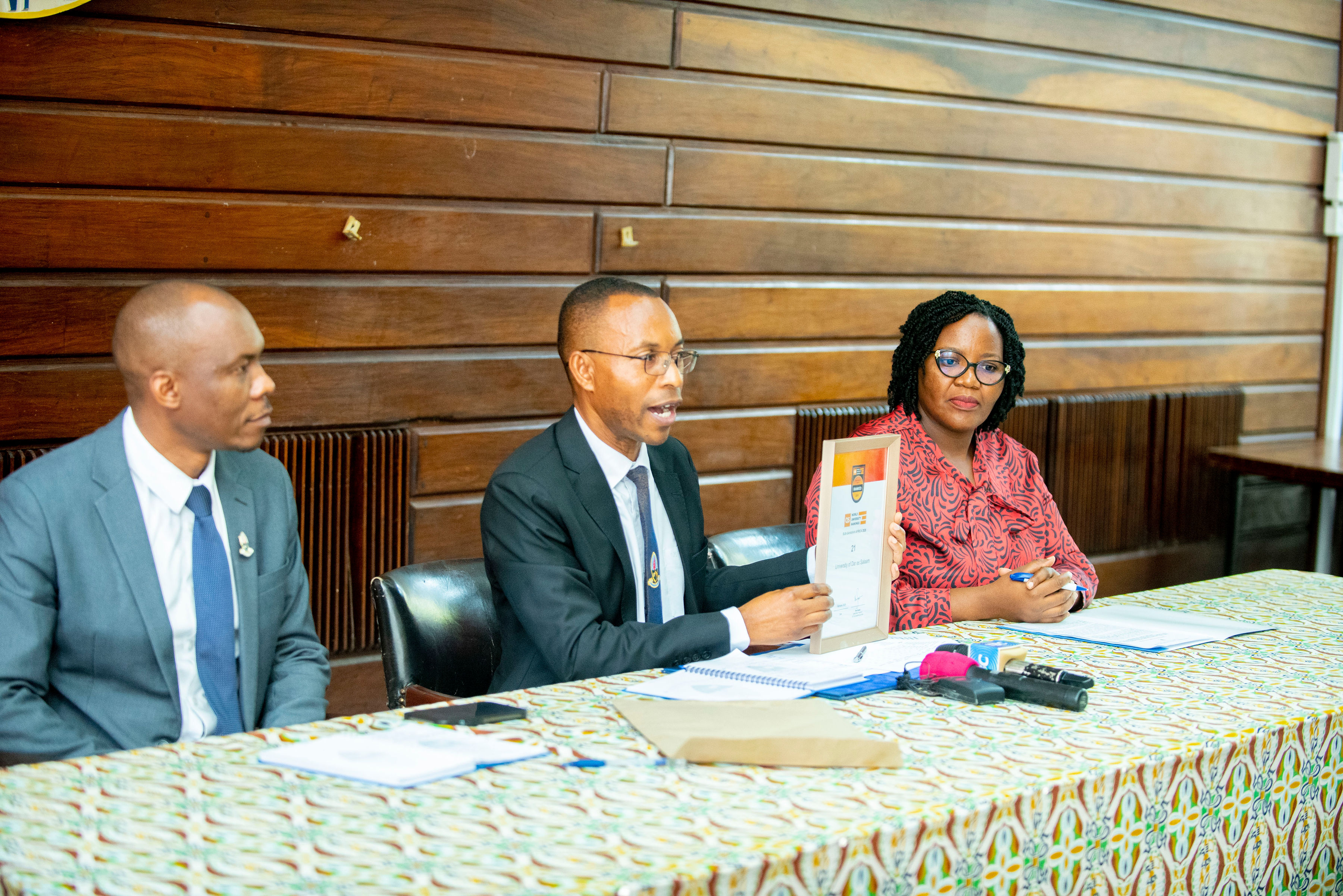
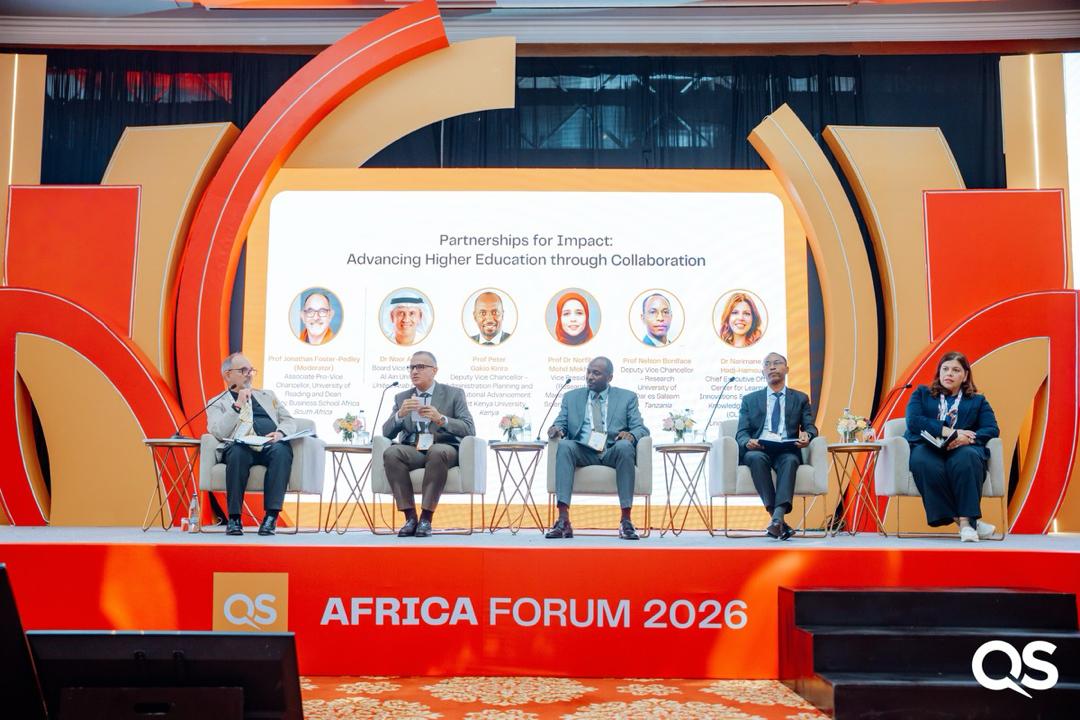
Deputy Vice Chancellor for Research, Prof. Nelson Boniface, described the employability ranking as a strong endorsement of the quality, relevance and competitiveness of UDSM graduates in both national and international labour markets.
"UDSM scored 85.3 points in the Employment Outcomes indicator, ranking 131st globally. This demonstrates the confidence employers place in our graduates and reflects the significant contribution they continue to make in government, industry, the private sector, international organisations and other institutions driving national development," he said.
He noted that Employment Outcomes is among the most influential indicators in the QS methodology because it measures how successfully universities prepare graduates for employment while recognising the broader economic and social impact their alumni create.
Prof. Boniface said the achievement extends beyond institutional recognition, positioning Tanzania more prominently on the global higher education map and demonstrating the country's growing capacity to produce highly skilled and globally competitive professionals.
"This is not only a victory for UDSM but also for Tanzania. It enhances our country's visibility in the international higher education landscape and reaffirms our ability to develop graduates who are capable of competing and excelling anywhere in the world," he said.
He added that the achievement aligns with the aspirations of Tanzania's Development Vision 2050, which seeks to build a competitive, knowledge-based economy driven by quality education, research, science, technology and innovation.
Strong performance in International Research Networkindicator
Beyond graduate employability, UDSM also recorded a strong performance in the International Research Networkindicator, reflecting the University's expanding global research collaborations and growing contribution to international knowledge creation.
Prof. Boniface said the University is intensifying efforts to enhance its global competitiveness through strategic investments in research excellence, innovation, digital transformation and internationalisation.
Key priorities include increasing research citation impact, strengthening academic reputation, attracting more international students and faculty, expanding global partnerships and advancing sustainability initiatives.
He revealed that UDSM has already developed a comprehensive 2027–2030 Improvement Strategy to strengthen performance across key QS indicators and further elevate its global standing.
"Our ambition is to become a globally recognised centre of excellence in higher education, research, innovation and technology transfer. We remain committed to producing graduates with the knowledge, skills and competencies needed to drive Tanzania's sustainable socio-economic transformation while contributing meaningfully to regional and global development," Prof. Boniface said.