

Prof. Kabudi Hails UDSM's Homegrown Construction Innovations, Urges Fast-Track Commercialisation
By Renancy Remmy, CMU
The Minister of State in the Prime Minister's Office responsible for Policy, Parliamentary Affairs, Coordination and Persons with Disabilities, Prof. Palamagamba John Kabudi (MP), has urged the University of Dar es Salaam (UDSM) to fast-track the commercialization of its homegrown construction technologies, saying the innovations have the potential to transform Tanzania's infrastructure sector and accelerate national development.
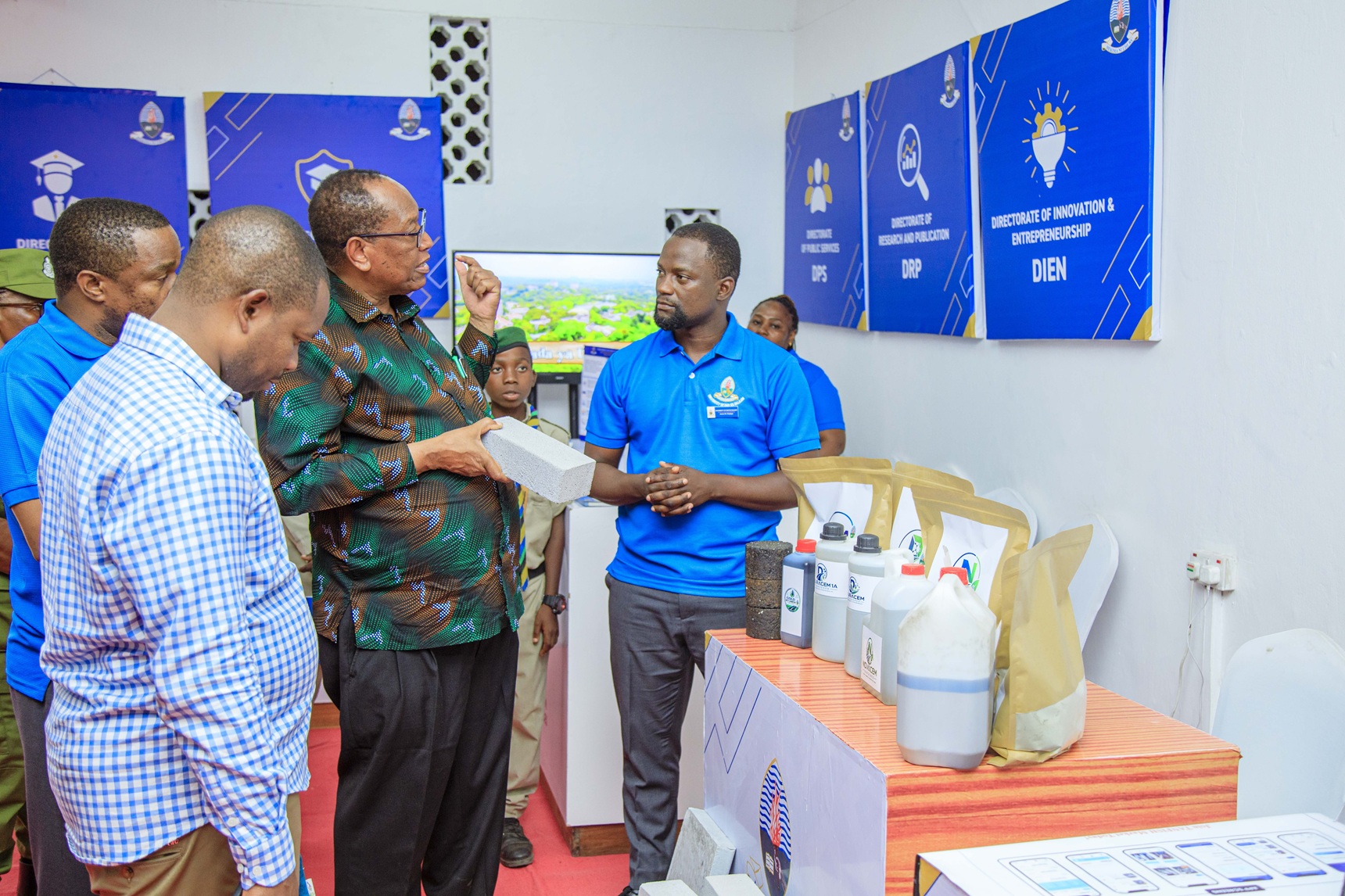
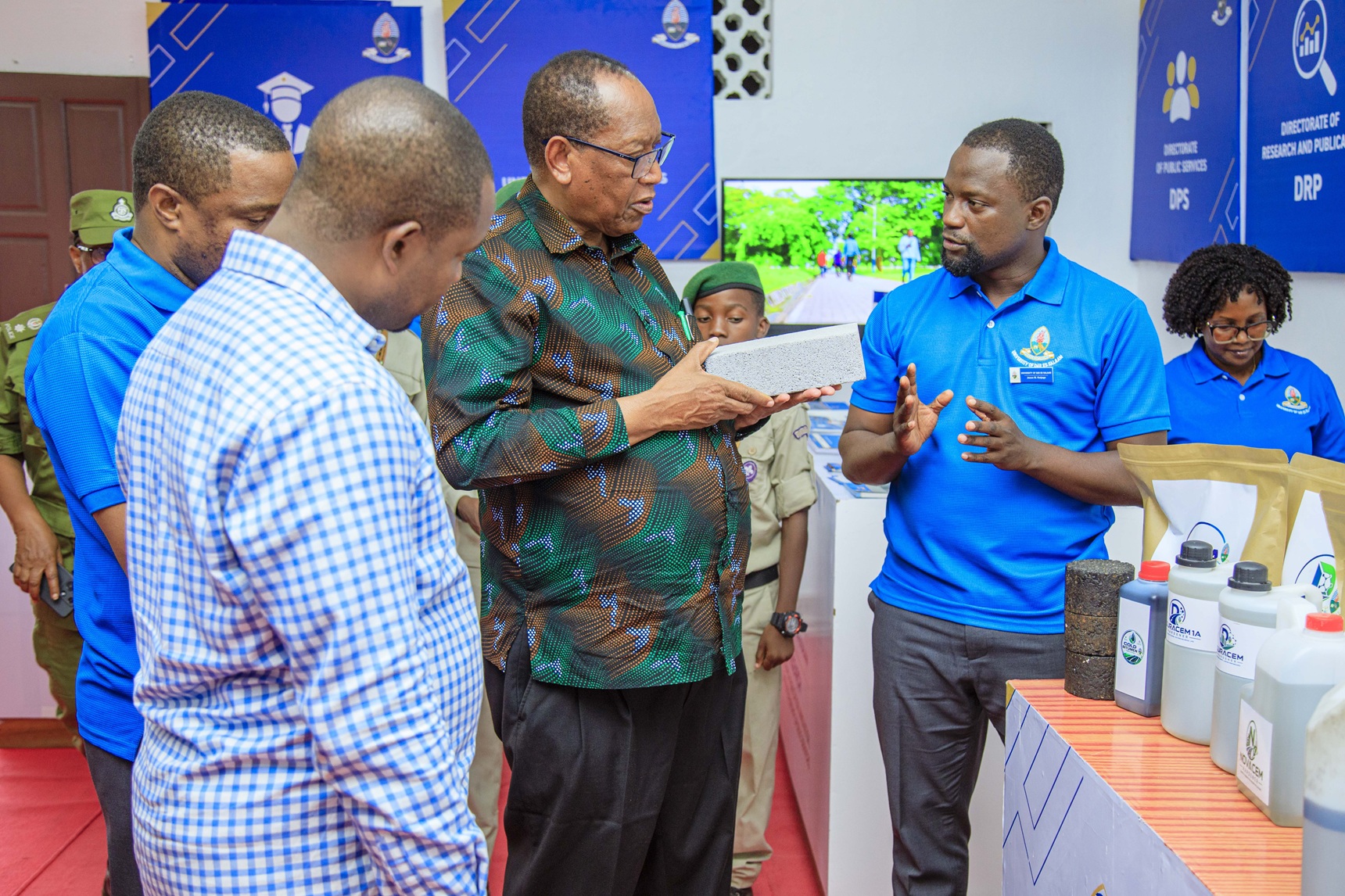
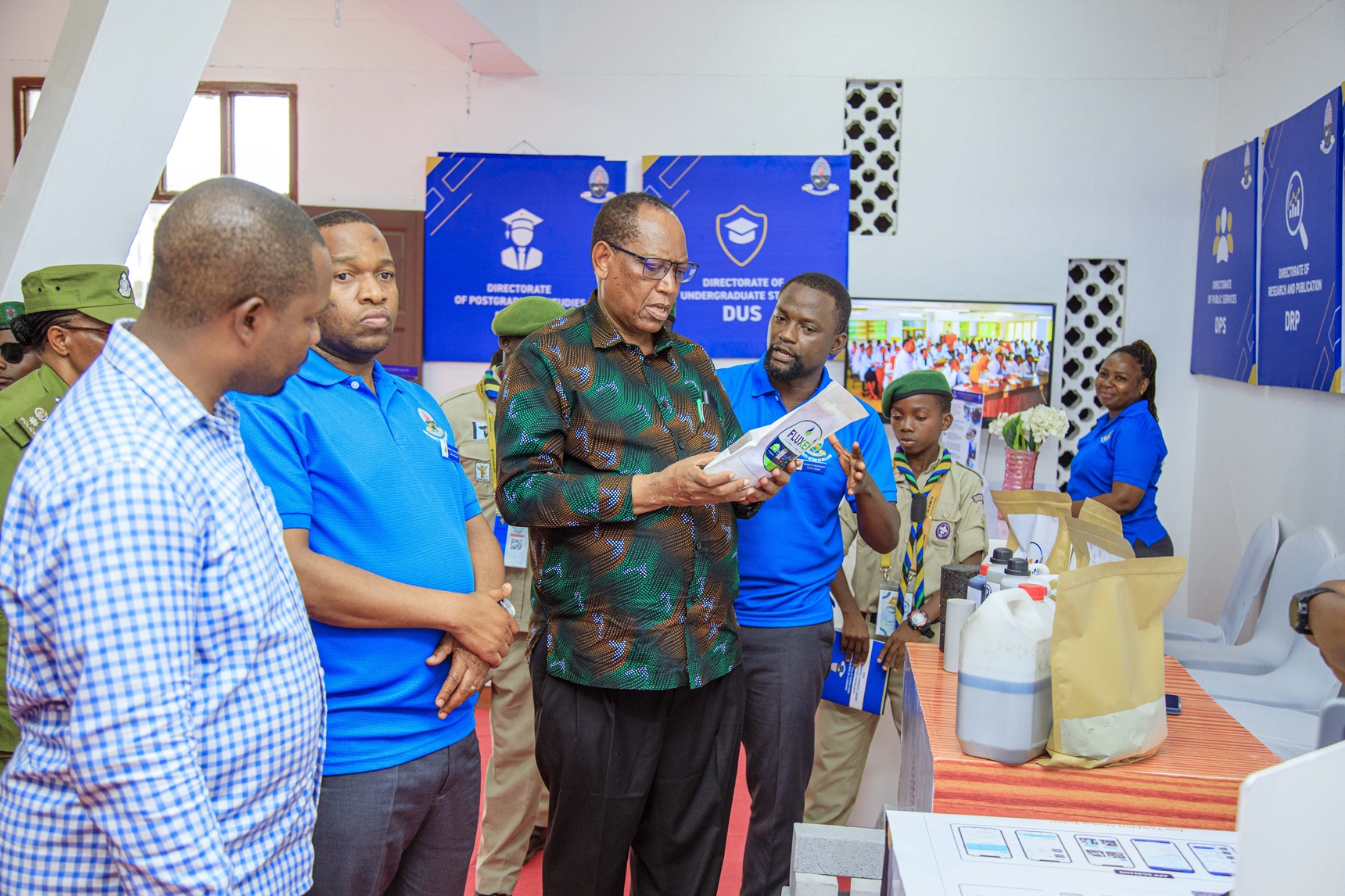
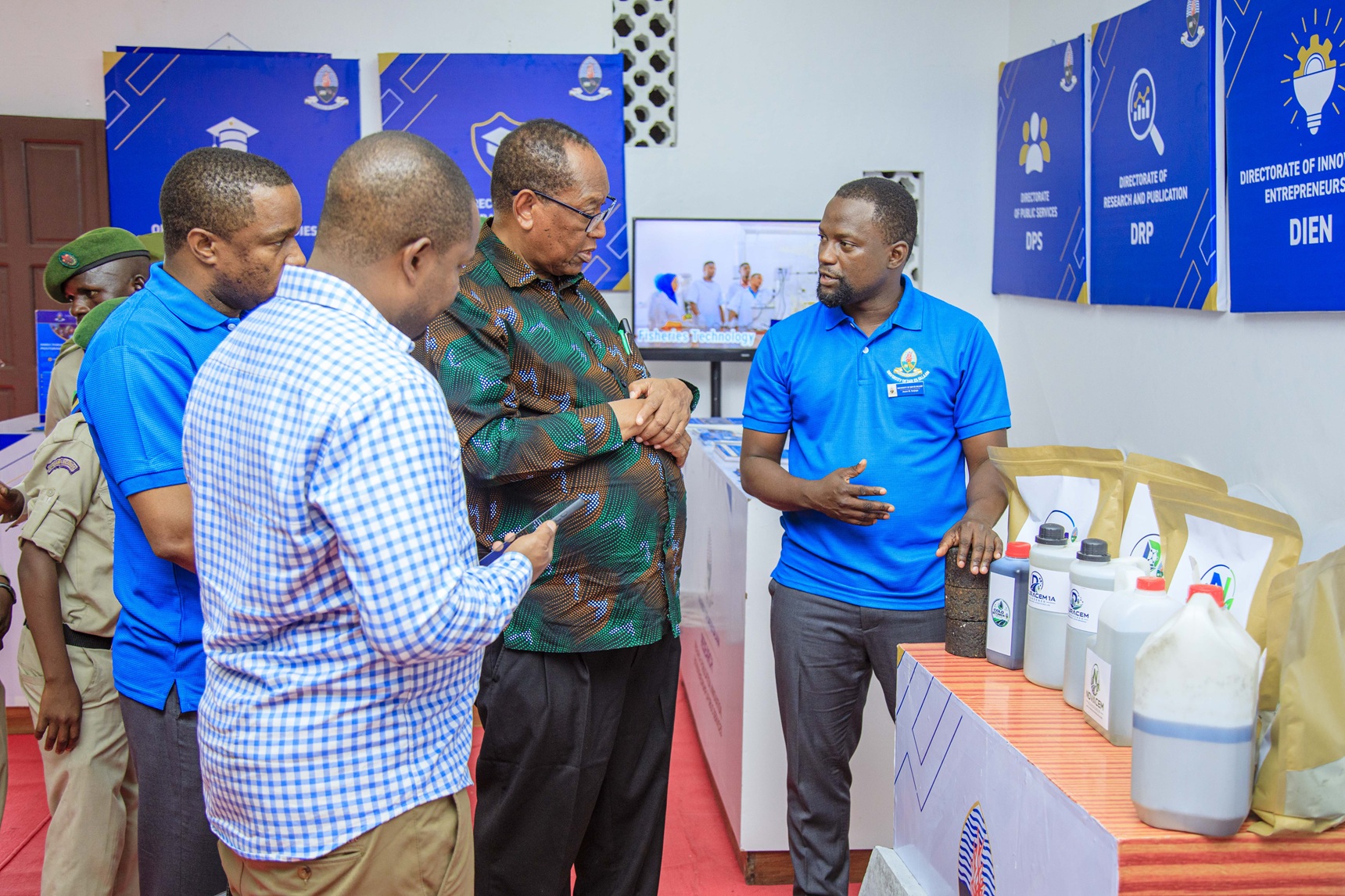
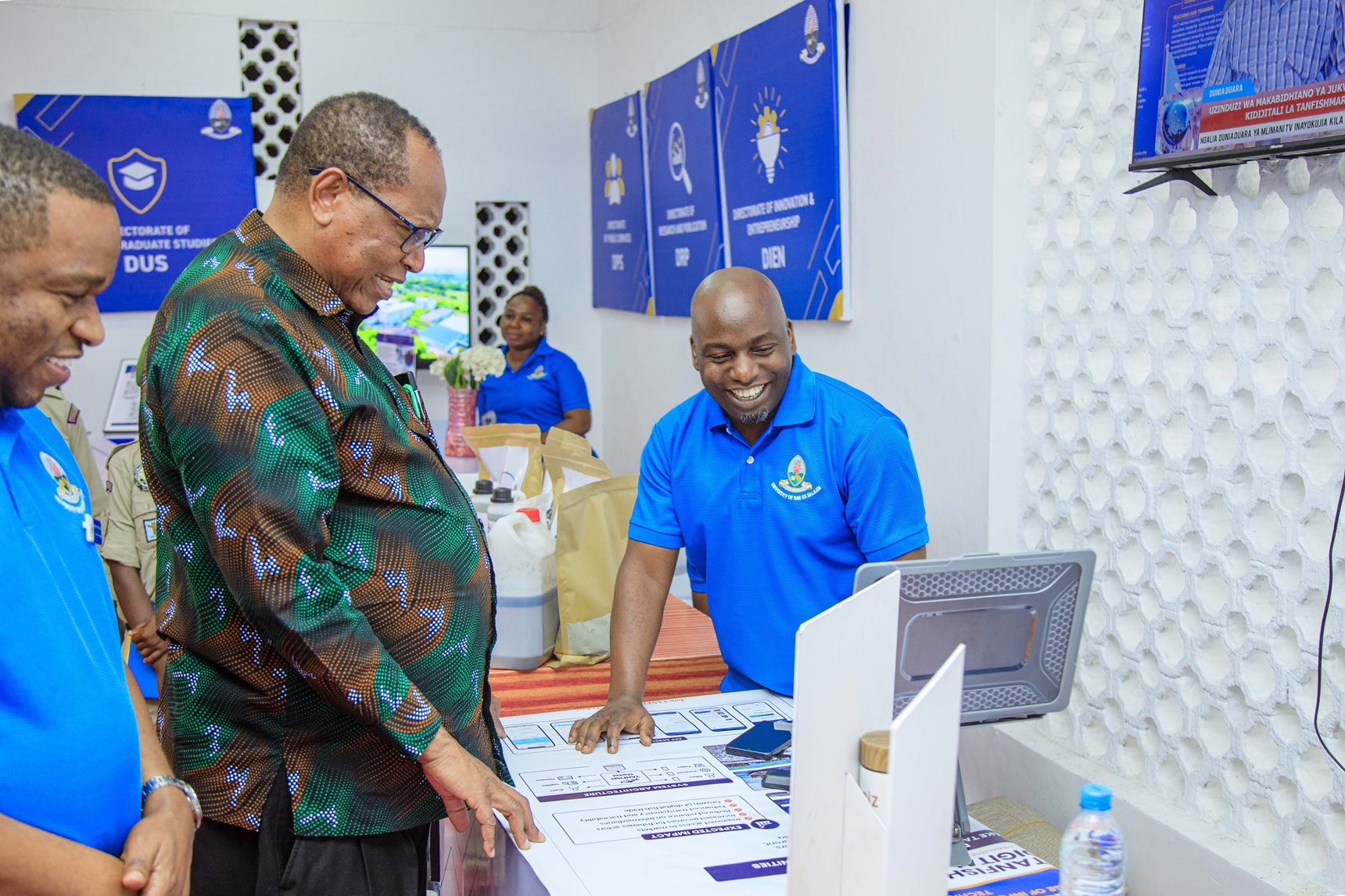
Speaking during a visit to the University's exhibition pavilion at the 50th Dar es Salaam International Trade Fair (DITF), Prof. Kabudi said UDSM's research innovations demonstrate the critical role universities play in generating practical solutions to the country's development challenges.
The Minister toured a range of technologies developed by researchers from UDSM, led by Dr. Makungu Madirisha, and praised the University's commitment to translating scientific research into innovations that address real-world needs.
"What I have seen here is evidence that our universities are producing practical solutions for national development. These innovations have enormous potential to improve infrastructure, reduce construction costs, promote environmental sustainability and strengthen our industrial economy. The next step is to ensure they reach the market and benefit ordinary Tanzanians”, Prof. Kabudi said.
He stressed that research should not end with laboratory success but should progress to commercialization, enabling locally developed technologies to be produced at scale and adopted across the country.
"Commercialisation should become a priority. These technologies should move from research prototypes into products that serve communities, create employment opportunities, stimulate local industries and contribute to Tanzania's economic growth”, he said.
Among the innovations that particularly impressed the Minister were Duracem and Duracem 1A, award-winning road construction technologies designed to enhance road durability while reducing construction and maintenance costs through the use of locally available materials.
Prof. Kabudi observed that the technologies compare favourably with advanced construction approaches used internationally to improve infrastructure resilience in the face of changing climatic conditions.
"These innovations reminded me of technologies used in countries such as Germany to address the effects of climate change on road infrastructure. It is encouraging to see Tanzanian researchers developing solutions that are not only environmentally sustainable but also tailored to our local conditions using our own resources”, he said.
To accelerate the uptake of the technologies, the Minister encouraged UDSM to deepen collaboration with government agencies and private sector partners responsible for infrastructure development.
"The University should strengthen partnerships with institutions such as TANROADS, TARURA and the Tanzania Buildings Agency so that these innovations can be adopted in road construction, housing projects and other strategic infrastructure investments. Such collaboration will help reduce construction costs while improving the quality and durability of our infrastructure” he said.
Researchers to modernise indigenous construction technologies
Prof. Kabudi also challenged researchers to modernise indigenous construction technologies that have long been used in Tanzania, saying scientific research should build upon local knowledge to develop affordable, climate-resilient building solutions.
"Traditional construction techniques have served our communities for generations. Our researchers should continue improving these methods through science and innovation so they become even more efficient while preserving their environmental and climatic advantages”, he noted.
The Minister further underscored the importance of creating a supportive ecosystem for innovation by strengthening coordination among universities, government ministries, regulatory authorities, investors and industry.
"Commercialisation requires collaboration. When researchers, policymakers, regulators and industry work together, innovative products reach the market faster and their benefits are felt more quickly by society”, he said.
Responding to practical challenges facing Tanzania's construction sector
Speaking on behalf of the research team, Dr. Makungu Madirisha said the technologies were developed to respond to practical challenges facing Tanzania's construction sector while promoting sustainability and reducing dependence on imported materials.
"Our focus has been to develop technologies that are affordable, environmentally friendly and capable of addressing local infrastructure challenges. The recognition these innovations have received motivates us to continue conducting research that contributes directly to national development and industrial transformation”, Dr. Madirisha said.
Dr. Madirisha noted that the team's portfolio extends beyond road construction and includes a number of innovations designed to address challenges in housing, water treatment, renewable energy and natural resource development.
Among the technologies showcased were the award-winning Duracem and Duracem 1A, which recently earned the team the Best Strategic Transformative Project Award for their contribution to sustainable road construction. The researchers also received the Innovator of the Year Award in recognition of their outstanding contribution to technological innovation.
Other innovations exhibited included Novacem, a sustainable construction material for housing; FluoroGuard, a technology for removing excess fluoride from drinking water; Fluxen, which purifies biogas into biomethane; BentoxTZ, developed for oil, gas and water well drilling; and an environmentally friendly charcoal technology designed to reduce harmful emissions while improving public health and environmental protection.
Prof. Kabudi's visit underscored the growing impact of UDSM's research and innovation ecosystem in addressing national priorities. It also reinforced the importance of strengthening partnerships that bridge academia, industry and government to ensure homegrown technologies move beyond the laboratory and create lasting social and economic impact.
Through its research, innovation and technology transfer initiatives, the University of Dar es Salaam continues to position itself as a leading driver of Tanzania's industrialisation agenda, developing solutions that improve lives, strengthen the economy and advance sustainable national development.