

From Content to Competence: UDSM Reimagines Teaching for the Digital Age
The University of Dar es Salaam (UDSM) has launched an intensive four-day training programme aimed at modernizing curriculum development and transforming teaching practices through the integration of technology and competence-based education.
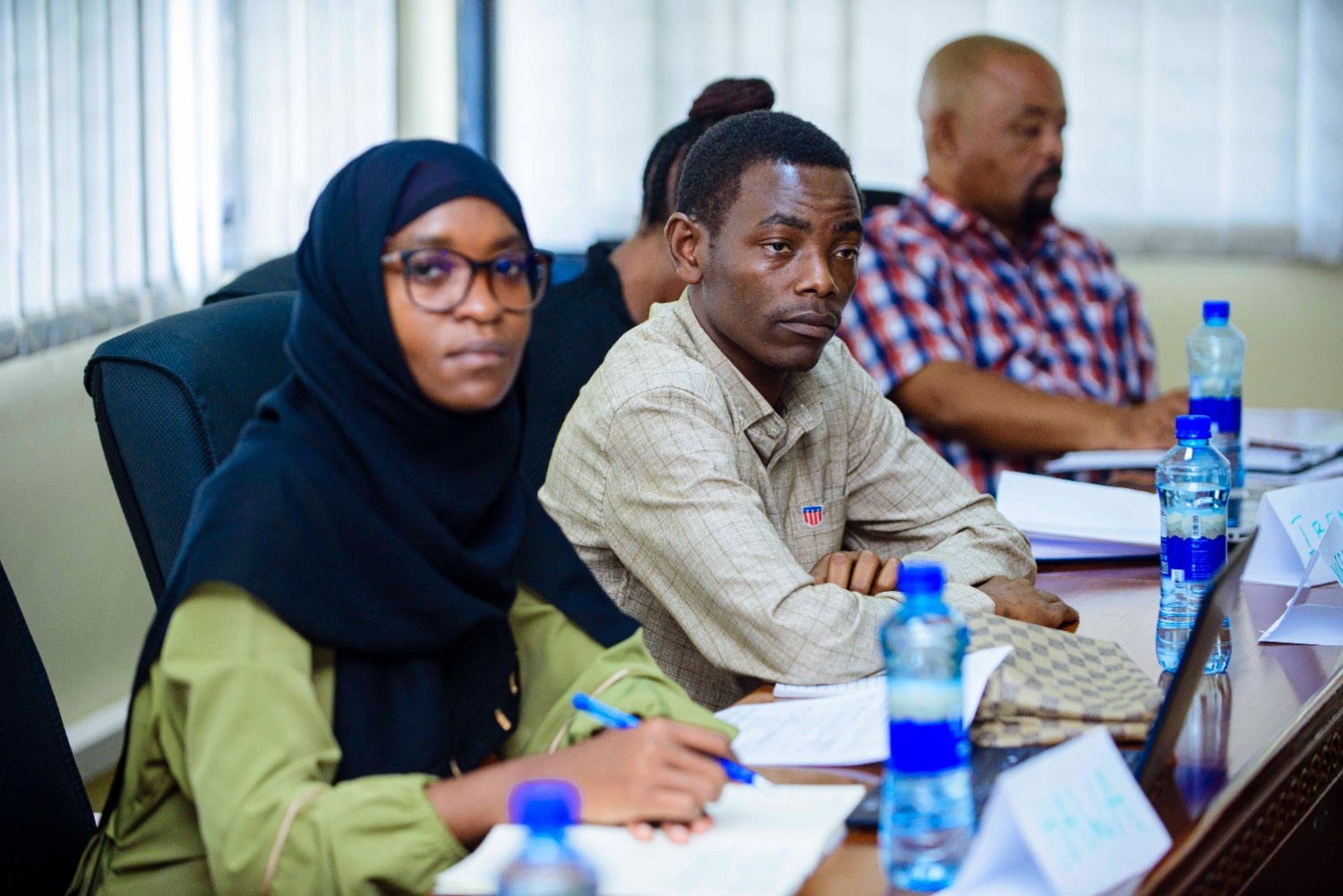
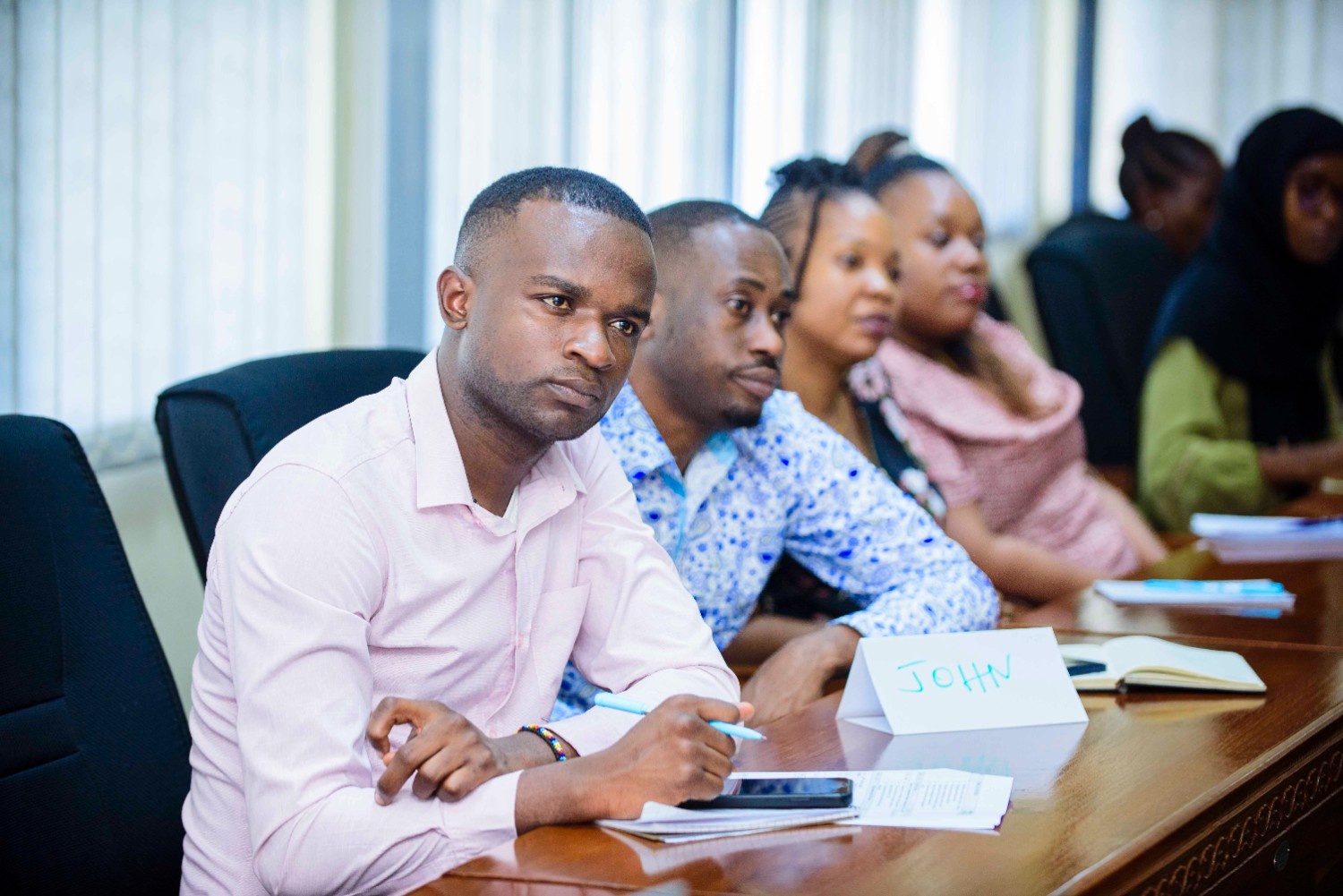
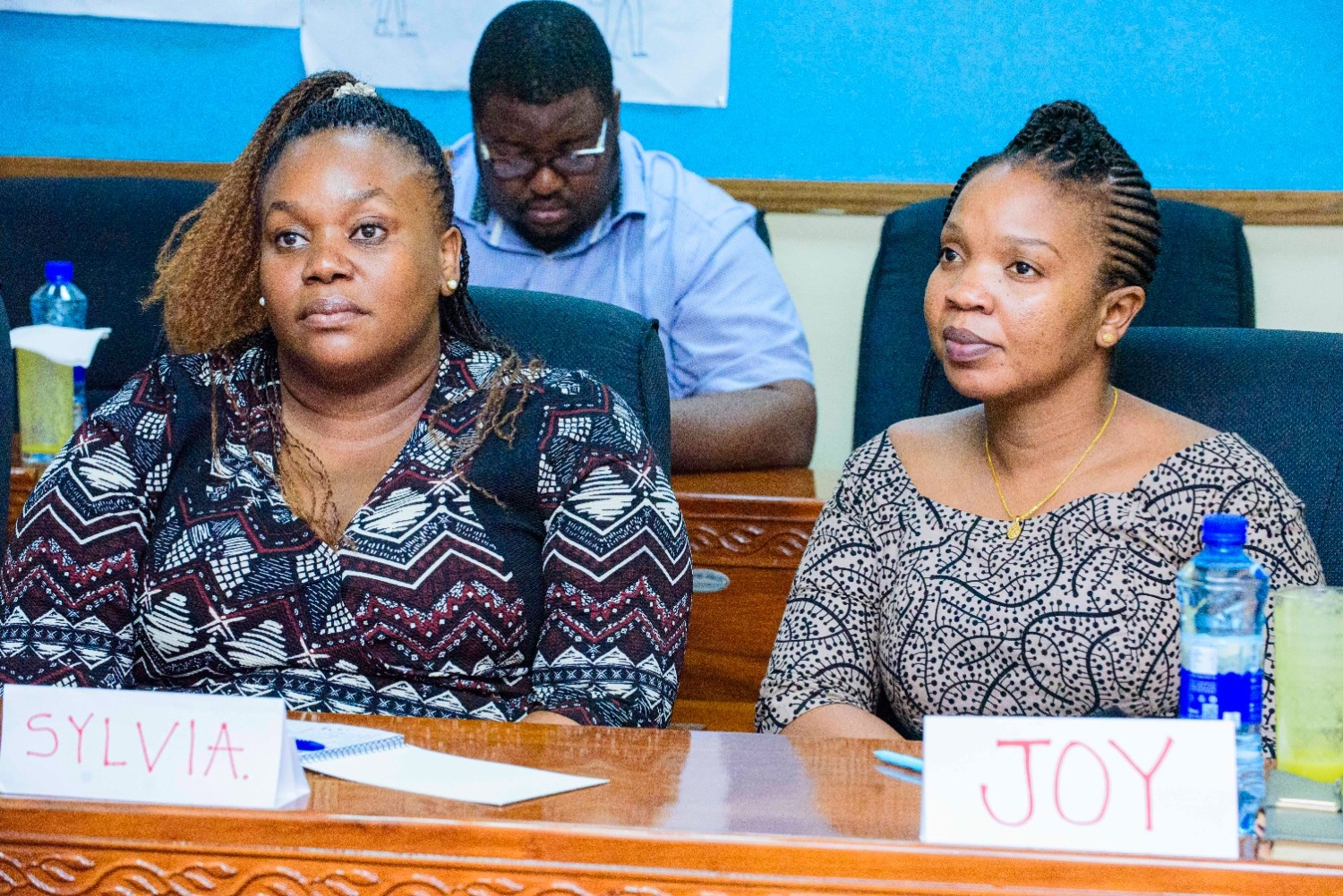
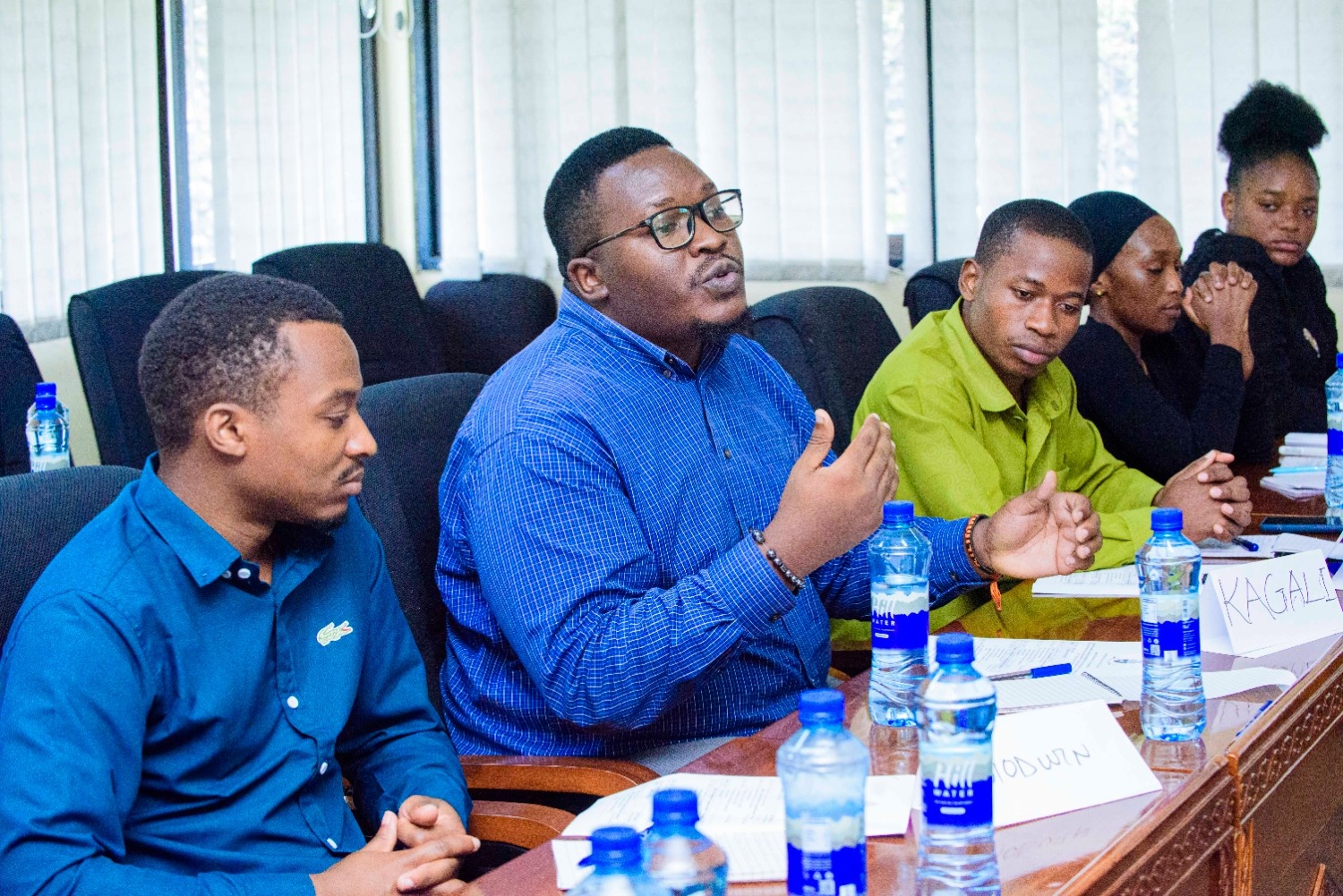
The training programme, as part of broader efforts to strengthen the quality and relevance of higher education, is organized by the Directorate of Public Services. Titled "Embracing Technology in Curriculum Development and Pedagogy at the University of Dar es Salaam," it is being held from 16 to 19 June 2026.
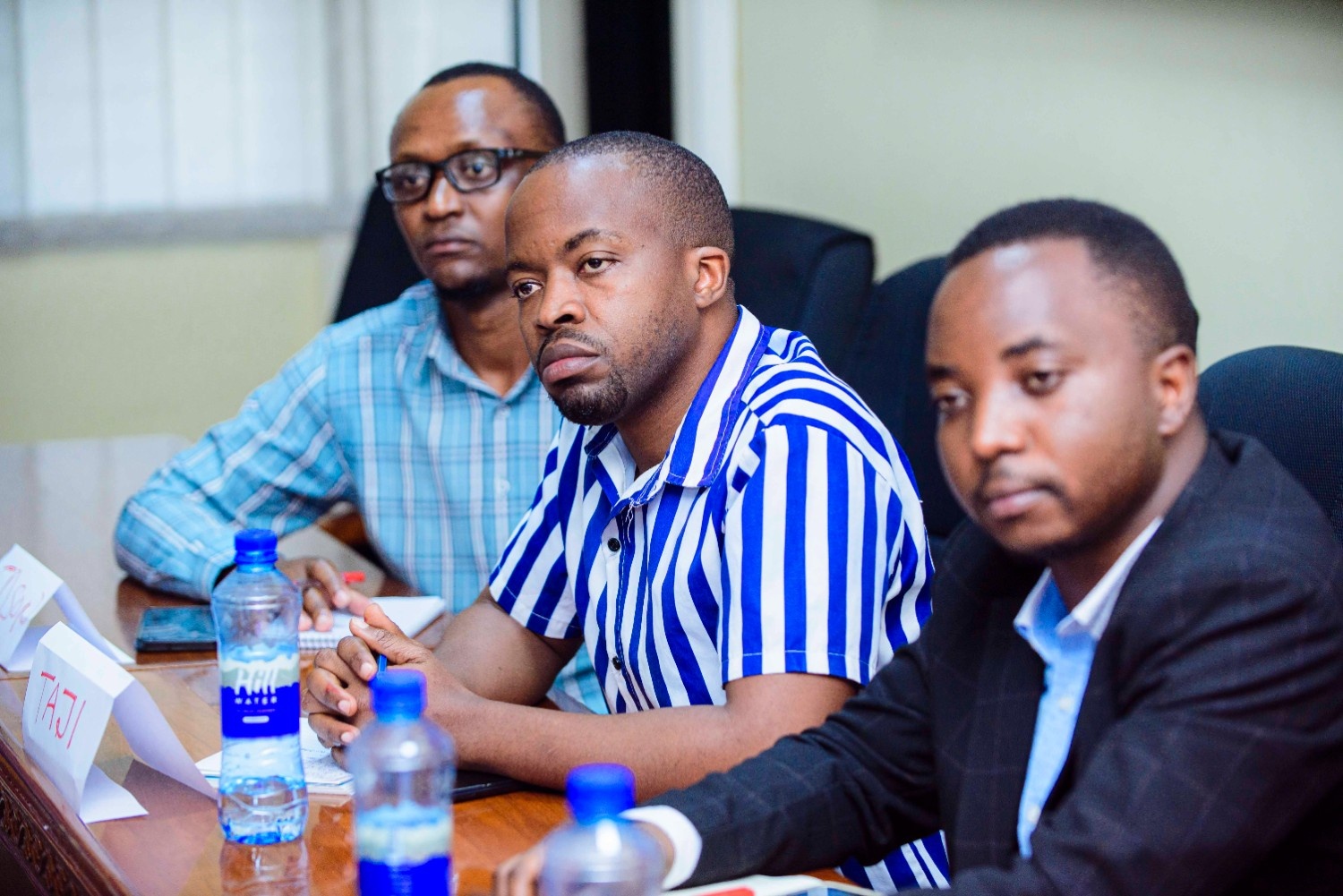
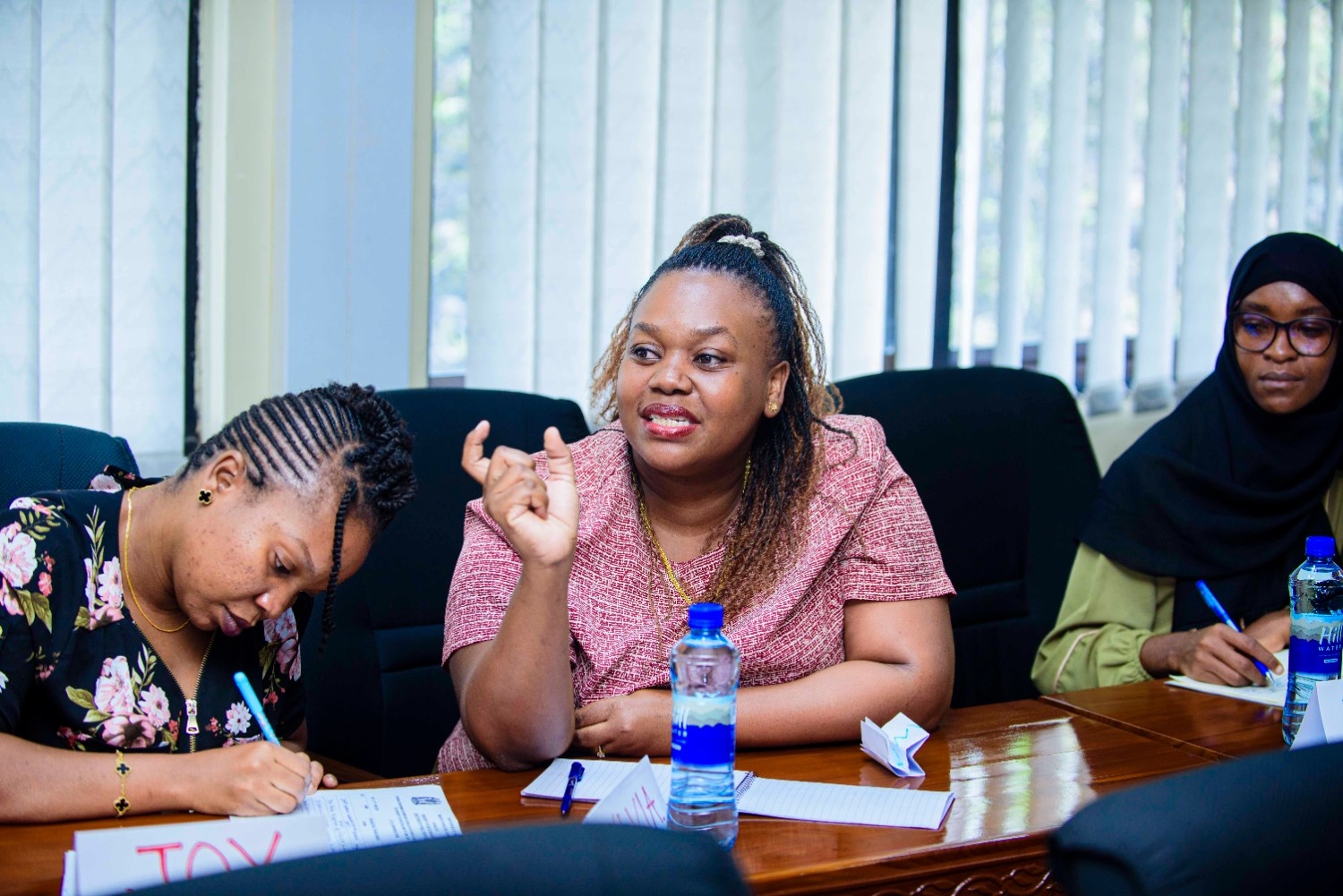
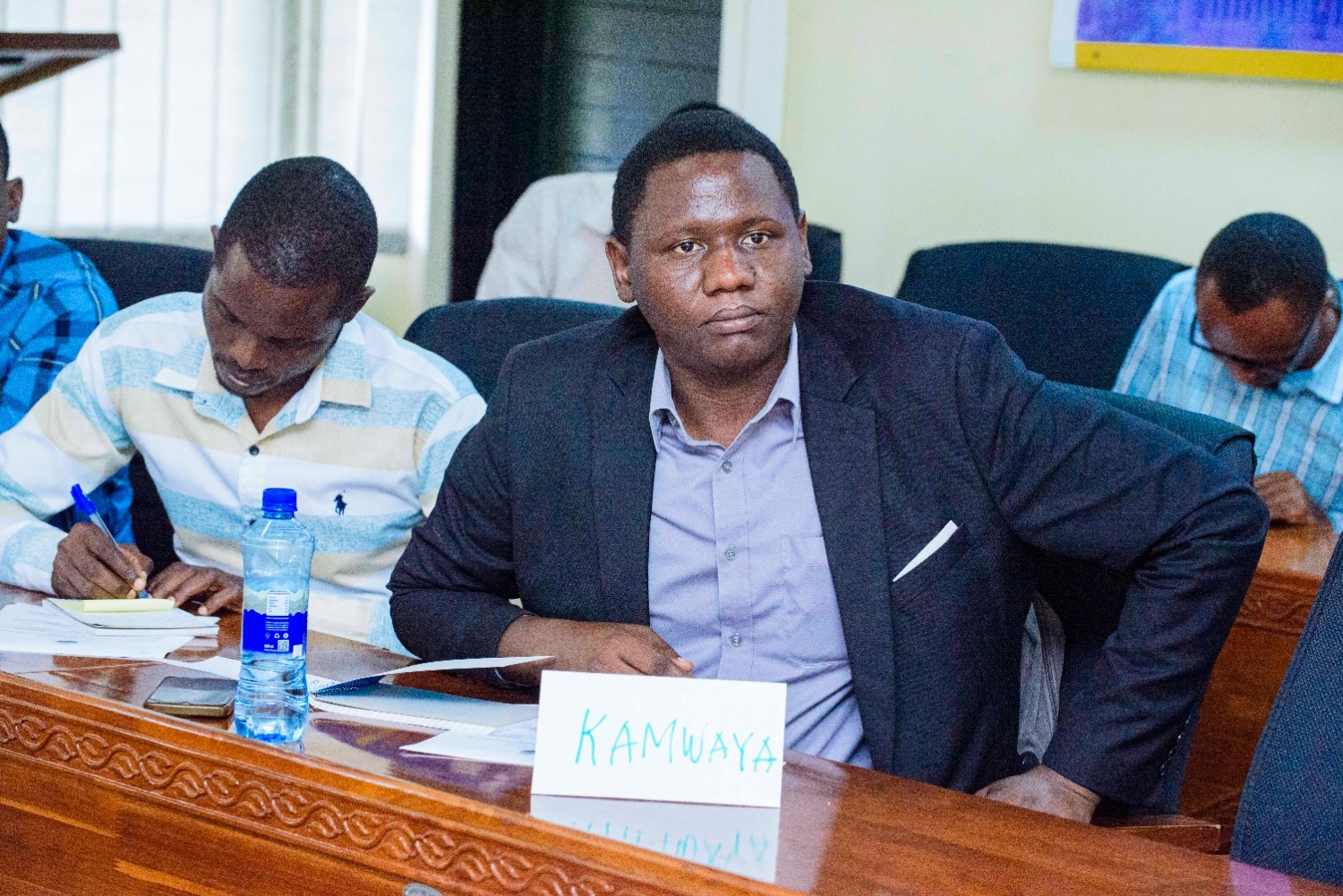
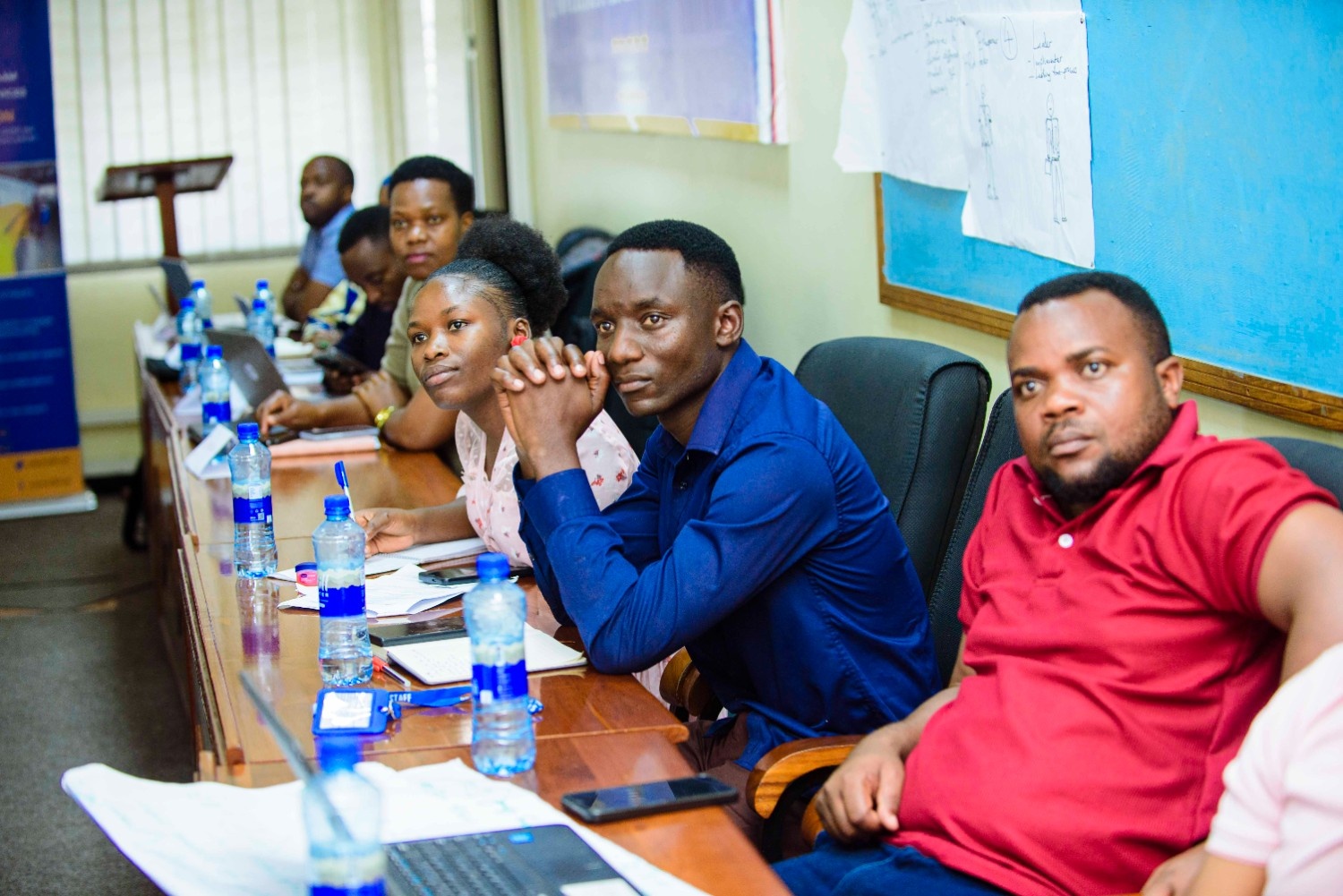
It brings together academic staff and educational practitioners from across the University to explore innovative approaches to curriculum design, teaching and learning in an increasingly digital and knowledge-driven world.
The initiative reflects UDSM's commitment to ensuring its academic programmes remain responsive to the rapidly evolving demands of the labour market, technological advancements, and national development priorities.
Opening the training, facilitators underscored the urgent need for universities to rethink traditional teaching models and embrace approaches that equip graduates with practical competencies, adaptability and problem-solving abilities required in the 21st century workplace.
Leading the opening sessions, education experts Prof. Florence Kyaruzi and Dr. Aurelia Kimaro guided participants through the principles and practical application of Competence-Based Education (CBE) and Competence-Based Curriculum (CBC), approaches that place greater emphasis on learning outcomes, skills acquisition, and real-world application of knowledge.
The facilitators highlighted the growing shift from content-centred teaching towards learner-centred approaches that focus on what graduates can do with the knowledge they acquire.
"Universities must move beyond simply transmitting knowledge to developing graduates who can apply that knowledge creatively and effectively to solve real-life challenges," noted one of the facilitators during the discussions.
Participants examined strategies for aligning academic programmes with the requirements of the Tanzania Commission for Universities (TCU), conducting labour market and societal needs assessments, and designing curricula that respond to emerging national and global priorities.
At the centre of the discussions was the recognition that today's graduates require a broader set of competencies than ever before. These include critical thinking, innovation, communication, teamwork, adaptability, digital literacy, and the ability to work effectively in dynamic and resource-constrained environments.
Technology as a catalyst for better learning
A major focus of the training is the transformative role of technology in higher education. Facilitators demonstrated how digital tools and platforms can enhance curriculum delivery, promote active learning, and create more interactive, inclusive and student-centred educational experiences.
Participants explored innovative pedagogical approaches that leverage technology to improve student engagement, strengthen assessment practices and support flexible learning pathways.
The training also encouraged academic staff to rethink course design and classroom practices in ways that empower students to become active participants in the learning process rather than passive recipients of information.
Beyond curriculum reform, the programme provided a platform for critical reflection on the changing landscape of higher education.
Discussions addressed growing societal expectations for graduate employability, the need to maintain academic quality while adopting student-friendly teaching approaches, and the increasing importance of innovation, internationalization and quality assurance in university education.
Participants also examined how universities can strengthen institutional accountability while remaining agile and responsive to emerging technological, economic and social trends.
According to the facilitators, meaningful curriculum transformation requires a holistic approach that integrates knowledge creation, effective pedagogy, measurable learning outcomes and responsiveness to national development needs.
Building future-ready graduates
The training forms part of UDSM's broader strategy to continuously enhance academic quality and ensure graduates are equipped with the competencies needed to thrive in the Fourth Industrial Revolution and the knowledge-based economy.
By investing in the professional development of academic staff and promoting innovative teaching practices, the University is positioning itself to produce graduates who are not only academically strong but also creative, adaptable and capable of contributing effectively to society.
As higher education institutions worldwide accelerate the adoption of digital technologies and competence-based approaches, UDSM's latest initiative demonstrates its determination to remain at the forefront of educational transformation and excellence.
Through sustained curriculum innovation, technology integration and staff capacity development, the University continues to strengthen its role as a leading institution committed to advancing knowledge, innovation and national development.