




UDSM Equips Accountants with Customer Experience Skills to Elevate Service Delivery
By Renancy Remmy, CMU
The University of Dar es Salaam (UDSM) has taken a significant step toward strengthening service delivery by training its accountants in customer experience management, a move aimed at enhancing professionalism and improving interactions with both internal and external stakeholders.
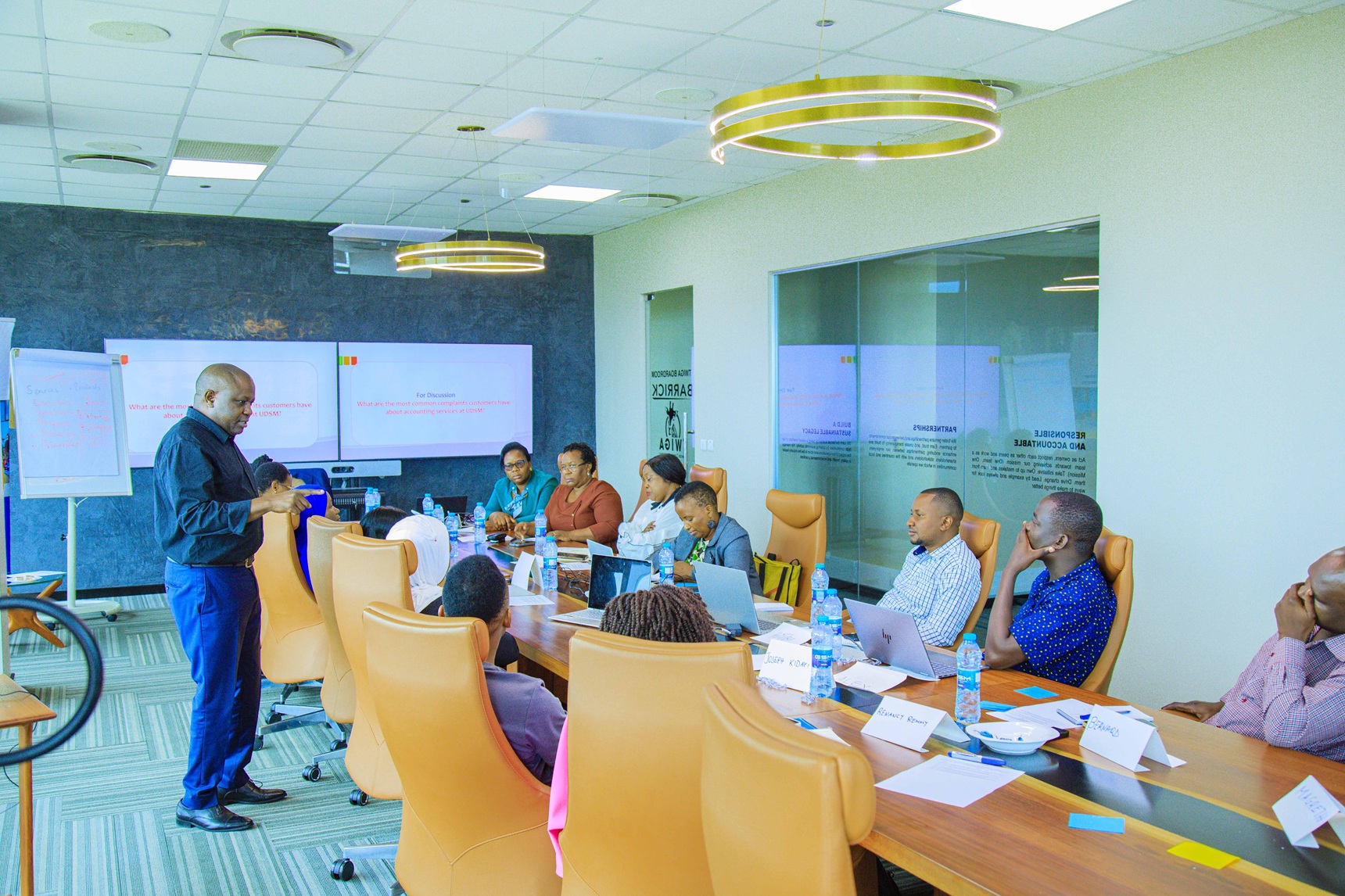
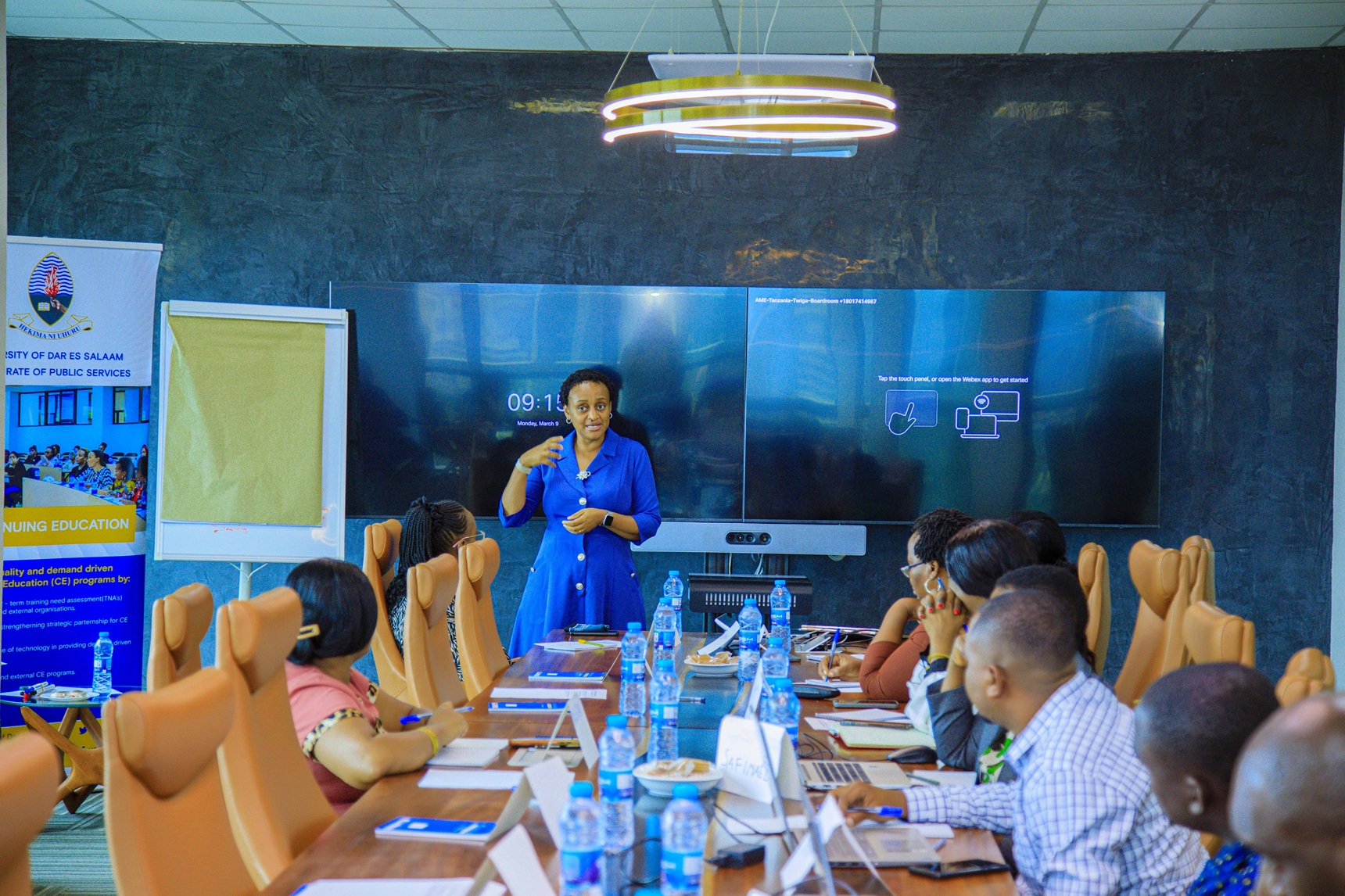
The three-day training programme, organized by the University through its Directorate of Public Service (DPS), is held from 9–11 March 2026 at the Barrick Board Room in Dar es Salaam and has brought together accountants from various units across the institution.
The initiative is part of the University’s broader strategy to promote continuous professional development and ensure that administrative and financial services remain responsive, efficient, and stakeholder-centered.
Opening the training, the Director of Public Service, Prof. Neema Mori, emphasized the importance of continuous learning in strengthening institutional capacity and improving service delivery within the University.
“Professional development is essential for building a responsive and efficient institution. Through training programmes such as this, the University equips its staff with the skills needed to meet the evolving expectations of stakeholders while maintaining high standards of professionalism’, said Prof. Mori.
Prof. Mori explained that the Directorate of Public Service plays a strategic role in enhancing staff competencies by organizing training and capacity-building initiatives across the University.
She highlighted key units operating under the Directorate, including the University Consultancy Bureau, Industrial Linkages Unit, and the Continuous Education Unit, which collectively connect the University’s expertise with industry and societal needs while also supporting staff development.
According to Prof. Mori, the training for accountants was organized through the Continuous Education Unit, which provides professional training programmes for both internal staff and external clients.
“Today, institutions are not only judged by the services they offer but also by how people experience those services. Improving customer experience strengthens trust, professionalism, and the reputation of the University”, she noted.
Banking expertise highlights customer experience
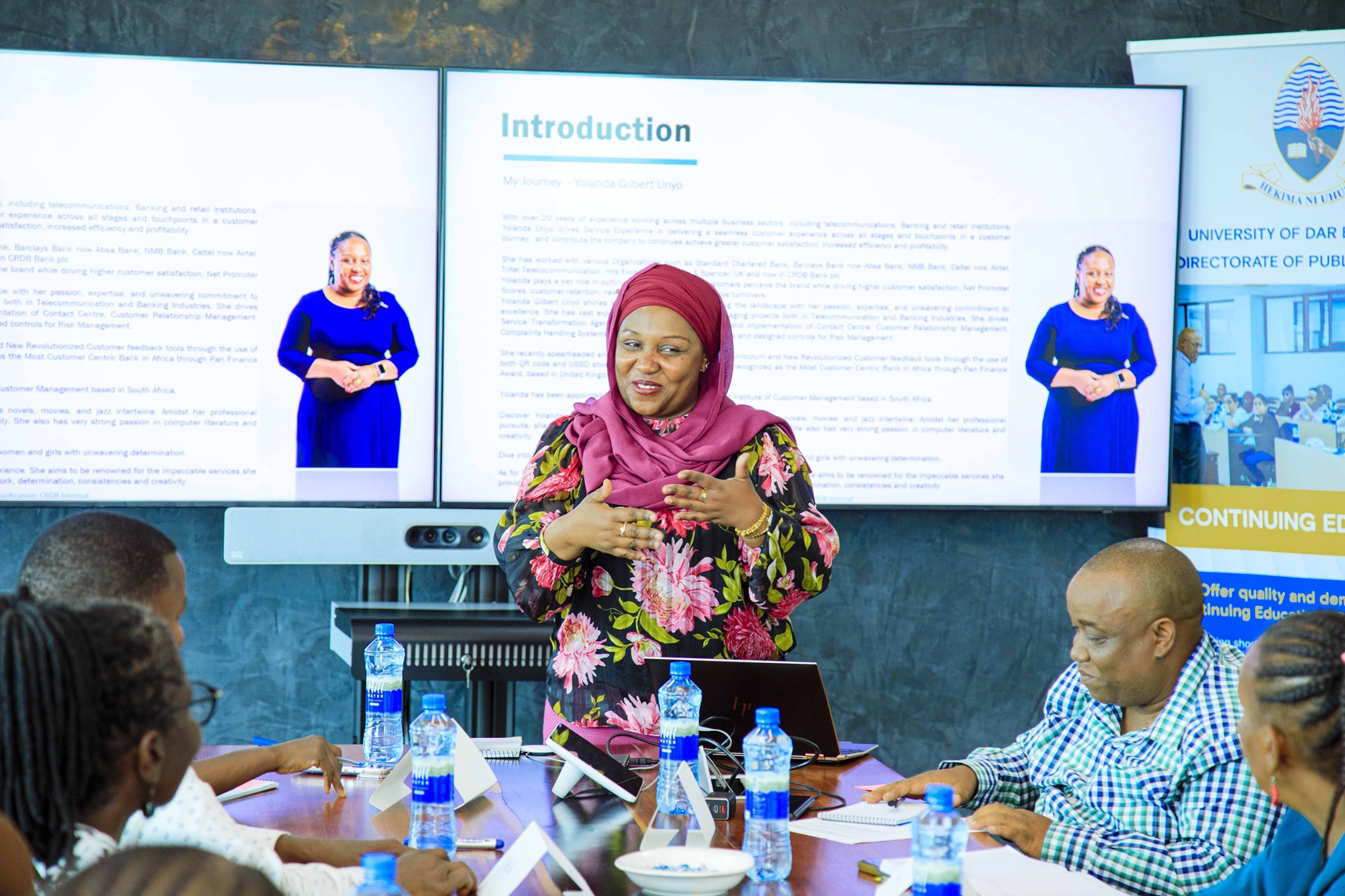
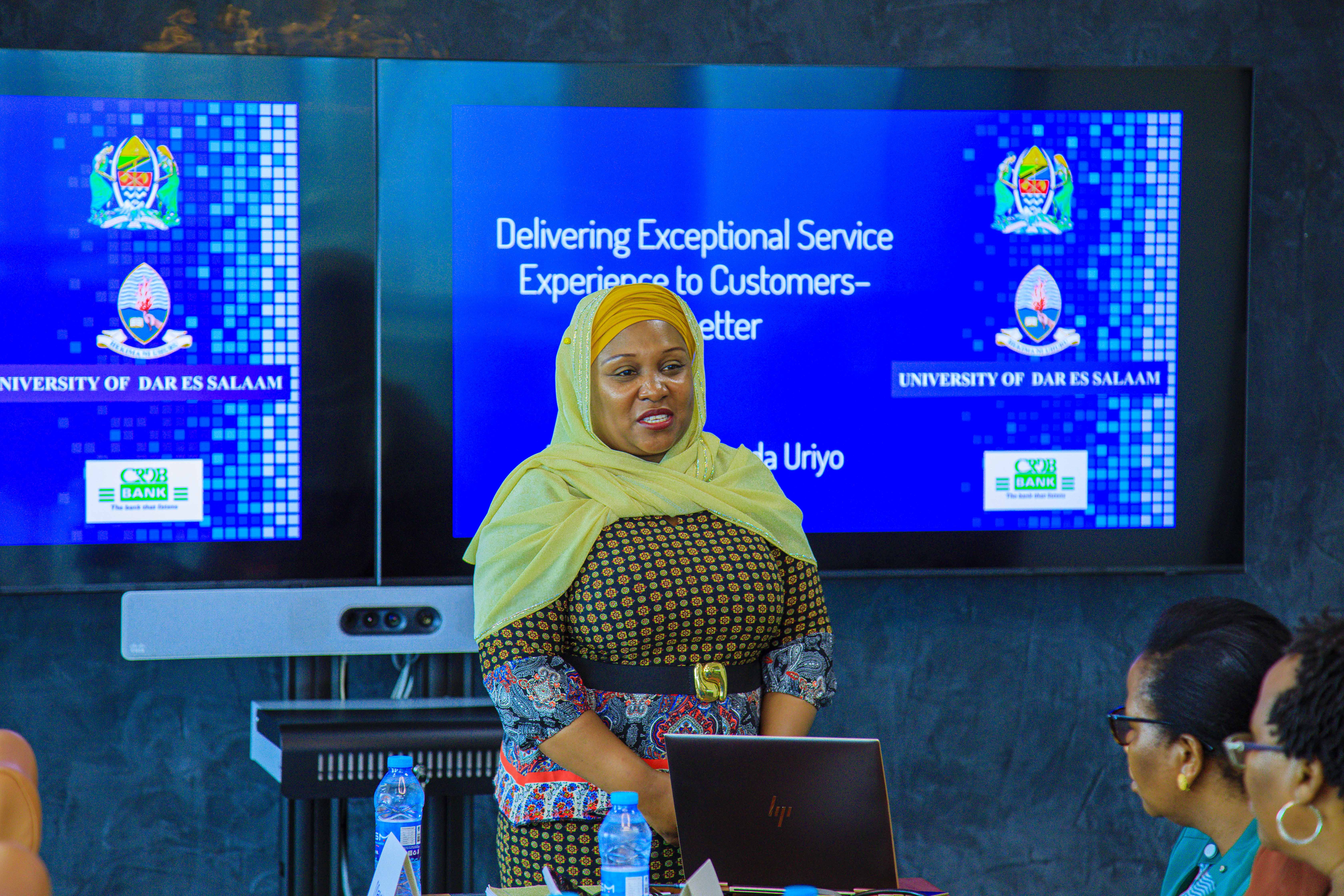
Among the training sessions is the one which was facilitated by Yolanda Gilbert Uriyo, Head of Customer Experience at CRDB Bank, who introduced participants to the principles and strategic importance of customer experience management.
Drawing from her experience in the banking sector, Uriyo explained that customer experience reflects the overall impression customers develop from all interactions with an organization, rather than a single service encounter.
“Customer service focuses on solving a specific issue, but customer experience reflects the entire journey customers have with an organization. Every interaction contributes to how people perceive the institution”, she explained.
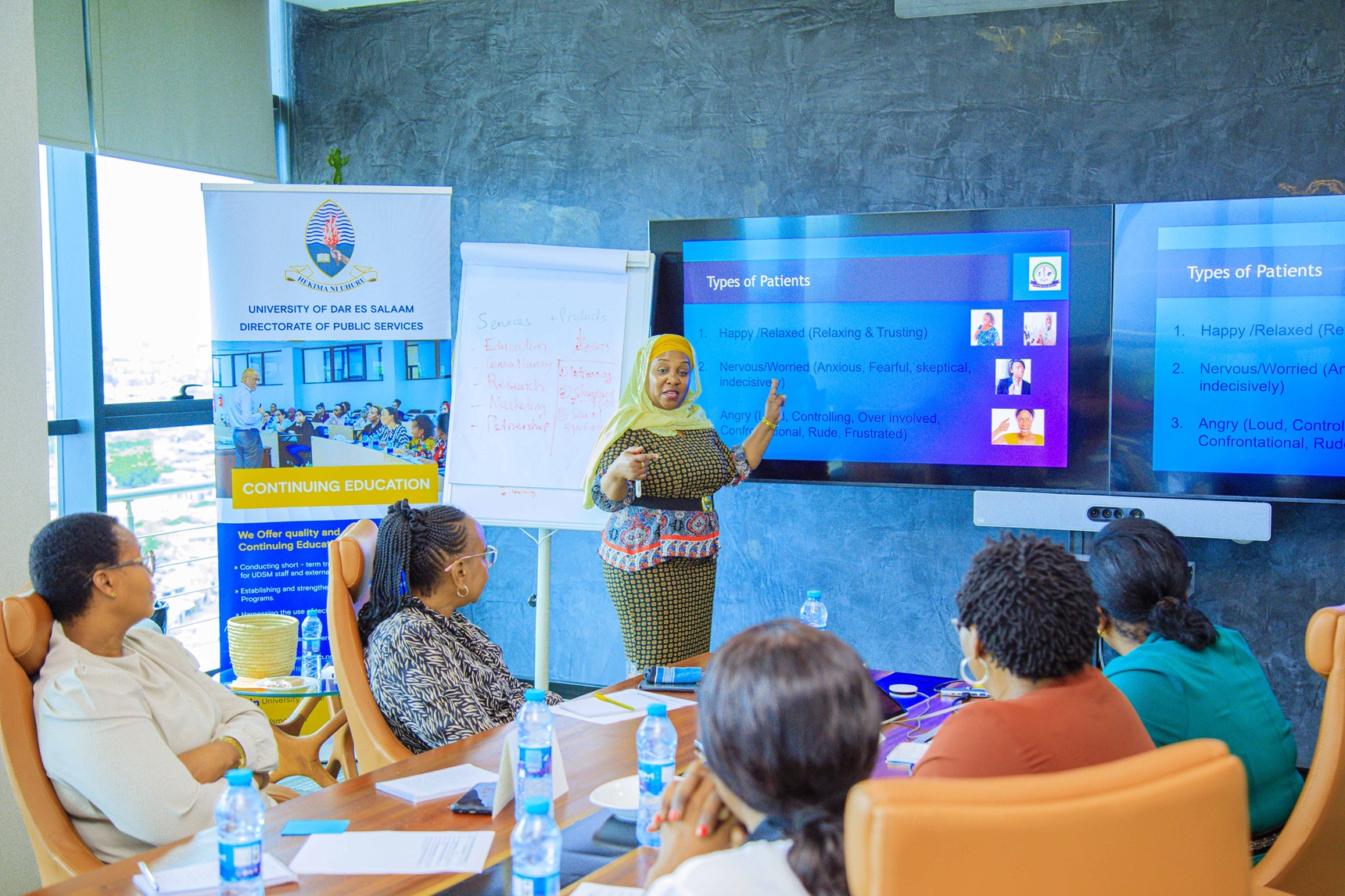
Uriyo emphasized that organizations must understand the needs of different customer groups and deliver services that are consistent, transparent, and responsive. She noted that UDSM serves a wide range of stakeholders, including students, staff, suppliers, investors, and financial institutions, each with unique expectations.
She also highlighted the importance of effective communication, including both verbal and non-verbal elements such as tone, posture, facial expressions, and body language.
In addition, participants were guided on professional communication through emails, telephone interactions, and digital platforms, which increasingly shape customer perceptions.
Emotional Intelligence key to service excellence
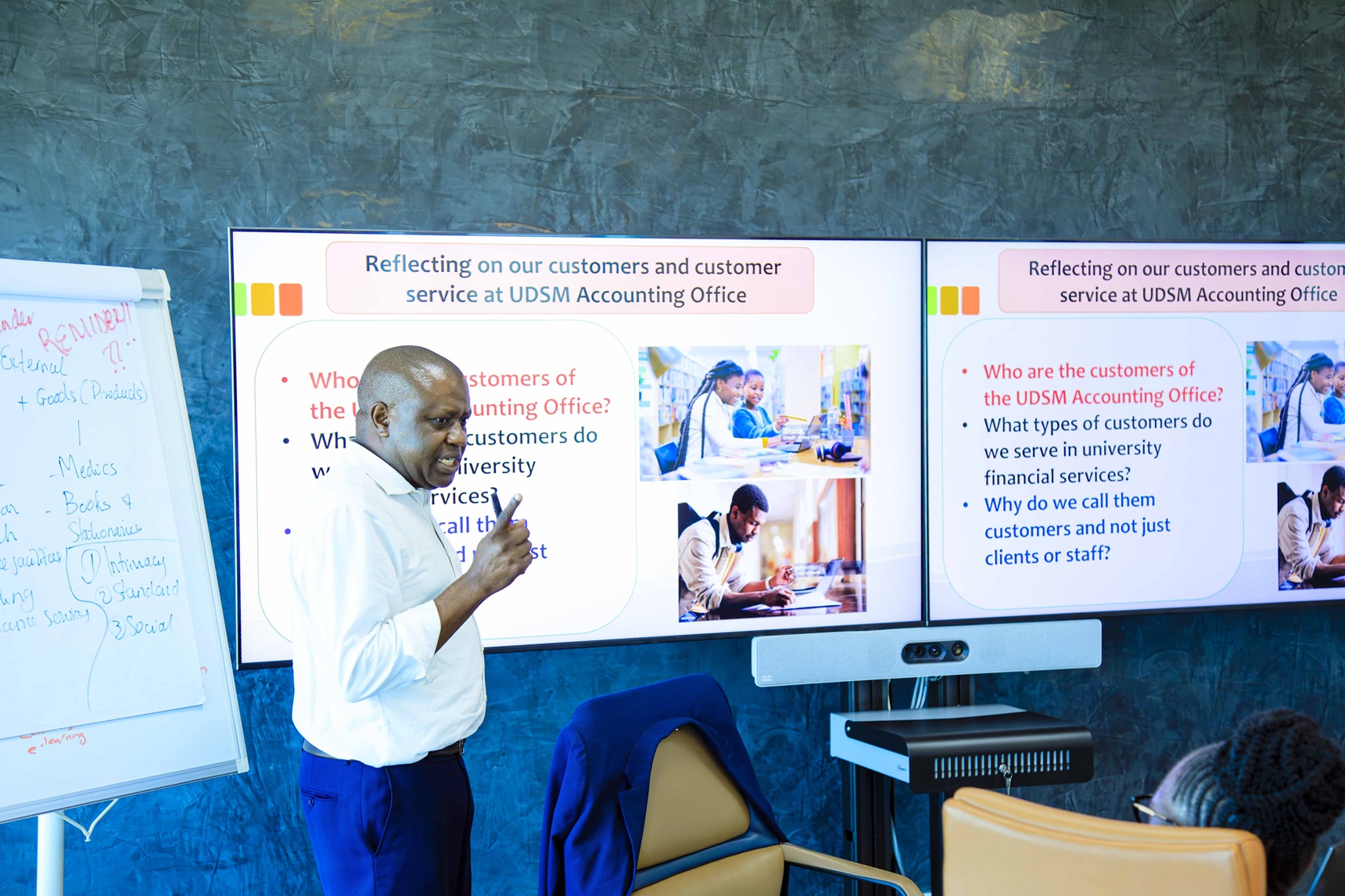
Another session was facilitated by Dr. Patrokil Kanje, a lecturer, researcher, and trainer, at UDSM who focused on applying customer experience principles within the context of university accounting and financial services.
Dr. Kanje explained that while customer service refers to actions taken during interactions with customers, customer experience represents the overall perception formed through repeated interactions with an institution.
“Customer experience management requires organizations to continuously evaluate how customers feel about their interactions and to improve services accordingly”, he said.
A central theme of his presentation was the importance of Emotional Intelligence (EI) in professional interactions. According to Dr. Kanje, emotional intelligence enables professionals to recognize and manage their own emotions while also understanding and responding effectively to the emotions of others.
“Accountants often handle sensitive financial matters, and this requires patience, empathy, and professionalism. Emotional intelligence helps professionals maintain positive relationships even in challenging situations”, he noted.
Dr. Kanje also emphasized the value of active listening, encouraging participants to focus on understanding customer concerns rather than simply responding to them. He described face-to-face communication as the richest form of interaction, as it allows individuals to interpret non-verbal cues and emotional signals.
Throughout the training, participants engaged in discussions and practical reflections on how the knowledge gained could be applied in their daily work. The sessions encouraged accountants to recognize their role not only as financial professionals but also as key contributors to the overall customer experience within the University.
The initiative reflects UDSM’s continued commitment to strengthening institutional capacity through knowledge sharing, professional development, and innovation in administrative services.
By equipping staff with modern customer experience skills, the University aims to enhance the quality, efficiency, and responsiveness of its services, further reinforcing its reputation as a leading institution dedicated to excellence in education, research, and public service.