


UDSM–NMB Partnership Produces Next-Generation Bankers to Power Tanzania’s Digital Financial Future
By Jackson Isdory and Donald Boneka, CMU
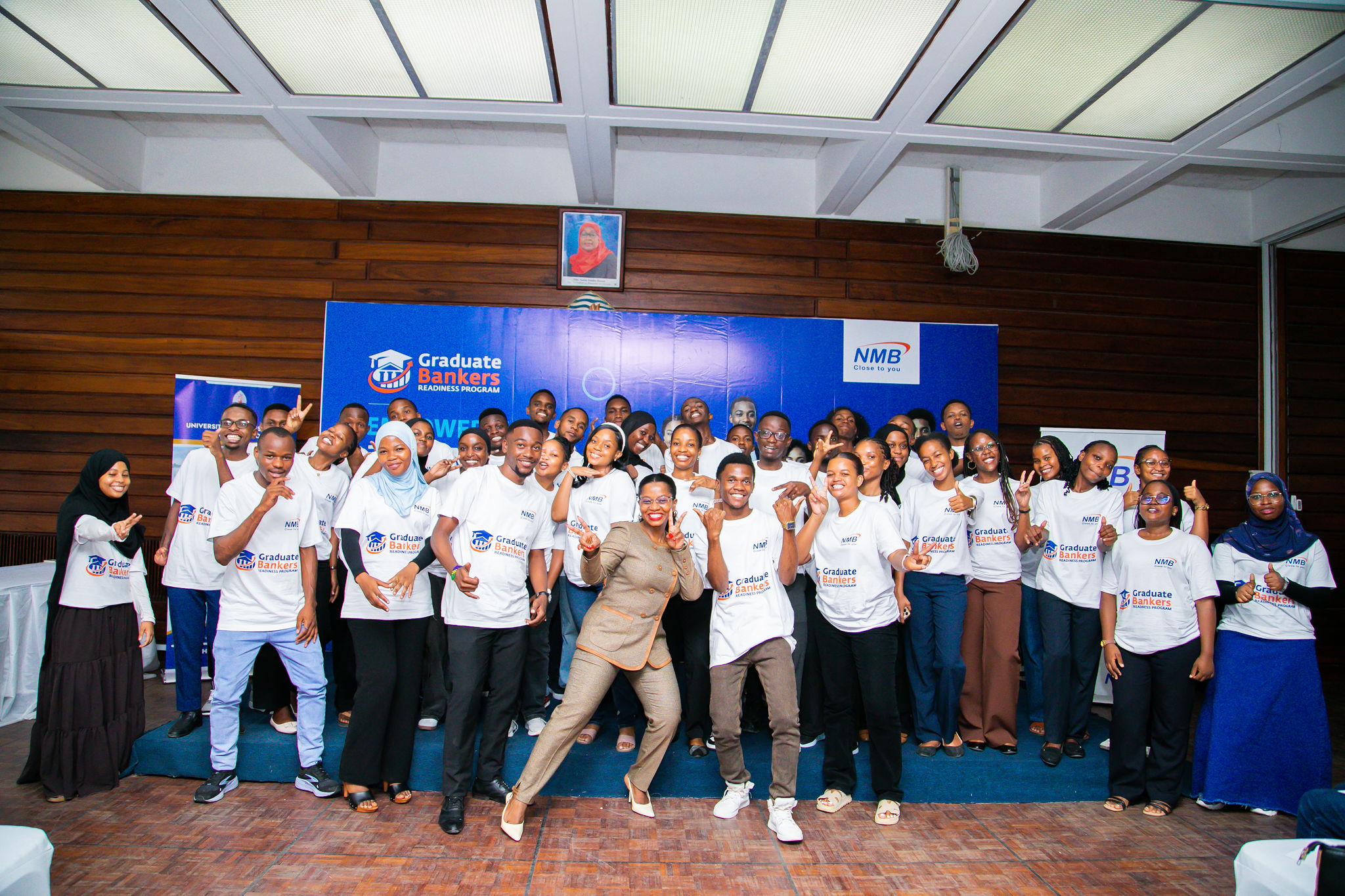
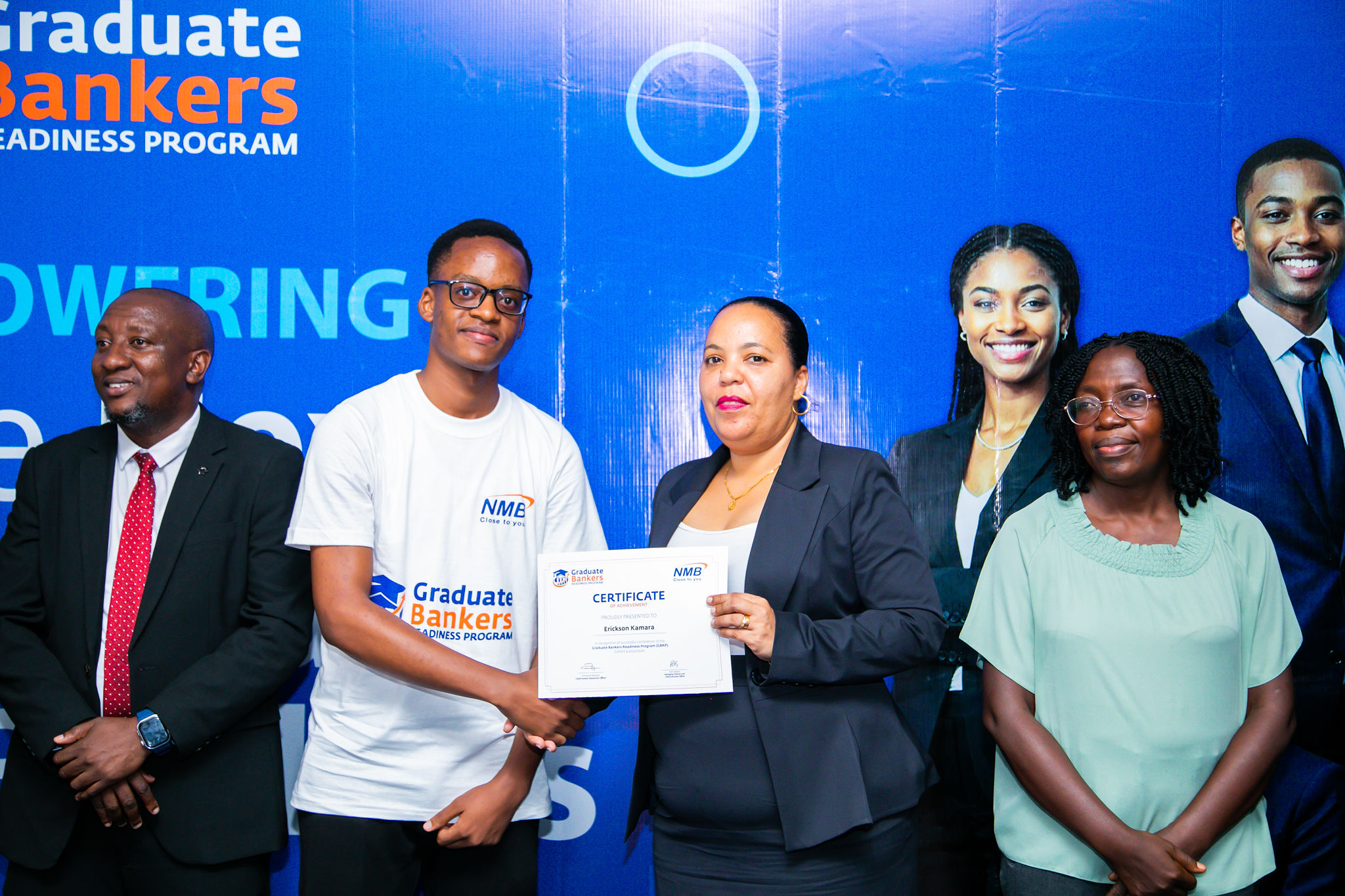
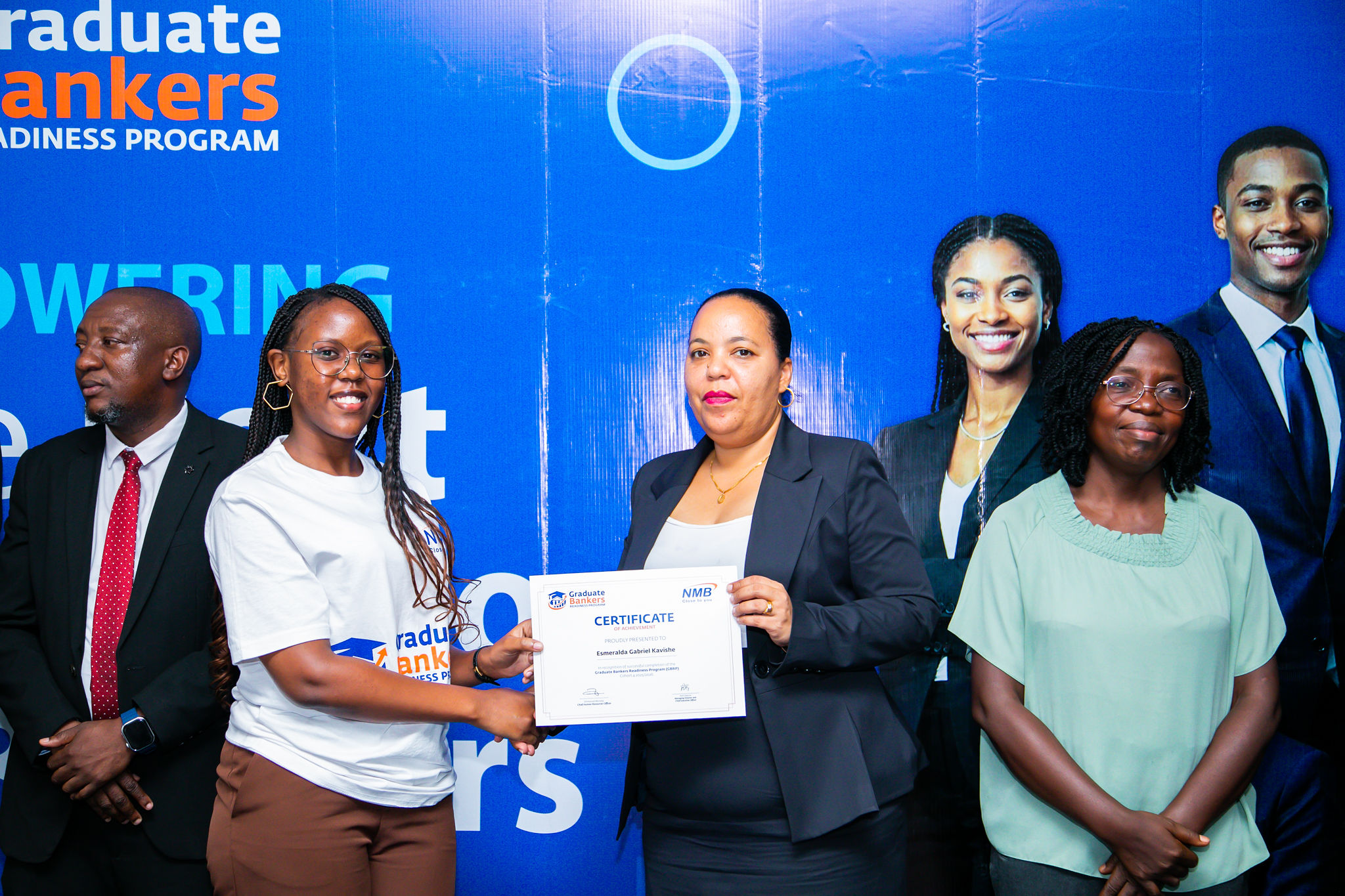
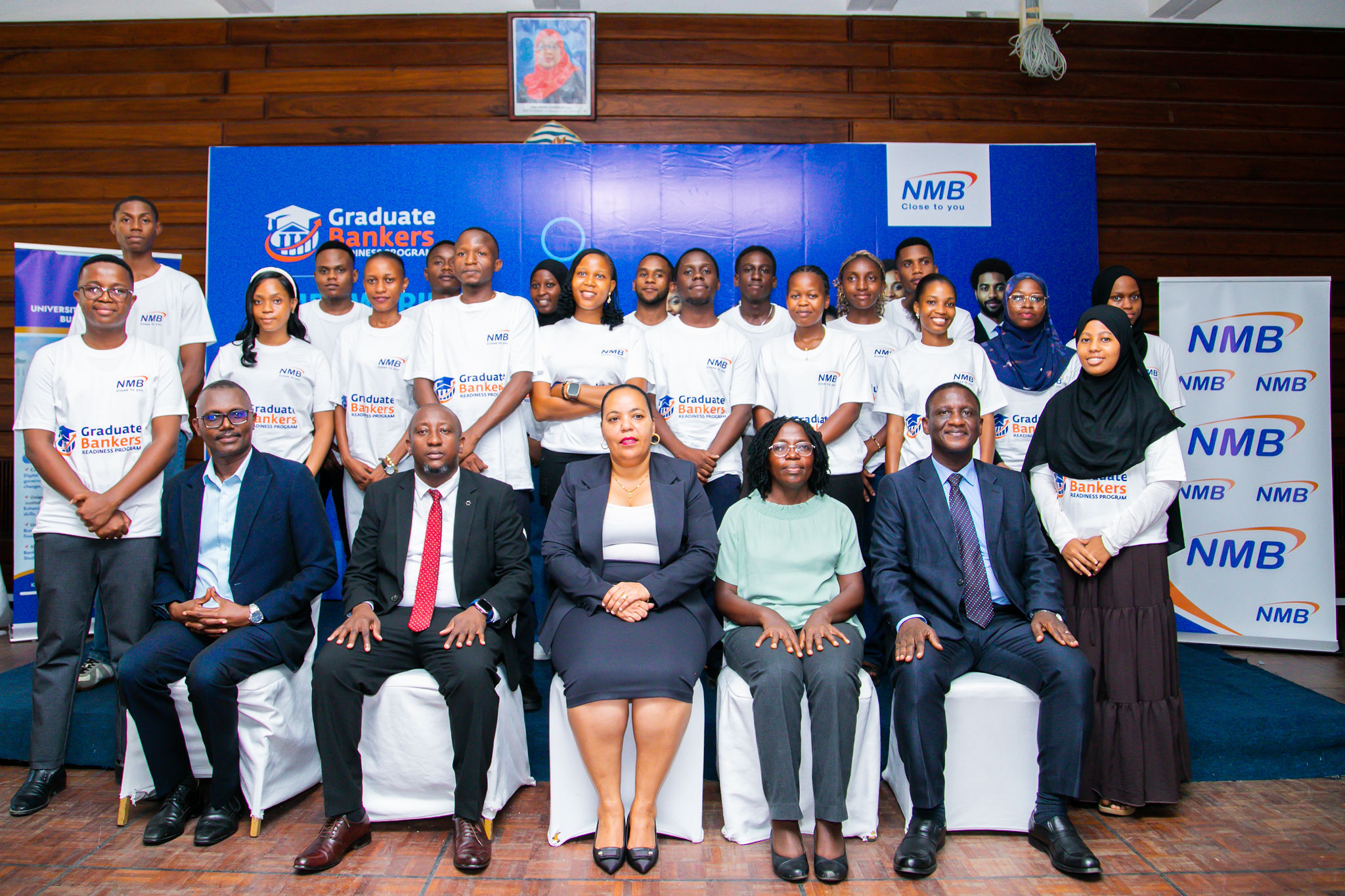
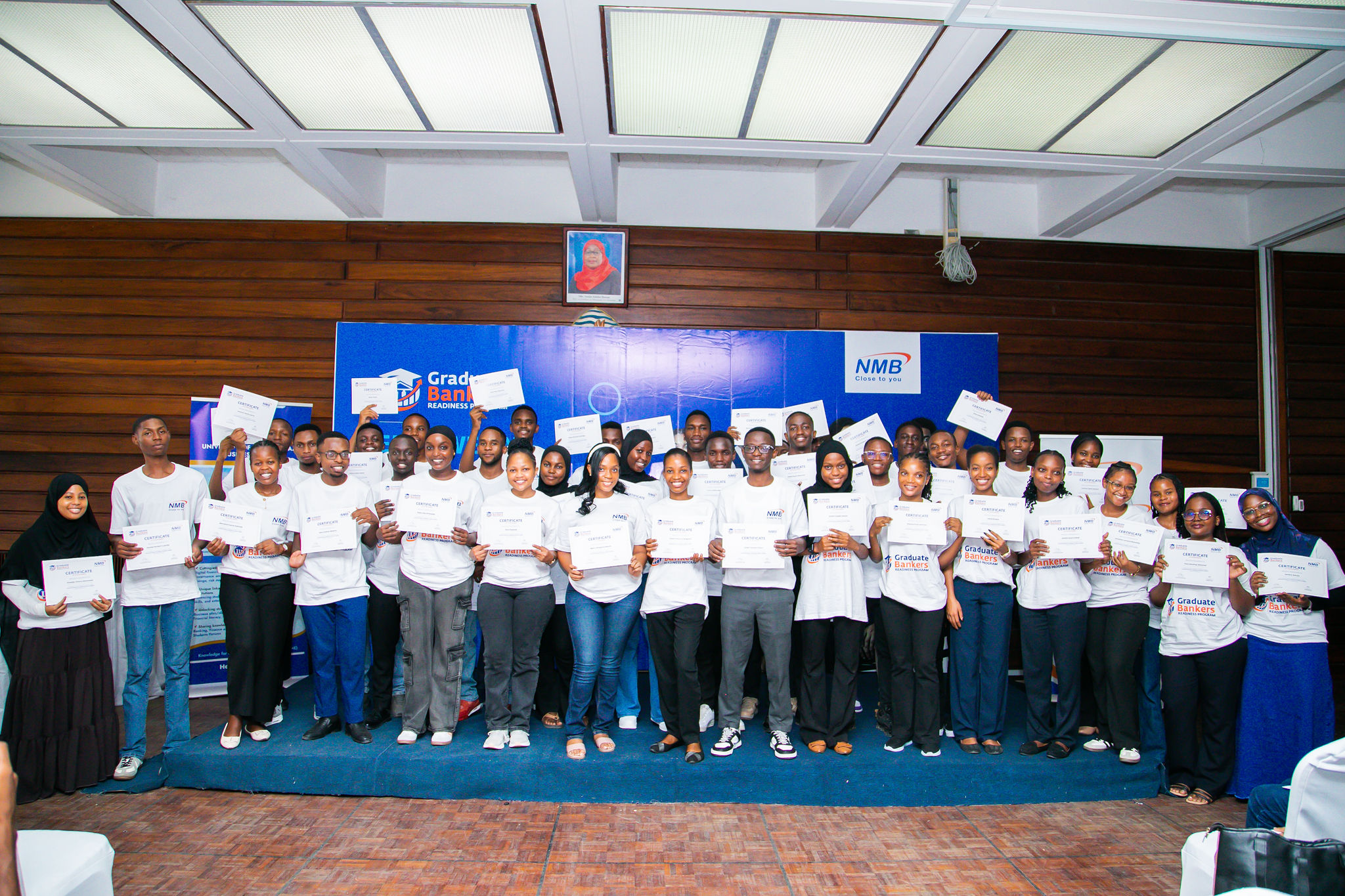
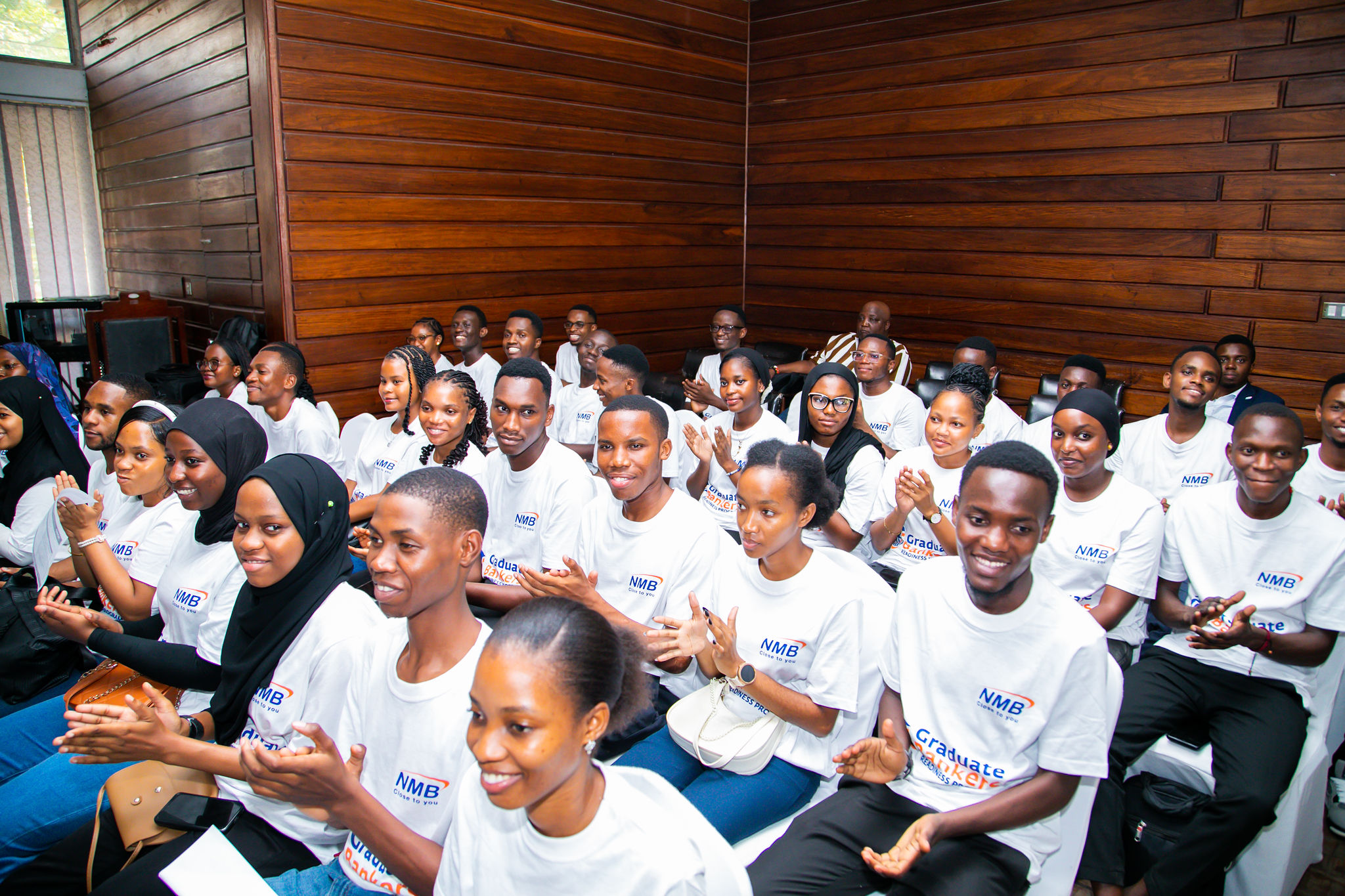
In a decisive step toward strengthening Tanzania’s financial services workforce, the University of Dar es Salaam has graduated 100 students under the Graduate Banker Readiness Programme (GBRP), an industry-linked initiative delivered through the University of Dar es Salaam Business School in strategic partnership with NMB Bank Plc.
The graduation of the programme’s fourth cohort signals rapid growth from a pilot intake of just 35 students in 2021, positioning the initiative as an emerging national model for bridging academic training with real-world banking and financial technology demands.
Implemented through the Centre for Banking and Financial Services Research, the programme directly addresses long-standing skills and exposure gaps in the sector, where historically only about one-third of banking students secured internships. By embedding practical competencies before employment, the initiative is expected to significantly cut institutional onboarding costs while accelerating graduate productivity.
Participants underwent intensive, industry-aligned training in digital banking systems, FinTech innovation, risk and compliance, product development, and customer experience management. The training culminated in applied research projects evaluating market penetration, brand positioning, and product awareness among university students, delivering insights to inform youth-focused financial services strategies.
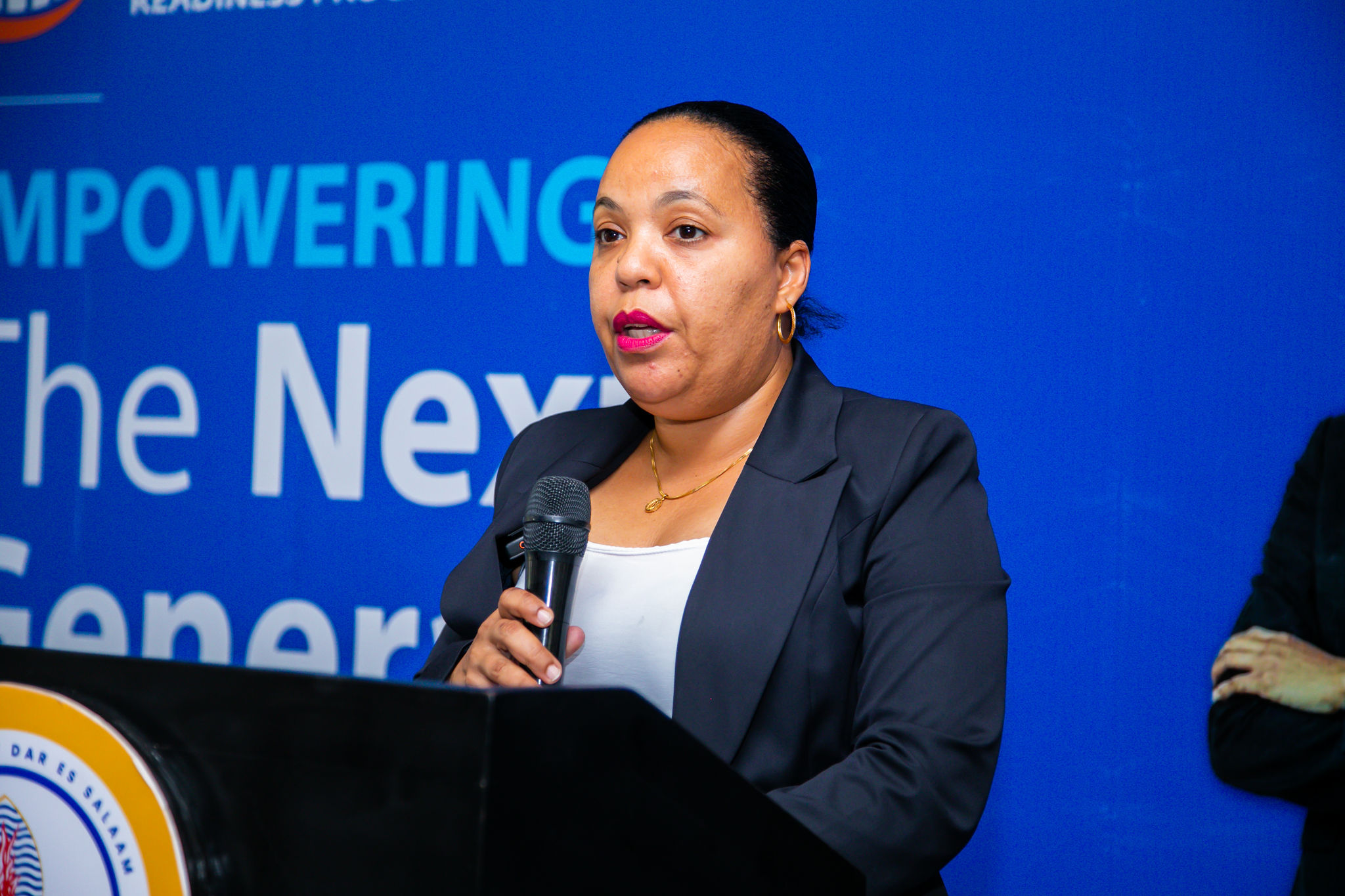
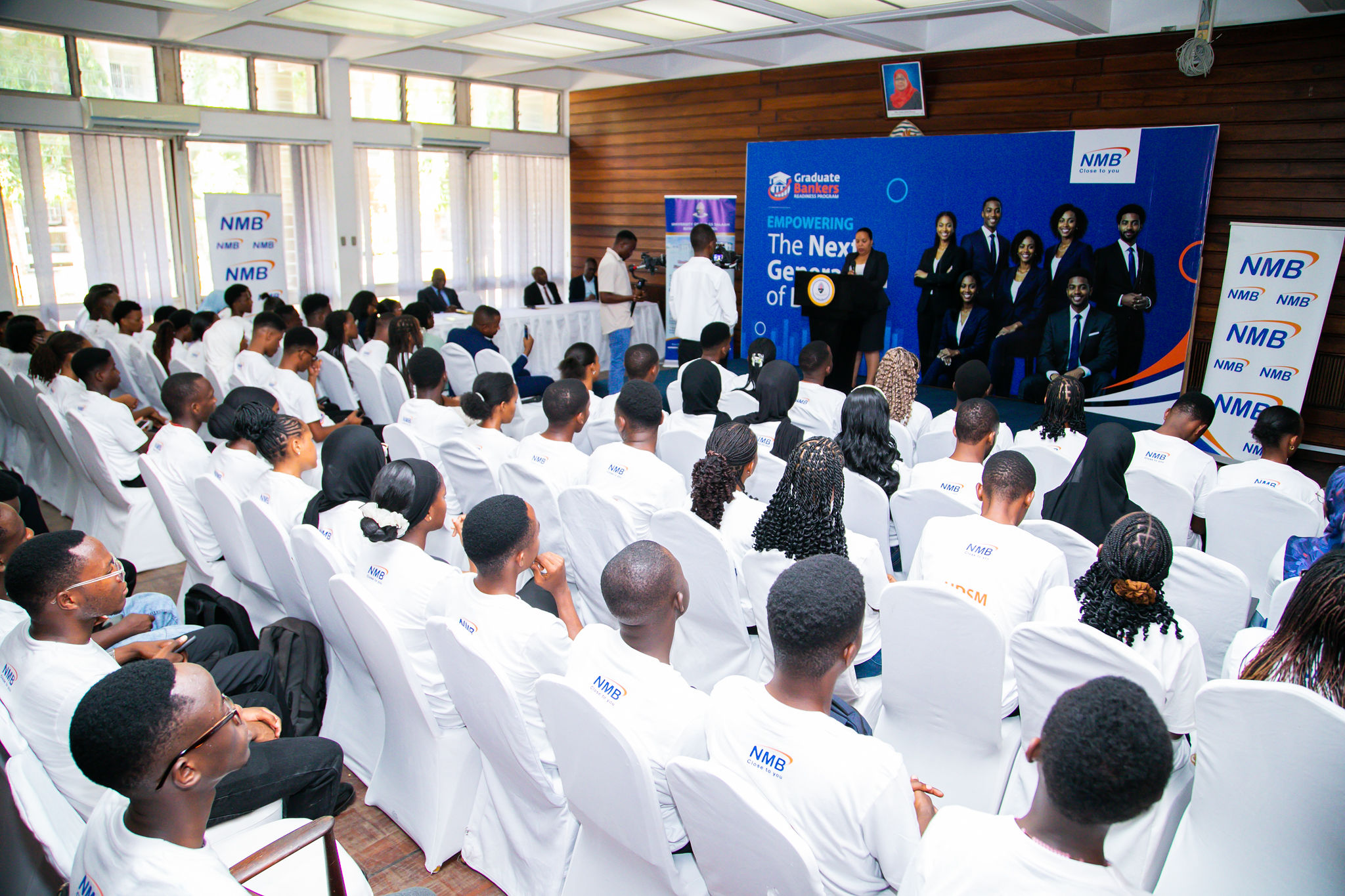
Speaking at the graduation ceremony held on 13 February 2026, Guest of Honour, NMB Head of Human Resource Business Partner, Ms.Erica Hanson described the programme as a long-term investment in Tanzania’s human capital and financial inclusion agenda.
“The Graduate Banker Readiness Programme is not merely a training initiative; it is a strategic investment in Tanzania’s future financial leaders. Our objective is to cultivate a talent pipeline grounded in integrity, professionalism, digital capability, and inclusion,” she said.
She added that the collaboration “successfully bridges academic theory with real banking practice while strengthening our contribution to sustainable national development.”
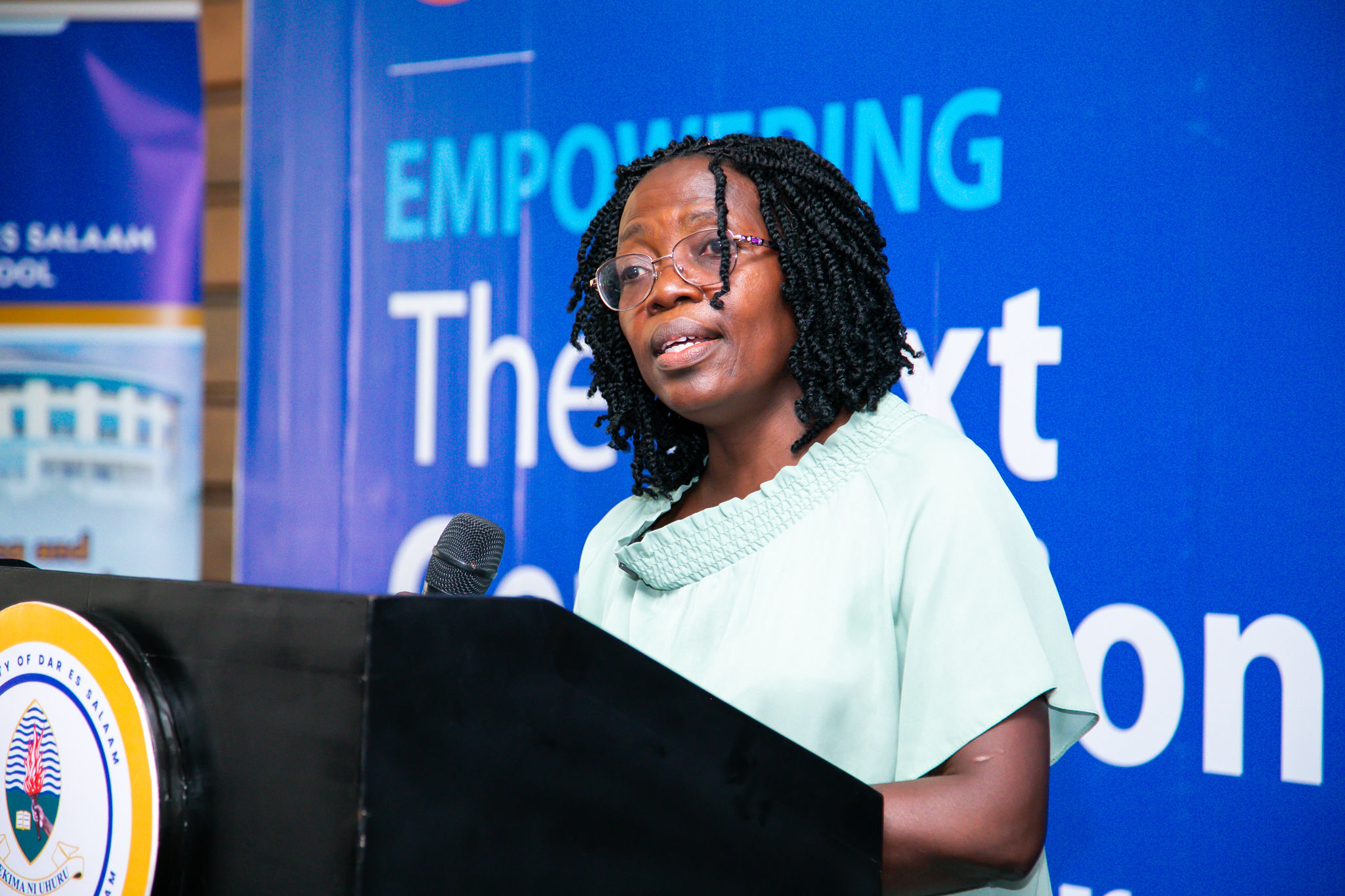
Dean Prof. Omari Mbura said the initiative reflects a broader transformation in the role of universities in economic growth.
“This programme exemplifies how universities must reposition themselves as engines of applied knowledge and industry solutions. We are producing graduates who are not only job-ready but innovation-ready, and the research generated here speaks directly to industry performance,” he noted.
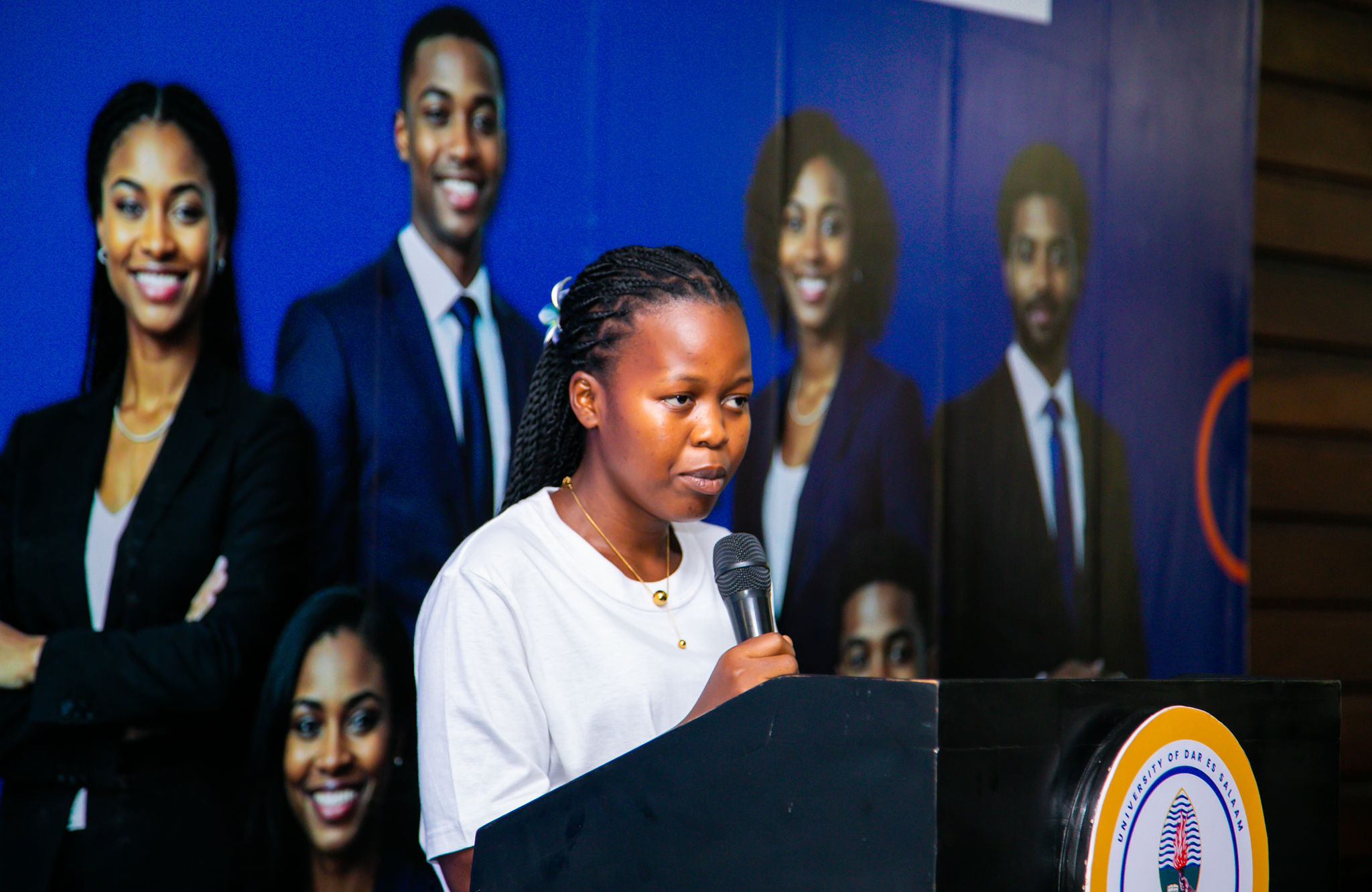
For graduates, the experience marked a transition from classroom learning to professional application. Speaking on behalf of the cohort, Marcelina Evarist highlighted the programme’s transformative value.
“Beyond theoretical learning, we engaged in research, field exposure, and teamwork that strengthened our creativity and readiness to contribute to national development,” she said.
Fellow graduate Dorice Lufurano emphasised the importance of mentorship and professional ethics. “The most important lesson we carry forward is that a successful banking career is grounded in integrity, professionalism, and the right attitude. The mentorship we received has prepared us to contribute meaningfully to the industry,” she explained.
Head of the Department of Finance Dr. Thobias Swai described the programme as a scalable workforce-development model with relevance beyond banking.
“This initiative demonstrates what strategic investment in youth truly means. Students are not only employable; they are generating knowledge and solutions institutions can directly use to enhance innovation and competitiveness,” he said.
The current cohort, comprising 45 women and 55 men from disciplines including actuarial science, economics, engineering, mathematics, statistics, and information technology, reflects the interdisciplinary nature of modern financial systems.
Programme coordinators say future phases will expand collaboration to sectors such as insurance, telecommunications, manufacturing, energy, and technology, signalling a broader ambition to institutionalise industry-embedded learning across Tanzania’s economy.
As financial services continue to evolve toward greater digital integration and inclusion, sustained partnerships between academia and industry are increasingly recognised as critical drivers of competitiveness and innovation. Through forward-looking initiatives such as GBRP, UDSM is reinforcing its role as a national anchor institution, translating academic excellence into measurable economic impact while shaping the next generation of financial leaders.