
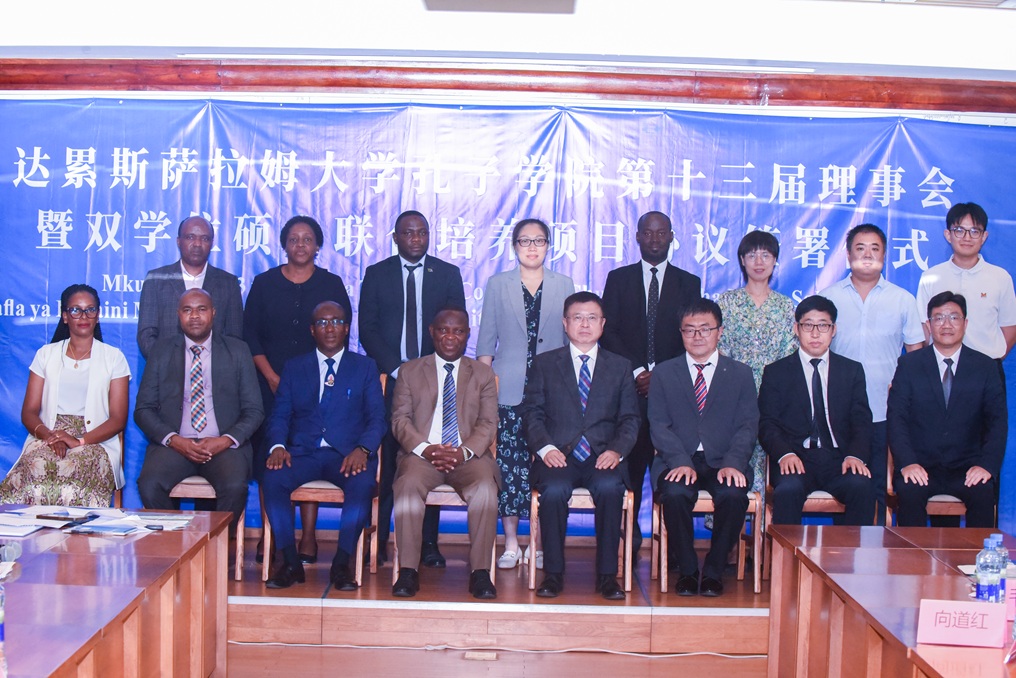
UDSM, Zhejiang Normal University Advance Confucius Institute Partnership and Skills Programmes
By Jackson Isdory, CMU
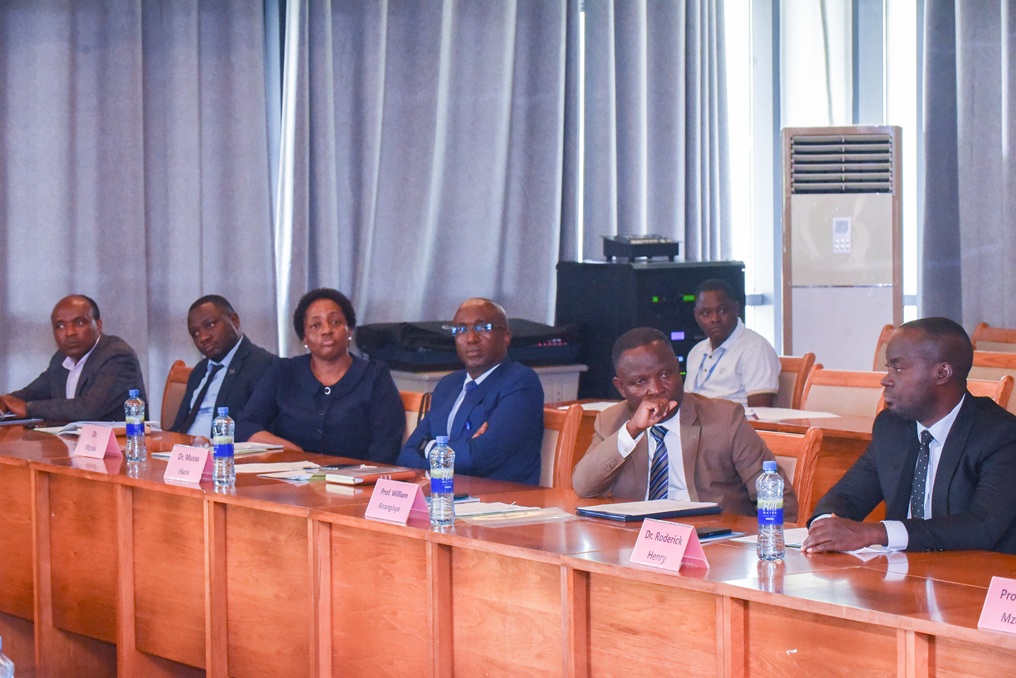
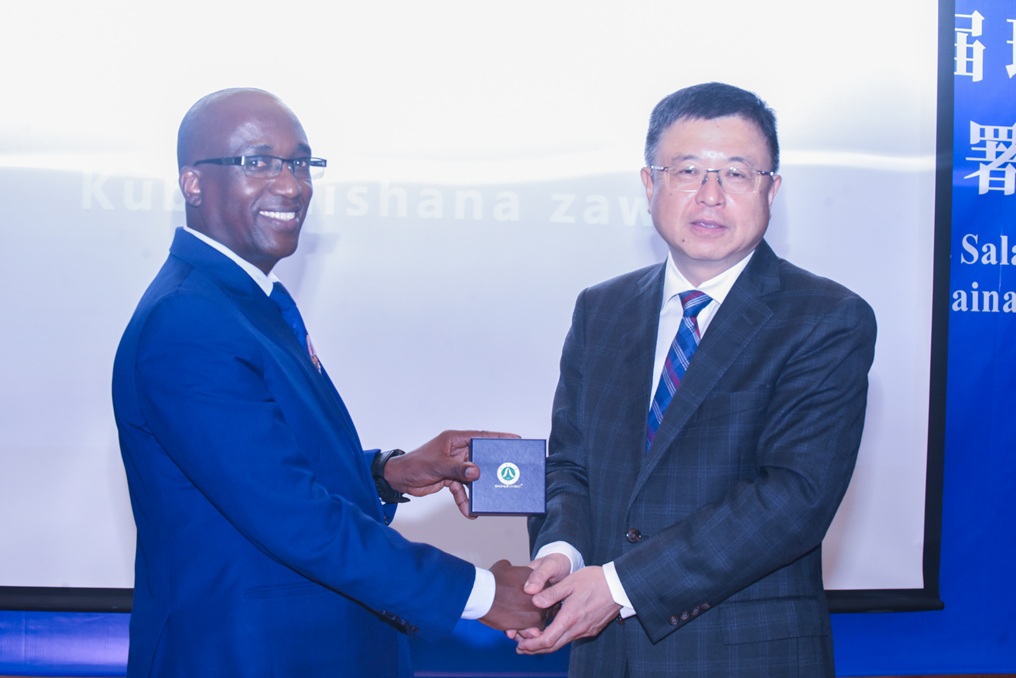
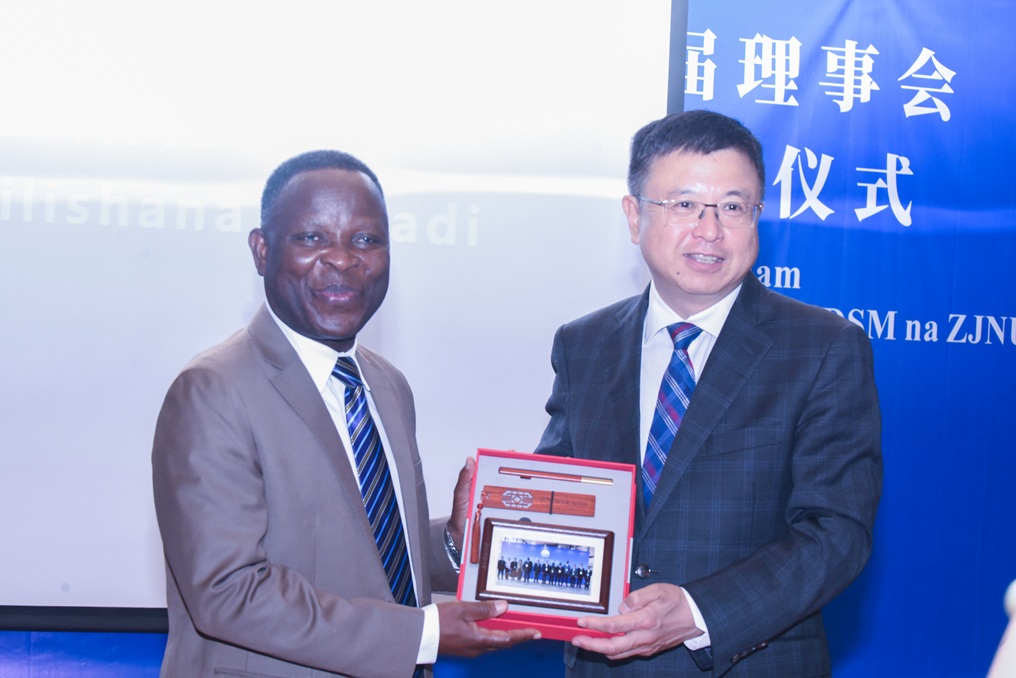
The University of Dar es Salaam (UDSM) has taken a major step in strengthening its global academic footprint following the successful 13th Meeting of the Confucius Institute Board and the signing of a new Professional Excellence Programme agreement with Zhejiang Normal University (ZNU) of China.
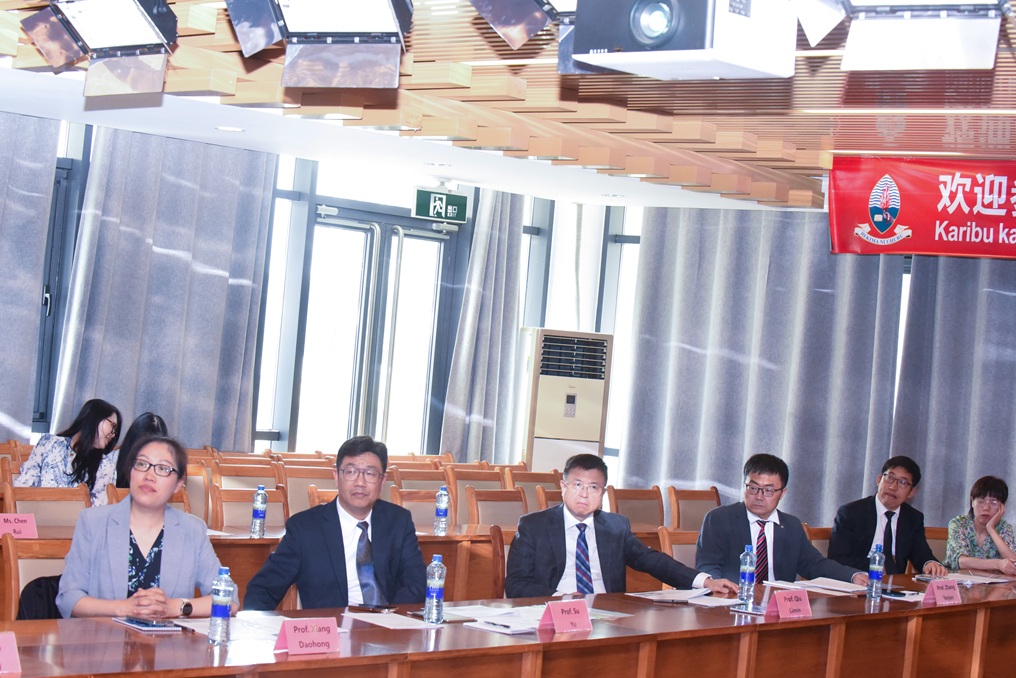
Held at the Confucius Institute at UDSM, the high-level engagement marks a significant milestone in the deepening of Sino–Tanzanian cooperation in higher education, research, and skills development.
At the centre of the meeting was a landmark governance decision: the formal approval by the UDSM Council of the Confucius Institute as an independent academic unit.
Speaking at the session, UDSM Vice Chancellor and Co-Chair of the Confucius Institute Board, Prof. William A. L. Anangisye, described the move as a strategic vote of confidence that positions the Institute for long-term growth and greater academic impact.
“This approval provides a strong institutional foundation for programme expansion, quality assurance, and sustainability,” Prof. Anangisye said, noting that it enables the Institute to autonomously design and deliver multi-level academic programmes aligned with national development priorities and global trends.
He reaffirmed UDSM’s commitment to scaling human resources, infrastructure, and digital learning modalities in close collaboration with ZNU, as part of the University’s broader internationalisation agenda.
ZNU President and Board Co-Chair, Prof. Qiu Limin, praised UDSM’s leadership and enabling environment, describing the partnership as a model of mutual respect, shared vision, and people-centred cooperation.
He revealed that in the past year alone, more than 6,000 learners benefited from Chinese language programmes offered through the Confucius Institute, alongside over 70 cultural exchange activities that have strengthened people-to-people ties between China and Tanzania.
“Each statistic represents a human story, of opportunity, aspiration, and shared learning. Our cooperation has evolved beyond language and culture to include science, engineering, digital education, and joint talent development. This is where the future of our partnership firmly lies”, Prof. Qiu said.
He outlined plans for establishing a Regional Digital Education Cooperation Centre and launching a joint dual Master’s programme in Engineering, underscoring the shift toward future-oriented academic collaboration.
An ambitious 2026 Work Plan
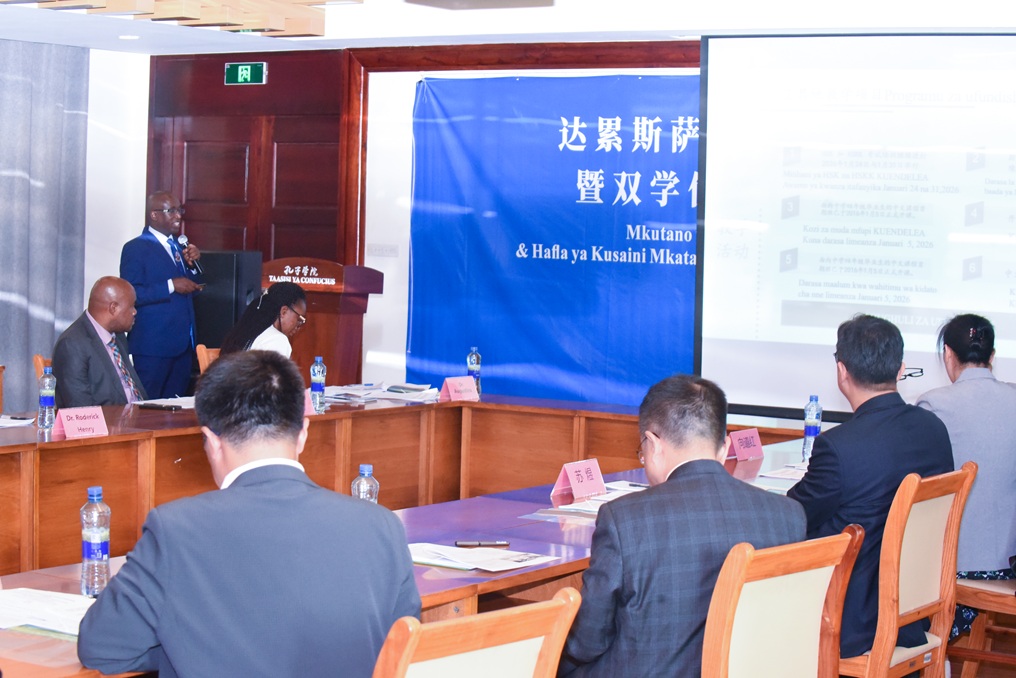
Translating strategy into action, the Director (Tanzanian) of the Confucius Institute at UDSM, Dr. Mussa Hans, presented an ambitious 2026 Work Plan structured around eight strategic pillars, including teaching and learning, research and publication, cultural engagement, academic exchange, social responsibility, and infrastructure modernisation.
He announced the rollout of a Certificate in Chinese, continued delivery of Diploma and Bachelor’s degree programmes, expansion of teaching centres, and enhanced HSK examination services.
“Our 2026 roadmap is deliberately outcomes-oriented. It is designed to consolidate academic quality, widen access, professionalise language training, and position the Institute as a strategic bridge linking Tanzanian youth, scholars, and industries with opportunities in China”, Dr. Hans said.
He added that these efforts will be supported by investments in digital infrastructure, teaching materials, and staff capacity development.
Echoing this vision, the Director (Chinese) of the Confucius Institute at UDSM, Prof. Zhang Yanjun, emphasized the Institute’s commitment to quality, innovation, and sustainability as it enters a new phase of institutional maturity. “Our focus is on strengthening academic standards, modernising teaching delivery, and deepening mutually beneficial cooperation between UDSM and ZNU”.
The broader institutional value of the Confucius Institute was highlighted by Dr. Augustina Alexander, UDSM Director of Internationalisation, Convocation and Advancement (DICA), who described the Institute as a strategic pillar within the University’s global engagement architecture. “
The Confucius Institute is not a stand-alone entity. It enhances UDSM’s global visibility, strengthens graduate employability, and anchors partnerships that translate diplomacy into tangible academic and socio-economic outcomes”, she noted.
The formal signing of the Professional Excellence Programme agreement signalled a new emphasis on advanced skills development and industry-relevant training, particularly in engineering and applied sciences.
As UDSM continues to consolidate its position as a continental leader in international higher education partnerships, the evolving collaboration between the Confucius Institute and Zhejiang Normal University stands out as a flagship example of how strategic alignment, institutional trust, and long-term vision can translate academic diplomacy into measurable and sustainable impact.