
UDSM Trains ATCL Managers to Turn Leadership Skills into Better Team Performance
By Erca Kisoli, CMU
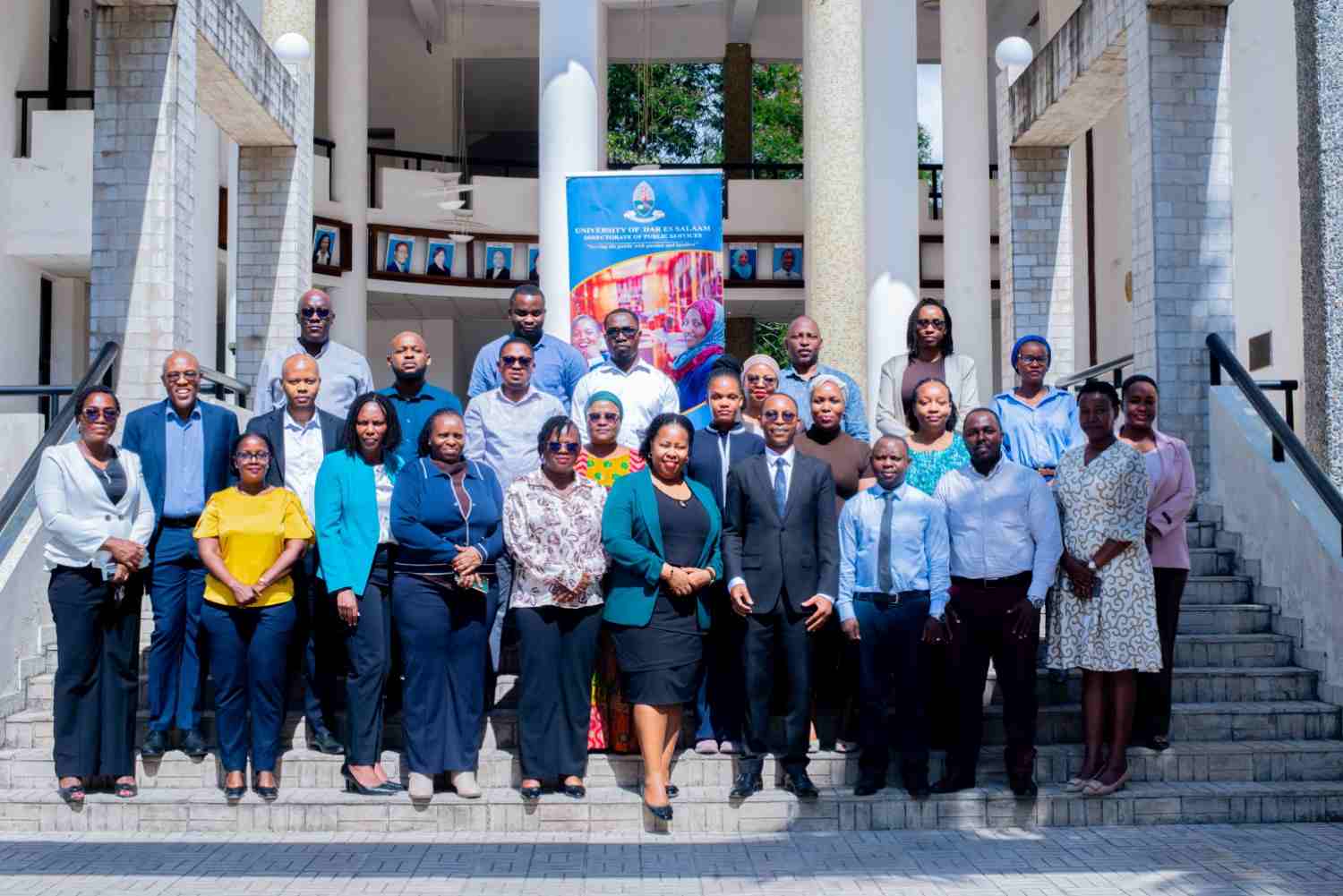
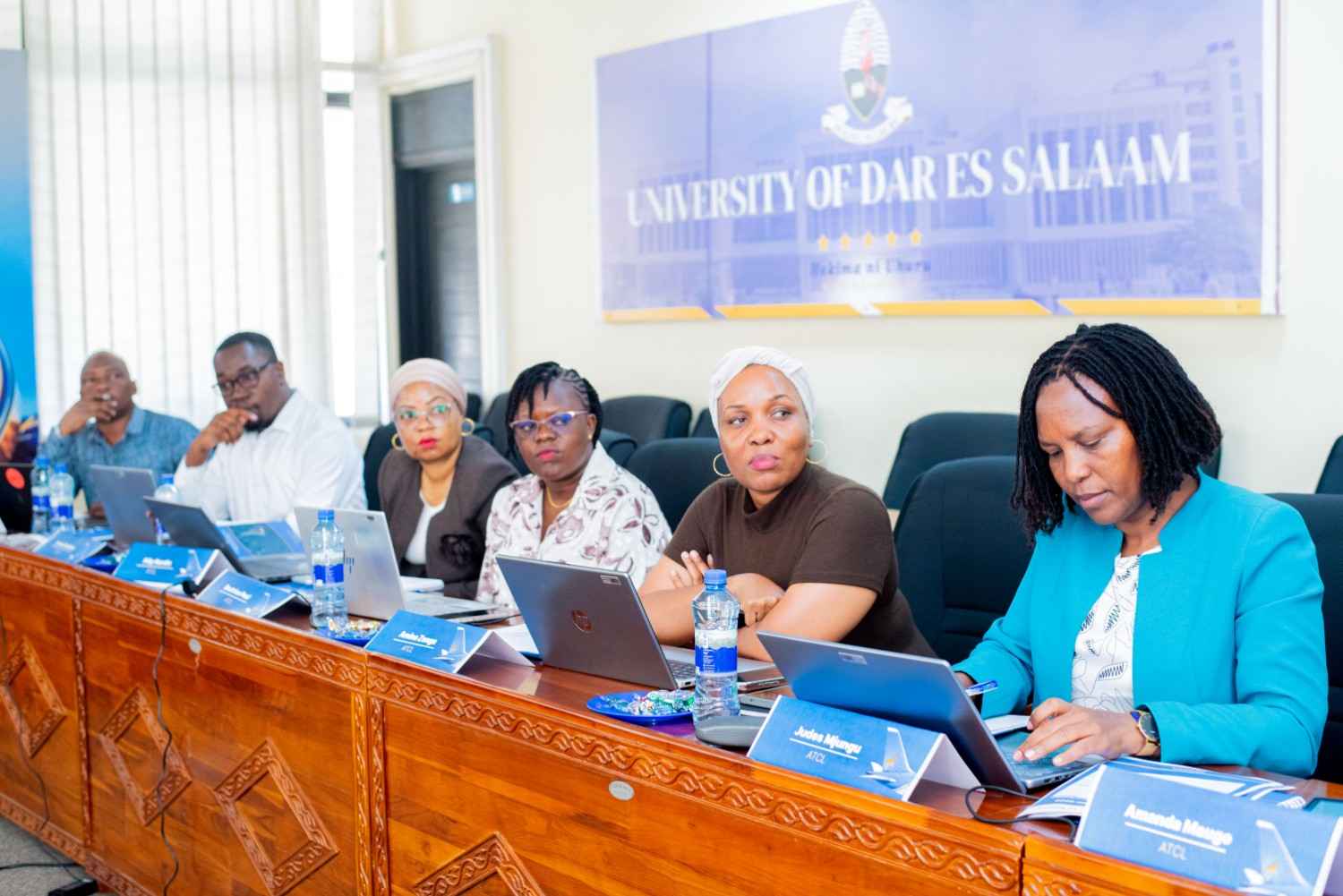
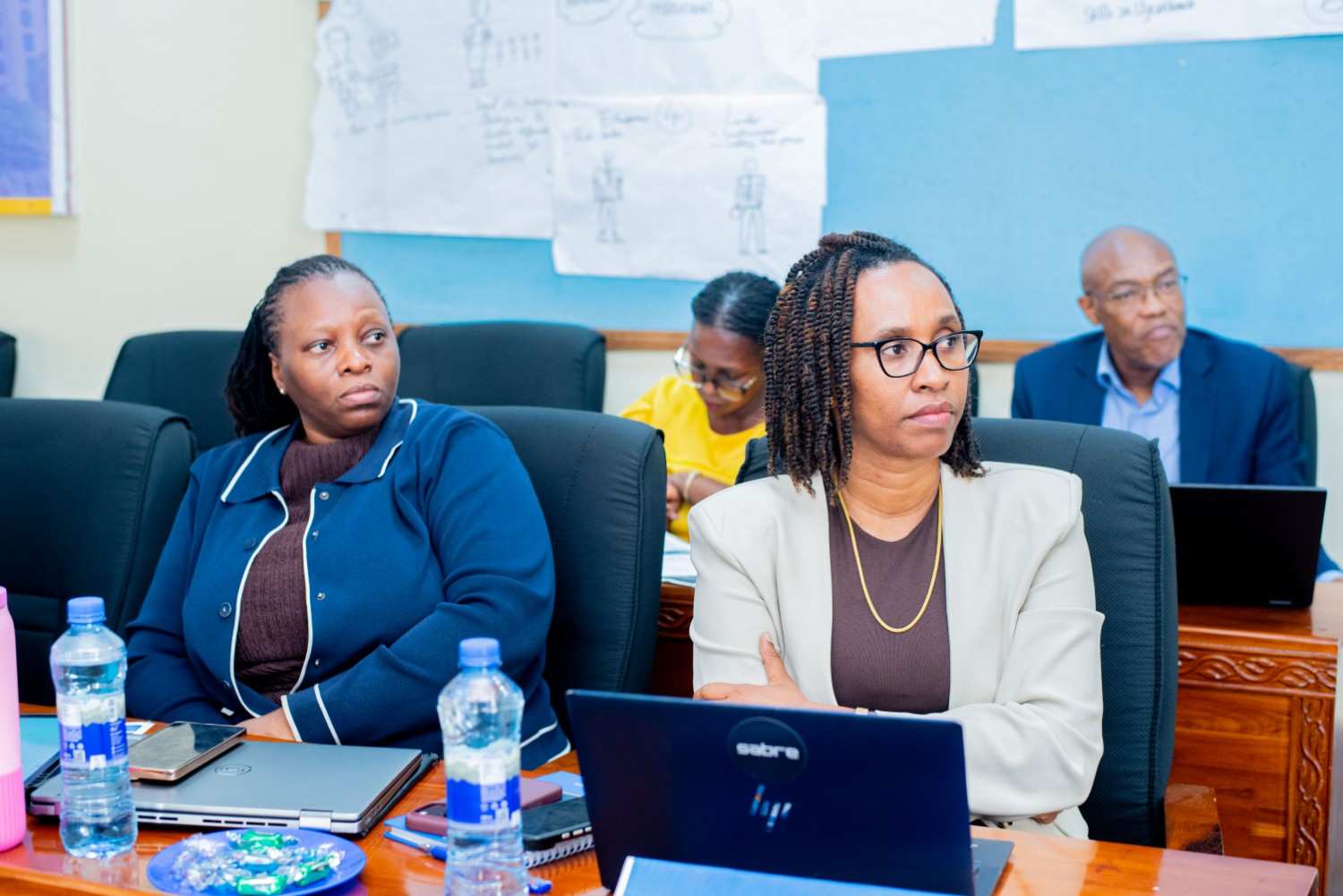
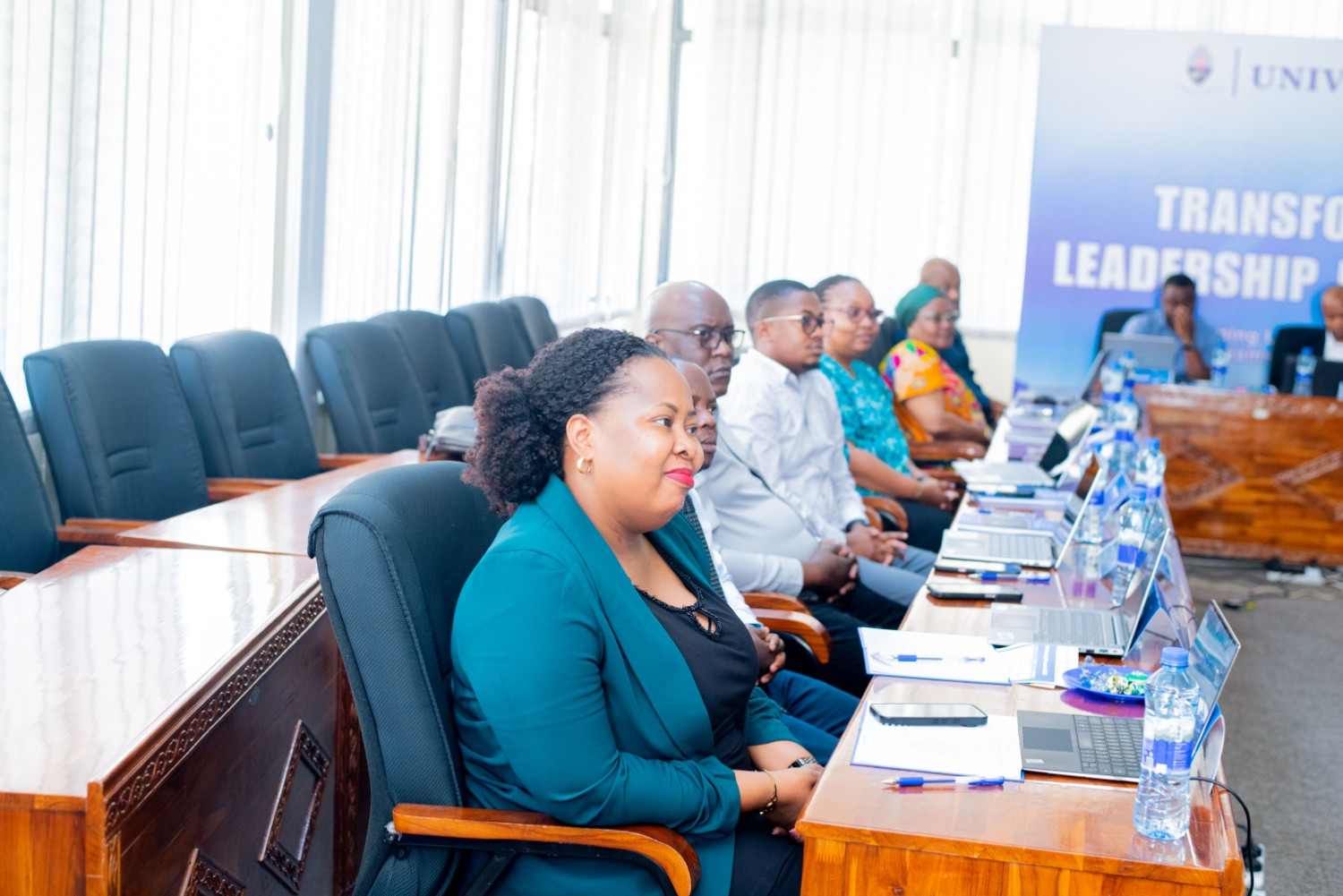
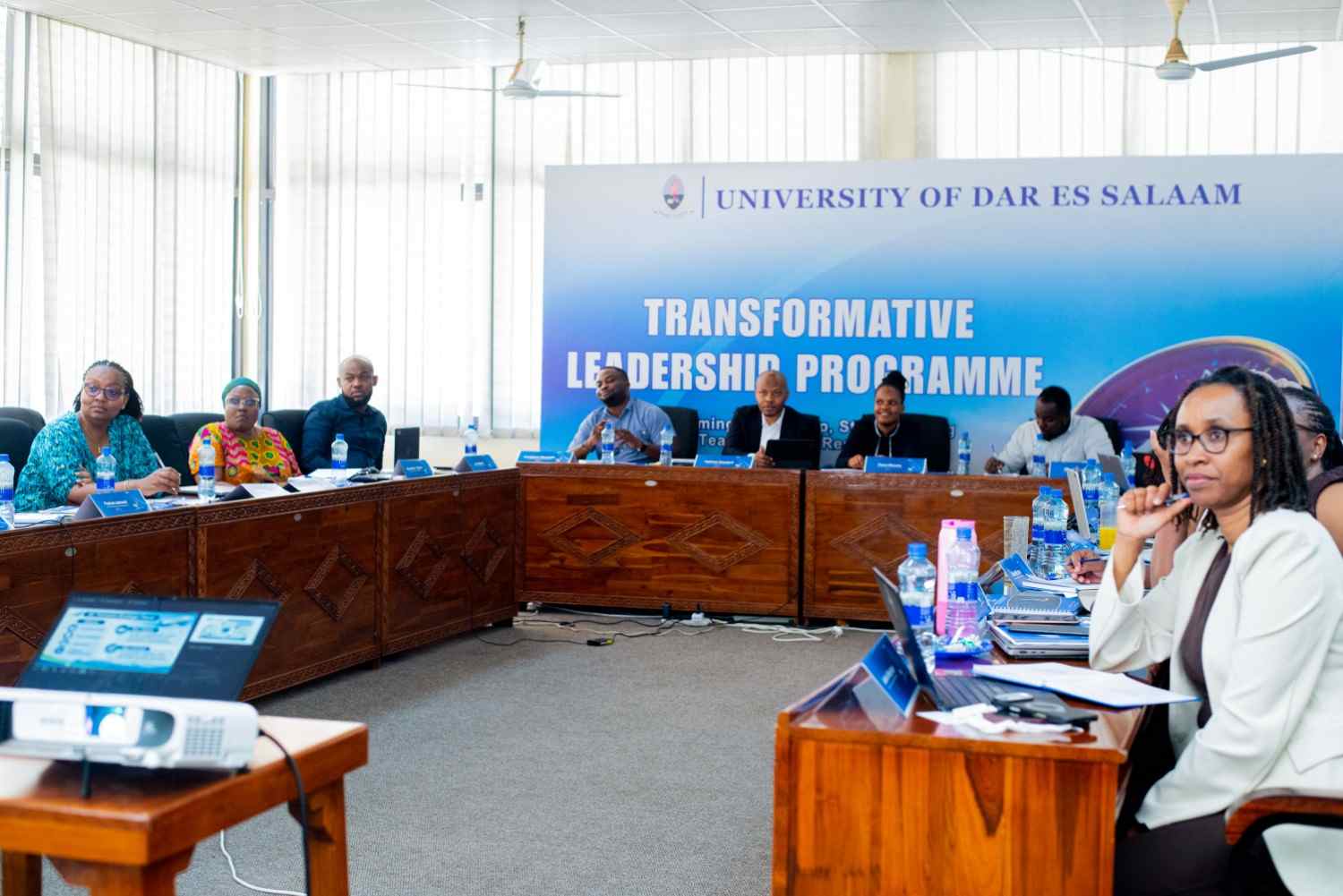
Managers at Air Tanzania Company Limited (ATCL) are undergoing leadership training at the University of Dar es Salaam (UDSM) to strengthen their ability to lead teams, make strategic decisions and improve organisational performance.
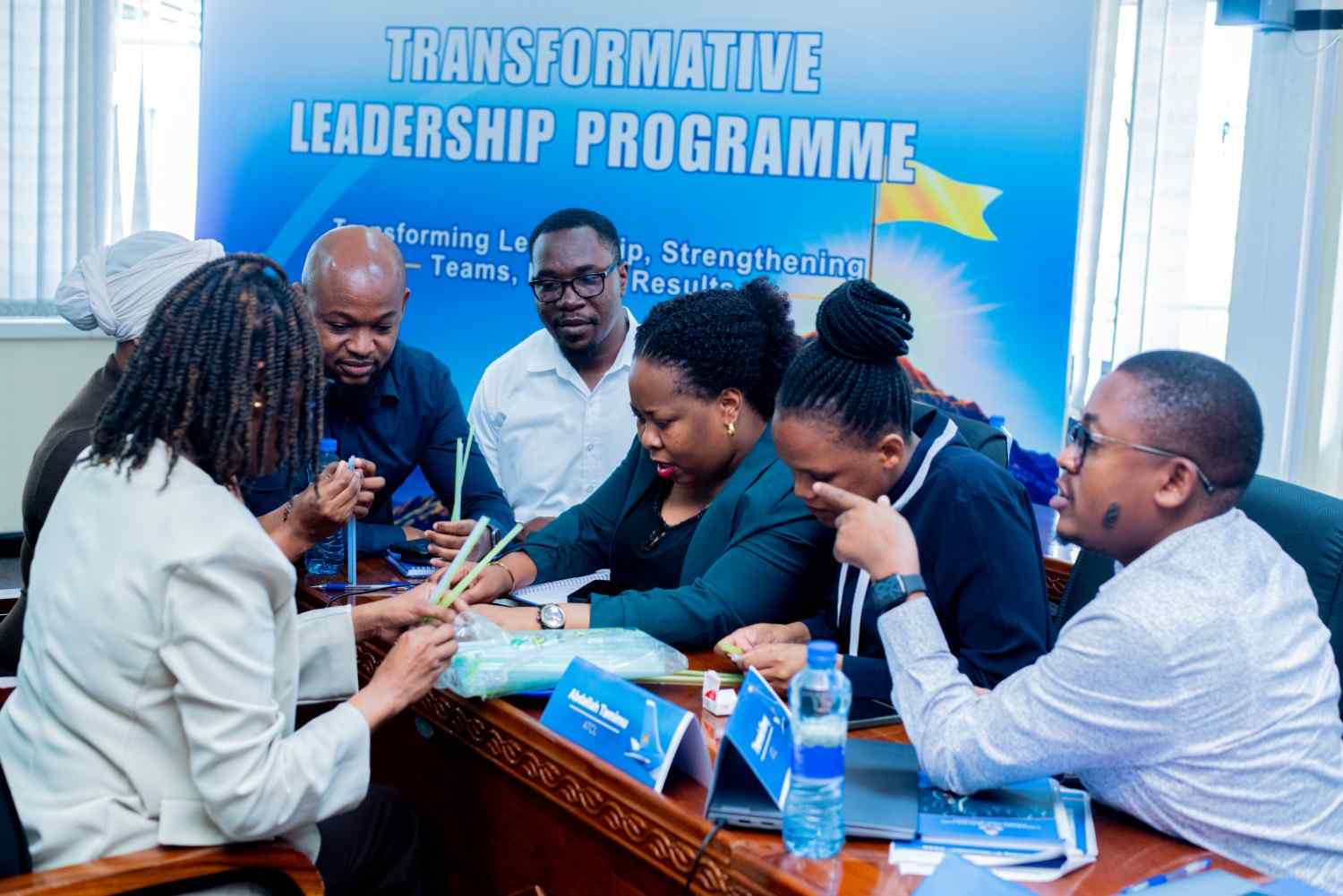
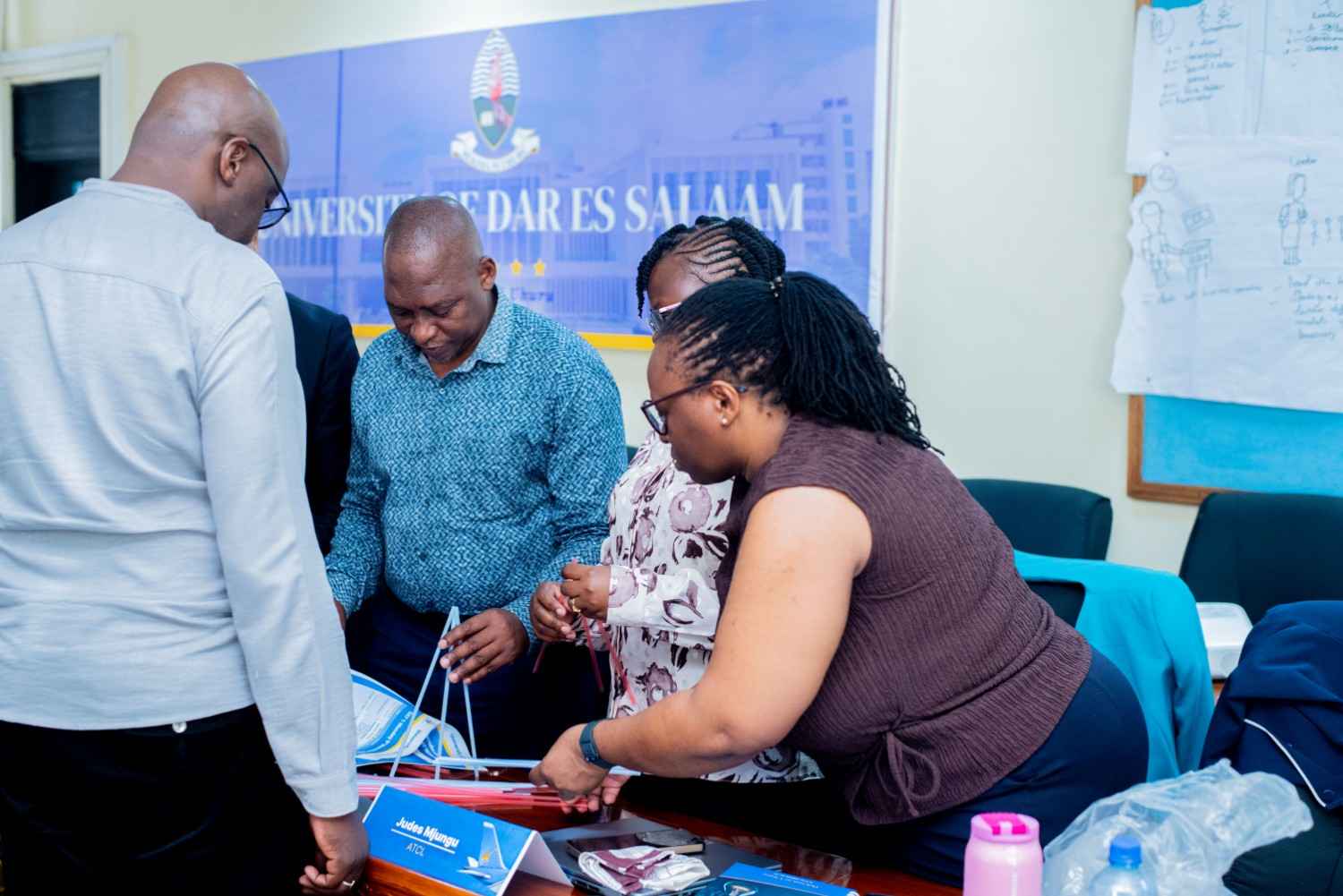
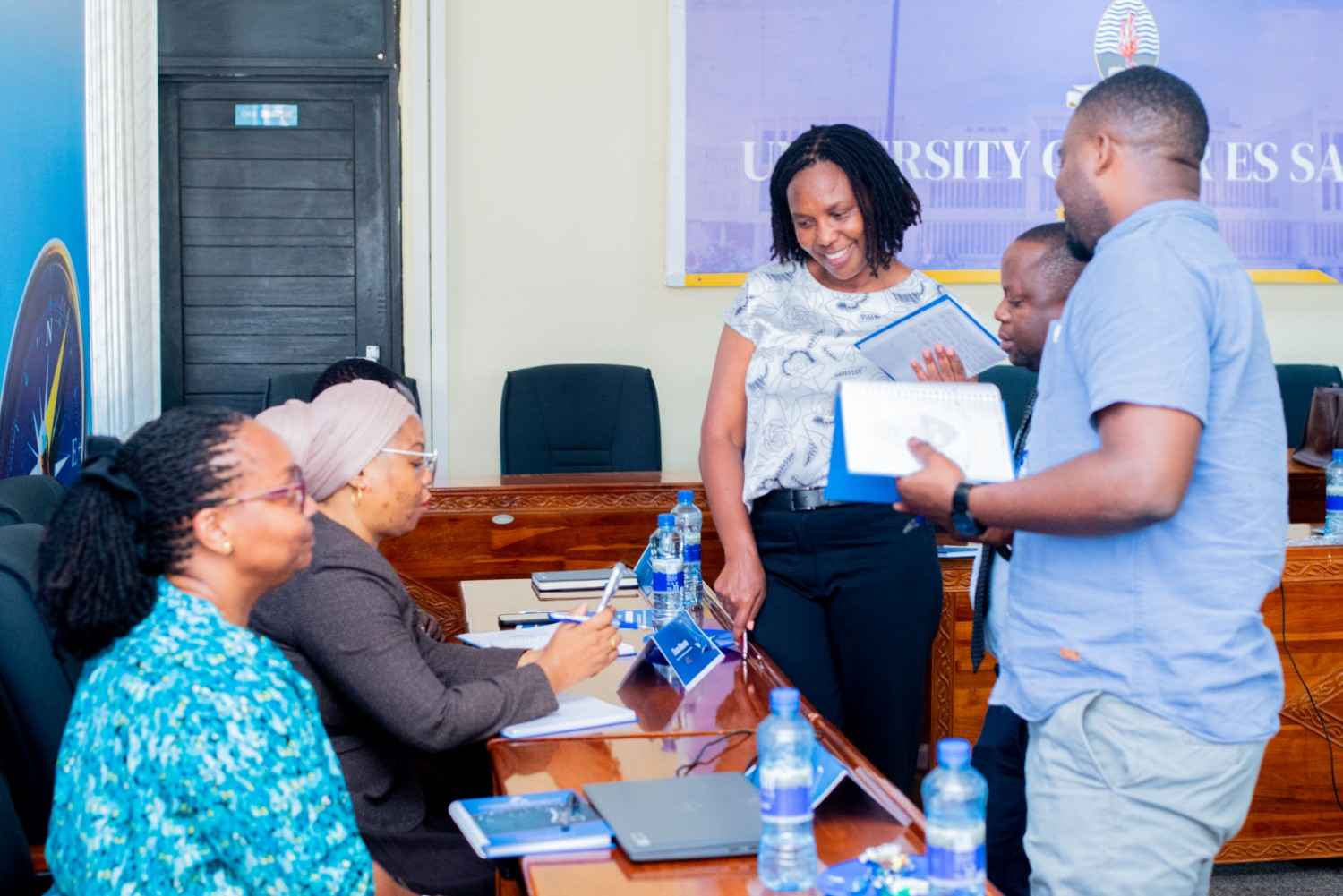
The three-day Transformative Leadership Programme, running from 9 to 11 November 2026, brings together managers from various ATCL departments for practical training in strategic leadership, people management, communication, delegation and team building.
The programme aims to equip them with skills to translate institutional priorities into measurable results.
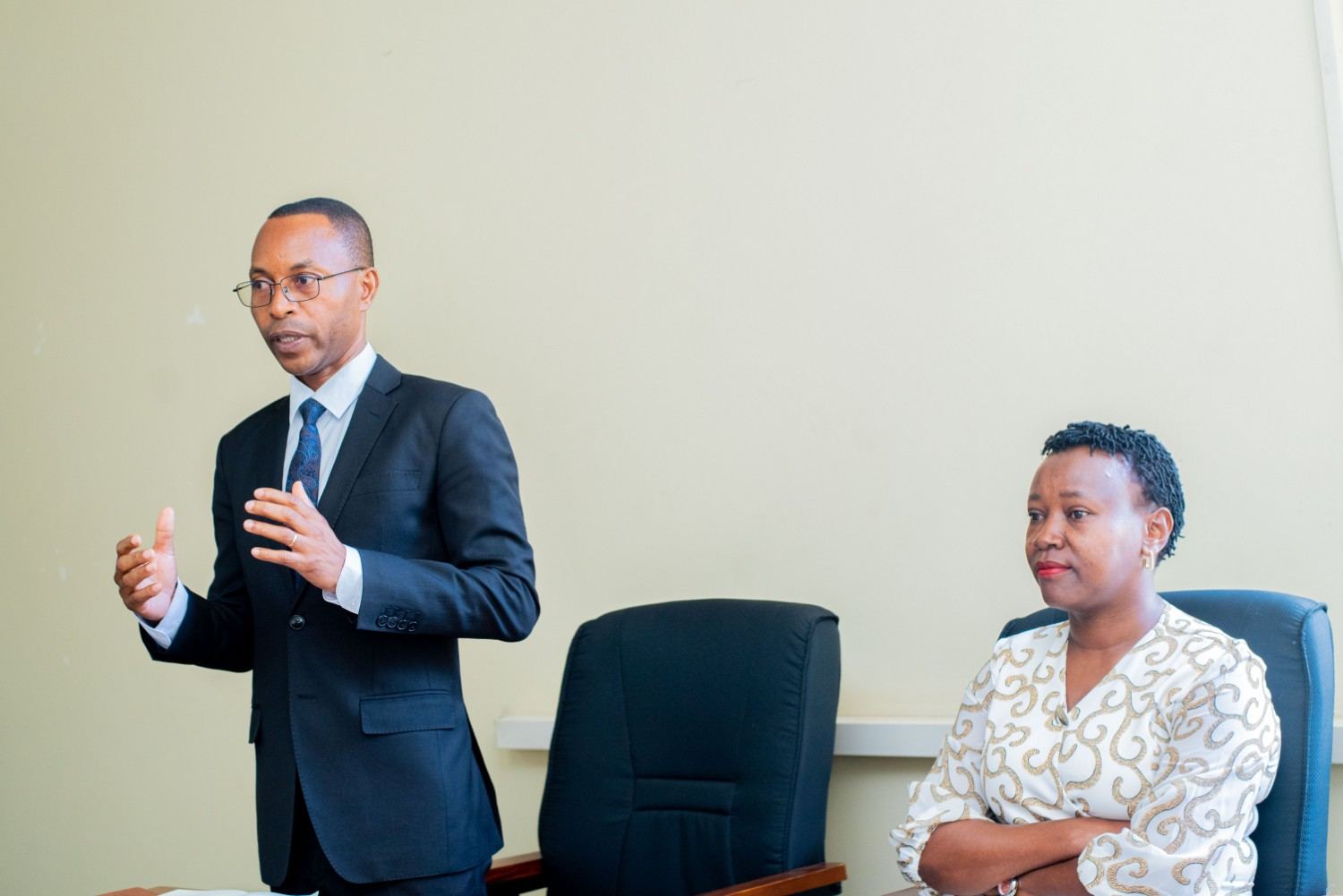
Opening the programme, UDSM Deputy Vice Chancellor for Research, Prof. Nelson Boniface, underscored the importance of developing leaders who can navigate changing institutional and technological environments while guiding employees towards common goals.
“In today's rapidly changing technological and institutional environment, organisations need leaders who can think strategically, make sound decisions and guide people towards shared goals”, said Prof. Boniface.
He added: “Training programmes such as this provide opportunities for leaders to learn, exchange experiences and acquire new knowledge that will enable them to address leadership challenges in their respective workplaces”.
He also urged the managers to understand emerging technologies, particularly Artificial Intelligence (AI), and use them responsibly, emphasising the need to protect institutional information and confidential documents.
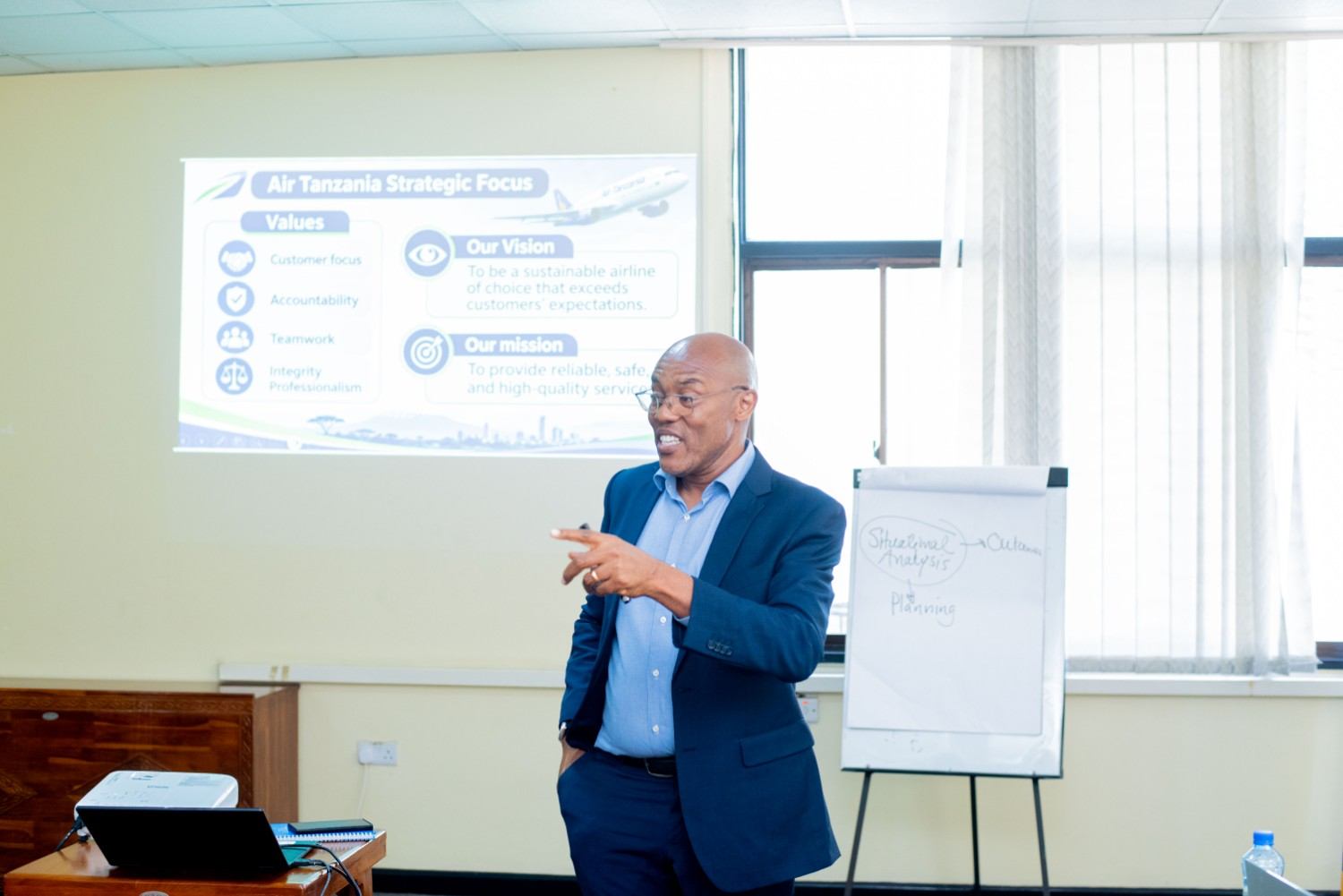
The programme facilitator, Prof. Goodluck C. Urasa, said the training was designed to move beyond leadership theories and help participants examine their management practices, understand their teams and apply more effective approaches in their daily responsibilities.
He explained that holding a managerial position does not automatically make someone an effective leader; rather, leadership requires the ability to understand people, manage different personalities and create conditions in which employees can perform at their best.
“Leadership is about getting the best out of the people you lead. It requires understanding different personalities, responding appropriately to different circumstances and creating an environment in which individuals and teams can contribute effectively towards shared institutional goals,” said Prof. Urasa.
This people-centred approach is particularly important in organisations where performance depends on how effectively managers communicate expectations, delegate responsibilities, resolve workplace challenges and motivate employees to deliver results.
Practical skills to address everyday management challenges
The programme is structured around practical leadership challenges that managers encounter in their respective departments.
The first day focuses on strategic leadership in complex environments, including translating ATCL's strategy into action, making decisions amid uncertainty and competing priorities, and improving employee performance through coaching, feedback and accountability.
The second day addresses delegation, supervision and the development of high-performing teams. Participants will also explore negotiation, stakeholder management, coordination across departments and leadership during technological and institutional change.
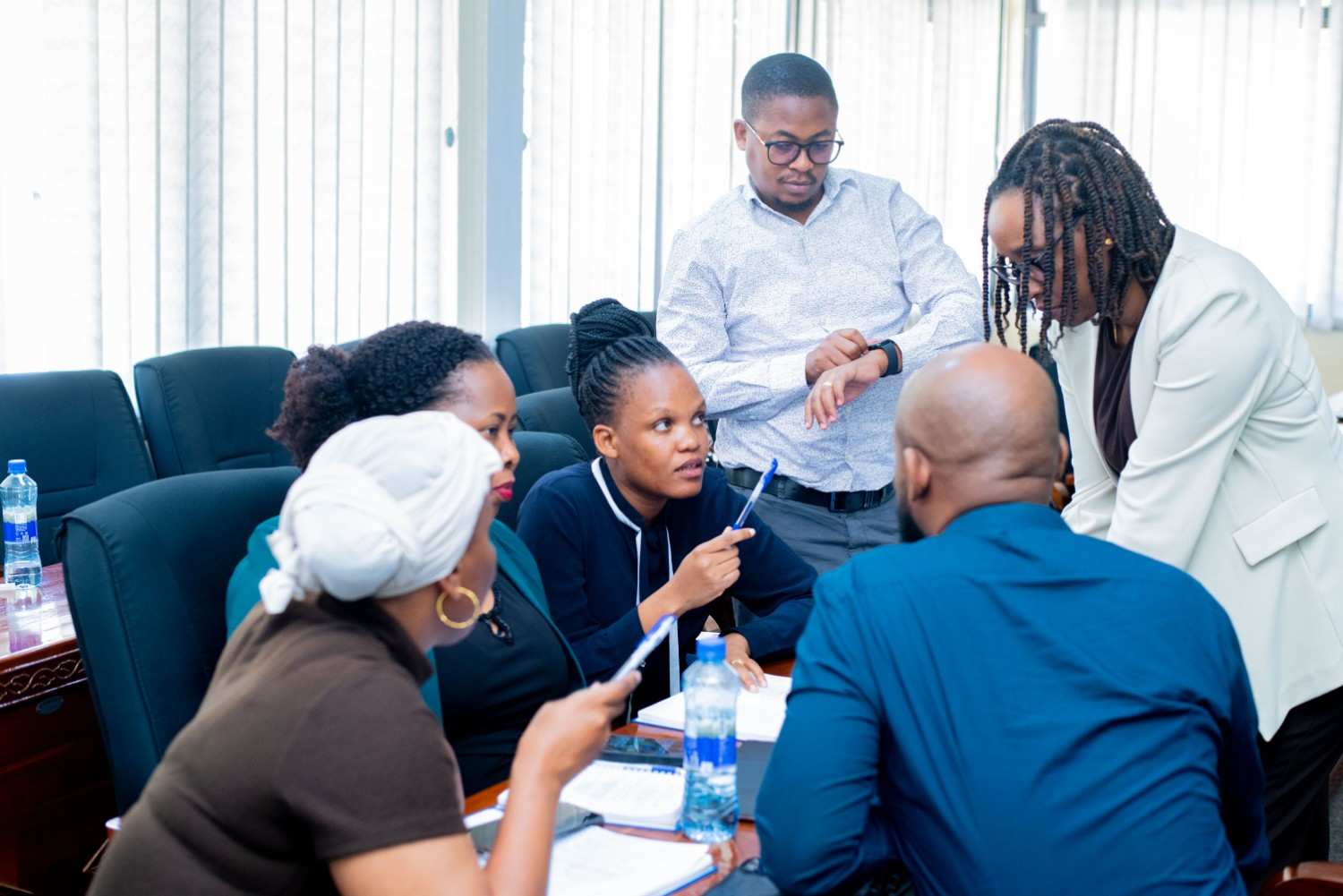
Experience-sharing sessions will enable them to reflect on their leadership styles and identify areas for improvement.
The final day will focus on personal leadership effectiveness, emotional intelligence, ethical leadership and values-based decision-making. Through discussions and role-play exercises, participants will strengthen their communication, active listening and interpersonal skills, particularly when handling difficult conversations and workplace conflicts.
The programme will also address inclusive leadership and team building, with emphasis on aligning individual contributions and collective efforts with ATCL's strategic objectives.
The training reflects UDSM's commitment to applying its academic and professional expertise to address organisational needs beyond the University, helping institutions strengthen leadership capacity and improve performance.
Through professional development and capacity-building programmes, the University provides opportunities for managers and other professionals to acquire relevant knowledge, exchange experiences and develop practical solutions to workplace challenges.
Upon completion, the ATCL managers are expected to apply the skills gained to improve staff supervision, strengthen teamwork, make informed decisions and enhance performance within their respective departments.
Ultimately, the programme places emphasis on a central leadership responsibility: turning individual capabilities into collective performance and institutional results.