







UDSM Positions Research and Innovation at the Centre of Tanzania Development Vision 2050
By Selemani Nambimbi, CMU
The University of Dar es Salaam (UDSM) has reaffirmed the critical role of research and innovation in driving Tanzania’s long-term development ambitions, as experts called for stronger collaboration between academia, government and industry to accelerate the realization of Tanzania’s Vision 2050 (DIRA 2050).
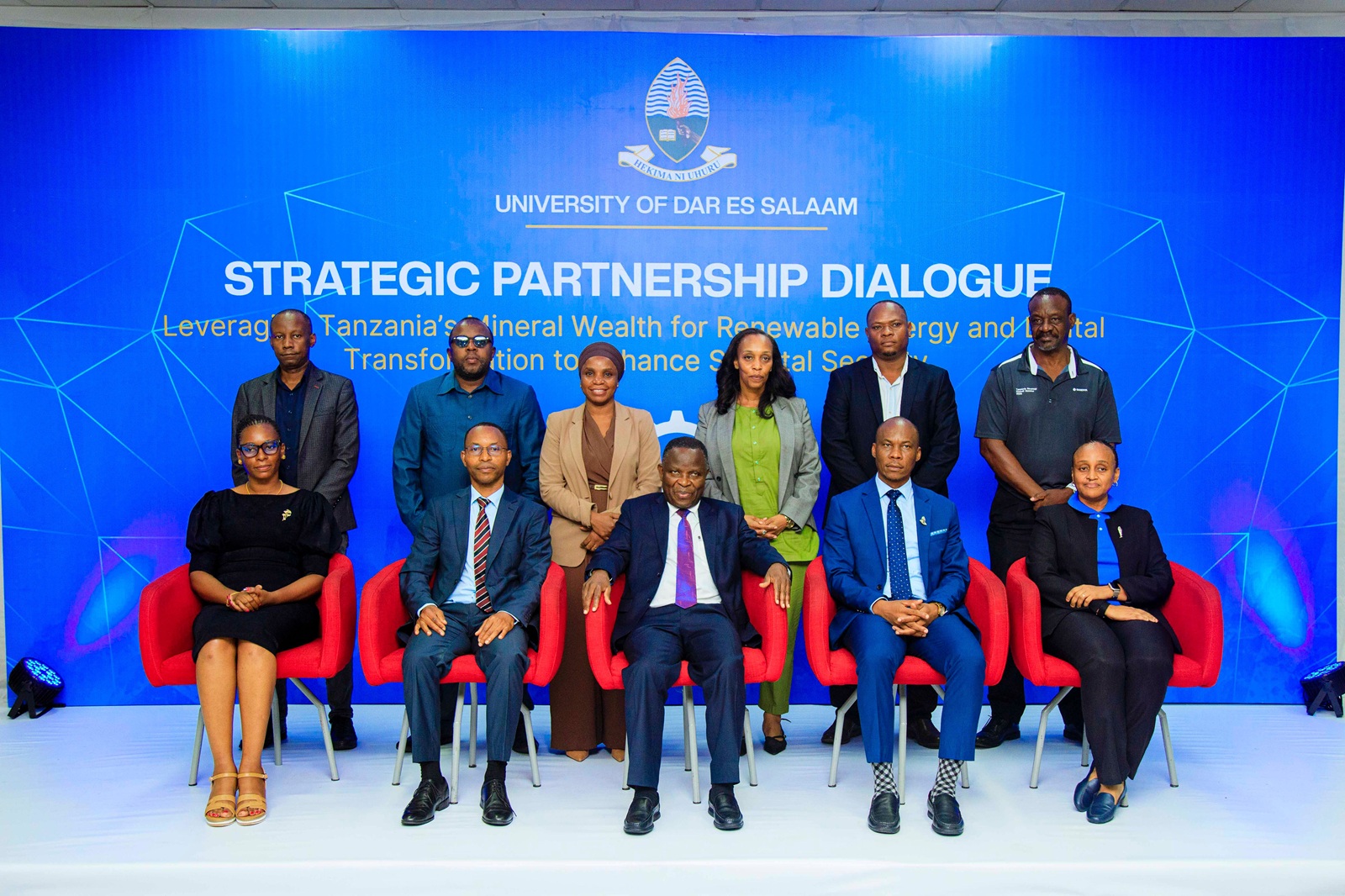
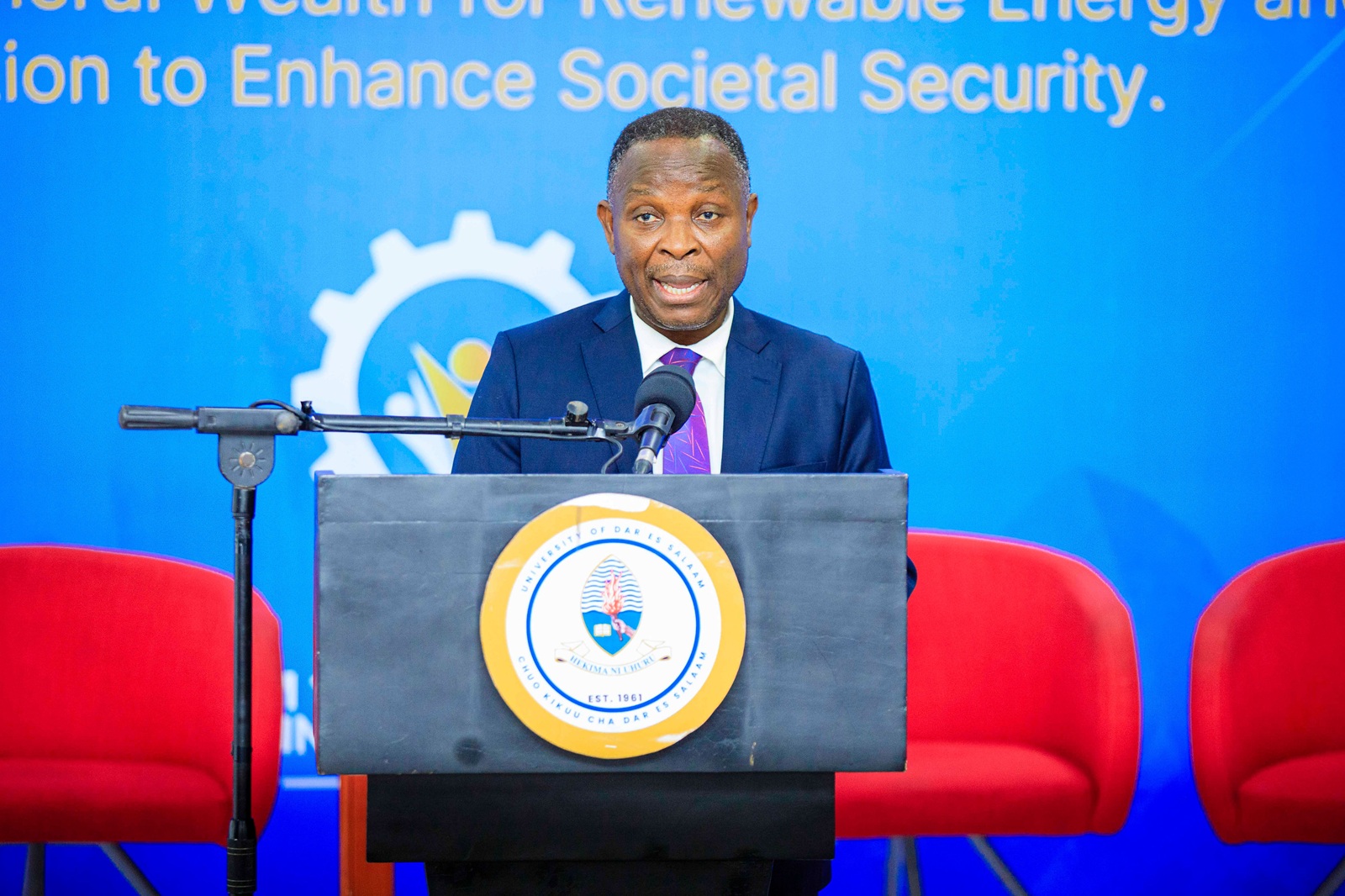
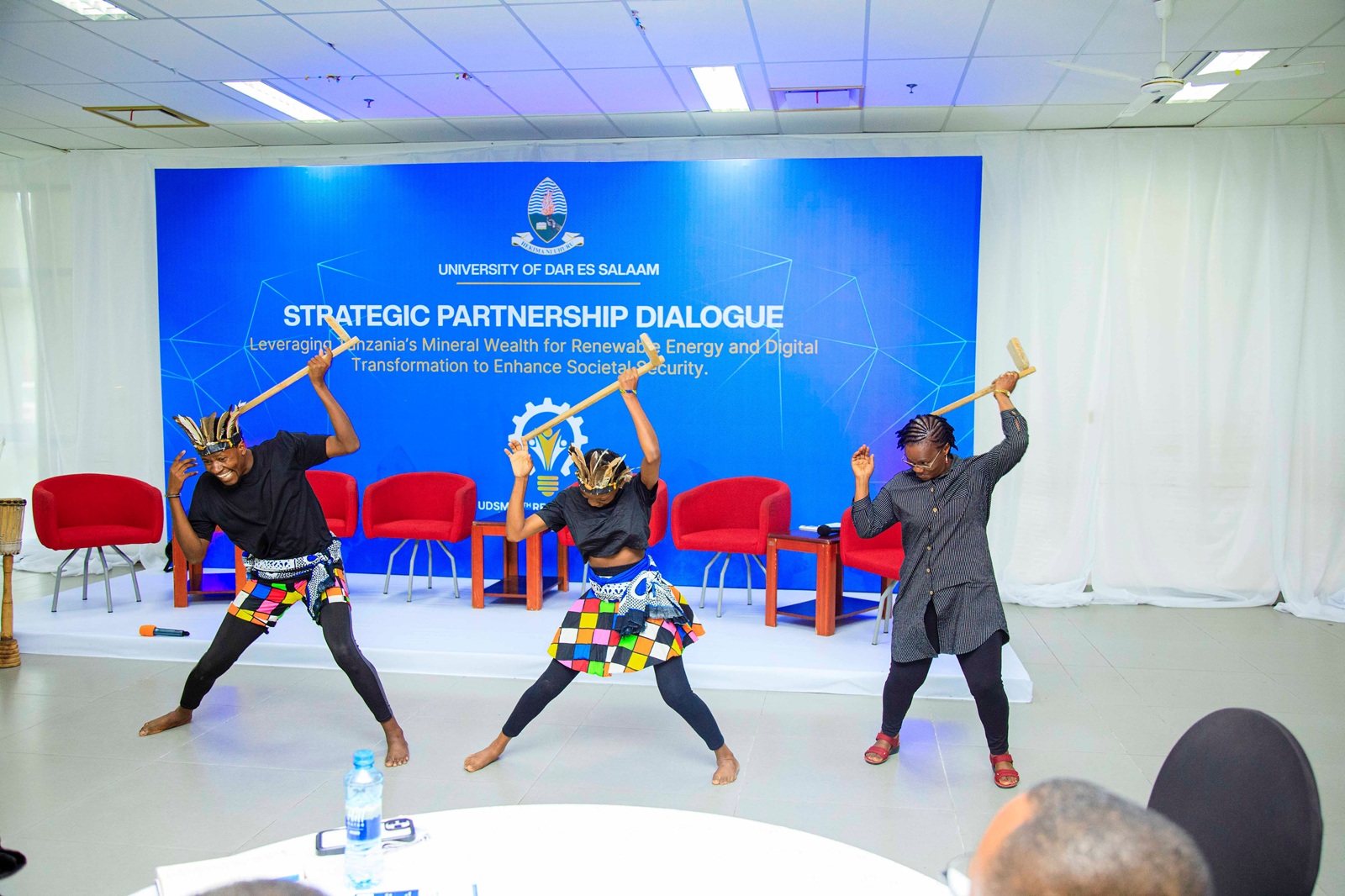
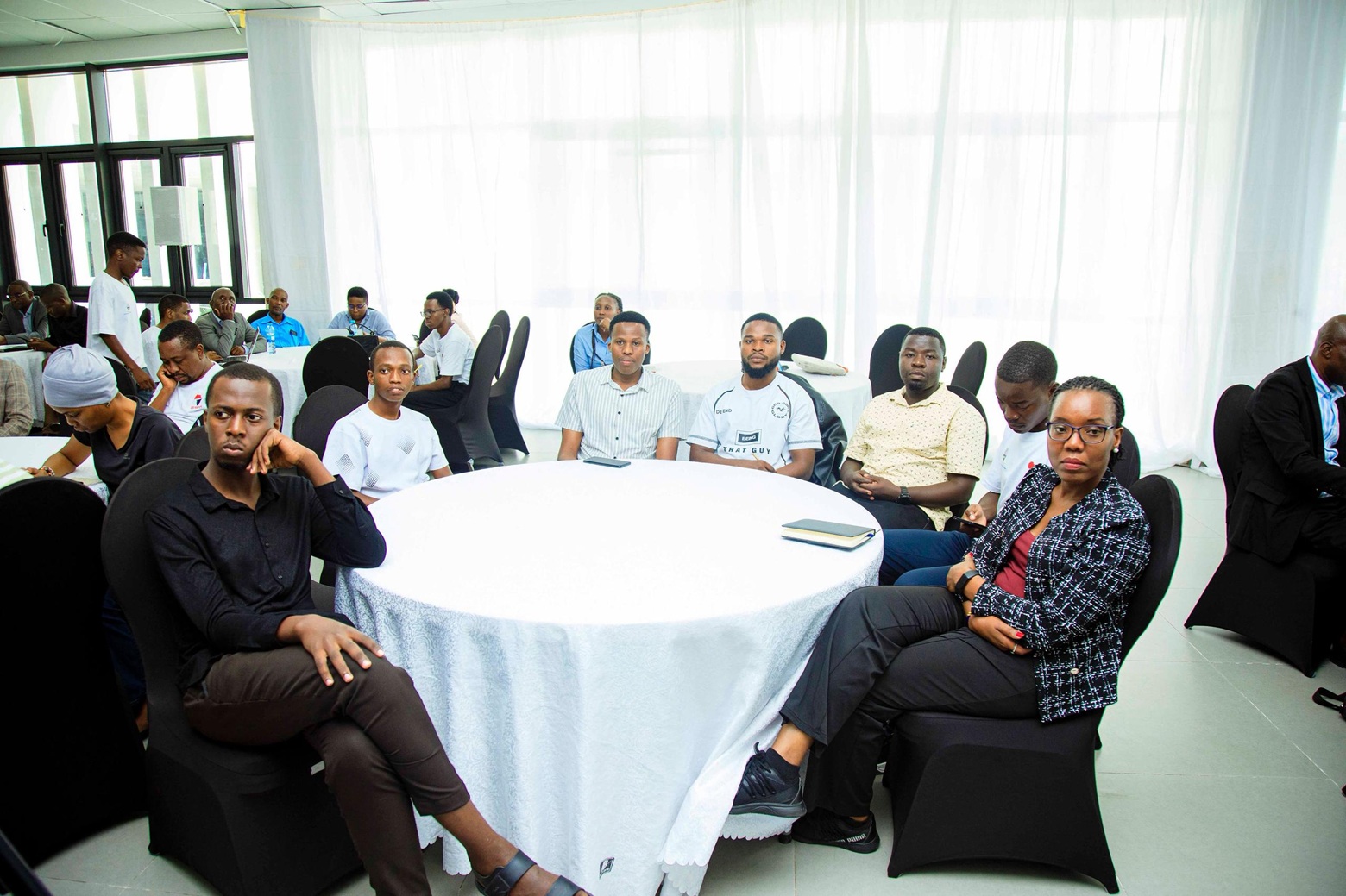
The message, which also emphasised the importance of industry partnerships and knowledge commercialization, emerged during a high-level panel discussion held on the second day of the 11th UDSM Research and Innovation Week (RIW) 2026, on 10th June, at the University’s Library Auditorium.
The discussion brought together leading academics, researchers and stakeholders to examine how higher education institutions can harness research, technology and Tanzania’s abundant natural resources to support industrialization, economic diversification and sustainable development.
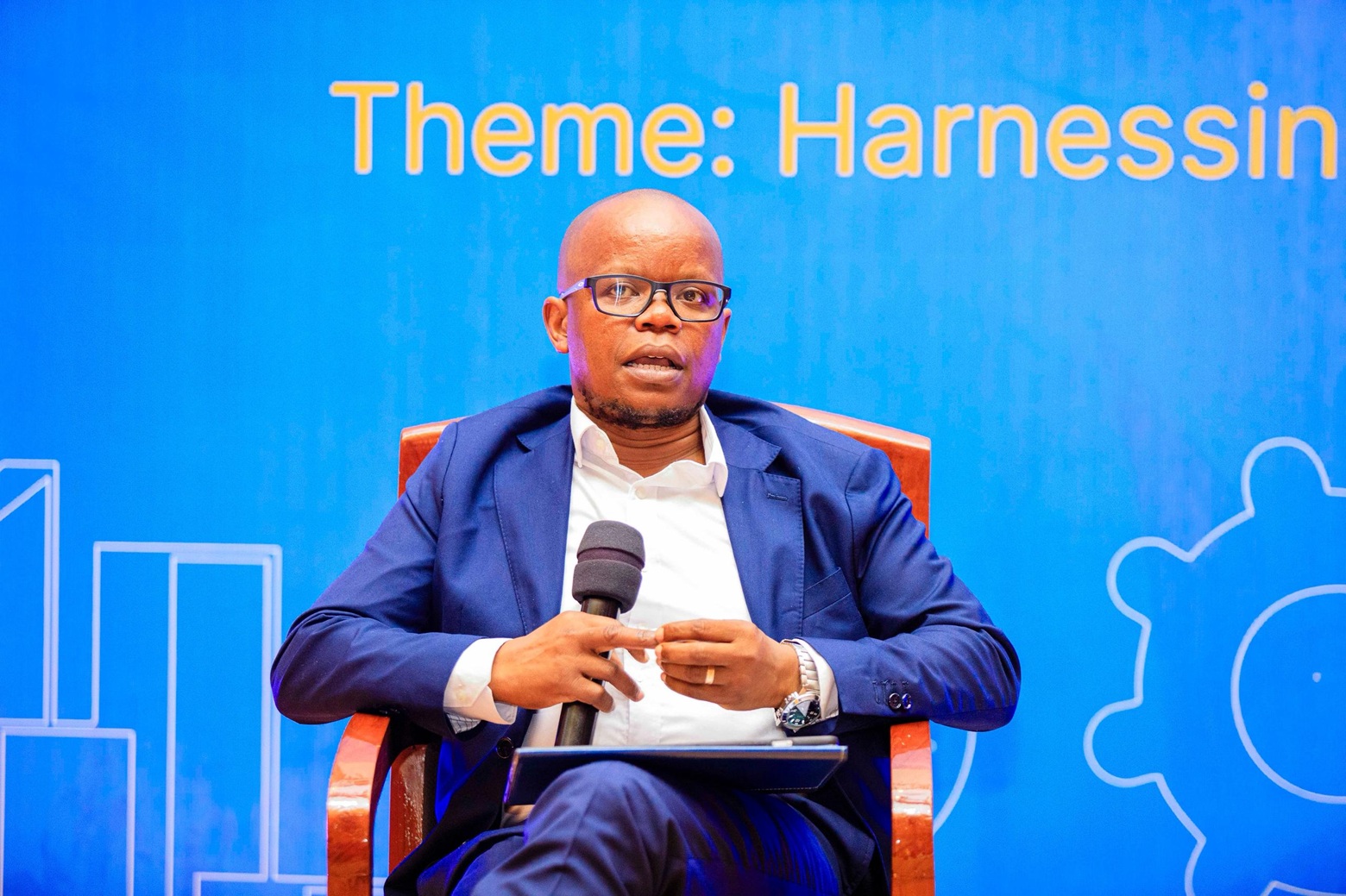
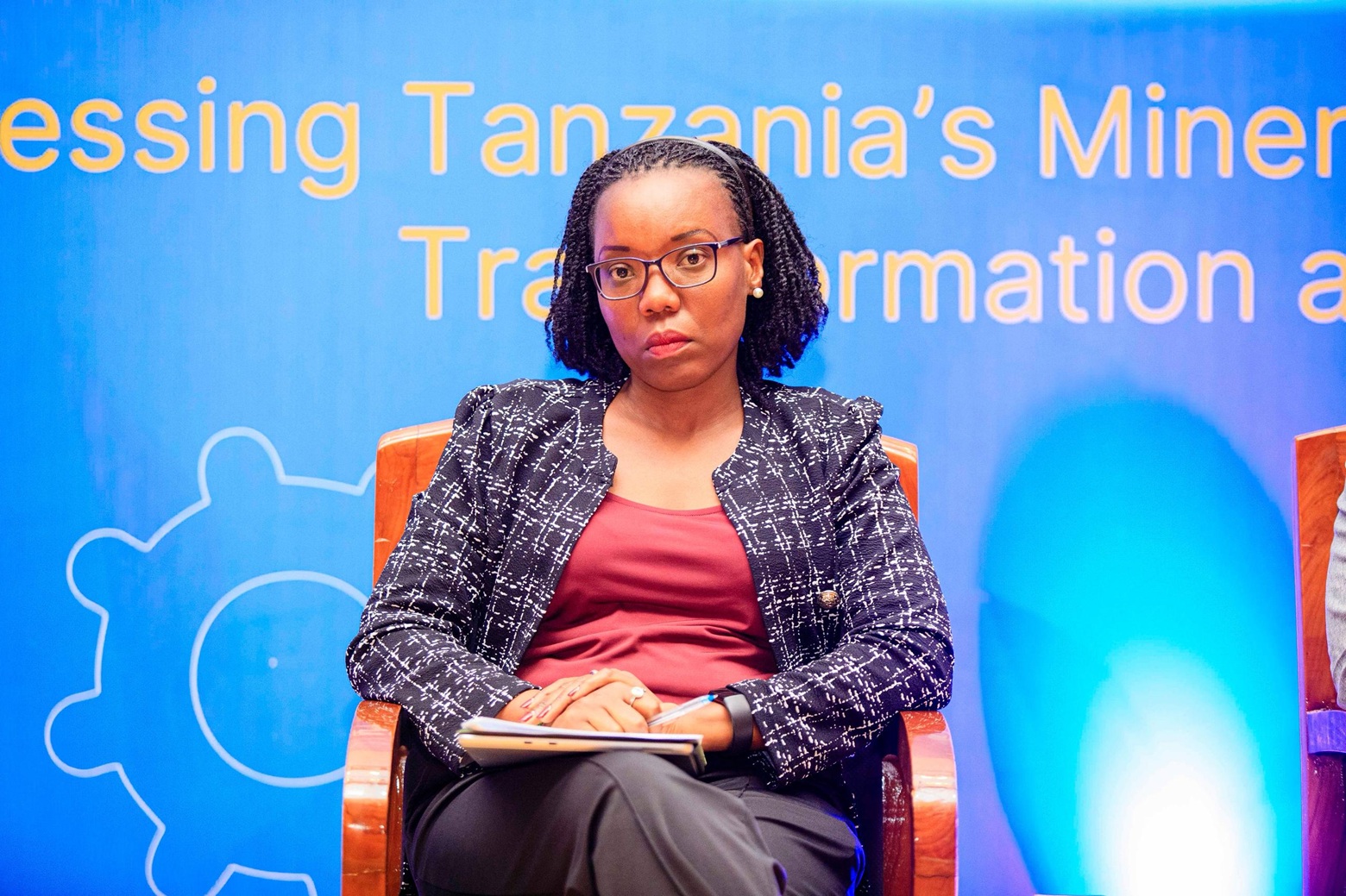
The panel featured Dr. Magreth Dotto of the School of Mining and Geosciences (SoMG), Dr. Joseph Kihedu from the College of Engineering and Technology (CoET), Dr. Mathew Mndeme from the College of Information and Communication Technologies (CoICT), and Dr. Stephen Kirama from the University of Dar es Salaam School of Economics (UDSE).
The discussion was held within the broader context of this year's Research and Innovation Week theme, “Harnessing Tanzania’s Mineral Wealth for Renewable Energy, Digital Transformation and Societal Security,” which highlights the growing importance of strategic minerals in powering technological advancement, industrial growth and economic transformation.
Speaking during the session, Dr. Mathew Mndeme emphasised that universities must remain steadfast in their core mandate of generating knowledge, advancing research and innovation, and producing highly skilled graduates capable of driving national transformation.
“UDSM must continue to provide high-quality knowledge and skills, promote intellectual freedom, conduct impactful research and innovation, and produce graduates who can effectively contribute to the realization of Tanzania Development Vision 2050,” he said.
Dr. Mndeme noted that universities are increasingly expected not only to generate knowledge but also to ensure that research outcomes are translated into practical solutions, technologies and innovations that address societal challenges and support economic development.
On the contribution of emerging technologies to the mining sector, he highlighted the transformative potential of Artificial Intelligence (AI) and Machine Learning in mineral exploration and geological research.
“These technologies can rapidly analyse large volumes of geological data, identify areas with high mineral potential and improve the efficiency and accuracy of mineral exploration compared to conventional methods,” he explained.
Deliberate investments in industrialization and innovation
Addressing the economic significance of Tanzania’s mineral resources, Dr. Stephen Kirama observed that although the mining sector has made notable progress, its contribution to the broader economy remains below its full potential.
He noted that the sector contributed approximately 10.1 percent of Tanzania’s Gross Domestic Product (GDP) in 2024, surpassing the government’s target ahead of schedule, but argued that greater value could be realised through deliberate investments in industrialization and innovation.
“To maximize the benefits of our mineral wealth, Tanzania must develop a strong industrial base, invest in strategic infrastructure and energy systems, strengthen research and development, and promote policies that support sustainable economic diversification,” Dr. Kirama said.
According to him, the long-term competitiveness of the sector will depend not only on mineral extraction but also on the country’s ability to add value, commercialize innovations and participate more effectively in global value chains.
Meanwhile, Dr. Magreth Dotto highlighted UDSM’s growing contribution to mineral value addition and technology development through research, innovation and strategic partnerships.
She said the University has continued to invest in research infrastructure, including specialized laboratories, advanced computing facilities and mineral research centres, while strengthening collaboration with the Ministry of Minerals and other stakeholders in research and development initiatives.
“Our focus is to ensure that Tanzania derives greater value from its mineral resources through research, innovation and technology development rather than relying solely on the export of raw minerals,” Dr. Dotto noted.
She added that investments in research facilities and technology training programmes are helping build the scientific and technical capacity required to support the modernization of Tanzania’s mining sector.
The discussions echoed broader messages emerging from the 11th Research and Innovation Week, which has brought together researchers, innovators, policymakers, industry leaders and development partners to explore how knowledge can be transformed into solutions that address national priorities.
The event continues to showcase UDSM’s growing role as a centre of research excellence, innovation and entrepreneurship.
Through multidisciplinary research, technology development and strategic partnerships, the University is increasingly positioning itself as a catalyst for industrial transformation and socio-economic development.
Strengthened partnerships with industry, government institutions and development partners
In recent years, UDSM has expanded its research and innovation ecosystem through strengthened partnerships with industry, government institutions and development partners.
The University has also intensified efforts to promote innovation commercialization, technology transfer and entrepreneurship, recognizing that research impact extends beyond academic publications to the creation of products, enterprises and evidence-based policy solutions.
These efforts align closely with UDSM Vision 2061, the University’s long-term roadmap toward becoming a globally competitive institution distinguished by excellence in teaching, high-impact research, innovation and knowledge exchange.
As Tanzania advances toward Vision 2050, participants emphasized that stronger collaboration among universities, industry and government will be essential in unlocking the full potential of the country’s natural resources and transforming knowledge into sustainable economic growth.
The panel concluded that research, innovation and strategic partnerships must remain central pillars of Tanzania’s development agenda if the country is to build a competitive, industrialized and knowledge-based economy capable of thriving in an increasingly technology-driven world.
The 11th Research and Innovation Week continues with exhibitions, knowledge-sharing sessions and stakeholder engagements showcasing innovations and research solutions in mining, renewable energy, digital technologies, agriculture, health and environmental sustainability—demonstrating the University’s commitment to contributing practical solutions to Tanzania’s development priorities and long-term prosperity.