UDSM Moves to Capture HEET Impact as Project Nears Completion
By Dickens Dominic, CMU
As the Higher Education for Economic Transformation (HEET) Project approaches completion, the University of Dar es Salaam (UDSM) is moving to systematically document the project’s results, impact and lessons, with emphasis on ensuring that achievements are backed by credible evidence.
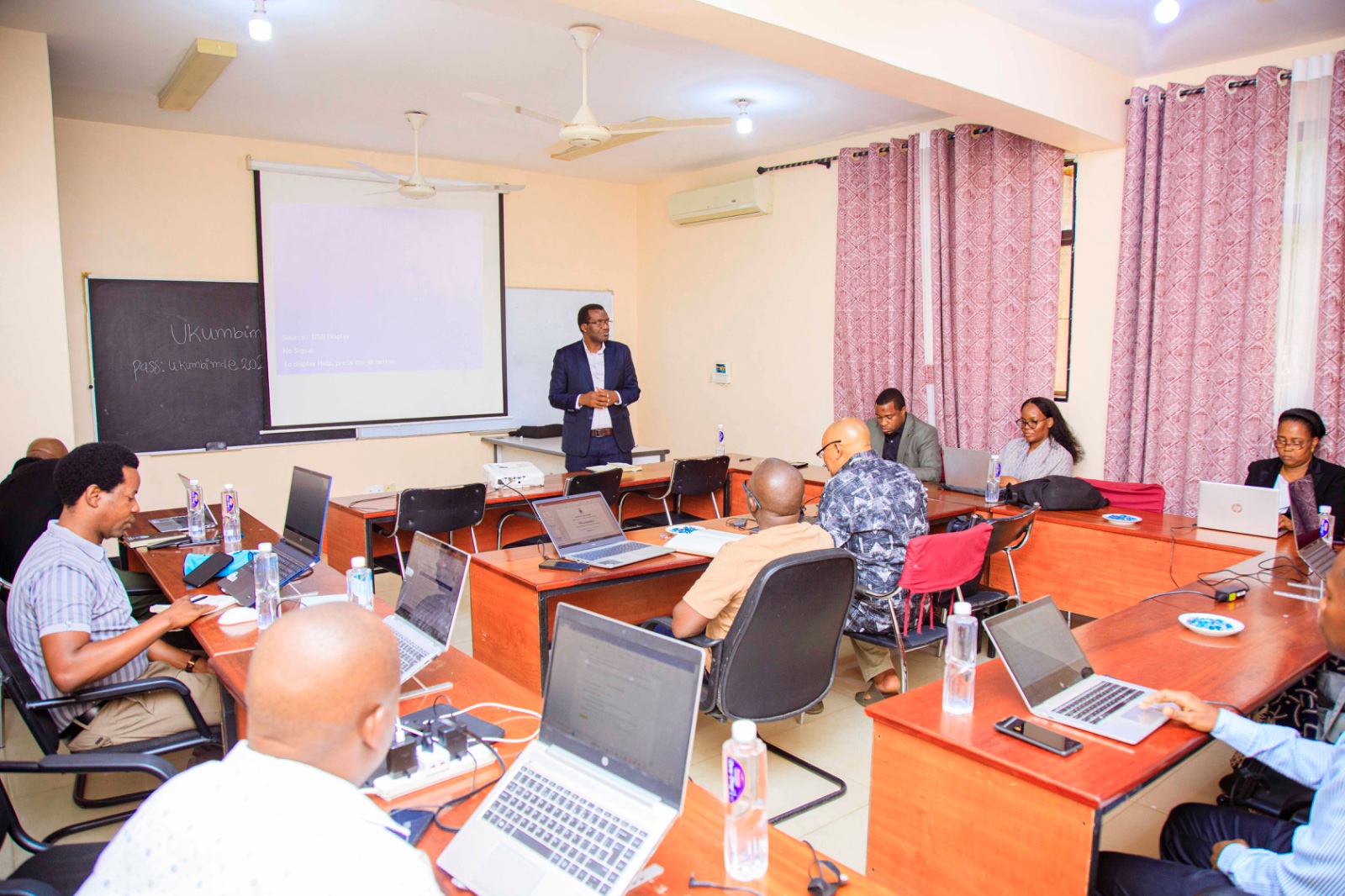
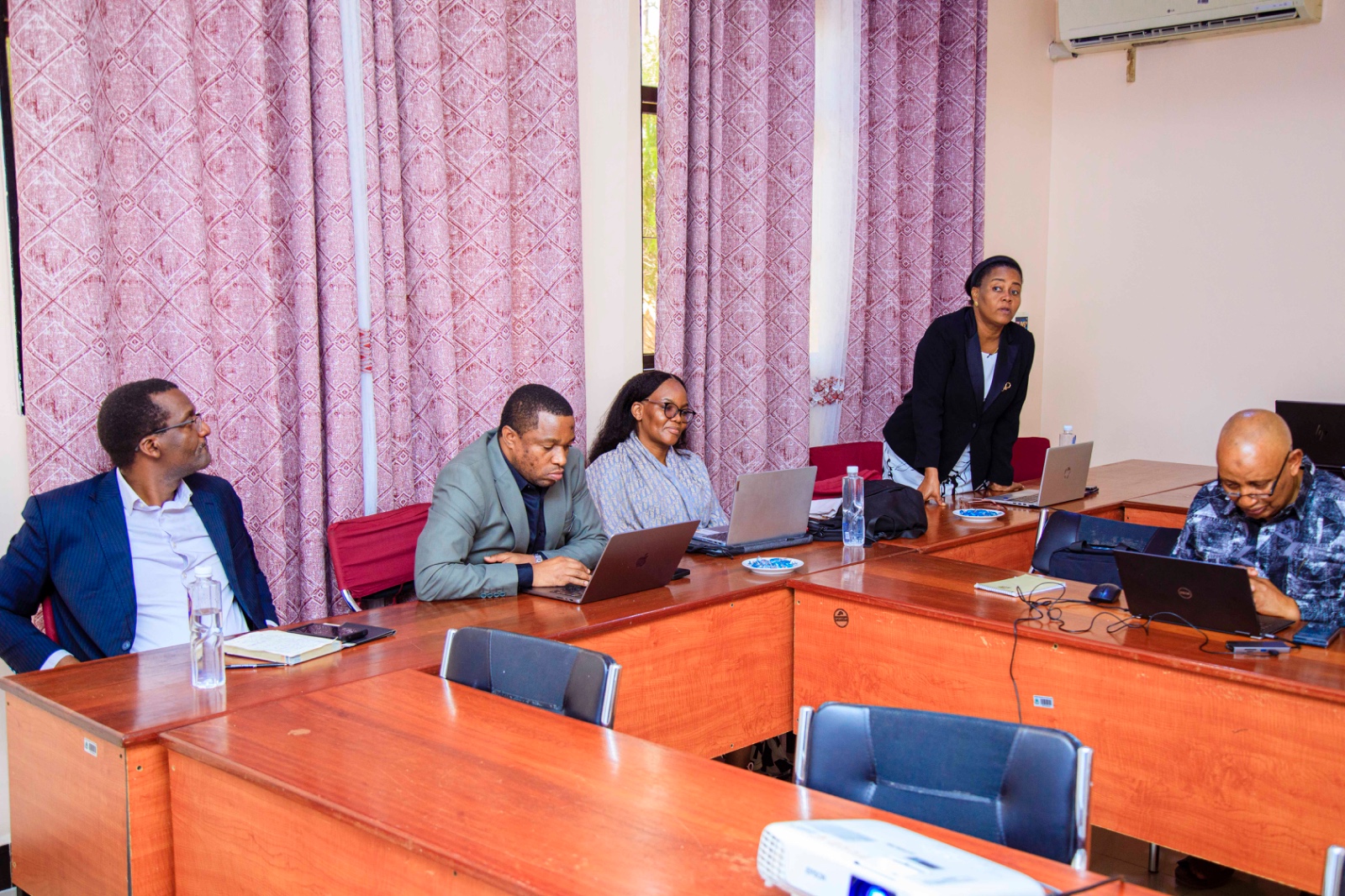
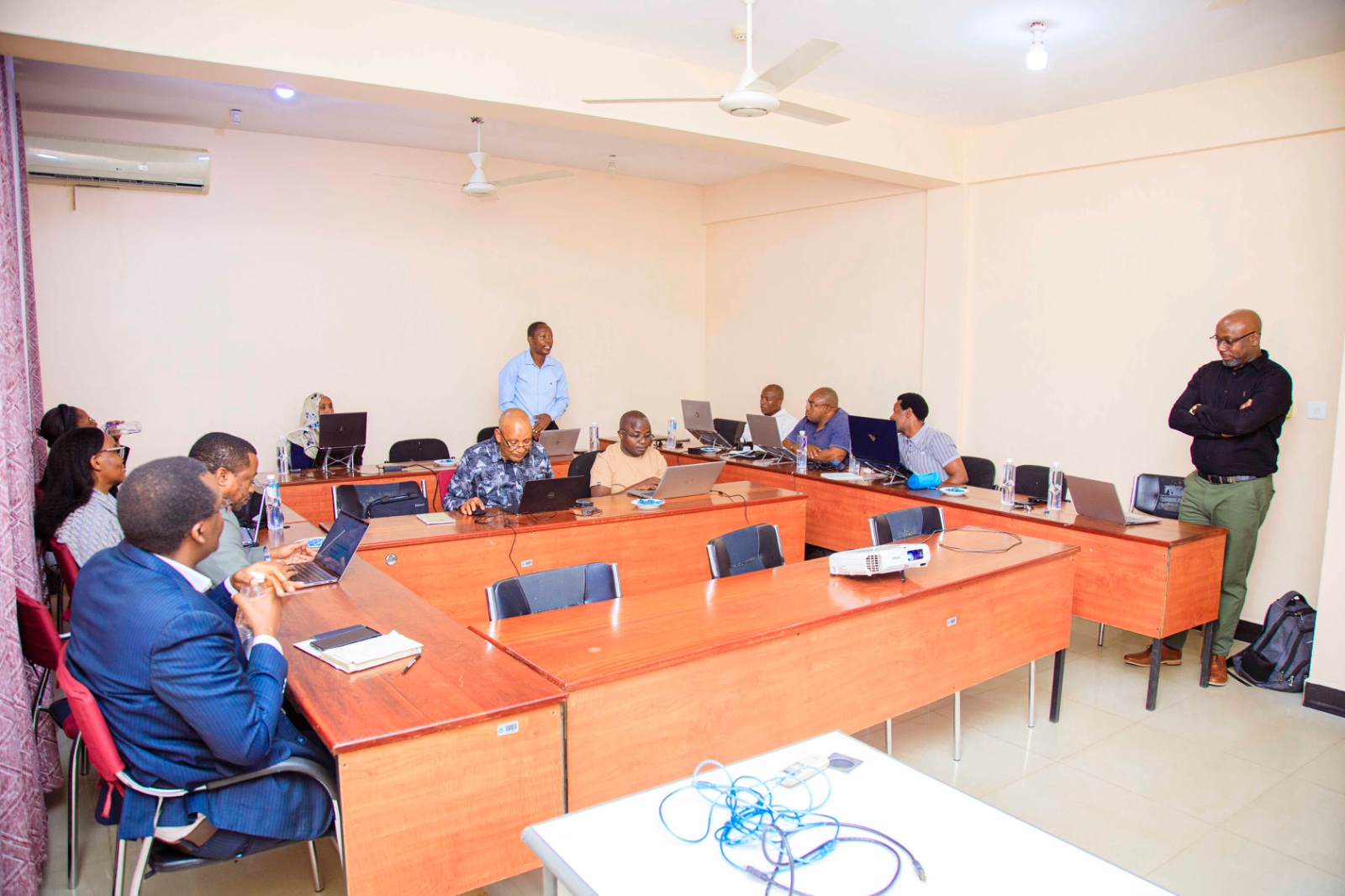
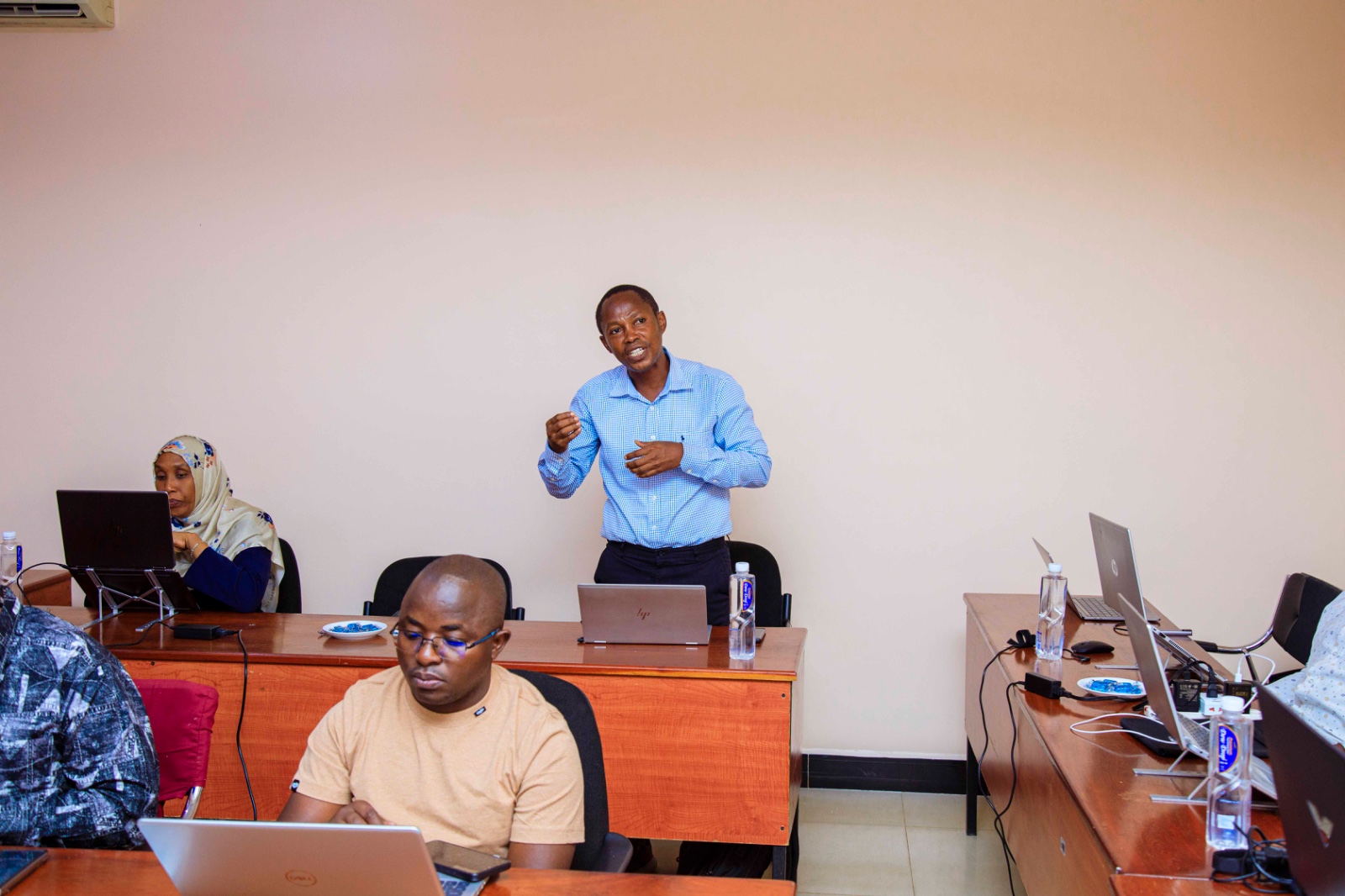
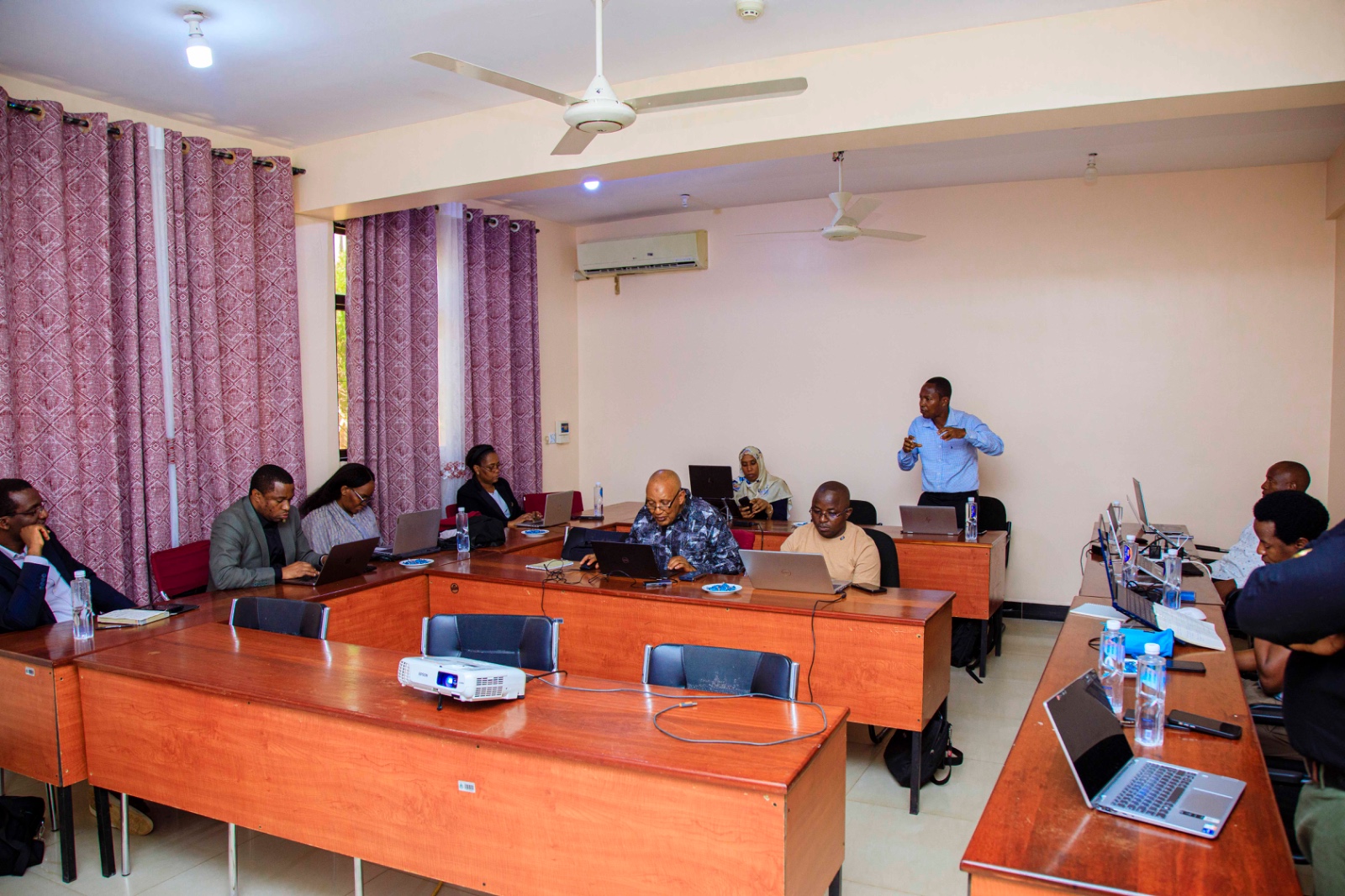
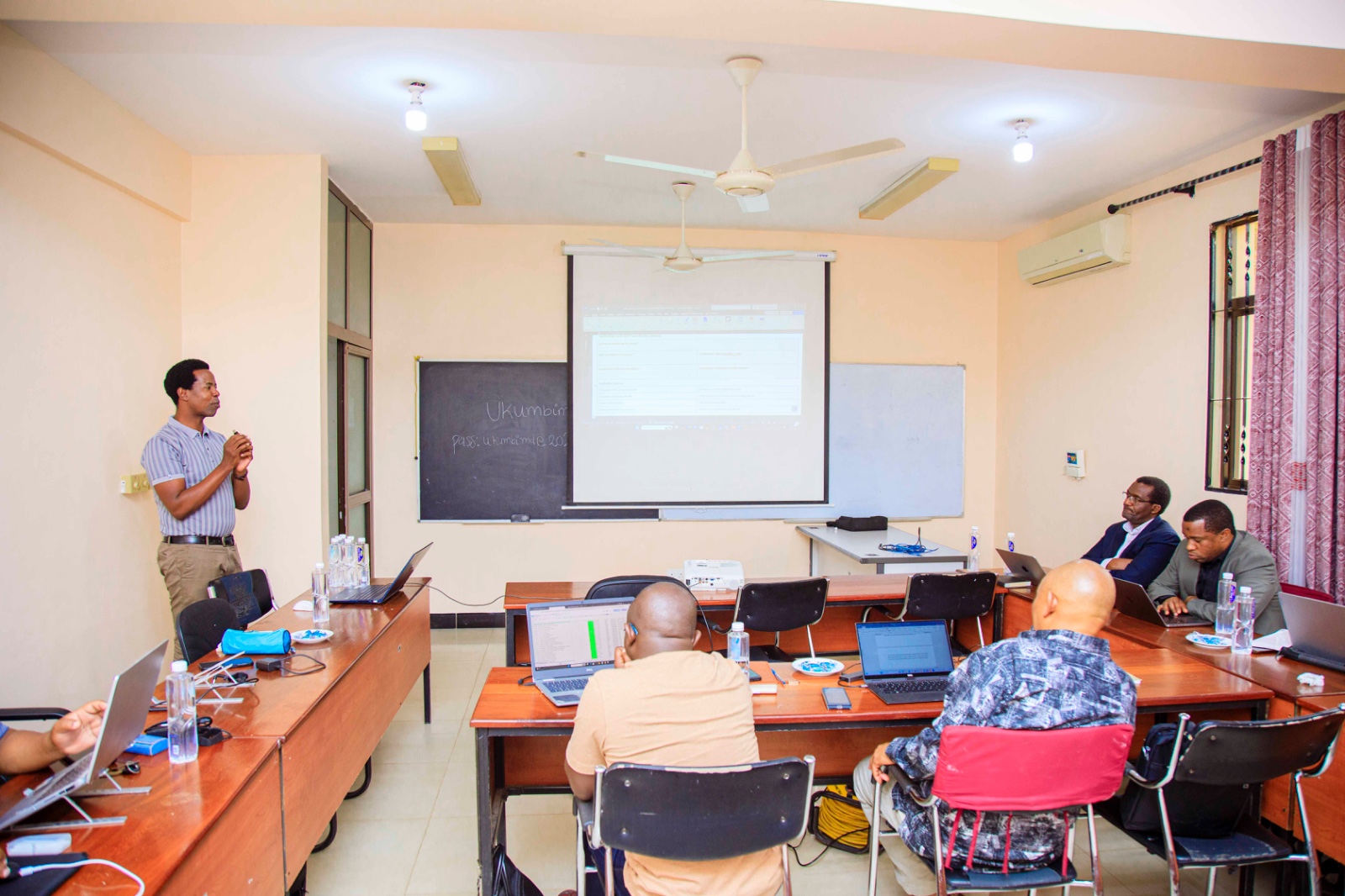
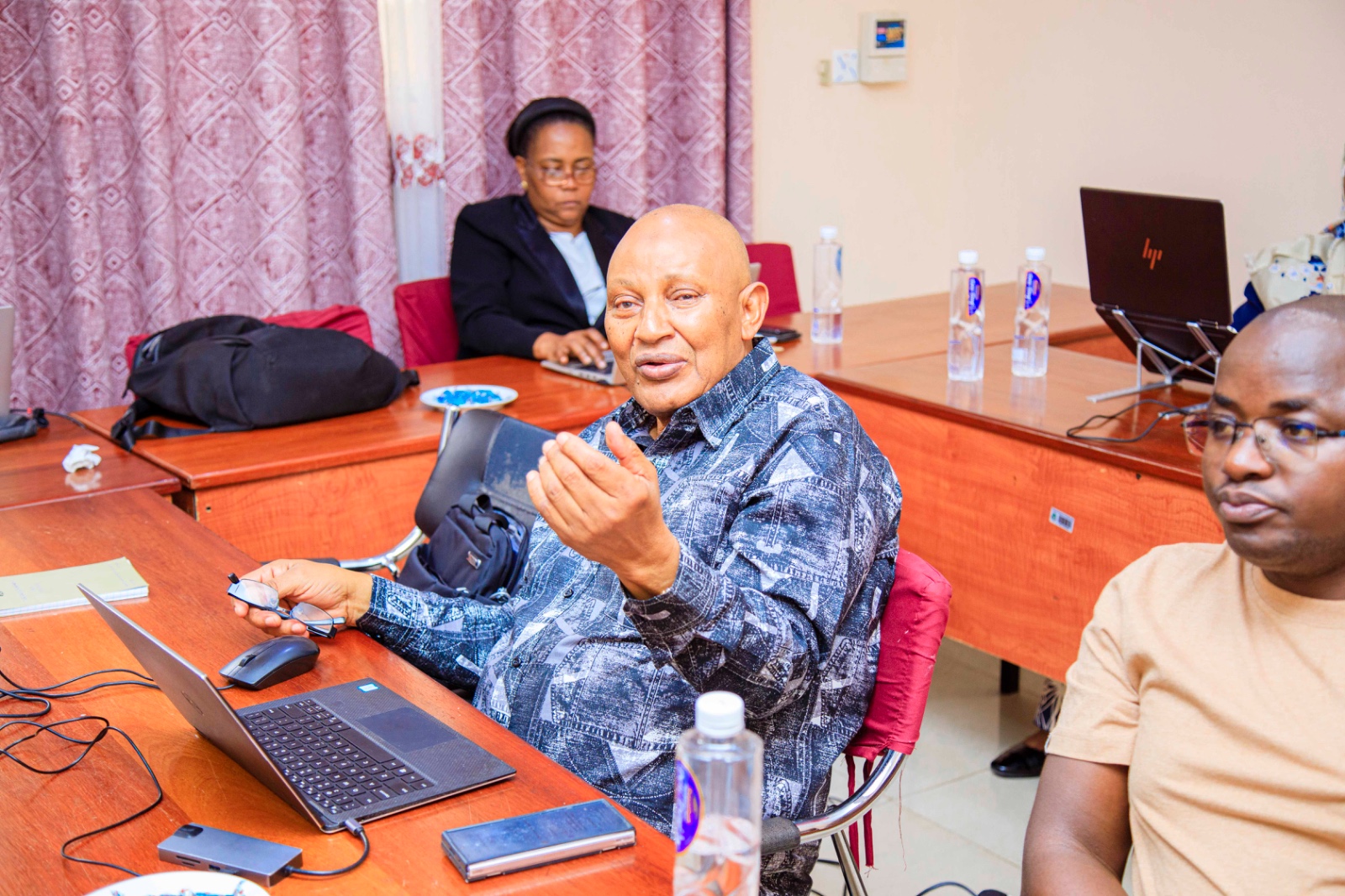
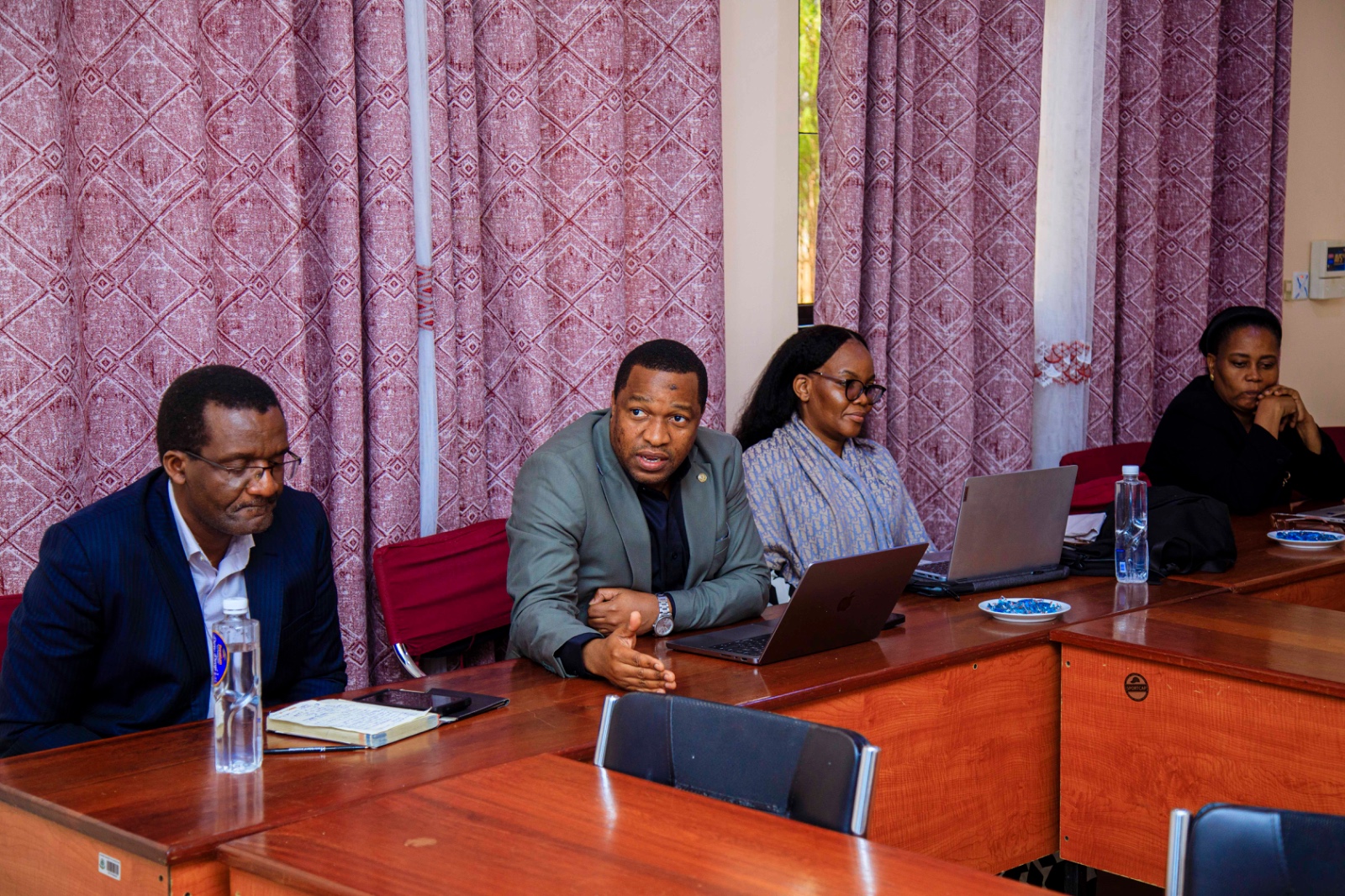
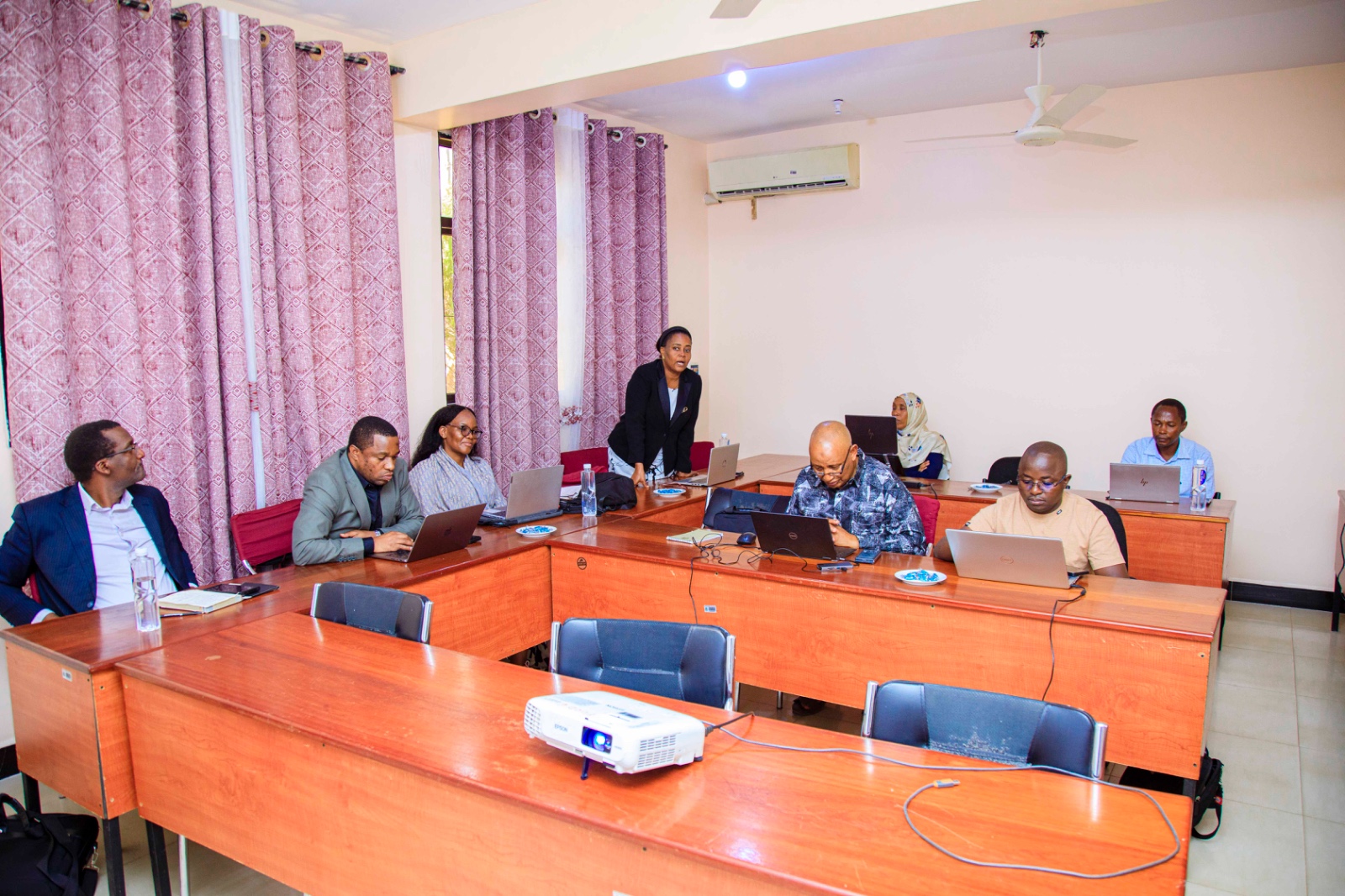
The move took centre stage during a special training for members of UDSM’s Monitoring, Evaluation and Lessons Learned (MELL) Committee held in Morogoro recently, which focused on preparing the Implementation Completion and Results (ICR) Report—the key document that will provide a comprehensive account of HEET implementation and its outcomes.
Rather than simply recording activities undertaken under the project, the ICR process is expected to demonstrate what HEET has achieved, the changes resulting from its interventions, challenges encountered and lessons that can inform future higher education programmes.
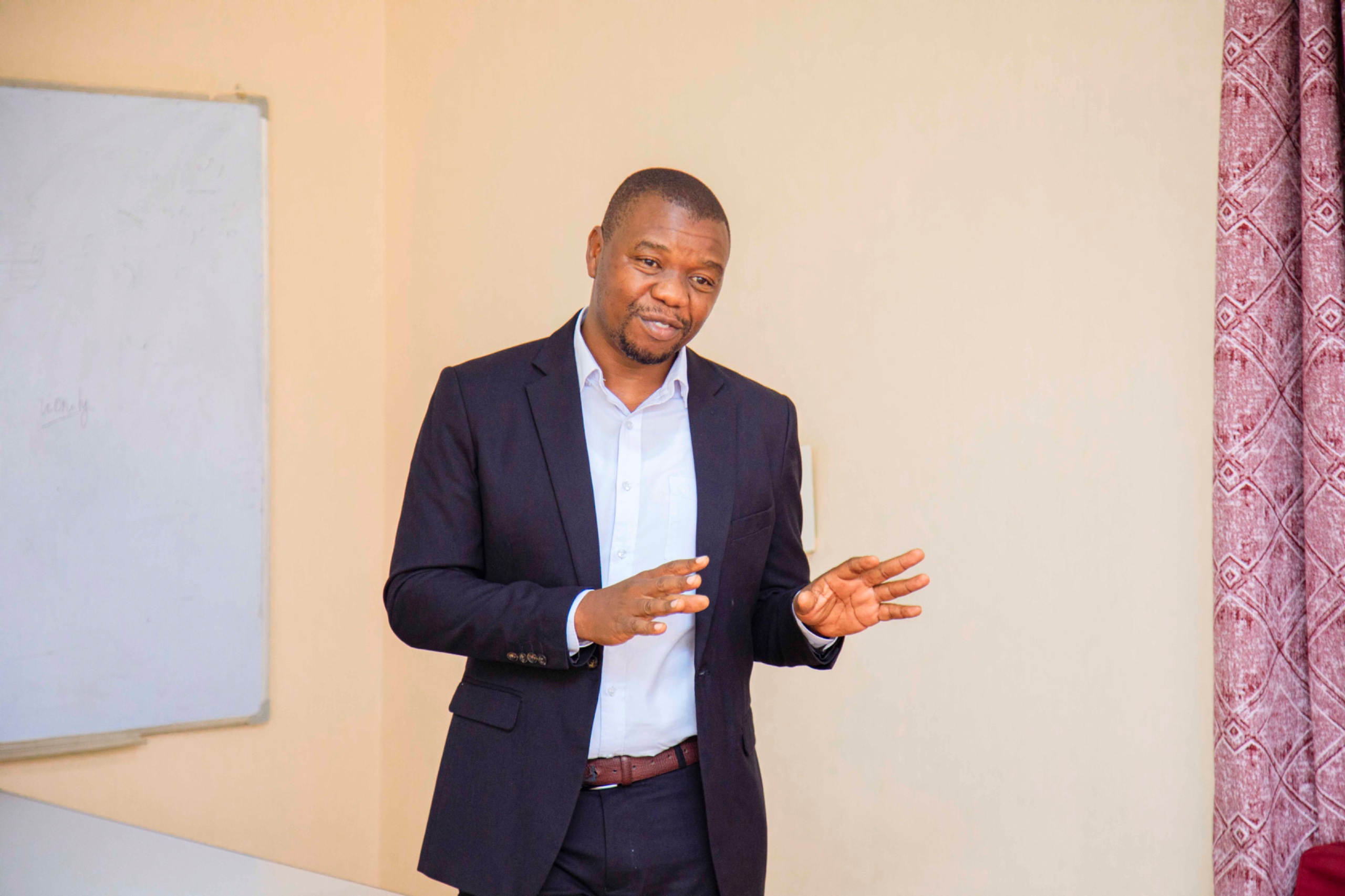
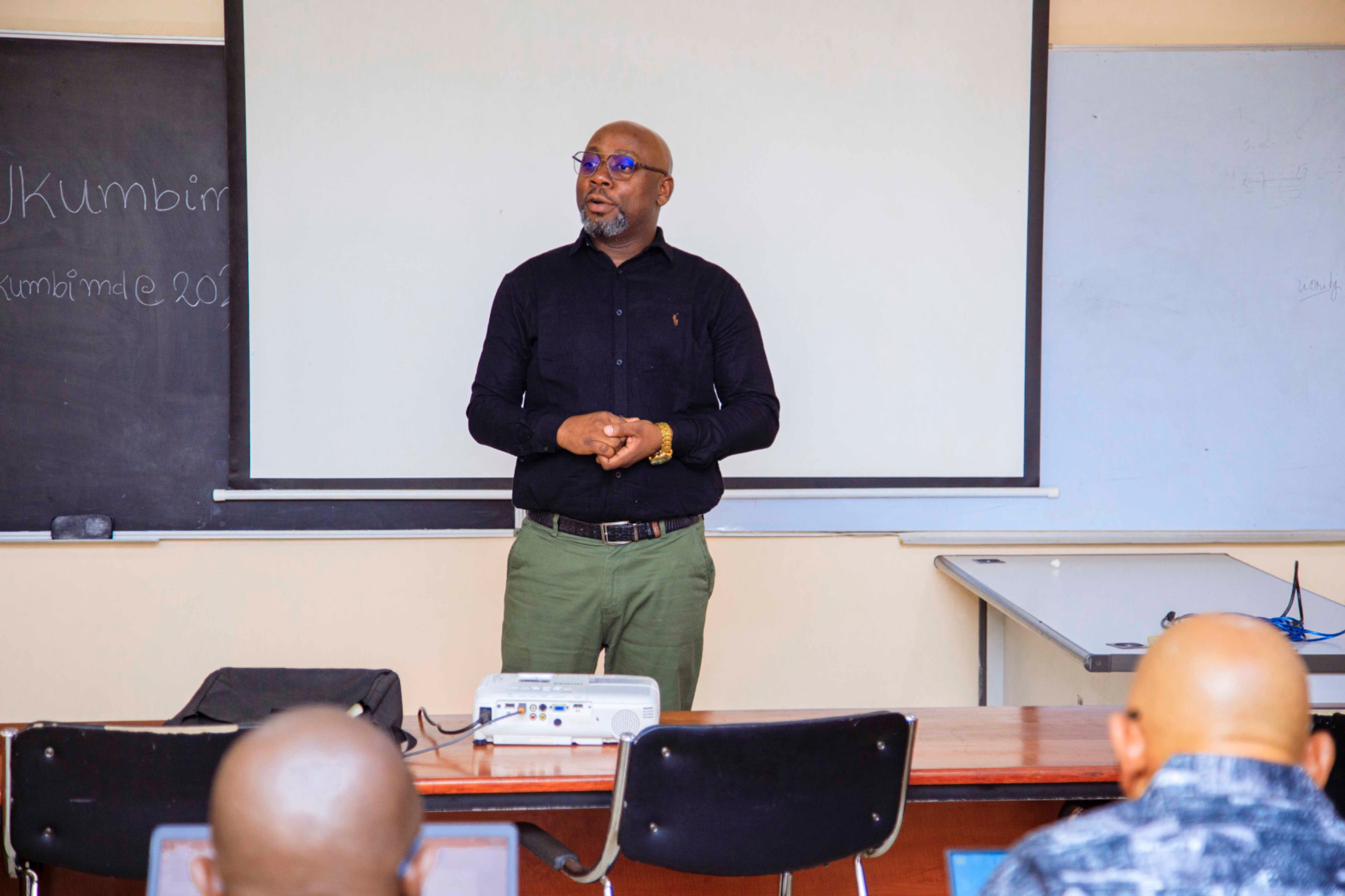
Opening the training, Deputy HEET Project Coordinator at UDSM, Prof. Liberato V. Haule, said the quality of the final report would depend on the University’s ability to present accurate information and credible evidence of what the project has delivered.
“There is great importance in preparing a good report as we move towards the closure of the HEET Project. It is important for members to understand how to properly prepare the ICR Report and ensure that the information presented is supported by reliable evidence,” Prof. Haule said.
The emphasis on evidence comes as the impact of HEET interventions is increasingly being felt across UDSM, particularly through investments aimed at improving the University’s infrastructure, learning environment, research capacity, innovation and other institutional capabilities.
The ICR Report will therefore provide an opportunity to move beyond documenting what was planned and implemented to demonstrate what has changed as a result of the project and how those changes are contributing to UDSM’s broader transformation.
For members of the MELL Committee, this requires establishing a clear link between HEET objectives, interventions, outputs and measurable results.
Implementation chain supported by evidence
Dr. Egidius Kamanyi, the chairperson of the MELL Committee, stressed that the report must clearly demonstrate this implementation chain while providing evidence for the results being reported.
“The information in the ICR Report should clearly show the link between the objectives, activities and results, with evidence to confirm the achievements,” Dr. Kamanyi said.
He also emphasized the importance of accurately documenting challenges and lessons learned, noting that such experiences are valuable not only in assessing the implementation of HEET but also in informing the design and implementation of future programmes.
The same emphasis was echoed by Edgar Kipoki National Monitoring, Evaluation and Lesson Learning Specialist from the Ministry of Education, Science and Technology, who reminded participants that implementation information must be accurate and accompanied by evidence supporting the reported results.
“It is important to ensure that the information presented in the ICR Report is accurate and that the reported results are supported by evidence,” Kipoki said.
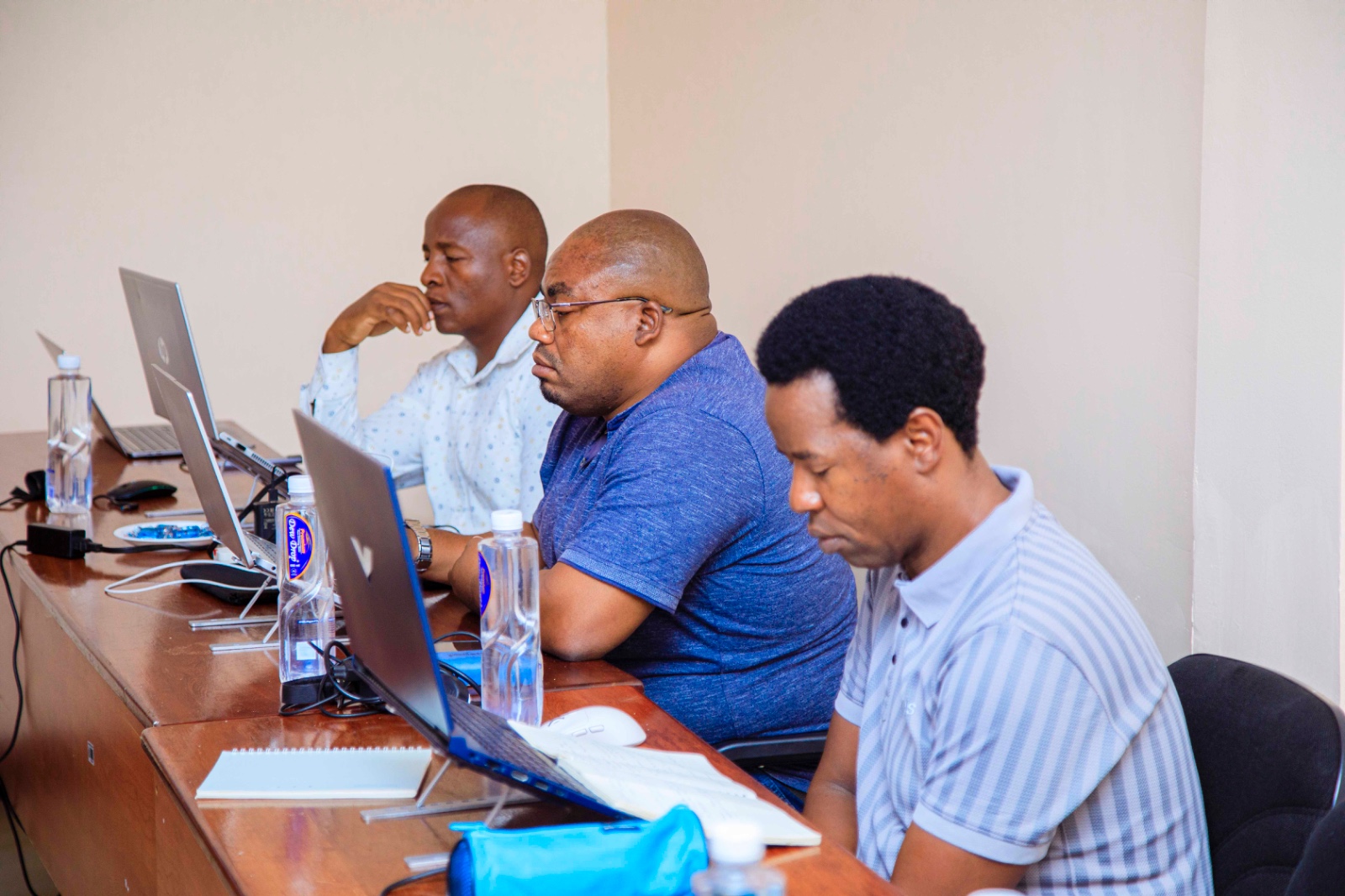
The training consequently provided members with practical guidance on collecting, analysing and presenting information required for the ICR Report, while strengthening their understanding of the standards and requirements for reporting project results.
With HEET approaching its completion and closure phase, the exercise comes at an important point for UDSM. The University is expected to use the ICR process not merely to close a project administratively, but to preserve an evidence-based record of the investments made, results achieved, challenges encountered and lessons generated throughout implementation.
The report will also help establish the extent to which HEET has contributed to the transformation of higher education at UDSM and provide a basis for understanding the sustainability of the gains made beyond the project period.
For the MELL Committee, the immediate task is therefore to ensure that the story of HEET is told through evidence—showing not only what the project did, but what difference it has made.
The Morogoro training thus marks another step towards completing that record as UDSM prepares for the formal completion and closure of the HEET Project.