










UDSM Law Jubilee Urges Scholars to Make Legal Education Work for Ordinary Tanzanians
By Sulea Suleiman Abbas, CMU
From street vendors and motorcycle taxi operators seeking fair treatment to citizens struggling to access justice, the realities of everyday life must feature more prominently in legal education, scholars at the University of Dar es Salaam School of Law (UDSoL) have said.
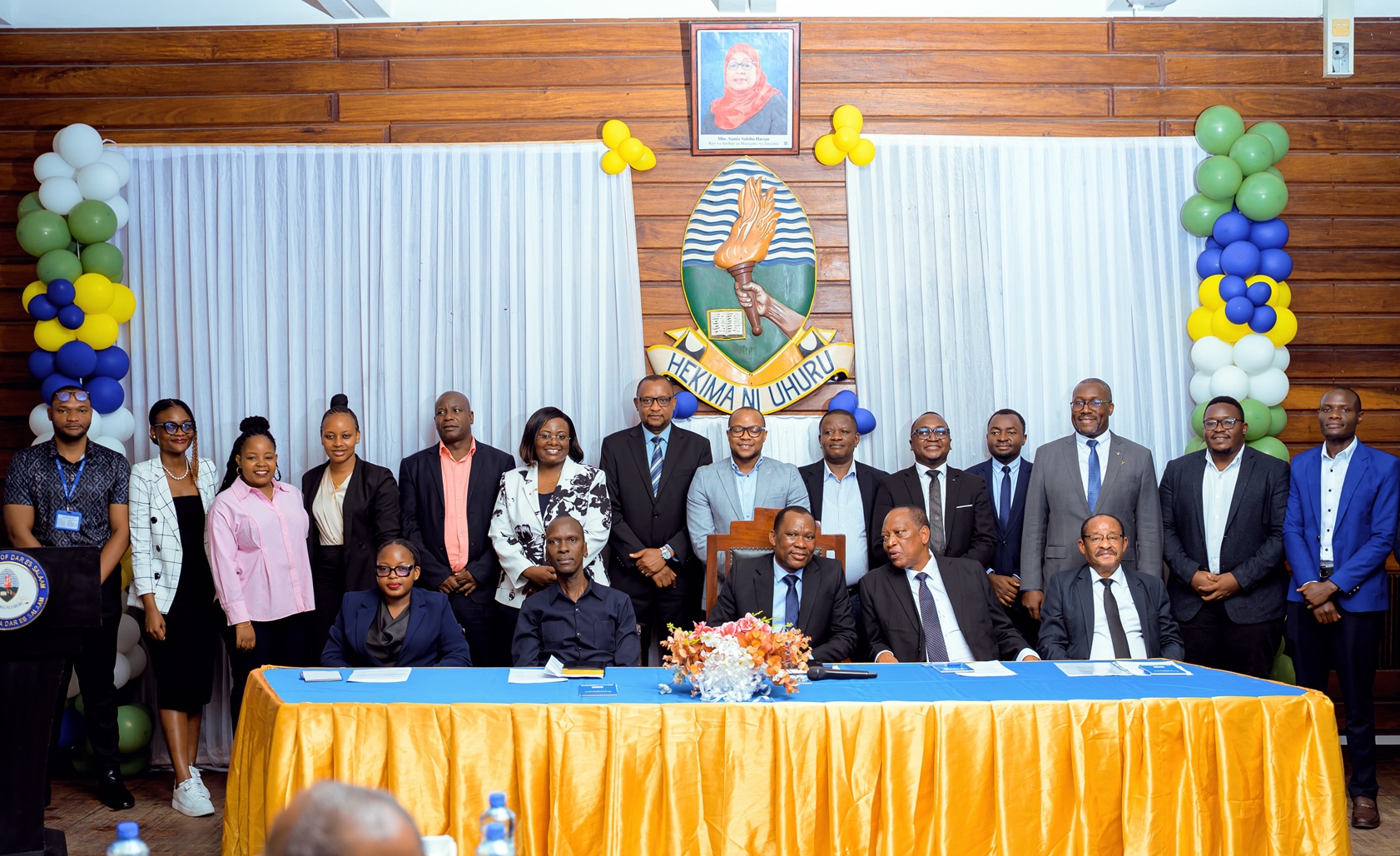
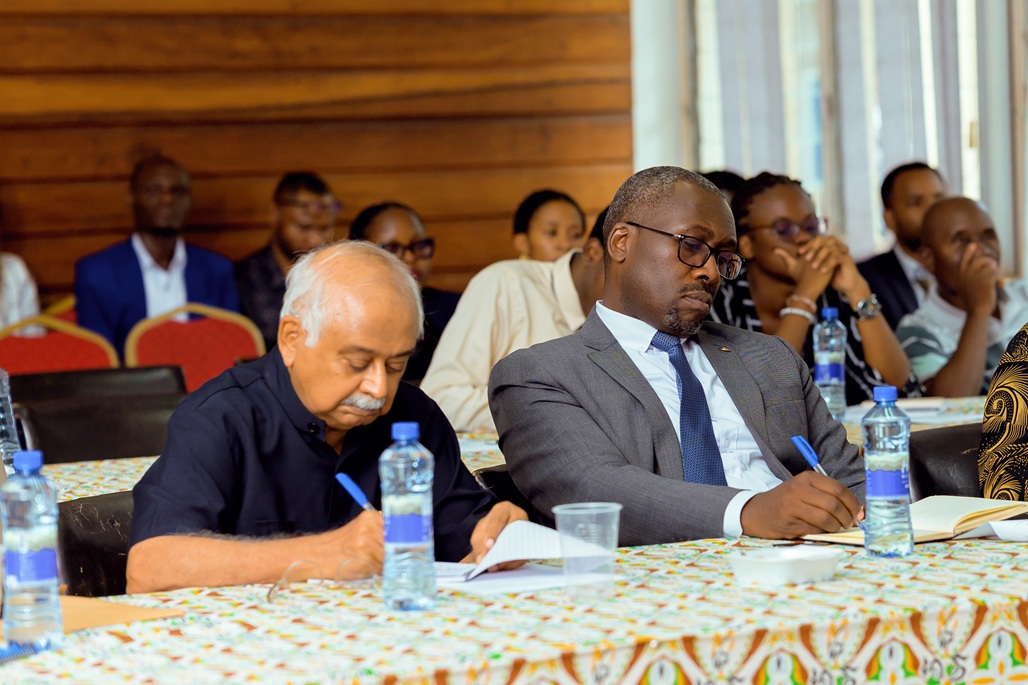
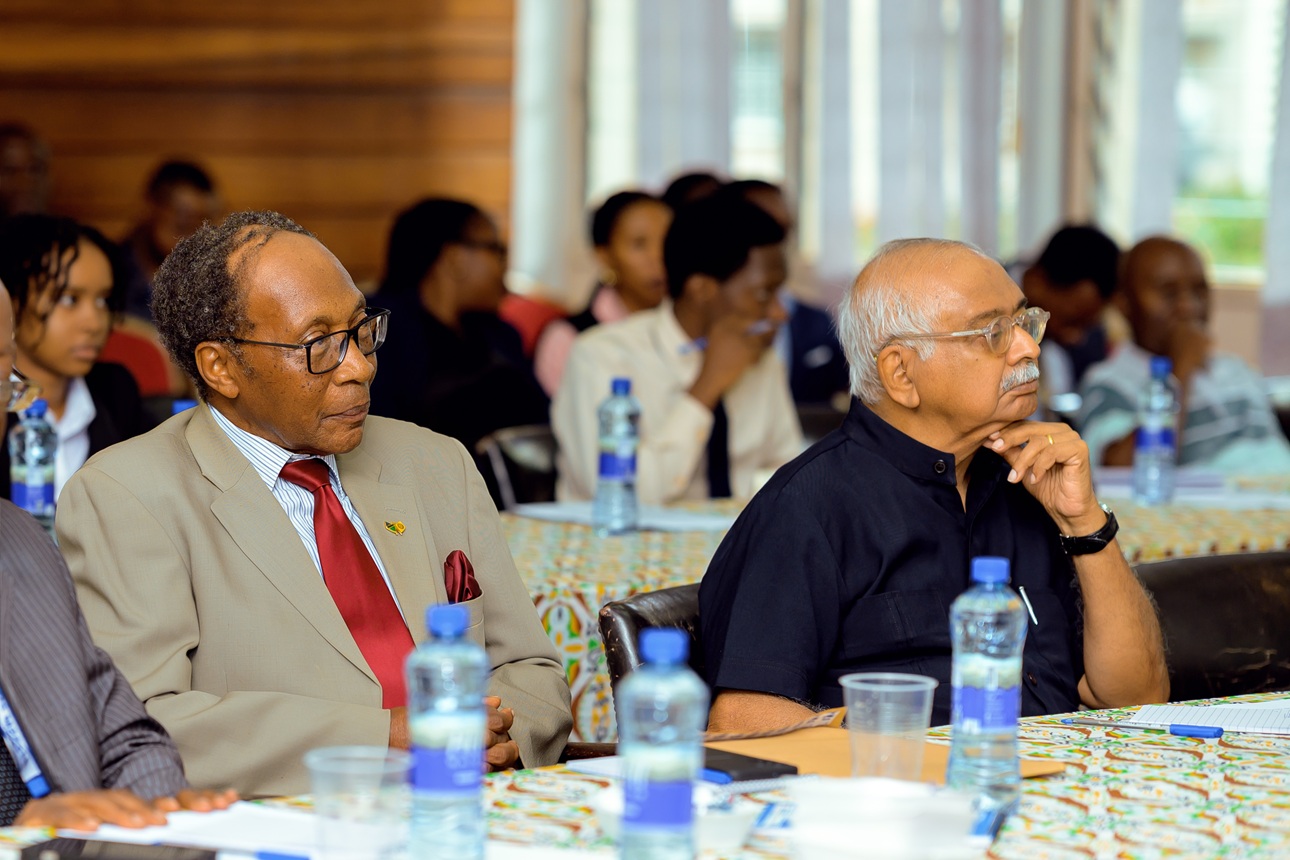
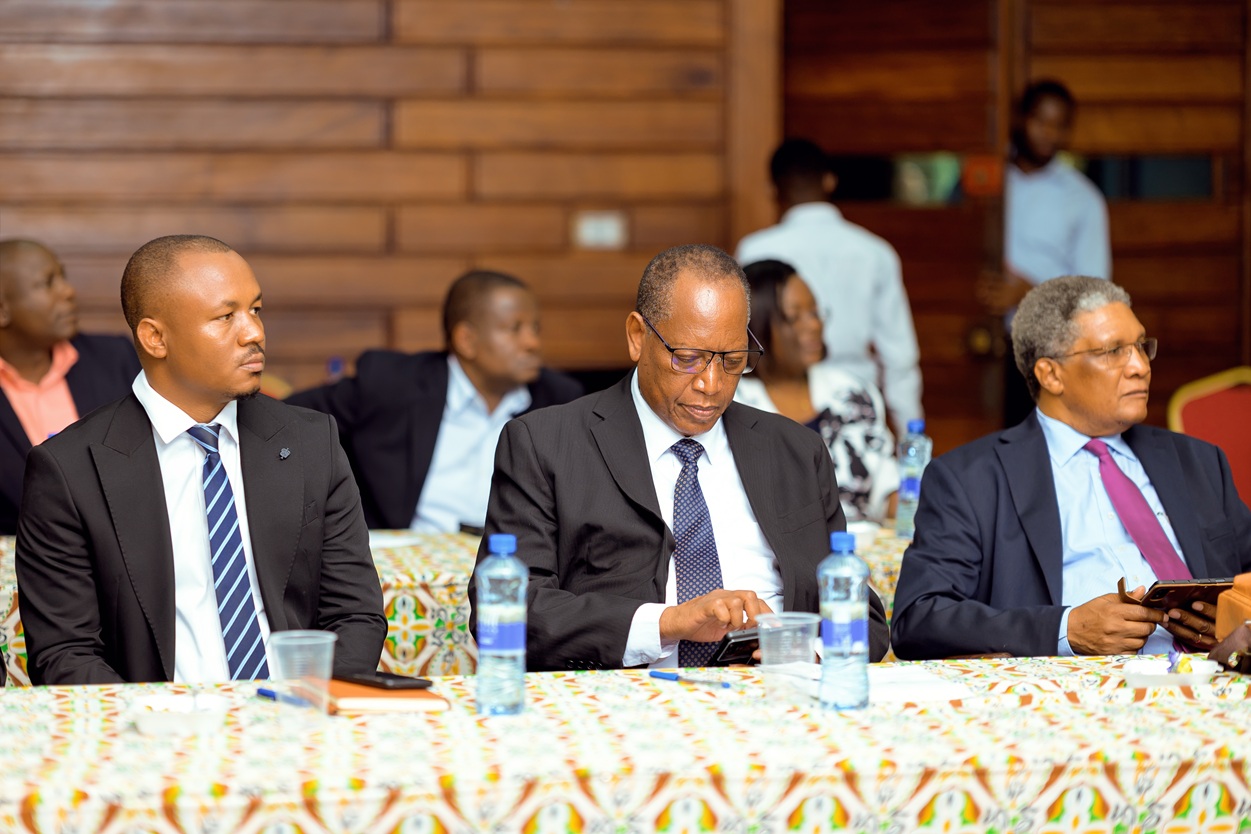
The call emerged during the School’s 65th Anniversary Sapphire Jubilee Homecoming Symposium, held at the University of Dar es Salaam’s Old Council Chamber on 23 October 2026, where legal scholars, practitioners, alumni and students urged the institution to ensure that its teaching, research and community service respond more directly to society’s needs.
Held under the theme “Walk the Talk: Advancing Years of UDSoL Teaching and Community Service,” the symposium reflected on the School’s six-and-a-half-decade legacy while examining how legal education can remain relevant amid technological change, evolving professional demands and persistent challenges in access to justice.
A central message from the discussions was that legal education must go beyond teaching statutes and legal procedures to develop professionals who understand the people, social conditions and public institutions affected by the law.
Dr. Iddi Ramadhan Mandi challenged the School to examine whether its teaching adequately addresses the legal questions confronting ordinary Tanzanians in their daily lives.
He argued that university education should develop critical thinking, independent problem-solving, research capacity and professional responsibility, rather than merely transmit knowledge.
Dr. Mandi particularly questioned the limited attention given to practical issues such as election law, legal matters affecting boda boda operators and what he described as “machinga law”—an expression highlighting the legal and social realities facing informal traders.
His intervention invited lecturers to consider whether students receive adequate opportunities to examine how legal rules affect people working in the informal economy, exercising their rights or interacting with government institutions.
For people whose livelihoods depend on street trading or motorcycle transport, legal questions are not simply academic matters. They can influence access to economic opportunities, relations with authorities and the ability to understand and defend their rights.
Dr. Mandi also stressed that legal education should instill justice, respect for human life, human rights, honesty and integrity in future professionals.
His remarks reinforced the need to connect classroom learning with research and community engagement so that legal knowledge can contribute to addressing the challenges experienced by different sections of society.
Scholars should shape legislation
Hon. Prof. Palamagamba Kabudi called on UDSoL academics to strengthen their contribution to national development by participating more actively in legislative processes and public policy discussions.
Drawing on his experience in academia and public service, Prof. Kabudi encouraged lecturers and researchers to examine proposed legislation, submit memoranda and petitions, and present evidence-based recommendations during parliamentary public hearings.
He acknowledged that academic recommendations might not always be adopted, but maintained that scholarly engagement could inform legislative debates and contribute to future legal reforms.
His appeal offers a practical avenue for connecting university research with the lives of citizens: legal scholars can use their expertise to scrutinies proposed laws, identify potential consequences and recommend changes that better protect the public interest.
Prof. Kabudi reflected on his involvement in legislative initiatives, including the Legal Aid Act, 2017, and legislation concerning natural wealth and resources enacted that year. He also highlighted efforts to expand access to legal assistance through initiatives including the Mama Samia Legal Aid Clinics.
He urged the School to align its teaching, research, consultancy and public engagement with Tanzania Development Vision 2050, particularly its aspirations for human dignity, rights and freedoms, democracy, peace and national development.
Prof. Kabudi also emphasised the importance of academic freedom, encouraging scholars to address difficult questions and engage in open intellectual debate rather than avoid issues because they may be controversial.
Legal education must balance competence with justice
Delivering a keynote address titled “Reflections on Teaching Law at the Hill: 65 Years Later — History, Philosophy and Experiences,” Prof. Florens D.A.M. Luoga challenged the School to preserve its intellectual heritage while responding to the changing demands of society and the legal profession.
He traced the development of legal education at the University since 1961, highlighting changes in curricula, teaching philosophy, institutional structures and community engagement.
Prof. Luoga emphasised that professional competence, critical inquiry and public service should reinforce one another. He cautioned against approaches that reduce university education to a commercial product or measure academic success solely through immediate employment outcomes.
He also highlighted the importance of combining professional training with jurisprudence, ethics, legal history and an understanding of the social contexts in which laws operate.
His reflections underscored the importance of producing graduates who can practise law competently while retaining the intellectual independence to question injustice, examine public policy and contribute to legal reform.
The keynote also addressed the growing influence of technology, highlighting the need to prepare students to use digital tools responsibly while maintaining professional ethics and independent judgement.
Rethinking teaching for a new generation
The symposium’s panel discussion brought together Dr. Mandi, Dr. Goodluck Temu and Dr. Antidius Kaitu, who examined teaching as a public service, the experiences of successive generations of legal educators and the future of legal training.
Reflecting on his experience as a former student, Dr. Temu called on lecturers to preserve the School’s traditions of deep subject knowledge, intellectual discipline and commitment to scholarship while embracing modern teaching methods.
He challenged academic staff to reconsider their approach to classroom engagement in an era when students can readily access information through digital platforms.
Rather than viewing low lecture attendance solely as a student problem, he encouraged lecturers to examine whether their teaching offers sufficient value beyond information students can obtain independently.
He also advocated a more constructive relationship between lecturers and students, encouraging educators to treat learners as partners in the learning process and create opportunities for critical discussion.
Dr. Kaitu, meanwhile, challenged the School to look beyond its historical reputation and consider whether its present contribution would sustain its standing in the future.
“Sixty-five years from now, will we still be champions, or will we simply be celebrating the medals we won in the past?” he asked.
His question called for continued reflection on the relevance of legal education, the balance between employability and social responsibility, and the need to prepare graduates who understand the philosophical foundations of law rather than simply memorise legal rules.
He also underscored the importance of academic freedom and an African-oriented approach to legal education that responds to the needs and circumstances of society.
Scholars call for deeper understanding of society
Other contributors reinforced the need for legal education to remain grounded in social realities and professional ethics.
Retired Judge Robert Makaramba challenged lawyers and academics to examine the purpose of law, whose interests it serves and whether it adequately protects those seeking justice. He also encouraged lecturers to pursue specialised expertise and continuous learning.
Prof. Fimbo similarly called on legal academics to develop depth in their areas of specialisation through sustained reading, research, writing and teaching.
Prof. Issa G. Shivji urged scholars to look beyond legal rules when examining social problems, using the circumstances of street vendors to illustrate why effective responses must consider issues such as unemployment, inequality and access to economic opportunities.
Dr. Gideon H. Kaunda warned against cultivating blind obedience among future lawyers, calling instead for professional independence, multidisciplinary learning and the courage to uphold legal principles.
Together, the contributions highlighted the importance of educating lawyers who can critically examine the relationship between law, governance and society, rather than treating legal regulation as an isolated solution to complex social challenges.
A legacy measured by service to society
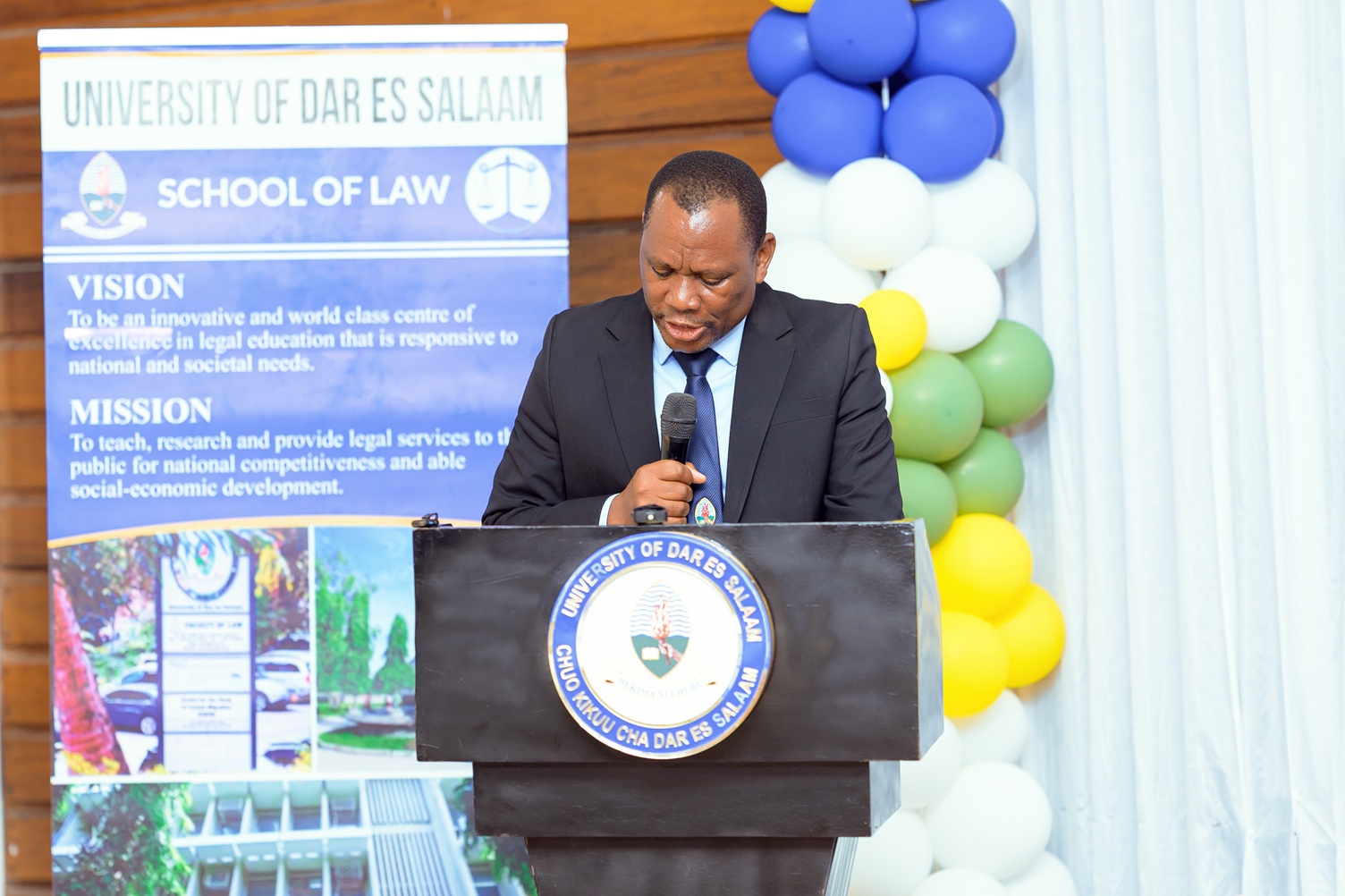
Opening the symposium on behalf of the Vice Chancellor Prof. William A. L. Anangisye, Acting Director of Postgraduate Studies, Prof. Kessy Fidel Kilulya, congratulated the School on its milestone and reaffirmed the University’s commitment to quality teaching, research, innovation and public engagement.
“Community service is therefore an essential part of our academic mission,” Prof. Kilulya emphasised.
He commended the work of the University of Dar es Salaam Legal Aid Clinic and encouraged the School to strengthen initiatives that expand access to justice, particularly for disadvantaged groups. He also called on alumni to contribute through mentorship, professional collaboration and support for legal education and community service.
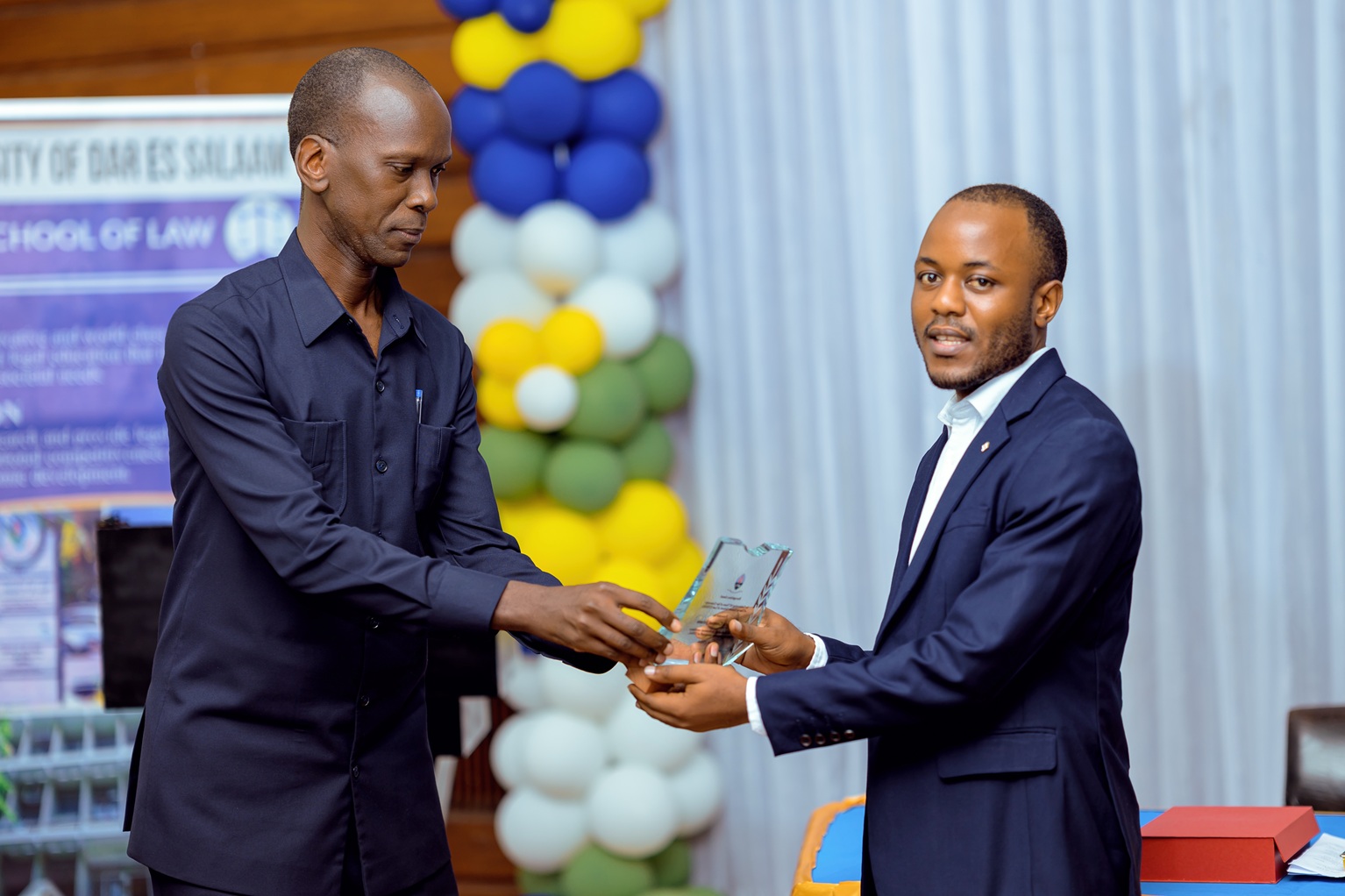
The Dean of UDSoL, Dr. Laurean Mussa highlighted the symposium as an opportunity to reconnect generations of scholars and practitioners, recognise the contributions of former and current staff, and inspire students to uphold justice and the rule of law.
Established on 25 October 1961 as the Faculty of Law at University College Dar es Salaam, then an affiliate college of the University of London, the School of Law was the University of Dar es Salaam’s first academic unit.
Its establishment therefore marks not only 65 years of legal education and scholarship in Tanzania, but also the 65th anniversary of the University of Dar es Salaam itself. Over six and a half decades, the School has contributed to the development of legal professionals and scholarship in Tanzania.
As it marks its Sapphire Jubilee, the School faces the continuing challenge of ensuring that its academic achievements translate into meaningful public service.
The symposium made clear that sustaining UDSoL’s reputation will require more than celebrating its history. It will depend on preparing lawyers who combine professional competence with integrity, critical thinking and a commitment to justice—and on ensuring that teaching, research and legislative engagement respond to the needs of ordinary Tanzanians.
Ultimately, the School’s enduring legacy will be measured not only by the lawyers it produces, but also by how their knowledge helps strengthen the rule of law, expand access to justice and improve the lives of the people they serve.