

UDSM Launches 11th Research and Innovation Week with Focus on Practical Solutions for National Development
By Renancy Remmy, CMU
The University of Dar es Salaam has officially launched the 11th Research and Innovation Week at unit level, bringing together researchers, students, innovators and academic staff to showcase groundbreaking ideas and practical solutions aimed at addressing national and societal challenges.
At this unit level the activities are held from 19 to 21 May, 2026 at Mwalimu Julius Nyerere Mlimani Campus and Dar es Salaam University College of Education (DUCE), and from 2 to 4 June 2026 at Mkwawa University College of Education (MUCE), Mbeya College of Allied Sciences (MCHAS) and Mineral Resources Institute (MRI).
At the University level, the activities which are being conducted under the theme “Harnessing Tanzania’s Mineral Wealth for Renewable Energy, Digital Transformation and Societal Security”, will be held from 9 to 11 June, 2026.
The event highlights the growing role of research and innovation in transforming academic knowledge into practical technologies, policies and solutions capable of improving livelihoods, accelerating industrial growth and supporting sustainable national development.
Across colleges, schools and institutes, researchers and innovators are presenting projects that reflect this year’s theme while demonstrating the university’s commitment to scientific advancement, creativity and community-centred innovation.
Welcoming participants to the event, the Deputy Vice Chancellor–Research, Prof. Nelson Boniface, called upon researchers, students, industry stakeholders and members of the public to actively participate in the 11thResearch and Innovation Week, describing it as an important platform for knowledge exchange, collaboration and problem-solving.
Prof. Boniface noted that every meaningful innovation begins with an idea, but it is through research that such ideas are refined, validated and transformed into practical solutions capable of creating lasting impact in society.
“Every innovation starts with an idea, but research is what gives that idea value and transforms it into a practical solution that can address real societal challenges,” said Prof. Boniface.
He further emphasized that the Research and Innovation Week plays a critical role in bridging academic research with the needs of communities, industries and national development priorities.
Growing culture of research and innovation
Speaking during the exhibitions, leaders from various colleges, schools and institutes commended the growing culture of research and innovation within the university, describing it as a key driver of Tanzania’s socio-economic transformation.
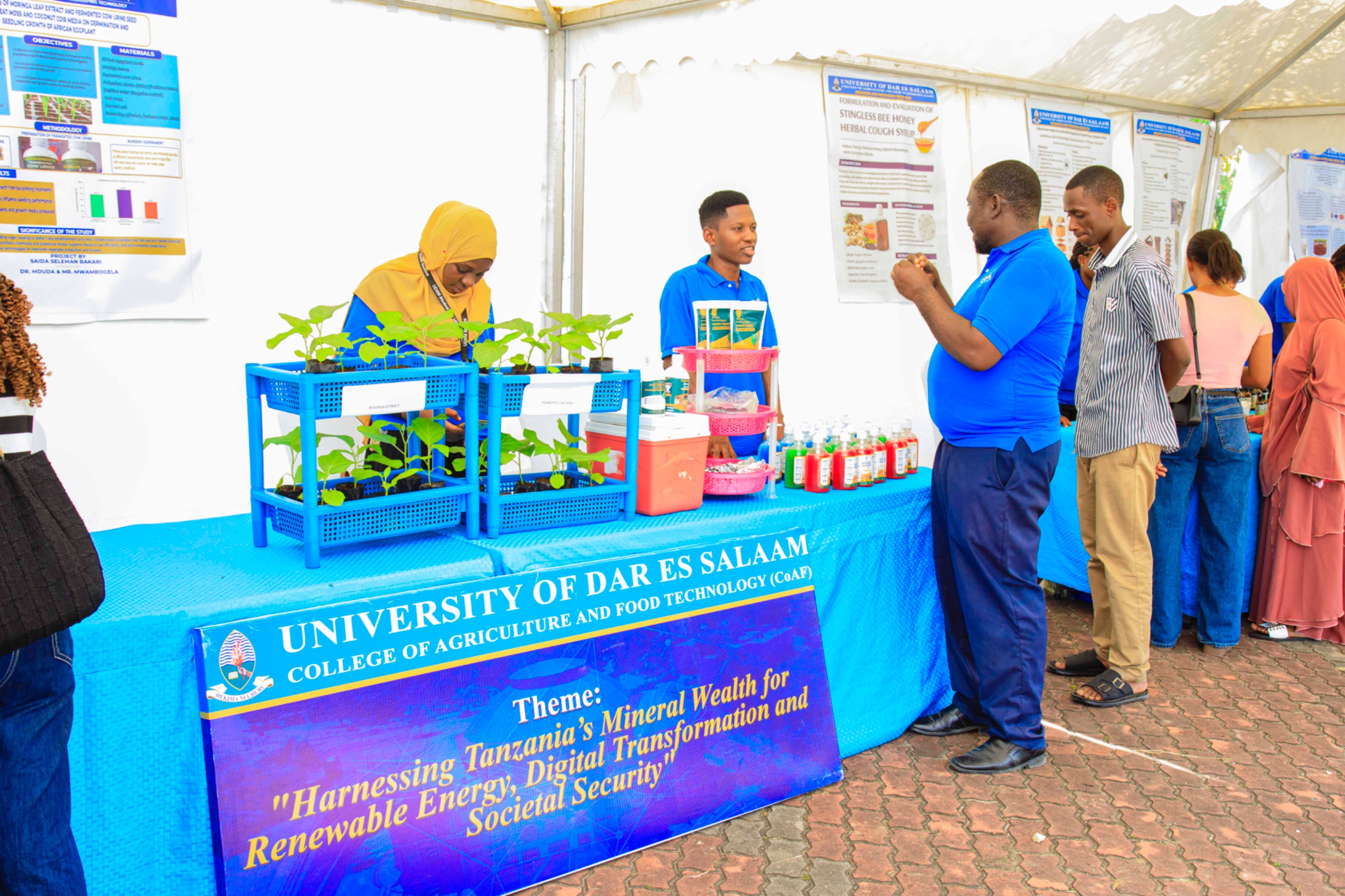
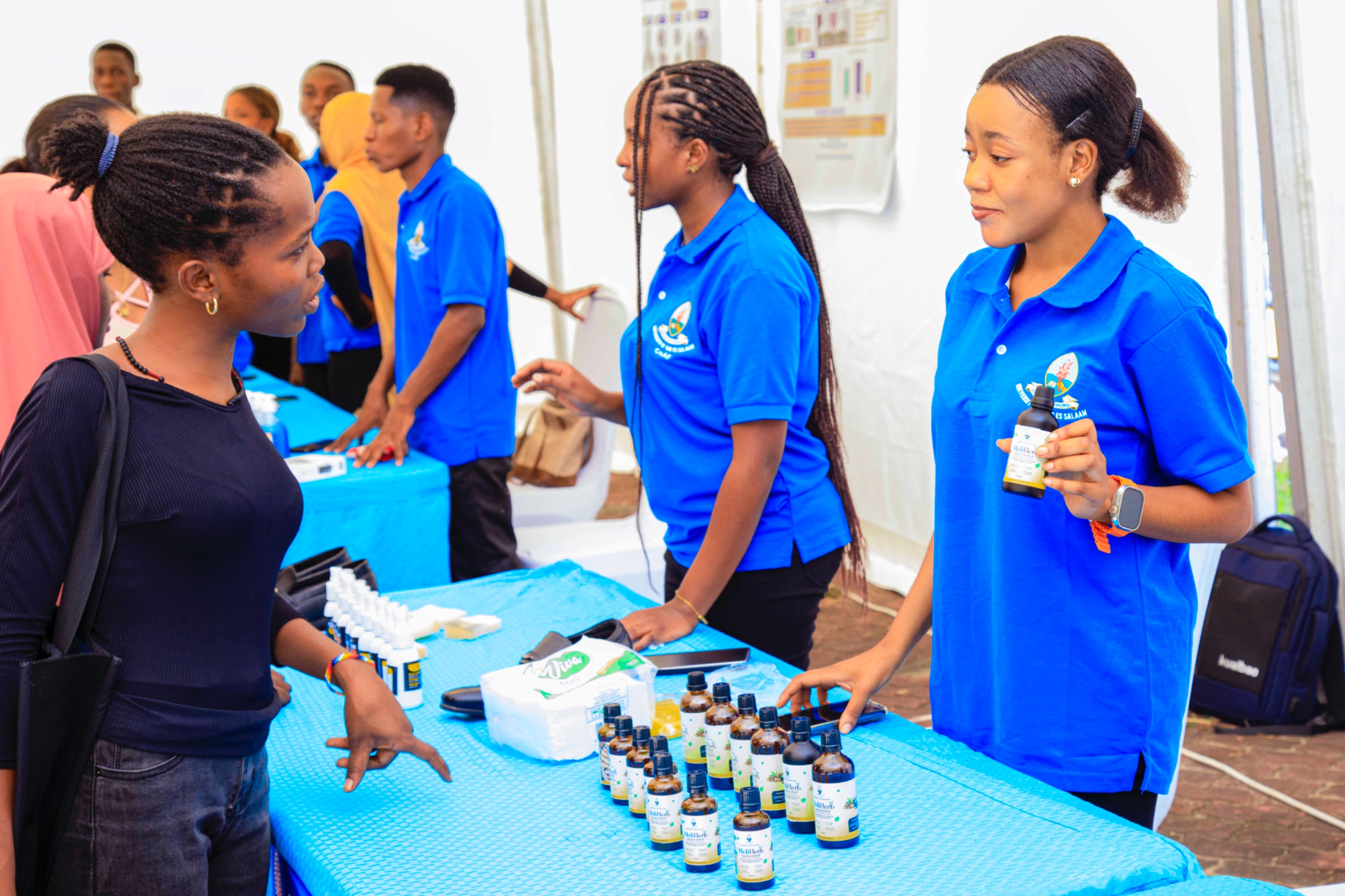
The Principal of the College of Agricultural Sciences and Food Technology (CoAF), Dr. Mkabwa Manoko said the college continues to prioritize research that directly responds to challenges affecting food production, nutrition and rural livelihoods.
“Research must move beyond laboratories and academic journals to become part of everyday community solutions. Through innovation in agriculture and food systems, we are contributing directly to food security, improved nutrition and sustainable livelihoods,” he said.
At the College of Agriculture and Food Science, researchers are showcasing innovations focused on modern farming methods, sustainable agriculture and balanced nutrition as key drivers of food security and community well-being. The college’s exhibitions demonstrate practical approaches aimed at improving food production and promoting healthier lifestyles within communities.
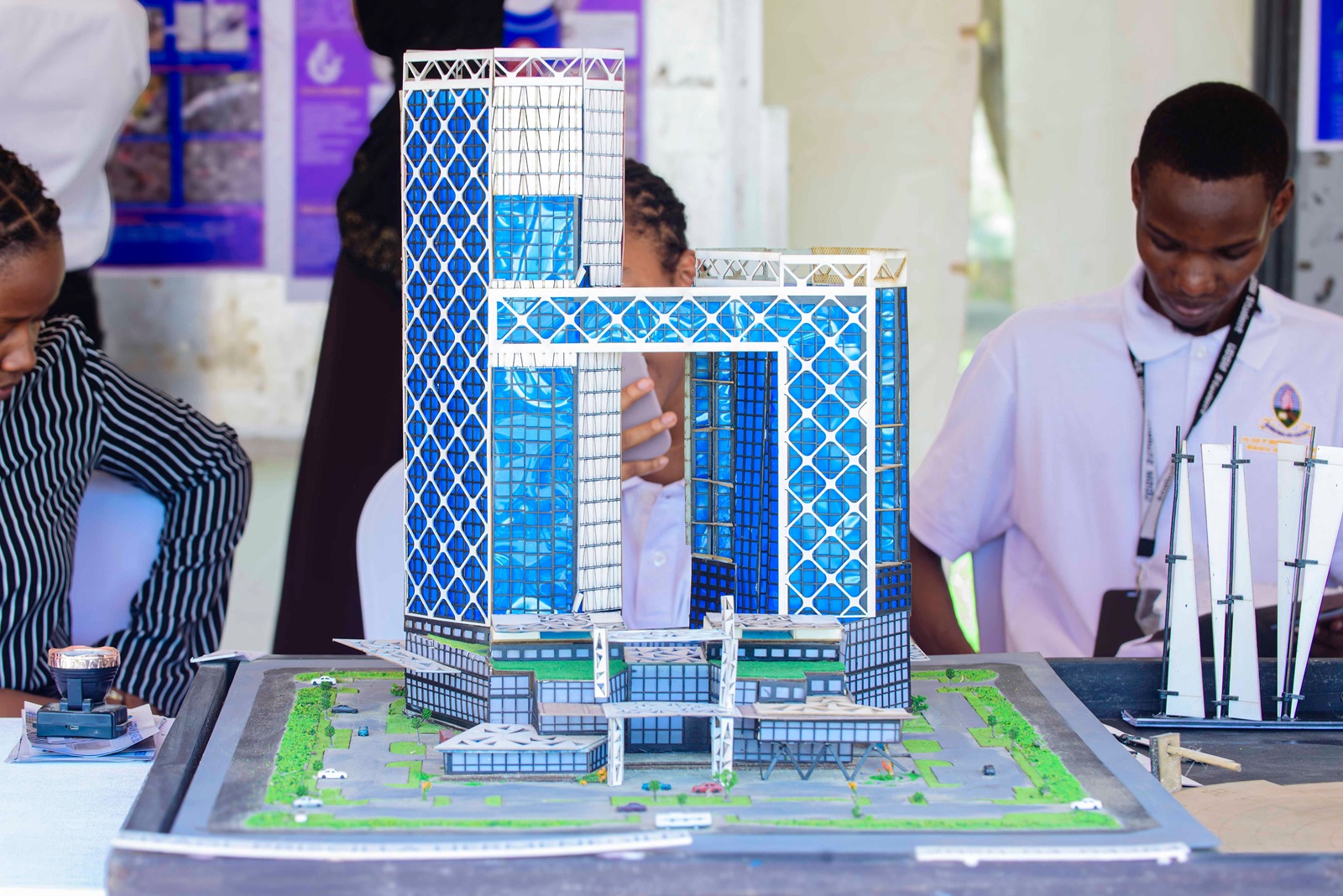
Meanwhile, the College of Engineering and Technology (CoET) has attracted attention through advanced engineering innovations and industrial technologies developed by students and researchers from various departments, including structural, electrical, chemical, geotechnical and mechanical engineering.
Among the featured innovations is a rechargeable cooker that uses natural circulation of oil for sensible heat storage, an initiative designed to provide alternative energy solutions for rural communities facing electricity challenges. Researchers say such technologies have the potential to improve energy accessibility while reducing dependence on conventional energy sources.
The Principal of the College of Engineering and Technology, Dr. Innocent Macha noted that universities must continue producing innovations capable of solving real industrial and community problems.
“Engineering education today must produce innovators and problem-solvers who can respond to the changing needs of society. The innovations being showcased here demonstrate the creativity, technical competence and industry relevance of our students and researchers,” he said.
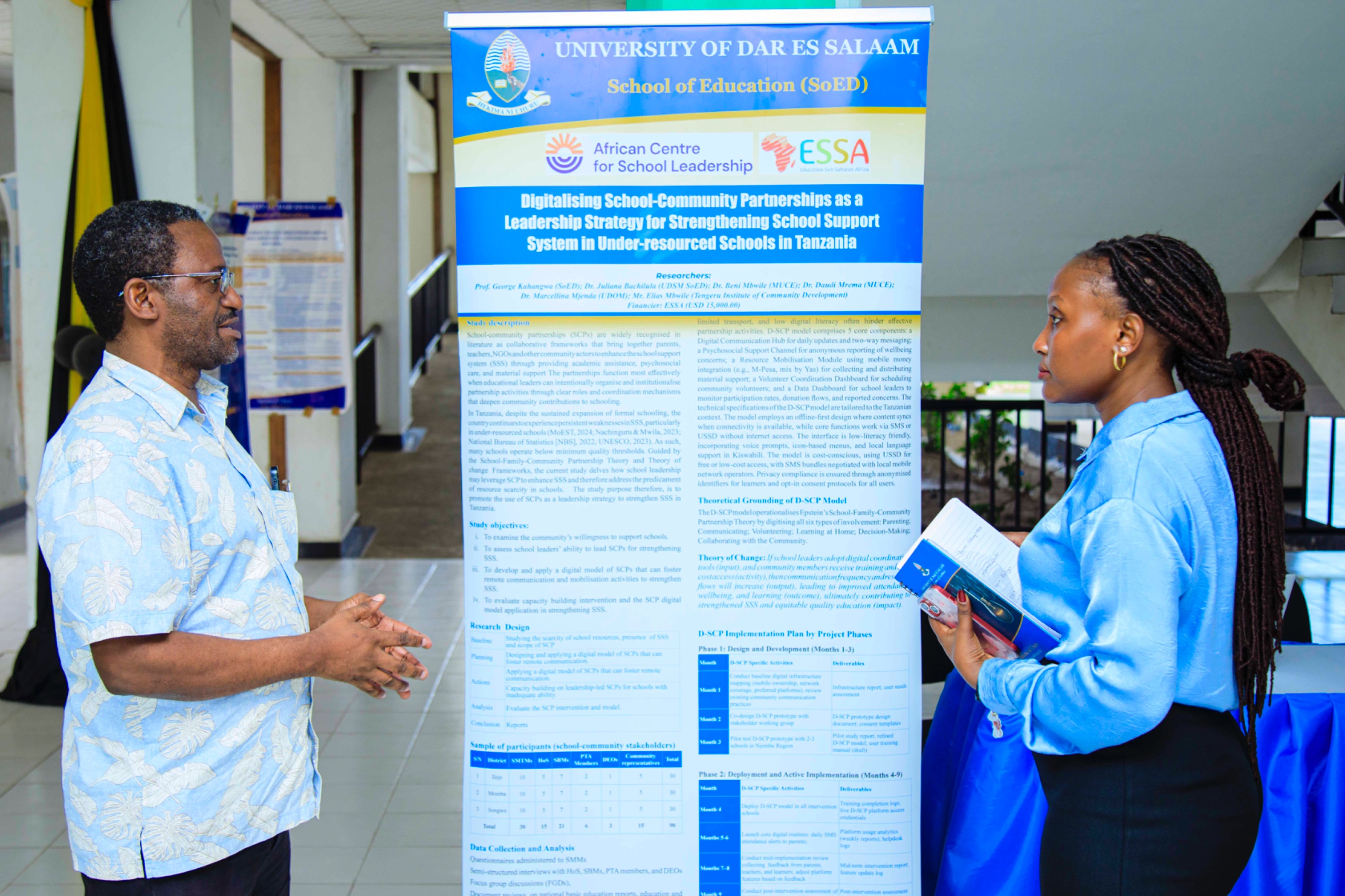
The School of Education is using the platform to advocate for improved quality education from primary school to higher learning institutions. Research presentations from the school focus on modern teaching methods, curriculum development and innovative learning systems aimed at preparing future generations for an increasingly technology-driven world.
At the School of Education (SoED), researchers emphasized the importance of aligning education systems with emerging technological and societal changes.
“Education remains the foundation of national development. Through research and innovation, we are exploring better ways of teaching, learning and preparing young people to thrive in a rapidly evolving digital world,” said one of the researchers at SoED.
Powerful tools for communicating social realities
At the College of Humanities, researchers and artists are demonstrating how arts and creative expression continue to serve as powerful tools for communicating social realities, emotions and cultural identity within society.
Through creative works, performances and cultural exhibitions, the college is showcasing how art can effectively communicate messages of hope, identity, social transformation and national values.
One of the highlighted initiatives is the Influence of Khanga Project, which explores how traditional cultural fabrics can be used to promote mineral wealth awareness, digital transformation, tourism and community security in Tanzania.
Researchers at the College of Humanities said arts and humanities research remains essential in shaping values, preserving culture and strengthening national identity.
“Innovation is not limited to science and technology alone. Creative arts and humanities research help society reflect on its values, identity and collective future while promoting social cohesion and cultural understanding,” one of them said.
Researchers from the social sciences and climate-related disciplines are also presenting studies on climate change, geography, history and human behaviour, emphasizing the importance of research-based understanding in shaping sustainable communities and informed policy decisions.
Exhibiting scientific experiments, laboratory innovations and research findings
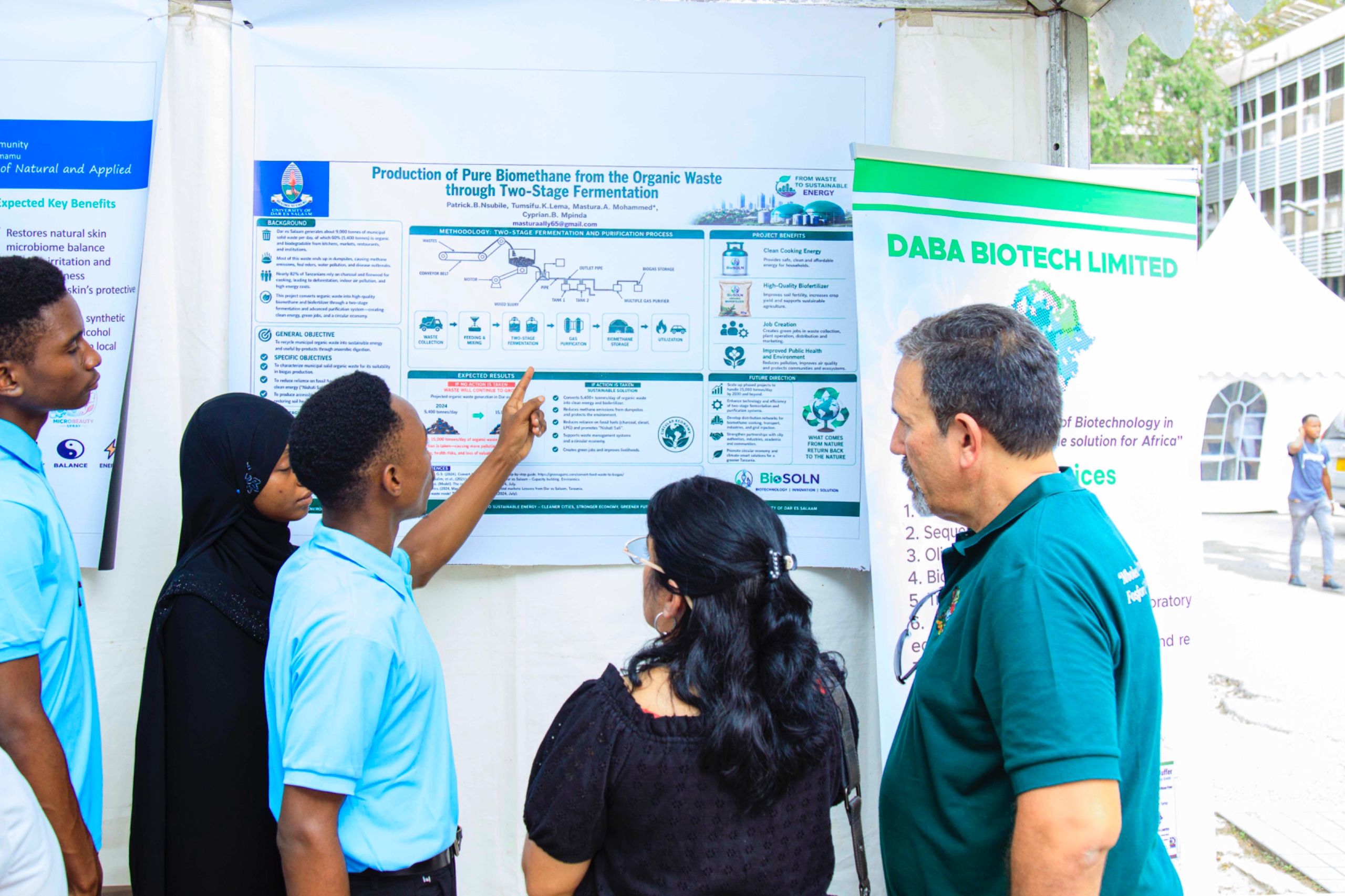
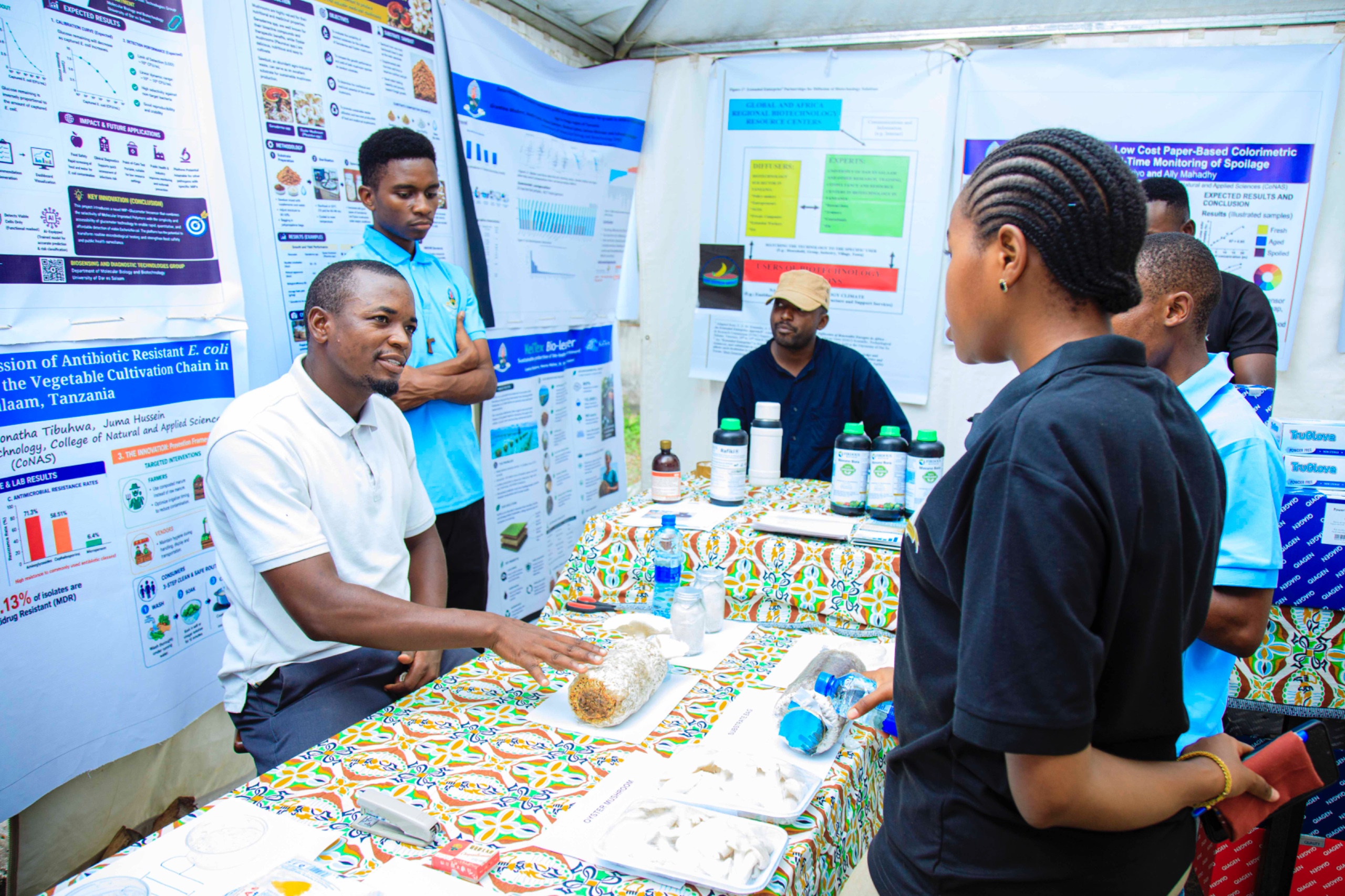
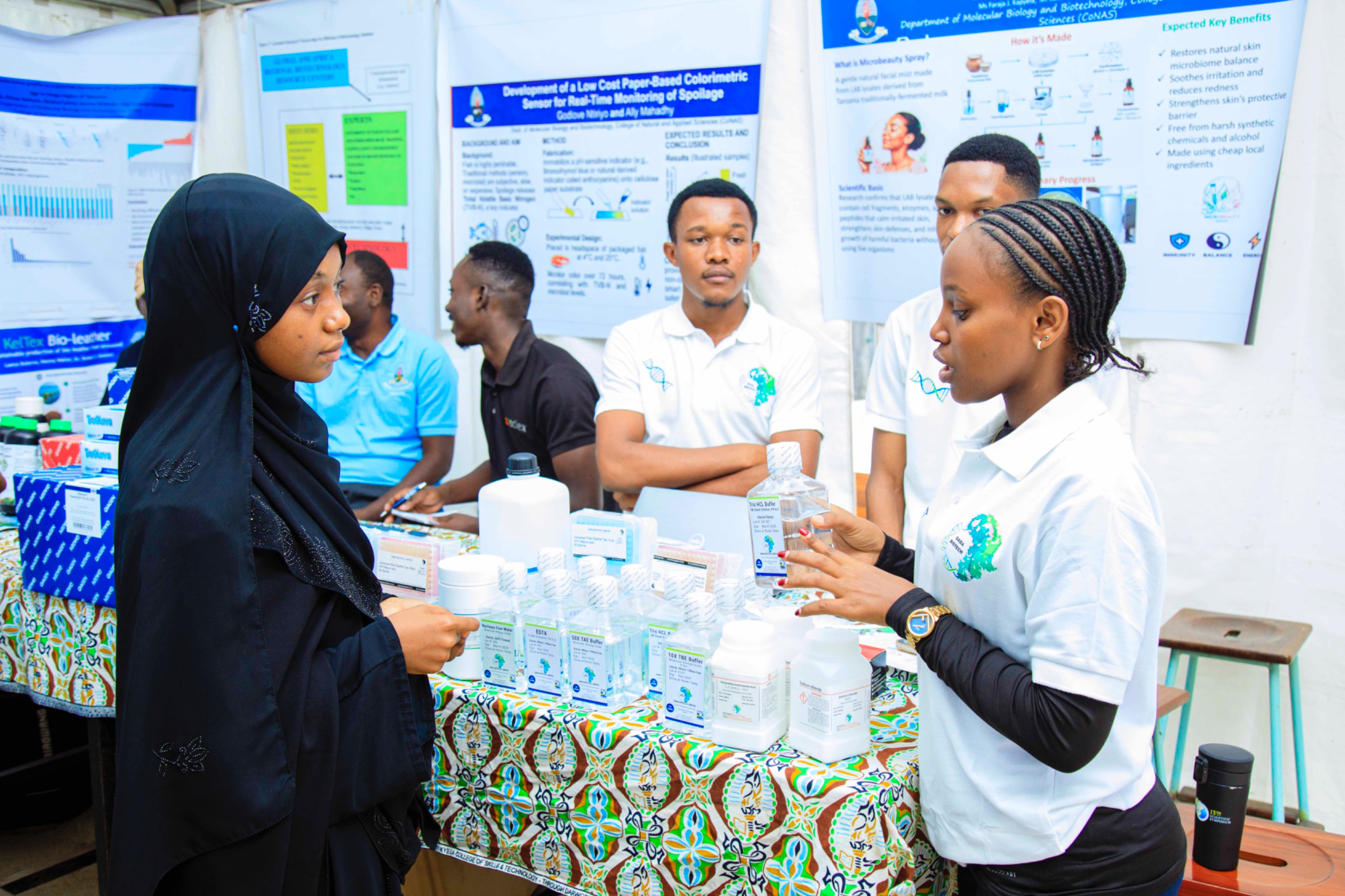
At the College of Natural and Applied Sciences, departments including zoology, botany, chemistry, physics and biology are exhibiting scientific experiments, laboratory innovations and research findings aimed at strengthening scientific knowledge and advancing technological solutions to contemporary challenges.
The Principal of the College of Natural and Applied Sciences (CoNAS), Prof. Flora Magige noted that scientific research continues to play a crucial role in addressing emerging global and national challenges.
“Scientific discoveries and innovations are central to improving health, environmental sustainability, industrial development and technological progress. Our responsibility as scientists is to develop knowledge that creates positive impact in society,” she said.
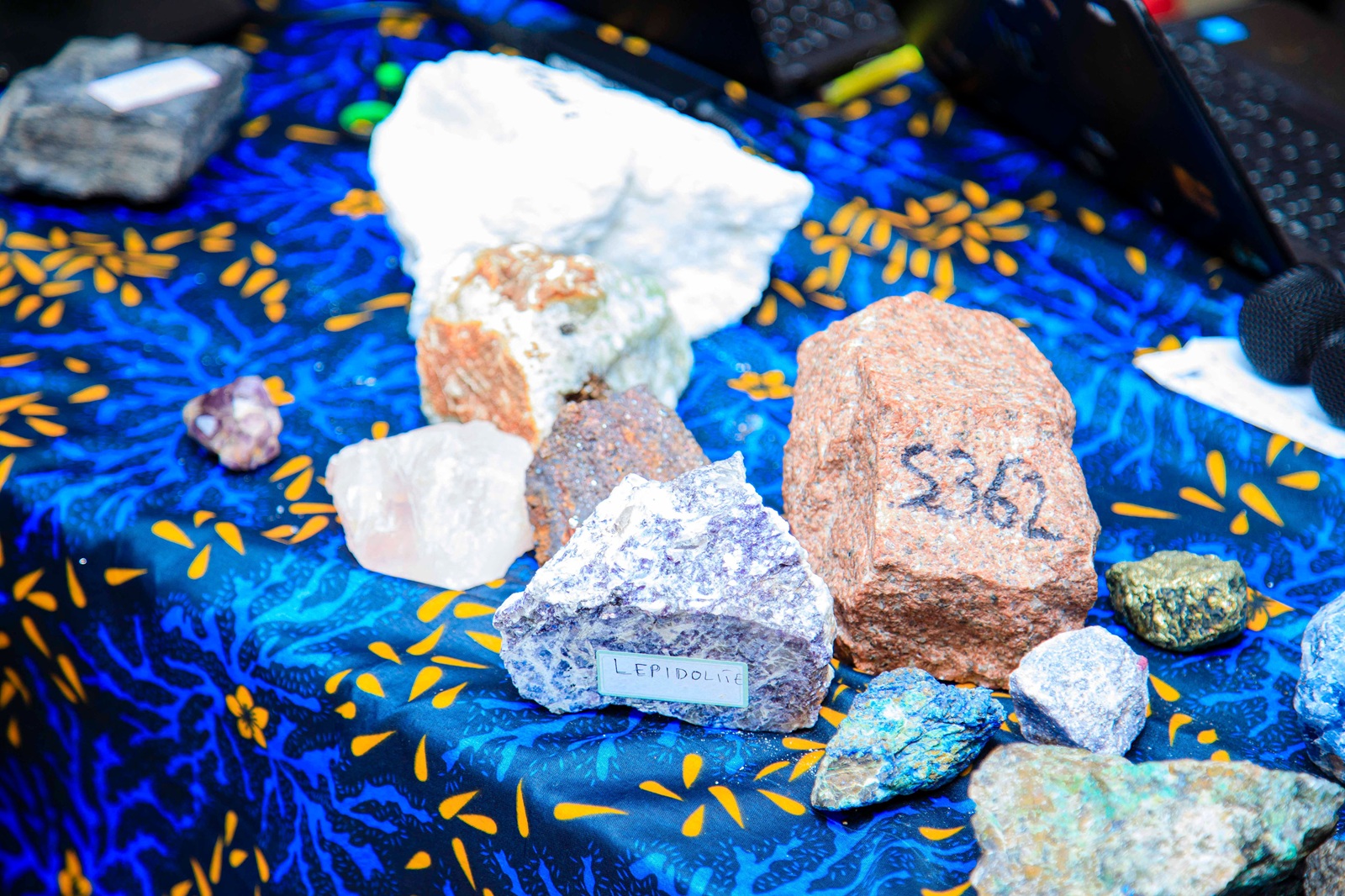
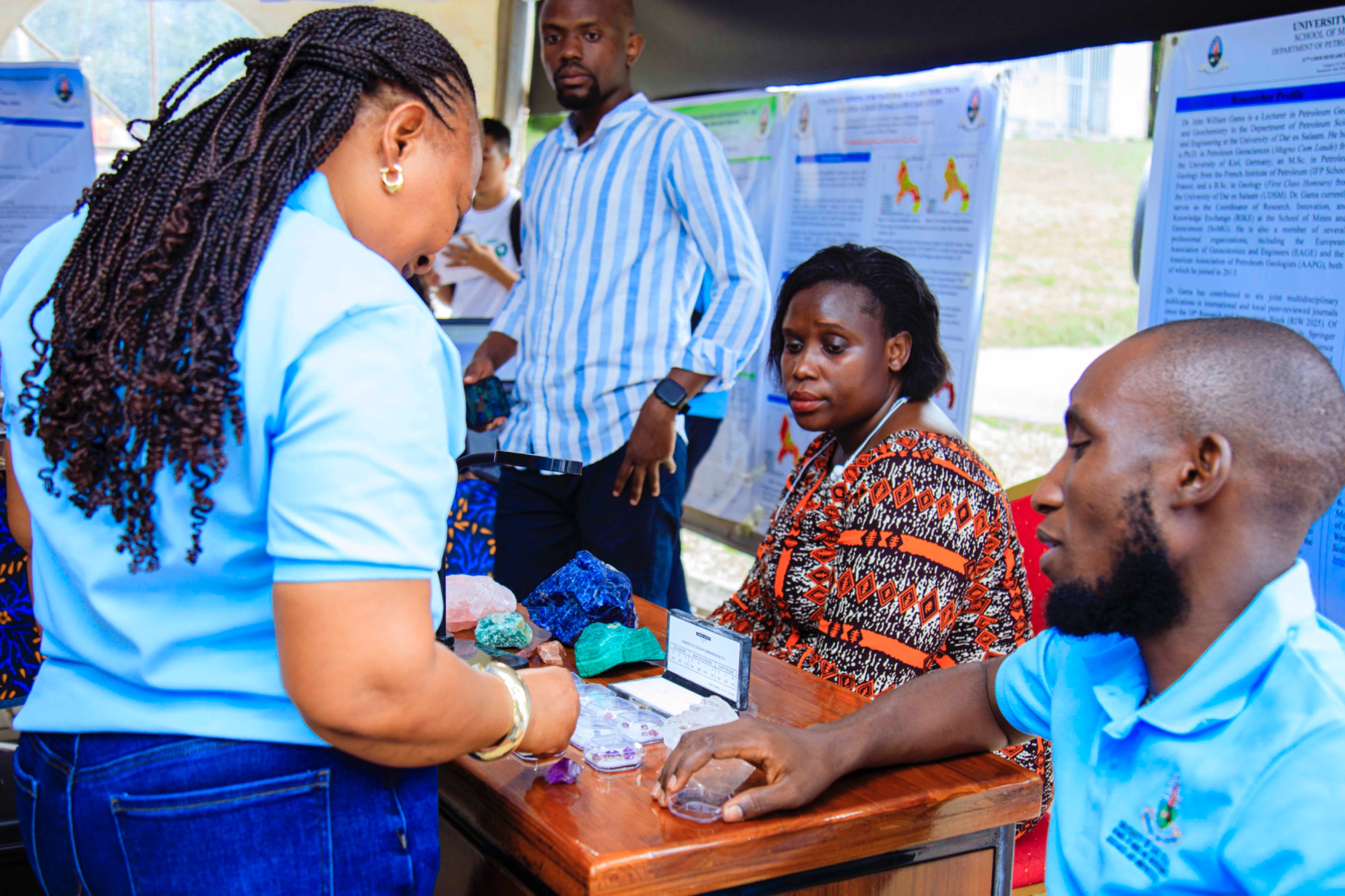
The School of Mines and Geosciences (SoMG) is also showcasing modern approaches to mineral extraction, mining technologies and sustainable resource management, with researchers emphasizing the need for responsible utilization of Tanzania’s mineral wealth to support economic growth while protecting the environment.
According to the Dean of SoMG, Prof. Elisante Mshiu, Tanzania’s mineral resources present enormous opportunities for innovation-driven economic transformation when managed sustainably and strategically.
“Mineral wealth should serve as a catalyst for industrial growth, renewable energy development and technological advancement. Research institutions have a critical role in ensuring that these resources are utilized responsibly for the benefit of present and future generations,” said Prof. Mshiu.
Participants described the exhibitions as an important platform for knowledge exchange, creativity and collaboration among researchers, students, industry stakeholders and the wider community.
The event has also created opportunities for young innovators to present their ideas, interact with experienced researchers and gain exposure to emerging technologies and research trends.
The 11th Research and Innovation Week further reflects UDSM’s continued commitment to promoting research excellence, technological advancement and innovation-driven development. Through sustained investment in research, academic collaboration and innovation, the university continues to position itself as a leading contributor to national transformation and sustainable development.
As activities continue across different university units, the event is expected to inspire greater interdisciplinary collaboration, strengthen innovative thinking and encourage the development of practical solutions capable of addressing emerging societal challenges and improving lives.