UDSM Equips Staff with Strategic Communication and Professional Storytelling for Institutional Visibility
By Renancy Remmy, CMU
The University of Dar es Salaam has stepped up efforts to strengthen institutional communication and digital visibility through a specialized strategic communication training aimed at enhancing staff capacity in professional storytelling, photography, Artificial Intelligence (AI) in journalism, and online communication management.
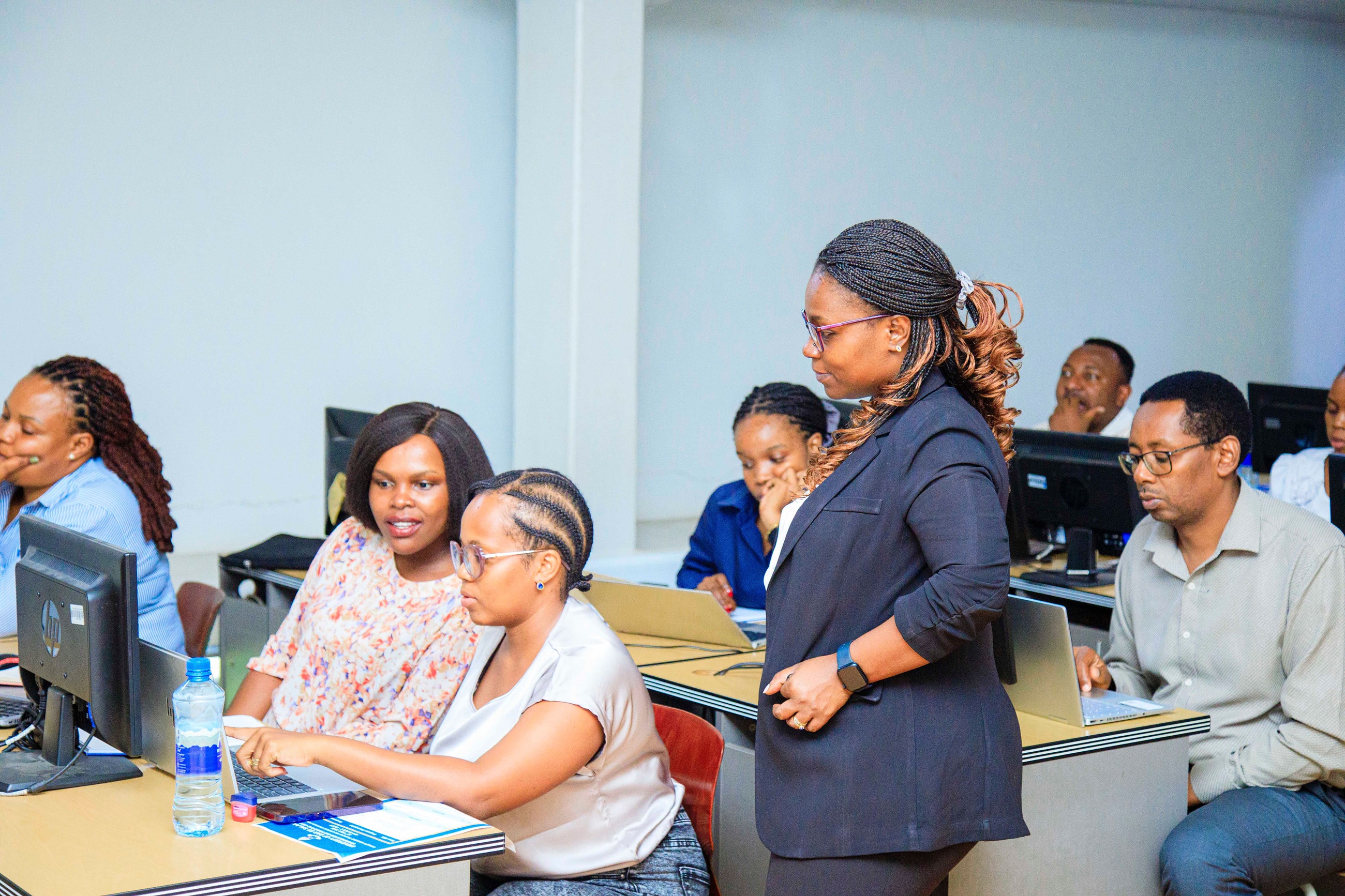
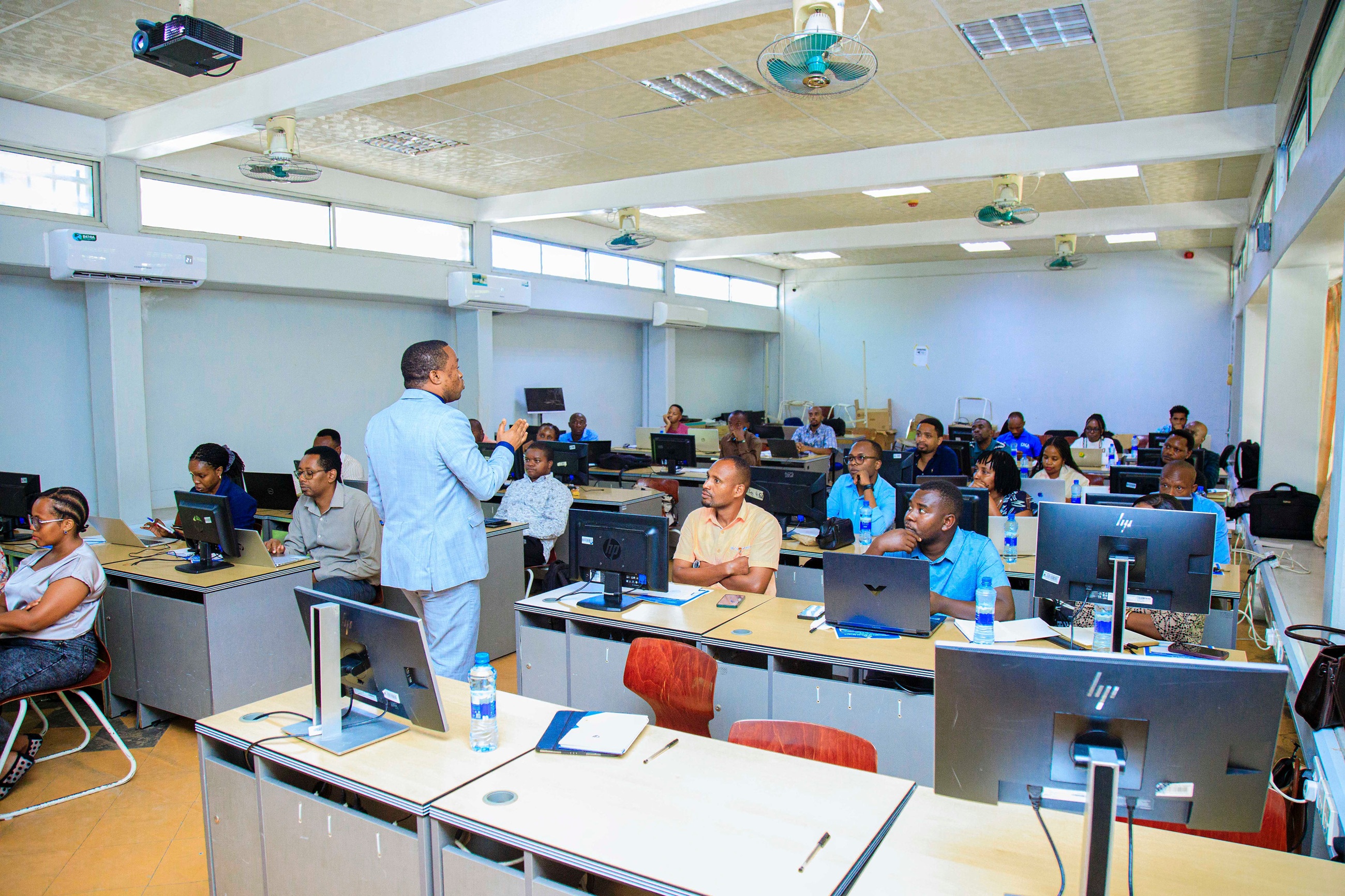
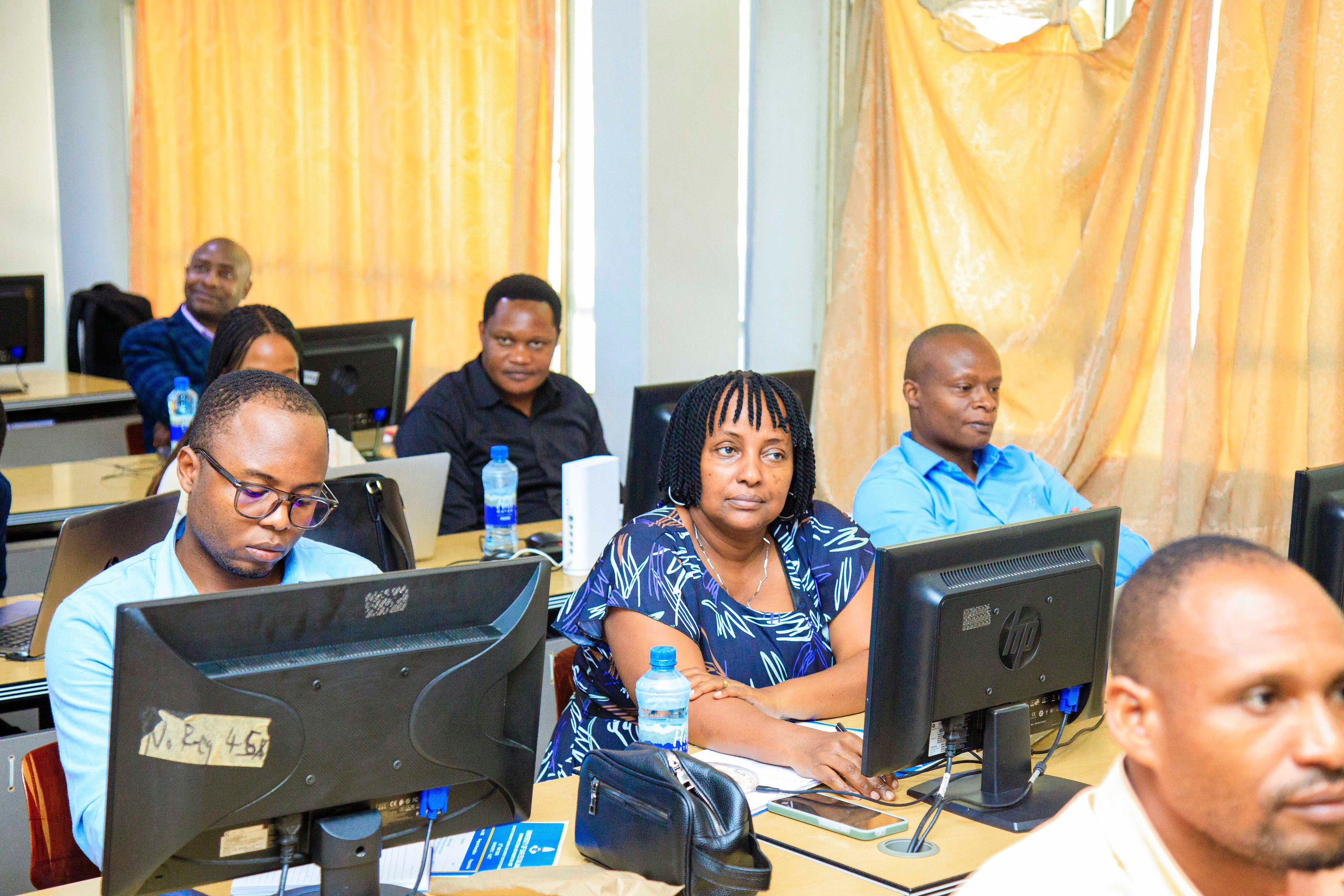
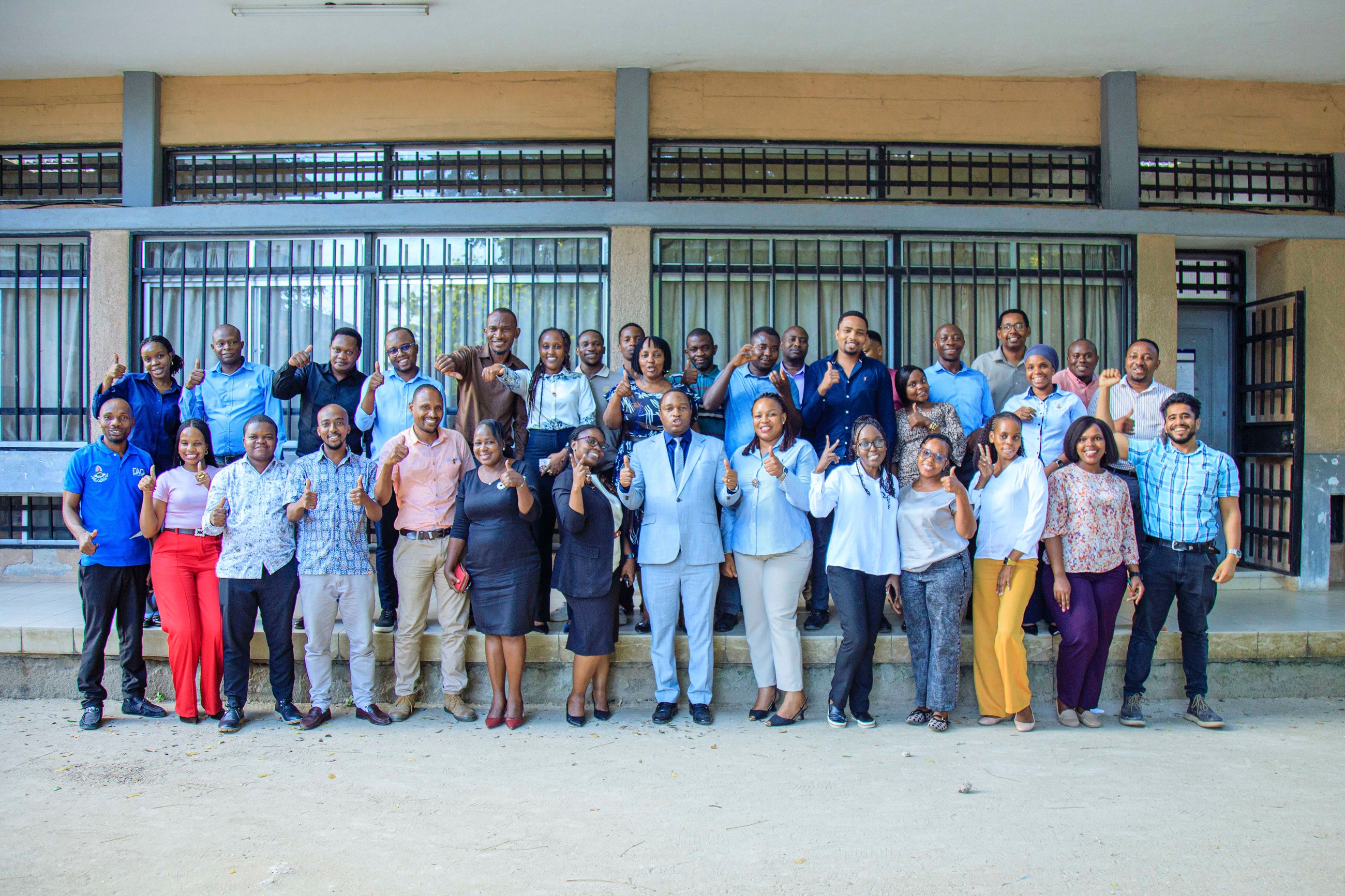
The training, organized by the university’s Communication and Marketing Unit (CMU) on May 13, 2026, brought together 35 staff members from various departments responsible for coordinating and disseminating content from their respective units.
The initiative, which was held at the College of Information and Communication Technologies (CoICT), sought to improve the quality, consistency, and impact of information shared across the university’s official communication platforms.
Designed as a practical and skills-oriented programme, the training focused on equipping participants with modern communication techniques to better document and showcase the university’s achievements in teaching, research, innovation, and community engagement to audiences both locally and internationally.
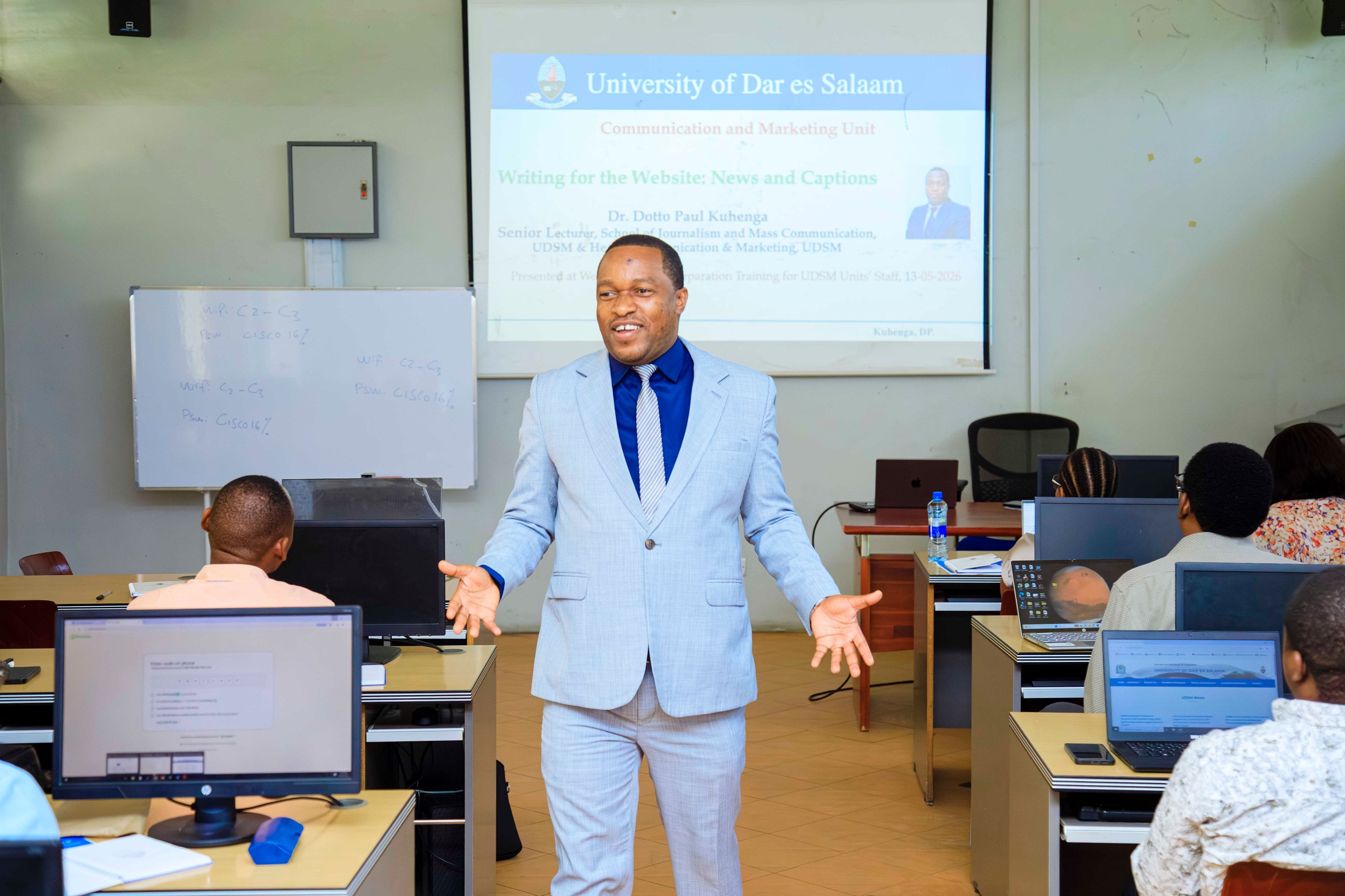
Speaking during this training, UDSM Head of Communication and Marketing, Dr. Dotto Paul Kuhenga, emphasized the importance of strategic communication in shaping institutional reputation and public engagement.
He noted that many significant achievements within the university often receive limited public attention due to weak communication practices, stressing that units must take deliberate steps to tell their own stories effectively.
“We should be proactive in communication and not passive,” he said, adding that effective storytelling and timely dissemination of information are essential for strengthening visibility, public trust, and stakeholder engagement.
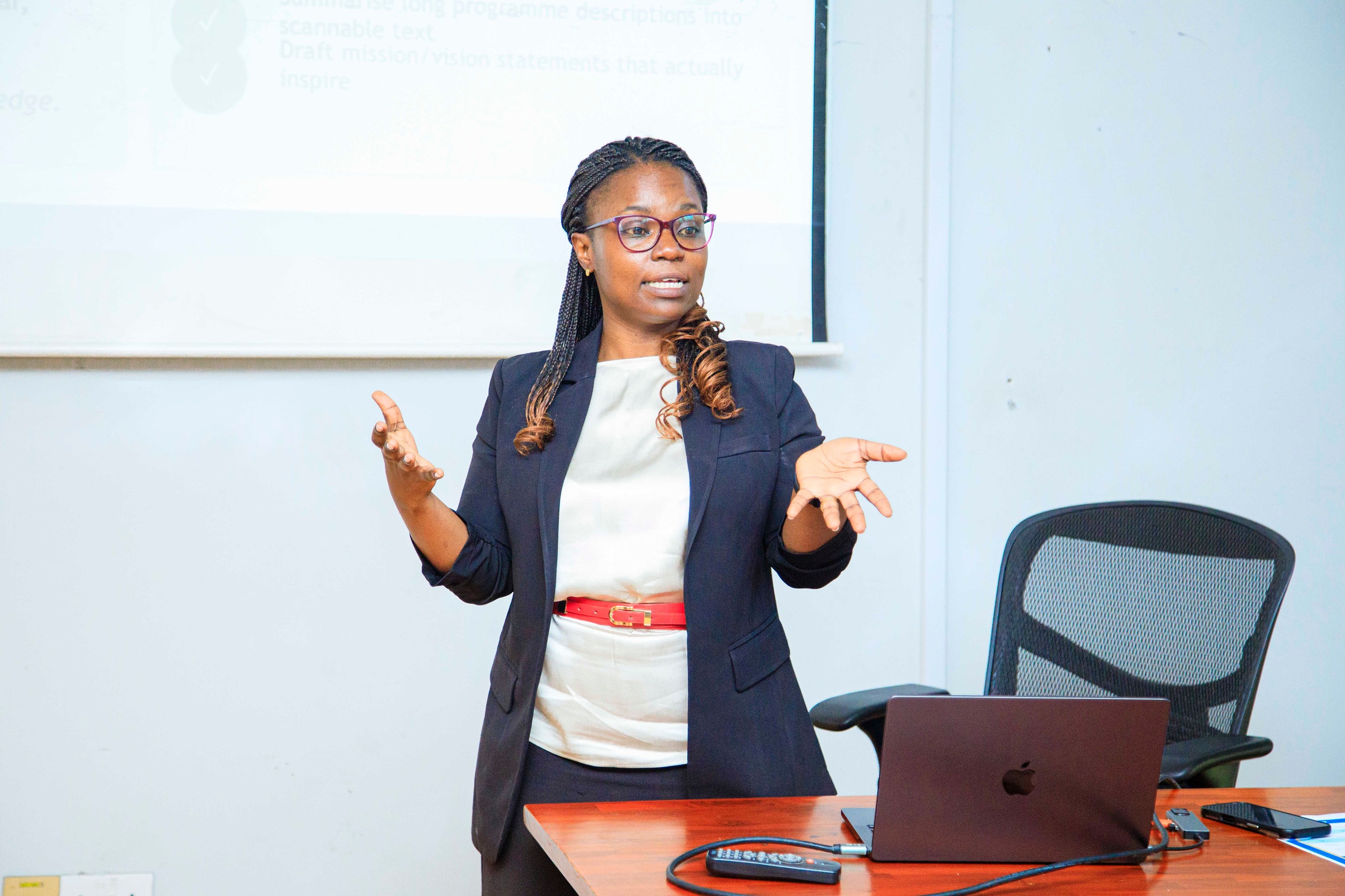
A major component of the training centred on journalism and institutional storytelling, where Dr. Kuhenga guided participants through professional news writing techniques tailored for university communication.
He emphasized the importance of crafting compelling leads, organizing stories using the inverted pyramid structure, and ensuring reports comprehensively address the key journalistic questions of who, what, where, when, why, and how.
Participants were also trained on the effective use of active voice, accurate caption writing, and reliance on credible internal sources to improve clarity, readability, and professionalism in university news stories.
Dr. Kuhenga noted that strong storytelling remains a critical tool for institutions seeking to communicate their impact more clearly and meaningfully.
Use of Artificial Intelligence (AI) in content creation
The programme also featured a session on the responsible use of Artificial Intelligence in content creation, facilitated by Dr. Salome Maro, the Director of Information and Communication Technology (DICT) at UDSM.
Dr. Maro explained how AI tools can support content creators by improving efficiency, accelerating workflow, and enhancing the quality of digital communication when used ethically and responsibly.
She further highlighted common mistakes frequently observed on the university website and explained how the training would help staff adopt proper formats and best practices for producing professional online content.
Dr Maro expressed confidence that continued collaboration between the Communication and Marketing Unit and the Directorate of Communication and Information Technology as well as with other units, would contribute significantly to improving the university’s digital communication systems and online presence.
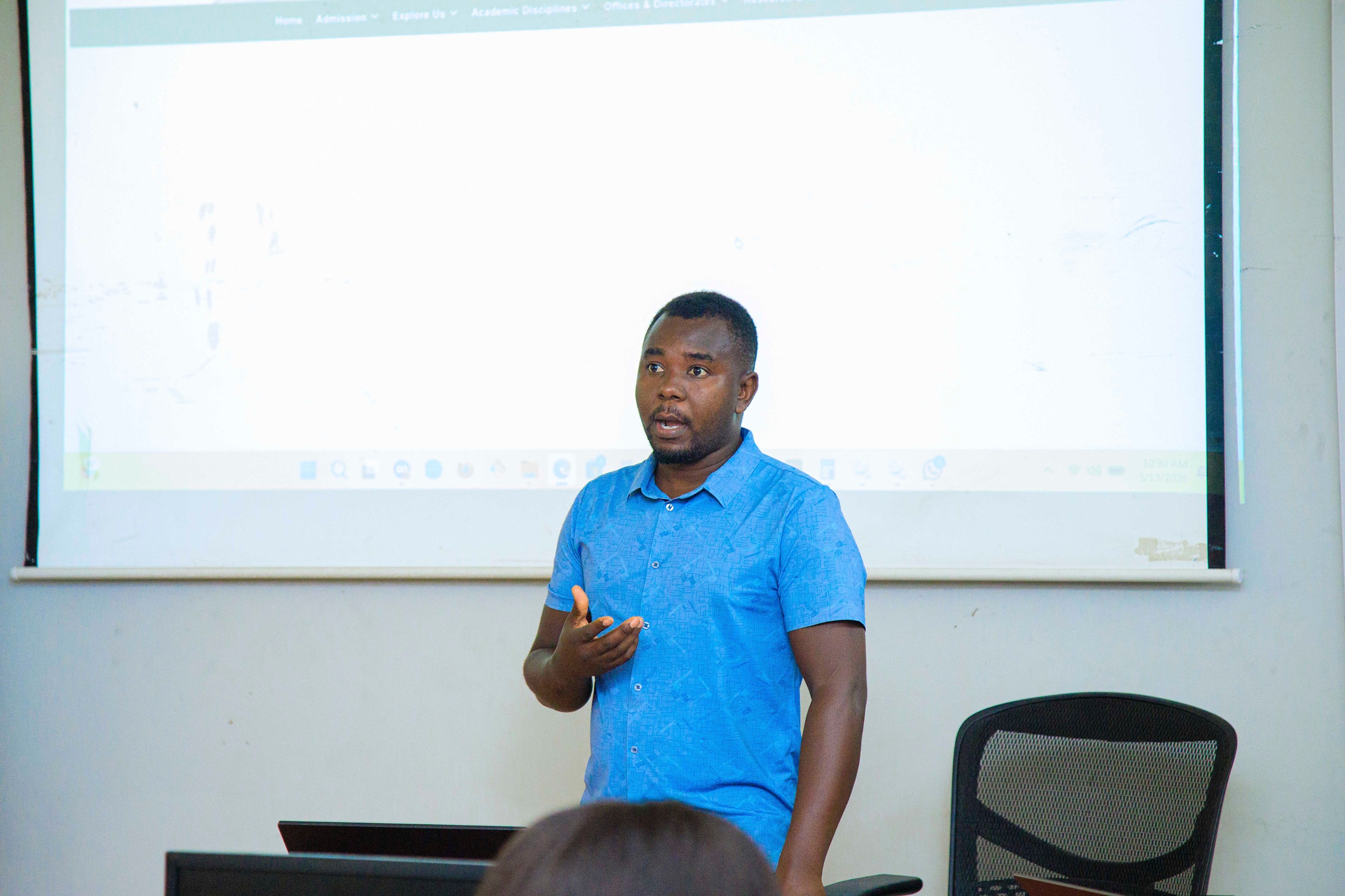
On website management and digital profiling, the University Webmaster Mr. Remmy Wilson trained participants on the importance of maintaining updated staff profiles on the university website, describing them as vital tools for institutional credibility, professional visibility, and stakeholder engagement.
He explained that accurate and regularly updated profiles not only strengthen the university’s online image but also provide important reference points for researchers, students, development partners, and other stakeholders seeking information about academic and professional expertise within the institution.
Photography for institutional storytelling
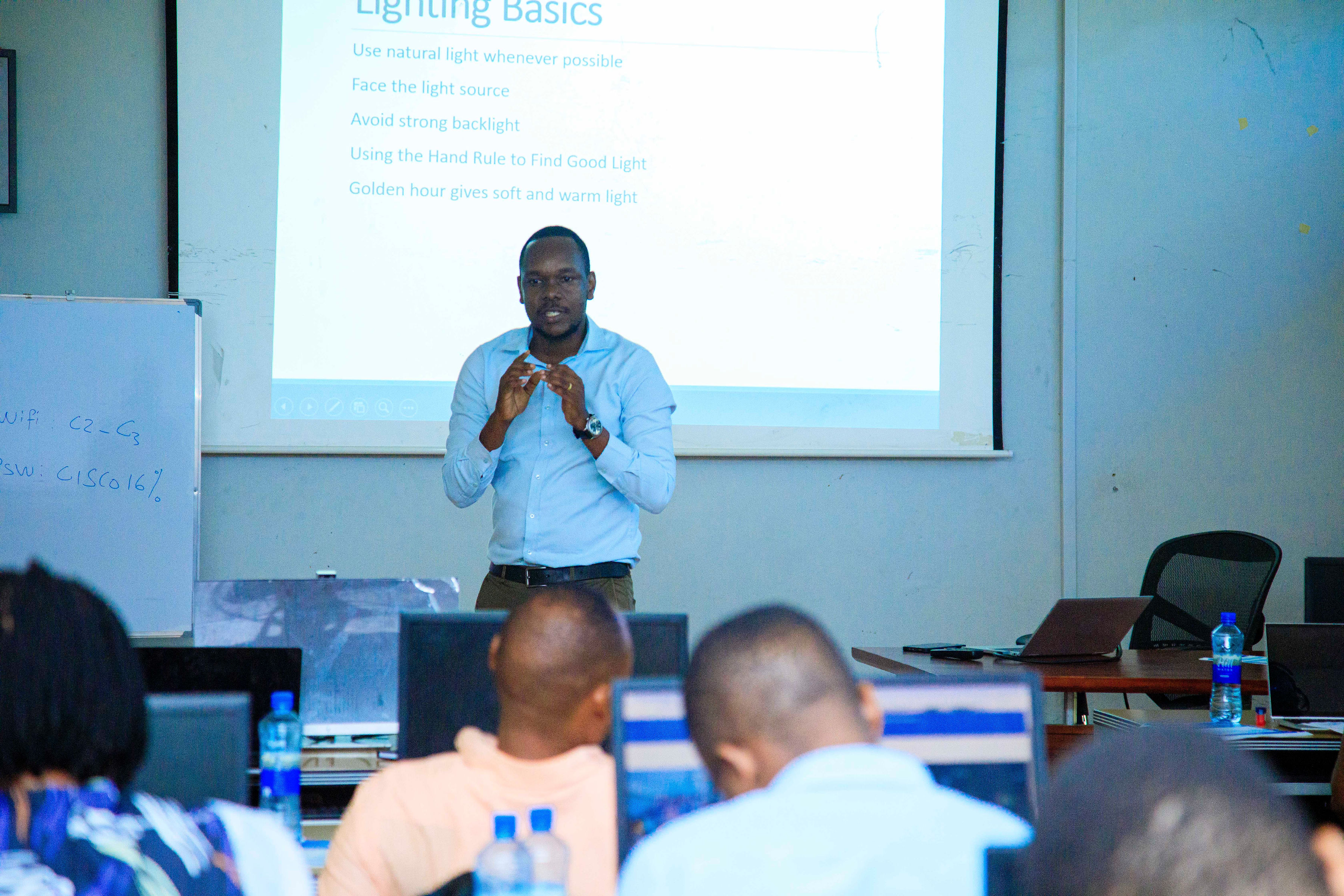
Adding a practical visual communication dimension to the programme, Mr. Dickens Kyamurusa, the University Photographer, conducted a session on photojournalism and photography for institutional storytelling, emphasizing the role of high-quality visuals in enhancing communication impact.
He guided participants through key photography principles including composition, framing, lighting, and effective image capture techniques, noting that strong visuals significantly improve audience engagement and complement written narratives.
“Anyone can take a photo, but not every photo tells the right story,” he said, stressing the importance of intentional and well-composed photography in producing meaningful content for official platforms.
Participants described the training as timely and highly impactful, saying it had strengthened their understanding of professional communication and enhanced their confidence in documenting and communicating activities within their respective units.
The initiative is expected to bring tangible improvements in the way university content is produced, packaged, and disseminated across multiple platforms, while also strengthening coordination and consistency in institutional messaging.
This training marks another strategic step by UDSM toward building a stronger communication culture, improving its digital presence, and amplifying the visibility of the university’s contributions to academia, research, innovation, and national development.