

UDSM Council Strengthens Governance Oversight to Unlock Nzega Campus as a National Mining Hub
By Jackson Isdory, CMU
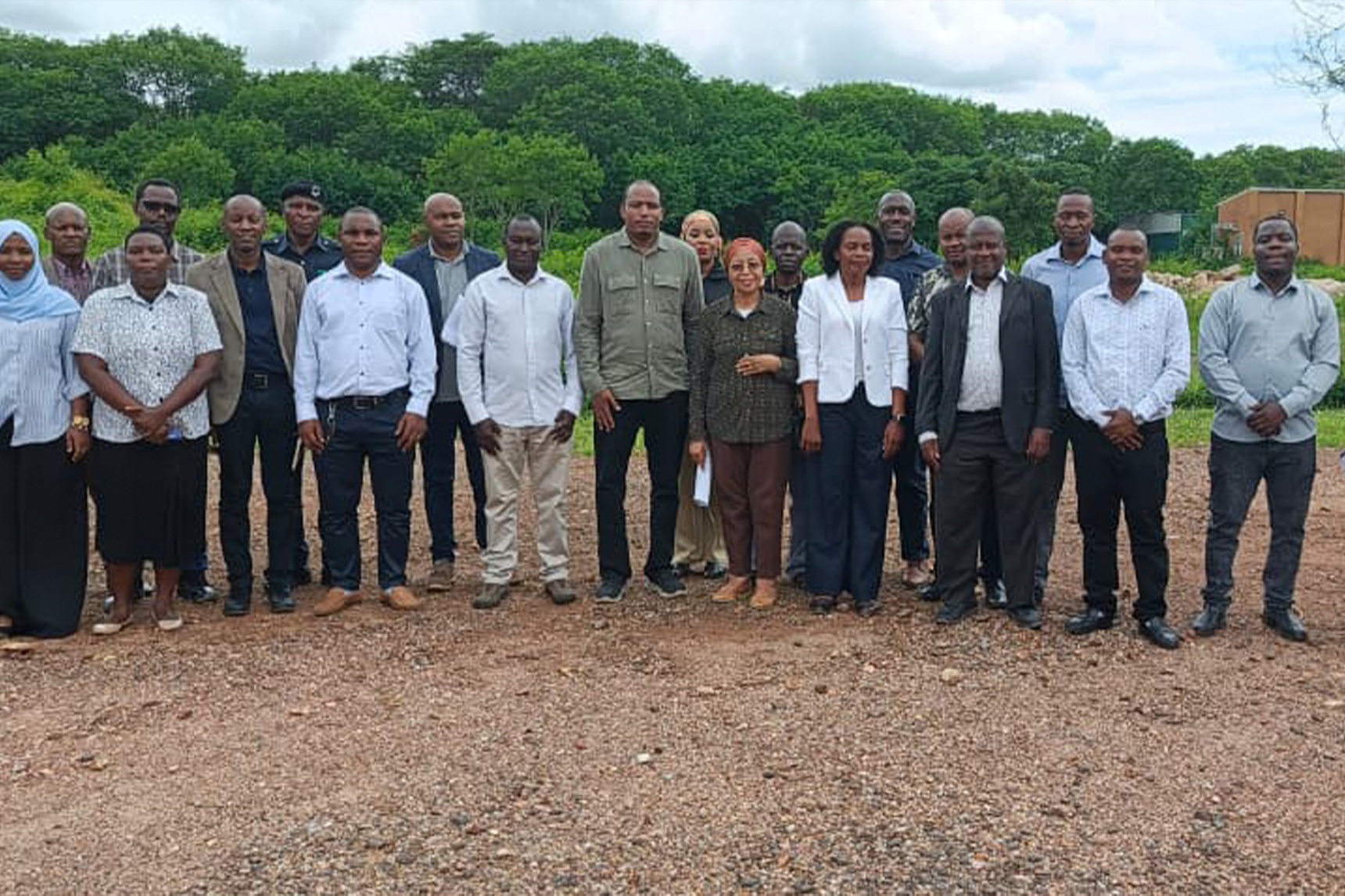
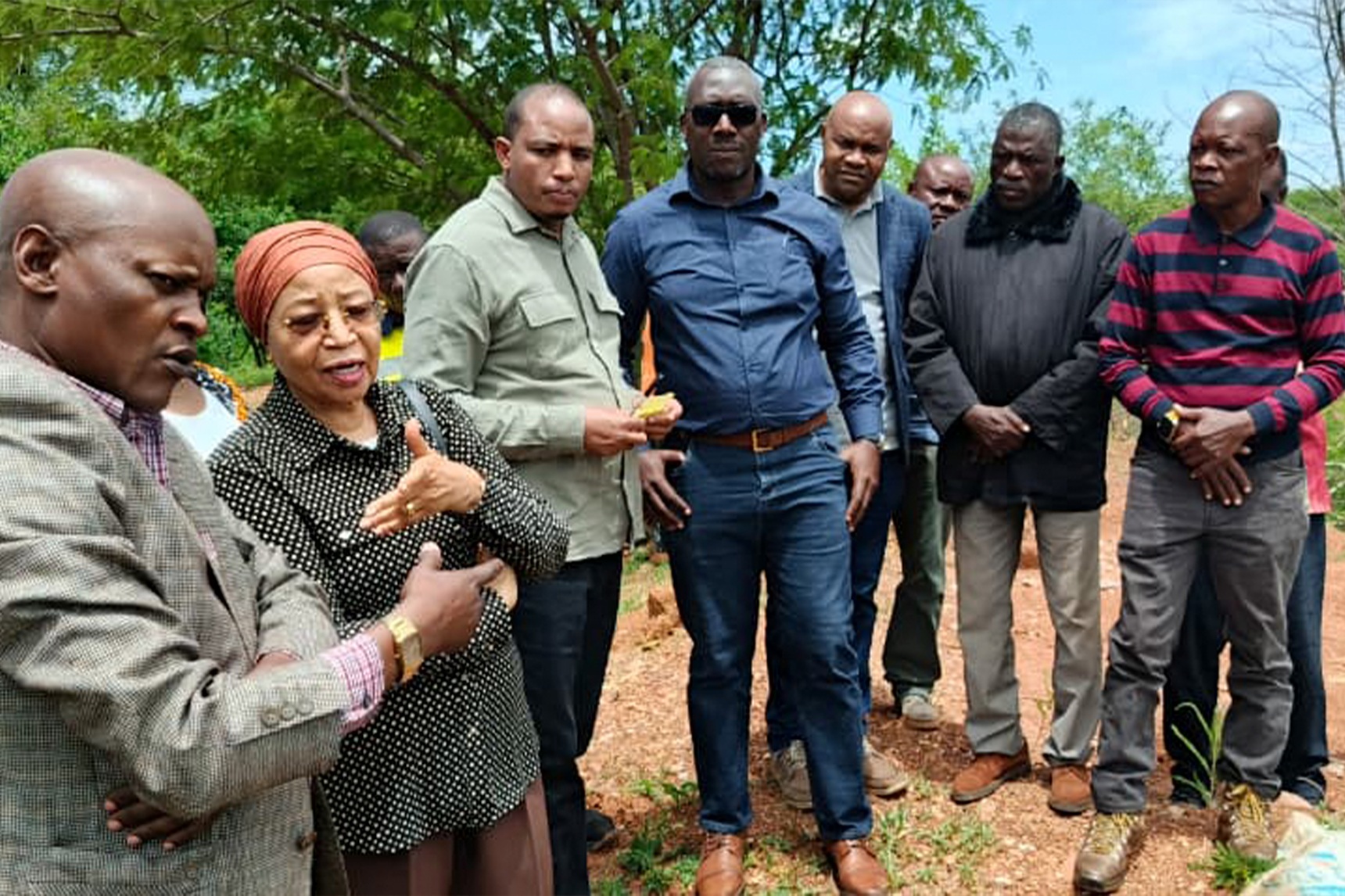
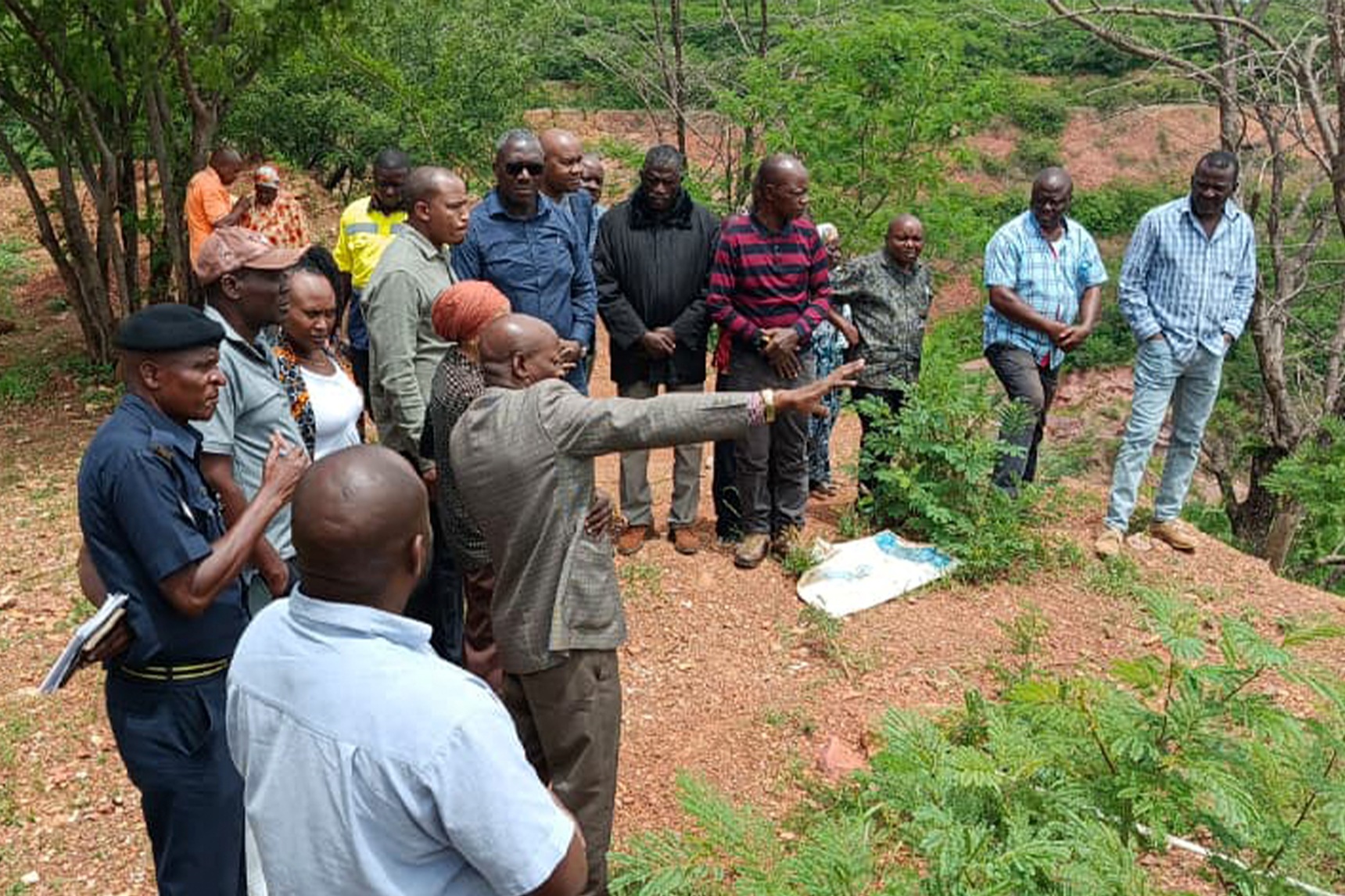
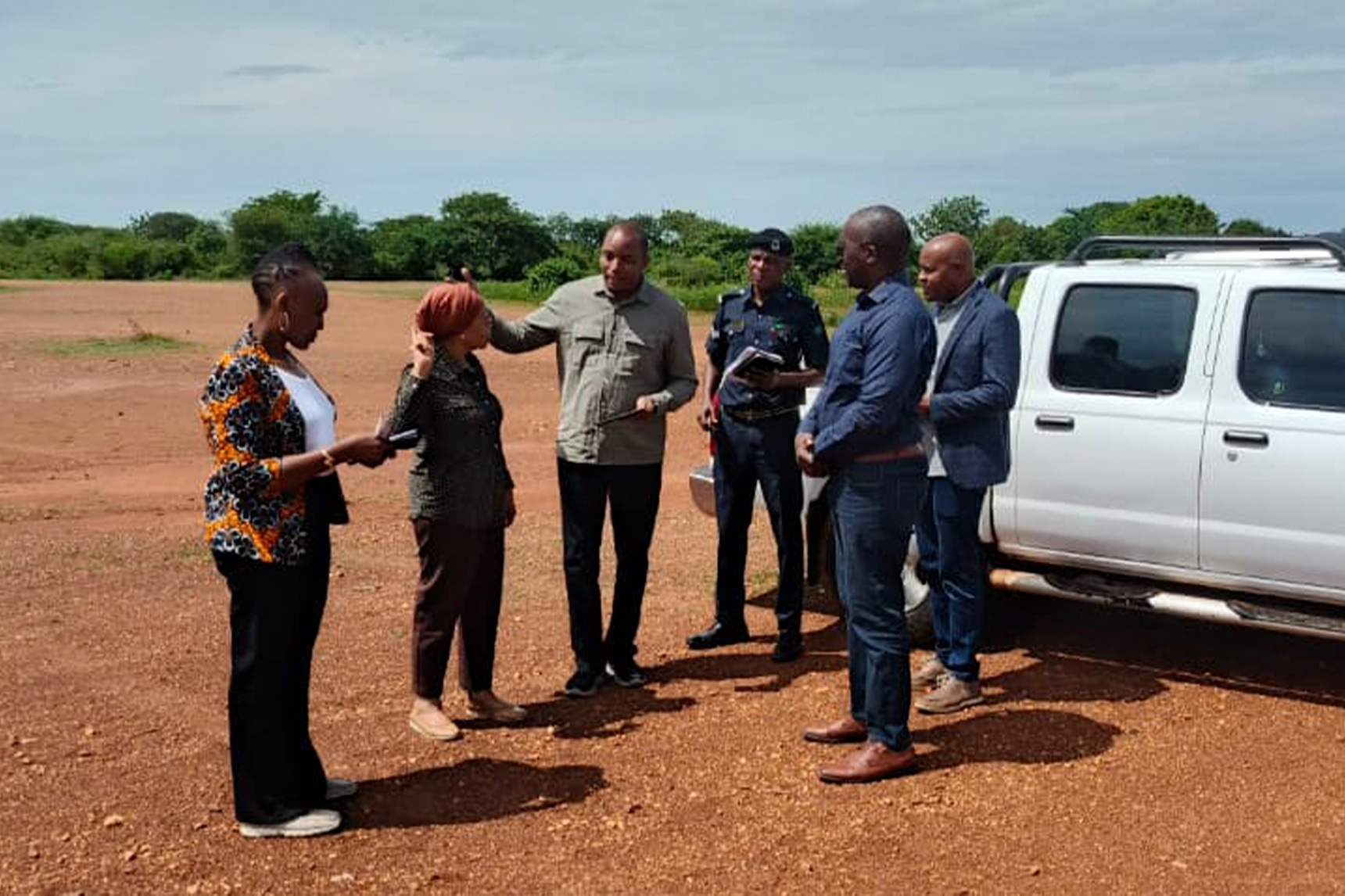
The University of Dar es Salaam (UDSM) has reaffirmed its commitment to prudent asset stewardship, strategic investment, and national development following a high-level governance visit by the Chairperson of the University Council, Hon. Ambassador Mwanaid Maajar, to the Mineral Resources Institute (MRI) – Nzega Campus recently.
The visit underscored the Council’s mandate as the supreme custodian of all University assets and served as a strategic oversight engagement aimed at aligning institutional resources with Tanzania’s development priorities, particularly within the extractive and mining value chain.
Ambassador Maajar was accompanied by the Chief Corporate Counsel and Secretary to Council, Prof. Saudin Mwakaje, and the Director of Planning, Development and Investment, Prof. Siasa Mzenzi. The delegation was received by the Director of MRI, Engineer Elvanus Kapira, together with campus management.
Addressing stakeholders, Ambassador Maajar emphasised that the Council’s presence at Nzega reflects a deliberate governance approach focused on optimising University land and infrastructure to deliver academic excellence, socio-economic transformation, and measurable public value.
“The Council remains resolute in ensuring that all University assets are protected, strategically utilised, and aligned with national development imperatives. The Nzega Campus presents a unique opportunity to integrate training, research, innovation, and community empowerment within the mining sector,” she stated.
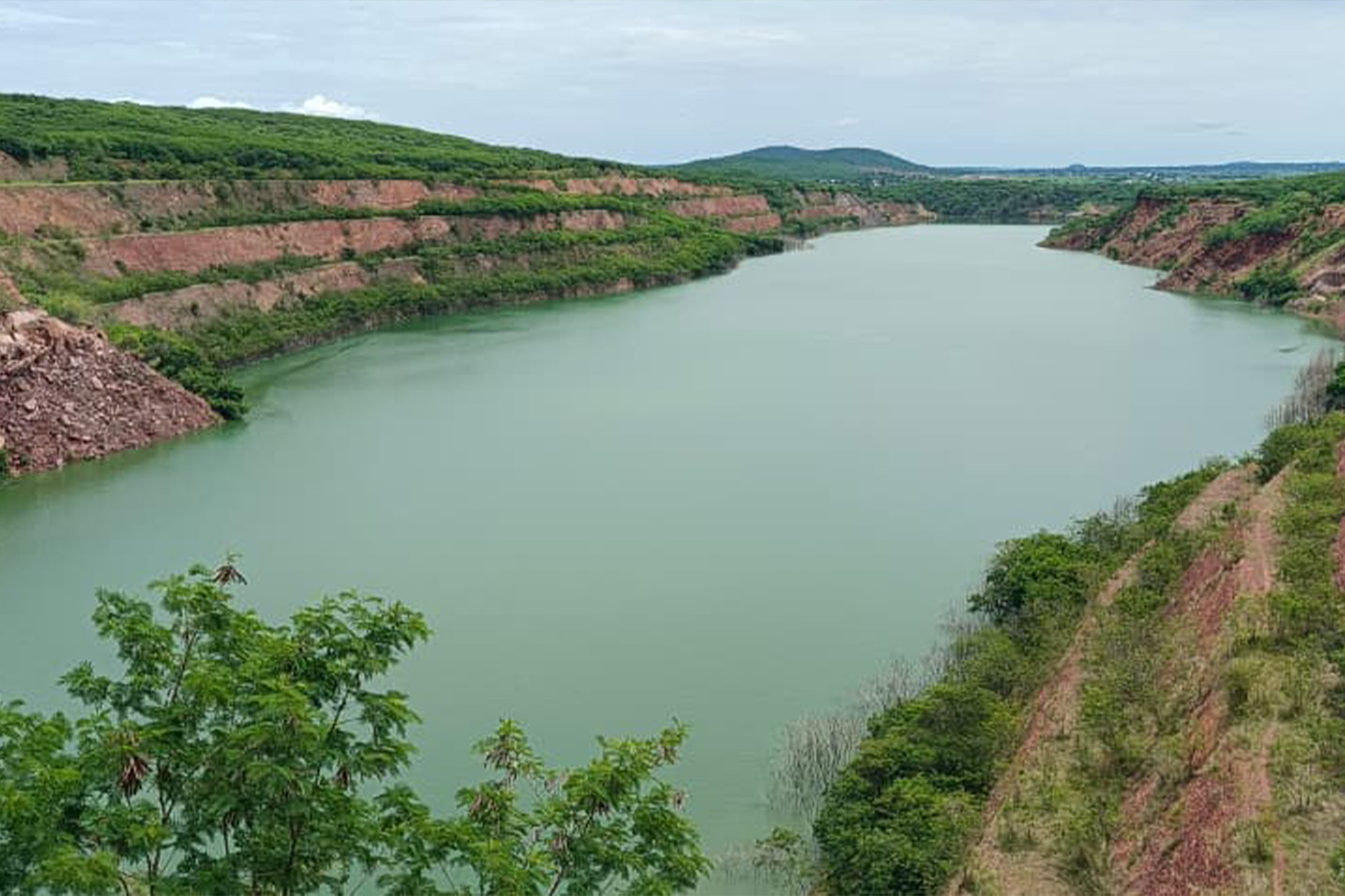
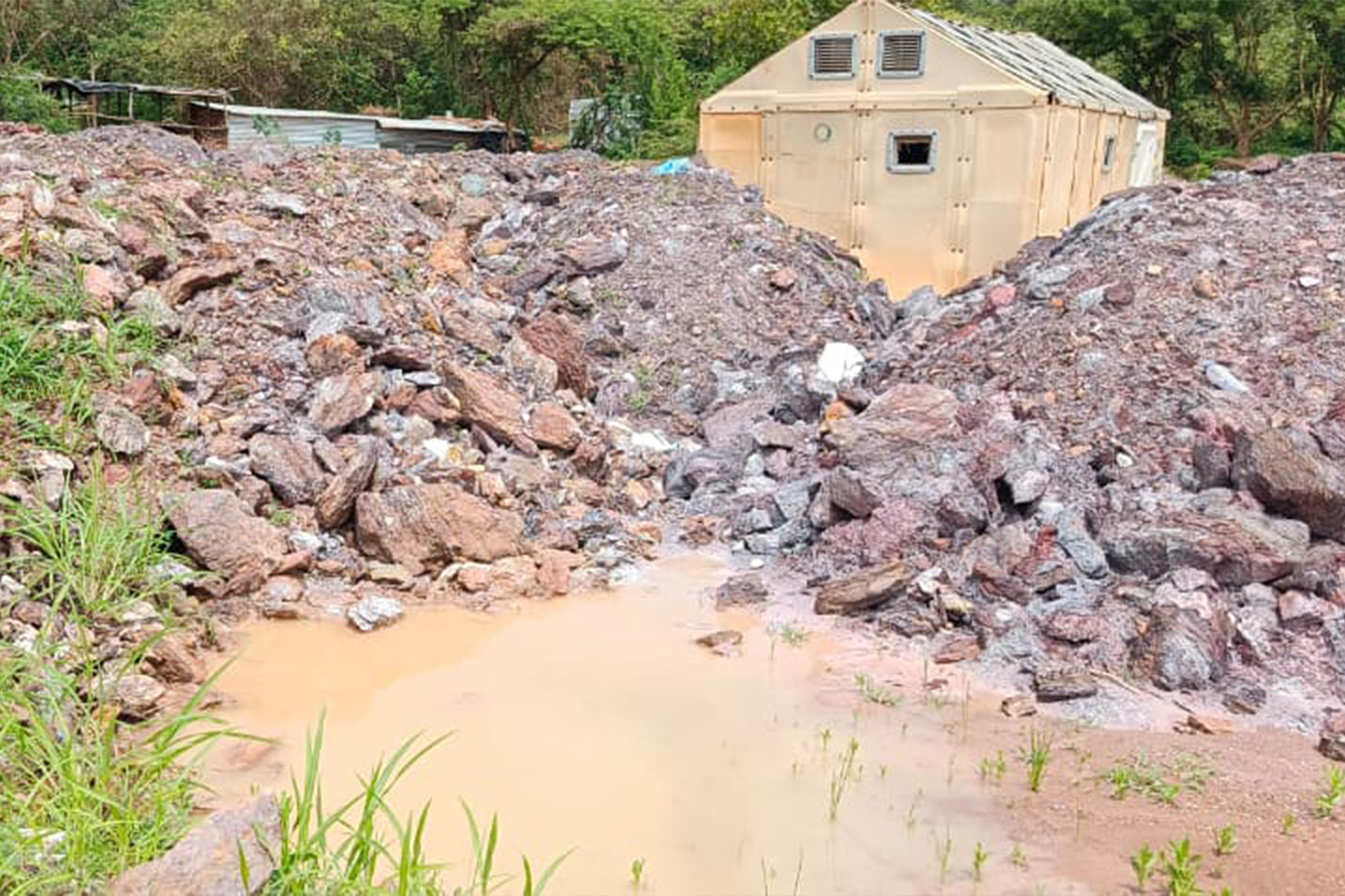
The Mineral Resources Institute was formally integrated into UDSM in 2020 following its transition from the Ministry of Minerals. It now operates campuses in Dodoma and Nzega. Established in 2014, the Nzega Campus occupies inherited infrastructure from the former Resolute Gold Mine in Lusu Ward, Nzega District Council, encompassing the area of the former Resolute Africa large-scale mining licence.
Prof. Mwakaje noted that the University has undertaken decisive legal and administrative measures to secure its proprietary interests and guarantee long-term institutional stability.
“Following directives from University leadership, the Ministry of Minerals agreed to halt the issuance and renewal of mining licences within the MRI Nzega area. This has created a stable legal framework that supports sustainable development and long-term land-use planning,” he explained.
Driving skills, research, and community impact
A key focus of the visit was to review progress and provide strategic direction on positioning Nzega as a centre of excellence in mining education, research, and innovation. Through the School of Mines and Geosciences (SoMG) and MRI, UDSM plans to establish a Mining and Mineral Processing Centre for Training, Research, and Consultancy.
Engineer Kapira highlighted the Institute’s steady growth since integration into UDSM, noting that planned investments in advanced mineral and chemical analysis laboratories, consultancy services, and outreach programmes will strengthen support to the mining sector.
Importantly, he emphasised that the University is committed to ensuring harmonious coexistence with surrounding small-scale miners by providing technical support, professional training, and access to modern, safer, and environmentally responsible mining practices.
“Our approach is not one of displacement, but partnership. We aim to work closely with small-scale miners by offering technical expertise, mineral analysis services, and capacity-building programmes that will enhance productivity, safety, and environmental stewardship while improving livelihoods,” he said.
He added that integration into the University has strengthened academic standards, curriculum relevance, and staff capacity, with current priorities focused on scaling infrastructure, laboratories, and equipment in line with the Institute’s expanding mandate.
The Institute also plans to establish a Carbon-in-Pulp (CIP) Mineral Processing Plant at Nzega to support competence-based training, applied research, statutory compliance, and potential government revenue generation.
Strategic investment for national returns
Prof. Mzenzi underscored that development of the Nzega Campus is fully aligned with UDSM’s broader infrastructure and investment strategy.
“This campus has the scale, strategic location, and sectoral relevance to become a flagship centre for mining innovation. Targeted investment here will generate measurable returns in skills development, research output, public revenue, and community livelihoods,” he observed.
Ambassador Maajar reaffirmed the Council’s commitment to providing policy guidance, strategic oversight, and resource mobilisation support to MRI Nzega and other University campuses, while encouraging continued engagement with national stakeholders and local communities.
“The University must strike a balance between asset protection and inclusive development. MRI Nzega is well positioned to serve as a national hub for mining skills development, research excellence, and responsible resource utilisation,” she said.
The governance visit marks a significant milestone in reinforcing UDSM’s stewardship role, advancing its mining education and research agenda, and positioning the Nzega Campus as a strategic institutional asset contributing to Tanzania’s socio-economic transformation while fostering collaborative development with local mining communities.