





UDSM Champions Sweden–Tanzania Partnership as Engine for Innovation and Commercial Growth
By Jackson Isdory, CMU
The University of Dar es Salaam has intensified the national push for innovation-led development, convening high-level stakeholders to position Sweden–Tanzania cooperation as a catalyst for research commercialization, technology transfer, and inclusive economic growth.
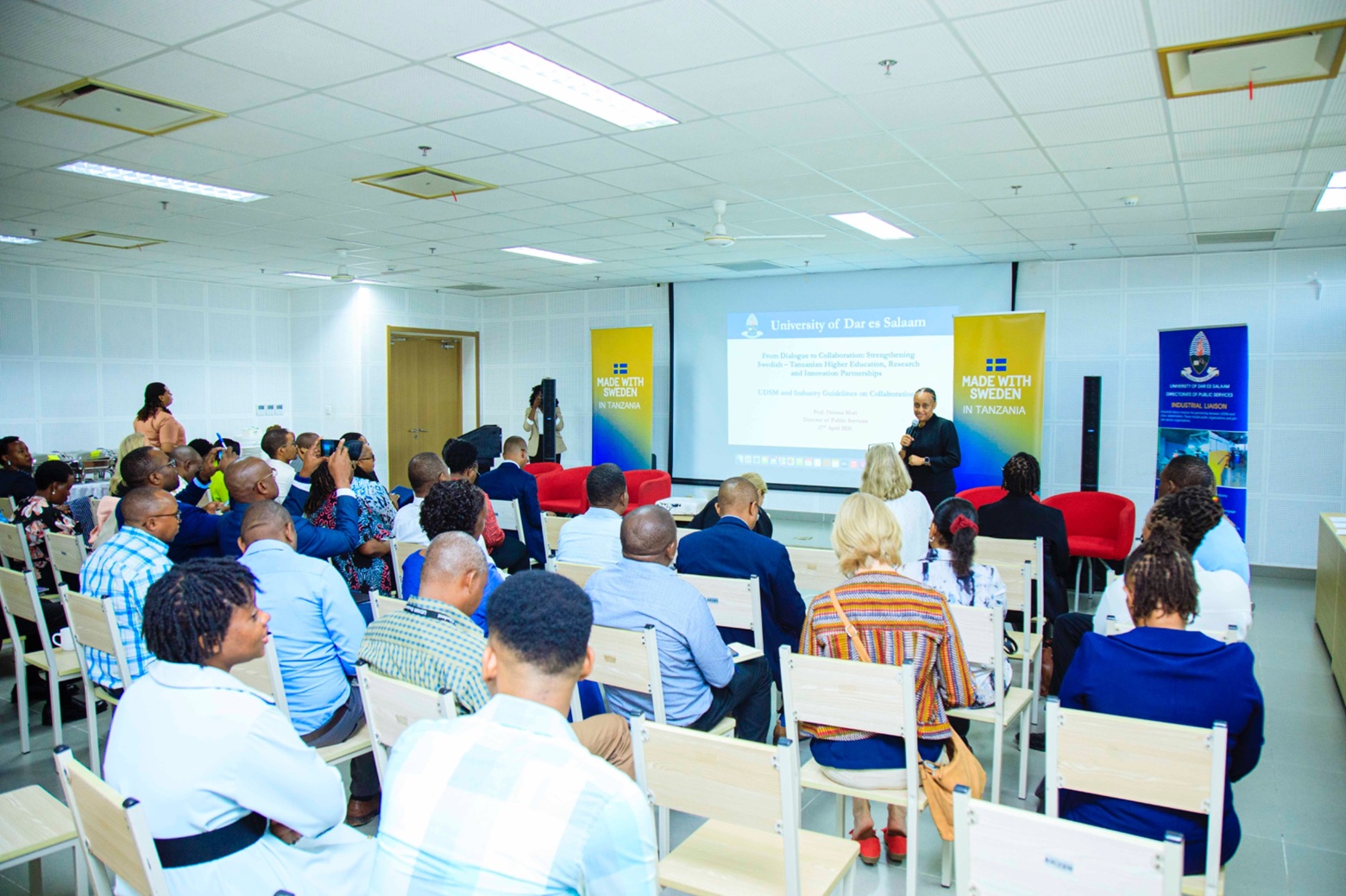
Held under the theme “From Dialogue to Collaboration: Strengthening Swedish–Tanzanian Higher Education, Research and Innovation Partnerships,” the strategic forum brought together diplomats, academia, industry leaders, and policy actors in a timely engagement that signaled a decisive shift—from knowledge generation to market-responsive innovation ecosystems.
At the heart of the discussions was a shared recognition that universities must increasingly move beyond producing knowledge to transforming research into products, enterprises, and practical solutions that create jobs and drive national competitiveness.
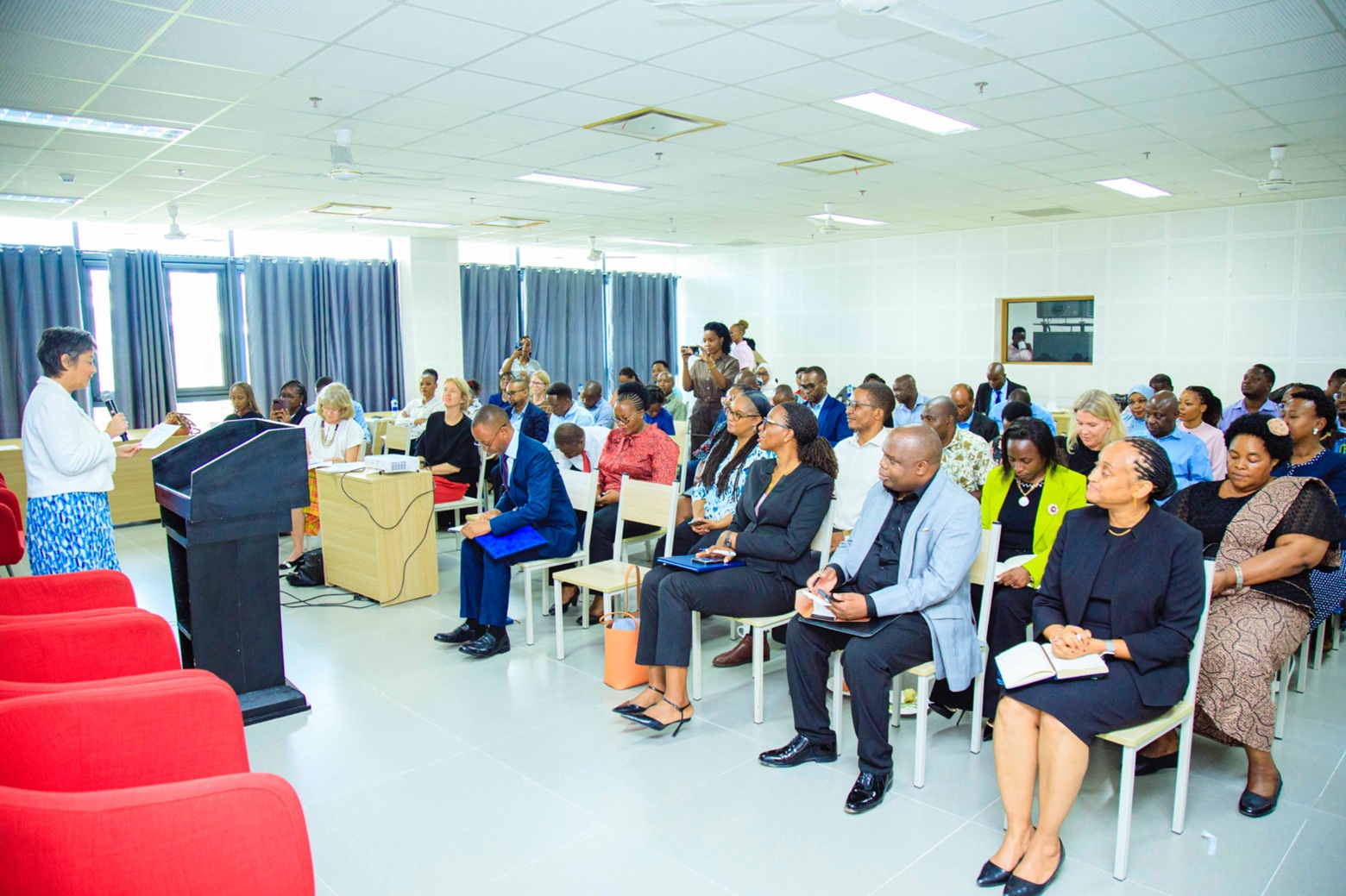
Opening the session, Her Exellency Charlotta Ozaki Macias, Ambassador of Sweden to Tanzania, said bilateral cooperation between Sweden and Tanzania is evolving from traditional academic exchange into a more dynamic partnership focused on co-creation, innovation, and commercialization.
She noted that both countries face common global pressures—including climate change, digital transformation, and widening skills gaps—which demand stronger collaboration between universities, industry, and governments.
“Universities are generating valuable knowledge, while industry continues to signal skills and innovation gaps. The strategic priority now is to connect these ecosystems more effectively and ensure innovations transition into scalable solutions”, she said.
She added that Sweden’s #MadeWithSweden approach is anchored in partnership, shared innovation, and sustainable commercial impact.
UDSM positions itself as an innovation hub
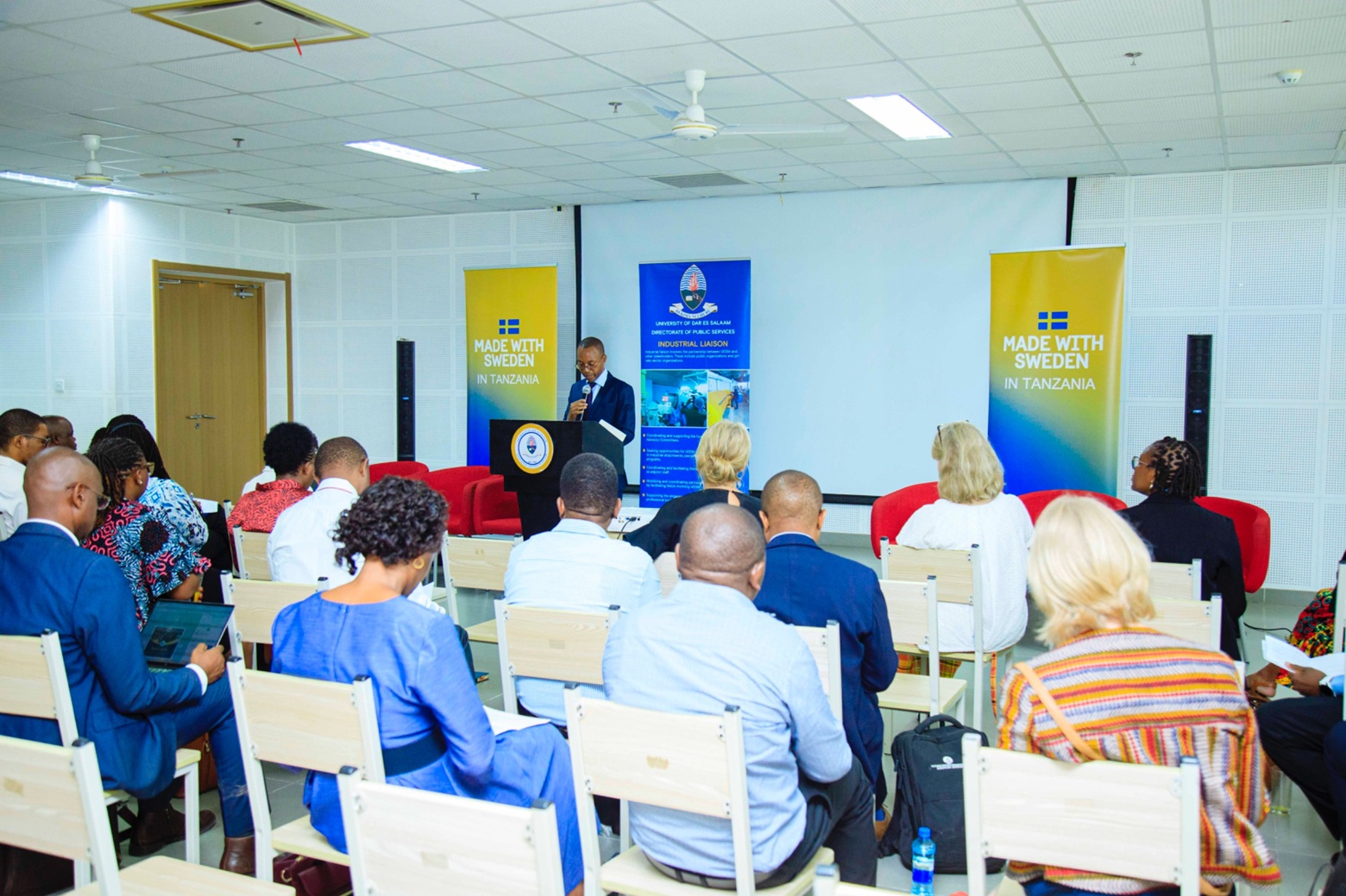
Representing the Vice Chancellor, Deputy Vice Chancellor – Research Prof. Nelson Boniface framed the engagement within UDSM’s broader transformation agenda, saying the University is repositioning itself as a catalytic platform where ideas are converted into applications with real market value.
“Our mandate extends beyond teaching and research. We are building a university ecosystem where research outputs are aligned to societal and market needs, and where partnerships generate measurable outcomes”, said Prof. Boniface.
He highlighted ongoing institutional reforms, including innovation hubs, advisory committees, and professional placement schemes designed to strengthen university–industry collaboration.
According to him, future partnerships must be judged not only by dialogue, but by their ability to deliver technology transfer, enterprise incubation, and commercialization pathways.
Prof. Boniface reiterated that the success of the engagement would be measured not by the quality of discussions, but by the strength of collaborations that emerge.
“The real test is whether partnerships translate research into innovation, and innovation into inclusive economic growth”, he said.
Policy framework for commercialization
Prof. Neema Mori, UDSM Director of Public Service provided a strategic roadmap for strengthening industry–academia collaboration. She outlined emerging frameworks aimed at institutionalising partnerships that support co-creation, intellectual property protection, and scaling of innovations.
“We must move deliberately from fragmented engagements to structured collaboration models. That means aligning curricula with industry demand, strengthening applied research, and ensuring innovations are investment-ready”, she said.
From the private sector, Sandi Zaranyika emphasized the growing need for practical, innovation-driven skills and solutions, noting that stronger university–industry linkages are critical to unlocking productivity and industrial competitiveness.
“Industry is ready to engage; but collaboration must be outcome-oriented. We need research that solves operational challenges, and graduates who can translate theory into industrial application”, he said.
His remarks reinforced the increasing expectation that universities become active contributors to enterprise growth and industrial modernization.
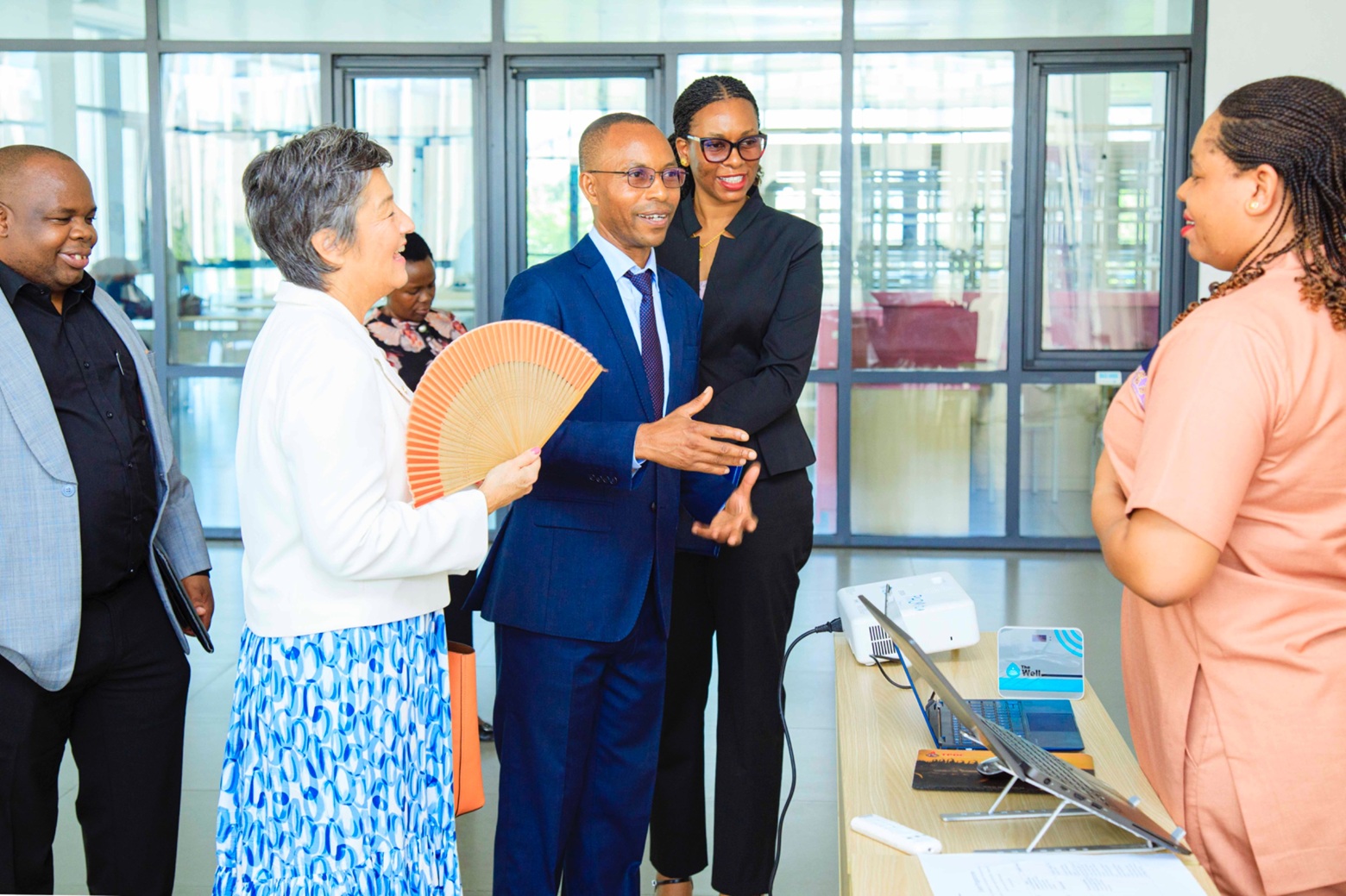
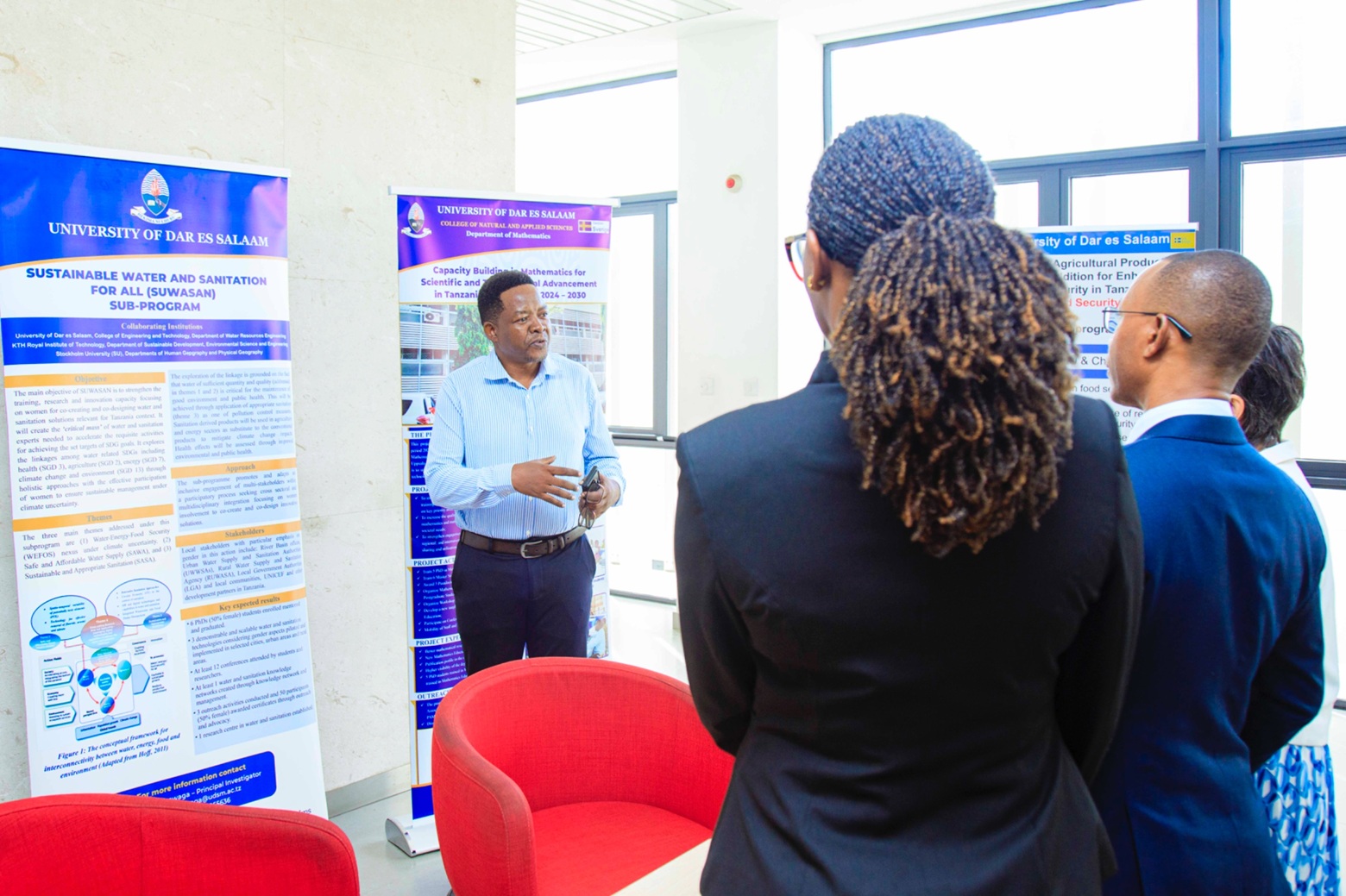
The forum also featured exhibitions showcasing successful outcomes of Swedish–Tanzanian collaboration across sectors such as marine science, food security, and digital innovation—demonstrating the untapped potential of research when linked to commercialization pathways.
Further strengthening the commercialization agenda, Dr. Eva Shayo highlighted the University’s growing interface with industry through structured linkage programmes.
“Our focus is to bridge the last mile. Research outputs should not remain in laboratories—they must become viable products, services, and enterprises”, she said.
She stressed the importance of deliberate matchmaking between researchers, investors, and industry actors to accelerate innovation uptake.
Government backs innovation economy
At the policy level, Dr. Erasto Mlyuka, speaking on behalf of the Tanzania Commission for Science and Technology, reaffirmed the government’s commitment to strengthening Tanzania’s national innovation system.
He said enabling frameworks are being advanced to support technology transfer, startup incubation, research financing, and intellectual property management.
“Innovation must be positioned as a driver of economic growth. This requires coherent policies, sustained investment in research and development, and strong institutional linkages’, he said.
As Tanzania advances toward its long-term development ambitions under Vision 2050, the UDSM-convened dialogue marks a significant turning point—shifting partnership from aspiration to action, and from cooperation to commercial impact.
With Sweden–Tanzania collaboration gaining new momentum, the University of Dar es Salaam is positioning itself at the centre of a future where research not only informs policy—but powers industries, creates enterprises, and transforms lives.