UDSM, Barrick Forge Decade-Long Partnership to Build Tanzania’s Next Generation of Mining Professionals
By Renancy Remmy, CMU
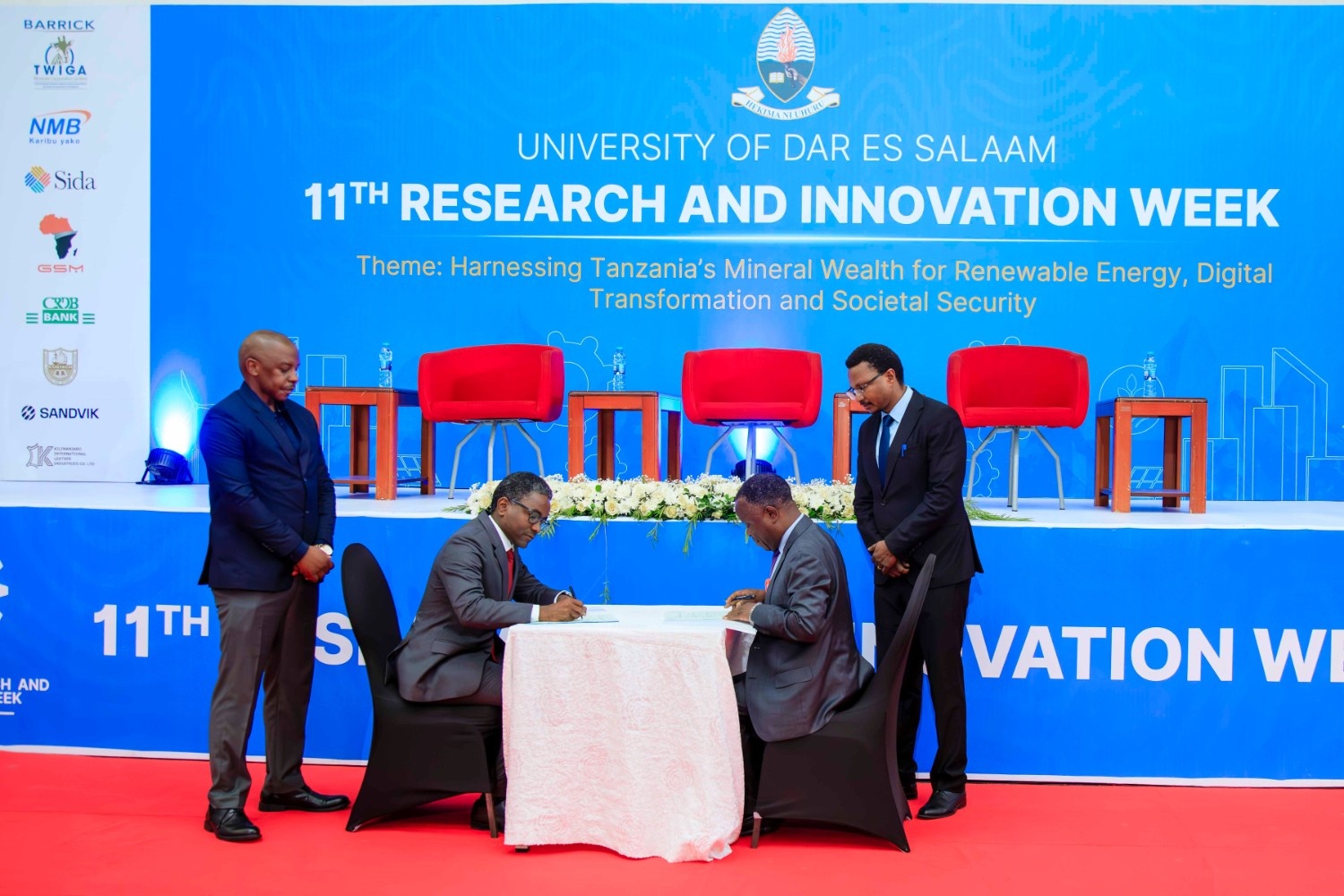
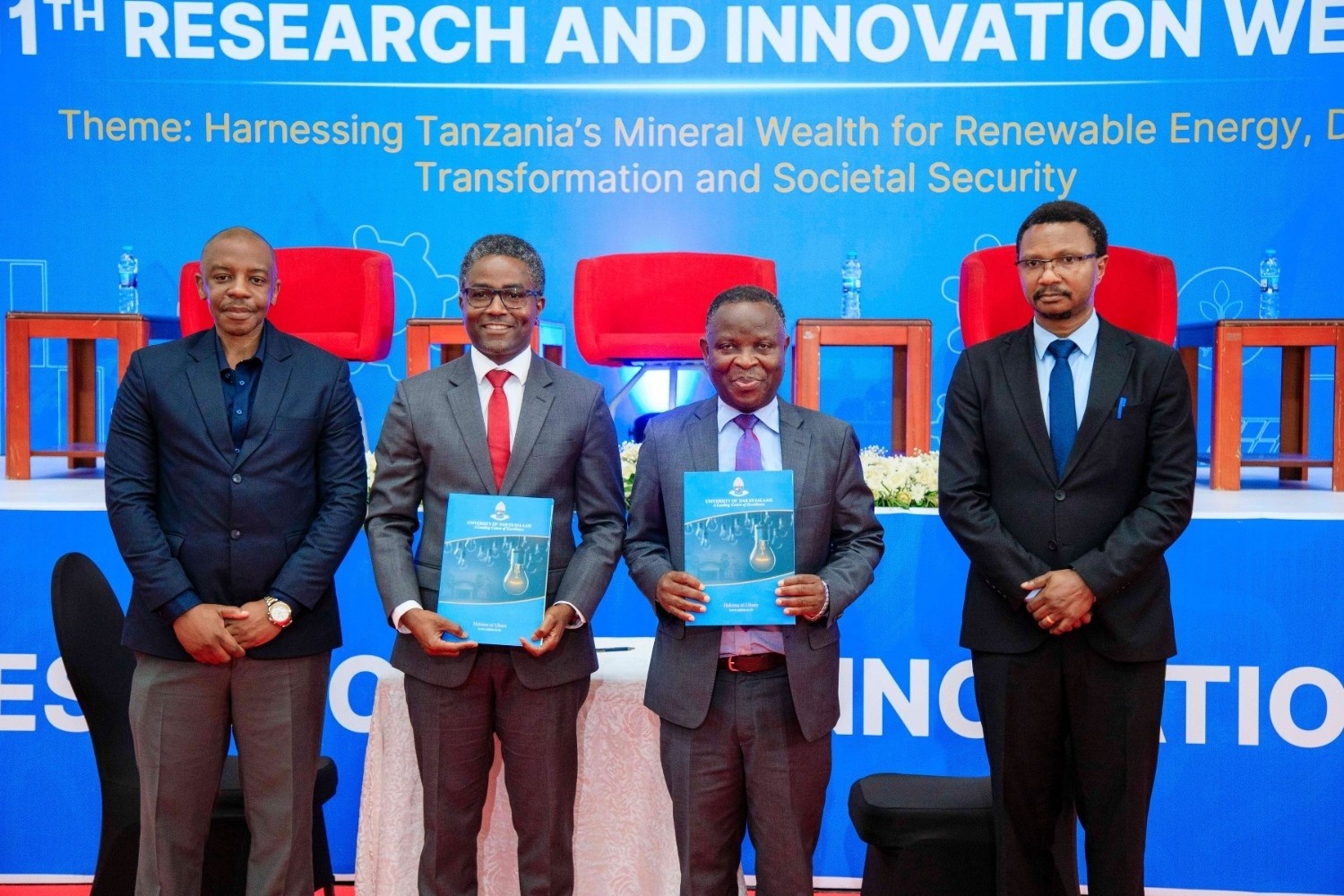
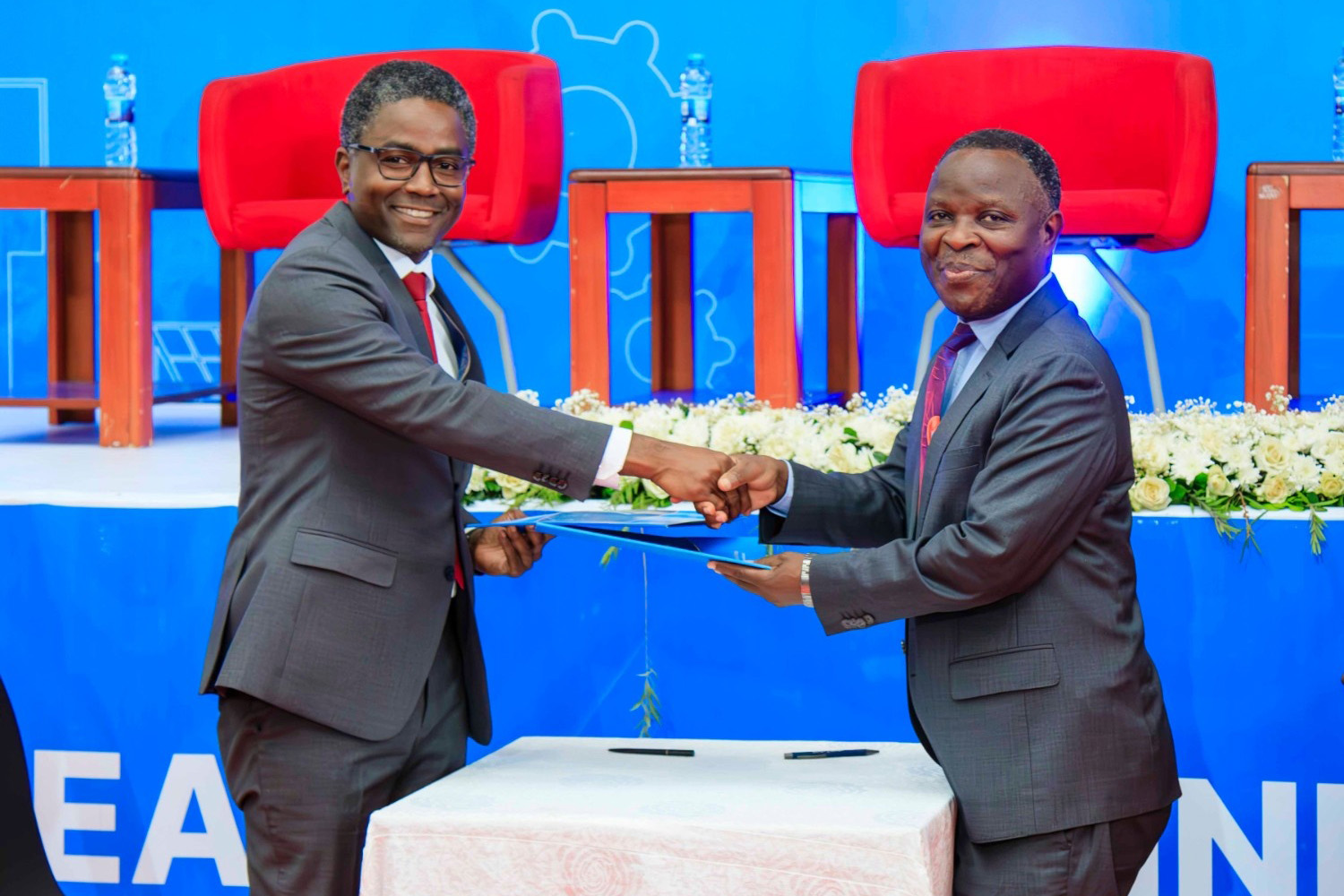
The University of Dar es Salaam (UDSM) and Barrick Tanzania have signed a landmark 10-year partnership agreement aimed at strengthening skills development, research, innovation and capacity building to support the growth and transformation of Tanzania’s mining industry.
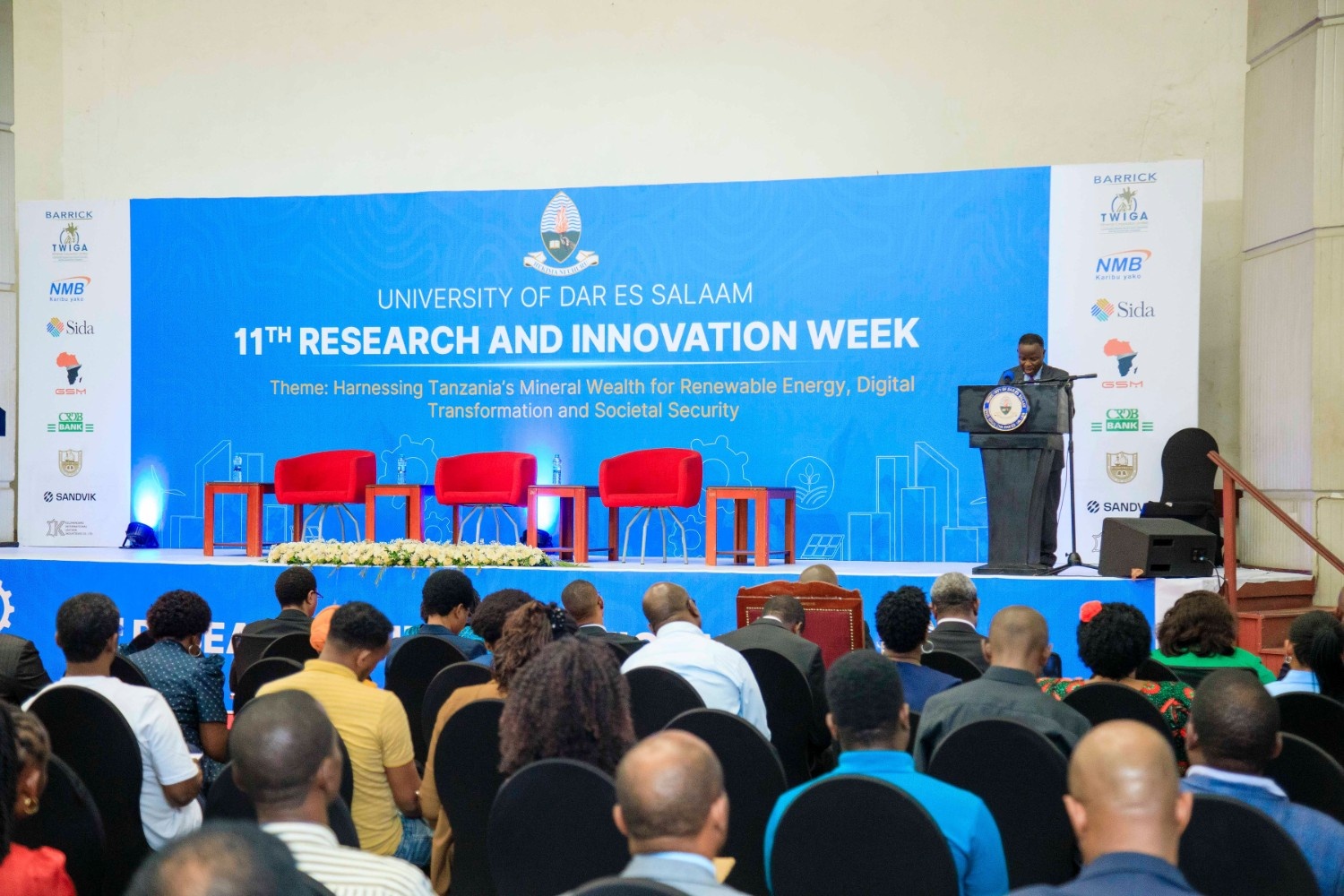
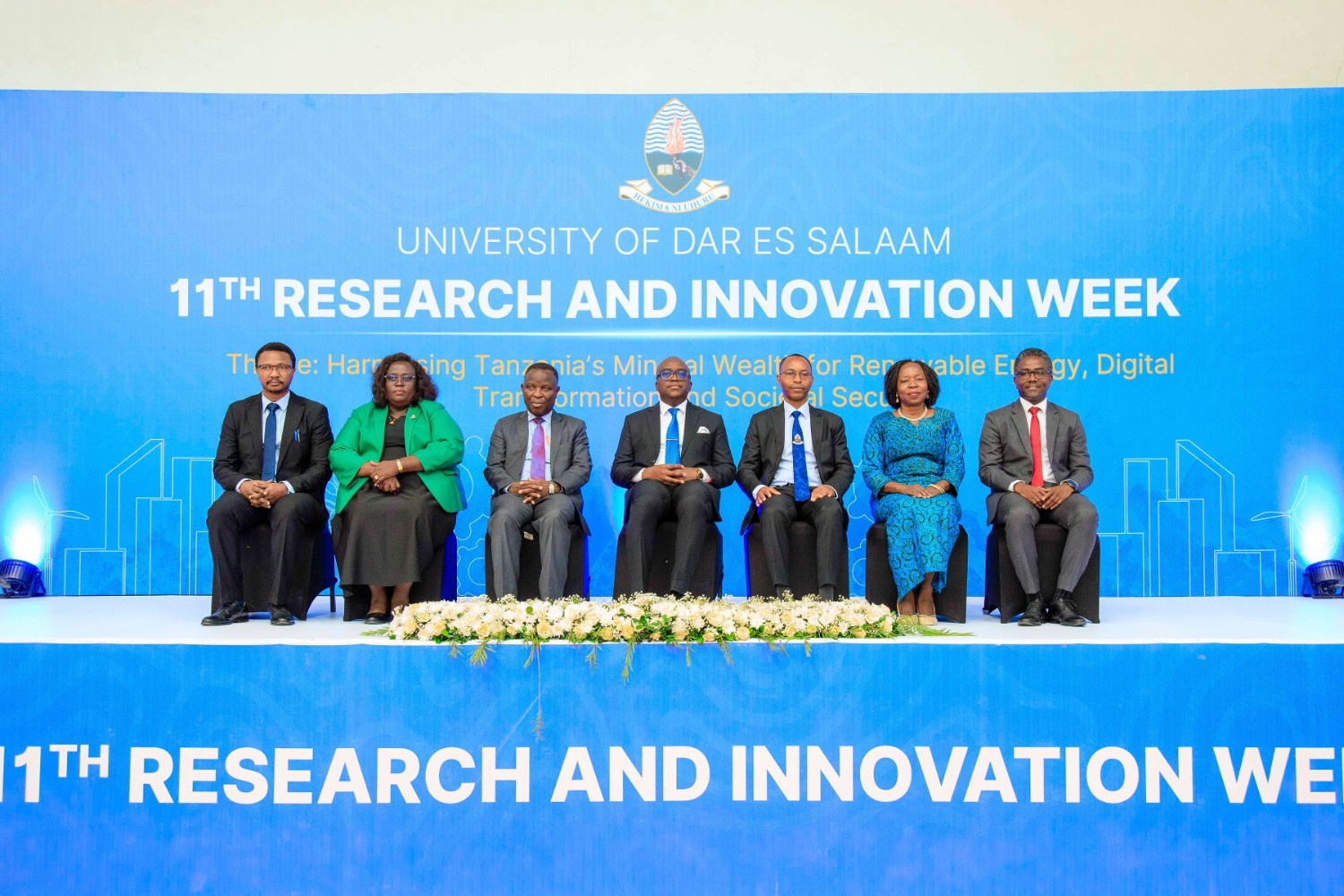
The agreement, signed on 9 June 2026 during the opening ceremony of the 11th UDSM Research and Innovation Week at Nkrumah Hall, brings together UDSM, Bulyanhulu Gold Mine Limited and North Mara Gold Mine Limited under a long-term framework designed to bridge academia and industry while preparing a highly skilled workforce for the country's strategic mining sector.
The partnership will support academic programmes, industry-driven research, professional training, student mentorship, scholarships, internships and industrial attachments, while promoting innovation and technology transfer in areas critical to the future of mining.
Speaking during the signing ceremony, UDSM Vice Chancellor Prof. William A. L. Anangisye described the agreement as a strategic investment in Tanzania’s human capital and knowledge economy.
“This partnership demonstrates our shared belief that universities and industry must work together to prepare graduates who are not only academically competent but also equipped with practical skills and innovative mindsets,” said Prof. Anangisye.
He noted that the collaboration will create new opportunities for students, researchers and academic staff to contribute directly to the modernization and sustainability of Tanzania’s mining industry while advancing scientific knowledge and technological innovation.
According to Prof. Anangisye, the partnership aligns with UDSM’s broader commitment to strengthening university-industry linkages and ensuring that research and training remain responsive to national development priorities.
The collaboration draws on expertise from several UDSM academic units, including the School of Mining and Geosciences, the University of Dar es Salaam Business School (UDBS), the School of Law, the College of Information and Communication Technologies (CoICT) and the College of Engineering and Technology (CoET), alongside other institutions and stakeholders.
Under the agreement, students and researchers will gain access to practical learning opportunities through internships, industrial placements, postgraduate scholarships and joint research initiatives. The partnership will also support curriculum enhancement, professional development programmes, conferences, seminars and innovation activities designed to address emerging challenges within the mining sector.
The programme is expected to improve the quality and relevance of training offered at UDSM while producing graduates equipped with the knowledge, technical competencies and practical experience required in an increasingly technology-driven mining industry.
The collaboration will further advance applied research and innovation in strategic areas including sustainable mining, environmental management, occupational safety, digital transformation, renewable energy and mineral value addition.
Investing in local talent, strengthening partnerships with higher learning institutions
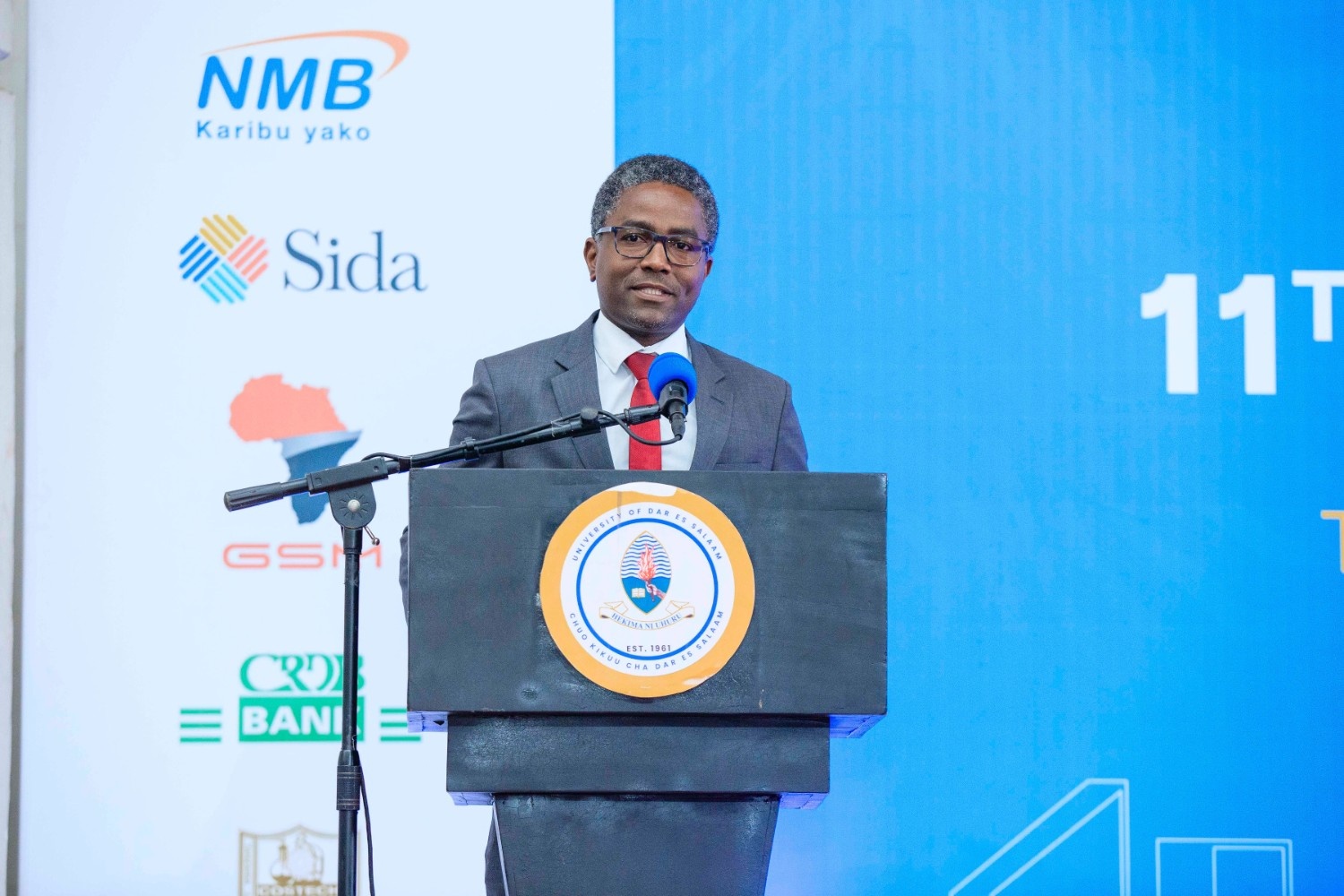
Speaking on behalf of Barrick Tanzania, Dr. Melikiori Ngido emphasized the company's commitment to investing in local talent and strengthening partnerships with higher learning institutions.
“At Barrick, we firmly believe that investing in people is the most sustainable investment we can make. This partnership with the University of Dar es Salaam reflects our long-term commitment to developing Tanzanian talent, strengthening research and innovation, and creating a pipeline of highly skilled professionals who will drive the future of the mining industry,” said Dr. Ngido.
He added that stronger collaboration between academia and industry is essential for bridging the gap between classroom learning and workplace demands, particularly as the mining sector increasingly relies on advanced technologies, innovation and specialized expertise.
Dr. Ngido noted that partnerships of this nature not only support workforce development but also contribute to national economic growth by fostering innovation, competitiveness and sustainable industrial development.
The agreement reflects a shared commitment by UDSM and Barrick Tanzania to strengthen the connection between higher education and industry while creating pathways for innovation-led growth and long-term sector competitiveness.
Minister launches upgraded Research Information Management System
The opening ceremony also featured the official launch of the Research Information Management System (RIMS 2.0) by the Minister for Minerals, Hon. Anthony Mavunde, marking another significant milestone in UDSM’s digital transformation agenda.
Developed with support from the Swedish International Development Cooperation Agency (Sida) in collaboration with UDSM, the upgraded platform was designed and implemented by a multidisciplinary team of university experts under the technical leadership of the College of Information and Communication Technologies (CoICT).
RIMS 2.0 provides a centralized digital platform for the collection, storage, analysis and dissemination of research information across the University. The system will enable efficient tracking of research projects, publications, grants, innovations and collaborations while supporting evidence-based planning and decision-making.
University officials said the platform will significantly enhance research visibility, strengthen institutional reporting and improve access to research outputs generated across UDSM’s academic units.
The launch of RIMS 2.0 reinforces the University’s commitment to leveraging digital technologies to strengthen research management and knowledge sharing, while further positioning UDSM as a leading research-intensive university in Africa.
By integrating research information into a single institutional platform, the system is expected to improve efficiency, foster collaboration among researchers and increase the accessibility and impact of knowledge generated by the University in support of national and global development.