








UDSM Acts Early to Protect Lives, Services and Infrastructure as El Niño Rains Approach
By Selemani Nambimbi, CMU
The University of Dar es Salaam (UDSM) has moved to strengthen the institution's preparedness for the anticipated El Niño-related heavy rains by establishing a dedicated preparedness team to coordinate preventive measures, protect people and infrastructure, and ensure continuity of essential University services.
The move is part of a wider institutional response to the anticipated heavy rainfall during the October 2026–February 2027 period, with University leadership directing relevant units to identify potential risks early and take preventive action before adverse weather conditions disrupt normal operations.
The preparedness initiative is intended to bring together key University functions—including Estates Services, ICT, Security, Health, Transport, Communication, academic units and student representatives—under a coordinated mechanism capable of anticipating risks, facilitating rapid communication and supporting timely response when emergencies arise.
Rather than waiting for heavy rains to expose weaknesses, the University is placing emphasis on identifying vulnerable areas, strengthening essential systems and ensuring that appropriate response arrangements are already in place before they are needed.
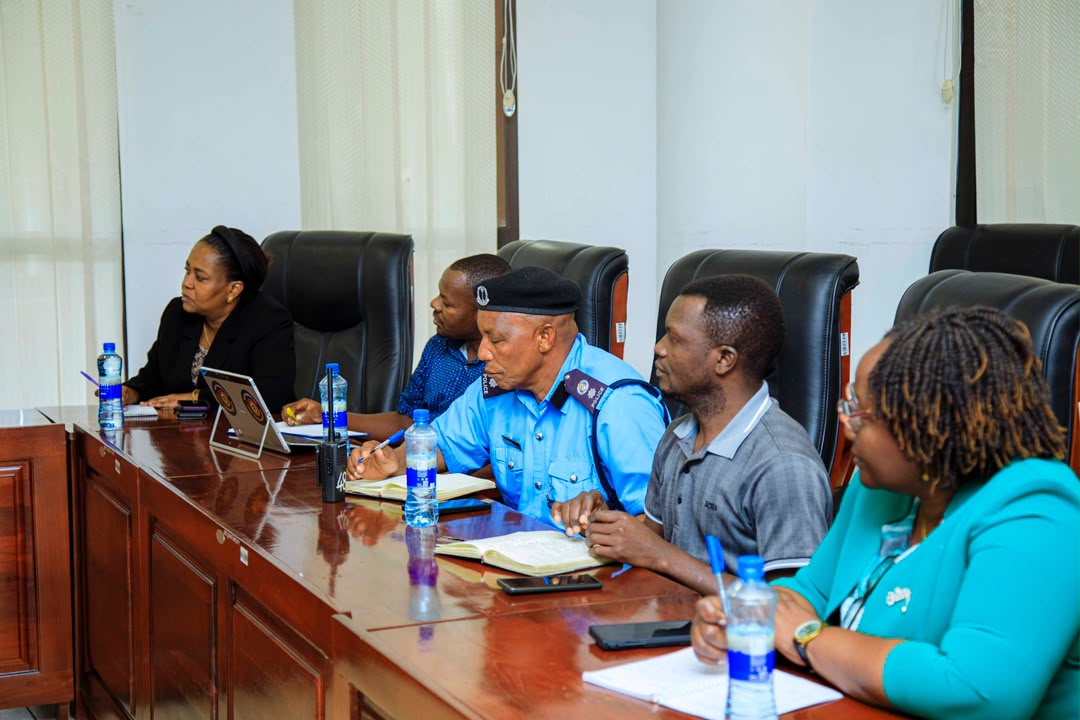
The leadership decision was followed by a special preparedness meeting on September 25, 2026, chaired by Acting Director of Estates Services Dr. Daudi S. Augustino. The meeting brought together representatives from key University units to assess the institution's readiness and translate the leadership's preparedness direction into practical measures.
The formation of the El Niño Preparedness Committee provides a coordinating structure through which information from different University units can be consolidated and used to strengthen the University's overall preparedness plan.
The committee is expected to help identify potential vulnerabilities, establish responsibilities and coordinate interventions across the University.
Its work covers not only physical infrastructure but also the systems and services that keep the University functioning on a daily basis.
For students and staff, this means preparedness measures are expected to extend from the safety of buildings and campus walkways to the reliability of electricity, water, ICT systems, transport, health services and emergency communication.
The approach is particularly important because severe rainfall can create interconnected challenges. Flooding or water accumulation, for example, can affect access routes and buildings, while power interruptions can in turn affect ICT systems, teaching and learning, research and administrative services.
By coordinating the response across different units, the University aims to address such risks before they develop into wider disruptions.
Prof. Killian directs units to act early
As the preparedness process takes shape, Deputy Vice-Chancellor–Planning, Finance and Administration (DVC-PFA), Prof. Bernadeta Killian, has directed all University units to take early and practical measures to minimise the potential impact of heavy rains.
In her directive, Prof. Killian instructed every unit to identify areas that could be affected by heavy rainfall, including buildings, bridges, walls, electricity infrastructure, drainage and water systems and other locations vulnerable to flooding or water accumulation.
“Every unit is required to prepare early and take appropriate measures to prevent and minimise possible damage,” the directive states.
The directive requires units to provide the El Niño Preparedness Committee with information on critical services that cannot be interrupted and to identify alternative arrangements for maintaining those services if normal operations are disrupted.
This requirement places continuity of essential services at the centre of the preparedness exercise, ensuring that the University's response is not limited to protecting physical facilities but also considers how teaching, learning, research, administration and other critical functions can continue during difficult weather conditions.
Prof. Killian has also directed each unit to establish and submit an updated database of telephone numbers and email contacts for its staff. The information is intended to facilitate rapid communication and coordination should an emergency occur.
Units are further required to identify designated emergency and evacuation areas, report measures already undertaken and indicate additional actions required to strengthen preparedness.
The requested information is to be submitted to the El Niño Preparedness Committee through the designated email addresses by September 28, 2026, for incorporation into the University-wide preparedness plan.
Prof. Killian has also called on University units to sensitise their staff about possible El Niño-related risks and the precautionary measures they should take, reinforcing the importance of preparedness at both institutional and individual levels.
Checking the university's physical defences
Following the leadership direction, particular attention is being given to the physical environment of the University.
Estates Services and other relevant units are expected to inspect buildings, rooftops, drainage systems, bridges, walls, electrical installations, teaching and learning facilities and other critical infrastructure to identify vulnerabilities before heavy rains intensify.
Areas that have previously experienced water accumulation or other weather-related challenges are expected to receive particular attention.
The emphasis is on prevention: identifying blocked or inadequate drainage, vulnerable structures and other potential hazards early enough to allow corrective action before they become emergencies.
For students and staff, such measures have a direct bearing on everyday life on campus. Effective drainage and maintained access routes can help reduce disruption to movement, while properly maintained buildings and electrical systems can contribute to safer learning and working environments during periods of heavy rainfall.
The preparedness exercise also extends to the University's digital infrastructure.
Through the Directorate of ICT, attention is being given to protecting critical information and communication technology infrastructure from possible water damage and weather-related disruptions.
This is increasingly important as teaching, learning, research and administration depend on digital platforms, connectivity and electronic systems.
The University is also assessing the readiness of emergency power systems, including generators and Uninterruptible Power Supply (UPS) systems, to support continuity of critical operations in the event of power interruptions.
Keeping these systems functional is essential because a disruption to electricity or ICT services can have consequences beyond technical operations, potentially affecting communication, access to learning resources, research activities, administrative processes and other University services.
Strengthening emergency response
The preparedness meeting also underscored the importance of close coordination among Estates Services, ICT, Security, Health, Transport and other relevant units.
The objective is to ensure that emerging risks can be reported quickly, assessed and addressed before they escalate.
The University is also working to ensure that technical and emergency response teams are available when needed, including outside normal working hours, during weekends and public holidays.
Such arrangements are intended to enable timely intervention in incidents involving buildings, drainage, electricity, ICT infrastructure and other essential services.
The preparedness plan also places the safety and wellbeing of students, staff and other members of the University community at the centre of the University's response.
Timely information, early warning and clear reporting mechanisms will be essential in helping members of the University community understand potential risks, know where to seek assistance and respond appropriately when severe weather conditions occur.
Keeping the University running
Ultimately, UDSM's preparedness measures are designed not only to respond to emergencies but also to protect the continuity of the University's core functions.
Teaching and learning, research, community engagement and administration all depend on a safe and functioning campus environment. The University's preparedness approach therefore requires units to consider alternative arrangements for critical services that cannot afford prolonged interruption.
Through the El Niño Preparedness Committee, information from across the University will be consolidated to provide a comprehensive picture of potential risks, existing preparedness measures and areas requiring further intervention.
The approach is expected to strengthen coordination, clarify responsibilities and ensure that preventive action is taken before heavy rains create significant disruption.
With the October 2026–February 2027 period approaching, UDSM is therefore moving from general awareness to coordinated institutional preparedness—placing leadership, early action, communication, infrastructure protection and continuity of essential services at the centre of its response.
For a University community comprising thousands of students, academic and administrative staff and other stakeholders, the message is straightforward: preparedness is not something to begin when the rain arrives. It is a responsibility that starts beforehand—with identifying risks, acting early and ensuring that the University is ready to protect its people and keep its essential functions running.