

From Treatment to Care: UDSM Hospital Staff Trained to Transform Patient Experience
By Dickens Dominic, CMU
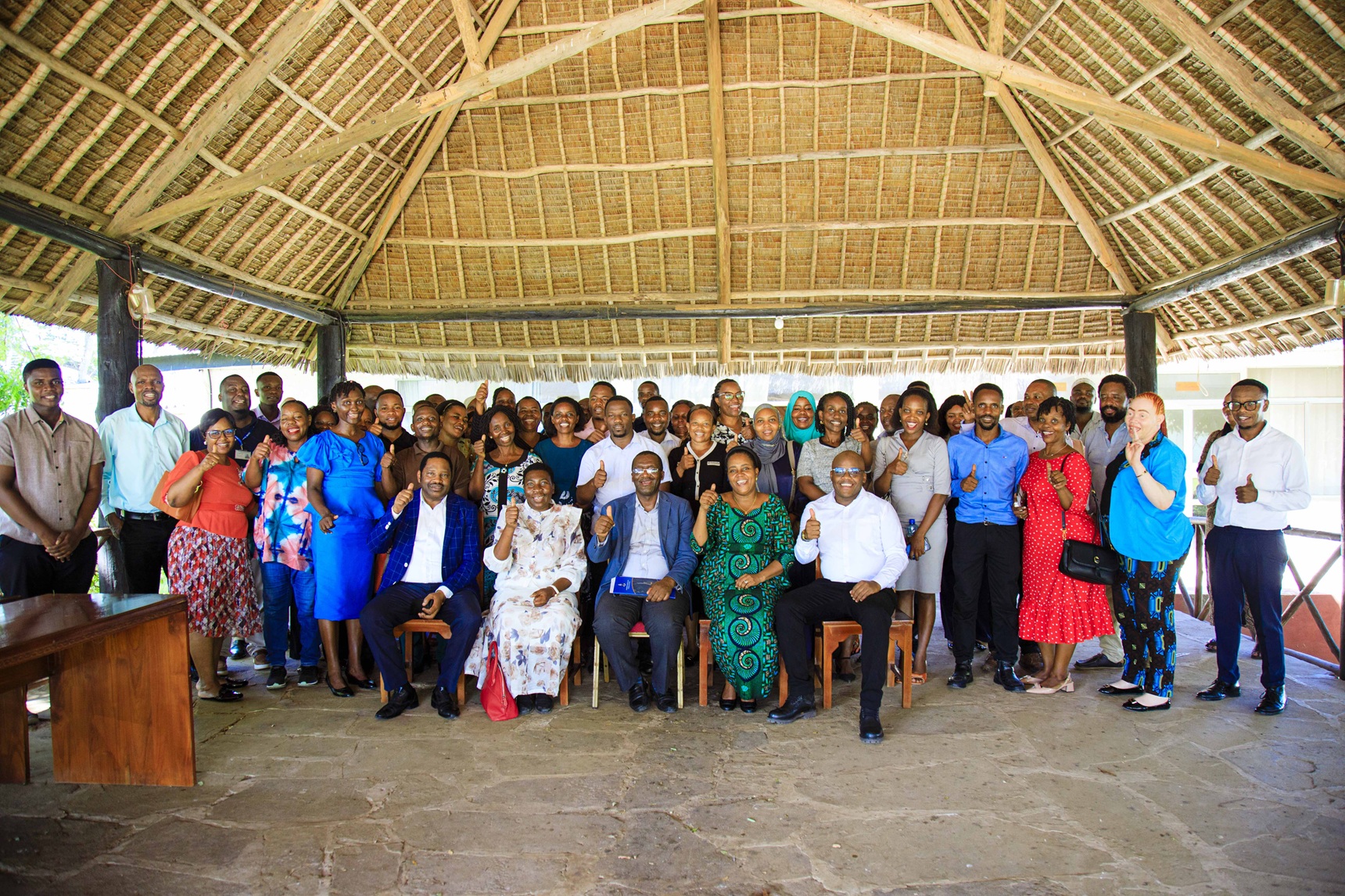
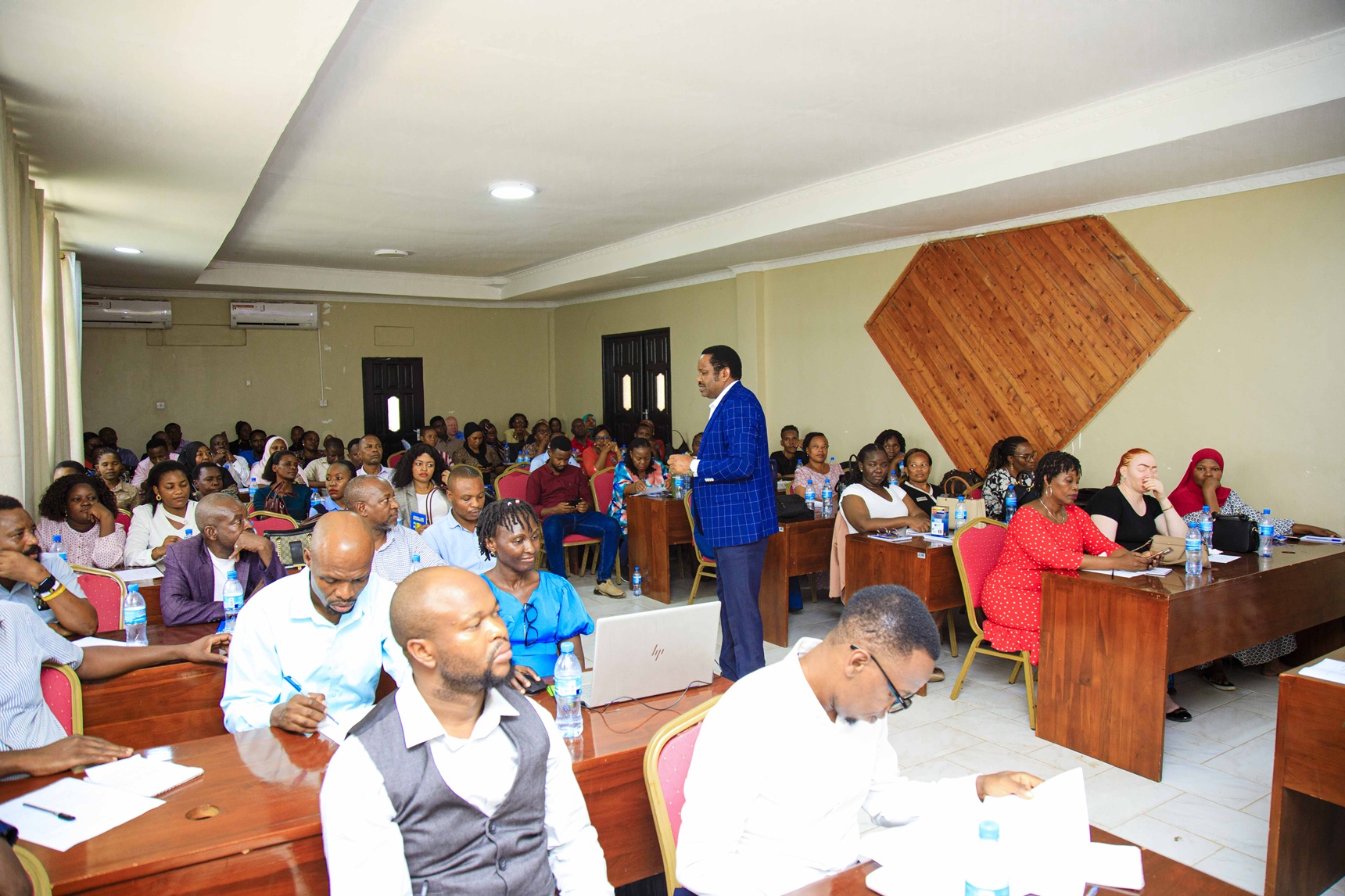
The University of Dar es Salaam (UDSM) Hospital has taken a significant step toward enhancing patient-centered healthcare by equipping its staff with essential customer care skills through a two-day intensive training held recently at Silver Sands Hotel, Dar es Salaam.
The training brought together staff from various departments, creating a dynamic platform for learning, reflection, and exchange of best practices aimed at improving service delivery and operational efficiency within the hospital.
Officially opening the session, Hospital Medical Officer In-Charge, Dr. Alfred Msasu underscored the critical role of customer care in healthcare delivery, urging participants to fully engage in the training and apply the knowledge in their daily work.
“Quality healthcare is not only about treatment; it is also about how patients are received, listened to, and cared for. Every interaction with a patient shapes their experience and can significantly influence their recovery journey”, he said.
Setting the broader institutional context, Prof. Liberato Haule, Deputy Coordinator of the Higher Education for Economic Transformation (HEET) Project at UDSM, highlighted the role of the project in strengthening service delivery across higher learning institutions, including UDSM Hospital.
“The HEET project is driving key reforms in infrastructure, education quality, and service delivery. However, these investments must go hand in hand with strengthening human capacity,” he noted.
“Training programmes like this are essential in ensuring that healthcare providers are responsive to changing technologies and patient expectations”, he said.
He further emphasized that effective communication has become a defining factor in healthcare delivery.
“Today, patients not only seek treatment but also value how they are treated. Professional communication, empathy, and discipline are essential in building trust and delivering quality care,” he added.
Addressing the importance of inclusivity in healthcare, Dr. Lulu Mahai, UDSM Director of Social Services, delivered a session on gender responsiveness, calling for equitable and respectful service provision to all patients.
“Healthcare must be delivered without discrimination of any kind. Hospitals should be safe and inclusive spaces where every patient is treated with dignity, respect, and confidentiality”, she stressed.
She further noted that understanding gender dynamics enhances communication between healthcare providers and patients, ultimately improving efficiency and patient satisfaction.
Professionalism and interpersonal skills
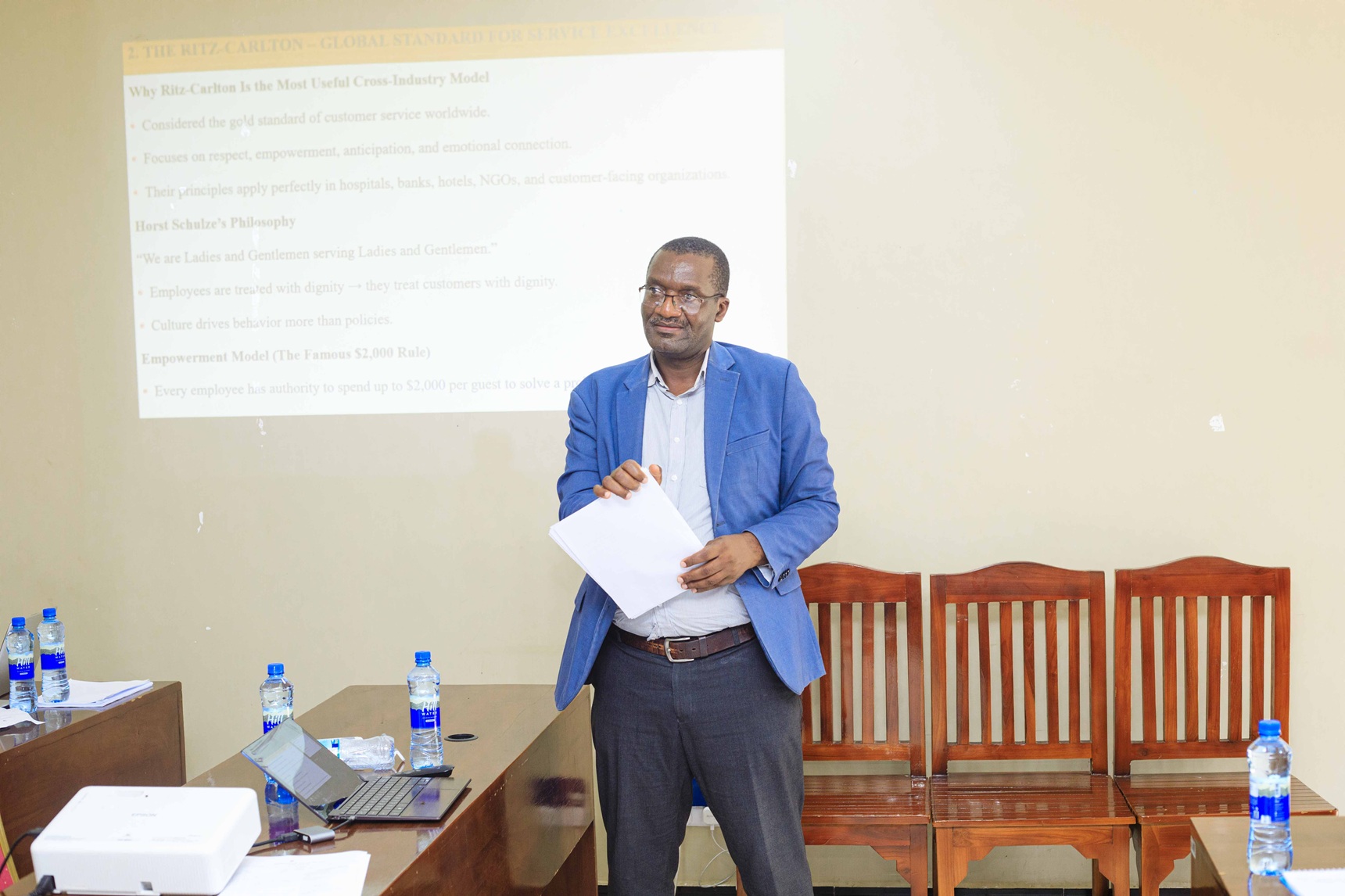
In a practical session on customer service excellence, Mr. Ally Magombe emphasized the importance of professionalism and interpersonal skills in building trust within the community.
“Good customer care is the foundation of a hospital’s reputation. Simple actions such as listening attentively, using respectful language, and showing genuine concern can make a lasting difference in a patient’s experience”, he said.
He encouraged staff to maintain a positive attitude, even in challenging situations, noting that professionalism must remain consistent at all times.
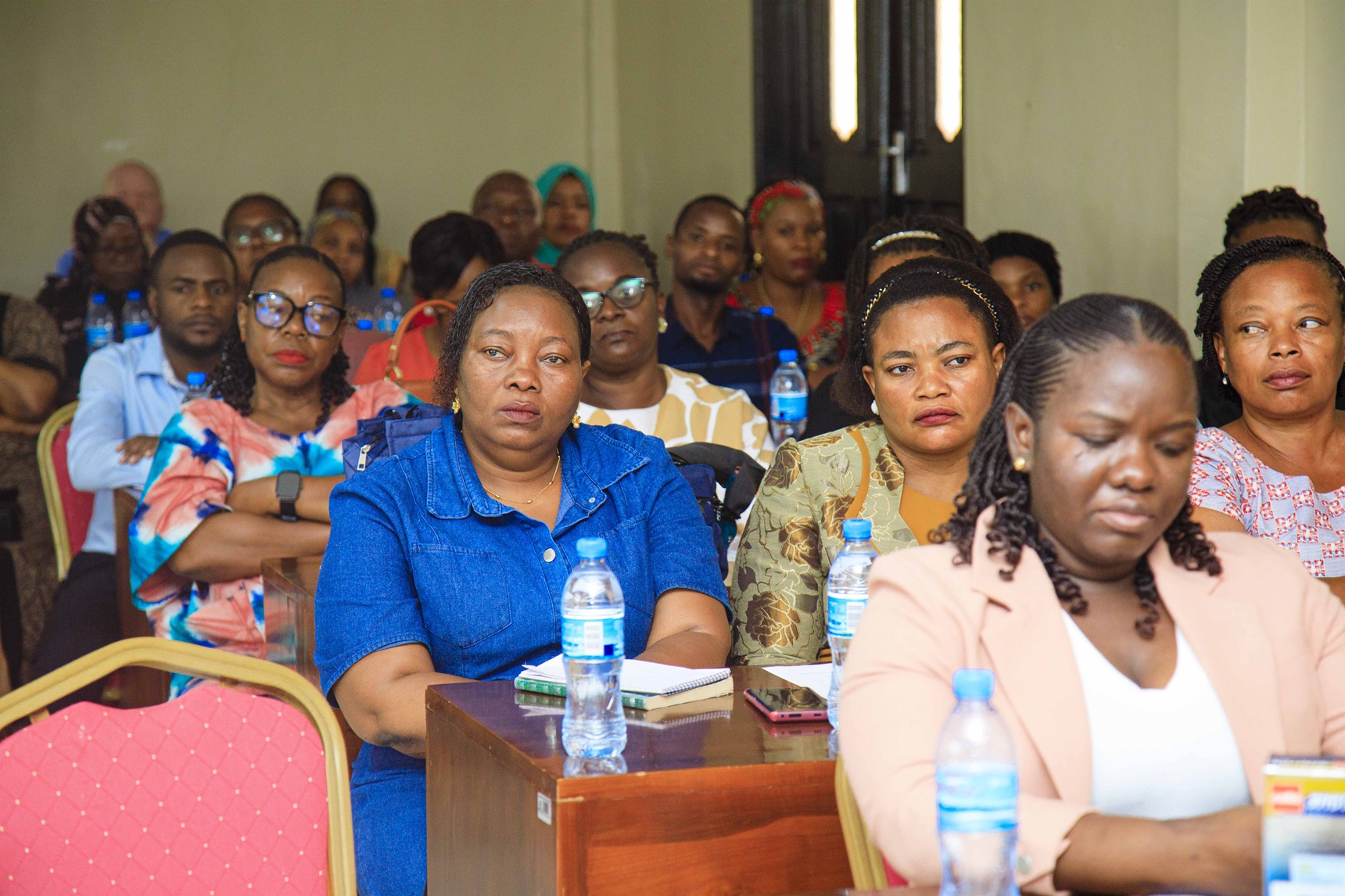
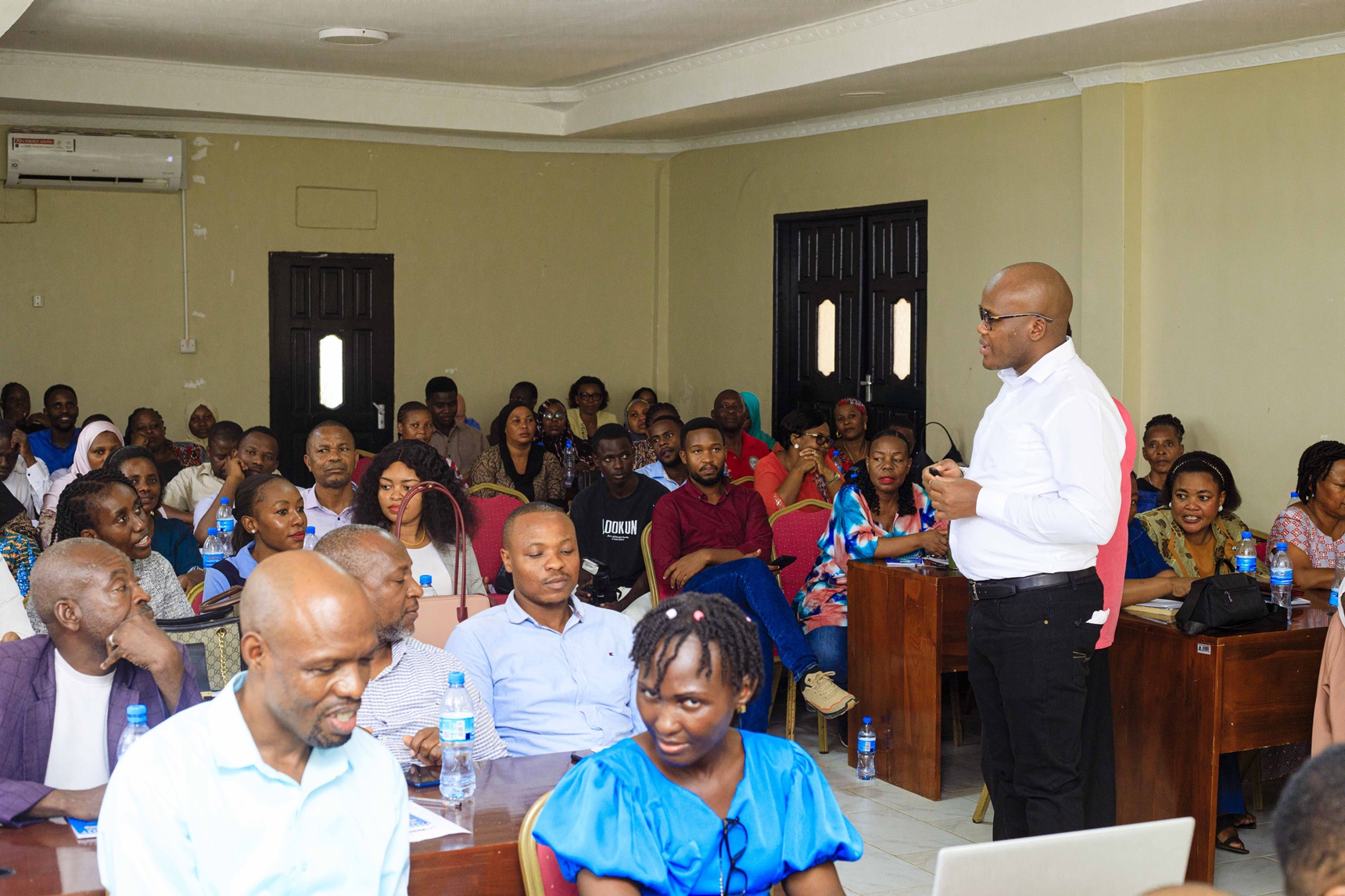
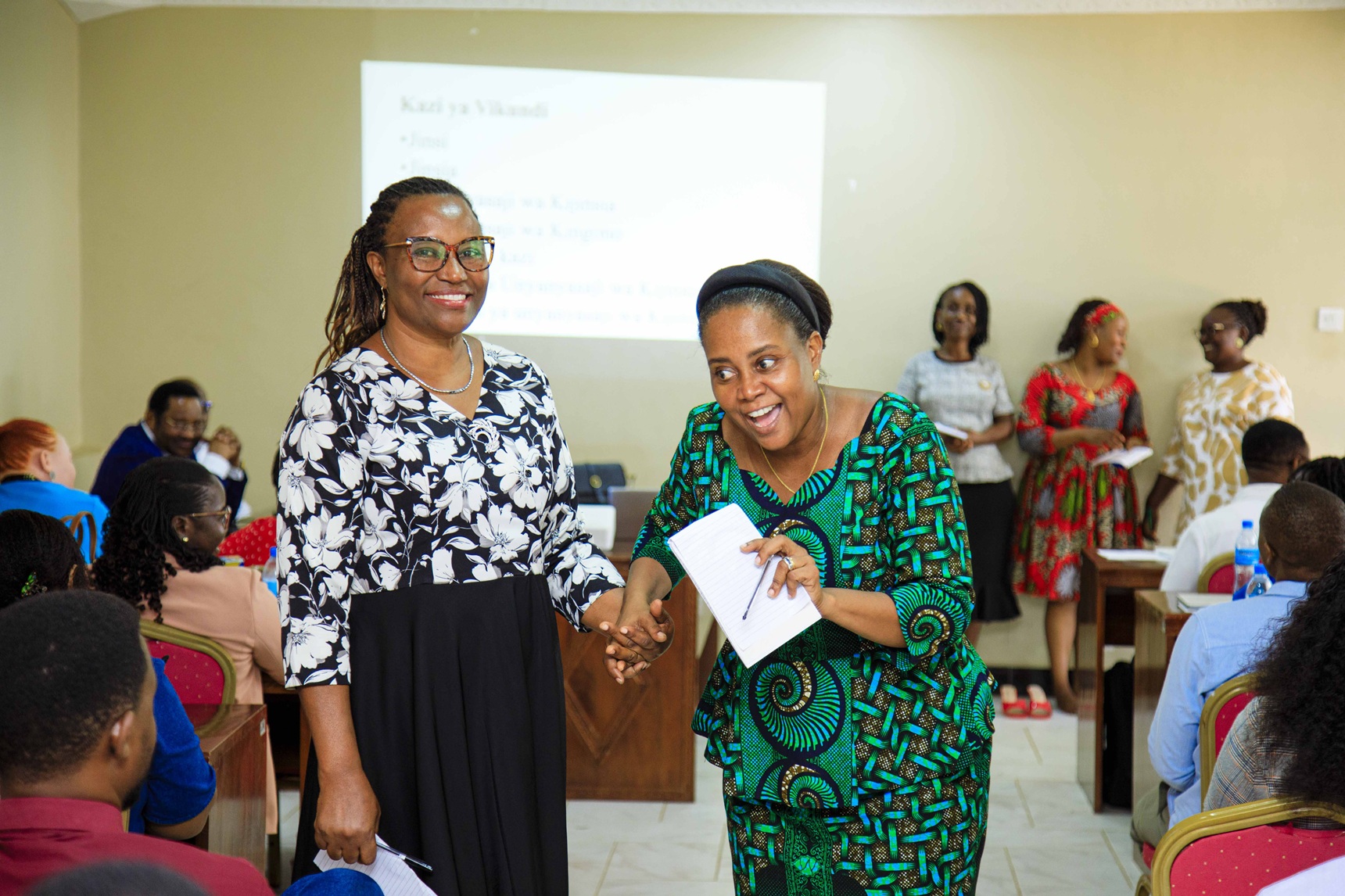
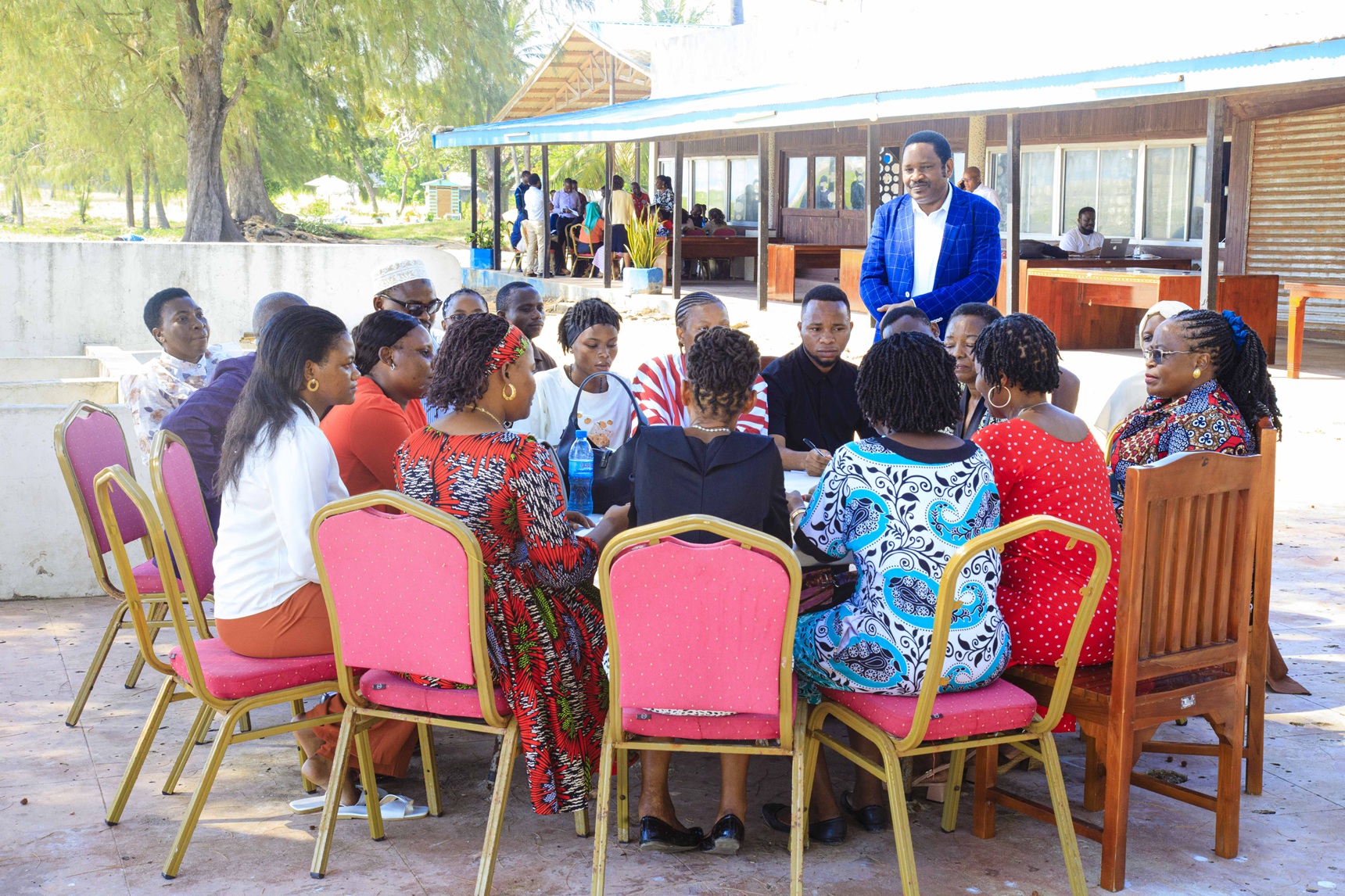
The training also featured interactive discussions, allowing participants to share experiences, ask questions, and collectively explore solutions to common workplace challenges – an approach that strengthened teamwork and practical understanding.
Hospital Staff Secretary Madam Lucy expressed appreciation to facilitators and participants for their commitment and active engagement.
“We are confident that the knowledge and skills gained here will translate into improved service delivery. Continuous learning is key to ensuring that we provide the highest standards of care to our patients”, she said.
The initiative marks a strategic effort by UDSM Hospital to foster a culture of excellence, reinforcing the importance of compassionate, respectful, and patient-centered care. As the healthcare landscape continues to evolve, such capacity-building programmes are expected to play a vital role in transforming service delivery and strengthening public trust in the institution.