

TCU Highlights UDSM-MCHAS Labs as Training Ground for Tanzania’s Future Health Professionals
By Selemani Nambimbi, CMU
Modern laboratories at the University of Dar es Salaam’s Mbeya College of Health and Allied Sciences (UDSM-MCHAS) are helping turn classroom theory into practical skills for students preparing to join Tanzania’s health workforce, a recent assessment by the Tanzania Commission for Universities (TCU) has highlighted.
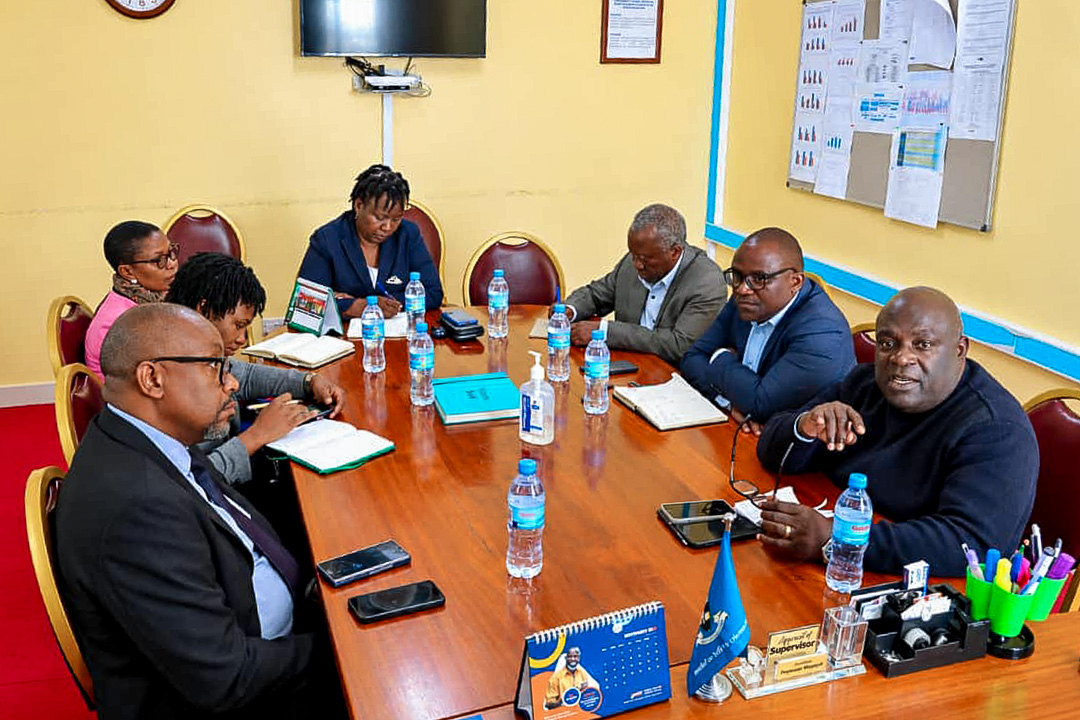
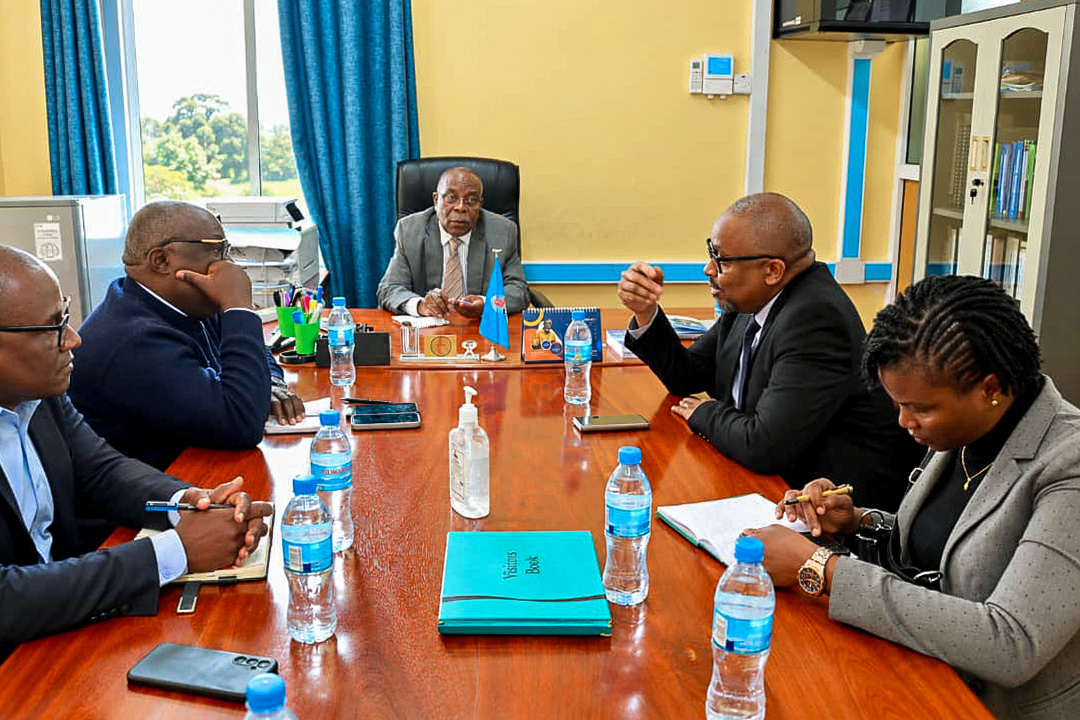
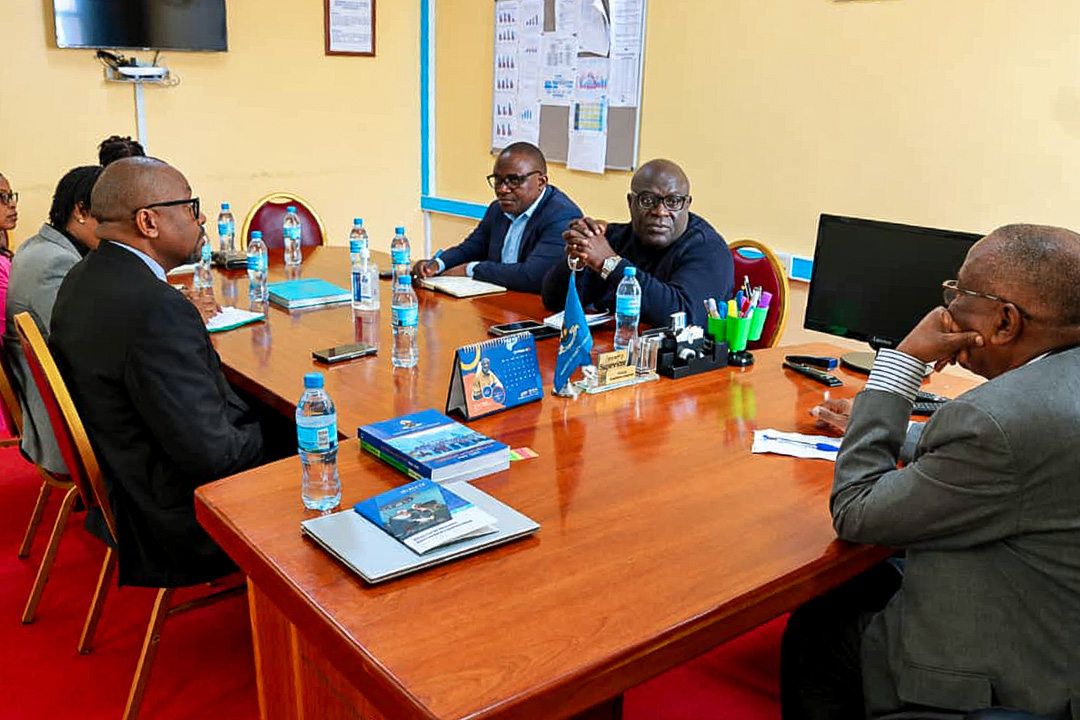
The assessment followed a TCU visit to MCHAS on 15 September 2026 as part of a nationwide tour to examine university infrastructure and learning environments that support quality higher education.
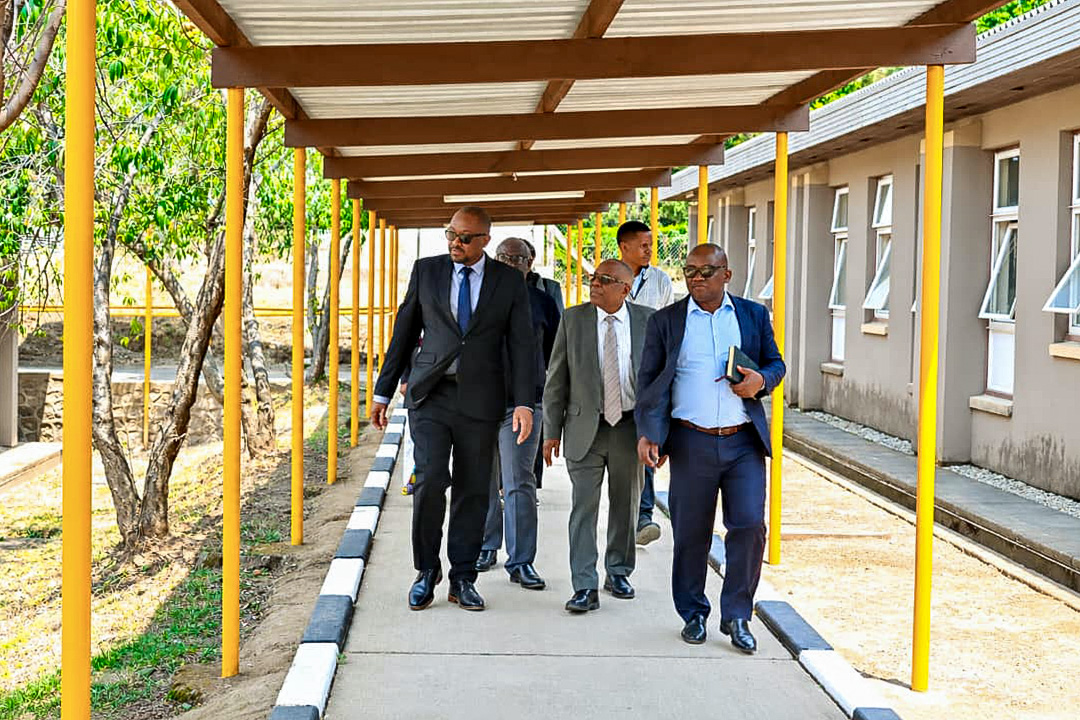
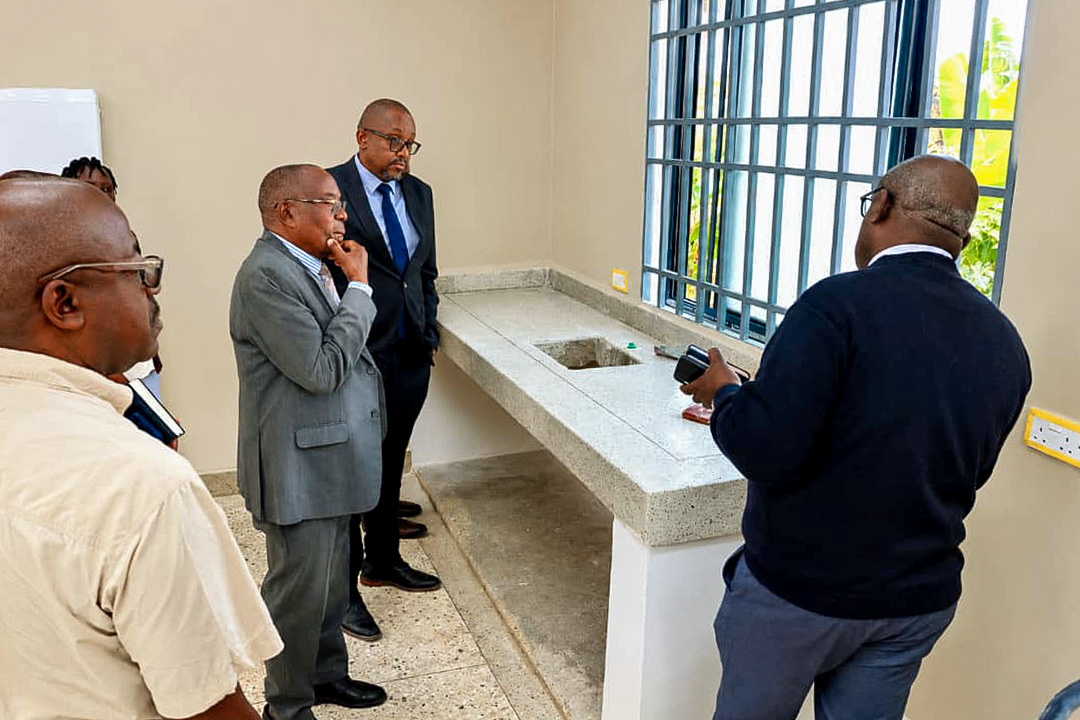
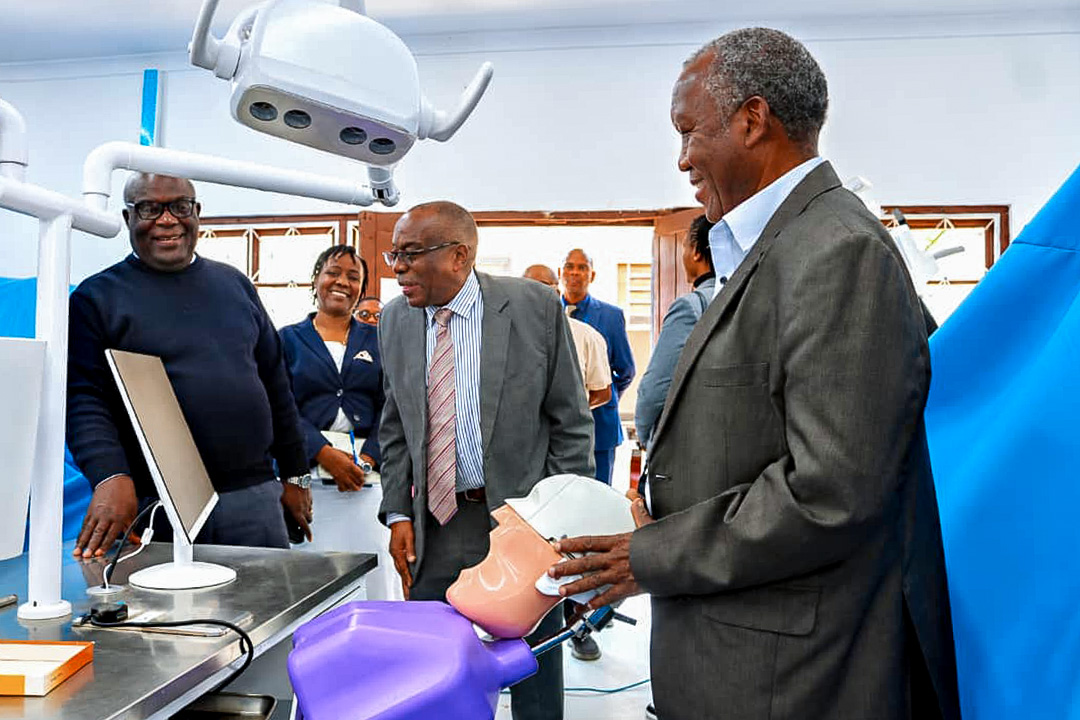
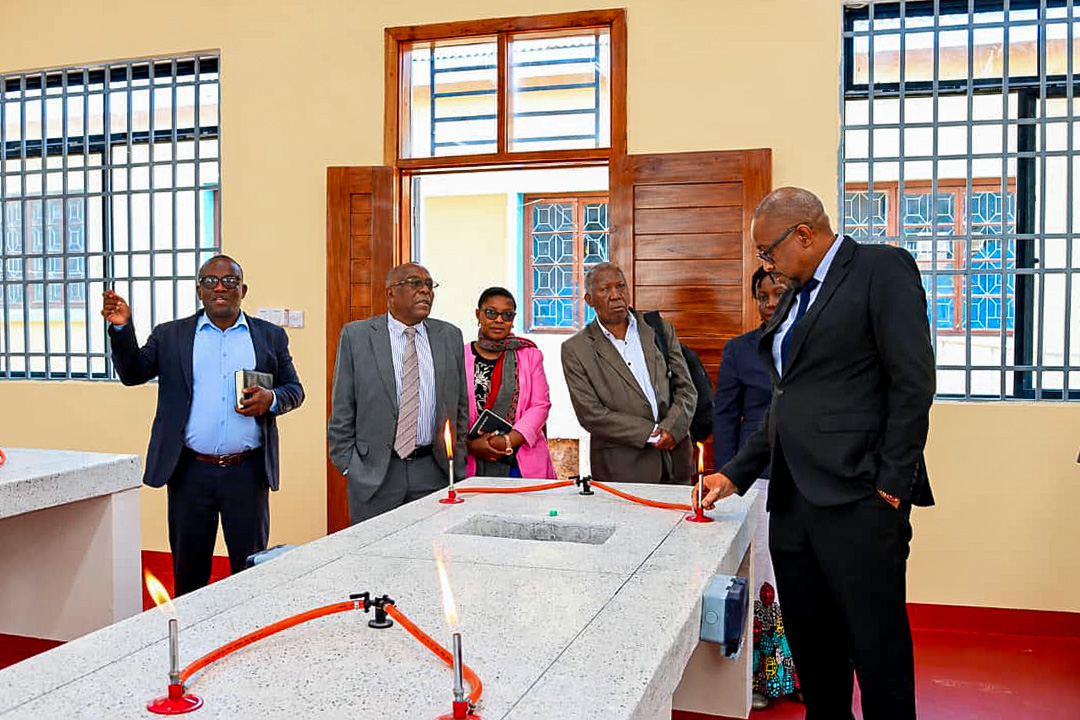
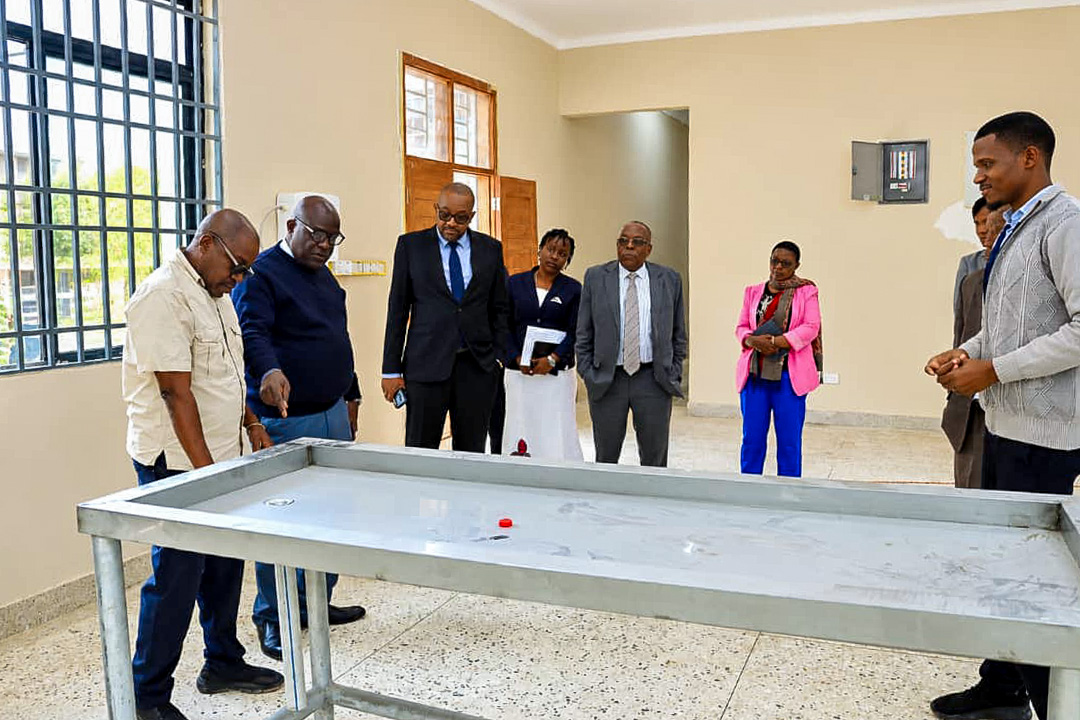
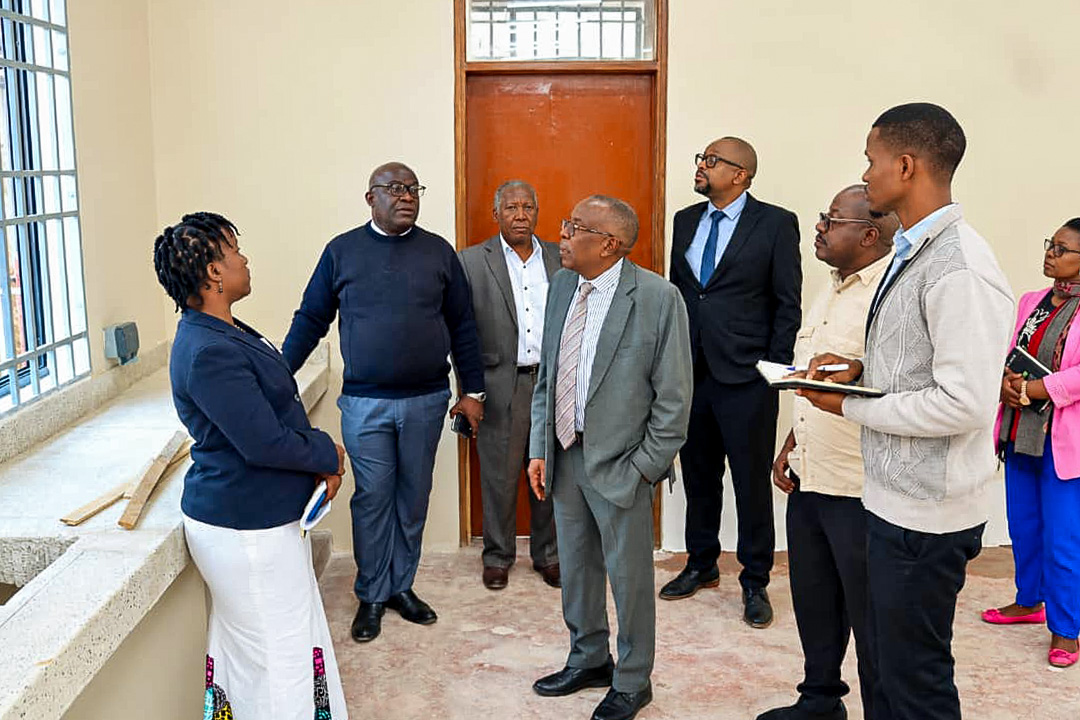
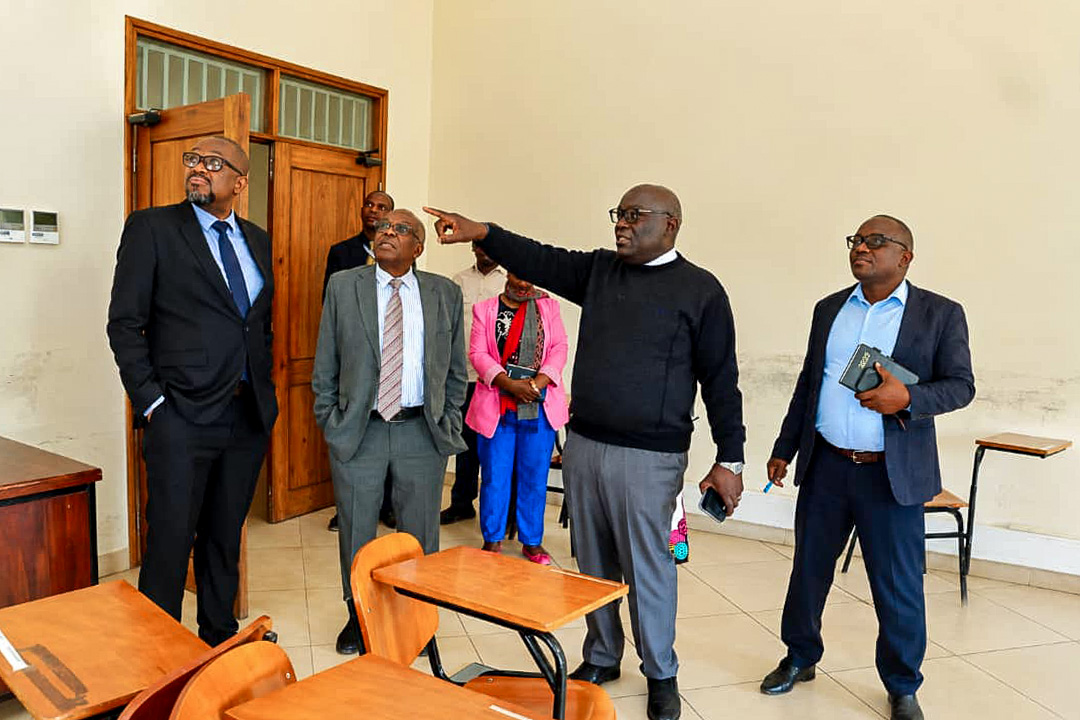
Led by TCU Chairperson Prof. Makenya Maboko and Executive Secretary Prof. Charles Kihampa, the delegation toured the College’s Parasitology and Microbiology, Histology and Pathology, Biochemistry, and Physiology laboratories, assessing how the facilities support teaching, practical training and students’ preparation for professional practice.
Welcoming the delegation, MCHAS Principal Prof. Projestine Muganyizi outlined the College’s facilities and their role in providing students with opportunities to translate what they learn in lectures into practical laboratory experience.
“These laboratories are an important part of how we prepare our students for the realities of professional practice. They give them an opportunity to work with practical procedures, develop technical skills and understand how the knowledge they acquire in class is applied in real health settings,” Prof Muganyizi said.
For a health sciences student, the journey from a lecture room to a hospital, diagnostic laboratory or research facility requires more than theoretical knowledge. It demands the ability to handle equipment, follow laboratory procedures, analyse results and make decisions based on scientific evidence.
The TCU delegation’s assessment highlighted the role of MCHAS laboratories in providing that bridge between theory and practice.
Through practical sessions in disciplines such as microbiology, pathology, biochemistry and physiology, students gain hands-on experience that can help prepare them for professional environments where accuracy, technical competence and evidence-based practice are critical.
Prof. Maboko said the visit was part of TCU’s broader responsibility to assess the environments in which universities prepare students for the workplace and to encourage institutions to maintain facilities that support quality education.
“Quality education is closely connected to the learning environment in which students acquire knowledge and practical skills. Our assessment therefore looks not only at what is taught, but also at the facilities and conditions that enable students to develop the competencies expected of graduates,” Prof. Maboko said.
The laboratories are particularly significant in health professions education, where students must develop practical competencies before entering hospitals, laboratories, research institutions and other health facilities.
Responding to advances in medical science and technology
The visit also provided an opportunity for TCU officials and MCHAS leaders to discuss the College’s development and the need to continuously improve teaching and learning environments in response to advances in medical science and technology.
For MCHAS, maintaining modern and functional laboratories is therefore not only about meeting academic and regulatory requirements. It is also about ensuring that students encounter the tools, procedures and learning experiences that reflect the changing demands of the health sector.
“The health sector continues to evolve, and our training must evolve with it. We have to ensure that our students are exposed to appropriate facilities and practical experiences so that they graduate ready to contribute to the health system,” Prof. Muganyizi said.
The assessment has placed renewed attention on the relationship between infrastructure and graduate competence, particularly in fields where practical skills can directly influence professional performance.
At MCHAS, laboratories are consequently more than rooms equipped with scientific instruments. They are learning spaces where students move from knowing to doing—developing the practical abilities that will eventually be applied in diagnosing disease, conducting research and supporting healthcare delivery.
The TCU visit thus underscored the wider significance of investing in quality learning environments: strengthening the preparation of health professionals who can contribute to Tanzania’s healthcare system and respond to emerging public health and scientific challenges.