

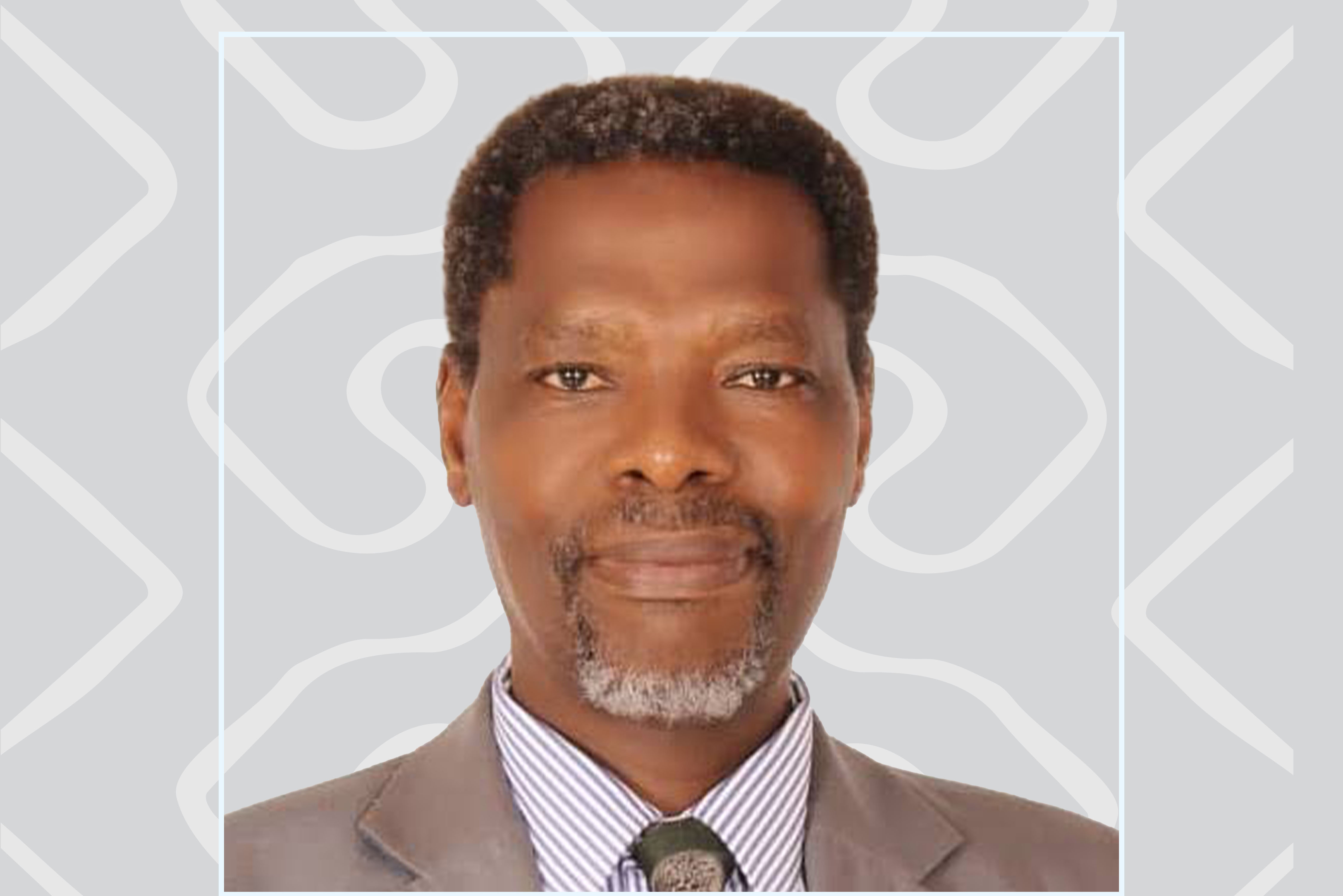
From Potential to Global Impact: Prof. Yunus Mgaya Maps a Winning Formula for Young Researchers
By Jackson Isdory, CMU
As the global knowledge economy grows more competitive and digitally interconnected, the University of Dar es Salaam (UDSM) is sharpening its focus on research excellence and sustainability, anchoring its vision on empowering the next generation of scholars.
At the centre of this momentum, renowned UDSM academic, Prof. Yunus Daud Mgaya, is calling on early-career researchers to adopt a strategic, disciplined, and globally oriented approach to succeed in today’s evolving academic landscape.
In a compelling engagement, Prof. Mgaya, a professor of aquatic sciences and marine biology, and former UDSM Deputy Vice Chancellor-Planning, Finance and Administration, described modern research as a powerful platform not only for advancing knowledge but also for driving societal transformation.
However, he cautioned that success in academia is no longer accidental, it demands intentional effort built on three key pillars: internationalization, discipline, and hard work.
According to Prof. Mgaya, internationalization has become a defining factor in research excellence. He emphasized that impactful research today is increasingly collaborative and global in outlook.
“Collaborative research and international exposure are no longer optional; they are essential for innovation and for positioning scholarly work within the global academic discourse,” he said.
He encouraged young academics to actively pursue international partnerships, using digital platforms to co-create knowledge, access joint funding opportunities, and expand the visibility of their work.
“Participation in global conferences is a strategic investment that enhances exposure to emerging trends while strengthening professional networks”, he noted.
Equally critical, he added, is publishing in reputable international journals. “Your research must speak to the world, and that requires targeting platforms with global reach and credibility,” Prof. Mgaya stressed.
Discipline as the Engine of Academic Excellence
Beyond global engagement, Prof. Mgaya identified discipline as the foundation of consistent research output. He urged early-career academics to adopt structured approaches—setting clear goals, maintaining regular work routines, and embedding continuous feedback into their research processes.
“A structured research process enables you to remain focused on delivering measurable and high-quality outcomes,” he advised.
He further highlighted the value of mentorship and peer review, noting that constructive critique is essential for refining ideas and strengthening the rigor of research outputs. Building a culture of feedback, he said, is key to sustaining academic growth.
Reflecting on the realities of academic life, Prof. Mgaya underscored that resilience and persistence are indispensable. He noted that setbacks, such as rejected manuscripts or inconclusive findings, are part of the research journey.
“Challenges are inherent in research. What defines successful academics is their ability to learn, adapt, and persist,” he said.
He encouraged young scholars to embrace lifelong learning, continuously upgrading their skills and staying responsive to new developments in their fields. At the same time, he cautioned against burnout, advocating for a balanced approach that integrates personal well-being with professional ambition.
Advancing UDSM’s Research Vision
Prof. Mgaya’s insights align closely with UDSM’s broader strategic agenda of strengthening research sustainability and innovation capacity. By equipping early-career academics with practical tools and a forward-looking mindset, the University is positioning itself to remain competitive in the global higher education landscape.
“As emerging scholars, your role in shaping the future of knowledge is both critical and transformative. Approach it with purpose, resilience, and a commitment to excellence,” he emphasised.
As universities worldwide adapt to rapid technological change and intensifying global competition, such thought leadership underscores the enduring importance of mentorship in building a vibrant, impactful research culture—one capable of driving innovation and national development.