





National Forum Advances Aquatic Food Systems Transformation in Tanzania
By Jackson Isdory, CMU
A high-level national forum convened by WorldFish, Asia-Africa Bluetech Superhighway (AABS) in partnership with the University of Dar es Salaam has charted a transformative roadmap for Tanzania’s aquatic food systems, reinforcing science-driven collaboration as a cornerstone of the country’s inclusive blue economy.
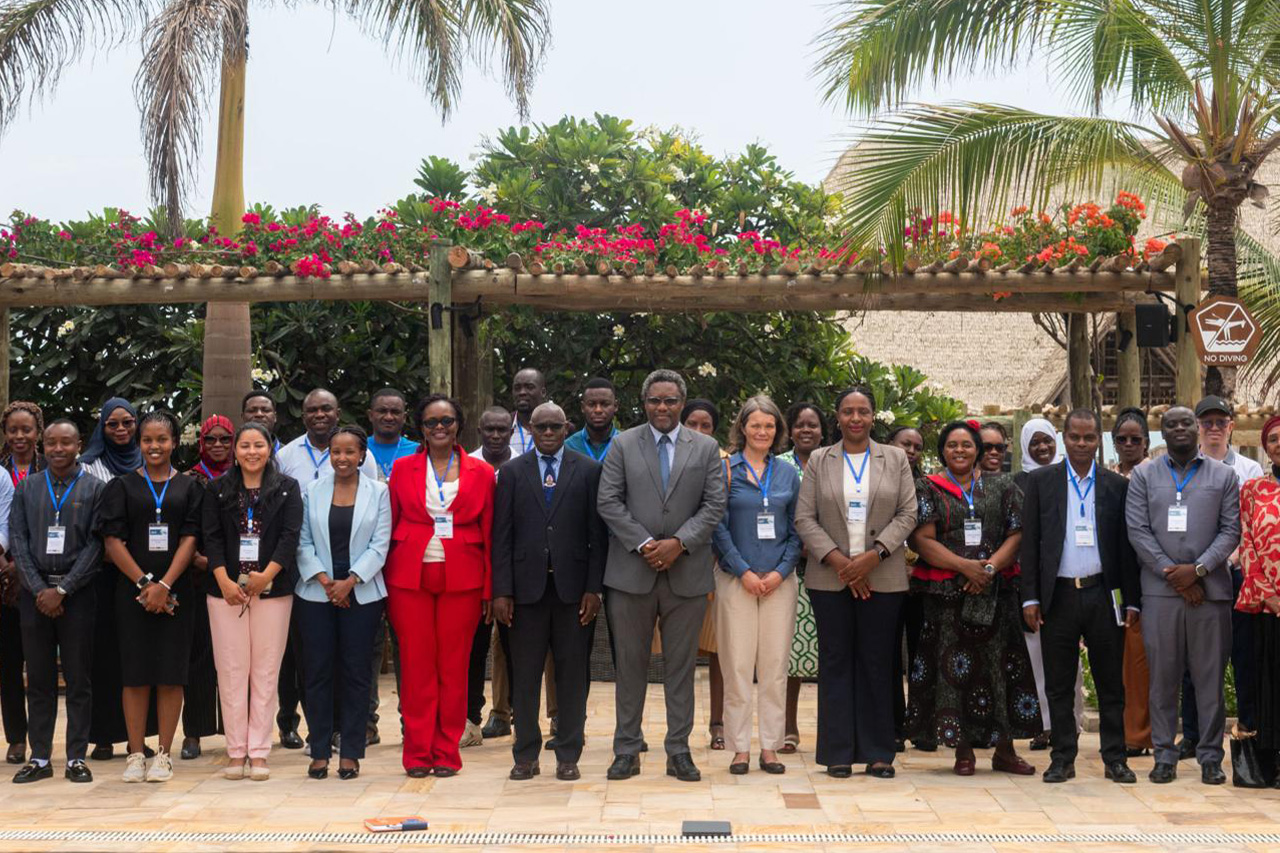
The forum brought together government leaders, researchers, private sector actors, development partners, and community representatives to co-design a national Theory of Change aimed at unlocking sustainable growth, food security, and livelihoods through fisheries and aquaculture.
The engagement, supported by the Foreign, Commonwealth & Development Office and the CGIAR Sustainable Animal and Aquatic Foods Science Program, underscored the growing alignment between research, innovation, and policy in advancing Tanzania’s development priorities.
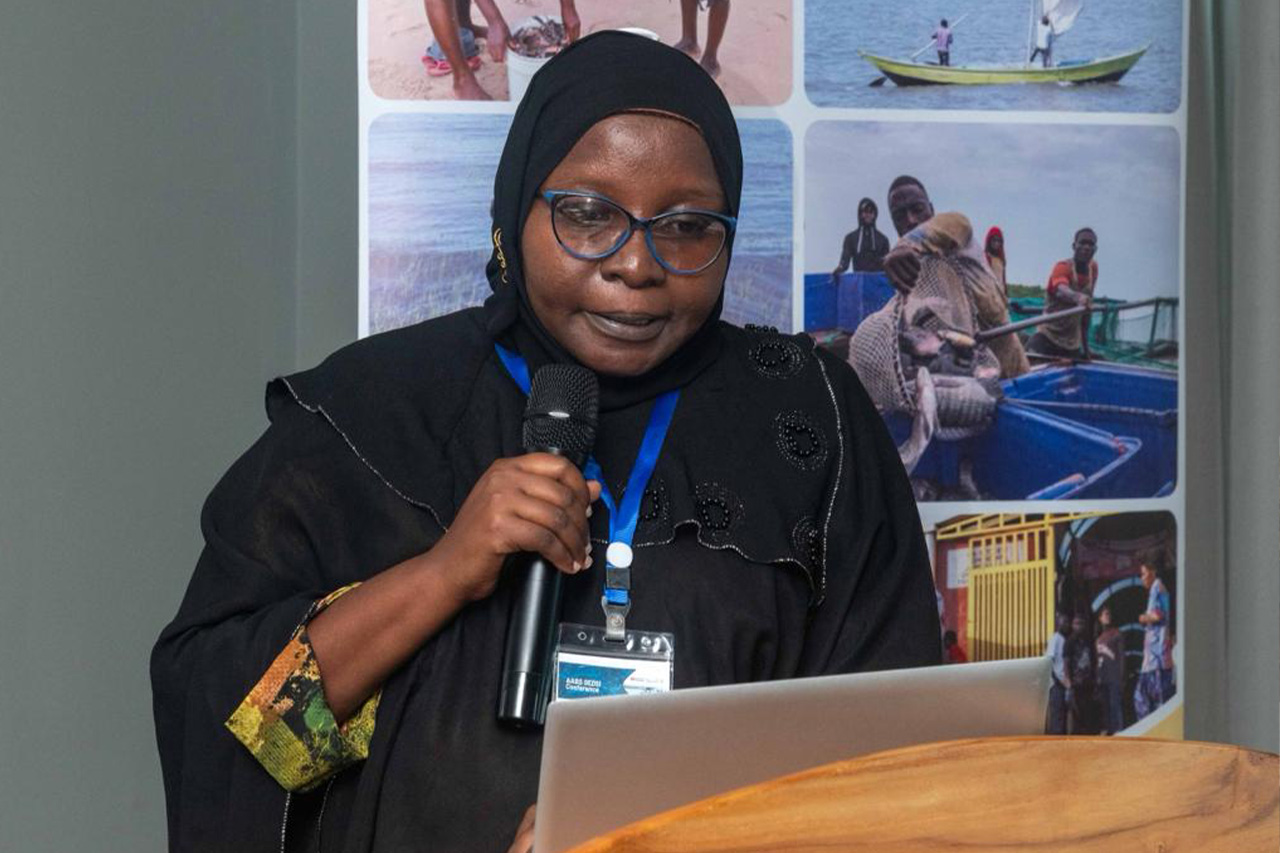
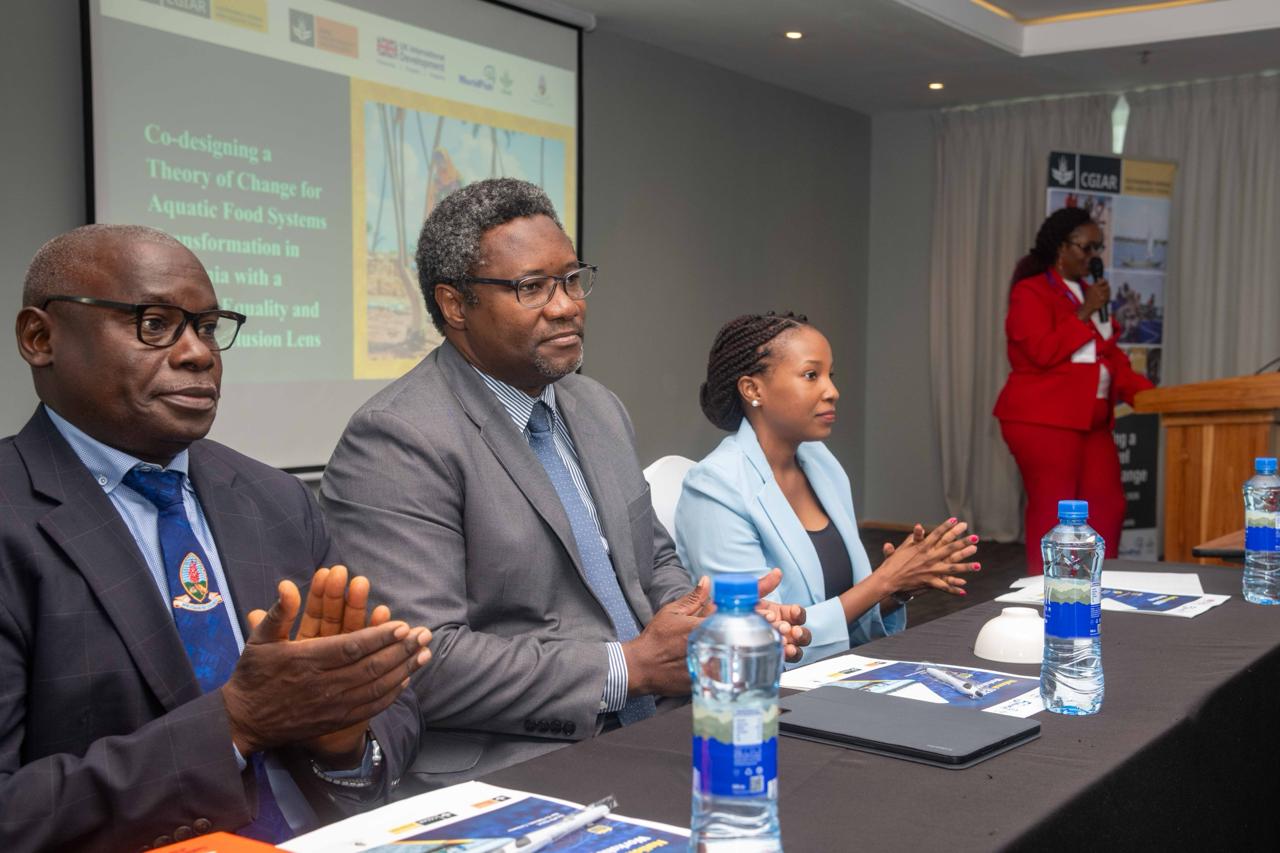
Opening the forum, Dr. Rahma Adam, Senior Scientist and Socio-Economic Impact Lead at WorldFish, stressed that inclusion must anchor sector transformation.
“Gender equality, youth participation, and disability inclusion are not optional add-ons; they are fundamental to building resilient and productive aquatic food systems,” she said, urging stakeholders to translate inclusive commitments into scalable national impact.
The forum was officially inaugurated by Dr. Ismael A. Kimirei, Director General of the Tanzania Fisheries Research Institute, representing the Ministry of Livestock and Fisheries, signalling strong Government commitment to positioning fisheries and aquaculture as drivers of national development.
“This initiative reflects the Government’s direction to harness aquatic resources for food security, employment, and long-term prosperity while safeguarding sustainability and equity,” he noted.
Partnership to advance climate-resilient and inclusive aquatic food systems
Ms. Gloria Mramba, speaking on behalf of the UK Government, reaffirmed continued partnership with Tanzania to advance climate-resilient and inclusive aquatic food systems.
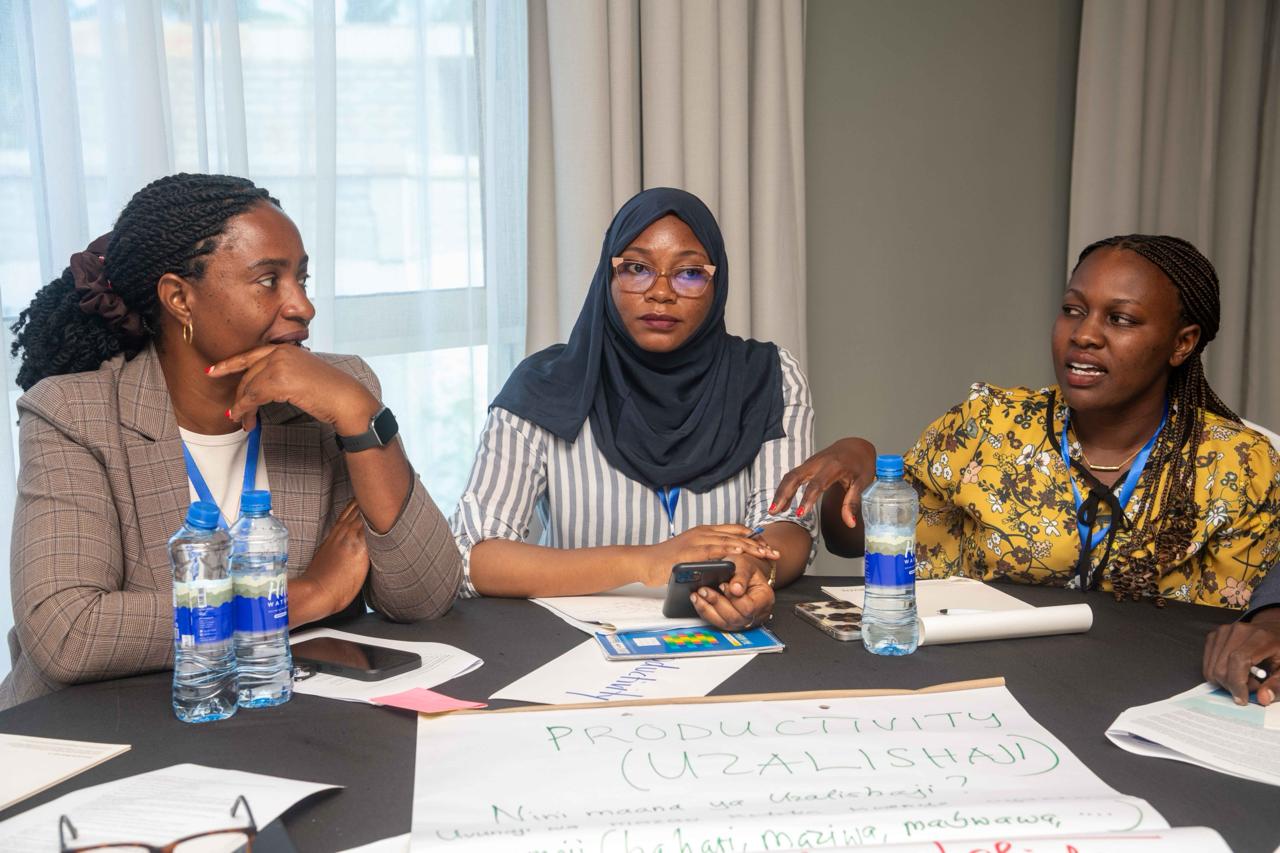
Deliberations identified priority actions including climate-smart production, technology and innovation uptake, strengthened market systems, improved genetics, One Health integration, and expanded economic opportunities for women, youth, and marginalized communities, alongside reducing post-harvest losses and enhancing data-driven governance.
A key milestone was the co-creation of a national Theory of Change to guide investments, partnerships, and innovation pathways across the sector.
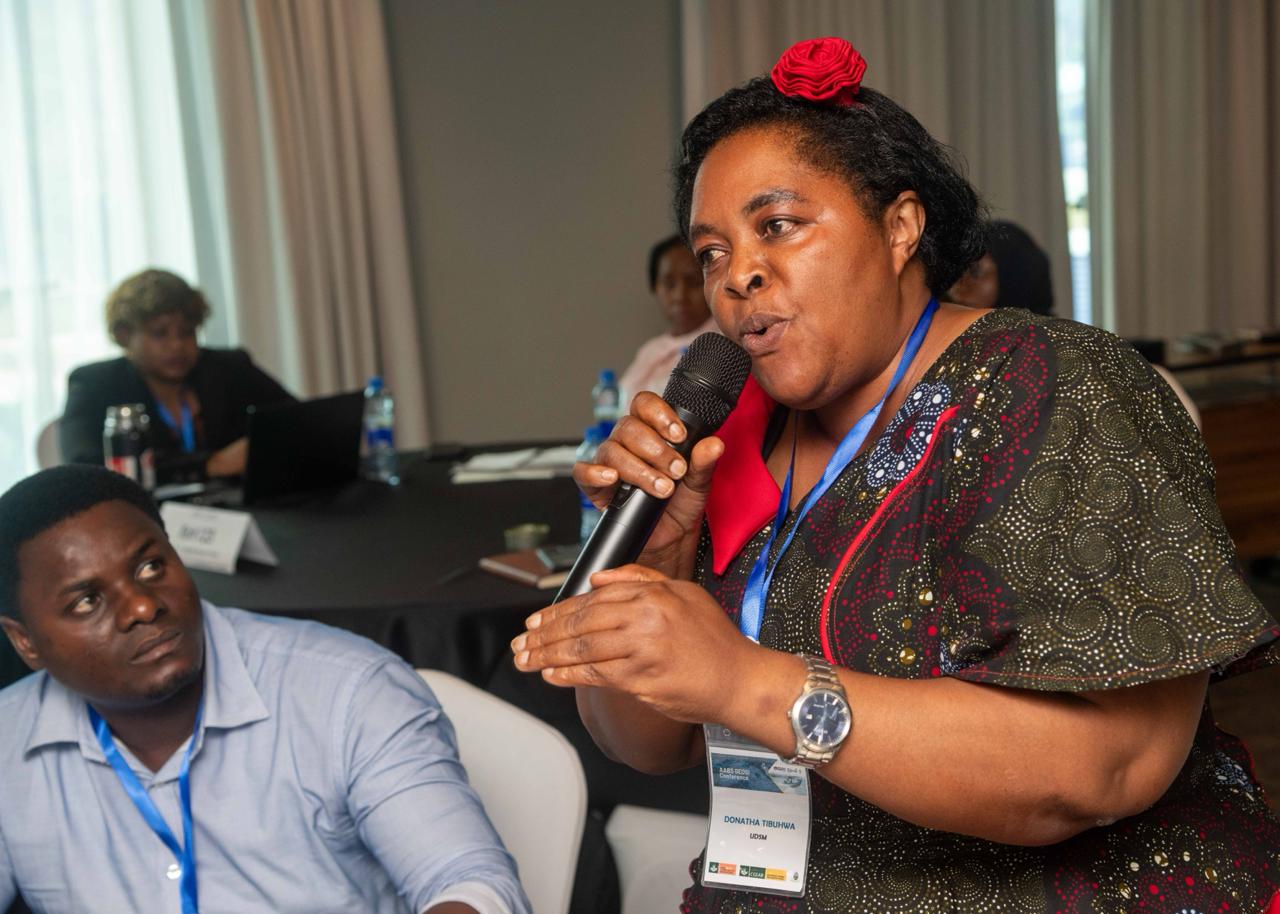
Prof. Donatha Tibuhwa, UDSM Director of Quality Assurance, emphasized the University’s convening role in bridging knowledge and national development.
“This forum demonstrates how universities can translate research into actionable priorities that inform policy and deliver tangible benefits to communities”, she said.
Through such partnerships, the University of Dar es Salaam continues to position itself as a catalyst for interdisciplinary solutions, leveraging research excellence and global collaboration to advance Tanzania’s vision of a sustainable, inclusive, and resilient blue economy.