More Than Words: Chinese Volunteer Teachers Set to Enrich Language Learning, Cultural Exchange
By Selemani Nambimbi, CMU
Learning a new language is about more than mastering words and grammar; it is also about understanding the people, traditions and experiences behind them. At the University of Dar es Salaam (UDSM), the arrival of volunteer teachers from China is expected to bring that experience closer to students learning Chinese while strengthening cultural exchange between Tanzania and China.
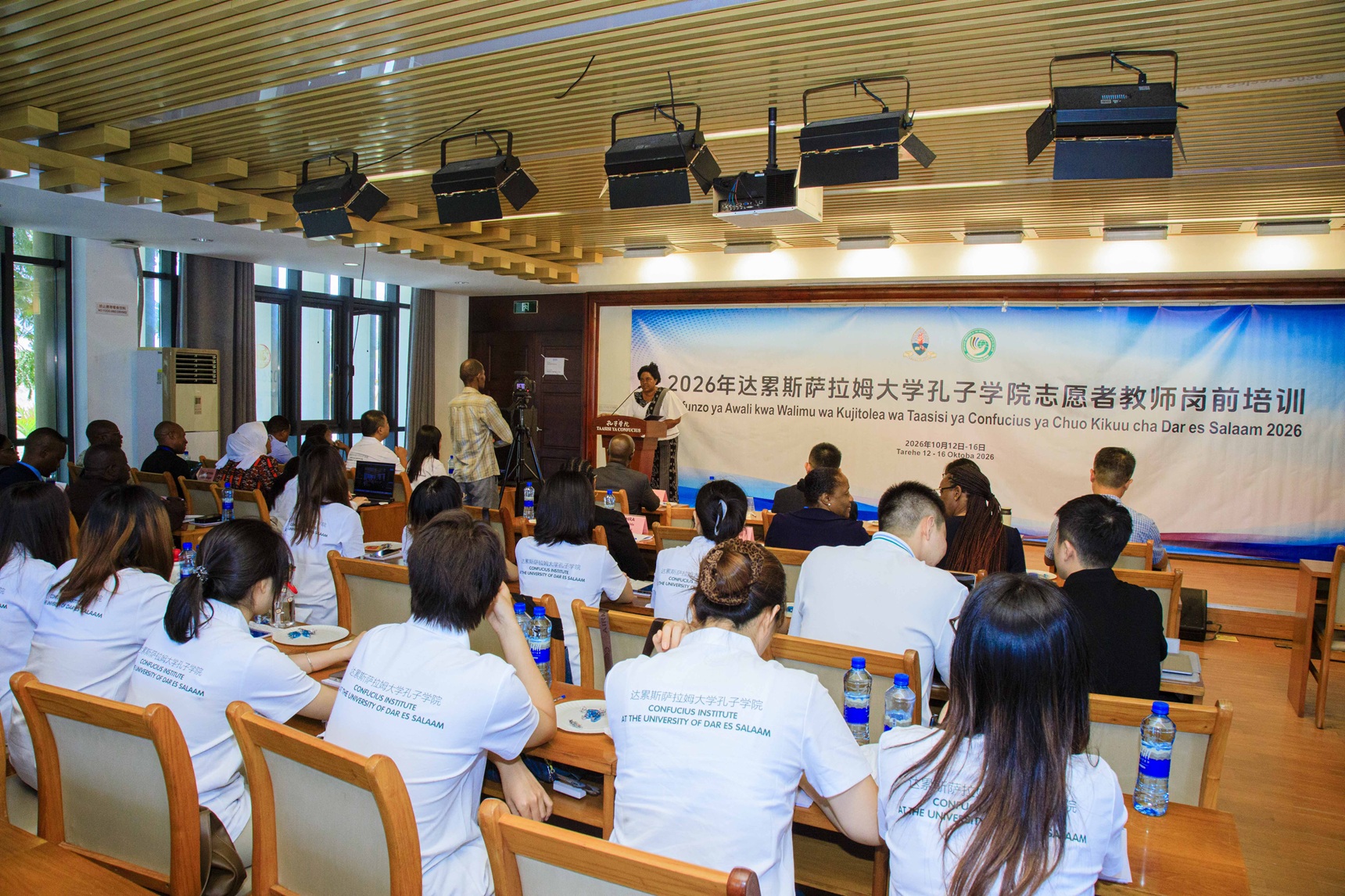
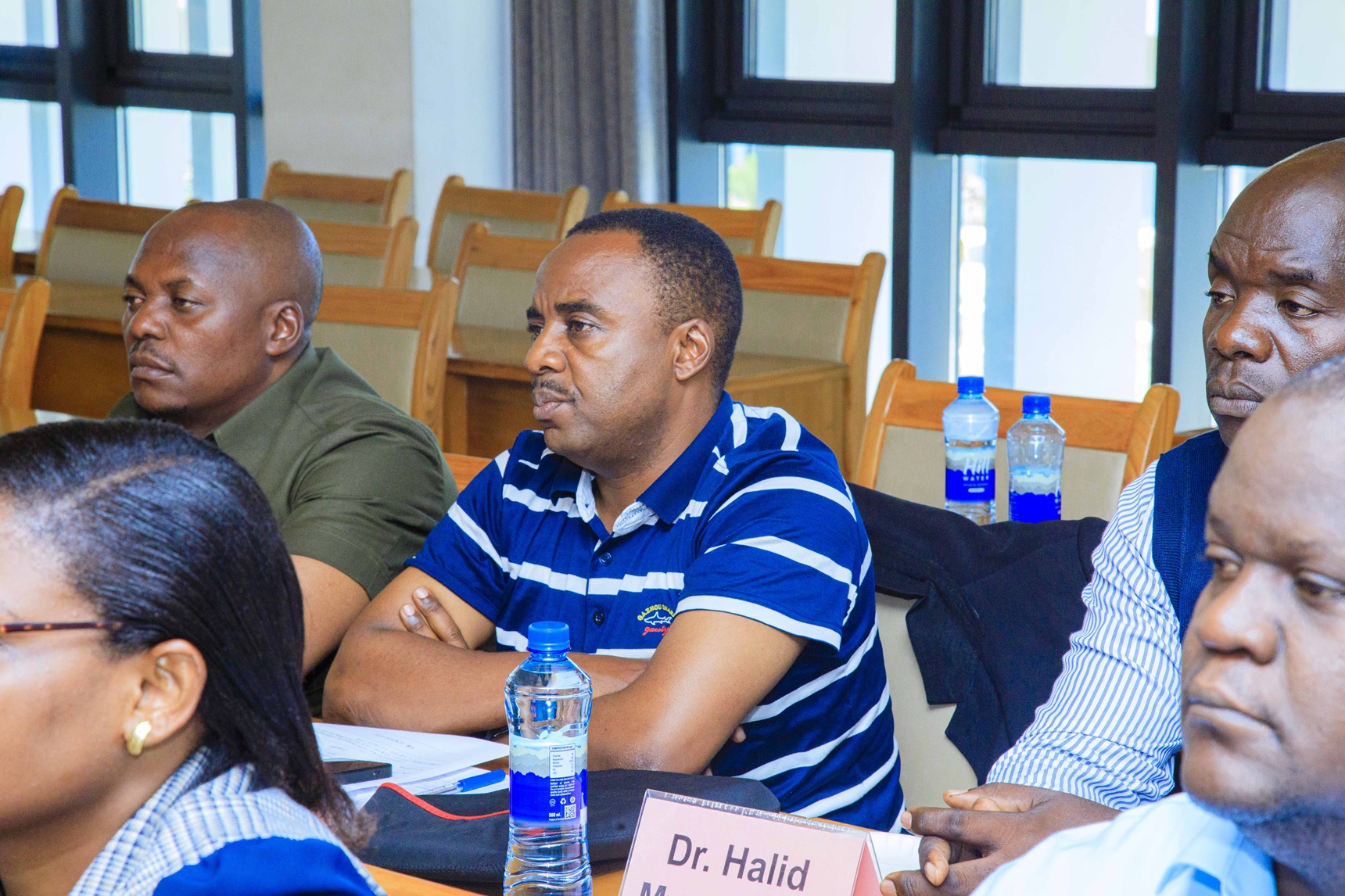
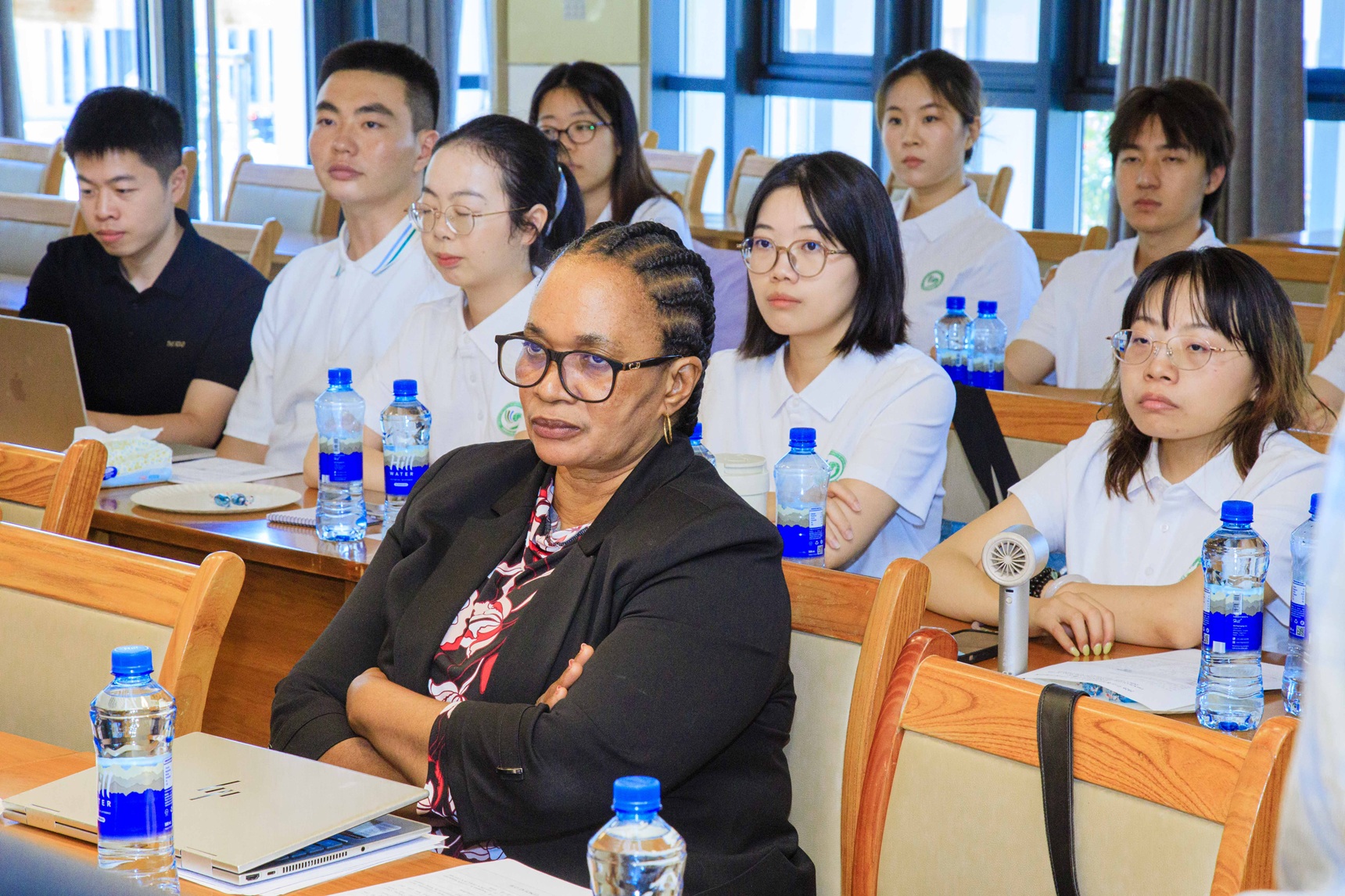
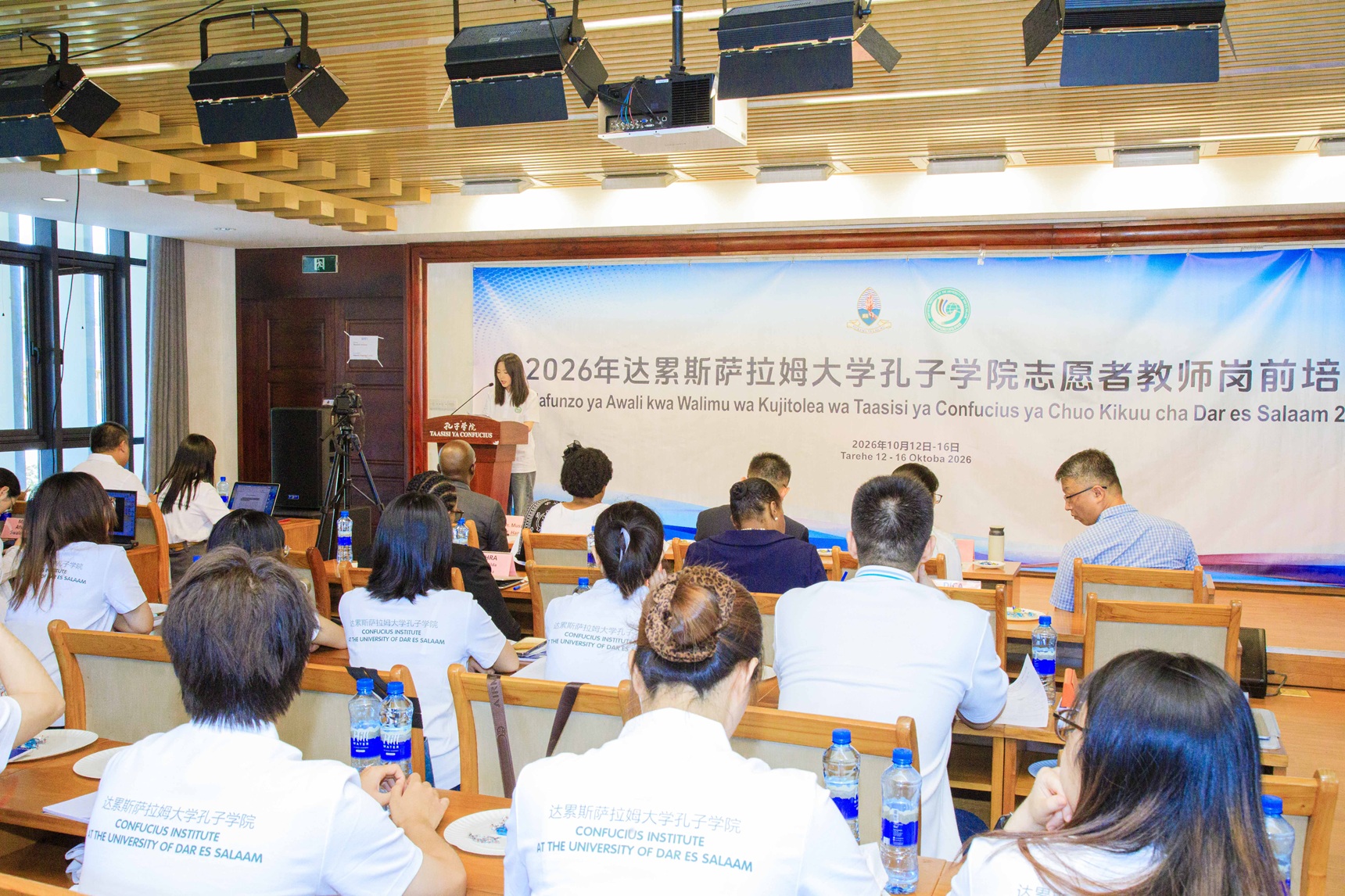
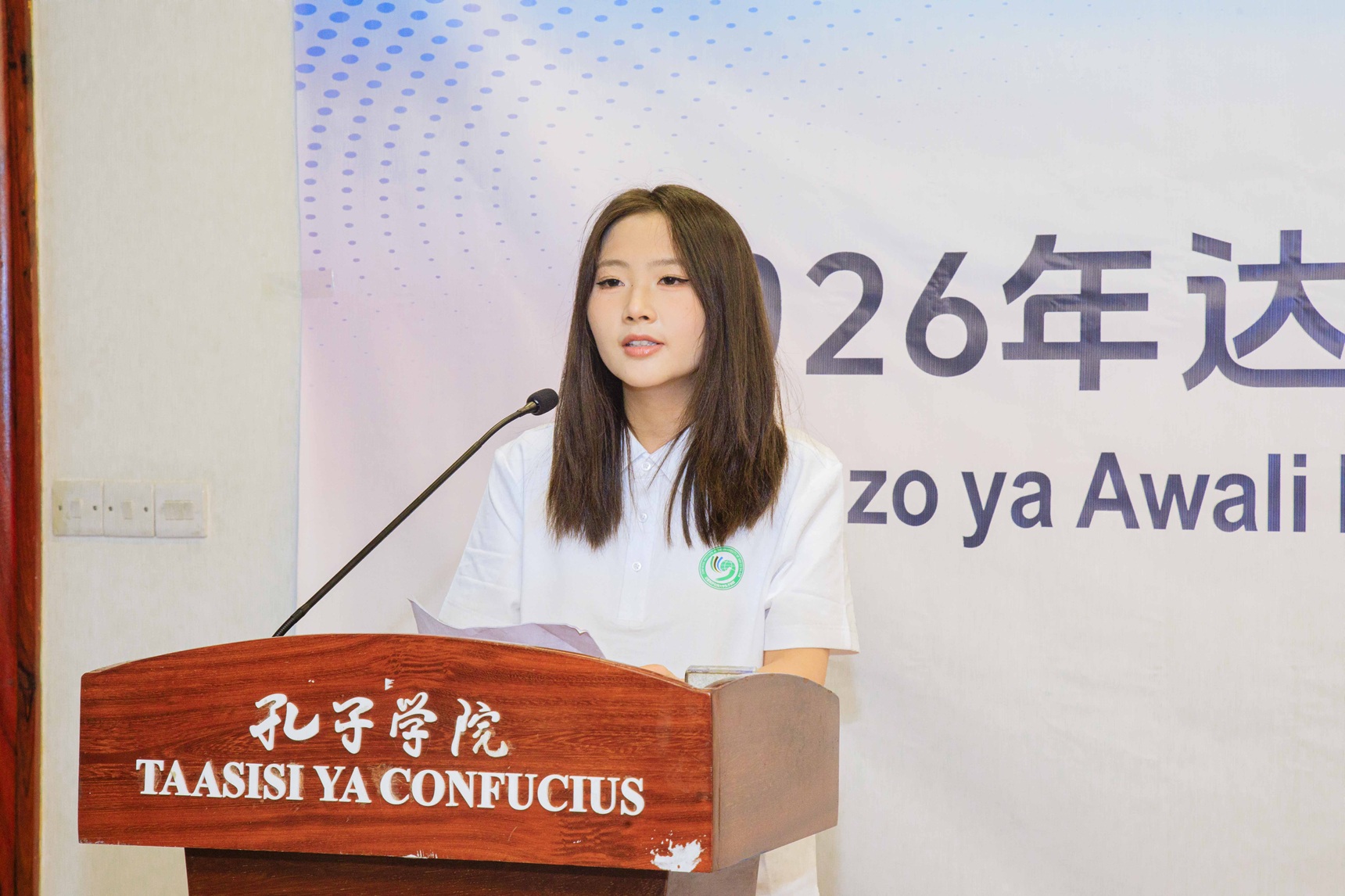
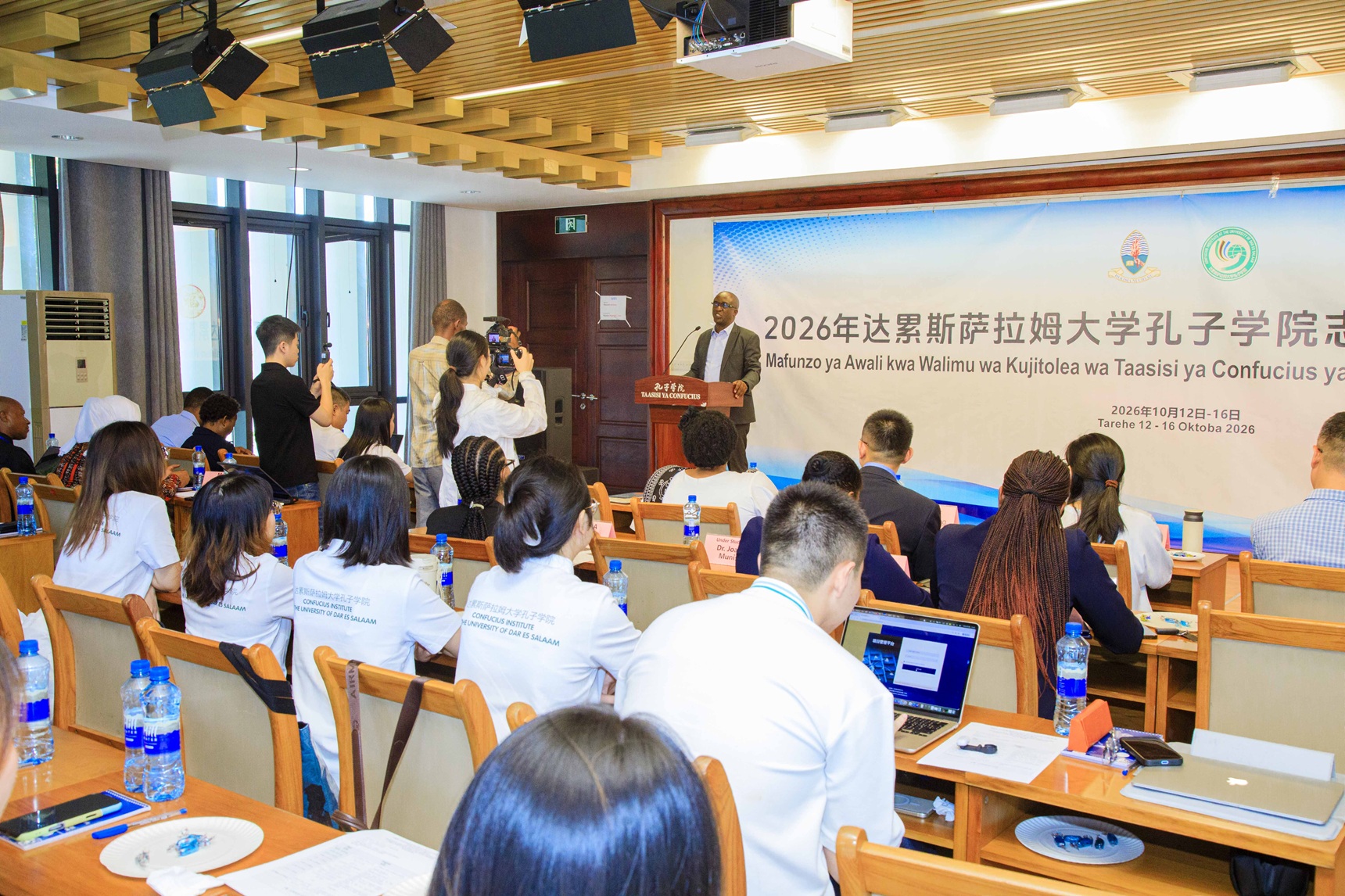
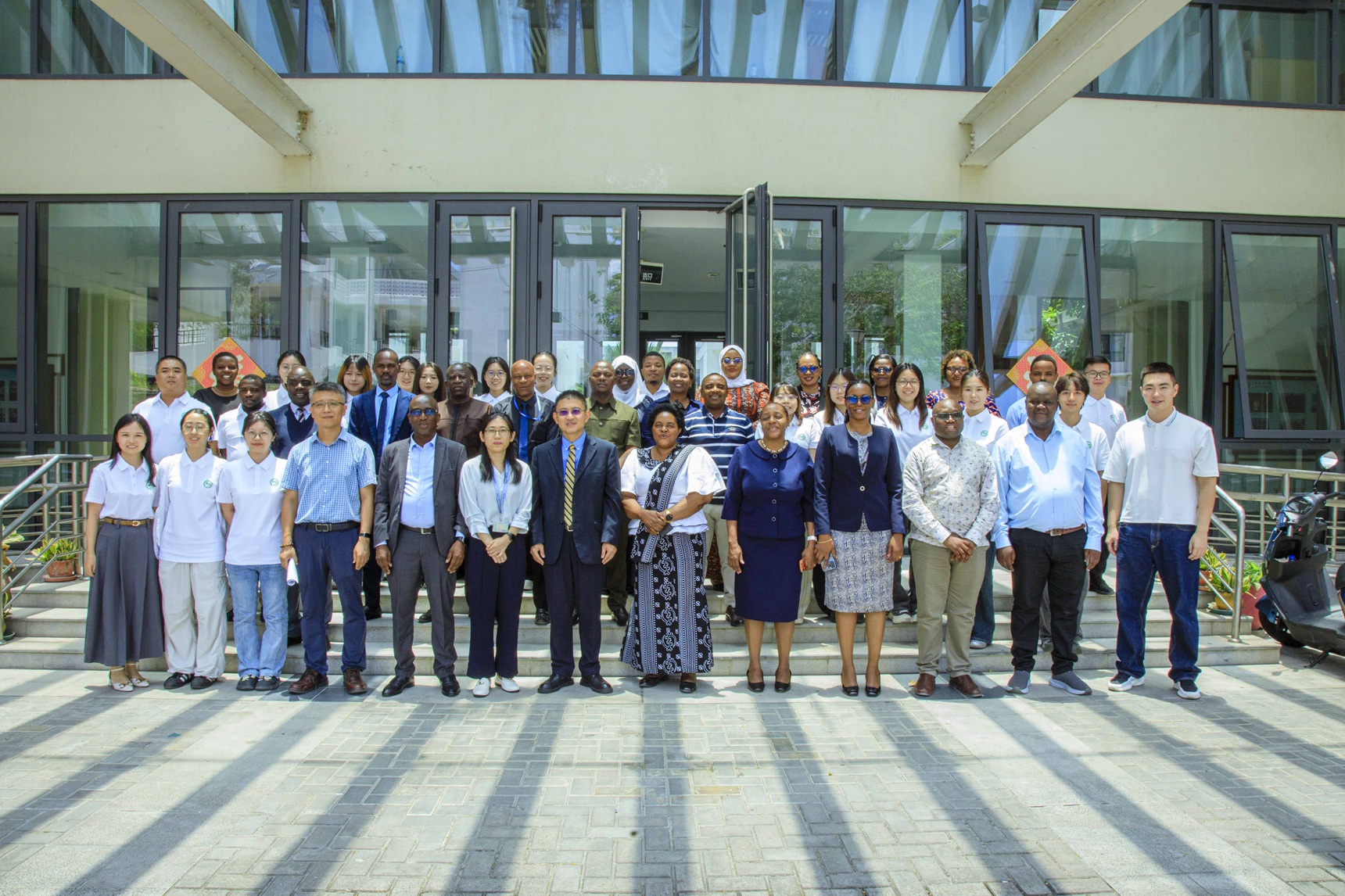
The teachers have begun an introductory training programme to prepare them for teaching and cultural exchange activities at the University through the Confucius Institute, which has promoted Chinese language learning and cultural understanding at UDSM since 2013.
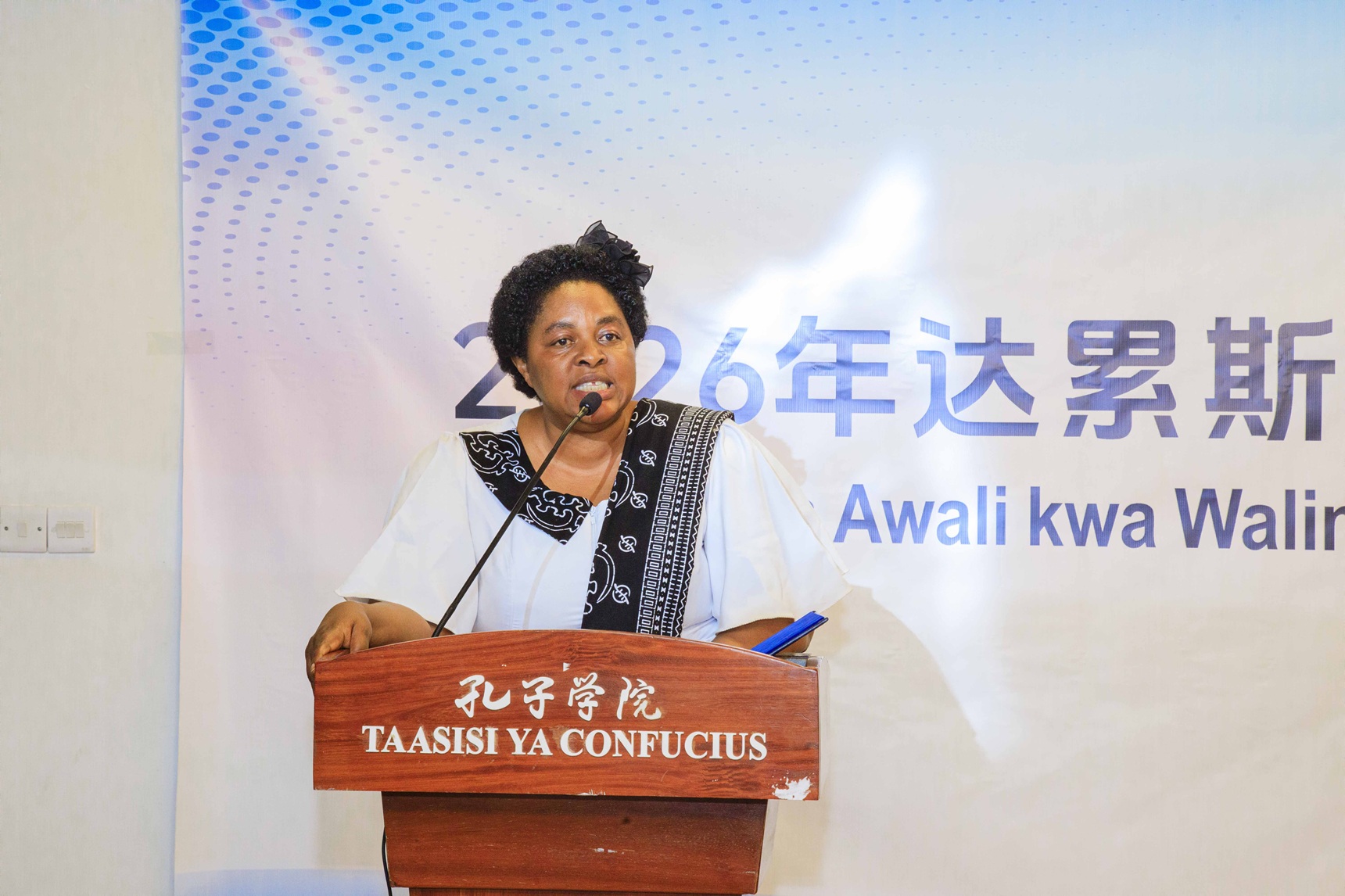
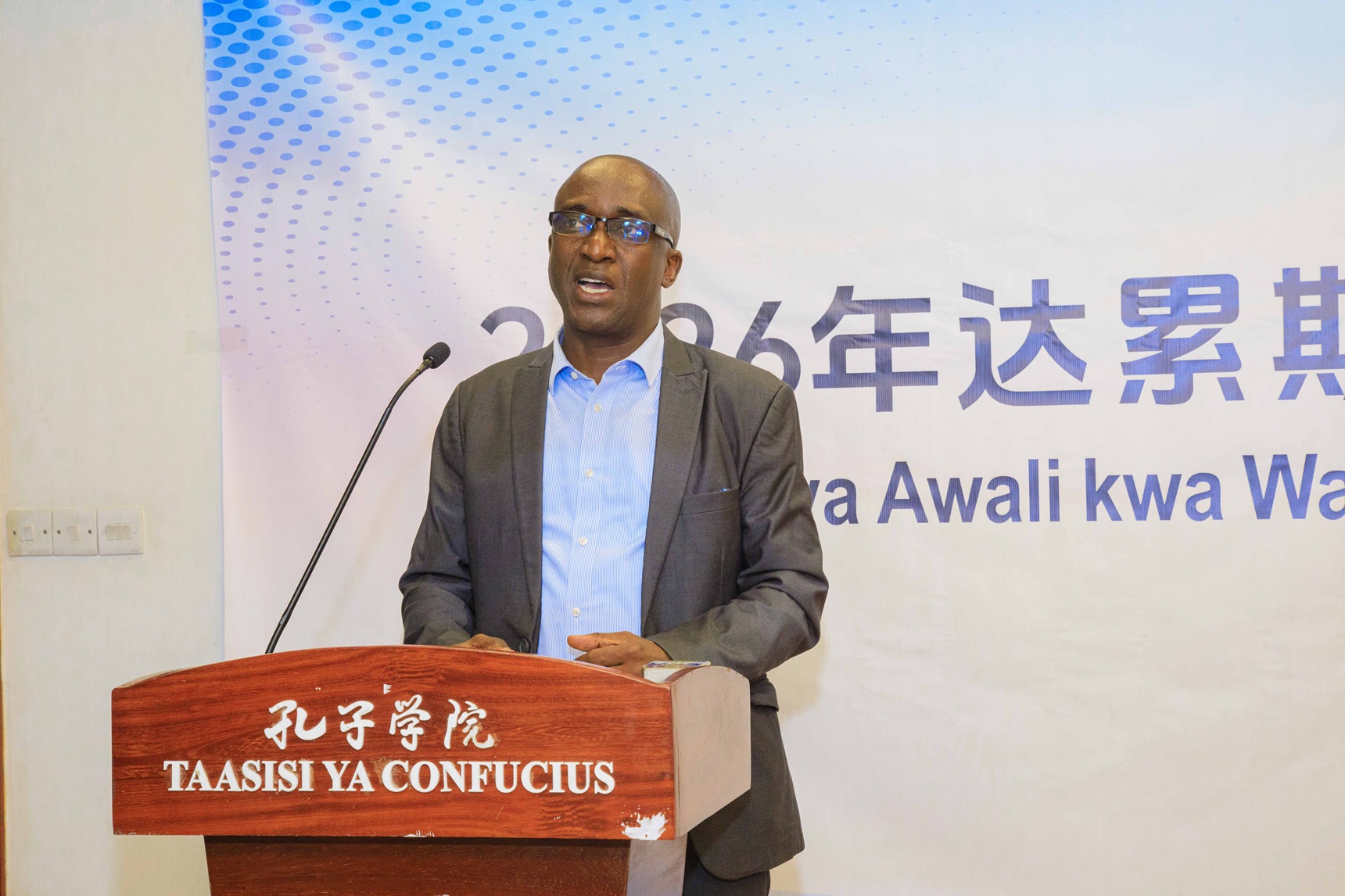
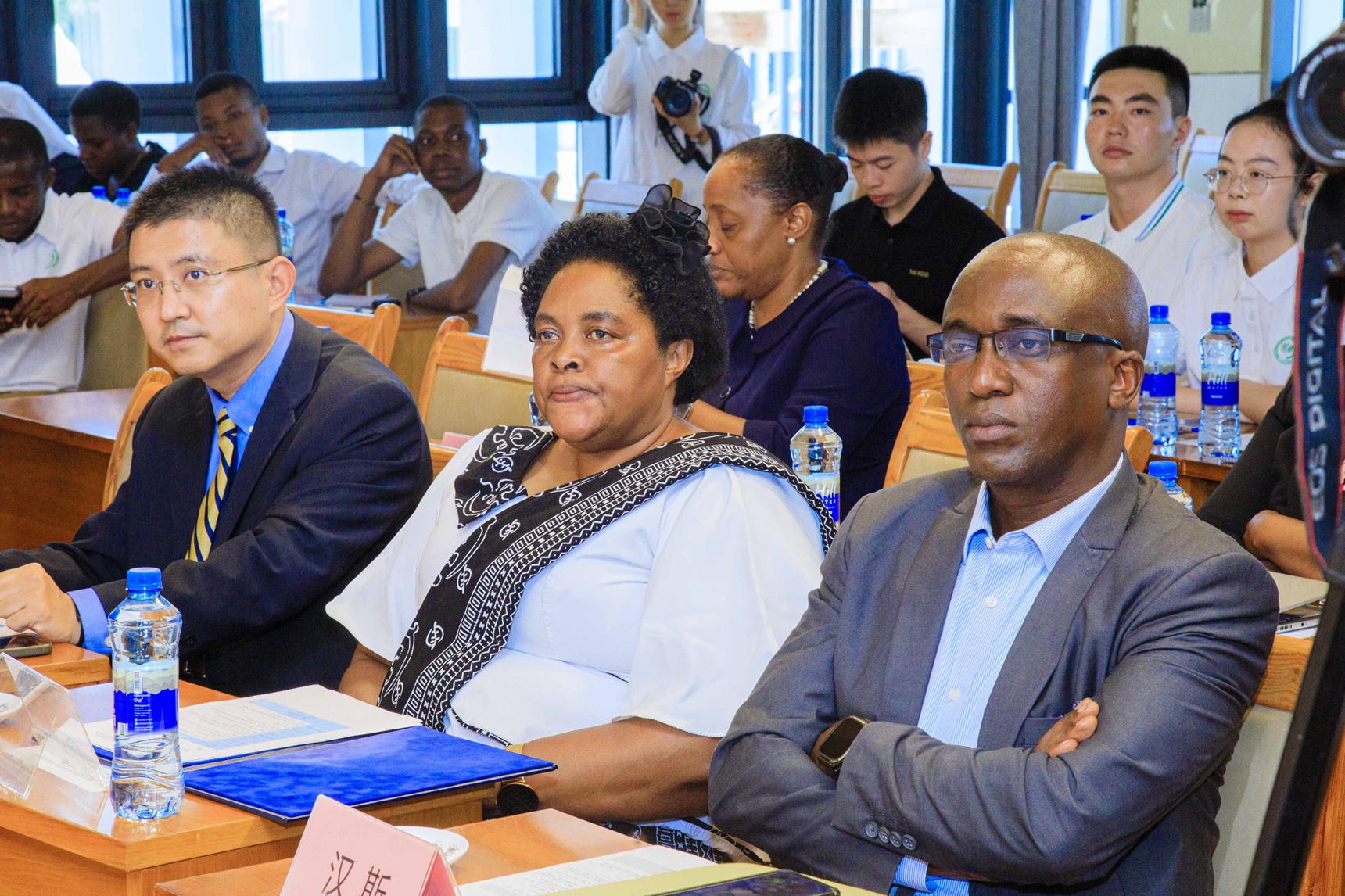
Opening the training on October 12, 2026, UDSM Director of the Quality Assurance Unit, Prof. Donatha Damian Tibuhwa, who represented Deputy Vice-Chancellor for Academic Affairs Prof. Rose Upor, urged volunteers to maintain the University’s academic standards while creating an environment in which students can learn effectively.
She also encouraged the teachers to learn Kiswahili and familiarise themselves with Tanzanian culture, explaining that communication and cultural understanding would be essential to their work with students.
“Here in Tanzania, Kiswahili holds the same significance as Chinese does in China. Therefore, I encourage you to make an effort to learn our language, traditions and culture to facilitate your teaching and promote better understanding with students,” Prof. Tibuhwa said.
Her message highlighted the importance of mutual learning in international education. While the volunteers will introduce students to Chinese language and culture, understanding the local language and customs can help them connect with learners, explain concepts more effectively and become part of the wider University community.
For students, such interaction offers an opportunity to learn Chinese in a setting that goes beyond classroom lessons, creating space for cultural exchange and a better appreciation of life and traditions in both countries.
Teaching that makes a difference
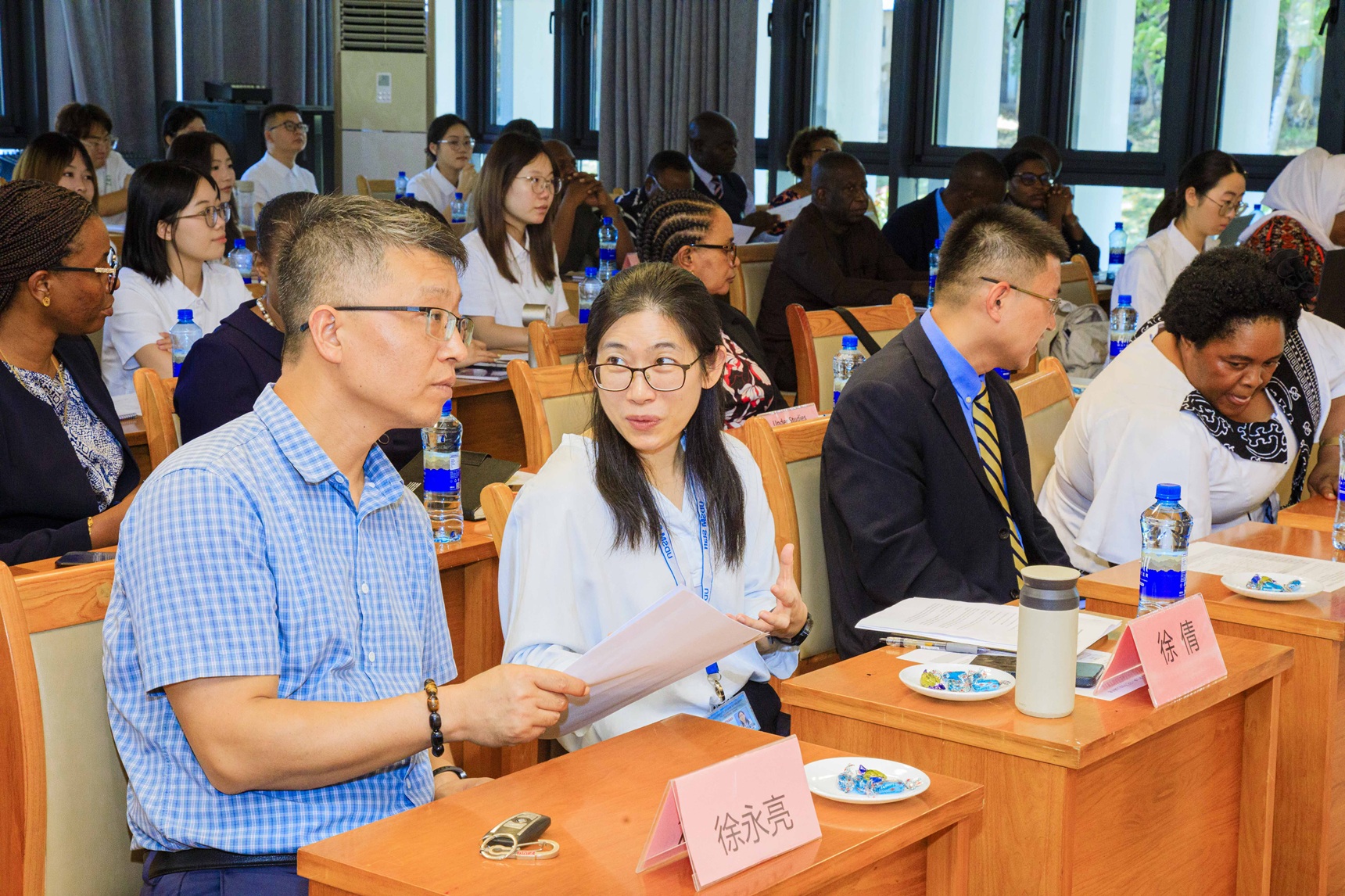
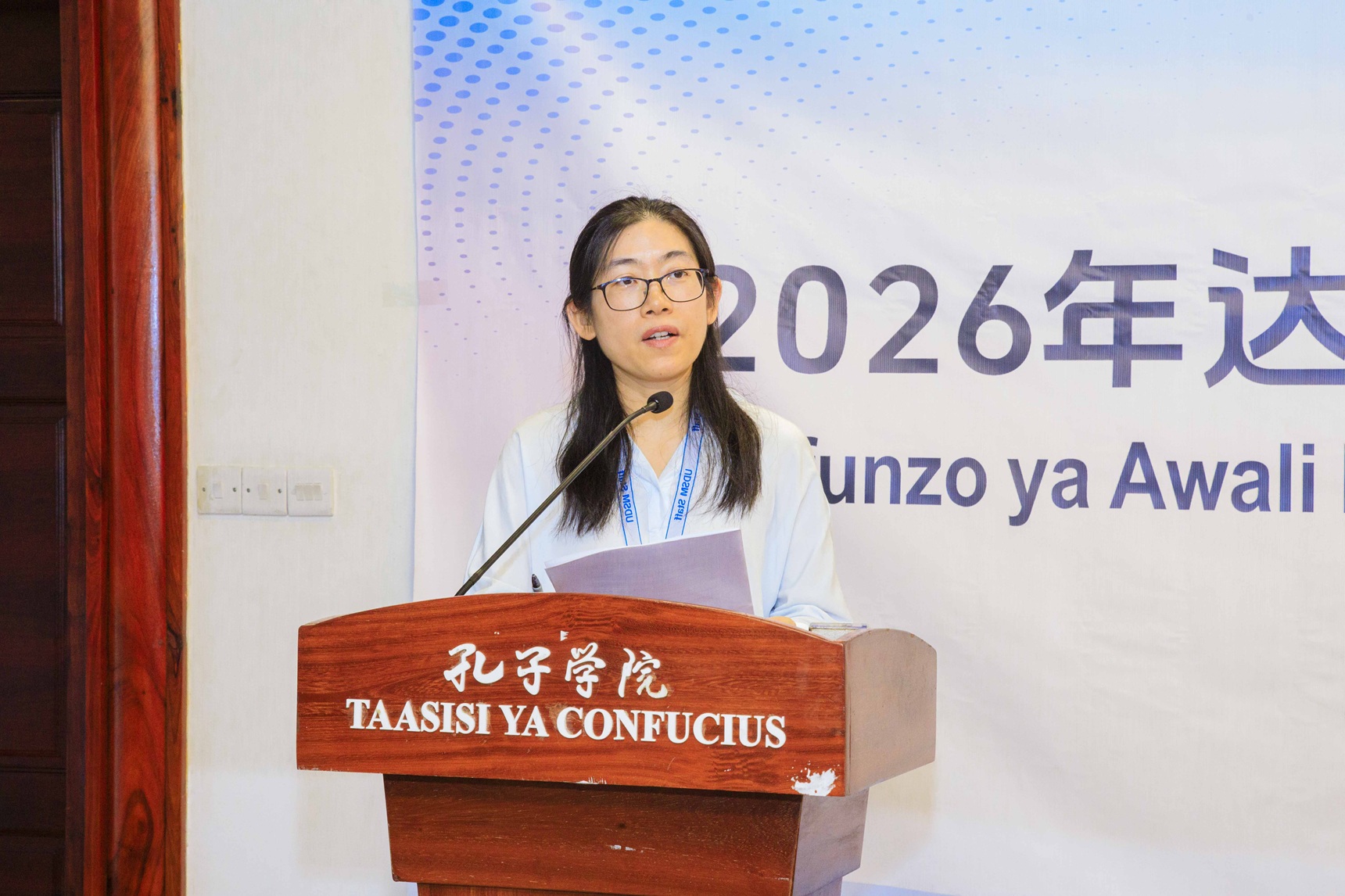
The Chinese Director of the Confucius Institute at UDSM, Dr. Xu Qian, thanked the University management for welcoming the volunteer teachers and emphasised the responsibility that comes with the teaching role.
“As teachers, it is important for us to fulfil our responsibilities, and it is our duty to ensure that students learn effectively,” Dr. Qian said.
Her remarks placed the focus on the purpose of the initiative: ensuring that the presence of the volunteers translates into meaningful learning experiences for students.
Established in 2013 through cooperation between UDSM and China’s Hanban, now known as the Centre for Language Education and Cooperation, the Confucius Institute provides opportunities for Tanzanians to learn Chinese, engage with Chinese culture and develop language skills that may support further study and professional opportunities.
As international academic and professional connections continue to create opportunities for cross-cultural communication, proficiency in another language can help learners engage with people, ideas and experiences beyond their immediate environment.
The arrival of the volunteer teachers is expected to strengthen Chinese language instruction at the University and expand opportunities for students to interact with a different language and culture. Their work will also depend on building connections with learners and adapting their teaching to the Tanzanian context.
For the volunteers, the experience offers an opportunity to share their language and cultural knowledge while learning about Kiswahili, Tanzanian traditions and the experiences of the students they teach.
Through the Confucius Institute, UDSM continues to support multilingual education and international academic cooperation, with the aim of preparing students to communicate across cultures and participate in an increasingly interconnected world.