


Medical Physics Push Positions Tanzania as Emerging Regional Healthcare Hub
By Renancy Remmy, CMU
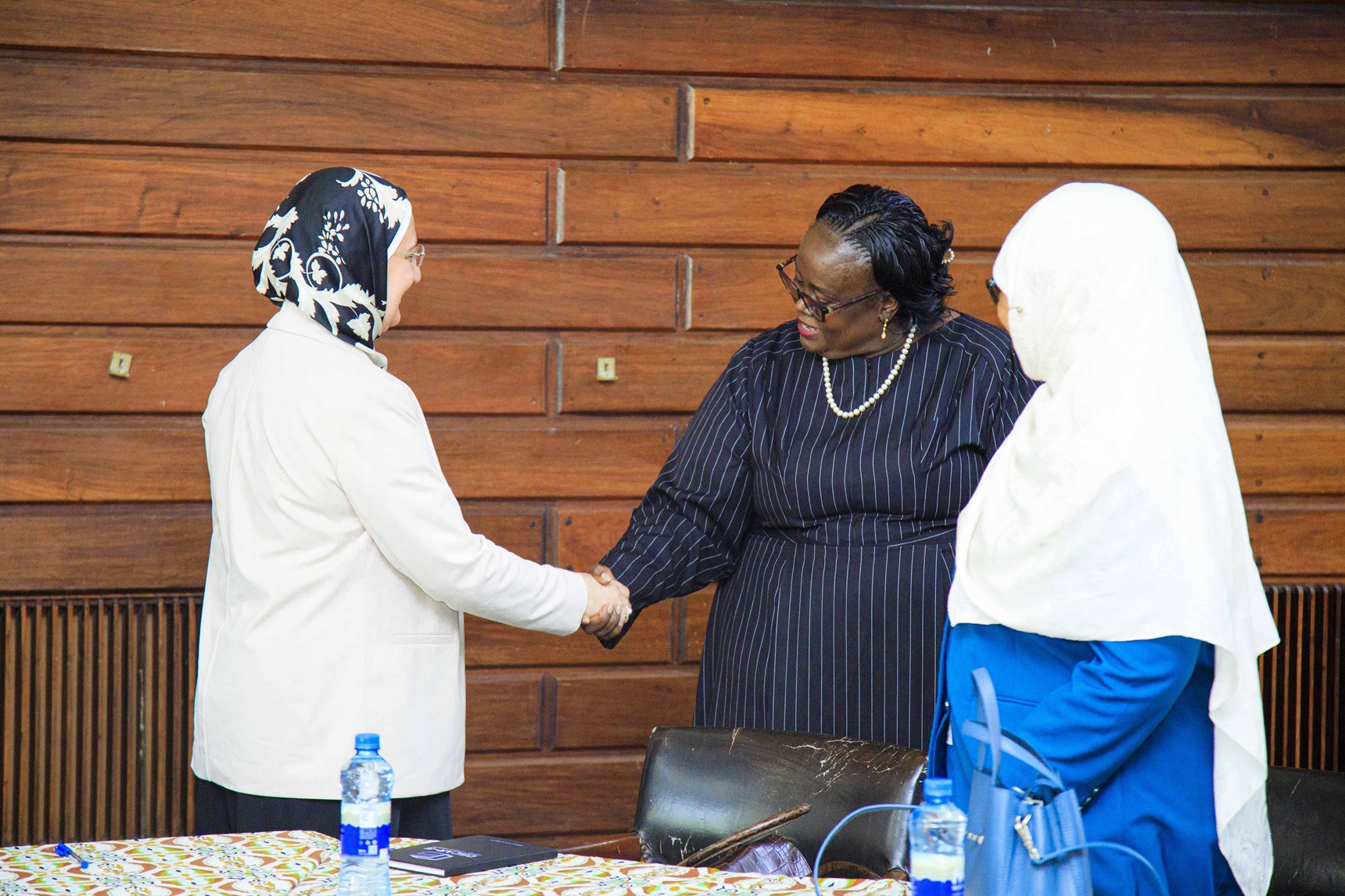
Tanzania’s ambition to become a regional centre for specialised medical services gained fresh momentum following a high-level visit by the International Atomic Energy Agency (IAEA) to the University of Dar es Salaam (UDSM), where a strategic partnership in medical physics training is reshaping the country’s healthcare capacity.
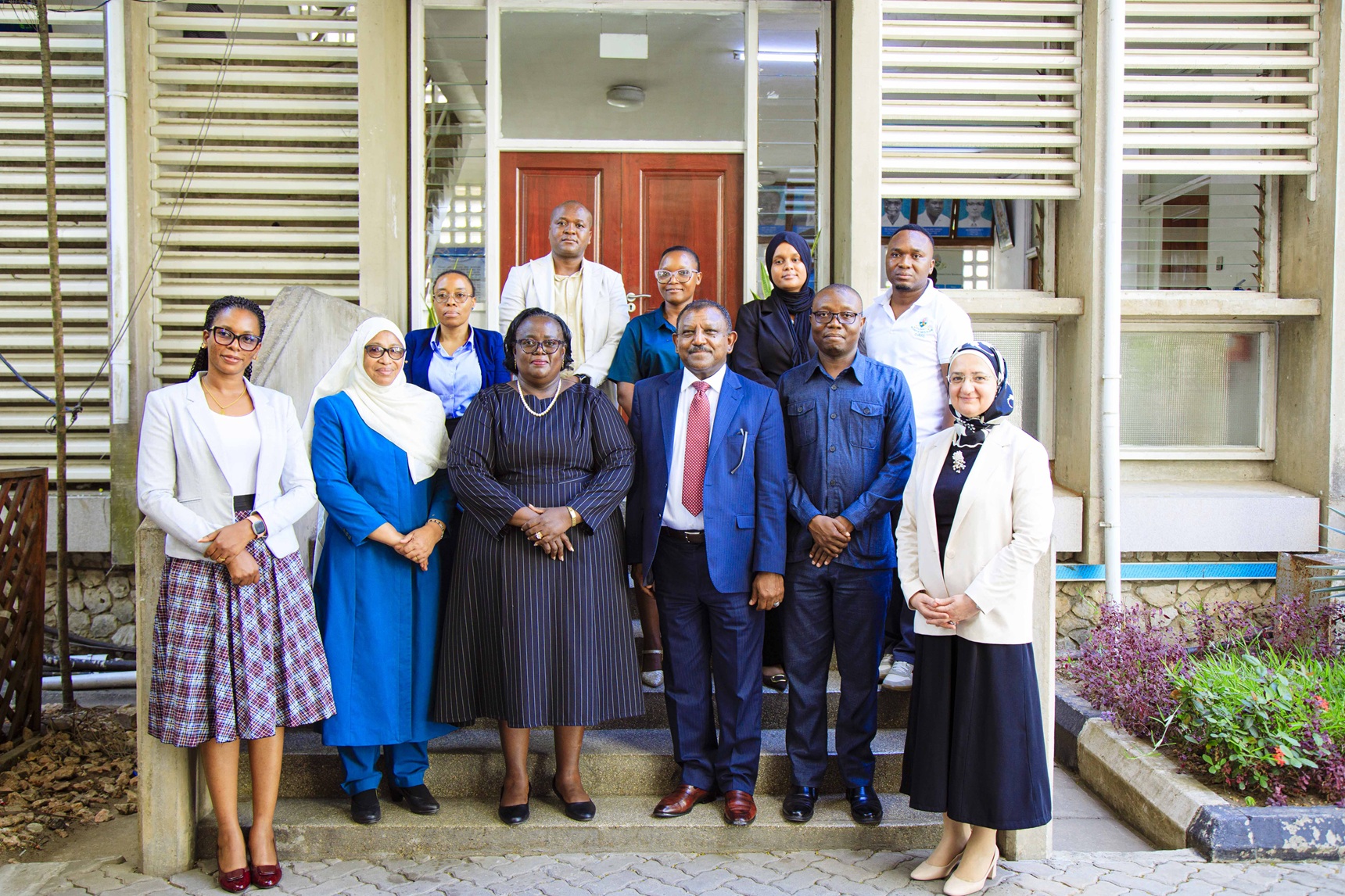
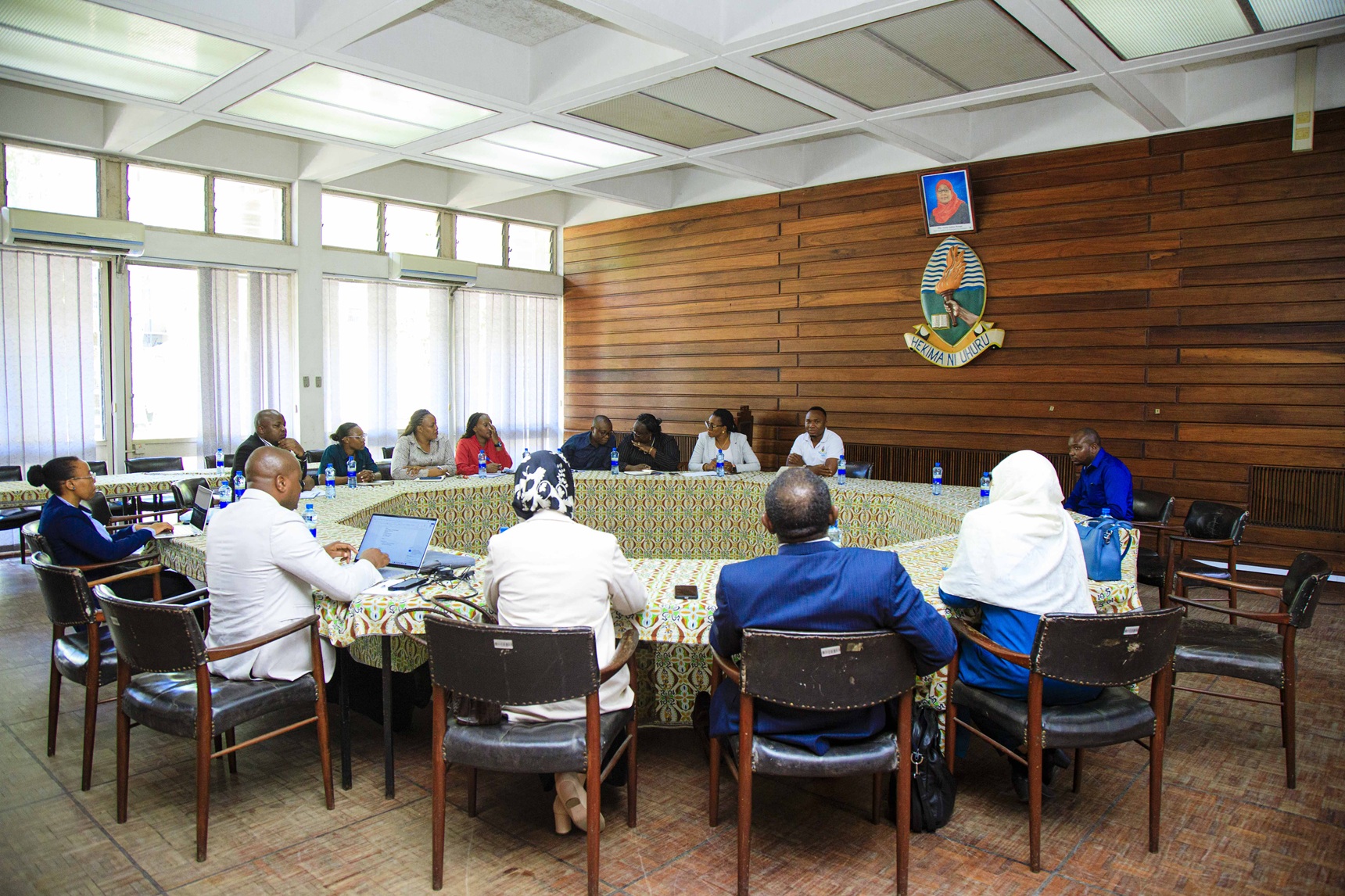
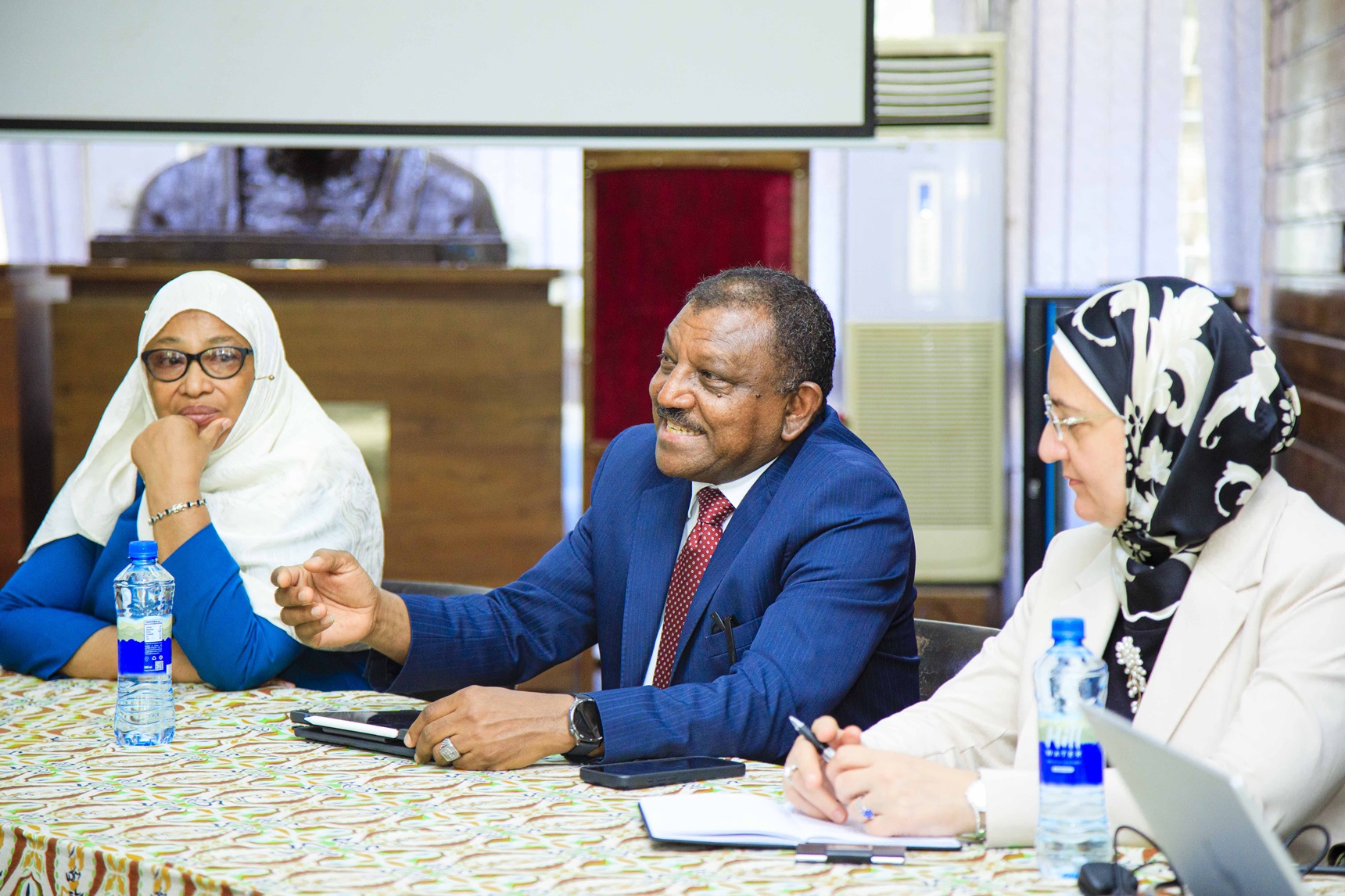
The IAEA delegation, led by Acting Director of the Division for Africa Mr. Gashaw Gebeyehu Wolde and accompanied by Tanzania Atomic Energy Commission (TAEC) Director General Prof. Najat Kassim Mohammed, held consultations with UDSM leadership and academic staff to assess progress and reinforce long-term cooperation in Medical Physics and Nuclear Medicine training.
At the centre of the collaboration is UDSM’s rollout of two specialised and internationally benchmarked programmes: the Bachelor of Science in Physics (Medical Physics) and the Master of Science in Medical Physics.
Until recently, such programmes were offered in only a handful of African countries. Their establishment marks a significant milestone in strengthening Tanzania’s capacity to operate advanced diagnostic and therapeutic technologies safely and effectively.
Commending the University’s leadership, Mr. Wolde said the initiative aligns with the IAEA’s mandate to promote peaceful applications of nuclear science for socio-economic development.
“The IAEA remains committed to supporting UDSM through capacity building, specialised equipment, and laboratory infrastructure. Our goal is to ensure graduates are globally competitive and able to serve in hospitals, regulatory authorities, and research institutions applying radiation and nuclear technologies,” he said.
The partnership brings together UDSM, Ocean Road Cancer Institute (ORCI), TAEC, and the IAEA in an integrated training model that combines rigorous academic instruction with structured clinical practice. This approach ensures graduates acquire both strong theoretical foundations and hands-on professional competence.
Addressing Demand for Radiation and Imaging Professionals
Speaking during the engagement, UDSM Deputy Vice Chancellor – Academic, Prof. Rose Acen Upor, said the programmes respond directly to the growing national and regional demand for skilled professionals in diagnostic imaging, radiotherapy, nuclear medicine, and radiation safety.
“UDSM is committed to producing graduates who meet international standards while addressing Africa’s urgent healthcare needs. Our policy allowing SADC students to pay fees comparable to Tanzanian students reflects our deliberate effort to reduce the regional shortage of medical physicists,” she noted.
Tanzania has invested heavily in advanced medical technologies, including MRI machines, CT scanners, linear accelerators, PET-CT facilities, and a cyclotron. However, the shortage of qualified medical physicists remains a critical bottleneck in maximising these investments. Expanding specialised training is therefore central to improving service quality, patient safety, and positioning the country as a destination for high-quality medical care.
Prof. Najat Kassim Mohammed reaffirmed TAEC’s commitment to ensuring that the growth of nuclear-based medical services is supported by strong regulatory oversight and skilled personnel.
“Building a robust pipeline of medical physicists is essential not only for healthcare delivery but also for maintaining the highest safety and compliance standards,” she said.
Head of UDSM’s Physics Department, Dr. Mwingereza Kumwenda, emphasised the need to continuously upgrade training and research capacity in line with rapid technological advancement.
“Medical physics is integral to modern healthcare. Sustained investment in training, research, and innovation is key to remaining globally competitive,” he stated.
The visit renewed commitments from UDSM, the IAEA, and TAEC to expand collaboration in training, research, and infrastructure development. Together, these efforts strengthen Tanzania’s healthcare system while advancing its strategic ambition to become a regional hub for specialised medical services and medical tourism.