





From Laboratory to Market: UDSM Equips Innovators with Patent and Commercialization Skills
By Dickens Dominic, CMU
The University of Dar es Salaam (UDSM) has intensified efforts to transform research into market-ready solutions by training staff and postgraduate students on intellectual property protection, innovation, and commercialization.
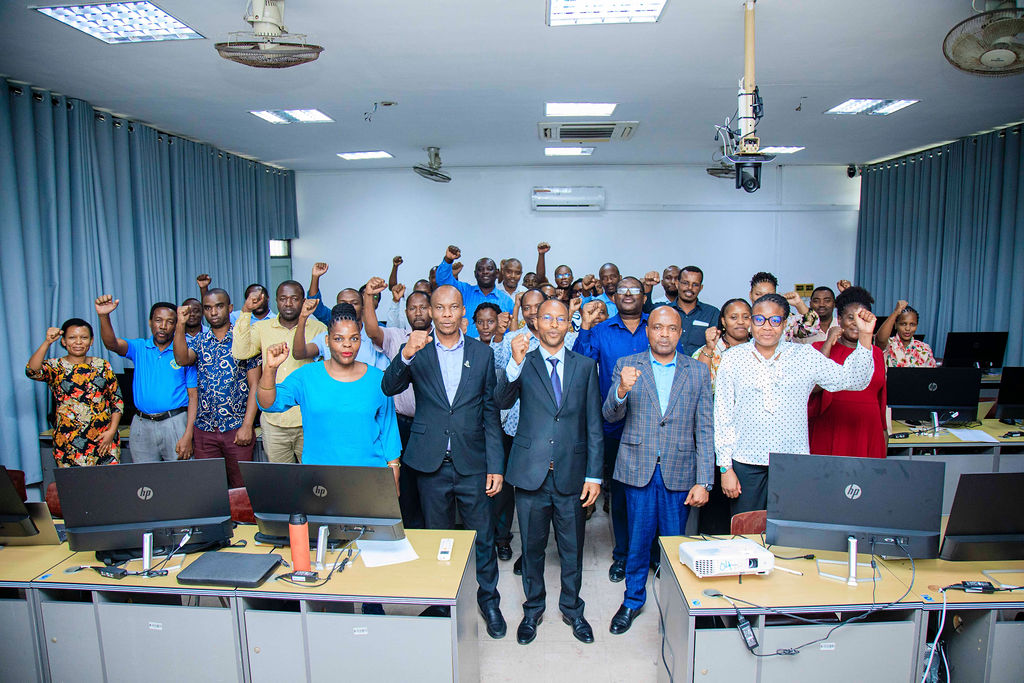
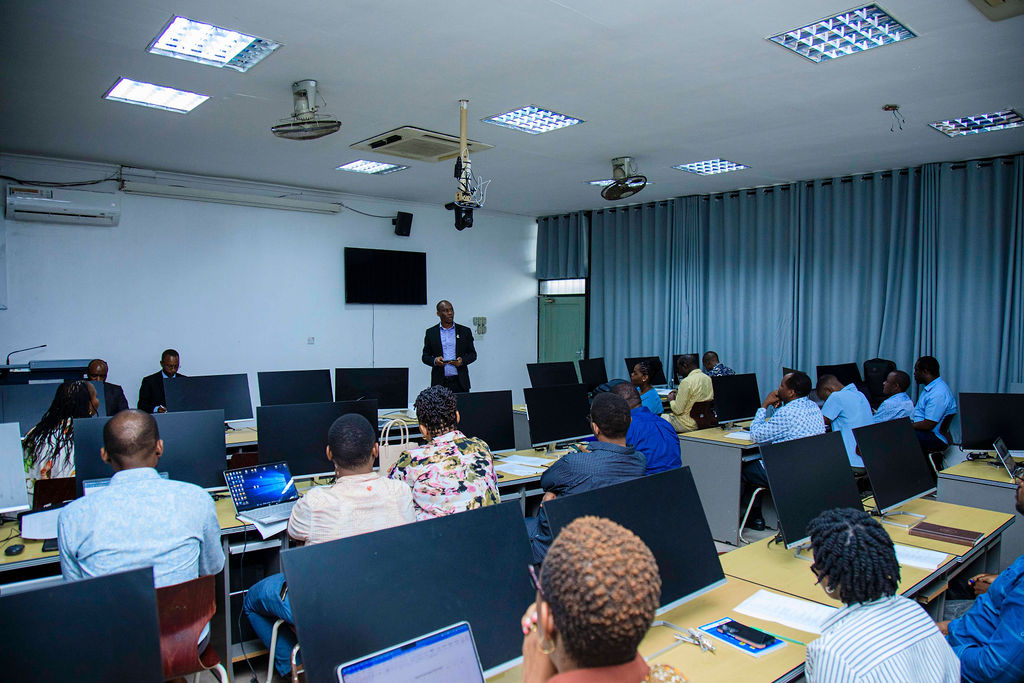
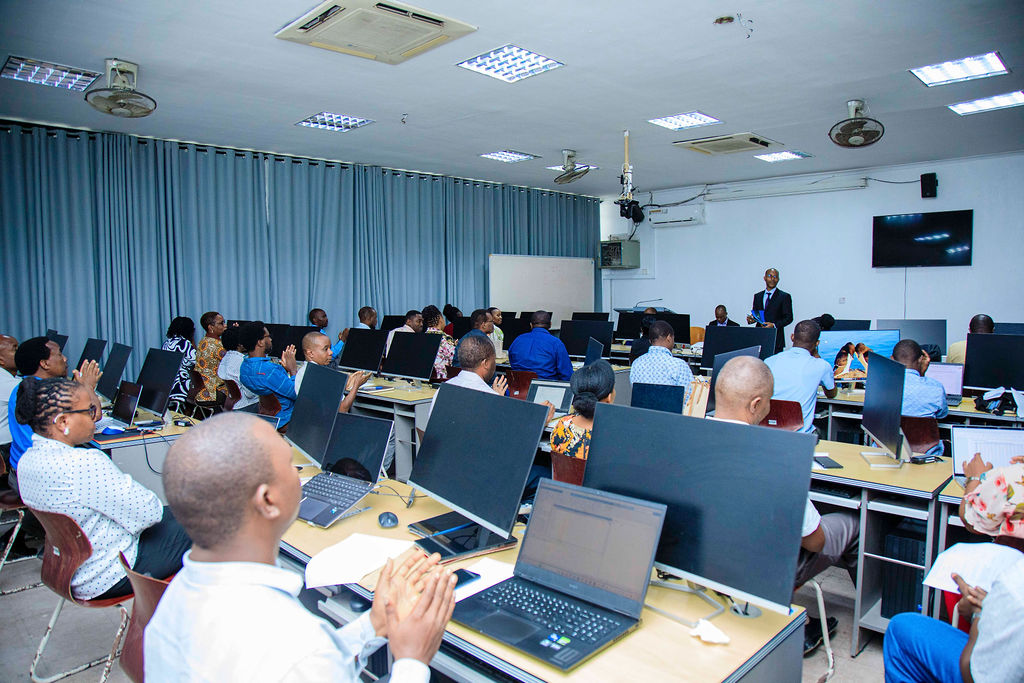
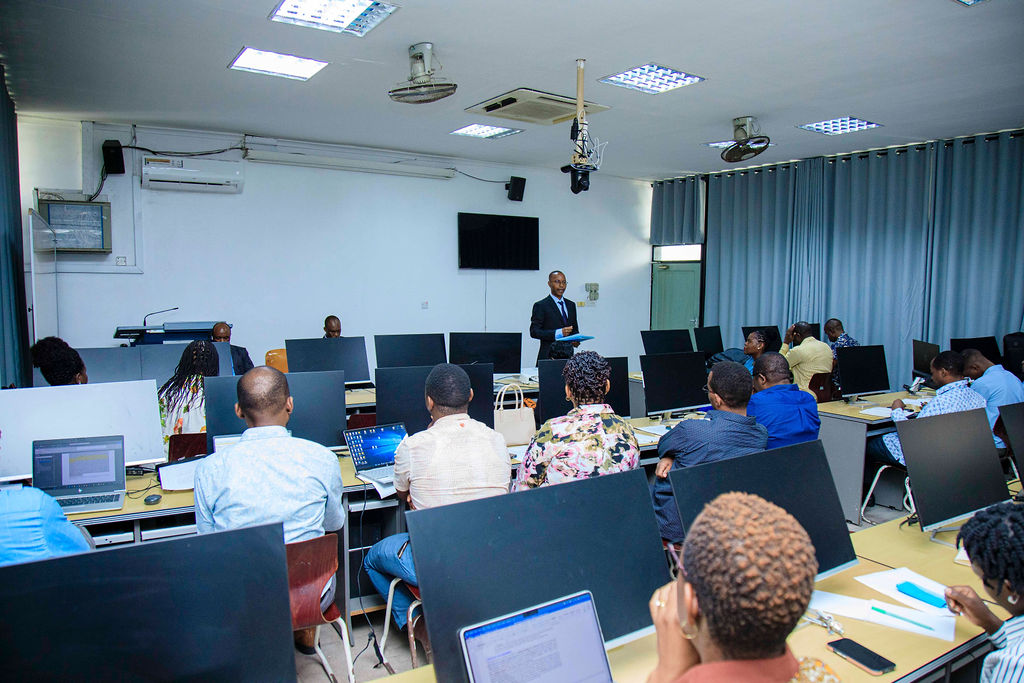
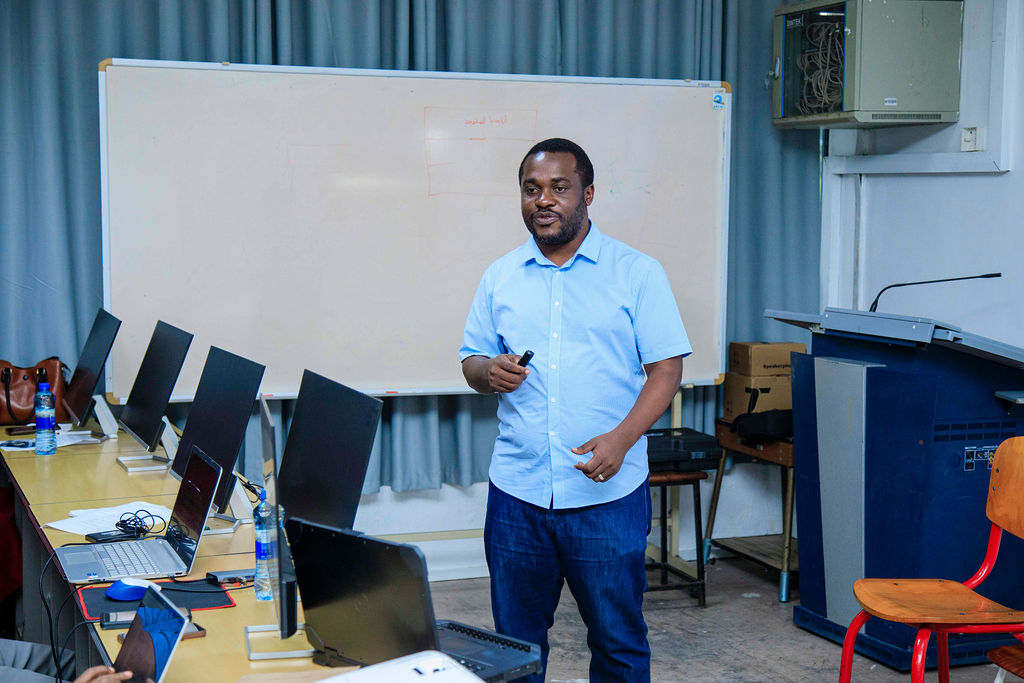
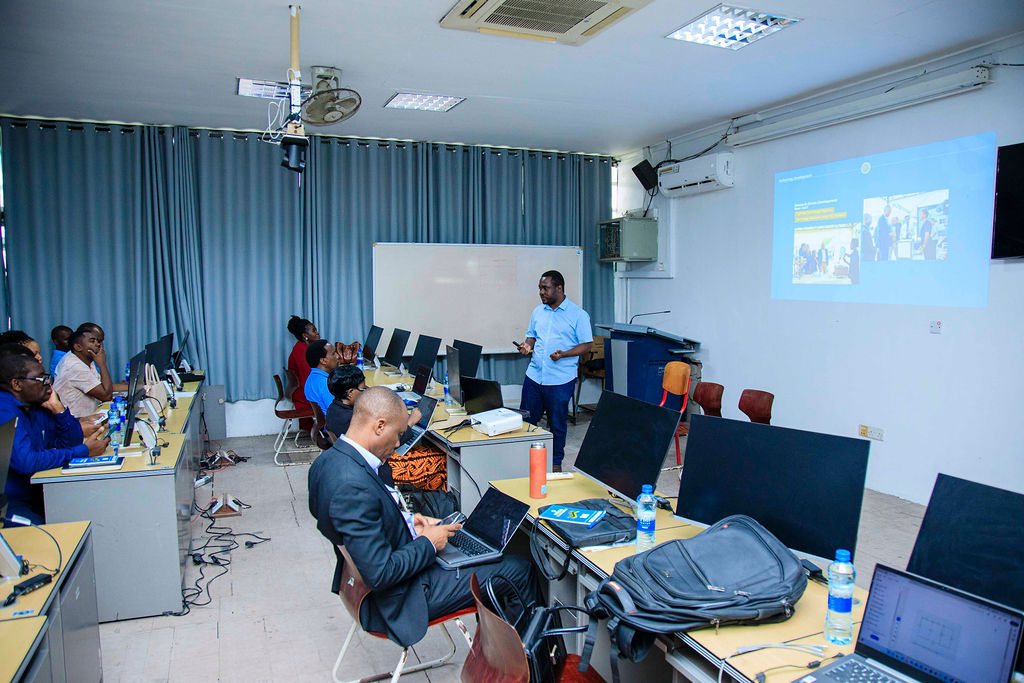
The specialised workshop, held at the College of Engineering and Technology (CoET) under Sida’s Research and Innovation Management (RIM) Programme, focused on helping researchers understand the importance of protecting inventions before publishing research findings.
The training, with the theme “Don’t Publish Your Patent Away: Training on IP, Innovation, and Tech Transfer”, was organized by the Directorate of Research and Publication (DRP), in collaboration with the Intellectual Property Management Office (IPMO), Directorate of Innovation and Entrepreneurship (DIEN), and the College of Engineering and Technology (CoET),
Bringing together researchers, innovators, technicians, academic staff, and postgraduate students, the workshop addressed one of the major challenges facing university research — the loss of patent opportunities due to premature publication of innovations.
Facilitators explained that many promising innovations developed within university laboratories often lose their commercial value because researchers disclose findings through journals, conferences, or thesis submissions before filing for patent protection.
Speaking during the training, Dr. Judith Iddy, Manager of the Intellectual Property Management Office (IPMO), warned researchers against publicly disclosing inventions before consulting intellectual property experts.
“Researchers and students need to understand that publishing an invention before filing for patent protection can permanently destroy its novelty and commercial value,” she said.
She added that Universities lose important opportunities for technology transfer and revenue generation when innovations are not protected.
Dr. Judith further guided participants on patentability requirements, including novelty, inventive step, and industrial applicability. She also explained the University’s invention disclosure procedures and encouraged innovators to seek institutional support before publishing potentially valuable research outputs.
Bridging the gap between academic research and industrial application
The workshop also focused on bridging the gap between academic research and industrial application. Dr. Ibra Mwammenywa, Technology Development Coordinator at TDTC, emphasized the importance of transforming laboratory-based research into practical solutions that address societal needs.
“Universities should not only generate knowledge. They must also ensure that research contributes directly to socio-economic development through innovation and industrial application”, he said.
He encouraged researchers and students to assess the Technology Readiness Levels (TRLs) of their innovations and strengthen collaboration with industry players to improve the chances of commercialization.
Another key session explored entrepreneurship and commercialization pathways. Dr. Winnie Nguni, Entrepreneurship Coordinator at DIEN, introduced participants to innovation management tools such as the Lean Startup methodology and Business Model Canvas.
“Commercialization should begin at the early stages of research development. Researchers must think beyond academic publication and start identifying potential users, markets, and investment opportunities while conducting their studies”, she noted.
She added that market-oriented research increases the likelihood of attracting industry partnerships, licensing opportunities, and investment support.
Participants also learned about commercialization strategies including licensing agreements, spin-off companies, start-ups, and industry collaboration. Discussions highlighted the growing importance of technology transfer systems in enhancing the societal and economic impact of university-generated knowledge.
As part of the workshop outcomes, participants were encouraged to identify at least one invention from their research groups that could be protected within six months following the training.
Organizers also expressed optimism that the initiative would increase invention disclosures and strengthen collaboration between researchers and innovation support offices within the University.
The initiative forms part of UDSM’s broader commitment to promoting research excellence, innovation, and entrepreneurship while supporting researchers to transform scientific discoveries into practical solutions that contribute to national development.