International Week Deepens Global Engagement on Education,Geopolitics and Africa’s Academic Future
By Donald Boneka, CMU
The University of Dar es Salaam (UDSM) has continued to advance its internationalization agenda through International Week 2026, bringing together diplomats, international scholars and academic leaders to engage students and staff in discussions on global affairs, academic mobility, research collaboration and intercultural understanding.
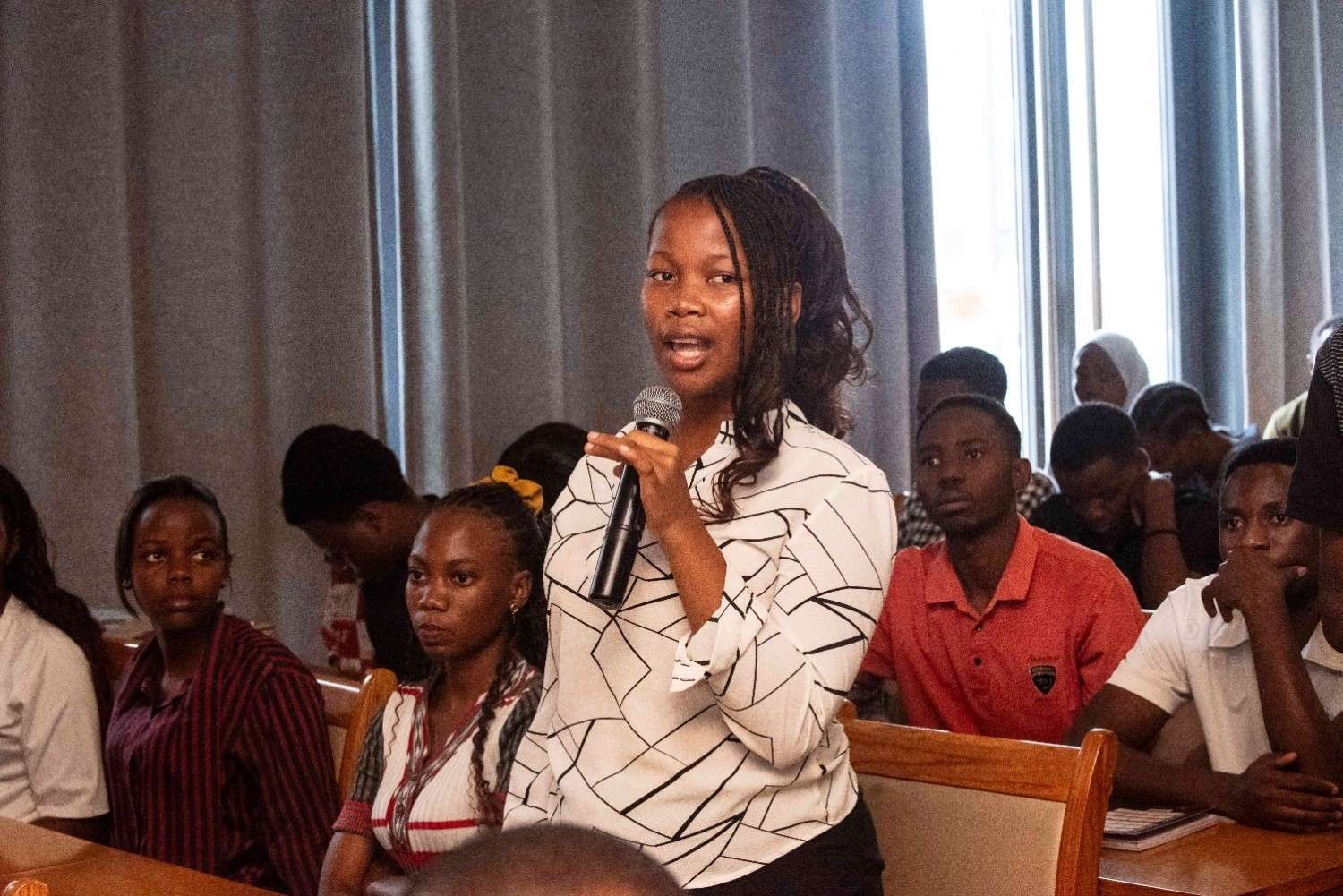
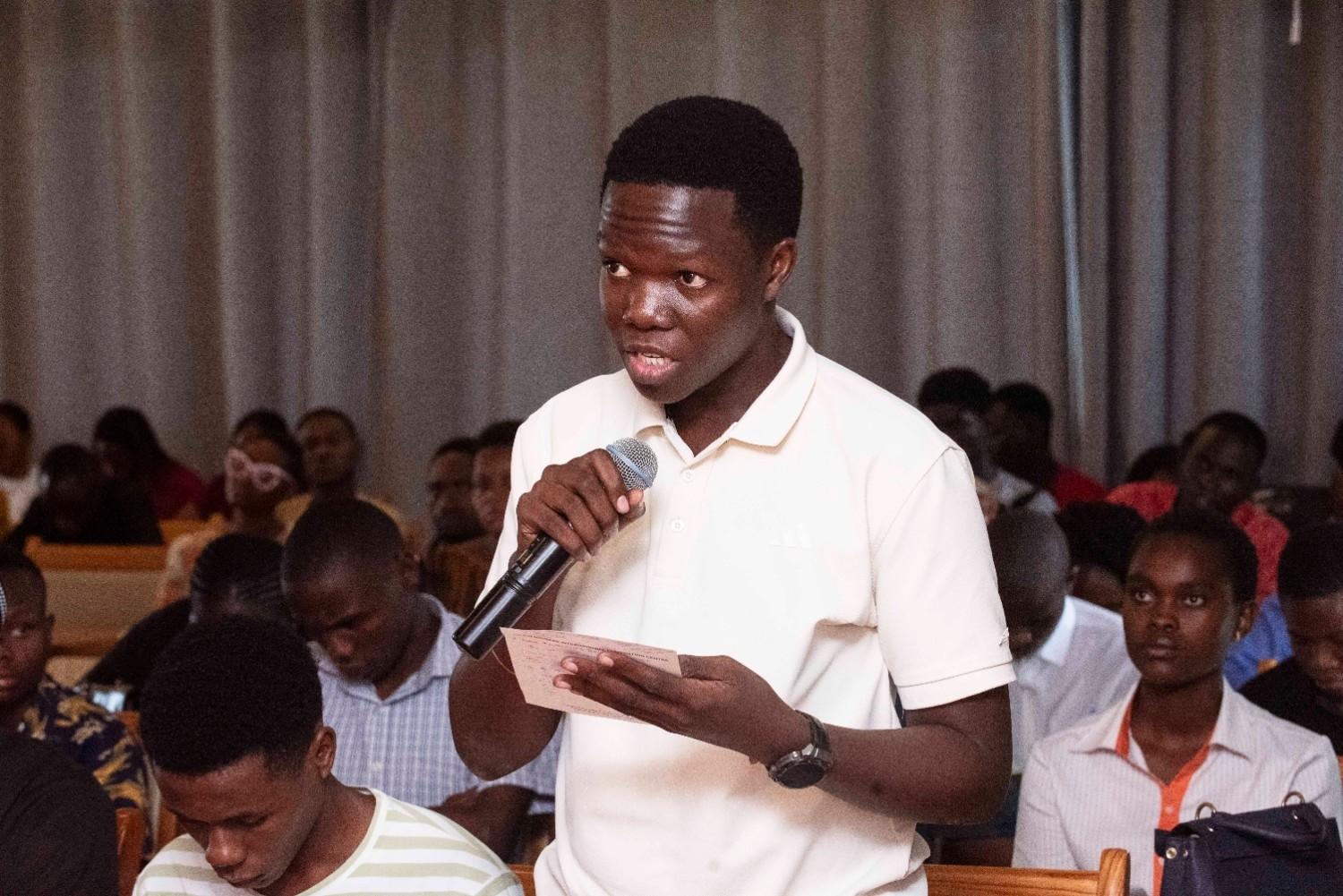
The week-long programme featured a series of public lectures and interactive sessions aimed at exposing participants to diverse global perspectives while creating opportunities for academic networking, knowledge exchange and international partnership building.
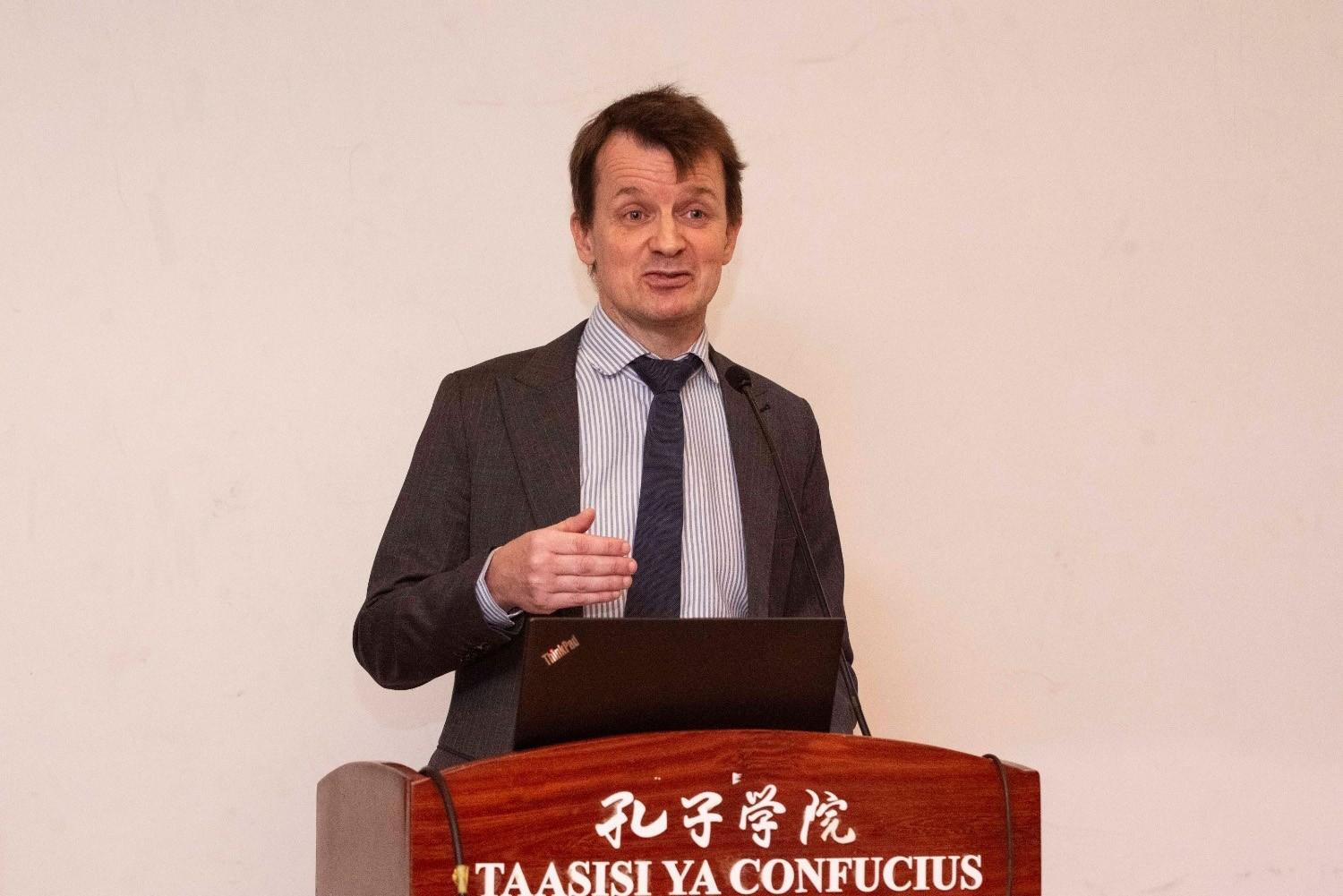
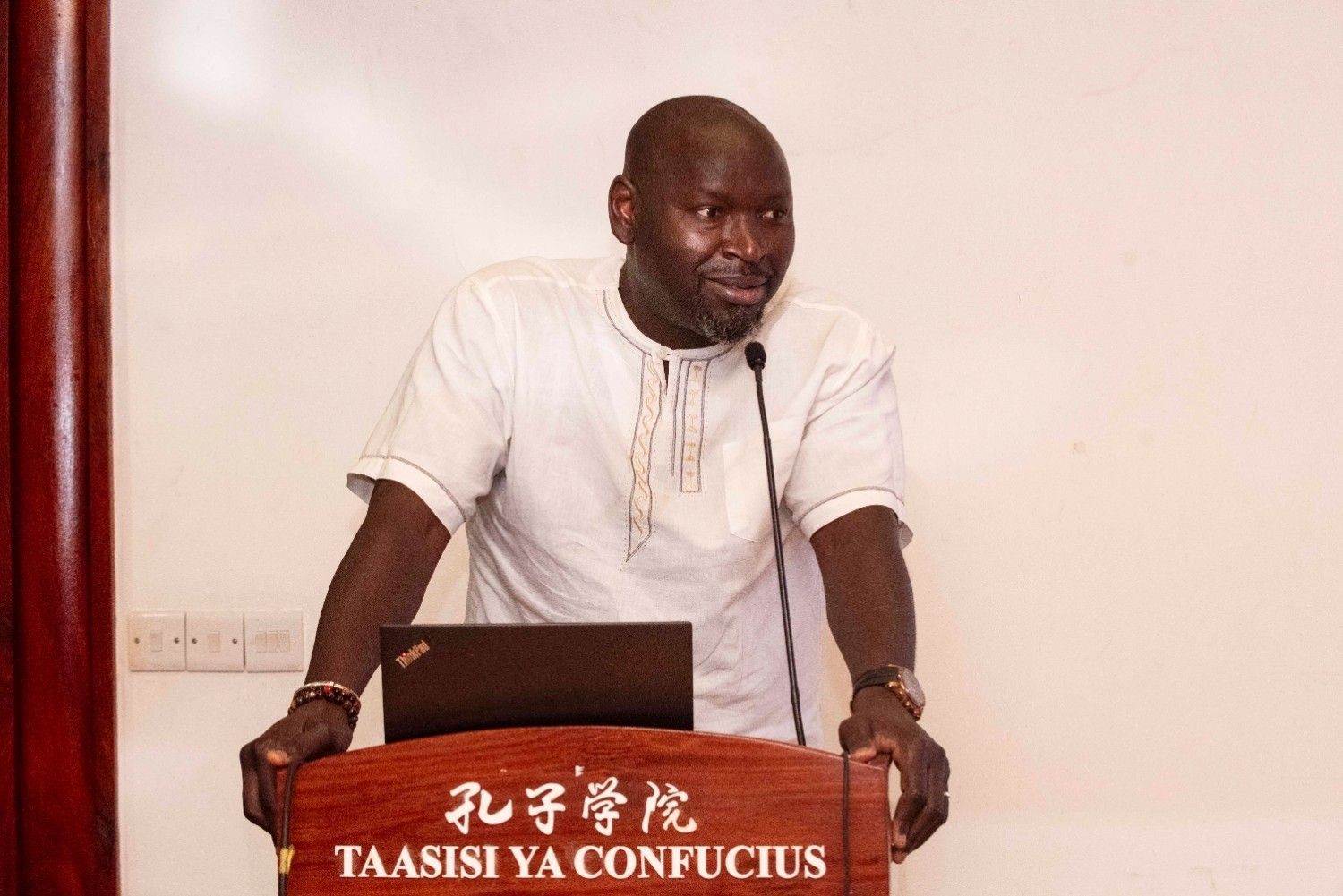
Speaking during a session on international education opportunities, the Deputy Head of Mission at the Norwegian Embassy in Tanzania, Mr. Kjetil Schie, encouraged students to actively pursue global learning opportunities and take advantage of scholarship programmes available abroad.
“Studying abroad offers not only academic growth but also the opportunity to develop intercultural competencies, expand professional networks and gain experiences that can contribute meaningfully to national development,” said Mr. Schie.
He urged students to prepare early, maintain strong academic performance and seek information on available funding opportunities to enhance their competitiveness in international scholarship programmes.
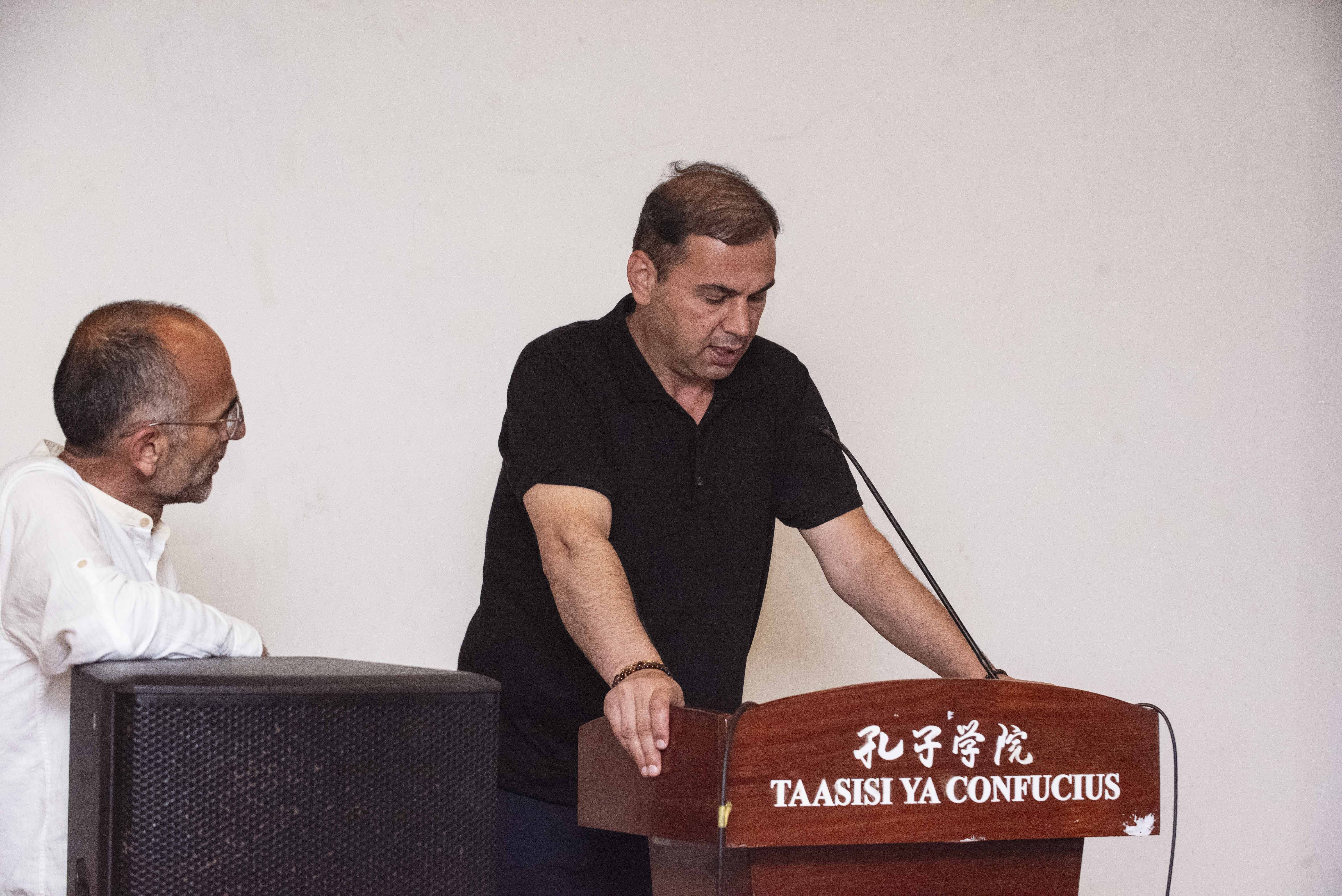
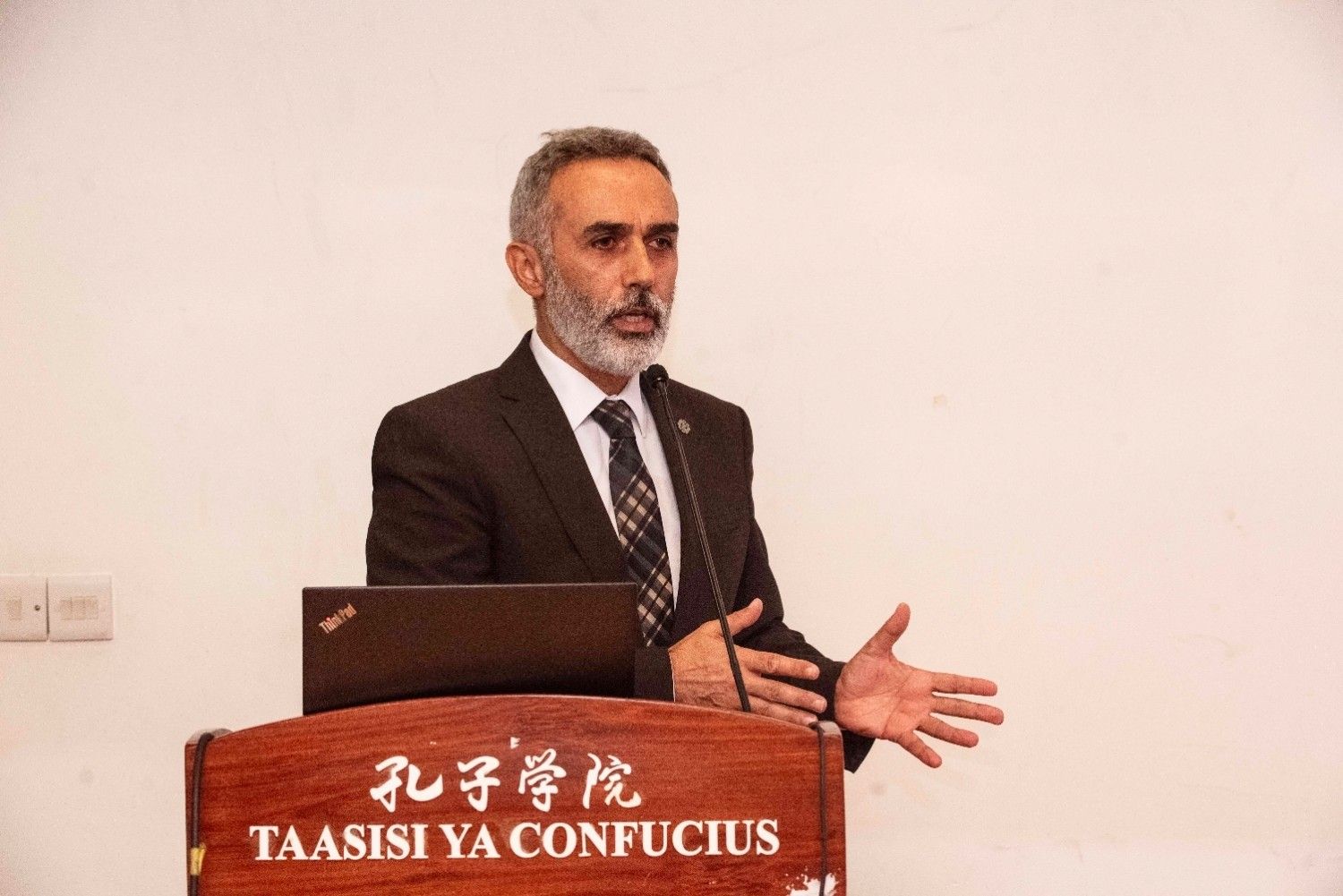
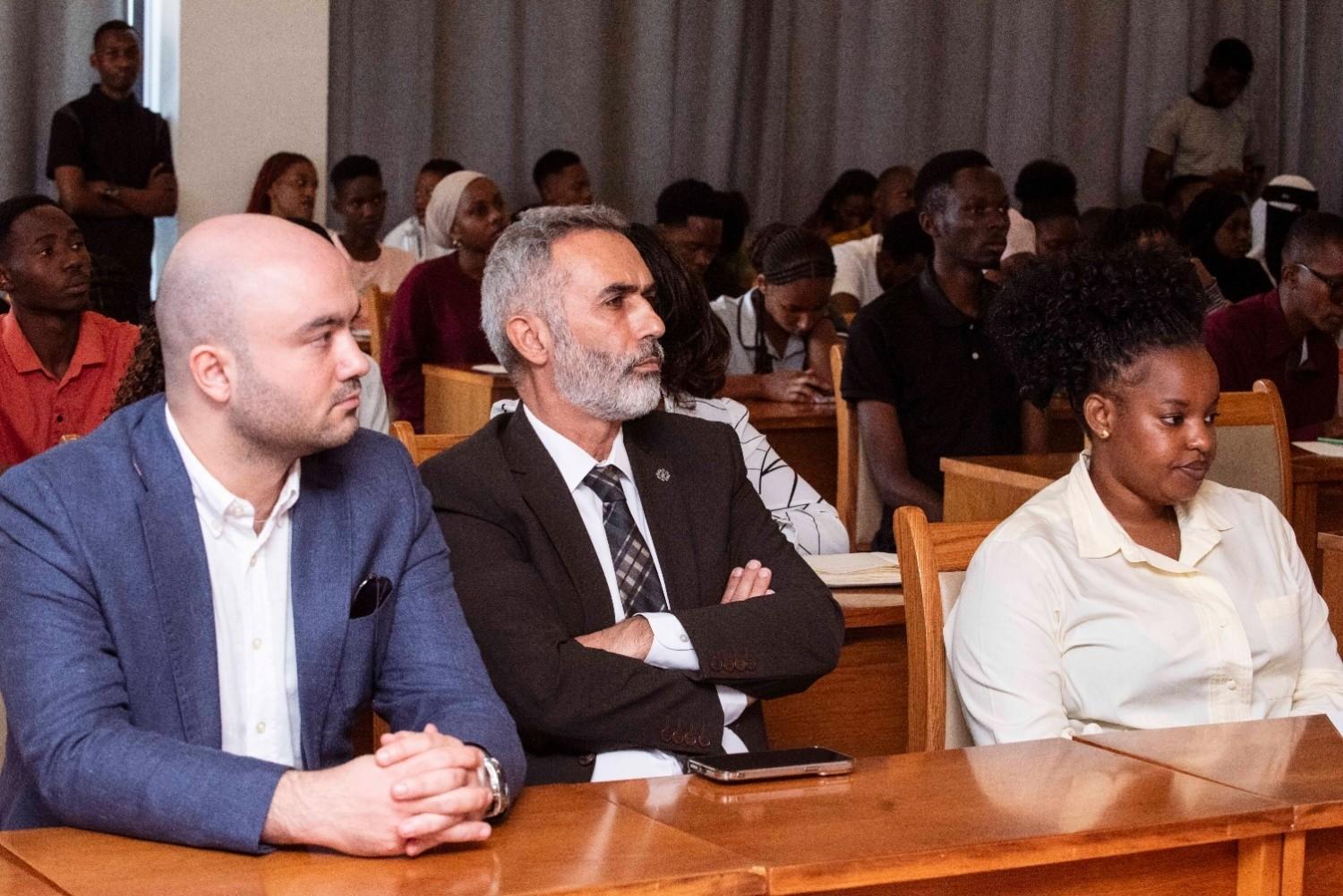
The programme also featured a lecture by Dr. Alperen Yalcin Bazna of Çankırı Karatekin University in Türkiye, who explored the theme “Ottoman Provincial Administration in Africa during the 19th Century.”
The session examined historical interactions between Africa and the Ottoman Empire, providing participants with a deeper understanding of governance systems and the interconnected nature of global history.
Another highlight was a public lecture by former Austrian Ambassador, Prof. Christian Manahl, on “The Century of the Global South: Perspectives and Challenges.” The lecture examined shifting geopolitical dynamics and the growing influence of developing countries in shaping the global agenda.
Prof. Manahl challenged students to critically assess emerging global trends and recognize the increasing strategic importance of Africa and other developing regions in addressing contemporary international challenges.
African perspectives in global academia
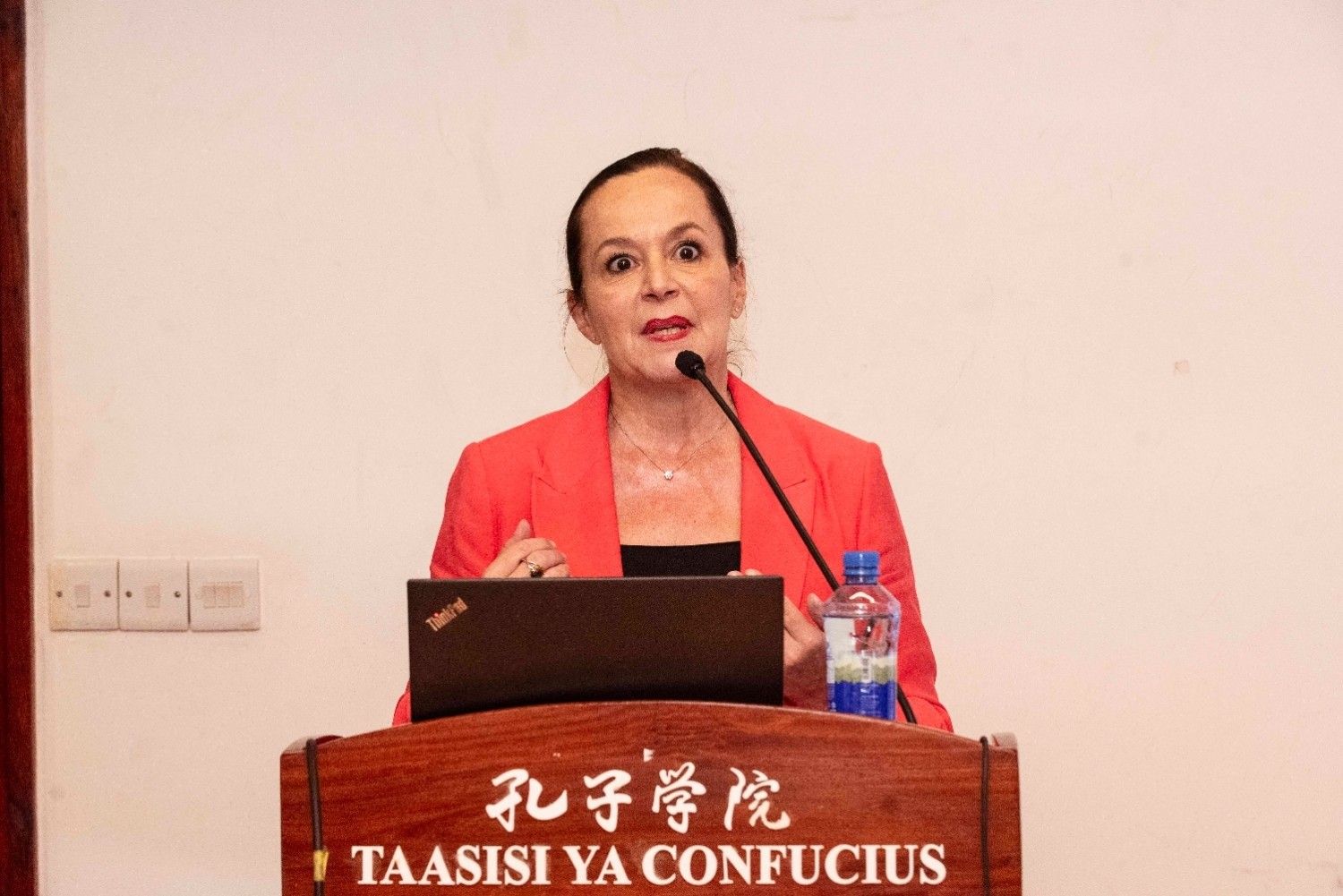
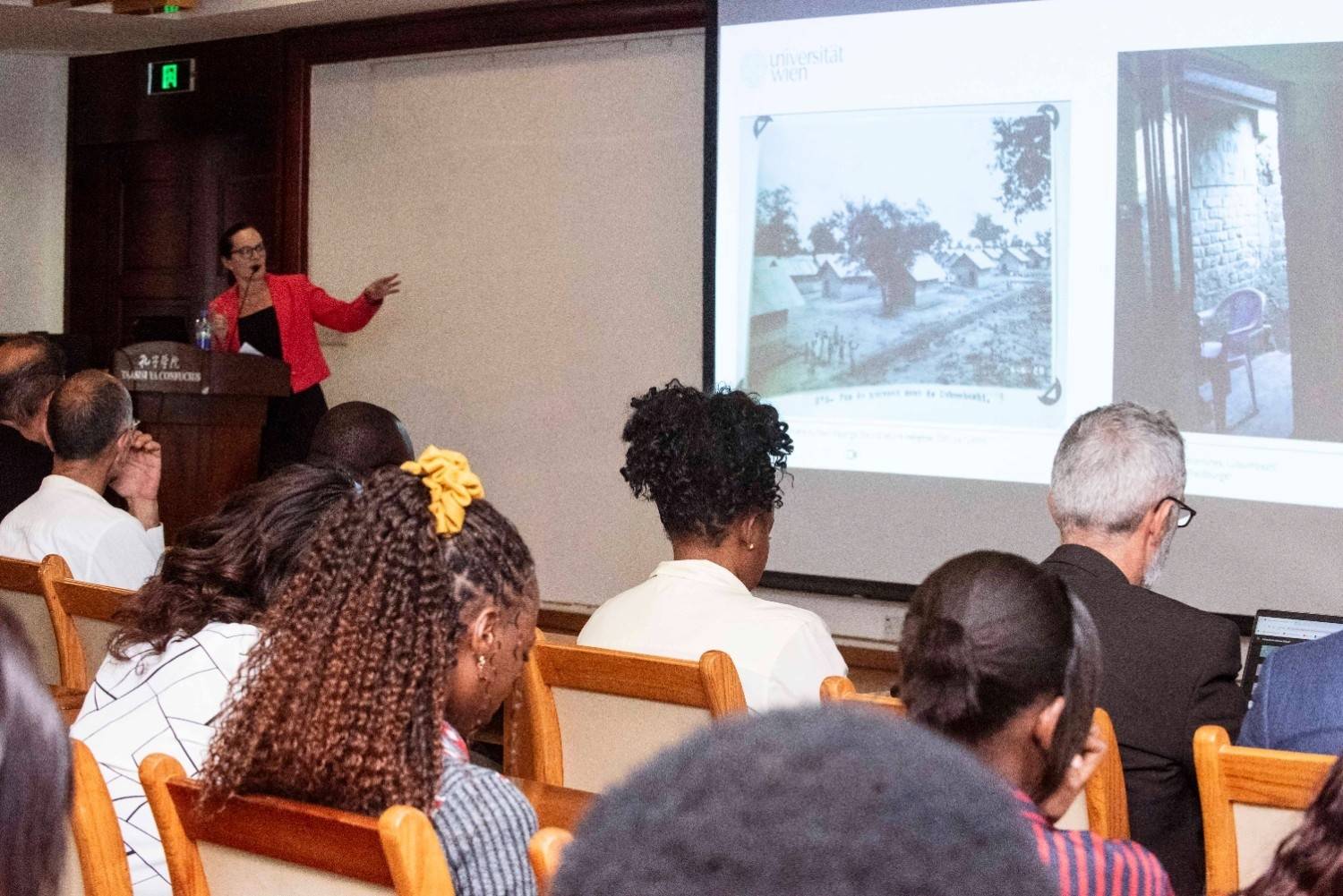
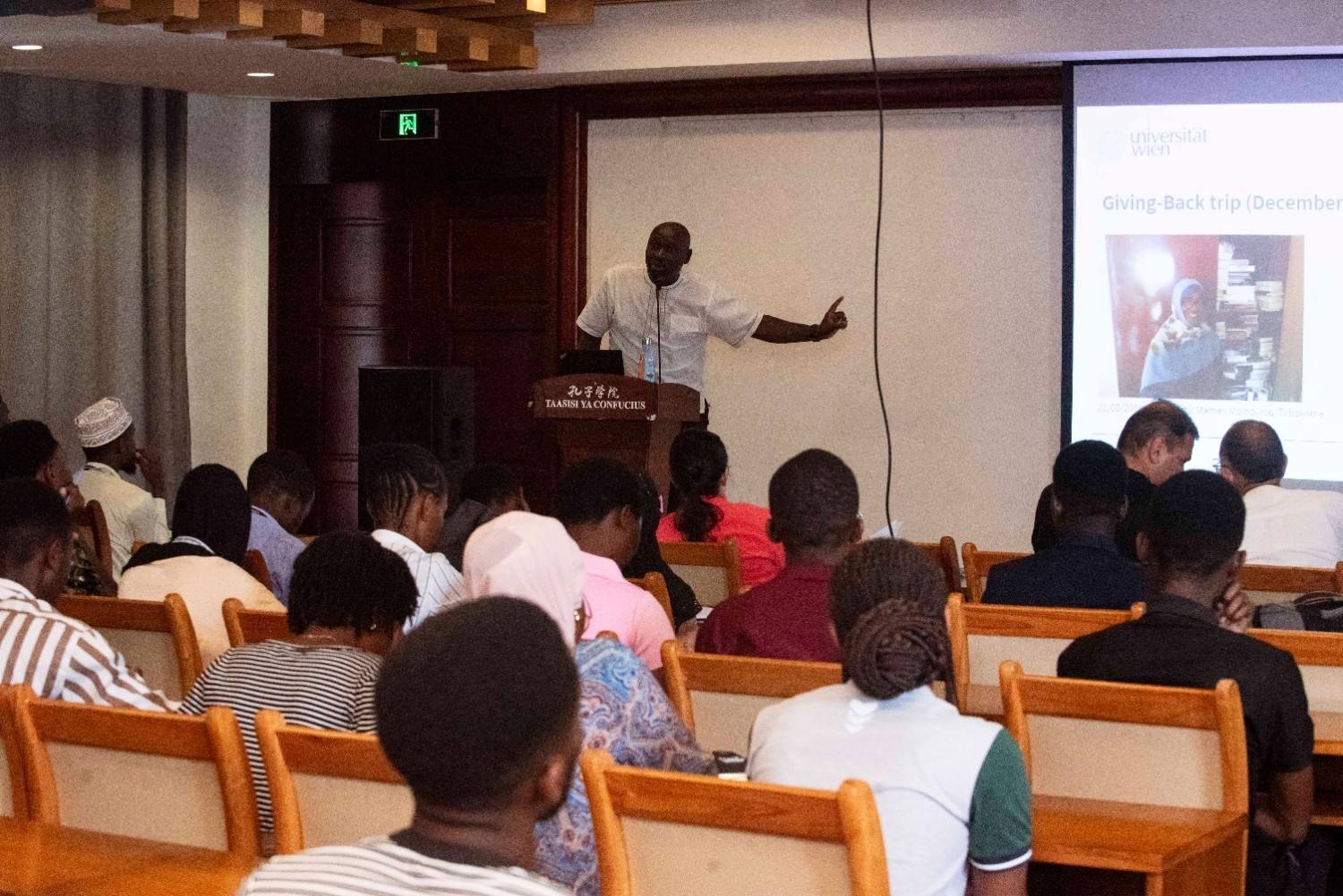
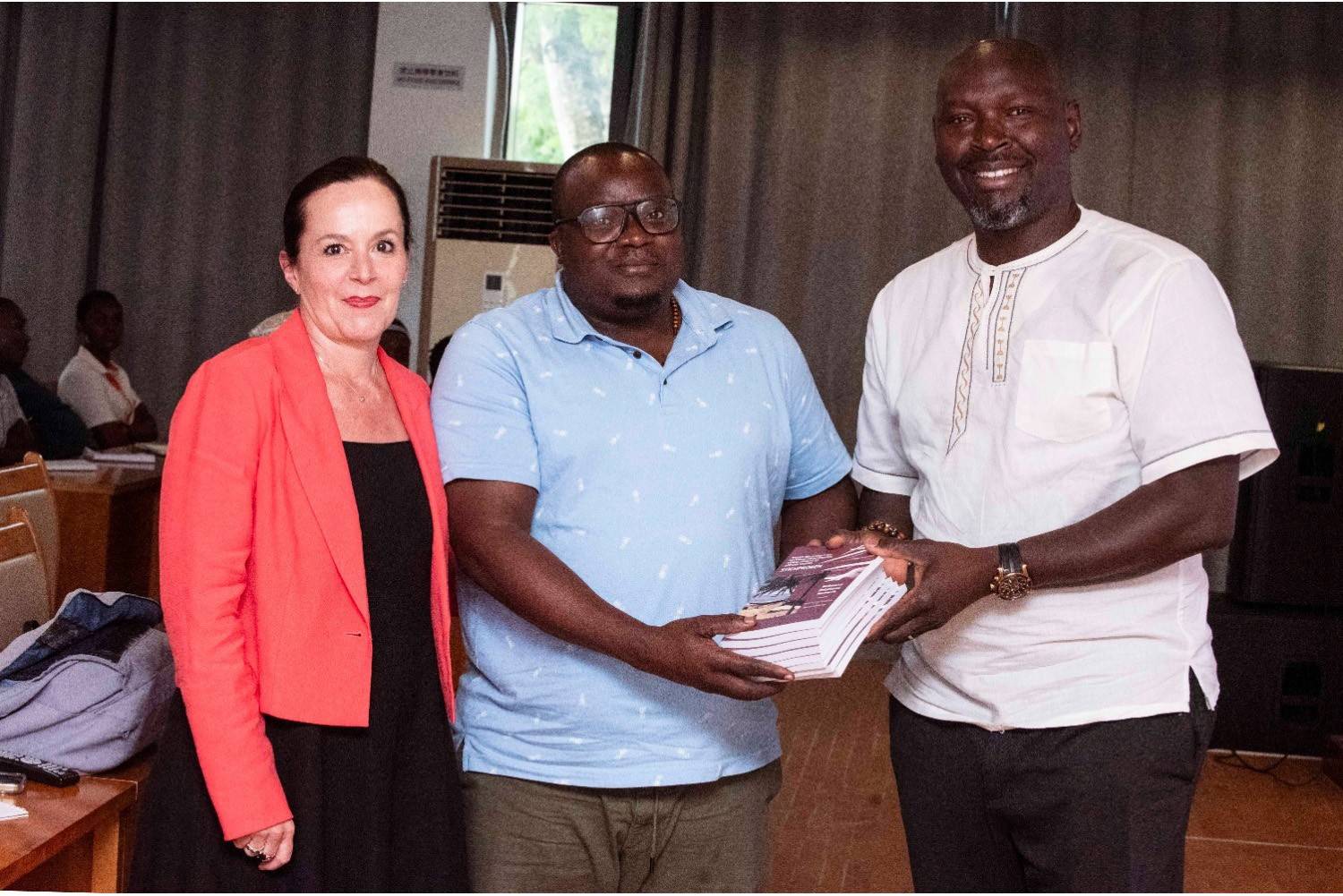
The discussions continued with a thought-provoking session led by Dr. Remi Tchokothe and Dr. Daniela Waldburger from the University of Vienna's Department of African Studies. Their presentation explored African perspectives in global academia and examined how knowledge is produced, shared and recognized within international scholarly spaces.
The speakers emphasized the importance of ensuring that African voices, experiences and research contributions are adequately represented in global knowledge production. They also highlighted collaborative research and international academic partnerships as critical tools for addressing complex global challenges.
Through these engagements, students gained first-hand exposure to international scholarship opportunities, global policy debates, historical perspectives and emerging academic discourses, enriching their educational experience beyond the classroom.
UDSM officials noted that International Week remains an important platform for strengthening international partnerships, promoting intercultural dialogue and preparing graduates with the global outlook required to thrive in an increasingly interconnected world.
As the University continues to expand its international footprint, initiatives such as International Week reinforce UDSM's commitment to excellence in teaching, research, innovation and global engagement while positioning the institution as a hub for international academic collaboration and knowledge exchange.