


From the Ground to Global Markets: Experts Urge Tanzania to Turn Critical Minerals into Industrial Growth Engines
By Selemani Nambimbi, CMU
Tanzania stands at a pivotal moment in the global transition to clean energy, with experts urging the country to move beyond raw mineral exports and strategically position itself as a key player in the rapidly expanding green economy.
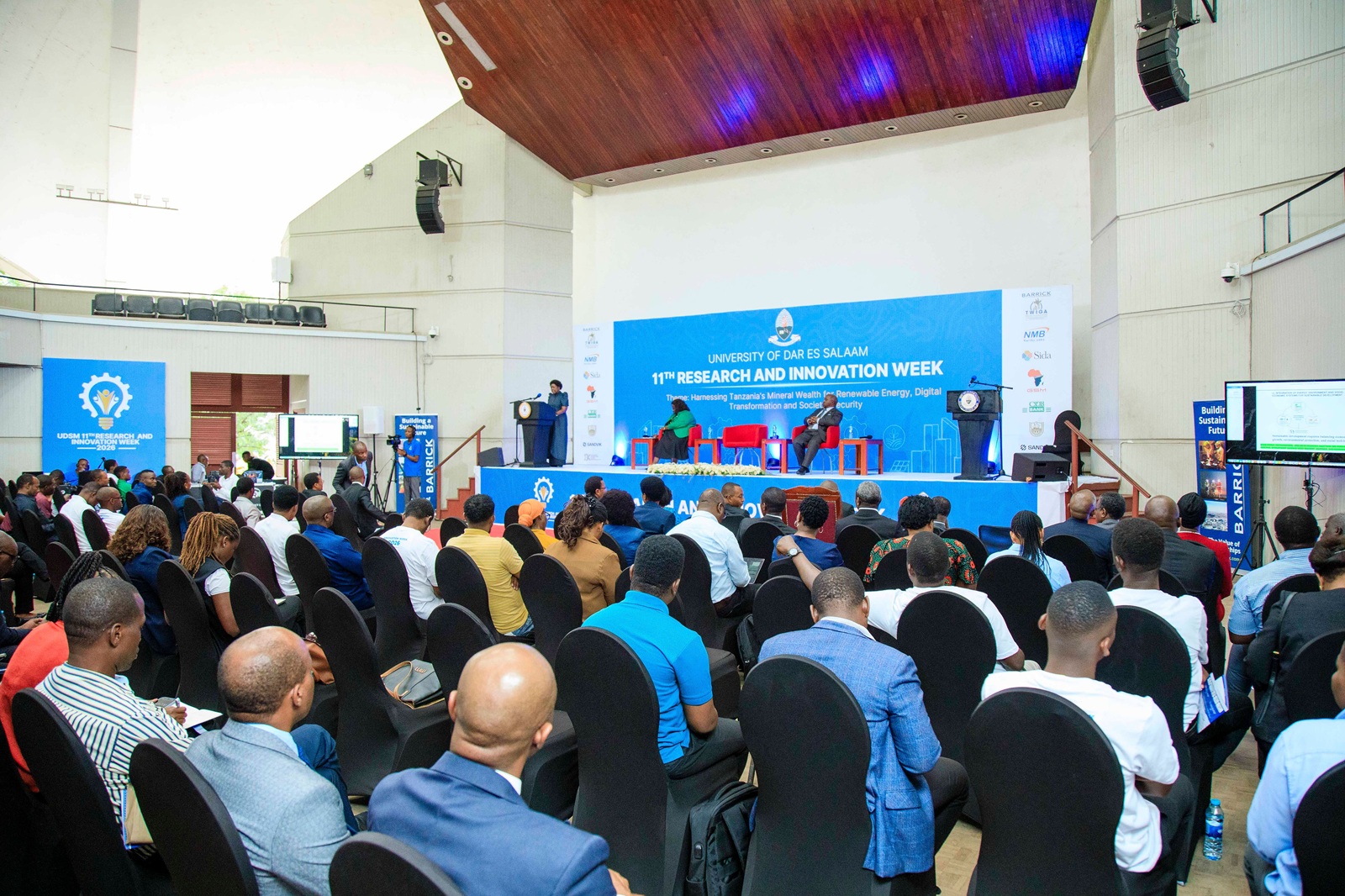
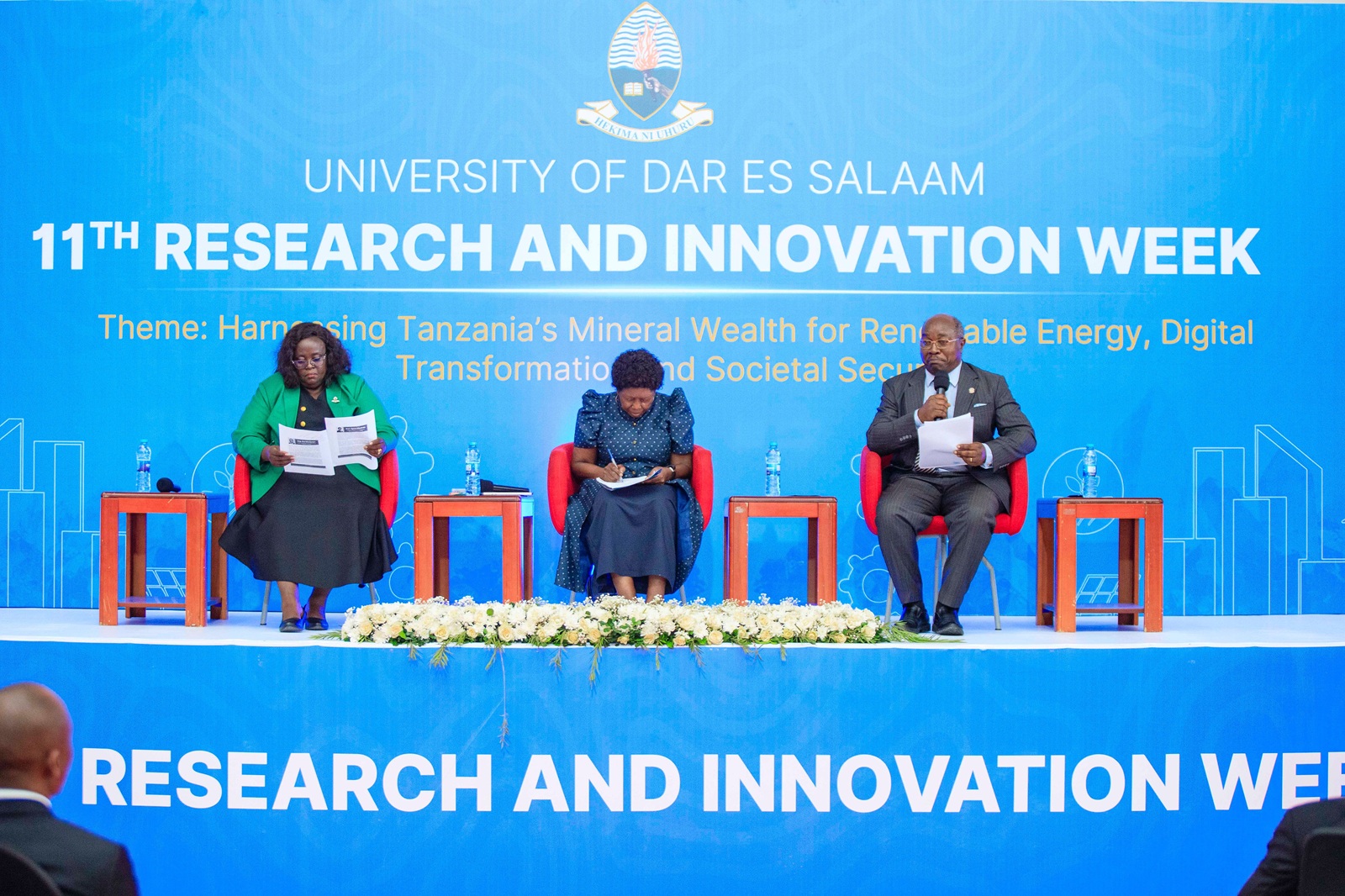
Speaking during at the opening of the University of Dar es Salaam's (UDSM) 11th Research and Innovation Week on 9th June 2026, specialists in engineering, economics and natural resource management emphasized that Tanzania's vast deposits of critical minerals could become a catalyst for industrialization, job creation and sustainable development if supported by innovation, research and value addition.
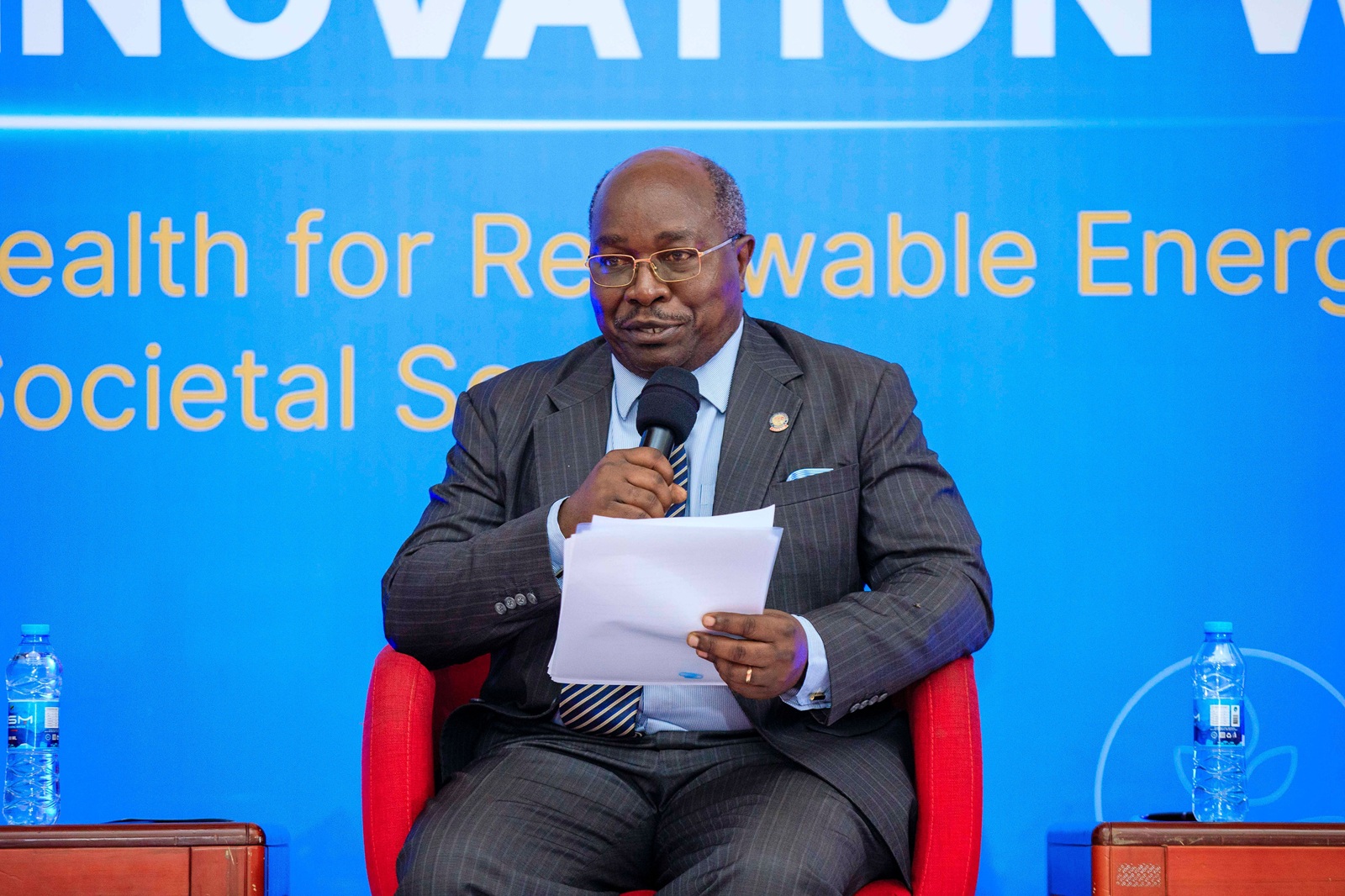
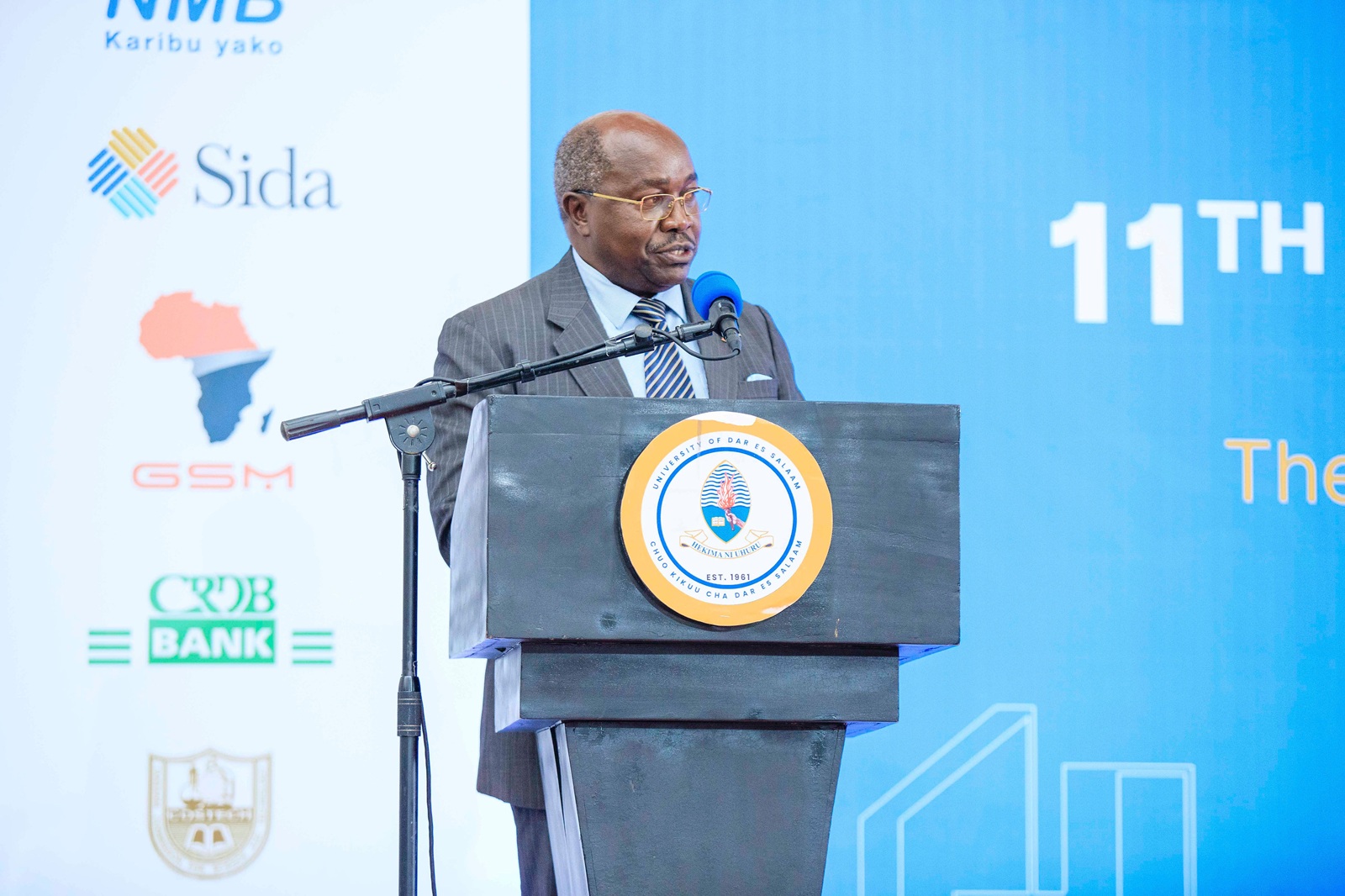
Presenting a keynote address, "Mineral Resource Opportunities for Tanzania: Leveraging Mineral Wealth to Contribute to Global Decarbonization and Benefit from Its Resources," President of the Institution of Engineers Tanzania (IET), Eng. Asa Mwaipopo, said the growing global demand for minerals used in renewable energy technologies presents a historic opportunity for Tanzania.
"The transition to a low-carbon economy is creating unprecedented demand for critical minerals. Tanzania is well-positioned to benefit, but success will depend on how effectively we transform these resources into broader economic opportunities," he said.
Eng. Mwaipopo noted that Tanzania possesses reserves of four of the world's most sought-after energy-transition minerals—nickel, graphite, lithium and rare earth elements—which are essential components in electric vehicle batteries, renewable energy systems and advanced manufacturing technologies.
He cited the Kabanga Nickel Project in Kagera Region as one of Africa's most significant nickel deposits and highlighted Tanzania's growing importance in the global minerals market.
"Tanzania holds approximately six percent of global graphite reserves, two percent of global nickel reserves and an estimated one percent of known rare earth reserves. Yet much of our geological potential remains unexplored," he said.
According to Eng. Mwaipopo, increased investment in geological surveys, research and exploration is necessary to unlock additional mineral deposits and strengthen Tanzania's competitiveness in the global energy transition.
However, he cautioned that mineral wealth alone does not guarantee economic transformation.
"Many resource-rich countries continue to export raw materials while importing finished products. To maximize benefits, we must invest in value addition, industrial infrastructure, energy systems, technical skills and innovation," he emphasized.
He further advocated for stronger regional cooperation, noting that Tanzania, Mozambique and Madagascar collectively possess nearly a quarter of the world's graphite reserves. Through coordinated industrial strategies and processing initiatives, he argued, the region could secure a stronger position within global mineral value chains.
The discussion also explored how Tanzania can align mineral development with renewable energy ambitions and long-term sustainability goals.
The role of mineral resources in driving inclusive and sustainable growth
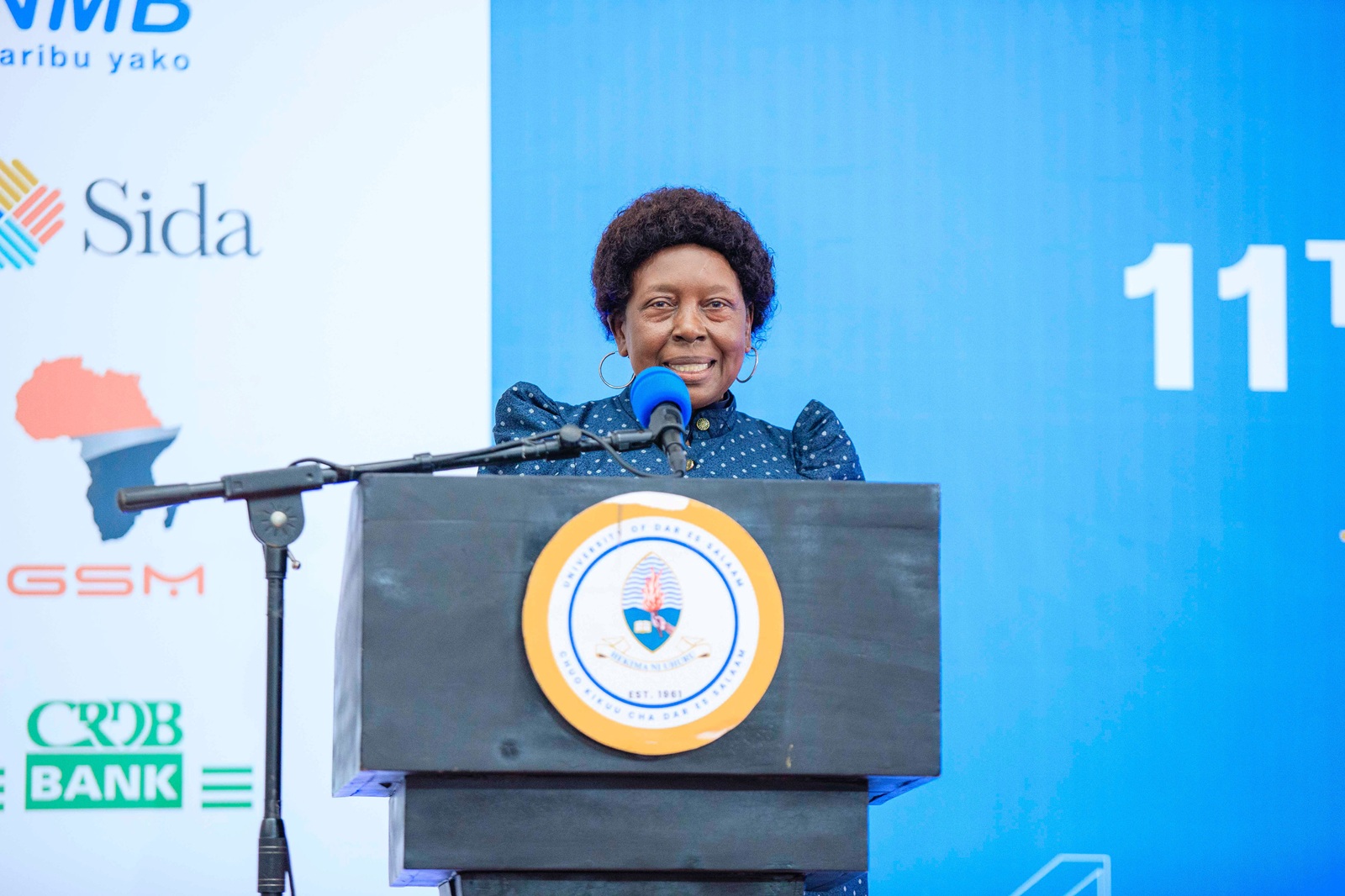
Presenting her keynote address, “Tanzania’s Mineral Wealth for Renewable Energy and Sustainable Development," Prof. Agnes Mwakaje, Professor of Agricultural and Natural Resource Economics at UDSM, challenged stakeholders to rethink the role of mineral resources in driving inclusive and sustainable growth.
Opening her address with a quote from former United Nations Secretary-General Ban Ki-moon—"We are the first generation to feel the impact of climate change and the last generation that can do something about it"—Prof. Mwakaje underscored the urgency of linking mineral development to climate action and energy transition strategies.
"The real question is not whether Tanzania has mineral wealth. The question is how we transform that wealth into renewable energy opportunities, industrial development and sustainable prosperity for future generations," she said.
Prof. Mwakaje called for integrated planning that balances economic, environmental and social priorities while promoting innovation and local value addition throughout the mineral development chain.
She stressed that responsible mining must be accompanied by rigorous environmental and social safeguards, including comprehensive impact assessments and post-mining land restoration plans.
"We must ensure that mineral extraction does not come at the expense of environmental sustainability and community wellbeing," she said.
Beyond mining, Prof. Mwakaje urged Tanzania to invest in manufacturing industries capable of producing batteries, electric vehicle components and other clean-energy technologies.
"Exporting raw minerals should not be our end goal. The greatest benefits will come from processing, manufacturing and developing technologies that create jobs, build industries and retain value within the country," she noted.
She further called for stronger collaboration among universities, research institutions, government agencies and industry players to accelerate technological innovation and strengthen Tanzania's capacity to compete in emerging global industries.
The discussion reflected the broader focus of this year's Research and Innovation Week, held under the theme "Harnessing Tanzania's Mineral Wealth for Renewable Energy, Digital Transformation and Societal Security."
As global demand for critical minerals continues to surge, participants agreed that Tanzania has a unique opportunity to transform its natural resource wealth into a foundation for industrial growth, technological advancement and sustainable development.
Realizing that potential, they argued, will require strategic investments in research, innovation, value addition and partnerships that connect the country's mineral resources to the industries of the future.