

Global Higher Education Leaders to Debate AI, Leadership, Innovation and Partnerships at UDSM
By Tereza Peter, CMU
Higher education leaders, scholars, policymakers, innovators, private-sector representatives and development partners from Africa and beyond will converge at the University of Dar es Salaam (UDSM) from September 16–22, 2026, to deliberate on the future of higher education and its role in shaping Africa’s development.
The gathering will bring together members of the Alliance for African Partnership (AAP) for its 2026 Annual Meeting, hosted jointly by UDSM and Michigan State University (MSU) under the theme, “Reimagining Higher Education for Africa’s Future: Leadership, Innovation and Global Partnerships.”
The seven-day meeting will focus on some of the most pressing issues facing universities today, including the implications of Artificial Intelligence (AI) for education and employment, the role of universities in public leadership, research and innovation, gender and inclusion, and how global partnerships can deliver greater impact for African societies.
The AAP is a university-led consortium anchored by MSU, bringing together 12 institutions from 10 African countries—Tanzania, Uganda, Kenya, Malawi, South Africa, Botswana, Zimbabwe, Mali, Senegal and Nigeria—to advance African-led partnerships and strengthen the contribution of higher education to sustainable development.
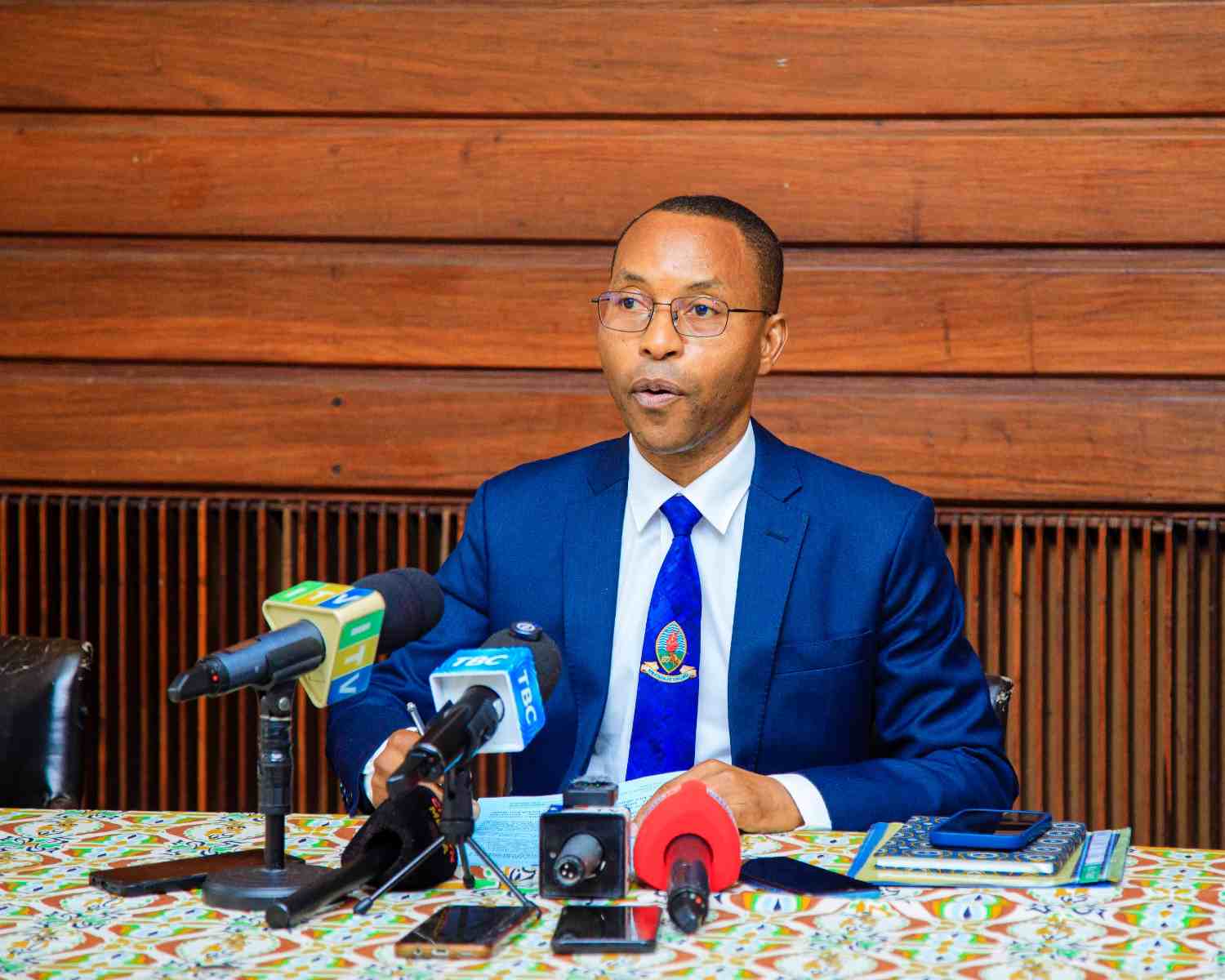
According to UDSM Deputy Vice Chancellor–Research, Prof. Nelson Boniface, the meeting comes at a critical moment when universities must adapt to rapid technological change while ensuring that students and academic staff acquire the skills needed to navigate an increasingly AI-driven world.
“UDSM has departments and academic units that provide skills to learners and teachers on the effective use of Artificial Intelligence, recognising the important role of AI in learning and teaching,” said Prof. Boniface.
He said the AAP meeting would provide an important platform for universities to exchange experiences and explore responsible approaches to integrating AI into teaching, learning and research.
“Platforms such as this meeting provide an opportunity for universities to share experiences and explore responsible ways of integrating AI into higher education,” he added.
Prof. Boniface further underscored the importance of research, innovation and international collaboration in enabling universities to generate practical responses to societal challenges.
UDSM to showcase research, innovation and global engagement
For UDSM, the meeting is also an opportunity to advance its internationalisation agenda and showcase its academic, research and innovation strengths to universities and partners from across Africa and beyond.
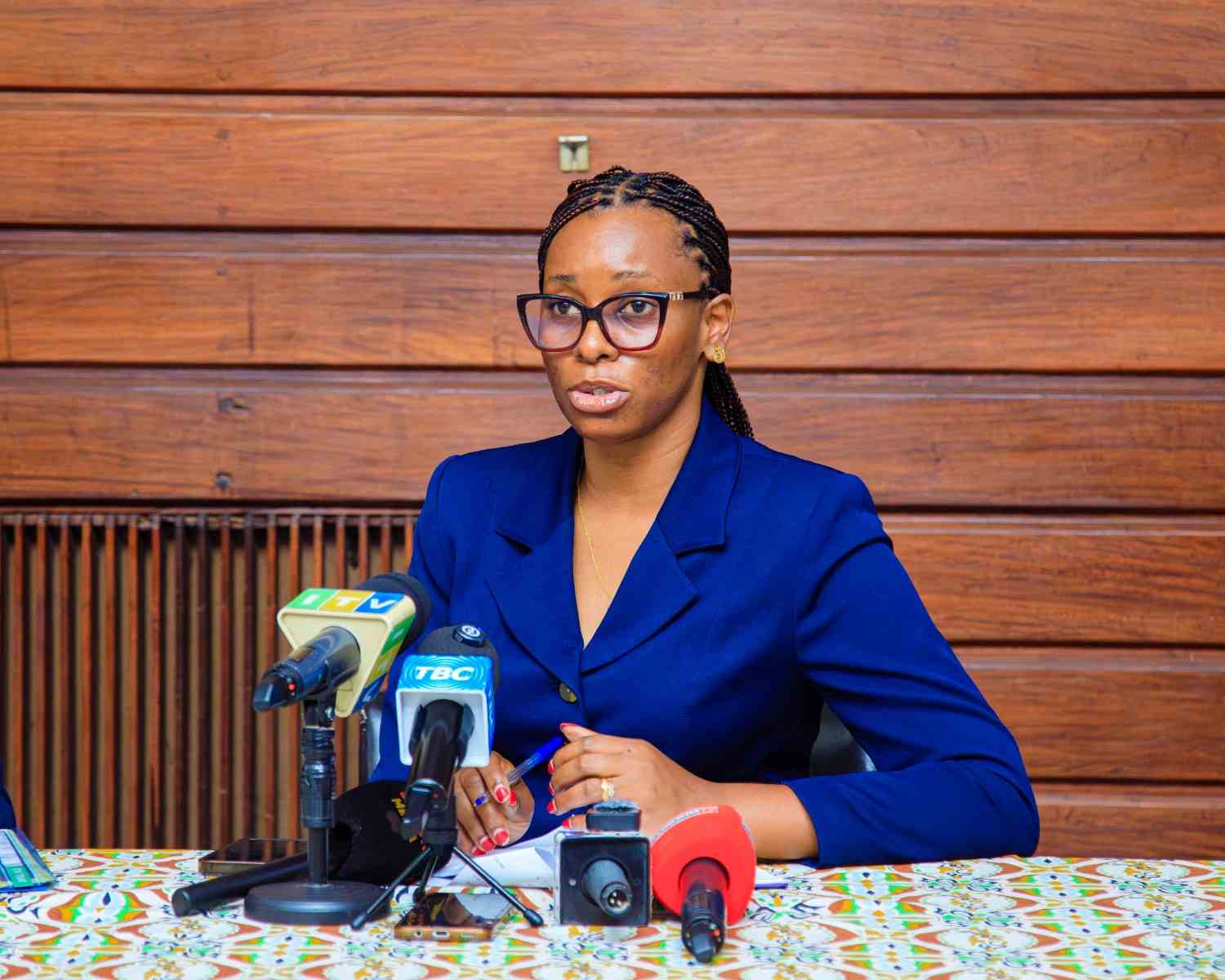
UDSM Director of the Directorate of Internationalization, Convocation and Advancement (DICA), Dr Agustina Clara Alexander, said hosting the international gathering would enhance UDSM’s visibility while creating opportunities for stronger institutional relationships.
“Hosting the AAP Annual Meeting is an important opportunity for UDSM to increase its international publicity, showcase its achievements in research, innovation and higher education, and strengthen relationships with universities and other partners from different countries,” said Dr Alexander.
She said the gathering would also provide a platform for universities to learn from one another and develop partnerships around shared challenges and opportunities.
“The meeting will also help to strengthen relationships among countries because universities provide an important platform for people and institutions from different countries to connect, exchange knowledge and develop partnerships around common challenges and opportunities,” she added.
High-level dialogue on AI, leadership and the future of work
The meeting will feature a series of high-level dialogues, public forums, research showcases and specialised workshops, with several sessions open to members of the public, the media and interested partners.
Among the notable participants expected are MSU Provost Prof. Laura Lee McIntyre; Makerere University Vice Chancellor Prof. Barnabas Nawangwe; Lilongwe University of Agriculture and Natural Resources Vice Chancellor Prof. Emmanuel Kaunda; AAP Advisory Board Member and scholar of African history and diaspora studies Prof. Paul Zeleza; and MSU College of Education Dean Prof. Jerlando Jackson.
A major public forum will take place on Thursday, September 17, when the AAP–Andrew Carnegie Foundation Public Dialogue on “AI and the Future of Work” will examine how artificial intelligence is transforming employment, skills development and the responsibilities of higher education.
The dialogue, to be held at Nkrumah Hall, will be followed by a Welcome Reception and Research Poster Showcase.
The formal Opening Session will take place on Friday, September 18, from 9:00–10:30 AM at the Library Auditorium, featuring a high-level panel on “Public Leadership and Global Impact: The Role of Higher Education.”
The opening programme will be followed by an Innovation Forum, bringing together universities, entrepreneurs, investors and industry leaders to explore how research and knowledge can be translated into practical solutions, enterprises and wider societal impact.
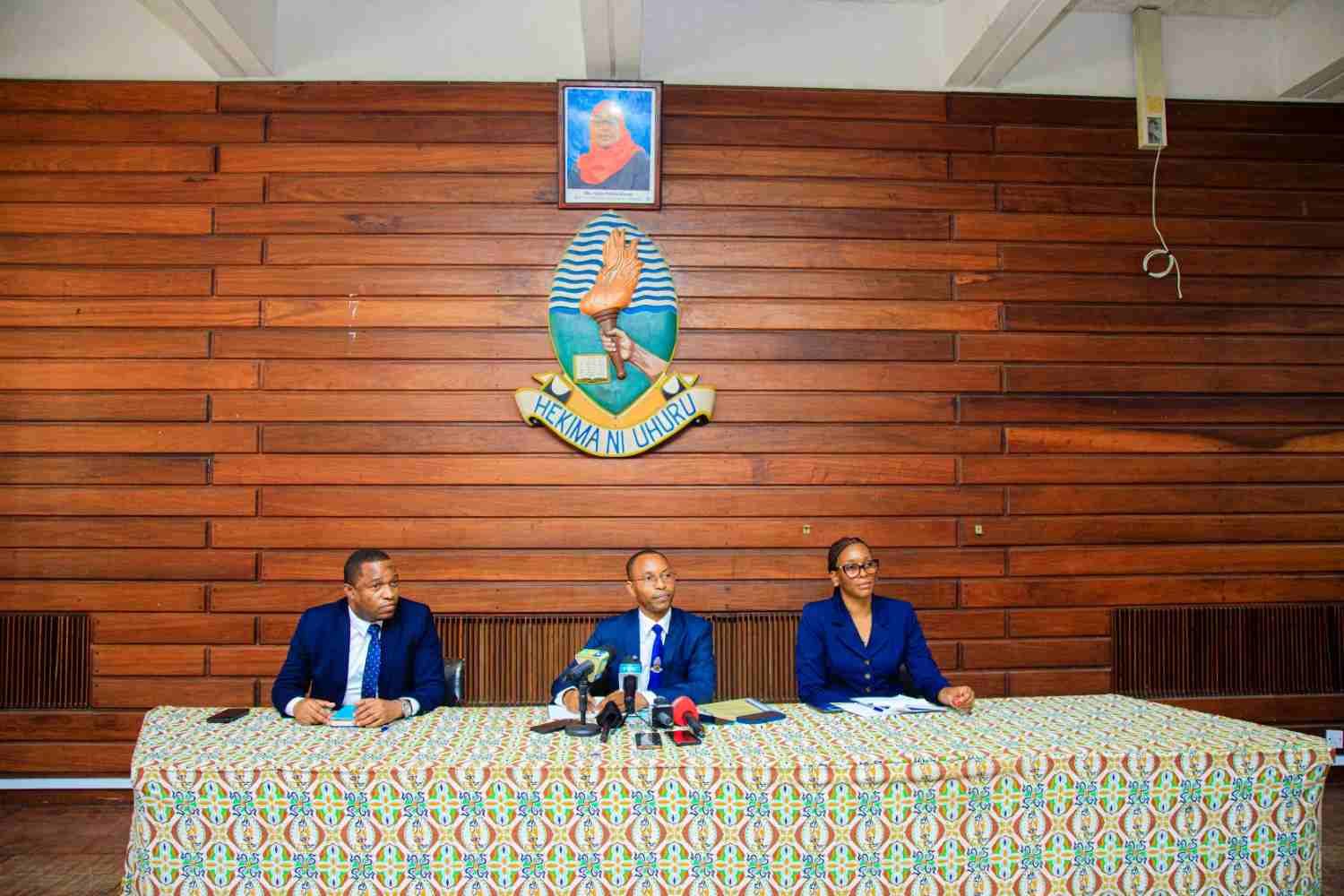
A media briefing with UDSM Vice Chancellor Professor William A. L. Anangisye and MSU Provost Professor Laura Lee McIntyre is scheduled to follow the Innovation Forum.
From research to impact
Beyond the high-level dialogues, the programme will feature AAP in Action: Stories of Impact Across the Consortium, a research poster showcase and specialised workshops addressing areas including graduate teaching, gender and inclusion, and research management.
The activities are designed to provide participating institutions with opportunities to share experiences, identify areas for collaboration and strengthen research and innovation networks across the consortium.
As one of Tanzania’s leading institutions in higher education, research and innovation, UDSM brings extensive experience in academic collaboration, knowledge production and international partnerships to the gathering.
The 2026 AAP Annual Meeting is therefore expected to go beyond dialogue by creating opportunities for new research collaborations, stronger institutional partnerships and innovative approaches to shared challenges facing African societies.
At its core, the gathering seeks to reinforce the role of African universities not only as centres of teaching and research, but also as platforms for public leadership, innovation, economic transformation and meaningful global partnerships.